'%20id='ico-down'%20stroke='%23000000'%20stroke-width='1.5'%3e%3cg%20transform='translate(1092.250000,%20254.750000)'%3e%3cpolyline%20id='Path-2-Copy-4'%20transform='translate(5.500000,%202.750000)%20scale(1,%20-1)%20rotate(-180.000000)%20translate(-5.500000,%20-2.750000)%20'%20points='0%200%205.5%205.5%2011%200'%3e%3c/polyline%3e%3c/g%3e%3c/g%3e%3c/g%3e%3c/svg%3e)



'%20fill='%23000000'%3e%3cg%20id='icons'%20transform='translate(56.000000,%20160.000000)'%3e%3cpath%20d='M144,7339%20L140,7339%20L140,7332.001%20C140,7330.081%20139.153,7329.01%20137.634,7329.01%20C135.981,7329.01%20135,7330.126%20135,7332.001%20L135,7339%20L131,7339%20L131,7326%20L135,7326%20L135,7327.462%20C135,7327.462%20136.255,7325.26%20139.083,7325.26%20C141.912,7325.26%20144,7326.986%20144,7330.558%20L144,7339%20L144,7339%20Z%20M126.442,7323.921%20C125.093,7323.921%20124,7322.819%20124,7321.46%20C124,7320.102%20125.093,7319%20126.442,7319%20C127.79,7319%20128.883,7320.102%20128.883,7321.46%20C128.884,7322.819%20127.79,7323.921%20126.442,7323.921%20L126.442,7323.921%20Z%20M124,7339%20L129,7339%20L129,7326%20L124,7326%20L124,7339%20Z'%20id='linkedin-[%23161]'%3e%3c/path%3e%3c/g%3e%3c/g%3e%3c/g%3e%3c/svg%3e)
'%20fill='%23000000'%3e%3cg%20id='icons'%20transform='translate(56.000000,%20160.000000)'%3e%3cpath%20d='M335.821282,7259%20L335.821282,7250%20L338.553693,7250%20L339,7246%20L335.821282,7246%20L335.821282,7244.052%20C335.821282,7243.022%20335.847593,7242%20337.286884,7242%20L338.744689,7242%20L338.744689,7239.14%20C338.744689,7239.097%20337.492497,7239%20336.225687,7239%20C333.580004,7239%20331.923407,7240.657%20331.923407,7243.7%20L331.923407,7246%20L329,7246%20L329,7250%20L331.923407,7250%20L331.923407,7259%20L335.821282,7259%20Z'%20id='facebook-[%23176]'%3e%3c/path%3e%3c/g%3e%3c/g%3e%3c/g%3e%3c/svg%3e)

The UK tax system may seem complicated to newcomers. However, once you know which taxes you may need to pay, the process becomes much simpler. Read on to learn about the different taxes you may come across when living in the UK, an explanation of each, and whether they will affect you. You’ll also find a brief overview of rates, refunds, and where to get advice.
Sections include:
Sol Tax Advisors
Sol Tax Advisors specializes in expert tax solutions for US expats. Their CPA team ensures compliance with IRS regulations, allowing clients to navigate taxes stress-free. Take advantage of their limited-time offer for a $0 consultation with a CPA (a $270 value), where you can ask questions about your situation.

Tax system in the UK
There is a range of taxes in the UK that fund public spending. In 2024-25, the UK government raised nearly £1.4 trillion in taxes, most of which was sourced from income tax, national insurance, and value-added tax (VAT).
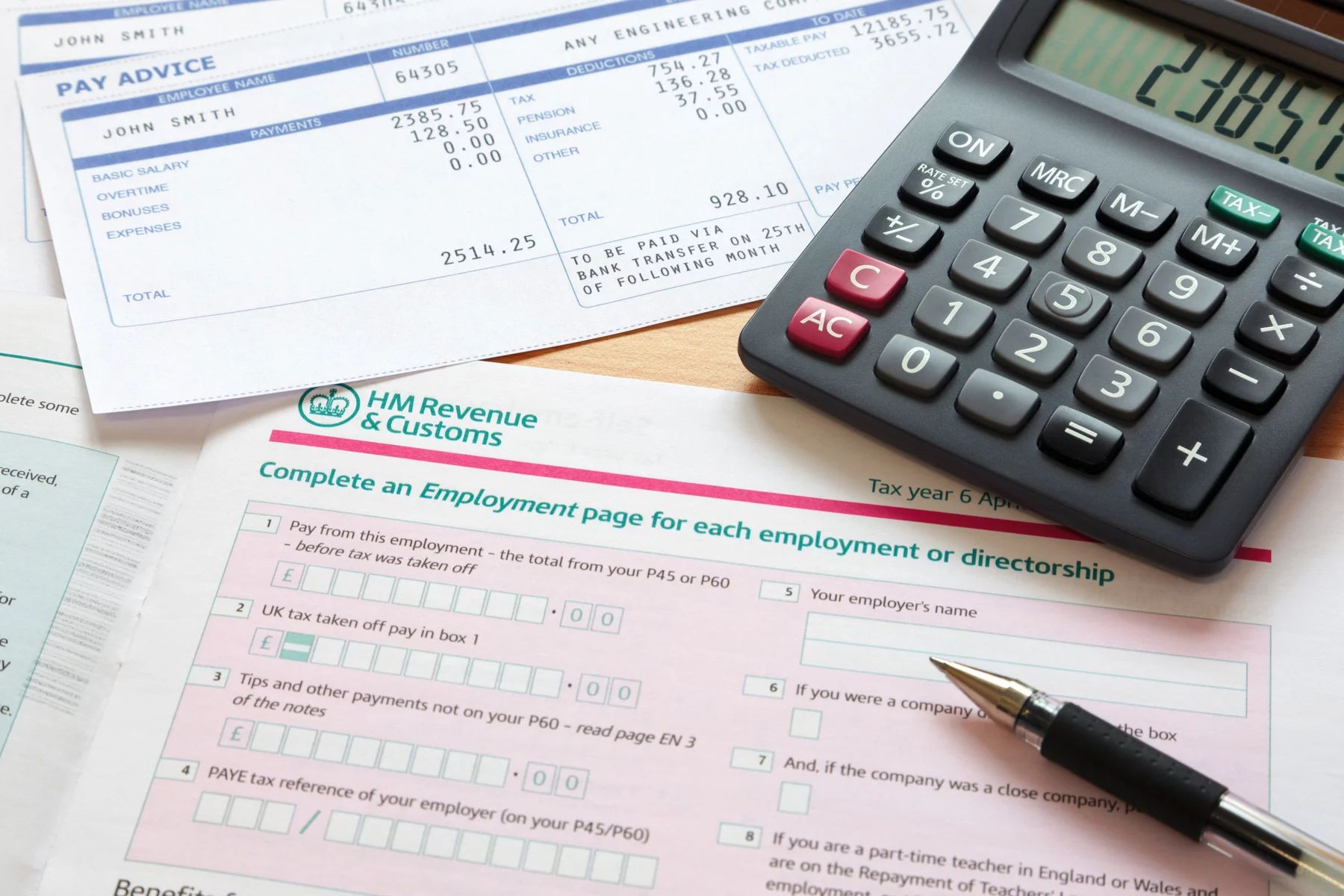
The government’s fiscal year runs from 1 April to 31 March – although most companies align their tax year with this, they may choose different dates. Meanwhile, the tax year for individuals is between 6 April and 5 April.
The following authorities oversee different taxes:
- HM Revenue and Customs (HMRC)
- Revenue Scotland
- Welsh Revenue Authority
- Land & Property Services (Northern Ireland)
- Local governments
Latest UK tax news – March 2026
In Rachel Reeves’s 2026 Spring statement, there were no major new developments or announcements. Tax rates and thresholds remained the same. The main notable tax change coming into force was an increase in dividend tax rates by 2% from April 2025.
Other recent developments from 2025 Autumn budget include:
- Investment income – savings and property income tax rates to rise by 2 percentage points across all bands in 2027
- Income tax and national insurance thresholds frozen until 2031
- Increase in council tax charges on homes valued over £2 million
Who pays tax in the UK?
In the UK, individuals, companies, and trusts pay taxes. Residents are taxed on their worldwide earnings, while non-residents only pay taxes on what they earn in the UK.
You’re a resident in the UK for tax purposes if you are in the country for 183 days or more, or if your only home is the UK for longer than 30 days. The UK provides statutory residence tests so you can work out which tax regime applies to you.
How does tax work for expats?
For individual expat residents in the UK, taxes work mostly identically to those of British citizens. Furthermore, taxation treaties with other countries mean you’re unlikely to be taxed twice. Some foreign income is subject to certain rules – you can read more about this in our article on income tax in the UK.
If you do business abroad, make sure you’re up-to-date with rules on import and export taxes, and be aware that if your business is resident in the UK, you’ll need to pay taxes on its worldwide income. Our article on corporate tax in the UK goes into more detail.
The UK has bilateral automatic exchange of information agreements with numerous other countries – these allow tax authorities to provide information to each other to prevent tax avoidance and evasion.
Unbiased
In need of some expert financial advice in the UK? Knowing where to turn for trusted advice can be challenging, but with Unbiased, you can find the right financial advisor for your needs. Search their network of over 26,000 UK-based professionals. Find financial advisors, accountants, and more with Unbiased.
As an expat managing finances across borders, you’ll likely need to handle international money transfers regularly – whether receiving salary from abroad, paying tax obligations, or managing savings in multiple currencies.

Wise offers a multi-currency account that lets you hold over 40 currencies with account details in 20+ currencies. You can send money internationally or convert between currencies using the mid-market exchange rate with transparent, low fees, making it easier to manage your international financial obligations while living in the UK.
Do I need a tax ID number in the UK?
You require a tax identification number (TIN) in the UK. Most people use their National Insurance number (NINO) for tax identification, which is also used for employment, benefits, and other services. You can get a NINO by applying to HMRC.
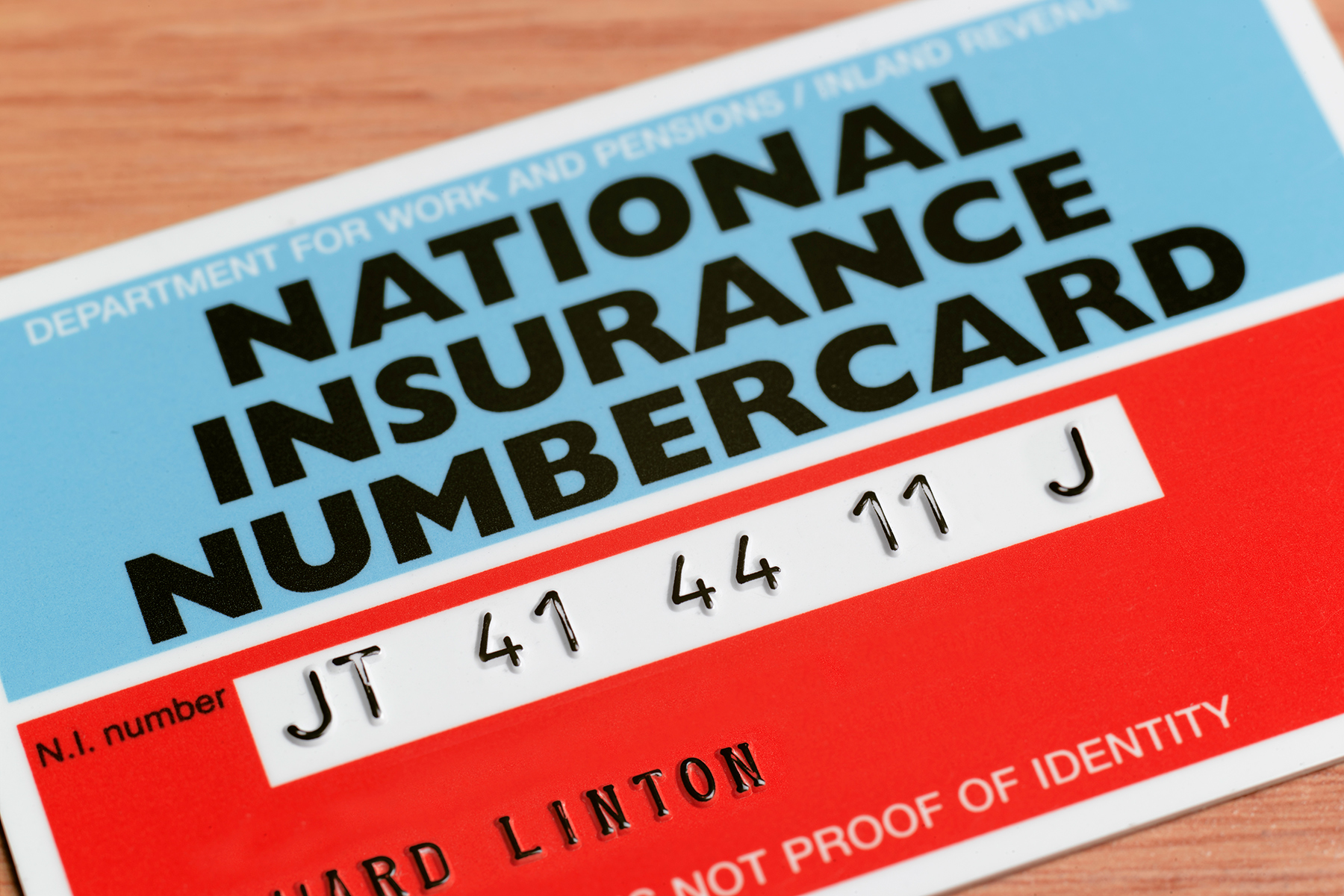
However, if you need to file a Self Assessment tax return in the UK, you’ll receive a Unique Taxpayer Reference (UTR). Businesses have a Company Registration Number, which they receive when incorporating their company. In addition, if you’re liable for VAT, you should register online with HMRC to get a VAT number.
Types of tax in the UK
You’ll encounter a variety of taxes when living in the UK. Some, like council tax, are charged at the local level, while others are paid centrally.
For expats managing finances internationally, dealing with these tax obligations often means making cross-border payments and managing money in multiple currencies.
Online specialists like Wise can help you send money internationally at the mid-market exchange rate with low, transparent fees – useful when receiving income from abroad or making international payments related to your UK tax obligations.
Read on for an overview of each type of tax.
Income tax
All UK residents pay income tax on their international earnings, while non-residents only pay it on their UK income. Earnings subject to income tax include:
- Salary from employment
- Business profits
- Pensions
- Rental income
- Interest on savings and investments
- Dividends
- Cryptoassets
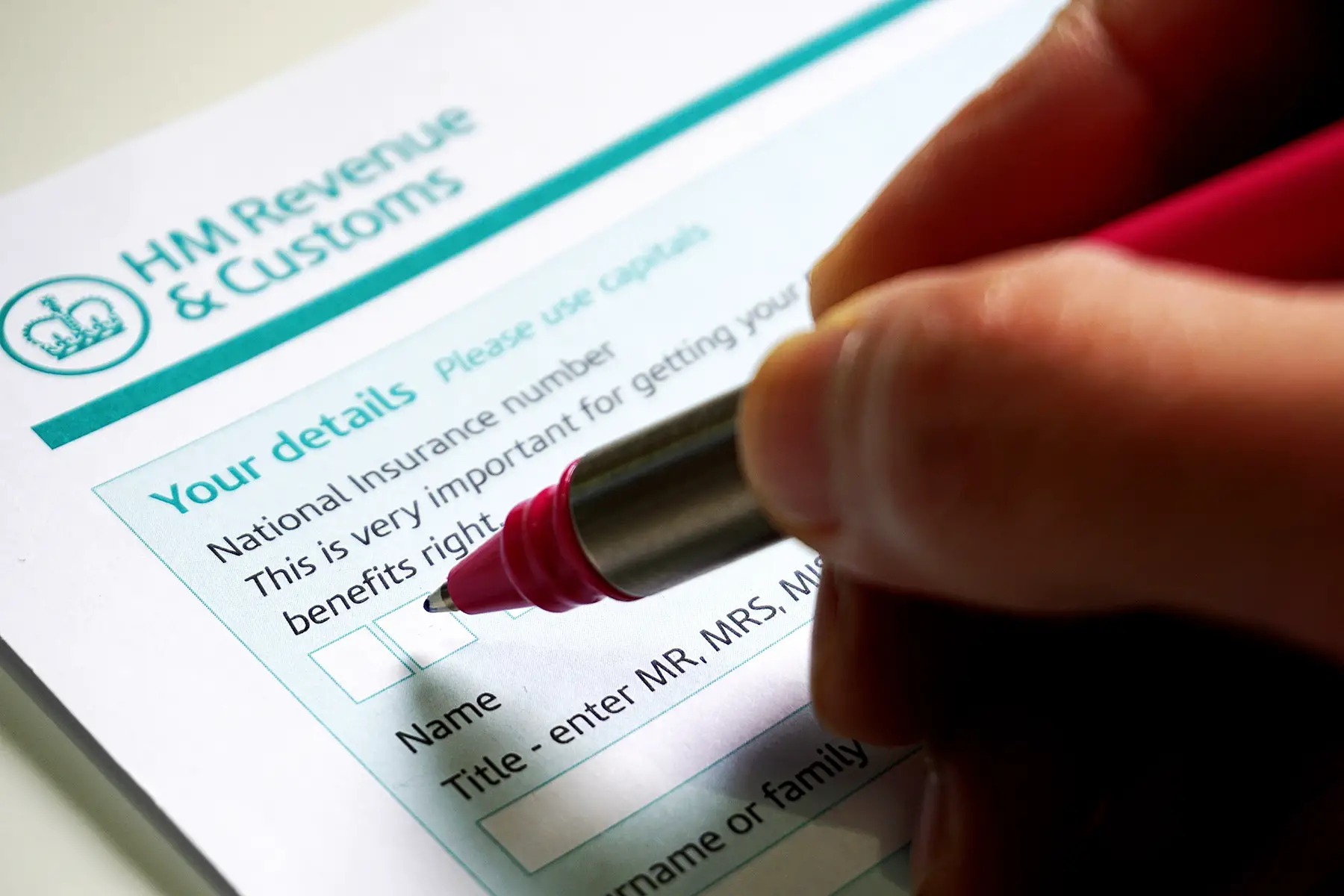
Most workers pay their income tax through Pay As You Earn (PAYE), where the tax is taken from their salary before they receive it. However, those with more complex tax considerations must file a Self Assessment return.
In England, Wales, and Northern Ireland, tax rates vary from 0% to 45%, but in Scotland, this can reach 48%.
National Insurance
Most workers also make National Insurance contributions, which fund benefits and pensions. If you are an employee, these payments are taken out of your salary at the same time as your income tax. In 2026, employees contribute up to 8% of their wages, while employers pay up to 15%.

However, there are several National Insurance classes. Employees come under Class 1, but self-employed people can fall into different classes depending on how much they make from their business:
- More than £12,570 a year – pay Class 4 contributions.
- £6,725–12,570 – you do not need to make payments, as the government considers your contributions as having been made.
- Less than £6,725 – you do not need to pay anything, but making voluntary contributions will mean avoiding gaps in your National Insurance record.
Class 2 contributions are currently set at £3.65 per week, but these payments are no longer mandatory for those earning over £12,570. Meanwhile, the 2026-27 rate for Class 4 contributions stands at 6% on profits over £12,570 and 2% on those over £50,270.
Council tax
If you live in the UK and are over 18, you’ll almost certainly need to pay council tax, a fee that goes to the local government. It pays for local services, including trash collection, emergency services, road maintenance, and libraries.
How much you pay depends on the value of the property you live in and where it is located. Each council sets out different brackets according to property values, and there may be different rates depending on the parish or town. The amount of council tax that each household owes is usually between £1,000 and £4,000 per year.

In some situations, people living in a household are ‘disregarded’ for council tax. That means that the household can apply for a discount or exemption. In addition, people living alone get 25% off their council tax bill. Contact your council to find out how to apply.
It’s usually possible to pay your council tax bill online or at post offices, banks, newsagents, and convenience stores. Your bill should include information on payment methods.
Business rates
If you own or rent a commercial property in the UK, you will have to pay monthly business rates. This is a municipal tax determined by your local UK council. The amount you pay will depend on the property’s rateable value. You can read more about business rates in our article on corporate and business taxes in the UK.
Corporation tax
If you run a company in the UK, you’ll need to pay business taxes. In addition to business rates and National Insurance contributions, you must consider corporation tax and VAT (discussed later in the article). Entities that must pay corporation tax include:
- Limited companies
- Foreign companies with UK branches
- Clubs
- Co-operatives
- Other unincorporated associations
Corporation tax is charged on your trading profits, investments, and chargeable gains (what you get from making a profit on assets). Businesses based in the UK pay it on their global profits, but those based outside the country only pay it on what they make in the UK.
The main corporation tax rate in the UK is 25%, but businesses that make a profit of less than £50,000 in their accounting period pay a ‘small profits rate’ of 19%. Meanwhile, companies that make £50,000–250,000 can apply for marginal relief.
Like other taxes, it’s possible to file and pay your corporation tax bill online. If you overpay, HMRC will pay you back, plus any applicable interest. Read more in our article about corporate tax in the UK.
Value Added Tax (VAT)
Value Added Tax (VAT) applies to most goods and services. In the UK, the standard rate is 20%, but a reduced rate of 5% applies to some goods, like energy-saving building materials, mobility aids, children’s car seats, and other useful items.
Meanwhile, a zero rate applies to some goods and services, such as children’s clothes, charity advertising, and sanitary items.
Can I get a refund on VAT?
Visitors from outside Northern Ireland and the EU can sometimes get refunds on VAT on goods they buy in Northern Ireland. However, tax-free shopping is no longer available in England, Scotland, and Wales.
To use the scheme, you must be an overseas visitor living outside Northern Ireland and the EU, and you must take your goods with you by the last day of the third month after the month you bought them. The UK Government provides more information about claiming your VAT refund.

Elsewhere in the UK, you can still buy tax-free items, but they must be shipped to an address outside Great Britain (England, Scotland, and Wales) immediately. Bear in mind that some items are ineligible for a VAT refund, so check your items against the list on the UK Government pages.
Does my business need to pay VAT?
If your business has a taxable turnover of £90,000 or more, you must register for VAT. Companies earning under this amount can choose whether to register.
You must include VAT in the price of your goods and services, so make sure you’re aware of the applicable rates.

Most businesses send a VAT return to HMRC every three months, usually within a month and seven days of the end of their accounting period. The return shows:
- Your total sales and purchases
- How much VAT you owe
- How much VAT you can reclaim
- The amount of VAT that HMRC owes you
You or your accountant can submit your VAT return online, and you can pay it in several ways, including by Direct Debit or online. If you have charged more VAT than you have paid on goods or services you have purchased, you pay the difference. Otherwise, HMRC will refund you the difference within 30 days.
For more information on VAT for businesses in the UK, check out our dedicated section.
Capital Gains Tax
Capital Gains Tax is what you pay when you sell, give away, or get compensation for something that has increased in value since you obtained it.
You pay it on the following items:
- Personal possessions worth over £6,000 (other than cars)
- Property other than your main home
- Your main home in certain circumstances (e.g., if you’ve been renting it out, using it for business)
- Some shares and other investments
- Business assets
UK residents generally pay CGT on worldwide gains, while non-residents usually only pay CGT on UK property.
How much you pay depends on your tax bracket. From 30 October 2024, higher or additional rate taxpayers will pay 24% on gains from residential property and other chargeable assets. There is a higher rate of 28% on carried interest if you manage an investment fund.
However, Capital Gains Tax is slightly more complicated for basic rate taxpayers:
- First, work out your taxable income – your income minus your personal allowance and other reliefs.
- Take the tax-free allowance of £3,000 from your total taxable gain.
- Add the result to your taxable income.
You’ll then pay the following on gains:
| Taxable income + taxable gain = within basic income tax bracket | 18% (10% on gains other than on residential property or carried interest) |
| Taxable income + taxable gain = above basic income tax bracket | 24% on gains above the basic tax rate (20% on gains other than on residential property) 28% on carried interest above the basic tax rate |
You must report and pay capital gains tax on property sales within 60 days. For other gains, record these in your Self Assessment tax return or the ‘real-time Capital Gains Tax service‘ by 31 December in the tax year after the sale.
Inheritance tax
After someone’s death in the UK, inheritance tax must be paid on their money, property, and possessions.
However, it’s only payable if the inheritance value is over £325,000 unless anything over this threshold is left to:
- A spouse or civil partner
- A charity
- A community amateur sports club

In addition, if the deceased leaves a home to their children, the allowance goes up to £500,000. The standard inheritance tax rate in the UK is 40%, and it must be paid by the end of the sixth month after the death.
Agricultural property has been exempt from inheritance tax in the UK since 1984. However, as of April 2026, exemption only applies to assets up to £2.5 million. Assets above this are subject to a reduced 20% tax rate.
Stamp Duty Land Tax
When buying a property in the UK, you may need to pay additional tax. This has different names according to where you live:
- England and Northern Ireland: Stamp Duty Land Tax (SDLT)
- Scotland: Land and Buildings Transaction Tax
- Wales: Land Transaction Tax
Current SDLT thresholds are:
| First-time buyers | 0% on property up to £300,000, 5% on property between £300,001–500,000, no relief on property £500,000+ |
| Other buyers buying residential properties | 0% on property up to £125,000 |
| Non-residential land and properties | 0% on property up to £150,000 |
Above these amounts, you will pay the following amount of tax (from 1 April 2025):
- 2% on properties up to £250,000
- 5% on all non-residential properties, and residential properties between £250,000 and £925,000
- 10% on residential properties between £925,000 and £1.5 million
- 12% on residential properties over £1,500,000
The rates differ in Scotland and Wales – you can read more about each country in the links above.
If you are buying an additional property, you must pay an extra 5% unless you sell your previous main home within 36 months. In addition, there is a 2% surcharge for non-residents who buy residential properties in the UK.
Import/Export taxes
All goods imported from outside the UK are subject to tariffs and customs duties, with a few exceptions. You can use an online tool to check the tariff and VAT rates on various imported goods.
If you’re travelling to the UK, you may not have to pay tax or duty on goods you bring with you, provided they are for personal use.
- You can bring in goods worth up to £390 duty-free
(or £270 if arriving by private plane or boat) - You must declare:
- Goods above this value
- Commercial goods
- Alcohol, tobacco, and other excise goods above personal allowances
If you’re moving to the UK, different rules apply. You may be able to bring most of your personal belongings tax-free under Transfer of Residence Relief, provided you meet certain conditions (such as having lived abroad and owned the items beforehand).

If you run a business that regularly imports or exports goods, managing international payments efficiently is crucial.
Wise Business provides a multi-currency account designed for businesses engaged in international trade. You can pay suppliers abroad using the mid-market exchange rate, receive payments in different currencies, and manage funds across borders with transparent fees. This can be particularly helpful when dealing with customs duties, VAT payments, and supplier invoices in different currencies, allowing you to save on currency exchange costs compared to traditional business banking.
Border Target Operating Model (BTOM)
If you run a business that engages in UK-international trade, ensure you’re aware of new import and export rules that have applied since 2024. These form the Border Target Operating Model (BTOM).

The changes impact animal and plant products and foods from the European Union (EU) and include:
- New health certification requirements
- Implementation of checks and physical inspections
- Relocation of checks that used to happen at the destination to the UK border
- Simplification of datasets for imports
You can read more about the BTOM on the UK Government’s web pages.
Car, road, and airport taxes in the UK
If you drive in the UK, you must pay car and road tax, including when you register your car with the DVLA (Driver and Vehicle Licensing Agency). The amount varies according factors such as vehicle type, engine size, type of fuel, and CO2 emissions.
You can consult a table of UK car and road tax rates, where you’ll see payment rates for alternative fuel cars (TC59) are £10 lower than for petrol (TC48) and diesel cars (TC49).
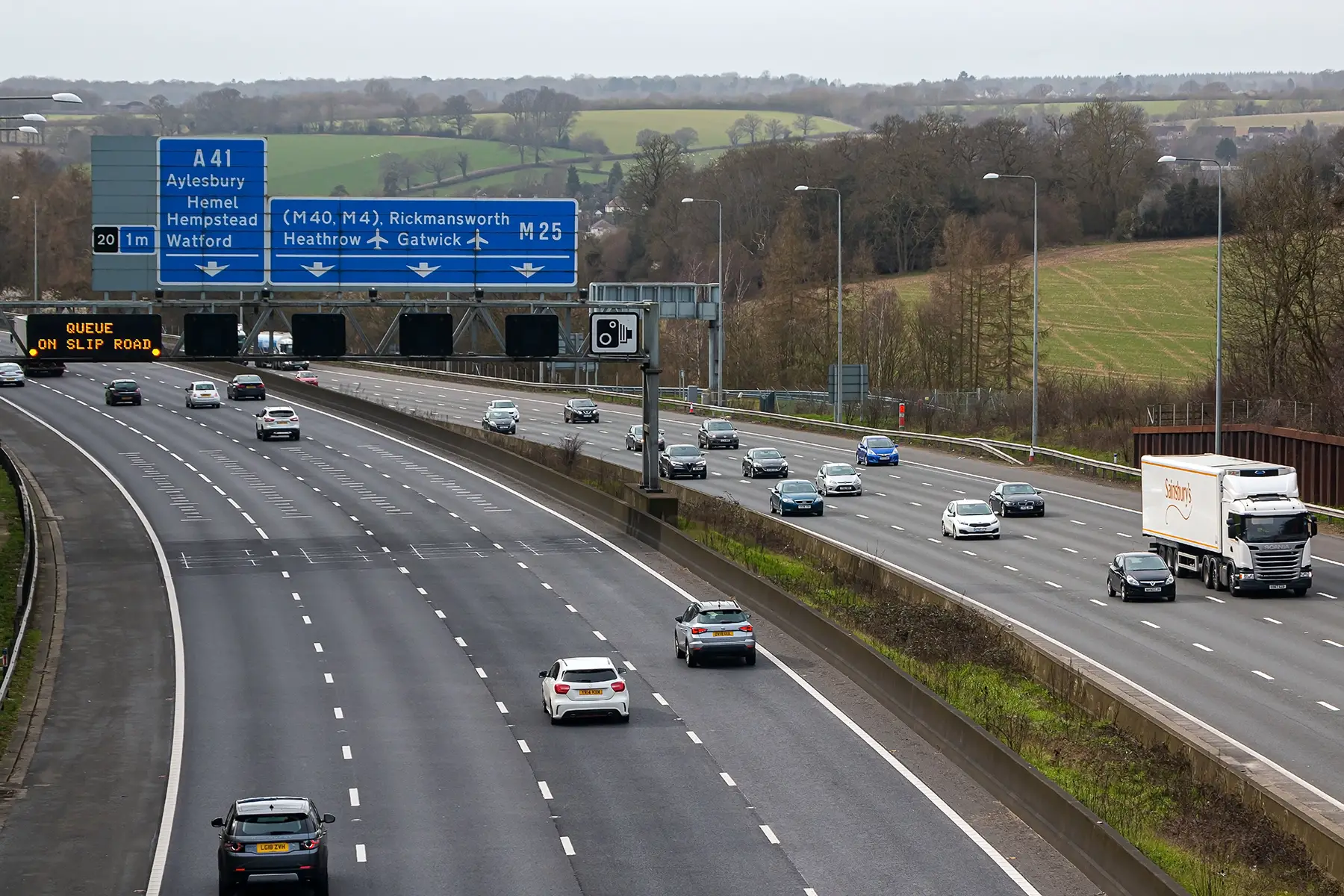
You can pay your car and road tax online. Electric cars are exempt from certain UK car taxes thanks to their low-emission output.
Individuals leaving the UK by air must also pay a duty, which is typically included in your ticket price.
Tax avoidance and evasion
Tax avoidance, or rearranging your financial affairs to pay less tax, is not necessarily illegal, but it can have severe repercussions. If you enter into a scheme that HMRC has a reference number for, you must disclose it. Otherwise, you could receive a fine of up to £5,000. In addition, HMRC will investigate your tax affairs. They could also demand that you pay the tax owed upfront, take legal action against you, and treat you as a high-risk taxpayer.
On the other hand, tax evasion – misrepresenting your financial affairs to pay less tax – is illegal. HMRC publishes a list of deliberate tax defaulters, and you could face hefty fines. For the tax year 2023-24, HMRC estimated a £46.8 billion tax gap or 5.3% of tax. This gap represents missing tax due to errors, tax avoidance, evasion, and criminal attacks.
In 2024, the UK introduced tougher measures against promoters of tax avoidance. Anyone who continues to promote tax avoidance schemes after receiving a stop notice from HMRC could face criminal charges. In addition, HMRC can disqualify directors of companies encouraging tax avoidance.
Tax advice
The materials reviewed in this article are for informational purposes only and should not be taken as tax advice for your individual situation. Therefore, you should always consult your own tax expert with your specific tax issues or questions.
You can find trustworthy accountants and financial advisors on platforms like Unbiased. American expats can find personalized help from Sol Tax Advisors on US tax matters.
Useful resources
- HMRC – website for information on British taxes, social security contributions, and other related questions for the constituent countries of the United Kingdom. The authority also runs a self-assessment helpline.
- Land & Property Services – Northern Irish authority for tax
- Revenue Scotland – body responsible for collecting and managing Scottish taxes
- Settlement Scheme – This applies to EEA citizens living in the UK before 1 January 2021.
- TaxAid – charity which advises people on low incomes whose problems cannot be resolved with HMRC
- Welsh Revenue Authority
Important note: The contents of this article is for informational purposes only and does not constitute legal or tax advice. Decisions related to tax should be made after thorough research, consultation and verification from a qualified financial and legal advisor.