
'%20id='ico-down'%20stroke='%23000000'%20stroke-width='1.5'%3e%3cg%20transform='translate(1092.250000,%20254.750000)'%3e%3cpolyline%20id='Path-2-Copy-4'%20transform='translate(5.500000,%202.750000)%20scale(1,%20-1)%20rotate(-180.000000)%20translate(-5.500000,%20-2.750000)%20'%20points='0%200%205.5%205.5%2011%200'%3e%3c/polyline%3e%3c/g%3e%3c/g%3e%3c/g%3e%3c/svg%3e)


Moving
Visas & Immigration
Citizenship in the Netherlands: how to become a Dutch citizen
Dutch citizenship comes with a wealth of extra rights. This article explains more about the different paths and how expats can apply.

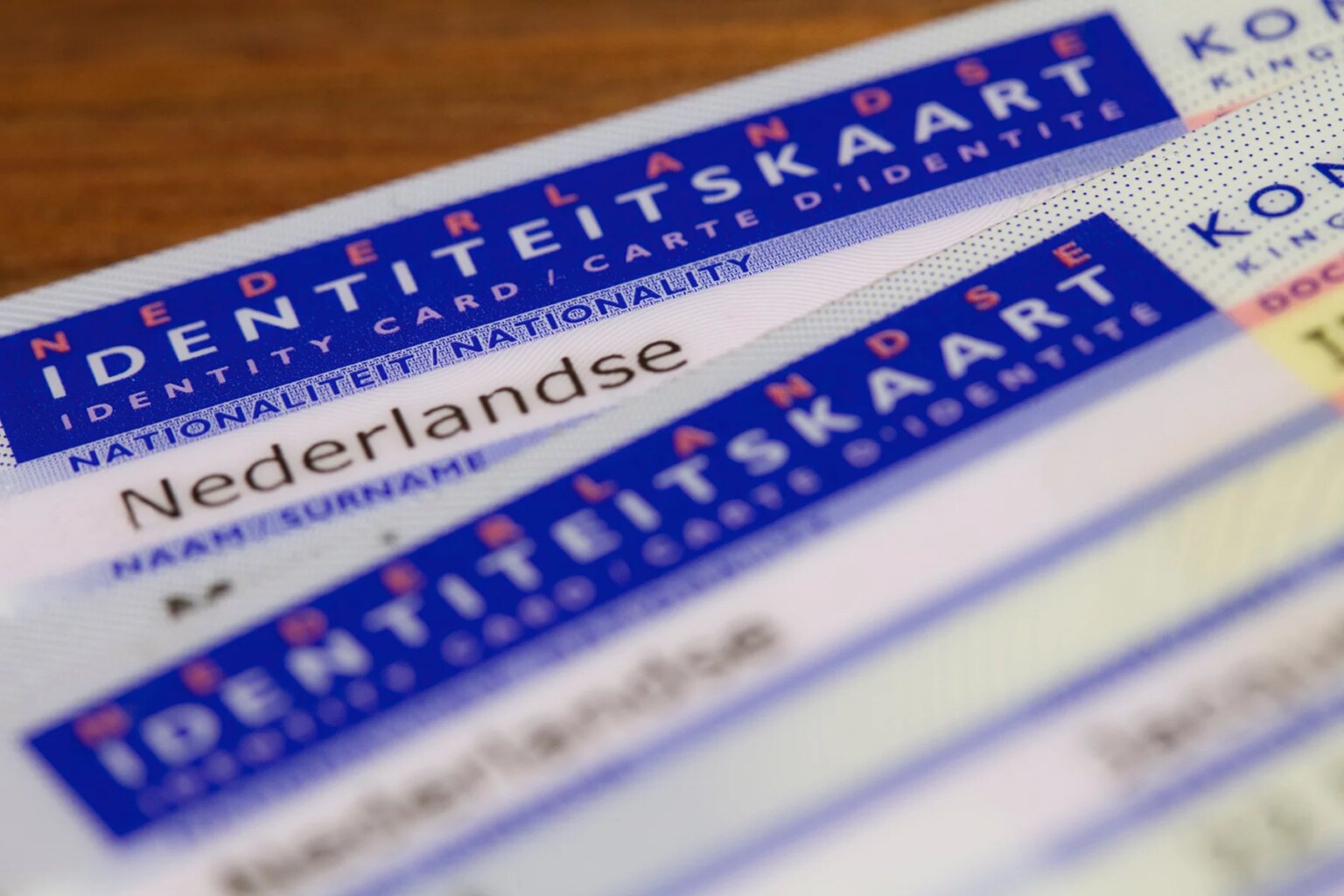
Long-term residents of the Netherlands have the option to become Dutch citizens or take permanent residence status. The nationality comes with certain additional benefits, such as EU citizenship and the freedom to move around the European Union (EU) and European Free Trade Association (EFTA – Iceland, Liechtenstein, Norway, and Switzerland) region.
Learn more about the topic by reading the following topics:
Citizenship in the Netherlands
Current Dutch citizenship law is based on the 1984 Dutch Nationality Act (Rijkswet op het Nederlanderschap). This details the conditions for becoming a Dutch citizen. The law is based primarily on jus sanguinis (citizenship by descent) rather than jus soli (citizenship by birth). This means you have more automatic citizenship rights through being born to Dutch parents than you do through being born in the Netherlands.

In addition to this, you can acquire citizenship through naturalization routes. However, this is only the case if you have lived in the Netherlands for a certain period and meet other criteria. Essentially, there are three main routes to Dutch citizenship:
- Citizenship through birth or descent
- Citizenship through naturalization
- Option procedure – a cheaper, fast-track process that you can follow if you meet certain conditions
The Immigratie- en Naturalisatiedienst (IND) deals with citizenship applications in the Netherlands. In 2020, the IND processed 50,870 citizenship applications.
As there are many rules to navigate when considering acquiring citizenship, it’s worth getting in touch with a legal professional who can advise you. For example, Everaert Advocaten specialize in helping internationals with their migration and citizenship questions.
Dutch citizenship by birth or descent
You are not automatically a Dutch citizen if you are born in the Netherlands to non-Dutch parents. However, you can claim Dutch citizenship through descent if any of the following apply:
- You were born before 1 January 1985, and your father was a Dutch national at the time of your birth.
- You were born on or after 1 January 1985, and your mother was a Dutch national at the time of your birth.
- Your birth was on or after 1 January 1985, your father was a Dutch national at the time of your birth, and was either a spouse/registered partner of your non-Dutch mother or acknowledged your birth before you were born.
- Either your mother or father had the Netherlands as their main residence at the time of your birth, as long as one of their parents also had the Netherlands as their main residence at the time of their birth.
- You are under 18, at least one of your parents is a Dutch national, and they acknowledge your birth after 1 March 2009 (they will need to take a DNA test if you are aged seven or above)
- You are under 18 and are adopted, at least one of your adoptive parents is Dutch, and all ties to your biological family have been broken.
How to apply for citizenship through birth/descent
You don’t have to apply for citizenship through birth or descent. Moreover, you don’t have to pay any fees. You can simply contact the IND to register yourself as a Dutch citizen.
Citizenship in the Netherlands by naturalization/residence
It is possible to apply for citizenship by naturalization in the Netherlands if you meet the following conditions:
- You are 18 or over (those under 18 can only be naturalized as part of a parent’s application).
- You have lived in the Netherlands for at least five consecutive years as either an EU/EFTA national or on a valid temporary residence permit (there are certain exceptions to this residence requirement).
- Unless you are exempt from taking it, you have passed the Dutch civic integration exam.
- The Dutch authorities do not consider you a threat to public order or national security.
- You renounce your current nationality if you are required to do so.
- You agree to attend a naturalization ceremony on 15 December of the year in which you obtain citizenship, if you are 16 or over.
How to apply for Dutch citizenship through naturalization/residence
If you want to apply for citizenship through naturalization in the Netherlands, you should do so through your local municipality. You will need to provide the following (translated into Dutch, English, French, or German):
- Valid passport or travel ID
- Dutch residence permit (if you are a non-EU/EFTA national)
- Birth certificate
- Civic integration certificate, unless exempt
- Evidence of a criminal record that doesn’t include any serious crimes that would deem you a threat to national security
As of 2024, the cost for a naturalization application is €1,023, or €1,305 if applying as a couple. For accompanied children, the application cost is €151. Refugees with an asylum residence permit pay a reduced fee of €760, or €1,044 if applying as a couple. Moluccans can apply for naturalization for free.
Decisions on citizenship applications by naturalization typically take around one year to process.
Dutch citizenship through the option procedure
Citizenship through the option procedure is a fast-track naturalization route that is easier, quicker, and cheaper than standard naturalization. However, it is only available to certain groups. You can apply for the option procedure if you belong to one of the following categories:
- You are an adult born in the Netherlands, have lived there since birth, and have a valid residence permit.
- You were born in the Netherlands, have been stateless since birth, and have been living in the Netherlands for at least three years with a residence permit.
- You are a minor under 18 and have been brought up by a Dutch national for at least three years.
- You are a former Dutch national who has been living in the Netherlands for at least one year with a residence permit.
- You have been the spouse/registered partner of a Dutch national for at least three years and have lived in the Netherlands continuously for at least 15 years with a residence permit.
- You are 65 years or older and have lived in the Netherlands for at least 15 years with a valid residence permit.
- You were born to or adopted by a Dutch mother before 1 January 1985.
- You lost your Dutch citizenship through marriage to a non-Dutch man before 1 January 1985.
- You are a former Dutch citizen, have lost your Dutch nationality, and have suffered severe and disproportionate consequences as a result.
In addition to this, you will need to meet the following requirements:
- Have no serious criminal convictions and not be deemed a threat to public order and national security
- Willing to make a declaration of solidarity with the Kingdom of the Netherlands
How to apply for citizenship through the option procedure
You need to make your application through your local municipality. In addition to the completed application form, you will need to provide:
- Passport or valid travel ID
- Birth certificate
- Valid Dutch residence permit
- Other documentation proving your eligibility for the option procedure, for example, a marriage certificate
The fee (2024) for this application is €217, or €24 for children under 18. If you apply with a partner, the joint application costs €370. The decision on citizenship applications through the option procedure arrives much quicker than standard naturalization applications, usually taking no more than 13 weeks.
Dutch citizenship by marriage
You can apply for citizenship through naturalization after three years if you are married to or are the registered partner of a Dutch citizen. Although you must have been living together as a married couple or registered partners for this three-year period, it doesn’t necessarily need to have been in the Netherlands. If you live in the Netherlands, you can count any period you lived together before the marriage/registered partnership towards your three-year period. Your spouse/partner needs to be a Dutch national at the time of the citizenship application. However, they don’t need to have been a Dutch citizen for the entire three-year period.

The application procedure and costs for this are the same as for citizenship through naturalization.
Citizenship as a resident of a Dutch overseas territory
You can apply for Dutch citizenship if you are a resident of any of the following Dutch Caribbean territories:
- Aruba
- Curaçao
- Sint Maarten
- Bonaire
- Sint Eustatius
- Saba
To get Dutch citizenship in this case, you need to demonstrate knowledge of the Dutch language as well as knowledge of Papiamento (Aruba, Curaçao, and Bonaire) or English (Sint Maarten, Sint Eustatius, and Saba).
You will either need to apply through IND Caribbean Netherlands or the Dutch embassy or consulate in the country, depending on whether you are applying for standard naturalization or the option procedure.
Citizenship test in the Netherlands
Acquiring Dutch citizenship via naturalization requires you to demonstrate that you have integrated into Dutch society. This means understanding the Dutch language and having a reasonable amount of knowledge about the country’s society and culture.
For most migrants, this means passing the Dutch civic integration exam (Inburgeringsexamen). This is an exam taken at a test center consisting of five sections: four related to the Dutch language (speaking, reading, writing, and listening) and one on your knowledge of Dutch society. Each part of the exam costs €50, totaling €250. The language level required for the exam is A2 on the CEFR scale.

You don’t need to pass the civic integration exam if any of the following applies to you:
- You have already attained a civic integration diploma or certificate
- You have Belgian, Luxembourgish, or Turkish nationality
- You are under 18 or over 65
- You lived in the Netherlands for eight years or more during your school years
- You possess a document, diploma, or certificate listed by the IND
- A doctor or medical professional exempts you on medical grounds
- Due to particular individual circumstances, you cannot pass the exam
If you want to prepare for the exam, you can find practice materials on the government website.
Once you have passed the examination, you will receive a Civic Integration Certificate, which you can submit with your naturalization application.
Passports in the Netherlands
Once you become a Dutch citizen, you can apply for a Dutch passport (currently ranked 9th on the Arton Capital Global Passport Index). You can apply for a passport at your local municipal office (gemeente), or a Dutch embassy or consulate if you live abroad.
You can read more about the passport application process and costs in our article on Dutch passports.
Dual nationality in the Netherlands
The Dutch government is trying to limit dual nationality as much as possible. This means that, in most cases, you will need to give up any other nationalities when you acquire Dutch citizenship. However, there are some exceptions. These are:
- If you are a national of a country such as Greece, Iran, or Morocco, where giving up your nationality is not legally permitted.
- In the case of marriage to a Dutch national. Spouses and registered partners of Dutch citizens can have dual nationality.
- When you acquire refugee status in the Netherlands. Refugees can keep their original nationality if their home country allows dual nationality.
In cases where you are required to give up a previous nationality, you must sign an official statement renouncing it when you become a Dutch citizen. If you become a Dutch national and subsequently take citizenship in another country, you will normally automatically lose your Dutch citizenship.
Losing or renouncing Dutch citizenship
In addition to the automatic loss of citizenship when you become a national of another country, the Dutch authorities can also revoke your Dutch citizenship in the following circumstances:
- If you are required to renounce an existing nationality when becoming a Dutch citizen through the naturalization or option procedure and fail to do so
- You commit fraud during your citizenship application process, for example, identity fraud
- You commit a serious offense as a Dutch citizen, meaning the authorities consider you a threat to national security, for example, if you commit a serious terrorist offense
- If you voluntarily join the armed forces of a country at war with the Netherlands or one of its allies

Minors aged under 18 can sometimes lose their Dutch nationality. This happens under certain circumstances where their parents lose or renounce their Dutch nationality or lose legal parenthood.
You can renounce your Dutch nationality at any time by making a renunciation statement at a town hall in the Netherlands or a Dutch embassy or consulate abroad. However, you cannot do so if this will make you stateless.
You can reapply for Dutch citizenship through naturalization or option at any time if you have previously lost or renounced it, as long as you meet all the requirements. Processes and costs are the same as for a first-time application.
Citizenship appeals and complaints in the Netherlands
If the IND rejects your application for citizenship in the Netherlands and you feel this is unfounded, you can appeal the decision within four weeks of receiving it. You need to send a written objection that clearly details your reasons for your appeal.
The IND will review your appeal and reach a decision within 6-19 weeks. In certain complicated cases, the process may take up to 25 weeks. If the original decision is upheld and you are still unhappy, you can take the matter to a Dutch court (information in Dutch).
If you want to make a general complaint to the IND, you can use an online form. Make sure you give full details about what you’re complaining about and what you want the outcome to be.
The IND has six weeks to respond to your complaint. If you are not happy with the outcome, you have two options:
- Contact the National Ombudsman (website in Dutch) to ask for a review of your complaint. You need to do this within one year of the decision.
- Take your complaint to the Petitions Committee of the Parliament (website in Dutch) or the Petitions Committee of the Senate (website in Dutch).
Useful resources
- Immigratie- en Naturalisatiedienst – IND – deals with citizenship applications in the Netherlands
- Government of the Netherlands – government website with information on becoming a Dutch national
Related Articles


Editor's picks
 Human and civil rights in the NetherlandsFrom the right to protest to protection from discrimination, here's what you need to know about human rights in the Netherlands.
 Where to live in the Netherlands: the best cities for expatsAlthough Amsterdam is typically the number one hub for expats, there are plenty of other cities in the Netherlands worth your while.
 Primary schools in the NetherlandsConfused by the primary school system in the Netherlands? We explain how it works, from educational approaches to international options.
Did you find this guide helpful?