
'%20id='ico-down'%20stroke='%23000000'%20stroke-width='1.5'%3e%3cg%20transform='translate(1092.250000,%20254.750000)'%3e%3cpolyline%20id='Path-2-Copy-4'%20transform='translate(5.500000,%202.750000)%20scale(1,%20-1)%20rotate(-180.000000)%20translate(-5.500000,%20-2.750000)%20'%20points='0%200%205.5%205.5%2011%200'%3e%3c/polyline%3e%3c/g%3e%3c/g%3e%3c/g%3e%3c/svg%3e)


Finance
Insurance
Home insurance in the Netherlands: property, contents, and liability
Find out all you need to know about home insurance in the Netherlands and protect your property, from the walls to your personal belongings.

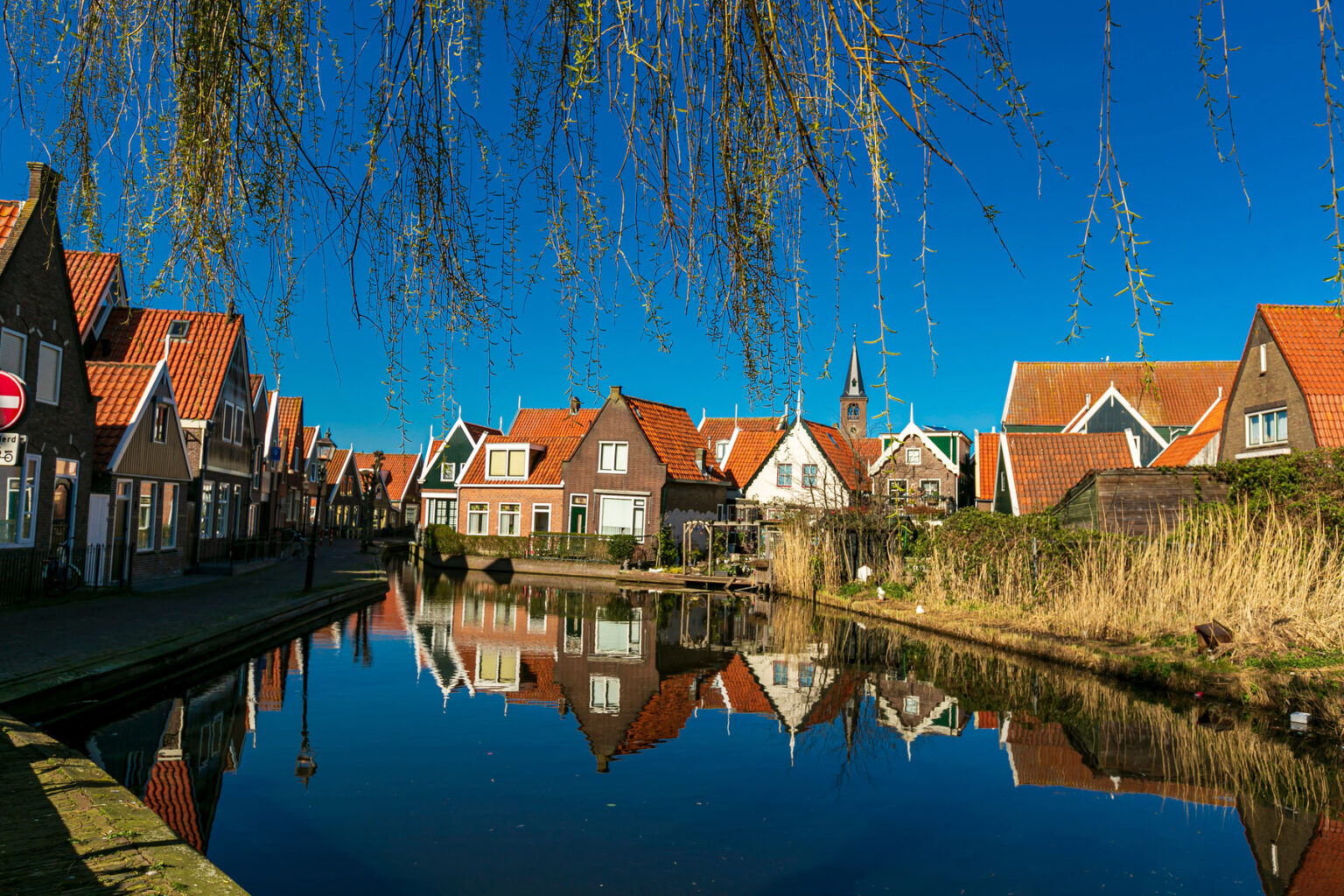
Although not a legal requirement, home insurance in the Netherlands is well worth considering regardless of whether you buy or rent property in the country. It can help protect against nasty surprises such as flood damage, break-ins, or accidents in the home.
But what kind of policy do you need, and where can you go to purchase it? Find out about all aspects of Dutch home insurance, including:
Lemonade
Think you know insurance? Think again. Lemonade brings insurance into the 21st century, letting you take out liability and contents coverage in minutes. On their easy-to-use English app, you’ll be able to buy and manage your cover from the comfort of your own phone. Protect your home and belongings instantly with Lemonade.

An overview of home insurance in the Netherlands
Home insurance in the Netherlands is generally split into three different categories:
- Contents insurance (inboedelverzekering), which protects all movable property in your home including furniture, clothing, and equipment
- Building insurance (opstalverzekering), also called homeowners insurance, which protects the fixed structure including walls, floors, roof, and ceilings
- Liability insurance (aansprakelijkheidsverzekering), which insures against costs incurred by third parties if they injure themselves or damage their property in your home
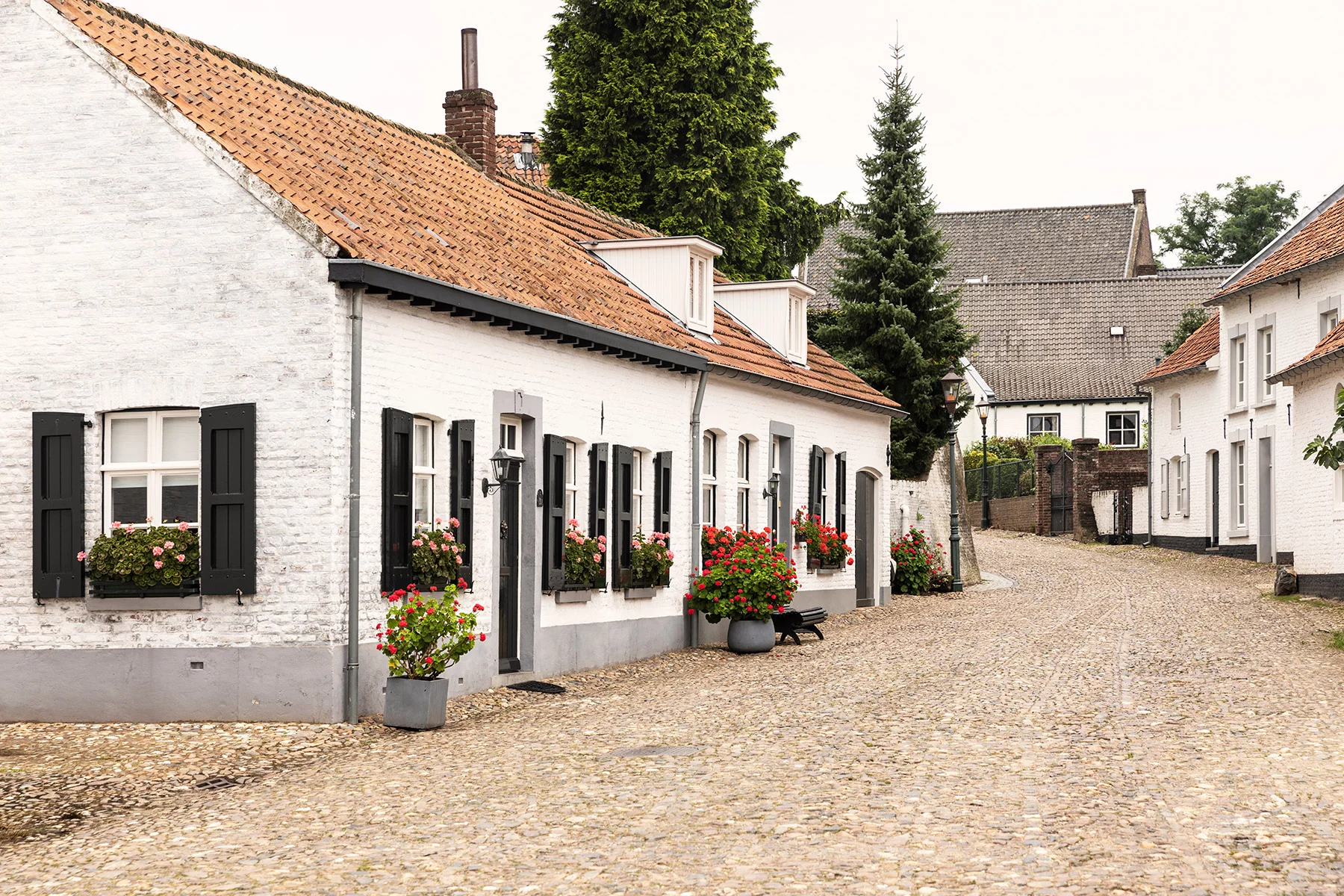
Although you can buy these types of home insurance individually, many Dutch insurance companies also sell them as a combined home insurance package (woonverzekering) to cover all risks to your home. No home insurance in the Netherlands is compulsory. However, you will usually need at least building insurance if you take out a Dutch mortgage.

Property insurance is the third biggest form of non-life insurance in the Netherlands, behind health insurance and car insurance, with a 5.6% share of the non-life insurance market. Companies selling insurance are regulated by the Dutch Central Bank (De Nederlandsche Bank – DNB) and the Netherlands Authority for Financial Markets (Autoreteit Financiele Markten – AFM).
Can you use home insurance from another country in the Netherlands?
As the Netherlands is a European Union (EU) country, any insurance company based within the EU/European Free Trade Association (EFTA) can set themselves up there as long as they follow EU rules. There are also a number of other global insurance companies that do business in the Netherlands. If you have an insurance policy with an insurer licensed to trade in the Netherlands, you should be able to transfer a home insurance policy without too much fuss.
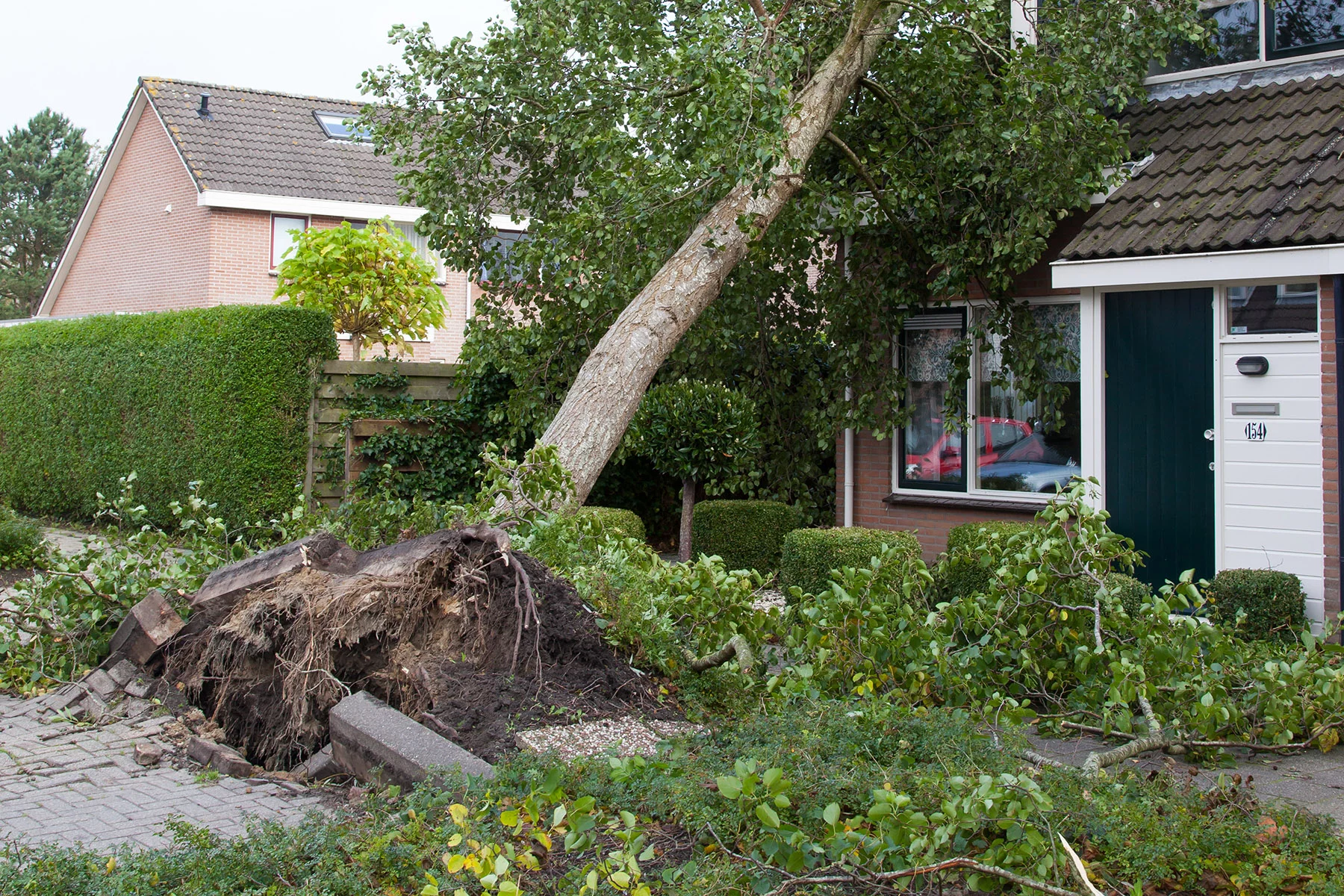
However, you won’t be able to transfer most standard policies under the same terms. Your provider will want to recalculate your premium based on your new property and location. This may also incur an administration fee. Check your policy to see what happens if you move to another country.
It is possible to use a home contents insurance policy from overseas under the same terms if you have a top-level plan that includes coverage for goods taken abroad. Again, check the terms and conditions of your policy for details.
Home insurance companies in the Netherlands
Univé
Keep your home safe in the Netherlands with Univé. This Dutch insurer provides coverage for contents and buildings, so you can choose the policy that works for you. They also assist with damage caused by cybercrime. Visit Univé online to calculate your quote.
According to 2016 statistics, there are 123 insurers in the Netherlands providing home insurance. Most belong to the Dutch Association of Insurance Companies (Verbond van Verzekeraars). Some of the main providers include:

Many Dutch banks also sell insurance products, so it’s well worth shopping around to find the best deal with an English-speaking provider. You can compare home insurance plans using a reputable price comparison website.
Home contents insurance in the Netherlands
Most insurance companies in the Netherlands sell separate home contents insurance, which is great if you rent your accommodation and only want to insure your personal possessions.
Standard policies typically cover fire damage, storm damage, water damage, theft, and vandalism. You can usually buy additional coverage to include earthquake damage or damage/loss due to negligence (e.g., leaving taps running or doors unlocked). However, you can’t cover deliberate damage or general wear and tear.
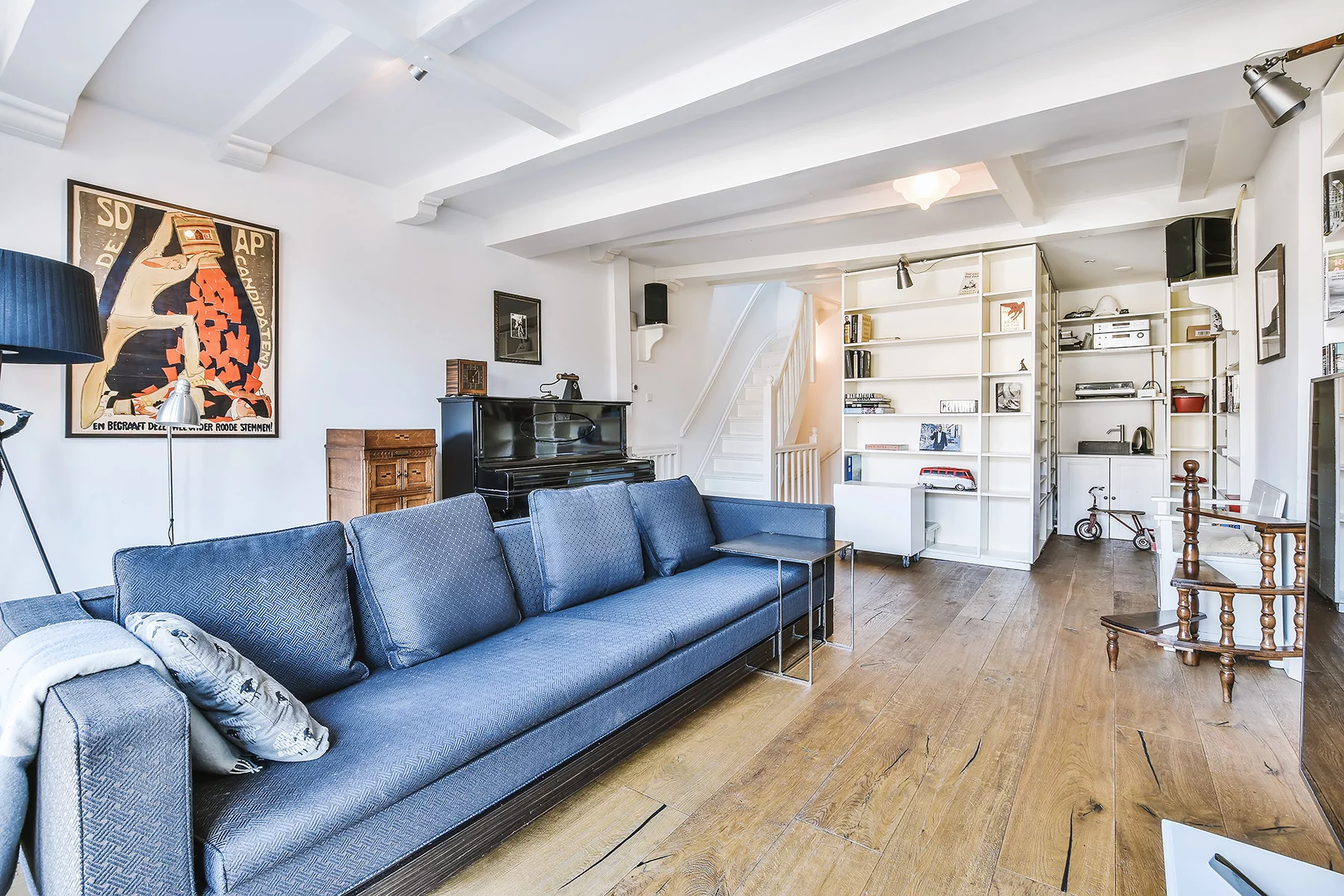
Contents insurance protects all of your movable belongings, including furniture, clothing, jewelry, and electronic equipment. Some policies also cover carpets. Standard policies cover up to a maximum value, usually around €150,000 – €200,000. You may need additional or separate coverage for high-value items such as expensive artwork or jewelry, contents you keep in a garden or shed, or anything you take away from the home. Policies won’t protect fixed structures, for example, windows or fitted units.
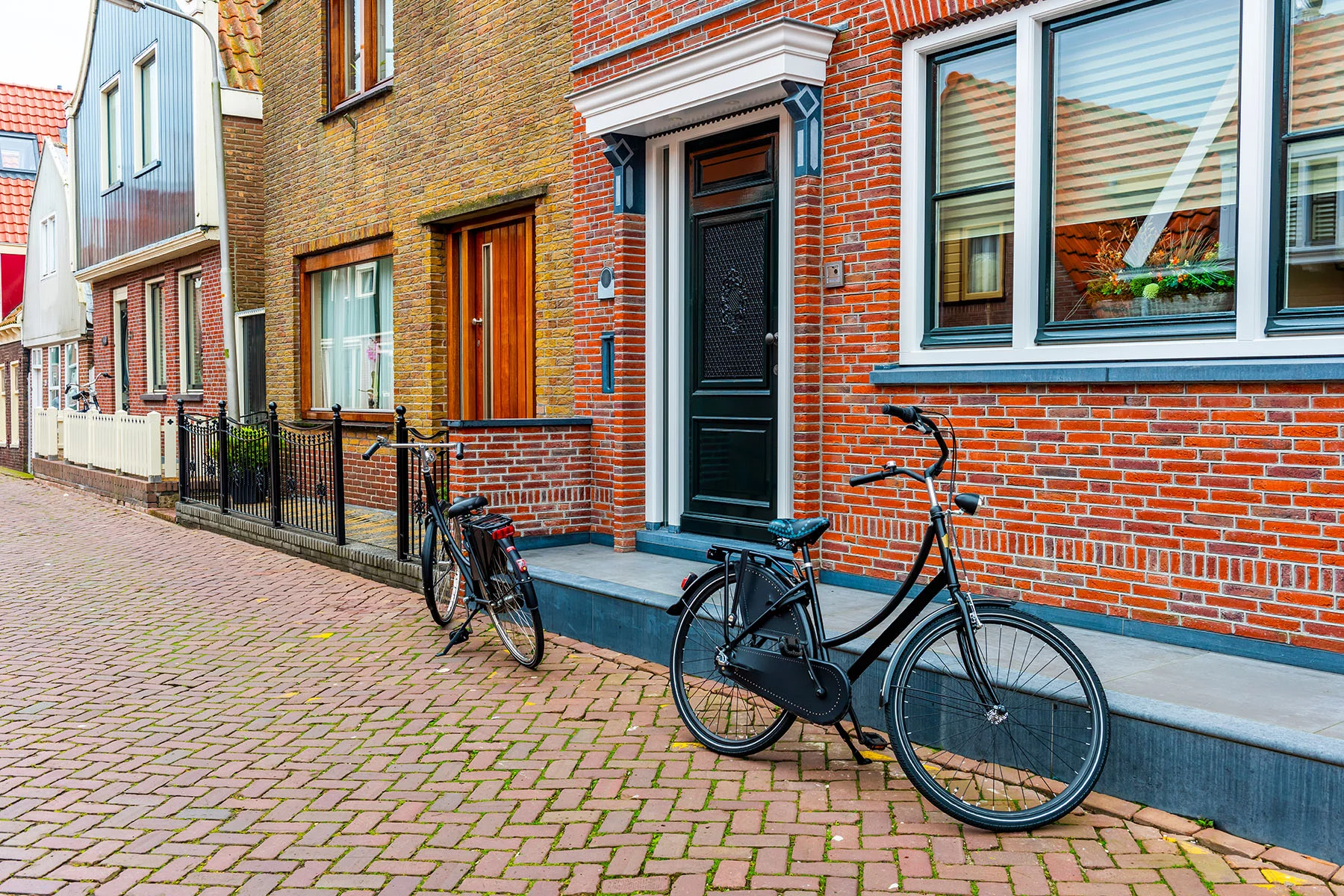
In the event of a claim, your policy should pay for replacement or repair costs up to a maximum amount. Extended policies can also include alternative accommodation costs, legal costs, and the cost of fixing broken locks in the event of a burglary.
Some Dutch insurers sell discounted content plans for students in the Netherlands, although the maximum payout is typically lower.
Costs of home contents insurance in the Netherlands
Your premium costs will depend on a number of factors, including the value of goods covered, the value, type, and size of your home, security measures installed, your location, and your insurance profile. Basic plans start at around €25 a year, but typical costs are €50–€150 a year. The average yearly price in 2016 was €119. Expect to pay more if the value of your contents is particularly high. Most insurance websites include a costs calculator to work out your likely premium.
Unlike car insurance, not all Dutch home insurance policies come with an excess or deductible where you have to pay a fixed amount towards your first claim.
Property insurance in the Netherlands
Property insurance comes under various names in the Netherlands, including building insurance, homeowners insurance, or sometimes simply home insurance. Essentially, it’s cover for the fixed premises rather than movable contents.
You can buy property insurance in the Netherlands on its own or with contents and/or liability insurance included. Building insurance is not a legal requirement, but most Dutch mortgage providers ask for this as a minimum insurance requirement.
Standard policies cover the walls, ceilings, floors, solar panels, and fixed attachments, such as garages. You may need to pay additional costs to cover glass fittings (e.g., windows), heating or air-con systems, swimming pools, sheds, and greenhouses.
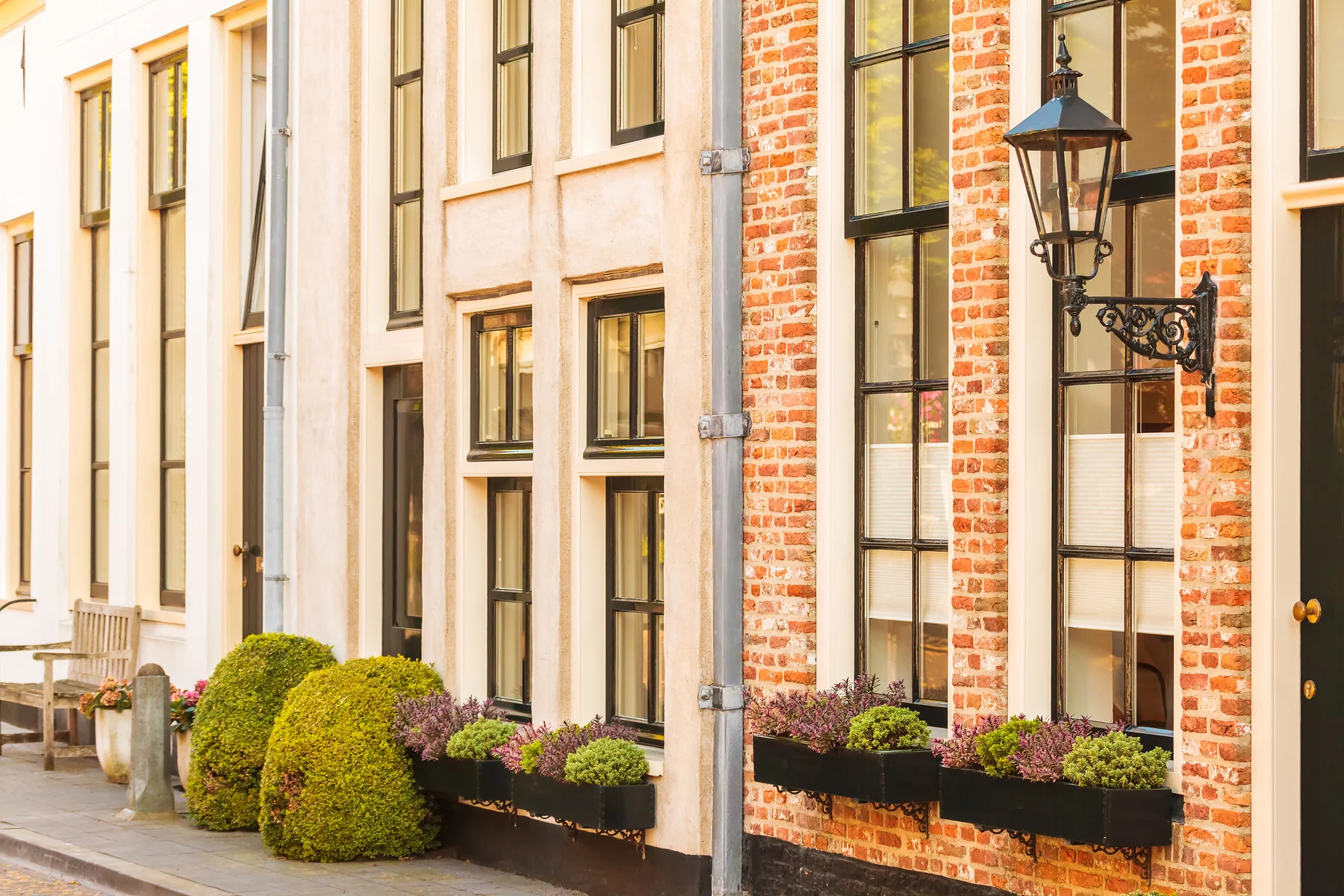
These policies provide similar cover to contents insurance, so you’ll get protection for fire damage, storm damage, water damage, and vandalism that occurs during a break-in. You can usually pay extra for earthquakes and other natural disasters and for events that occur due to negligence (e.g., leaving windows open during a severe storm or overloaded electrical sockets).
Policies will pay out for repair costs as a minimum. Most good policies will cover rebuild costs if a disaster happens and your home is totally destroyed. Check if there is a maximum payout limit and make sure it covers everything you need in a worst-case scenario.
You can usually buy all-risk plans that include other costs such as alternative accommodation, legal fees, and clear-up costs. Some insurers sell policies specific to certain types of property, for example, apartments in communal blocks or unoccupied second homes.
Costs of property insurance in the Netherlands
Property insurance premiums are typically based on your property size and type, where you live, how many people live in your home, and personal details, such as your insurance claims history. Basic plans start at around €100–€120 a year, with typical costs being in the €150–€250 range. You can calculate your premium using an assessment tool such as FBTO.
Building insurance premiums in the Netherlands sometimes come with a deductible, which you have to pay towards your first claim. You can usually increase the deductible in exchange for a lower annual premium.
Liability insurance in the Netherlands
Liability insurance is very popular in the Netherlands. It insures against accidents that cause damage or injury to third parties in your home, plus damage caused by your property, such as dislodged tiles hitting a neighbor’s car. Many policies also extend to personal liability outside the home, so you’ll also be covered if you cause an accident or damage someone’s property elsewhere. However, this usually excludes accidents that occur in the workplace.
Coverage only extends to third parties, so you and your immediate family members are not protected. You can buy extended plans that also cover damage caused by pets, children, or bicycles. However, you cannot include motor vehicle accidents. This comes under separate car insurance. You won’t be able to get coverage for wilful damage or incidents that result from extreme negligence.

Policies typically pay out for repair costs and medical costs. Some policies also include third-party legal fees and funeral costs in the event of a fatal accident. You can choose your maximum coverage amount. Standard policies cover you for around €1–2 million.
Costs of liability insurance in the Netherlands
You can buy liability insurance on its own or as part of a combined home insurance package. Liability premiums are usually based on the plan you choose, your insurance profile, risk factors associated with your home (e.g., if you have stairs), and the maximum limit on your liability coverage.
Cheap policies start at around €25–30 a year. You can find coverage for €2.5 million for about €50–60 a year.
Combined home insurance in the Netherlands
In addition to selling individual products, many companies offer customers the chance to save money by buying an all-in-one policy that includes building insurance, contents insurance, and liability insurance. This normally works out cheaper than separate individual policies.
You can usually also buy different variations of combined insurance, for example, combined contents and liability insurance if you are renting and don’t need building insurance. Or combined building and contents if you already have private liability insurance.
How to choose your home insurance in the Netherlands
When researching companies and looking for policies, ask yourself a few questions to make sure that you choose the coverage that best suits your needs. Questions might include:
- What is excluded in a basic policy and how much does it cost to add it on?
- What combined policies are offered and how much will you save?
- Can you sign up, make a claim, submit documents and contact the company online or via a mobile app?
- What are the cancellations policies and procedures?
- Do you have to pay a deductible? How much will this save on your premiums?
- Does the company offer any incentives, for example discounts on other products?
- What is customer feedback like? It’s worth checking this on review sites.
- Is it an ethical company with a good record in Corporate Social Responsibility (CSR)? This is something that is becoming increasingly important with today’s consumers. You can check company ratings with tools such as CSR Hub or check for listings on the Dutch Sustainable Brand Index.
Applying for home insurance in the Netherlands
Taking out home insurance in the Netherlands is quite straightforward. Most bigger companies allow you to complete your application and submit all necessary information online. Other ways of applying include by phone or, if the insurer has a high-street outlet, in person.

The application process typically requires you to provide the necessary information (value of property and contents, personal circumstances, level of coverage wanted, etc.) to work out your premium. You will usually need to provide your:
If you are applying online, you should receive your insurance policy and details of the claims process electronically within 24 hours. Documents sent by post normally arrive within a few working days.
A standard Dutch insurance policy will last for 12 months. The renewals process can vary from company to company, so you will need to check the procedure and period to renew or cancel. This information should be included with the initial policy information documents.
How to make a home insurance claim in the Netherlands
Making a claim will vary from company to company, with each one having its own process. Most Dutch insurance companies require you to submit a claim in writing or telephone. However, some may allow you to submit details via an online claim form.
You will most likely be asked to provide a brief overview of your claim, including details of all items missing or damaged. The claim is then assessed by the insurance company, who may call in an expert to produce a full report. You will be notified if you need to provide any additional information.

You must make your insurance claim as soon as possible. Your insurance company should give you details of any claims deadlines when you sign up.
In the event of a burglary, don’t forget to contact the police. Their report on the incident can sometimes prove useful in an insurance claim.
Canceling a contract or changing provider
Most Dutch home insurance contracts run for 12 months, during which time you usually can’t cancel without good reason. Following this, you will usually have to give one month’s notice if you want to cancel or switch to another provider.
Your insurance company should notify you towards the end of your contract period, giving you the chance to renew or cancel. However, some companies may have an automatic renewal process. This means that they will renew the contract automatically unless you inform them that you want to cancel within 30 days before the end of the contract.
You can usually cancel early in the first year in exceptional circumstances. These include if you sell your home, move home, or if your personal circumstances change significantly. Check your contract for full details.
Canceling a Dutch insurance contract is normally done in writing, either by posted letter or email. Some companies may have an online cancellation procedure accessed on their website.
Making a complaint about a home insurance company in the Netherlands
If you want to complain about your home insurance provider in the Netherlands, follow these steps:
- Start by contacting your insurer’s complaints team. The company should provide you with the necessary contact details when you sign up, otherwise you should be able to find them on the company website.
- If you are unhappy with the outcome, or the company doesn’t respond to your complaint, you can take it to the Dutch Financial Services Ombudsman (Klachteninstituut Financiële Dienstverlening – Kifid).
- The ombudsman will provide an impartial assessment and issue a report. If you are still not satisfied, you can ask the Ombudsman’s Financial Disputes Committee to assess the decision. However, this will cost you €50.
Another option is to take the matter to court rather than complain to the Ombudsman. However, if you go to court, then you will not be able to subsequently apply to Kifid. You will also have to pay for court costs.
You can read more information on complaints and appeals on the AFM website.
Holiday home insurance in the Netherlands
If you have a holiday home or a second home in the Netherlands, the chances are that it won’t be covered by standard home insurance, and you’ll need to take out extra coverage.
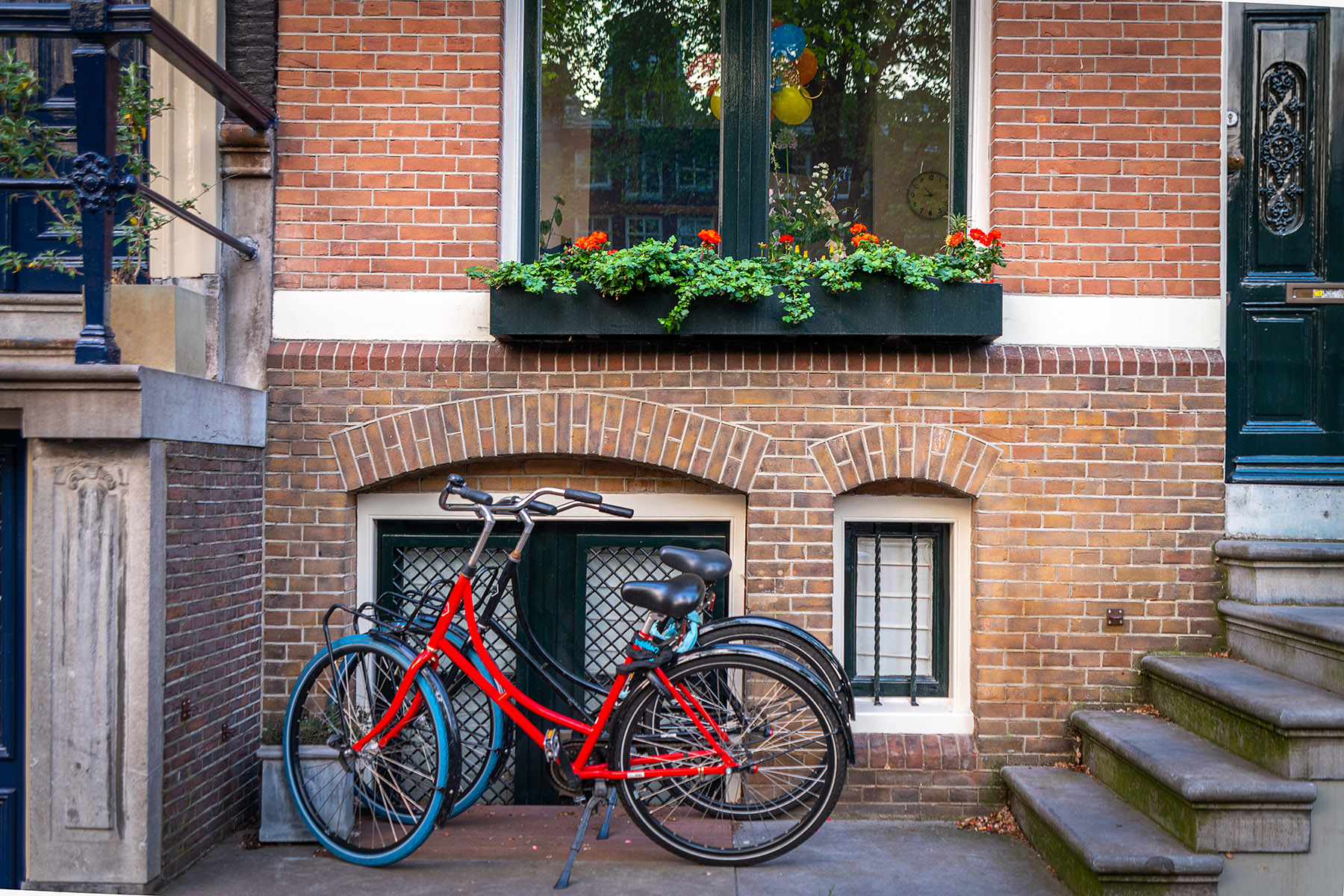
Most Dutch insurance companies offer specialist holiday home insurance to cover properties against a range of risks, including building damage, content damage/loss, loss of rental income, and public liability. You can also approach a specialist holiday home provider such as IntaSure in the UK.
If you are renting accommodation during a vacation, you will need to have extended out-of-home coverage on your insurance policy to protect your belongings against damage or theft during any holiday stays.
Useful resources
- Dutch Central Bank (De Nederlandsche Bank – DNB) – regulates the Dutch financial sector
- Netherlands Authority for Financial Markets (Autoreteit Financiele Markten – AFM) – regulates Dutch insurance companies
- Dutch Financial Services Ombudsman (Klachteninstituut Financiële Dienstverlening – Kifid) – handles insurance complaints in the Netherlands
Related Articles


Editor's picks
 Secondary schools in the NetherlandsWe explain the complex secondary school system in the Netherlands, including the three public streams and various international options.
 Where to live in the Netherlands: the best cities for expatsAlthough Amsterdam is typically the number one hub for expats, there are plenty of other cities in the Netherlands worth your while.
 Child benefits in the NetherlandsYou can claim different types of child benefits in the Netherlands, to help with the costs of child-rearing, schooling, and childcare.
Did you find this guide helpful?