'%20id='ico-down'%20stroke='%23000000'%20stroke-width='1.5'%3e%3cg%20transform='translate(1092.250000,%20254.750000)'%3e%3cpolyline%20id='Path-2-Copy-4'%20transform='translate(5.500000,%202.750000)%20scale(1,%20-1)%20rotate(-180.000000)%20translate(-5.500000,%20-2.750000)%20'%20points='0%200%205.5%205.5%2011%200'%3e%3c/polyline%3e%3c/g%3e%3c/g%3e%3c/g%3e%3c/svg%3e)




Employees in Luxembourg are generally entitled to at least 26 days of paid annual leave each year, although your exact entitlement can depend on your start date, working pattern, sector, and collective agreement.
This guide explains Luxembourg vacation and annual leave rules, including how leave is calculated and taken. It is for general information only and not legal advice. See Employment law and labor rights in Luxembourg for the wider legal framework and always check the latest rules with your employer, Guichet.lu, or the ITM before booking time off.
Key takeaways
- Statutory entitlement: Most employees get at least 26 working days of paid annual leave a year under Luxembourg’s statutory rules.
- Waiting period: You earn leave from the start of employment, but generally need to complete three continuous months with the same employer before taking it.
- Carry-over rules: Annual leave should normally be used in the year it is earned, although certain exceptions allow unused days to be carried over.
- Sickness during leave: Certified sickness during holiday periods does not count as annual leave, provided you follow the required medical certificate and notification rules.
- Contractual variations: Check your contract or collective agreement, as it may give you more generous leave than the statutory minimum.
How many vacation days do you get in Luxembourg?
Employees in Luxembourg are generally entitled to a statutory minimum of 26 working days of paid annual leave per year. If you are searching for Luxembourg vacation days, this is the standard legal minimum.
However, your actual entitlement may be higher. Your employment contract or collective agreement can provide additional days of annual leave.

How leave builds up in your first year
During your first year of employment, annual leave accrues at one-twelfth of your yearly annual entitlement for each full month worked.
Based on the statutory minimum of 26 days, that works out at about 2.167 days per month, and a fraction of a month exceeding 15 days counts as a full month.
You accrue leave from the start of your employment, but generally cannot take it until you have completed three continuous months with the same employer, unless your employer allows you to take it earlier.
Why some sources still show 25 days
Some English-language pages still show 25 days, which can confuse new arrivals. This was Luxembourg’s previous statutory minimum, but it increased from 25 to 26 working days a year from 1 January 2019. Current guidance from both Guichet.lu and the ITM states that the statutory minimum is 26 working days.
Why sources may differ: some information has not been updated since the 2019 change, while other sources may refer to contractual or collective-agreement arrangements rather than the current statutory minimum.
Who qualifies for annual leave in Luxembourg?
Annual leave in Luxembourg covers employees and apprentices, whether they work full-time or part-time, and whether they are on fixed-term or permanent contracts. In practice, if you are an employee rather than self-employed, paid leave Luxembourg rules will usually apply to you.
Luxembourg is multilingual, so your contract or HR documents may refer to annual leave as congé annuel or congé payé rather than “vacation days” in English.
Check these four points in your own case:
- your contract type
- your start date
- weekly working hours
- whether a collective agreement applies to you
Manage your vacation budget with Wise
Planning a trip during your well-earned time off? Whether you’re heading home or exploring a new country, the Wise multi-currency account lets you hold and spend in over 40 currencies. Avoid hidden fees and get the real exchange rate, so your travel budget goes further while you focus on enjoying your break.

How part-time work and parental leave affect entitlement
If you work part-time, your annual leave entitlement is calculated pro rata according to your weekly working hours.
During full-time parental leave, you do not accrue new annual leave, although unused leave from before the parental leave is carried forward within the applicable legal rules.
During part-time parental leave, annual leave is calculated pro rata according to the hours you continue to work.

How to request and take leave in Luxembourg
In real life, requesting annual leave is usually straightforward, but it pays to plan ahead and keep written records.
Check your contract, staff handbook, collective agreement, or HR portal.
Request your dates in writing and give plenty of notice (at least one month is advisable).
Wait for approval before booking non-refundable travel.
If leave has to be split because of business needs or your wishes, one period should generally last at least two consecutive calendar weeks.
In a multilingual or cross-border workplace, written approval can help avoid misunderstandings about dates. Workplace timing can also reflect local expectations, so getting familiar with work culture and business etiquette in Luxembourg can be useful.

When your employer can refuse your dates
An employer can refuse requested dates because of business needs or the justified wishes of other employees. Certain levels of unjustified absence can also be grounds for refusal.
However, refusing particular dates is different from denying your statutory right to annual leave, and an employer cannot simply force you to take unpaid leave instead.
- Check your employer’s written leave policy and any applicable collective agreement.
- Ask HR or your manager to explain the refusal in writing.
Sector and contract exceptions to know
Some sectors and workers have specific rules. Apprentices generally take annual leave during school holidays, while agriculture, wine-growing and HORECA have restrictions on when employees can insist on taking leave. Employees of credit institutions and investment companies must take at least 10 consecutive days of annual leave each year.

Writer
Gary Buswell
Insider Tip
If you work in Luxembourg’s financial sector, check both the sector rules and any collective agreement that applies to you. Your agreement may provide benefits beyond the statutory minimum, while certain financial-sector employees must also observe the 10-consecutive-day rule.
What happens to unused leave?
The general rule is that annual leave should usually be taken during the year it belongs to. Carry-over is possible in certain circumstances, however, and the deadline depends on why the leave was not taken.
For example, leave accrued during your first year of employment can be carried over on request until 31 December of the following year. Leave you could not take because of operational needs can generally be carried over until 31 March, while illness can allow unused leave to be deferred for longer.
Before year-end, verify these three points:
- your employer’s carry-over policy
- the leave balance shown in your HR system or payslip
- any written approval for deferred days
Carry-over rules and deadlines
There is no single deadline covering every situation. The rules vary according to why you could not take the leave. Employers can also offer more generous carry-over arrangements, so check your contract, collective agreement, payslip, or workplace policy.
Sick during annual leave? What changes
If you get sick during leave:
First, tell your employer straight away.
Next, provide a medical certificate within 3 working days if you are in Luxembourg, or as soon as possible if you are abroad.
Finally, agree a new leave period later, because eligible sick days should no longer count as annual leave.
How public holidays and extra leave fit in
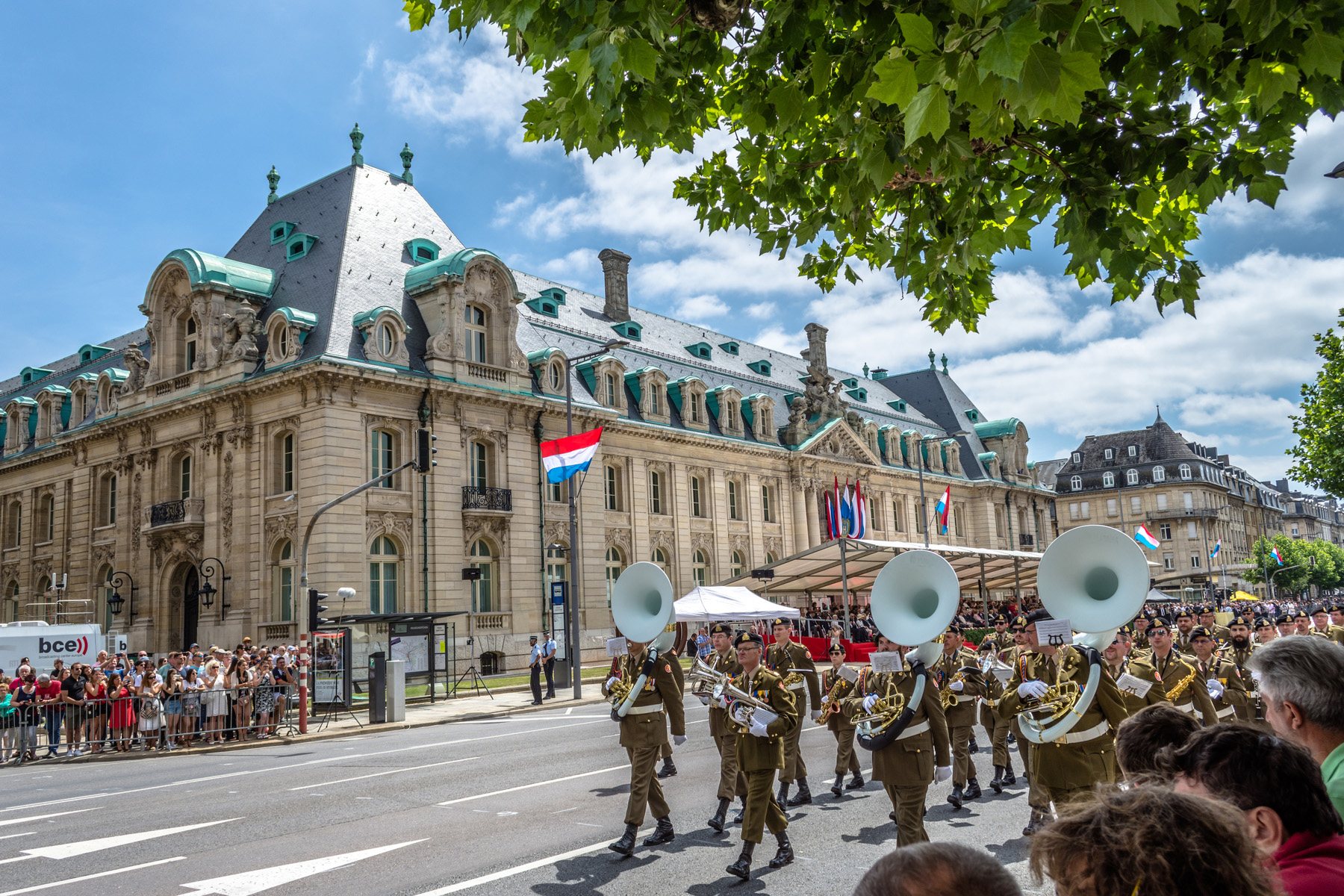
Annual leave and public holidays are not the same thing. Jours fériés légaux are statutory public holidays, and Luxembourg has 11 of them each year.
That difference matters in practice. Your annual leave is paid time off that you normally schedule with your employer, while statutory public holidays sit outside your annual leave entitlement.
| Type of time off | What it covers | Uses your annual leave balance? |
|---|---|---|
| Annual leave | Your planned paid holiday entitlement | Yes |
| Legal public holidays | Official national holidays | No |
| Special leave | Events such as marriage, moving, or bereavement | No |
Public holidays and compensatory time off
If a statutory public holiday falls on a day you would not normally work, you are generally entitled to a compensatory day off. This normally has to be granted within three months.
If business operations make that impossible, different deadlines can apply, including until the end of the year or, for public holidays in November and December, during the first three months of the following year.
Writer
Gary Buswell
Insider Tip
If a legal public holiday falls on one of your normal days off, ask HR when your compensatory day will be recorded rather than assuming it will automatically appear in your annual leave balance.
Other types of leave expats often confuse with annual leave
- Congé extraordinaire is special leave for specific personal or family events and does not come out of your ordinary annual leave entitlement.
- Congé parental is parental leave, which has its own eligibility and payment rules.
- Sick leave covers incapacity to work and comes with separate notification and medical-certificate requirements.
- Leave for family reasons is a separate entitlement for certain situations involving a sick child.
What expats should check in their contract and payroll
If you are not sure what applies to you, start with your own employment documents before trying to work out which legal rule applies. For cross-border workers especially, local employment rights can be closely linked with wider tax and social security issues.
Use this checklist:
- The annual leave entitlement stated in your contract.
- How your leave entitlement and remaining balance are calculated and recorded.
- Whether a collective agreement applies to you.
- If carried-over sick days appear on your payslip or leave record
- Whether sick leave or parental-leave paperwork follows a separate HR or social security process.

How collective agreements can increase your entitlement
Collective agreements can provide more generous leave than the statutory minimum, so do not assume the legal baseline is your final entitlement. Luxembourg’s statutory annual leave is generally 26 working days, but additional days can be provided through a collective or individual agreement.
For example, the current banking collective agreement listed by ITM provides 26 days for employees under 45, rising through several age bands to 29.5 days for employees aged 55 and over. It also provides additional rest days, showing why it is important to check the rules for your sector and employer.
How to verify your days with HR, Guichet, and ITM
Use a simple process if your leave balance looks wrong.
- Start with your employment contract, collective agreement, and internal leave policy.
- Ask HR or payroll to explain how your entitlement and remaining balance were calculated.
- Compare the explanation with current Guichet and ITM guidance.
- If you still disagree about your entitlement, consider seeking independent legal or employment advice.
FAQ
Frequently asked questions about Luxembourg vacation days
Is annual leave in Luxembourg 25 or 26 days? 
The statutory minimum is 26 working days of paid annual leave per year. Luxembourg increased the minimum from 25 to 26 days from 1 January 2019, so you may still come across older information referring to 25 days. Your contract or collective agreement may provide a more generous entitlement.
Can I carry unused annual leave into next year in Luxembourg?
Sometimes. The rules depend on why the leave was not taken. For example, proportional leave from your first year of employment can be carried over on request until the end of the following year, while leave postponed for operational reasons can generally be carried over until 31 March.
Different rules can apply where illness, maternity or parental leave prevented you from taking your leave, and employers can also offer more generous carry-over arrangements.
What happens if I get sick during annual leave in Luxembourg?
If you become ill during annual leave, notify your employer and provide the required medical certificate on time. Days covered by the certificate no longer count as annual leave and can be taken later.
If you recover before your original leave period ends, you must still return to work on the date originally agreed. You and your employer can then agree when the affected leave days will be taken.
Do public holidays count as annual leave in Luxembourg?
No. Luxembourg’s statutory public holidays are separate from your annual leave entitlement. If a public holiday falls on a day you would not normally work, you are generally entitled to a compensatory day off. This should normally be granted within three months, although different deadlines can apply if business operations prevent this.
Can my employer refuse my holiday request in Luxembourg?
Yes, an employer can refuse your requested dates in certain circumstances, including justified operational needs or the reasonable wishes of other employees. However, that is different from simply denying your statutory annual leave entitlement.
If a refusal seems unreasonable, ask your employer or HR to explain the reason and check your workplace policy and any applicable collective agreement.
Useful sources
(accessed 18 August 2026)
- Guichet.lu annual paid leave for employees – Official information on requesting annual leave as an employee
- Guichet.lu annual paid leave for employers – Official information on employee leave entitlements
- Luxembourg public.lu public holidays page – Government information on official annual public holidays
- ITM working hours guidance – Official information on working hours in Luxembourg
- ITM collective agreements for banks – Example of legal collective agreements (banking sector)