
'%20id='ico-down'%20stroke='%23000000'%20stroke-width='1.5'%3e%3cg%20transform='translate(1092.250000,%20254.750000)'%3e%3cpolyline%20id='Path-2-Copy-4'%20transform='translate(5.500000,%202.750000)%20scale(1,%20-1)%20rotate(-180.000000)%20translate(-5.500000,%20-2.750000)%20'%20points='0%200%205.5%205.5%2011%200'%3e%3c/polyline%3e%3c/g%3e%3c/g%3e%3c/g%3e%3c/svg%3e)


Work
Job Search
Finding a job in Japan
Need some money and you don’t want to touch your savings? Here’s what you need to know about jobs, training, and dismissals in Japan.


With its rich culture, varied cuisine, and friendly people, it’s no surprise that Japan is a popular choice for expats and digital nomads looking to move abroad.
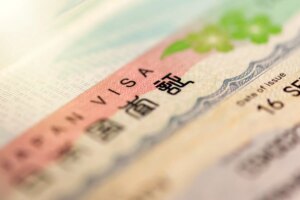
Fortunately for those wanting to make the jump, there are a lot of interesting job opportunities, particularly in consulting, IT, and English teaching. The tricky bit is that you have to find a job before you can apply for a work visa (就労ビザ).
Discover how you can start your career in Japan with the following topics:
Working in Japan: things to consider
The Japanese job market
Japan is a generally good spot for finding work. In February 2023, the unemployment rate was at a remarkably low 2.5%. Job-to-applicants ratio was in the job seeker’s favor at 1.35, meaning there were 135 jobs for every 100 applicants.

Some of the leading sectors in the job market are consulting and HR, followed by IT and media. According to data collected from job boards specializing in native-English-speaking jobs, the Kanto region had the largest number of jobs available. This was followed by Kansai and then Chubu.

If you want to join the 3 million foreign residents currently living in Japan (2023), there are a number of work visas available, including:
- Regular work visas – for the regular Joe
- Highly-skilled professionals visas (J-SKIP) – also known as the Specified Skilled Workers (SSW) visa, this is aimed at highly educated people, or employees with 10+ years working experience
- Future Creation Individual Visas (J-FIND) – for top graduates of the world’s leading universities with at least ¥200,000 in savings
- Working holiday visas – for young adults aged 18–30 years
Keep in mind that many jobs at Japanese companies require a working knowledge of the Japanese language. So if your language skills need some polishing, you might find it easier to find a job at an international company where the primary language is English.
Job vacancies in Japan
Japan faces a lot of labor shortages due to an aging population, flat wage levels, and digital disparities between workers, among other things. According to a 2022 survey by Teikoku Databank (in Japanese), the industries with the most labor shortages are:
| Industry (full-time work): | Industry (part-time work): | |
| 1 | Information services (i.e., IT) | Restaurant service |
| 2 | Maintenance, security, and inspection | Inns and hotels |
| 3 | Construction | Human resources |
| 4 | Automobile manufacturing | Product retail |
| 5 | Human resources | Hospitality |
| 6 | Restaurant service | Maintenance, security, and inspection |
| 7 | Agriculture, forestry, and fisheries | Agriculture, forestry, and fisheries |
| 8 | Broadcasting | Textile manufacturing and fashion retail |
| 9 | Inns and hotels | Entertainment |
| 10 | Transportation and warehouse | Education |
Job salaries and minimum wage in Japan
There is no nationwide minimum wage in Japan. Instead, minimum income differs per prefecture and is determined by region, industry, and occupation. Every year, the Central Minimum Wages Council makes a recommendation for the year’s wage increase. The prefectural offices then make changes accordingly.
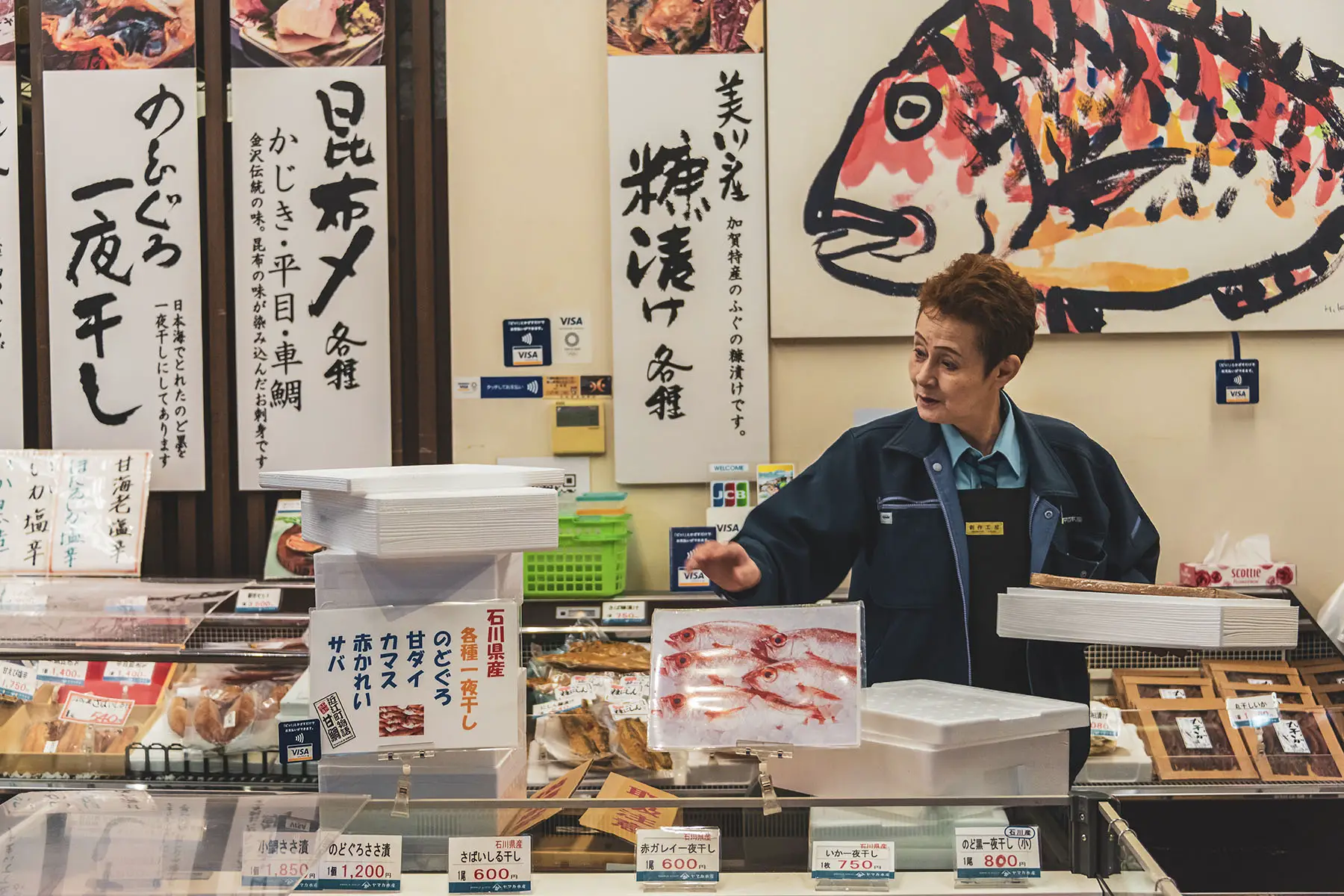
Perhaps unsurprisingly, the average salary is higher in more urban areas like Tokyo, largely due to the higher cost of living. Japan’s capital and economic center has the highest hourly minimum wage in the country, at ¥1,113 after the 2022 increase. In contrast, Kochi and Okinawa have a minimum wage of ¥853 after the change, which is the lowest in the country.

Of course, your wage will vary drastically depending on your skills, experience, and Japanese level. For example, the average yearly salary advertised in 2021 for a job in marketing without Japanese language skills was ¥5,900,000 (around €38,060). That same job with business-level Japanese paid an annual ¥8,500,000 (around €54,835).
Working hours and PTO in Japan
Japan has a bad reputation for overworking its employees. In theory, regular working hours are eight hours a day including your break, totaling 40 hours a week. However, overtime (残業) is very common, with a typical workday being 09:00–18:00 rather than 09:00–17:00.
Some select businesses have permission to contract employees to work up to 44 hours per week, such as in retail, beauty, and entertainment. Overtime is typically paid as follows:
- 25% or more of your standard hourly wage on a regular working day
- 35% (minimum) on your mandated days off or a national holiday
However, while many companies pay for overtime, others still expect employees to work long hours without extra compensation.
Many employers in Japan include a set amount of overtime in the initial contract, meaning you will not get paid extra until you have completed that overtime first. For example, if your contract includes 20 hours of monthly overtime in your paycheck, you will not get extra until you have done those first 20 hours.
Likewise, you’ll not get any paid time off (PTO – 有給休暇) until you have been working with the company for six months. This is actually arranged according to Japanese labor law. Your years of employment will determine your amount of vacation days. Regular full-time employees get:
| Description | Units | Units | Units | Units | Units | Units | Units |
| Years employed | 0.5 | 1.5 | 2.5 | 3.5 | 4.5 | 5.5 | 6.5+ |
| Vacation days per year | 10 | 11 | 12 | 14 | 16 | 18 | 20 |
Work culture in Japan
Japanese work culture is traditionally hierarchical, and punctuality and deadlines are taken very seriously. For example, you are considered to be on time if you’re five minutes early.
If you don’t speak Japanese, you might find that your co-workers are a bit shy around you. This is likely because they don’t feel confident speaking English. In those cases, a smile and a regular hello or ohayo gozaimasu (おはようございます, good morning) can go a long way.
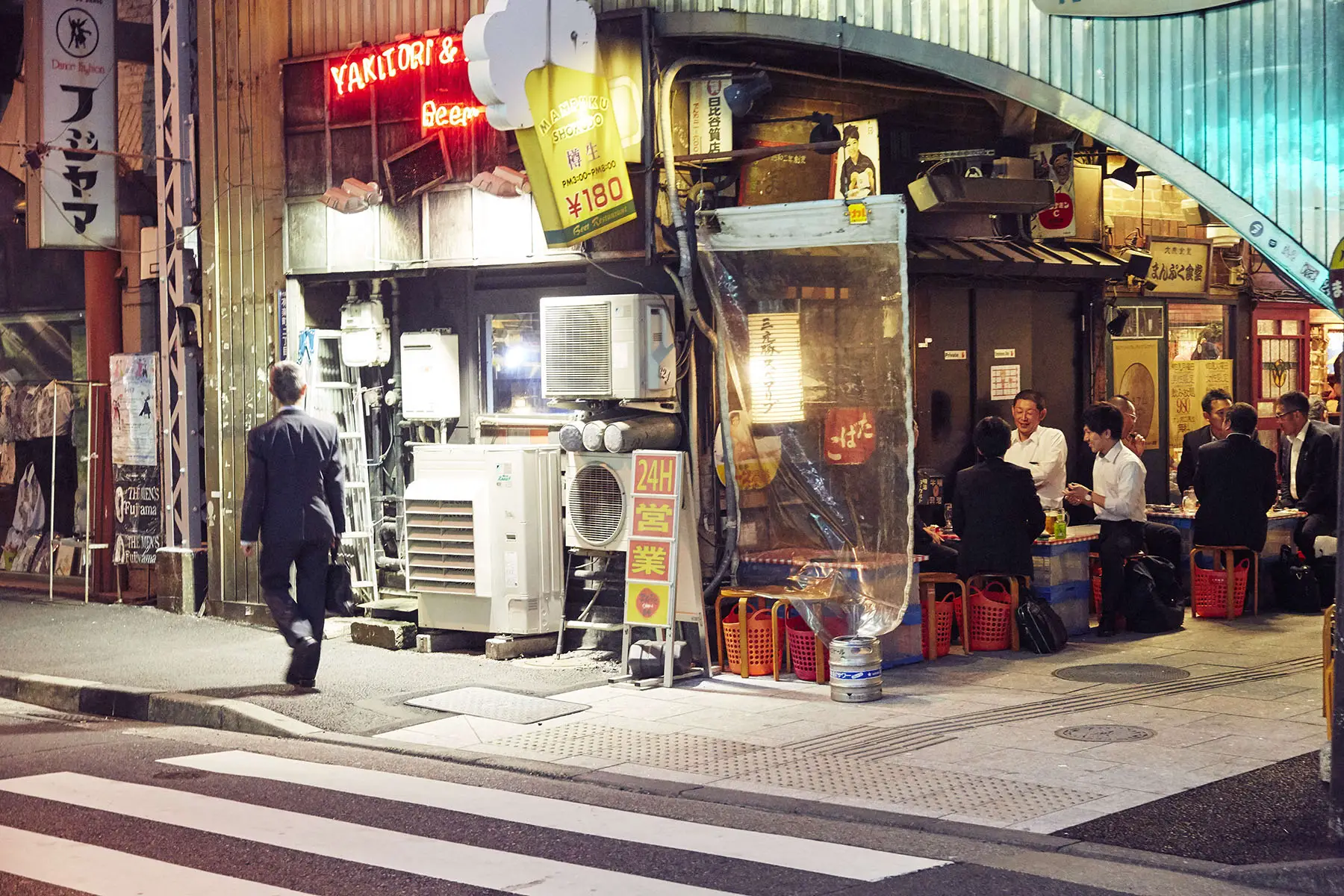
After work, you may sometimes be expected to join nomikai (drinking parties). Although every-week hangouts have decreased in recent years, other celebrations such as end-of-year parties are still very common.
Labor laws and employee rights in Japan
While social norms and peer pressure will likely cause you to socialize after work, Japanese labor law makes it difficult to dismiss you if you don’t. There are a number of laws that cover employee contracts, wages, health and safety, pregnancy and childcare, and the like.
Employers can only terminate a contract if it’s “objectively reasonable” and “socially acceptable”. The most common methods of dismissal are:
- Negotiated voluntary resignation – in most cases, you can negotiate your resignation terms and ask for compensation. Courts have the right to annul these so-called encouraged resignations if proven unreasonable.
- Termination for cause – in the event of severe misconduct with admissible evidence, a company can terminate an employment contract. You must receive a mandatory 30-day notice.
- Economic downturn – if a company is undergoing severe financial issues, it may reduce the workforce as necessary
If you think you’ve been unfairly dismissed, you can file a lawsuit with a labor tribunal. Settlements usually cover at least several months’ salary.
Though limited, Japanese labor law also protects you from discrimination based on sex, gender identity, or nationality. If you feel you have been a victim of this kind of discrimination, you can contact the Human Rights Bureau (人権擁護局) for online and phone counseling services.
Requirements to work in Japan
Work visas in Japan
There are a number of work visas that allow you to live and work in Japan. The visas are categorized by occupation and have strict rules about what kind of work you can do. If you change industries, you must also apply for a new visa.
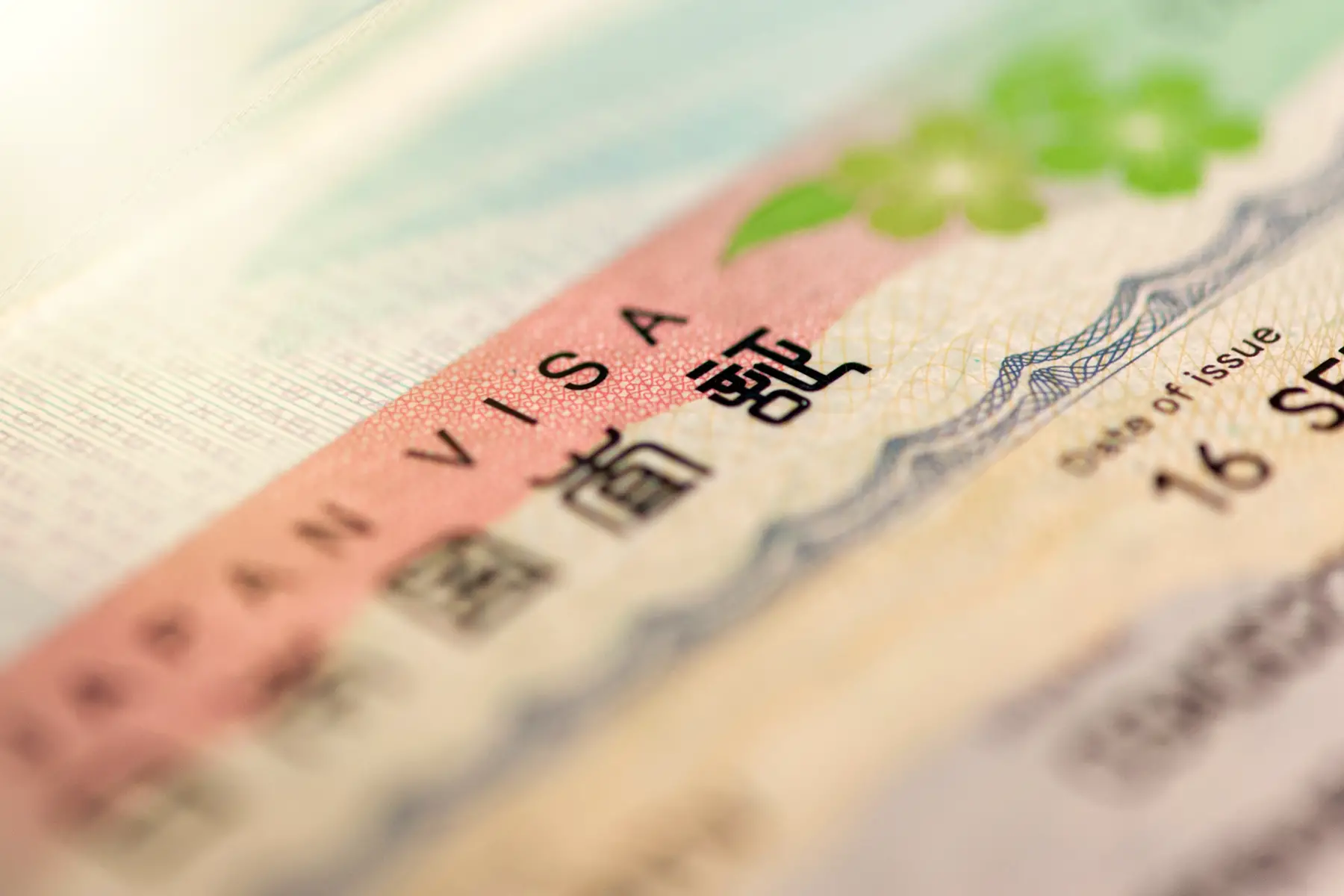
In most cases, you are prohibited from getting a part-time job not related to your field (e.g., working at a convenience store while teaching). You are also not allowed to work in the service industry (e.g., hostess clubs and bars).

If you’re planning to work while traveling through Japan, you can apply for a working holiday visa. This visa allows younger travelers from 27 countries to work a limited number of hours and money for their travel funds. The working holiday visa is valid for a maximum of 12 months.
Language requirements to work in Japan
Compared to other world economic powers, Japan scores low on the 2022 EF English Proficiency Index (PDF). Despite having the world’s third-largest economy, the country ranks only 80 out of 111. In other words, not a lot of people speak English. This can make it difficult to get hired for specific jobs if you don’t speak Japanese.
The Japanese Language Proficiency Test (JLPT) is the standard measurement for Japanese language skills. It runs from levels N5-N1, with N5 being the lowest and N1 being the highest. N2 is considered business level and N1 is rarely required unless you are looking to do translation or interpretation.
That said, there are still plenty of job options for non-Japanese speakers, such as becoming a tour guide, teaching English, or working at an international company.
Qualifications to work in Japan
One of the requirements for getting a work visa is having a job offer lined up. Depending on the type of work you do or want to do, you’ll need to have a certain level of education or experience. For example, to become a teacher at an English conversation school, you’ll typically need to either:
- Have spent a certain number of years at an English-taught school
- Be a native English speaker
- Be able to prove native-level proficiency
For more specialized jobs (e.g., doctors and lawyers), you might need to pass exams in Japanese or retake your degree in Japan.
Tax and social security numbers in Japan
When you first move to Japan and apply for your residence permit, you will be issued a 12-digit national identification number, known as “My Number” (マイナンバー). This number is used for a wide range of services, including:
- Taxes
- Social security
- Identification (e.g., when you use online banking)
- Health insurance
How to find a job in Japan
There are a lot of great job sites that advertise in both Japanese and English. Some of these allow you to filter on language skills, salary, and location.

The most well-known options include:
- Career Cross – primarily focused on international and foreign-owned companies
- Career Engine – bilingual, offers a variety of jobs around Japan
- Daijob – primarily aimed at job-seekers with working Japanese proficiency (N2)
- Gaijinpot Jobs – primarily English teaching jobs, with the occasional other position
- Indeed – primarily for Japanese speakers and those already living in Japan
- Izanau – bilingual, offers a variety of jobs around Japan
- Jobs in Japan – bilingual, with many English teaching jobs
- LinkedIn – primarily overseas companies with offices in Japan, often looking for skilled English speakers
- Wantedly – primarily startups or smaller companies based in Japan, preferring Japanese speakers. Search “English” in the search bar for English-related jobs.
If you’re searching for a more specific job (e.g., at an embassy or consulate), it is best to go directly to the official website. For example, you can find a job at the Japanese branch of the United Nations at UN jobs.

Jobs in Japan for Americans
If you’re an American looking for a job in Japan, you can try a bilingual employment search site. GaijinPot, CareerCross, Jobs In Japan, and LinkedIn all post English-speaking roles with companies looking to hire professionals from the US.
Japan has an abundance of careers in the technology sector, with opportunities in IT, engineering, and data science at multinational corporations that are less likely to require Japanese proficiency. Meanwhile, if you do speak Japanese or another relevant language apart from English, this can open doors to broader fields like marketing or tourism.
One of the most popular roles for Americans working in Japan is teaching English as a second language, such as through the JET Program or private conversation schools. See the section below for more information on teaching English in Japan as a US citizen.
Government employment service center
Hello Work (ハローワーク) is a government-run employment service center that can help you find and apply for work. It also provides Japanese classes for foreign nationals and manages unemployment benefits.
You can also call to speak to a representative (PDF) in your native language, such as Chinese, English, Indonesian, Korean, Nepali, Portuguese, Spanish, Tagalog, Thai, or Vietnamese.
Teaching English in Japan
The most popular way of securing a job before moving to Japan, especially for new graduates or native speakers, is by teaching English. While many companies are hesitant to sponsor a work visa unless the applicant is highly skilled or has years of experience, English conversation schools are much more open to it. Such schools include:
Within the field, there are a couple of occupations you can do:
- Assistant language teacher (ALT)
- Eikaiwa teacher – a teacher at an English conversation school (not a regular school)
- English school teacher – working at a regular private or public school teaching English
While finding a job at a regular Japanese school can be challenging, native English speakers will find it easier to start as an ALT or eikaiwa.
How to find a job in Tokyo
When searching online for jobs in the capital, it is easiest to simply use one of the nationwide websites mentioned above. Simply filter by location, and you’ll find plenty of opportunities to go around.

Tokyo also has a lot of in-person job fairs, including:
How to become a freelancer in Japan?
Freelancers must register as a sole proprietor (個人事業主) by filling out a form and sending it to your local tax office. However, only those already living in Japan on a spouse visa or certain work visas can register as sole proprietors.
Those with extra cash can also become business owners and apply for a Business Manager visa. This requires a minimum ¥5 million investment, as well as a dedicated physical office space in Japan.
In both cases, it is highly recommended to hire a Japanese lawyer or other professional assistance to help you navigate the legal requirements. I-socia Advisors has some helpful information on the subject as well as services available for the Osaka area. June Advisors Group also has useful information and services throughout the country.

Keep in mind that entering the country as a freelancer (フリーランス) can be a challenge. It is much easier to find a full-time position first and then transition into freelancing and update your visa.
According to Lancers (one of the main freelancing platforms), Japan had 15.77 million freelancers in 2021. This number accounts for 22.8% of the working population, though does include those who have a full or part-time job and are doing freelance work on the side.
Traineeships and internships in Japan
Traditionally, Japan does not have a formal system of apprenticeships or internships. Instead, there is an “on-the-job” mentality. This means that you get hired in a starter position, and you learn as you go.
In more recent times, more and more companies have started to offer internships to foreign nationals. The easiest way to find one is through an agency, such as:
- Internship in Japan – paid internship consulting services
- Go Overseas – overseas travel community and internship search
- Sakae Japan Internship Program – free internship and consulting service
Japanese volunteering positions
It’s not common to volunteer in Japan. In 2018, only 17% of people had volunteering experience. Of those, only 12.9% were company employees, and 14.3% were temporary, contract, or part-time workers.

The main reasons behind this lack are:
- Not enough time in the day to participate
- Insufficient information
- Not enough time off to participate
That said, there are some platforms where you can find volunteering positions in Japan. These include:
Applying for a job in Japan
Perhaps understandably, job application processes differ when it comes to Japanese and international companies, and which primary language is used.
For companies where the primary language is Japanese, you will be expected to submit a CV (職務経歴書) or resume (履歴書) in Japanese, as well as a cover letter (志望動機). Your resume should follow the typical Japanese CV structure and include:
- A photo
- Your address
- Work experience
- Qualifications and degrees
At the interview, you’re expected to wear formal businesswear (e.g., a (pants) suit).
International companies are likely to have an application process more similar to the American process. You’re also expected to submit a CV and cover letter, but these can be written in English. Likewise, you can use the American CV structure. Larger or well-known international companies can have multiple interview stages.
No matter what job you apply for in Japan, you should always arrive on time (i.e., at least five minutes early), dress well, and research the company before your interview.
Support while looking for a job
If you find yourself without a job, you can claim limited unemployment benefits and help from government support services. Keep in mind that foreign nationals must have been paying into National Insurance (社会保険) for at least six months.
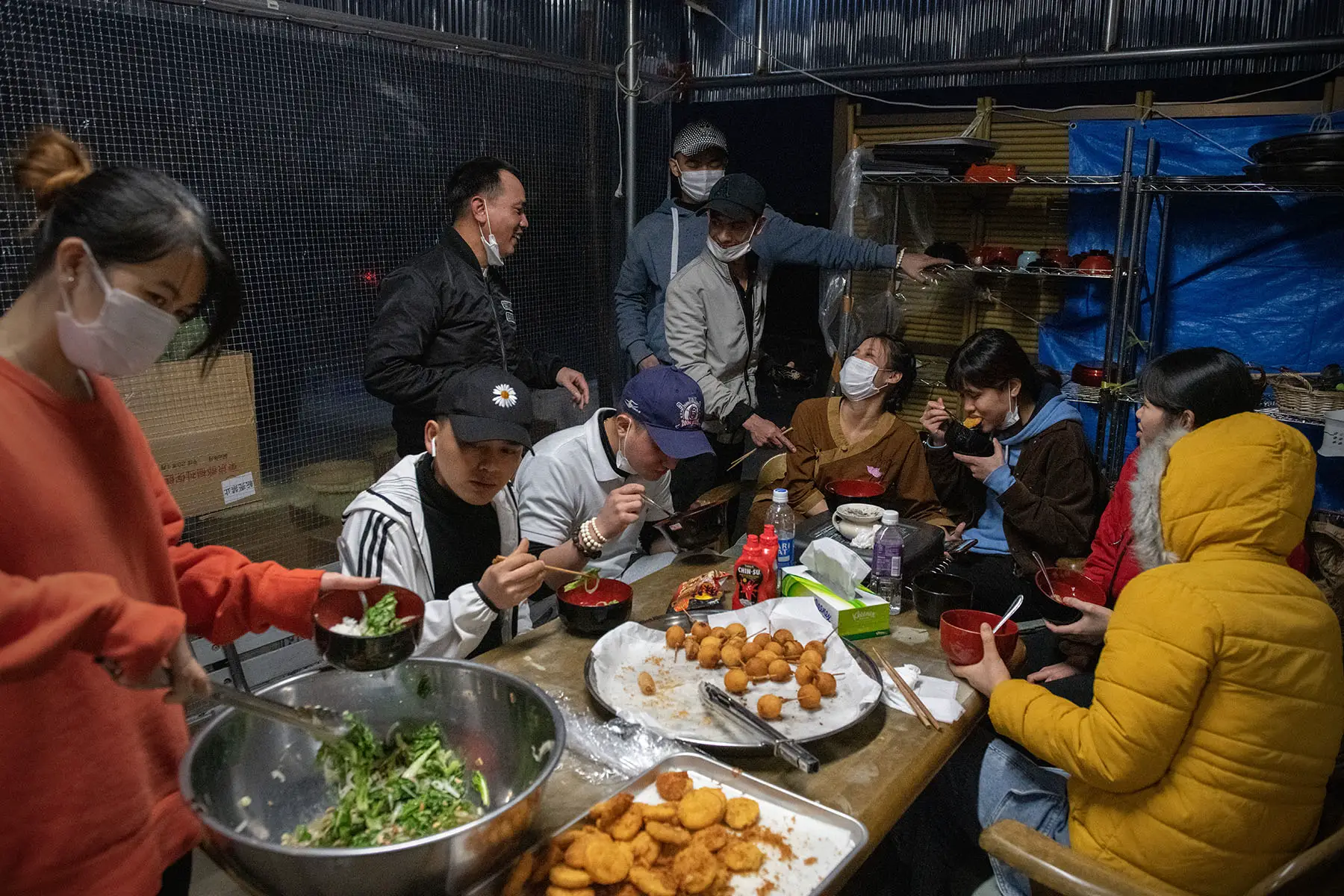
Those in Japan on a work visa must update the Immigration Services Agency (ISA) within 14 days of their dismissal. They then have three months to find a new job before their visa is revoked.
You can visit the ISA website for more information.
Tips on finding a job in Japan
The better your Japanese, the more opportunities you’ll have. As such, it’s a good idea to learn some basic Japanese before applying. The easiest way to quantify your language level is by getting a JLPT certification. Your eventual goal should be N2 (i.e., business level), but having any certification is better than none.
Another great tip is to brush up on your knowledge of how to find a job as an expat before you go.
Starting a job in Japan
Once you’ve landed yourself a job, you’ll need to consider some of the practicalities. Most full-time jobs will enroll you into health insurance and pension plans, but it is a good idea to check with your HR representative or manager. If not, you must join the national health insurance yourself and make your own payments.

Other things you should do before you start your job:
- Register your address with your new municipality
- Apply for a My Number Card
- Learn your rights as an employee
Useful resources
- Ministry of Foreign Affairs Japan (MOFA) – information and FAQs about visa applications
- Ministry of Health, Labor, and Welfare (MHLW) – information about labor laws and welfare in Japan
- Jobs in Japan – search engine and blog with useful information on jobs in Japan
- Hello Work – Japanese employment service center


Did you find this guide helpful?