
'%20id='ico-down'%20stroke='%23000000'%20stroke-width='1.5'%3e%3cg%20transform='translate(1092.250000,%20254.750000)'%3e%3cpolyline%20id='Path-2-Copy-4'%20transform='translate(5.500000,%202.750000)%20scale(1,%20-1)%20rotate(-180.000000)%20translate(-5.500000,%20-2.750000)%20'%20points='0%200%205.5%205.5%2011%200'%3e%3c/polyline%3e%3c/g%3e%3c/g%3e%3c/g%3e%3c/svg%3e)


Healthcare
Healthcare Services
How to find an English-speaking doctor in Florence
Find medical care in Florence with less guesswork by using the right search route, checking the right details, and knowing when to choose public, private, after-hours, or emergency care.


If you expect to use private care in Italy, you can also compare expat health insurance options through Expatica, including Cigna Global and Allianz Care.
This article is a general information guide, not medical advice. If someone has life-threatening symptoms, call 112 right away.
How to find an English-speaking doctor in Florence
The first step is to work out where you should go. If you’re new to Italy, the system can feel confusing because public GPs, private doctors, hospitals, and after-hours care all work differently in practice.
Search through verified channels, then screen each option before you book. That helps you avoid one of the most common problems in Florence: finding a listing quickly, then discovering too late that the doctor doesn’t see children, doesn’t issue the paperwork you need, or can’t manage the visit in English.
Where expats usually search
Most expats start with a mix of trusted directories and direct provider pages. A good first stop is Expatica’s healthcare directory. Then you can compare that with MioDottore, official hospital pages, and private clinic websites that clearly state who they treat and how they book appointments.
It’s worth knowing that random forum comments can still be useful, but only as leads. They can point you toward a doctor or clinic, but they shouldn’t be your final check on language support, pricing, or credentials.
- Prefer listings with a full doctor name, specialty, and real address in Florence (Firenze)
- Look for a clear booking method, such as phone, online booking, or email
- Check whether the doctor sees adults, children, or only a narrow specialist group
- Use official hospital pages when you may need department-level care
- Save the clinic phone number before you leave home
Insider Tip: In Florence, some private practices reply faster by phone or WhatsApp than through a generic contact form, so confirm the preferred booking channel before assuming a provider is unavailable.

How to verify a doctor before you book
Before you commit to an appointment, verify what you can yourself. The most useful official check is the FNOMCeO national register, which helps you confirm that a doctor is registered and practising legally in Italy.
- Registration: Search the doctor’s full name in the FNOMCeO register
- Specialty: Make sure the listed field matches what you need, such as general practice, pediatrics, or a specialist service
- Language: Ask whether the consultation, follow-up, and paperwork can be handled in English
- Visit type: Confirm whether the appointment is in office, by video, or as a home visit
- Money and paperwork: Ask about fees, payment method, prescriptions, and receipts for insurance reimbursement
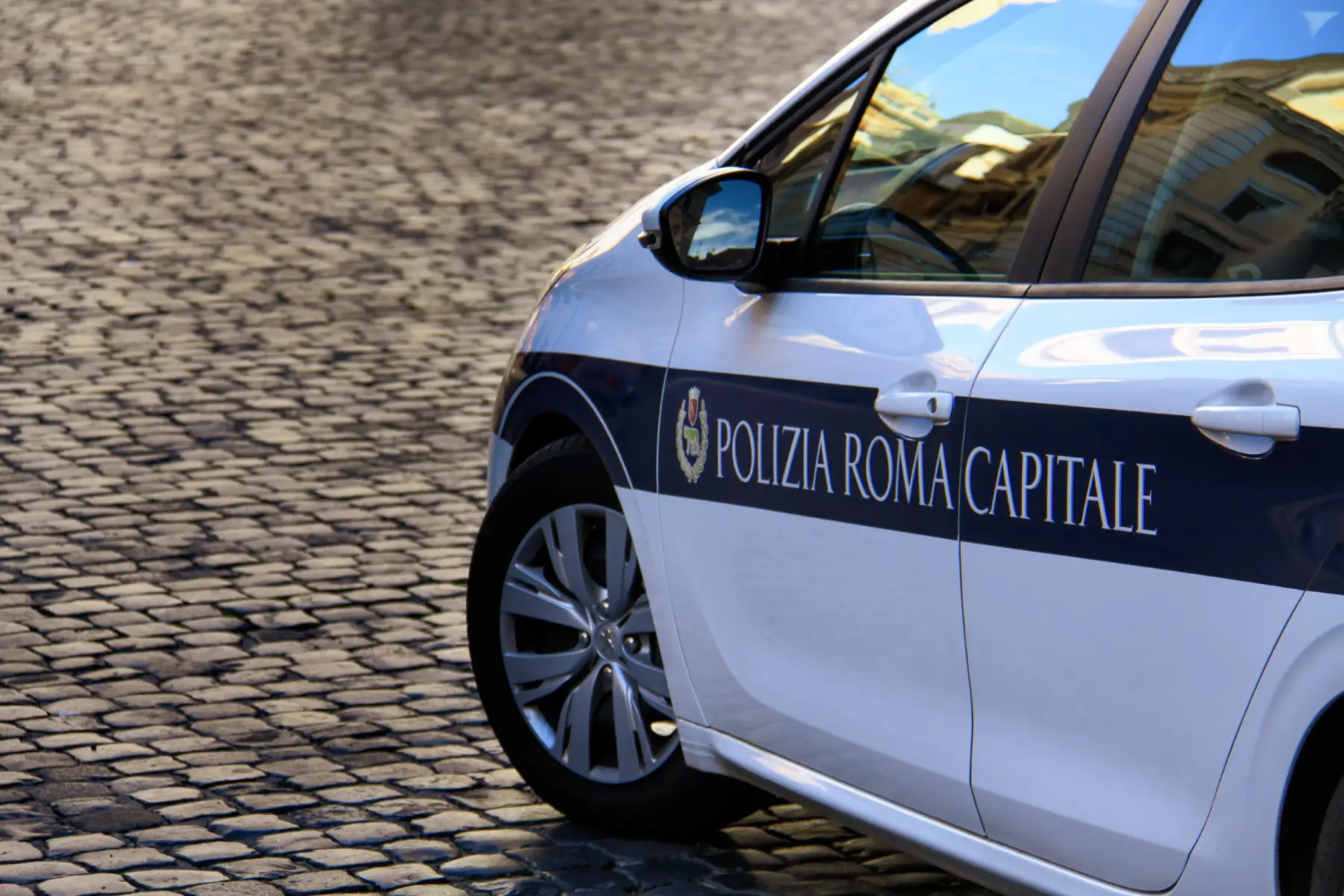
Which care route do you need in Florence?
The route you choose should depend on urgency, not just convenience. The healthcare system in Italy combines public SSN care with private care, so the key question is whether you need routine help, urgent but non-life-threatening help, or emergency treatment.
Life-threatening situations mean you should call 112, 118, or go to the nearest pronto soccorso.
Routine care, urgent care, or emergency?
| Situation | Best route | Typical use | Important note |
|---|---|---|---|
| Routine care | GP or private doctor | Mild infections, refills, ongoing conditions, referrals | Best for planned appointments and follow-up |
| Urgent, not life-threatening | Private same-day doctor or after-hours service | Fever, stomach pain, ear pain, minor injury, sudden but stable symptoms | Don’t wait if symptoms are getting worse quickly |
| Night, weekend, or holiday need | Guardia medica or continuità assistenziale | Care when your usual doctor is unavailable | In Tuscany, access may start by phone |
| Emergency | 112, 118, or pronto soccorso | Severe breathing trouble, stroke signs, heavy bleeding, major trauma, chest pain | Go straight to emergency care, not a routine clinic |
Pronto soccorso means emergency room, not walk-in routine care. If your problem can safely wait for a doctor visit, another route is usually more appropriate.
Where to go after hours or on weekends
Florence provides after-hours primary care through guardia medica (continuità assistenziale)
for non-emergency medical help when your regular doctor or pediatrician is unavailable. The ASL Toscana Centro after-hours care page explains how the service works and notes that non-urgent medical access in Tuscany may route through 116117.
This service is for problems that shouldn’t wait until the next business day, but isn’t a substitute for a full emergency department. If symptoms are severe, fast-moving, or potentially dangerous, call an emergency number and escalate quickly.
- Expect phone triage before an in-person visit in many cases
- Service hours differ from daytime GP or private clinic hours
- Pediatric or specialist needs may still require a different route
- Tourist doctor services may exist, but area coverage and timing can vary
- If you’re told to go to hospital, don’t delay
What to ask before you book
Many failed doctor searches happen before the appointment, not during it. People book too fast, then learn the doctor can’t issue the paperwork they need, doesn’t see children, or only accepts one payment method.
If you’re unsure what to ask, keep it simple. Confirm cost, timing, language, visit type, and follow-up support. A two-minute call can save you a wasted trip across Florence.
Fees, payment, and prescriptions
Prices in Florence vary by provider, specialty, and visit type, so don’t rely on an unsourced number from a directory or travel forum. Ask the clinic directly before booking, and ask again if the visit changes from office to home or video.
Questions you can ask include:
- What is the consultation fee?
- Is there a different fee for follow-up visits?
- Do you accept cards, cash, or both?
- Can you issue an invoice or medical receipt for insurance reimbursement?
- Can this doctor write the prescription I may need?
- If I need tests or a referral, is that arranged during the same visit?
Telehealth, home visits, and accessibility
Some private providers in Florence offer video visits or home visits, which can help if you’re ill, traveling with a child, or staying far from the clinic. But you should confirm whether a virtual visit is suitable for your problem, because some concerns still need an in-person exam.
Accessibility matters too. Check the exact location, stairs, elevator access, parking, taxi access, and whether the doctor sees adults, children, or both. If same-day care is important, ask what time you must arrive or call by.
Insider Tip: If you’re staying in the historic centre without a car, confirm whether the clinic is walkable, taxi-friendly, or offers video visits before booking a same-day appointment.

Public access, private care, and insurance in Florence
Your access route can change a lot depending on whether you’re already in the SSN, are newly arrived, are using EHIC or GHIC rights, or plan to self-pay. This is different from a clinic website, which usually shows only its own booking process.
There is no single access route for everyone. Residents with public coverage often have a cheaper path to routine care, while tourists and new arrivals often rely on private care first.
If you have SSN coverage
If you’re registered with the SSN, your tessera sanitaria is the health card that connects you to public healthcare services in Italy. It helps with GP access, referrals, and many prescriptions, and it is one of the first documents staff may ask for during a public route.
For foreign residents, the Italian health insurance card for foreigners explains how SSN registration and card validity work. Local steps can still vary, so if you need Florence-specific guidance on after-hours access or registration questions, check the relevant ASL Toscana Centro pages before you go.
If you rely on private insurance or self-pay
If you’re not fully set up in the SSN, private care may feel simpler because you can often book directly. That doesn’t mean every clinic is faster, cheaper, or covered. The key question is what your insurer will actually accept for this visit.
For a broader overview, read Expatica’s guide to getting health insurance in Italy in 2026 and compare expat health insurance quotes in Italy. Readers who expect to use private care in Florence often compare plans from Cigna Global and Allianz Care, but you should still check the clinic network, direct billing rules, waiting periods, exclusions, and reimbursement paperwork before you book.
You’ll want to find out:
- Is this doctor or clinic in network for my plan?
- Do I need to pay upfront and claim later?
- Does my policy exclude this visit type or symptom area?
- What receipt or invoice does my insurer require?
- Will tests, follow-ups, or prescriptions be handled the same way?

English-speaking care for families and specialist needs
For families, the search usually narrows fast. You may not just need any doctor. You may need a pediatrician, a hospital department, or a specialist who can see you soon and explain the next steps clearly in English.
Pediatric and family care
If you’re looking for an English-speaking pediatrician in Florence, check age range, same-day support, and whether the doctor handles routine childhood illness, urgent visits, or only follow-up care. Parents should also confirm how prescriptions, after-hours advice, and hospital referral work before the child gets sick.
For hospital-level pediatric care, Florence’s best-known example is Meyer University Hospital. It’s a useful official reference point when you need pediatric hospital services, but many non-emergency family questions are still better handled first by a pediatrician or family doctor.
Insider Tip: Meyer is one of Florence’s leading pediatric hospitals, but many non-emergency family questions are solved faster by confirming whether a private pediatrician offers same-day phone, video, or office visits.
Specialists, hospitals, and referrals in Florence
Sometimes a general doctor is only the first step. If you need specialist or hospital care, then official hospital department pages are the best place to confirm local services.
- Public specialist care often starts with a GP referral
- Private specialist care may allow direct booking, but not always
- Mental health, women’s health, orthopedics, and pediatric specialties may each follow a different booking path
- If emergency trauma care is needed in Florence, Careggi Trauma Center is an official hospital reference point
Common mistakes expats make when looking for a doctor in Florence
- Waiting until they’re already sick: Researching doctors while ill makes every decision slower and harder.
- Assuming every doctor speaks English: Some do, but some don’t, and language level can vary between booking staff and the doctor.
- Using emergency care for non-emergencies: Pronto soccorso is for urgent and emergency cases, not routine medical convenience.
- Not confirming fees first: Private prices, follow-up fees, and payment rules can change by visit type.
- Not checking prescription support: A visit is less useful if you need medication and the prescription route is unclear.
- Forgetting documents: Bring ID, insurance information, medication details, and any test results that matter.
- Ignoring child-age limits: Some doctors see only adults, older children, or a narrow specialty group.
Your next step is simple: save two verified options now, one routine and one urgent, so you aren’t starting from zero when you need help.
Frequently asked questions about English-speaking doctors in Florence
Can tourists or new arrivals see an English-speaking doctor in Florence?
Yes, tourists and new arrivals can still see a doctor in Florence without SSN registration, but they will often use private care, self-pay care, or the appropriate urgent route first. Before you go, confirm payment method, ID requirements, and whether the doctor can provide the paperwork you may need afterward.
How much does a doctor visit cost in Florence?
A doctor visit cost in Florence depends on whether you use a public or private route, the doctor’s specialty, and whether the visit is in person, at home, or by video. Don’t rely on a fixed number unless the clinic states it directly and the date is clear. Ask the clinic to confirm the total fee before you book.
What should I do if I need urgent care in Florence at night or on Sunday?
For urgent care in Florence outside normal hours, start with the local after-hours route, often called guardia medica or continuità assistenziale. If the problem may be life-threatening, don’t wait for after-hours advice. Call 112 or 118, or go to the nearest pronto soccorso.
How do I find an English-speaking pediatrician in Florence?
To find an English-speaking pediatrician in Florence, start with verified directories, private pediatric listings, and official hospital references. Then confirm language support, child age range, same-day options, and prescription policy. If your child seems seriously unwell, go to the hospital instead of waiting on a routine office booking.
Useful resources
- FNOMCeO national register for checking whether a doctor is officially registered in Italy
- ASL Toscana Centro after-hours care for local guardia medica and non-urgent access information
- Italian health insurance card for foreigners for SSN and tessera sanitaria basics
- Meyer University Hospital for pediatric hospital information in Florence
- Careggi Trauma Center for official emergency hospital information in Florence
This was reviewed on 1 August 2026.


Did you find this guide helpful?