
'%20id='ico-down'%20stroke='%23000000'%20stroke-width='1.5'%3e%3cg%20transform='translate(1092.250000,%20254.750000)'%3e%3cpolyline%20id='Path-2-Copy-4'%20transform='translate(5.500000,%202.750000)%20scale(1,%20-1)%20rotate(-180.000000)%20translate(-5.500000,%20-2.750000)%20'%20points='0%200%205.5%205.5%2011%200'%3e%3c/polyline%3e%3c/g%3e%3c/g%3e%3c/g%3e%3c/svg%3e)



This guide shows you how to find an English speaking doctor in Rome, what to prepare before you book, and when to use 116117 or emergency care instead.
This is a general information guide, not medical advice. If someone has life-threatening symptoms, call 112 right away.
How medical care works in Rome for expats
If you’re new to the city, it can be confusing working out which part of the system you can realistically use today to find a doctor. Rome has public care through the SSN, private clinics, out-of-hours services, pharmacies, and hospital emergency rooms, and each route solves a different problem.
For residents with the right registration, the public system can be the most affordable route. It can be useful to learn about the healthcare system in Italy and read about doctors and GPs in Italy before you leave. For newcomers, short-stay residents, or visitors, private care is often easier to access quickly.
Public care, private care, and visitor access
If you’re fully registered with the SSN, your first stop for routine issues is usually your medico di base, which means your registered family doctor or GP. That route often makes sense for follow-up care, referrals, and prescriptions inside the public system.
If you aren’t fully set up yet, private care may be more practical. Many expats use private clinics while waiting for paperwork, moving between cities, or looking for an English-speaking GP in Rome. Short-stay visitors often do the same, especially when they need a fast doctor appointment in Rome and are prepared to pay upfront.
Doctors that speak English may be easier to find in private settings than in the public system, but you should never assume it. Always confirm the doctor’s language and the receptionist’s language before you go.
Send money with Wise
Sending money to or from Italy? Cross-border payments don’t have to be complicated. With Wise, you can hold over 40 currencies in one account and send money to over 140 countries transparently at the mid-market exchange rate. Be smart. Get Wise.

Key Rome and Italy healthcare terms to know
These are the terms you will see most often on Rome booking pages and signs:
- SSN: Italy’s public health system, Servizio Sanitario Nazionale. In practice, this is the public route for registered residents.
- ASL: The local health authority that manages many public services in your area.
- Tessera sanitaria: Your Italian health card. You will often need it for public care.
- Medico di base: Your registered GP or family doctor.
- CUP: The regional booking system used for many public appointments and tests.
- Guardia medica or continuità assistenziale: Out-of-hours care for non-urgent but non-deferrable problems.
- Pronto soccorso: The emergency room.
- Farmacia di turno: An on-duty pharmacy open when others are closed.
- Ricetta: A prescription.

Where to look for an English-speaking doctor in Rome
The best search route depends on what you need, not just who appears first on Google. If your problem is routine, a private clinic or multilingual medical centre may be enough. If you’re after urgent care in Rome, meaning it can’t wait but is not an emergency, look at out-of-hours options or same-day private care first.
Editor’s note: You should check hours, exact location, language availability, and the booking method before you leave home. In Rome, clinics sometimes reply faster by phone or WhatsApp than by email, and schedules can change.
Use this shortlist when comparing options for a private doctor in Rome who speaks English:
- Confirm the doctor’s specialty
- Ask whether the consultation can happen today
- Check whether the doctor and someone at front desk speak English
- Ask whether the clinic can issue a receipt for insurance claims
- Confirm how prescriptions are handled
- Check payment methods
- Make sure the clinic is in a neighbourhood you can reach quickly
Insider tip: In Rome, you might find that many private clinics respond faster by phone or WhatsApp than by email. If timing matters, try both and ask whether the doctor and front desk both speak English.
Private clinics and multilingual medical centres
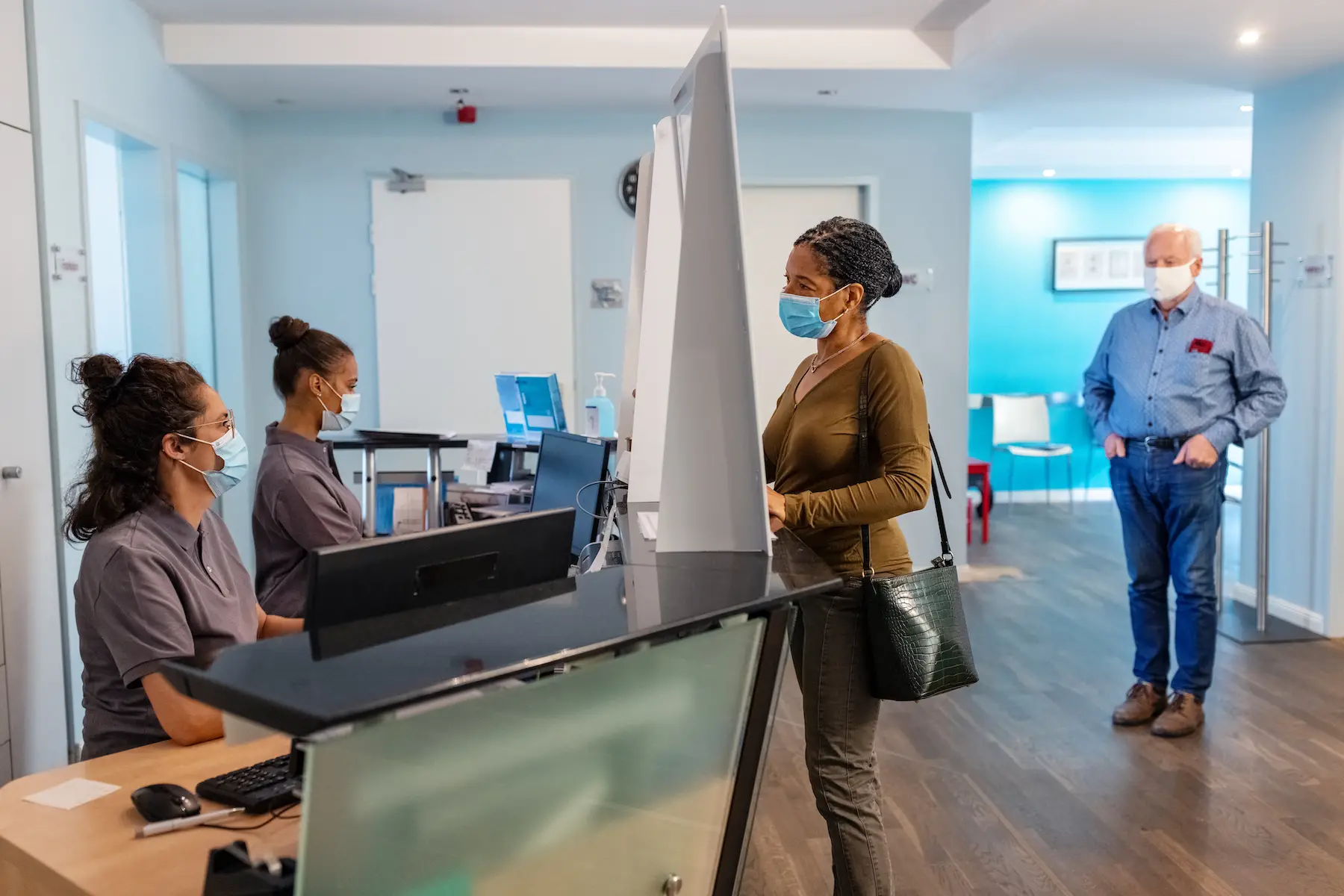
For many newcomers, private clinics and multilingual centres are the easiest starting point. They’re often the most practical route when you need a same-day doctor’s appointment in Rome.
Before you confirm, check the specialty, opening hours, neighbourhood, follow-up options, and whether the clinic can explain prescriptions, referrals, and paperwork clearly in English. If you’re looking for an English-speaking pediatrician in Rome or an English-speaking gynecologist in Rome, verify they speak rather than assuming it’s available.
Online, same-day, and house-call options
If you’re unwell, stuck in a hotel, traveling with a child, or trying to avoid crossing Rome while sick, then telehealth or a house call can help. Services such as MedinAction, Doctors in Italy, Air Doctor, and Mobi Doctor market English-language access, but you should still confirm the specific doctor, timing, and visit format before booking.
Online care can’t do everything, though. It may suit minor, time-sensitive issues, prescription questions, or first advice, but it isn’t the right choice for serious symptoms, major injuries, or anything that needs immediate hands-on assessment.
Official lists, directories, and consulate resources
Official or semi-official lists can help you start your search, especially if you’re overwhelmed. Use them as a shortlist, not as an endorsement.
Useful starting points include:
- Government or embassy lists of English-speaking doctors
- Official regional resources from Lazio and ASL Roma 1
- Verified provider directories that state English availability
- Consulate guidance for foreign nationals in Italy
Once you have a shortlist then you can check if the doctors still practice there, still speak English, and can still see you soon.
How to book an appointment and what to prepare
A lot of stress comes from not knowing what a clinic will ask for. In Rome, booking may happen by phone, website form, WhatsApp, or a public booking route such as CUP. Private care is usually the most flexible for same-day bookings, while public systems can involve more steps.
Booking channels, timing, and confirmation
Use this process if you need to book fast:
- Choose the right route, public GP, private clinic, telehealth, house call, or 116117.
- Contact the provider by phone first if timing matters, then follow up by web form or WhatsApp if needed.
- Ask whether the specific doctor speaks English, not just the clinic.
- Confirm the total fee, location, payment method, and whether you need to arrive early.
- Ask what happens after the visit, especially for prescriptions, referrals, and receipts.
If you don’t get a reply within a reasonable time for same-day care, move on to the next option. That is often faster than waiting for one clinic to answer.
What to bring, ask, and check before the visit
Bring these things with you to avoid delays:
- Passport or other photo ID
- Tessera sanitaria, if you have one
- Insurance card, policy number, or claim details
- Payment card or cash, if needed
- Medication list and allergy information
- Old test results or reports, if relevant
Ask whether the visit can include a ricetta, a receipt for reimbursement, a referral, and written follow-up instructions in English.
Insider tip: If your symptoms are hard to explain, write them down in simple English first and keep key Italian words ready for fever, pain, cough, allergy, and prescription.
How health insurance can help with private care in Rome
Private insurance can make private care feel less uncertain, but it doesn’t remove the need to verify details. Some expats use it to access private clinics, claim reimbursements, or manage larger medical costs more predictably. If you’re comparing health insurance for expats in Italy, Cigna Healthcare for Italy and Allianz Healthcare for Italy are two options for expats. You’re likely to come across both of them when you’re looking into health insurance in Italy and trying to get health insurance quotes.
What insurance may help with in practice
In practice, some expats look for help with outpatient visits, specialist access, hospital care, direct billing, or reimbursement after they pay. That can be useful if you expect to rely on private doctors in Rome.
But this is different from guaranteed cover. A policy may help with one part of care and not another. It may also treat emergency care, routine care, maternity, mental health, or pre-existing conditions differently. If you’re also exploring related support, Expatica has guides to children’s healthcare in Italy and women’s healthcare in Italy.
What to verify before you book
Check these points before treatment, especially if you hope to claim later:
| Thing to verify | Why it matters | Where to confirm | What can go wrong |
|---|---|---|---|
| Network status | Some plans only work with certain providers | Your insurer and the clinic | You may have to pay more or claim later |
| Pre-authorisation | Some services need approval first | Your policy terms or insurer helpline | A claim may be refused |
| Exclusions and waiting periods | Not every treatment is covered immediately | Policy documents | You assume cover that isn’t active yet |
| Direct billing or reimbursement | Payment method affects what you pay upfront | Insurer and clinic admin | You arrive expecting cashless care and can’t use it |
| Required documents | Claims often need receipts and medical notes | Insurer claims guidance | Missing paperwork can delay or block reimbursement |
Before treatment, verify coverage, exclusions, waiting periods, direct billing, reimbursement steps, and whether the provider in Rome can issue the documents your insurer needs.
When to use 116117, a farmacia, or the emergency room
This is where many people get stuck. The risk is either underreacting to something serious or using the emergency room for something that could be handled elsewhere.
Emergency numbers box
| Service | Use it for | Number |
|---|---|---|
| Life-threatening emergency | Serious symptoms needing immediate help | 112 |
| Non-urgent but non-deferrable medical help | Out-of-hours advice and guardia medica in Rome and its province | 116117 |
| Emergency room crowding check | Real-time hospital crowding before you travel, if it is safe to check first | Salute Lazio pronto soccorso in tempo reale |
When 116117 or a farmacia may be enough
In Rome and its province, 116117 connects you to out-of-hours care for problems that aren’t urgent enough for the emergency room but shouldn’t wait until the next day. ASL Roma 1 says the service offers multilingual assistance and is for citizens and tourists. That makes it especially useful when regular GP offices are closed.
A pharmacy can also help with minor symptoms, medication advice, and prescription logistics. If you need a farmacia di turno, check when one is open rather than guessing from shopfront signs late at night. But pharmacies don’t replace emergency care, and they can’t solve every prescription issue on the spot.
If you’re unsure where to go late at night, 116117 is often more useful than searching random clinic websites.

When to call 112 or go to pronto soccorso
Go straight to emergency care for symptoms such as:
- Chest pain
- Trouble breathing
- Signs of stroke
- Loss of consciousness
- Severe bleeding
- Major injury
- Severe allergic reaction
These aren’t situations for online advice, a routine booking, or an English-speaking walk-in clinic in Rome search. For more on emergency routes, see Expatica’s guides to emergency numbers in Italy and hospitals in Italy.

Frequently asked questions about English-speaking doctors in Rome
Can tourists see a doctor in Rome without insurance?
Yes. Tourists can usually access private care without insurance, but they may need to pay upfront and claim back later if their policy allows it. Emergency care is a separate route, and you shouldn’t delay urgent treatment because you’re unsure about insurance.
How much does a private doctor cost in Rome?
Private fees vary by clinic, specialty, urgency, and whether the visit is online, in person, or a house call. The safest approach is to ask for the full charge before you confirm the appointment.
What is 116117 in Rome, and when should I call it?
116117 is the non-emergency medical number for non-urgent but non-deferrable care in Rome and its province when regular GP offices are closed. It is different from 112, and ASL Roma 1 says the service includes multilingual assistance.
Can an English-speaking doctor in Rome give me a prescription?
Yes, a doctor may issue a prescription if it’s clinically appropriate. You should confirm whether the prescription is valid for pharmacy use and whether the medicine requires extra documentation or an in-person visit.
Do hospitals in Rome speak English?
Some staff in major hospitals or international-facing facilities may speak English, but don’t assume full English support at every stage of care. For non-emergency needs, private multilingual clinics may be easier, but emergencies should never be delayed because of language concerns.
Useful resources
This was reviewed on 1 August 2026.


