
'%20id='ico-down'%20stroke='%23000000'%20stroke-width='1.5'%3e%3cg%20transform='translate(1092.250000,%20254.750000)'%3e%3cpolyline%20id='Path-2-Copy-4'%20transform='translate(5.500000,%202.750000)%20scale(1,%20-1)%20rotate(-180.000000)%20translate(-5.500000,%20-2.750000)%20'%20points='0%200%205.5%205.5%2011%200'%3e%3c/polyline%3e%3c/g%3e%3c/g%3e%3c/g%3e%3c/svg%3e)


Working
Labor Law
Termination and redundancy in Spain
Learn everything you need to know about redundancy in Spain, including contract termination, notice periods, severance pay, and more.


Spain’s labor laws include strong protections for workers under employment contracts of all types. Besides those in probationary periods, employers may only dismiss employees with sufficient reason or notice. Employees dismissed due to no fault of their own are also entitled to severance pay, job search leave, and unemployment benefits.
Keep reading for more on redundancy in Spain, including:
Forcam Lawyers
Forcam Lawyers assists expat employees and executives in Spain with dismissals, redundancies and unfair termination matters. They provide clear legal advice on compensation, severance and employment disputes under Spanish law.

Spanish employment laws on contract terminations
The Spanish government’s Estatuto de los Trabajadores (Workers’ Statute) dictates the legalities around terminating employment contracts (contratos de trabajo) in Spain. Currently, Spain recognizes four different types of work contracts:
- Permanent or indefinite contracts
- Temporary contracts
- Training contracts or apprenticeships
- Internships

Permanent contracts come with the highest level of employee protection and the most obligations for employers who want to terminate them. Since Spanish law does not allow at-will termination, firing an employee can only occur on either objective or disciplinary grounds. Employers must follow the specific rules for notice periods, severance pay, and paid job search hours.
The easiest and most straightforward way to terminate a Spanish employment contract is by mutual agreement, where both the employee and the employer agree to end it by signing a termination agreement. Also called two-party consent, this frees the employer from any obligation of severance pay or unemployment packages.
Individual and collective dismissals, not by mutual agreement, must be for an objective reason. These require written notice within a certain period, usually 15 days, and severance packages that increase with seniority. On the other hand, employers can make disciplinary dismissals on the same day (no notice period) without owing the dismissed employee any severance.

Reasons for redundancy in Spain
Some common reasons to end an employment contract in Spain include:
- Two-party consent (el mutuo acuerdo de las partes) – both the employer and employee mutually agree to end the employment relationship
- Breach of contract (un incumplimiento contractual) – violating a term or condition specified in the contract, either by the employee or the employer
- Incompetence – the worker lacks the skills required for the job
- Expiration or lack of funding – the contract reaches an end and/or the source of money that funds the employee’s position ended (e.g., a project-based role or a non-profit grant)
- Business economic reasons – the company is restructuring or downsizing due to financial difficulties
- Excessive absences – frequently missing work for reasons that aren’t justified
- Insubordination – refusing to comply with direction from supervisors
- Improper social conduct – toward coworkers or managers, including harassment or discrimination
- Substance abuse – using drugs or alcohol either on the job or in a way that affects work performance
- Worker retirement (el jubilación del trabajador) – the employee reaches age 68 and has a full pension
Xolo: All-in-one support for autónomos in Spain
Xolo is an all-in-one platform supported by expert tax advisors in Spain, designed to help autónomos manage registration, invoicing, expenses, and tax submissions. Combining digital tools with human guidance in English and Spanish, it helps both new and established autónomos stay compliant and navigate local requirements with confidence.

Getting fired: immediate or disciplinary dismissals
In certain situations, an employer may dismiss an employee on the spot, also known as an immediate dismissal (destitución inmediata). This removes the usual requirement for a notice period and the work contract terminates the same day.

Disciplinary dismissals (despidos disciplinarios) usually occur when behavioral or performance problems are unresolved or severe in nature and constitute a breach of the employment contract. These can include excessive absences without reason, improper conduct toward coworkers or management, substance abuse, harassing behavior, and more.
Immediate dismissals are contingent on the employer having taken appropriate disciplinary action against the employee by the terms of the employment contract. Otherwise, the employee can contest the dismissal as improper or unfair.
Who is protected from dismissal?
According to Spanish law, companies cannot dismiss pregnant women, parents on or recently returning from maternity or paternity leave, and victims of gender-based violence from their jobs. To do so would be in breach of the law, and entitles the employee in question to remuneration from wrongful dismissal.

While the law doesn’t protect union members (miembros del sindicato) from dismissal entirely, the process is more complicated for the employer. The employer must notify the union’s delegates of their intent to dismiss the employee and allow any necessary hearings to take place. The union typically opens a contradictory case to try and defend the employee’s right to stay in their position.
Collective redundancies
Collective redundancies (despidos colectivos) are larger-scale dismissals undertaken by an employer for economic, organizational, or other technical reasons.
To qualify as collective redundancy, a company must have dismissed at least 10% of the workforce over 90 days or at least 10 workers in a company with less than 100 employees.
Qualifying causes for collective dismissals include demonstrable and consistent profit losses over a three-year period and major changes to the means of production or work systems that inhibit demand for products or services.

Collective redundancies in Spain are complicated and begin with the employer notifying the Ministry of Labour and Social Economy (Ministerio de Trabajo y Economía Social) at least 30 days before the effective date of dismissal.
At the same time, the employer should notify any legal representatives of their employees who belong to workers’ unions. Workers represented by unions or covered by collective agreements will have priority to remain in the company over non-represented workers in cases of collective redundancy.
Collective dismissals affecting more than 50 workers must offer external relocation plans to the laid-off persons that include training and professional guidance measures to help in their job searches.
Finally, collective redundancies that include workers over age 50 require employers to make financial contributions to the Public Treasury (Tesoro Público) in accordance with Spanish law.
What is the statutory notice period in Spain?
The standard statutory notice period for terminating an employee’s contract is 15 days, and notice must be in writing. If an employer decides to relieve an employee of their duties earlier than 15 days after giving notice, they still have to pay them their salary for this remaining period.
If your termination is for an objective reason (i.e., not disciplinary), you also get six hours of leave per week during the notice period to look for a new job. Your employer must pay you as normal during these six hours.
Exceptions to this rule include terminations on disciplinary grounds or employees who are still in their probationary periods. In this case, employers do not have to give any prior notice.
In addition, terminating senior management and executives requires a longer period of notice – three to six months.
What to do if you’ve been fired in Spain
Get legal advice
When presented with redundancy, one of the most important things to do is to ensure that your employer is following Spanish labor law and has legal grounds for terminating your contract. This includes reading your settlement agreement to make sure it consists of the required and fair conditions.
Forcam Lawyers
Forcam Lawyers assists expat employees and executives in Spain with dismissals, redundancies and unfair termination matters. They provide clear legal advice on compensation, severance and employment disputes under Spanish law.
If you’re a member of a workers’ union (sindicato), you should be able to get help from an advisor within the group. Otherwise, if you’re feeling overwhelmed or uncertain, contacting a lawyer or legal advisor who specializes in labor law might be the way to go.

If both parties agree to the termination
There are two different types of termination agreement: termination by two-party consent and dismissal with consent. Two-party consent is a mutual desire to end the employment contract and it frees the employer from any obligation to provide a redundancy package or benefits. Dismissal with consent is prompted by the employer, but the employee agrees to it.
When your employer presents you with a termination agreement and you consent to it, you are still entitled to severance pay and the six weekly job search hours.
If you don’t agree with the redundancy
If faced with redundancy in Spain, you have the option to disagree with the decision. Typically if you disagree, you will refuse to sign the agreement or accept the terms of the dismissal. In that case, your employer will have to take your dismissal case to a mediator or, eventually, the Social Court (el Juzgado de lo Social).
Severance pay and job search leave in Spain
Most terminated employees will get some level of severance pay (la indemnización) in Spain. The main exceptions to this are disciplinary dismissals and contract terminations under two-party consent. Therefore, if you’re fired effective immediately or you prompt the end of your own contract, you likely won’t qualify for severance unless it’s a special circumstance.
The amount of severance pay you get upon dismissal depends on how long you’ve worked for that company. In general, employees are entitled to 20 days’ salary for every year of service. The maximum amount of severance is 12 months’ worth of salary.

Employers should prepare to pay out the severance package the day they notify an employee of termination. Further, employees get six hours of paid leave per week to search for new jobs during their notice period.
What to do if you’ve been unfairly dismissed in Spain
It may be the case that your employer cannot prove a breach in your employment contract or provide an objective reason for termination. If so, it’s possible that the dismissal occurred under illegal circumstances. Also, firing an employee who is a protected class or on a discriminatory basis is expressly illegal under Spanish law.
Anyone unsure whether they’re being terminated reasonably and legally may want to contact an expert for support, such as Forcam Lawyers.
Workers have the right to pursue unfair dismissal cases in a Spanish court of law. The first step is a mandatory meeting between employer and employee through a mediator or conciliator. During this meeting, the parties try to come to an agreement. Employees must request conciliation within 20 business days of receiving notice of termination.
If mediation does not result in an agreement between parties, the employee can file a lawsuit with the Spanish Labor Court. There are three possible rulings for a wrongful termination lawsuit:
- Void dismissal: states that the employer dismissed the employee in violation of their fundamental rights and freedoms, namely discrimination or a person protected from dismissal
- Unfair dismissal: states that the employer could not demonstrate objective reason or failed to follow formal requirements for dismissal
- Appropriate dismissal: states that the employer’s cause for dismissing the employee is valid
If the Labor Court decides that an employee was dismissed unfairly, the employer must either offer additional compensation or take back the worker. The employee gets to choose which option suits them the best.

Worker reinstatements are effective immediately upon the court’s ruling. Severance payments for unfair dismissals increase from 20 to 33 days of work per year of service with a limit of 24 months’ salary in total.
Support following redundancy
Getting dismissed can be a stressful time, and finding a new job when you live abroad isn’t always easy. Thankfully, you may qualify for unemployment benefits even as a foreigner working in Spain.
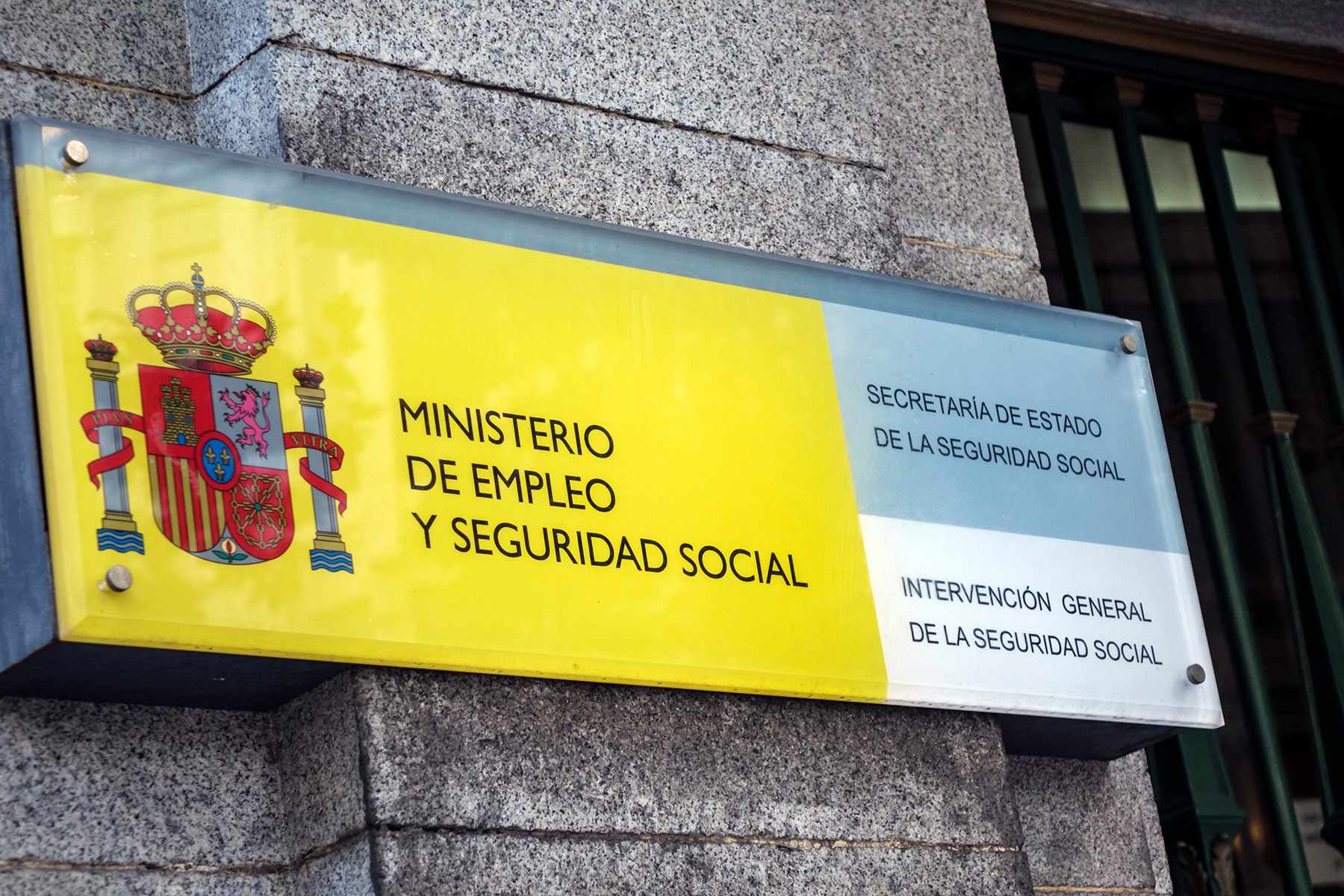
To receive unemployment benefits in Spain, you’ll need to have made social security contributions. The minimum requirement is 360 days of contributions during the previous six years before unemployment. You also must have lost your job through no fault of your own, which excludes mutual consent contract terminations.
You can read more about this and other welfare benefits in our article on Social Security in Spain.
Useful resources
- Ministry of Labour and Social Economy – guide to modification, suspension, and termination of employee agreements
- CMS Legal – legal information on dismissals and termination
- Lawants – information about Spanish employment contracts
Related Articles


Editor's picks
 Top 10 Spanish foods – with recipesWhat better way to explore Spain than with your tastebuds? From tasty tapas to delicious dishes, here are the best Spanish foods.
 Dating in Spain: finding love as an expatSingle and ready to mingle? Learn how to find love on Spain's dating scene, where casual meet-ups can spark genuine romantic connections.
 International schools in SpainWant to send your child(ren) to an international school in Spain? Find out everything you need to know about fees, exams, and more.
Did you find this guide helpful?