
'%20id='ico-down'%20stroke='%23000000'%20stroke-width='1.5'%3e%3cg%20transform='translate(1092.250000,%20254.750000)'%3e%3cpolyline%20id='Path-2-Copy-4'%20transform='translate(5.500000,%202.750000)%20scale(1,%20-1)%20rotate(-180.000000)%20translate(-5.500000,%20-2.750000)%20'%20points='0%200%205.5%205.5%2011%200'%3e%3c/polyline%3e%3c/g%3e%3c/g%3e%3c/g%3e%3c/svg%3e)


Healthcare
Healthcare Services
Healthcare in Spain for tourists
Spain has a well-established healthcare system and welcomes millions of tourists each year. So naturally, many tourists in Spain need medical care during their stay, whether for an unexpected illness, an injury, or routine treatment.


How you access healthcare depends on whether you need emergency care, routine medical attention, a public healthcare facility, or a private clinic. Many travellers will need travel insurance for Spain.
Key takeaways
| Route | Who can use it | First move | Likely payment path | Why insurance still matters |
| EU/EEA visitor with EHIC | State system for medically necessary care | Start with public provider or hospital urgencias | Usually state terms or local copay | Card doesn’t cover private care, repatriation, or every travel cost |
| UK visitor with GHIC | State system for medically necessary care | Start with public provider or hospital urgencias | Usually state terms or local copay | GHIC is not a replacement for travel insurance |
| Non-EU tourist without reciprocal cover | Emergency help first, then private clinic or hospital if needed | Often requires payment upfront or insurer guarantee | Private insurance or clear funds matter much more | |
| Minor illness or prescription question | Anyone | Start with a farmacia or farmacia de guardia | Usually out-of-pocket unless reimbursed later | Good for fast advice, but not for red-flag symptoms |
| Serious emergency | Anyone | Call 112 or go to urgencias | Public emergency care may start first, but payment can still follow | Keep ID, policy details, and receipts |
How healthcare in Spain works for tourists
Spain has a public health system, the Sistema Nacional de Salud (SNS), and a large private sector. For tourists, the key question is not just how sick you are, it’s also whether the place treating you is public or private.
That distinction shapes almost everything, from whether an EHIC or GHIC is accepted to whether you may need to pay upfront and claim later. If you need to know what it’s like for residents in Spain, read Expatica’s guide to the healthcare system in Spain.

Public vs private care in Spain
Public care usually means a state hospital, public urgencias (emergency department), or a centro de salud (primary care centre). Private care usually means a clinic or hospital that bills you or your insurer directly, and in resort areas hotel staff often point visitors there first because it’s faster and easier to arrange.
| Facility | Typical tourist route | What to expect |
| Public facility | Ask for the public hospital or health centre | Card eligibility matters, but this is where EHIC or GHIC rules can apply |
| Private clinic | Common in beach resorts, airports, and hotel referrals | Faster access, but payment or insurer approval is common |
| Hospital with public and private wings | Confirm which side you’re entering before treatment starts |
Who can use EHIC or GHIC, and who needs insurance
EU and EEA visitors can use EHIC in Spain for medically necessary state-provided care during a temporary stay, and UK visitors can follow UK government guidance on GHIC healthcare in Spain on the same basic public route. Medically necessary usually means care that can’t wait until you get home, so that’s not private convenience treatment or a planned checkup.
EHIC and GHIC don’t replace travel insurance for Spain, and they don’t usually help in private clinics, with repatriation, or with other trip costs. If you don’t have clear public coverage, compare whether a policy from Cigna Healthcare, Allianz Care, or another insurer actually fits your trip length, nationality, medical history, exclusions, reimbursement rules, and emergency assistance process.
What to do in a medical emergency
- Call 112 for a life-threatening emergency, or 061 where local medical emergency support uses that number for ambulance dispatch or urgent advice.
- If you can travel safely, go straight to urgencias at a public hospital and show your card or insurance details as early as possible.
- Tell staff what happened, when symptoms started, what medicine you take, and whether you have allergies, pregnancy, or a chronic condition.
- Ask whether you’re being treated as a public or private patient before tests or transfer, especially if a hotel, tour operator, or private ambulance arranged the visit.
- As soon as it’s safe, call your insurer or assistance line, because they may arrange direct billing, translator support, or an approved transfer.
Should you call 112, 061, or go to urgencias?
In Spain, 112 is the main emergency number, while 061 is commonly used for ambulance or medical emergency support. Urgencias is the sign you will see for a hospital emergency department. If you’re unsure, call 112 first.
- Call 112 if there is an immediate risk to life, severe bleeding, chest pain, stroke symptoms, collapse, or a serious accident.
- Some autonomous communities also operate 061 for medical emergencies or ambulance coordination. If you’re unsure, call 112.
- Go to urgencias if you can reach the hospital safely and the problem cannot wait for a doctor or pharmacy.
What to bring, what to say, and how payment may work
Bring what you have, not what feels ideal. Staff can start with limited information, but the right documents make billing and treatment much smoother.
This list is a good place to start:
- Passport or photo ID
- EHIC or GHIC, if relevant
- Insurance card or policy number
- Regular medication list and allergy information
- Payment card and a way to keep receipts
It’s worth knowing that non-EU tourists, and anyone using a private clinic, may be asked for payment upfront or for a guarantee from their insurer. Keep every receipt, discharge note, prescription, and referral, because reimbursement usually depends on paperwork.

Where to get non-urgent care
Not every problem needs a hospital. For mild illness, travelers often do better by starting with a pharmacy, a walk-in clinic, or a doctor who can decide whether you actually need tests, a prescription, or urgent care in Spain.
If symptoms are dragging on, or you want a fuller explanation of local pathways, Expatica’s guides to doctors in Spain and hospitals in Spain explain how appointments, referrals, and facilities work. After-hours care exists too, but locals often solve medicine needs first through an on-call pharmacy.
Start with the farmacia
A farmacia (pharmacy) is often the smartest first stop for minor tourist health problems. Pharmacists can recommend over-the-counter treatment, tell you whether you likely need a Spanish doctor, and help you find the nearest farmacia de guardia (on-call pharmacy) outside regular hours.
This is a good place for symptoms that include:
- Colds, coughs and sore throats
- Mild stomach bugs or nausea
- Simple rashes, bites, or sunburn
- Questions about lost or running-out-of medication
When to use a clinic, doctor, or telehealth
Use a clinic or doctor when symptoms are lasting longer than a day or two, when pain is significant, when you may need a prescription, or when you’re unsure whether self-care is still safe. For many visitors, a private clinic is the most realistic fast option.
Telehealth can help if you need quick advice, help translating a medication issue, or guidance on whether to escalate. Before treatment starts, confirm whether the clinic is public or private, what it charges, and whether it can bill your insurer directly.
How travel health insurance fits into the picture
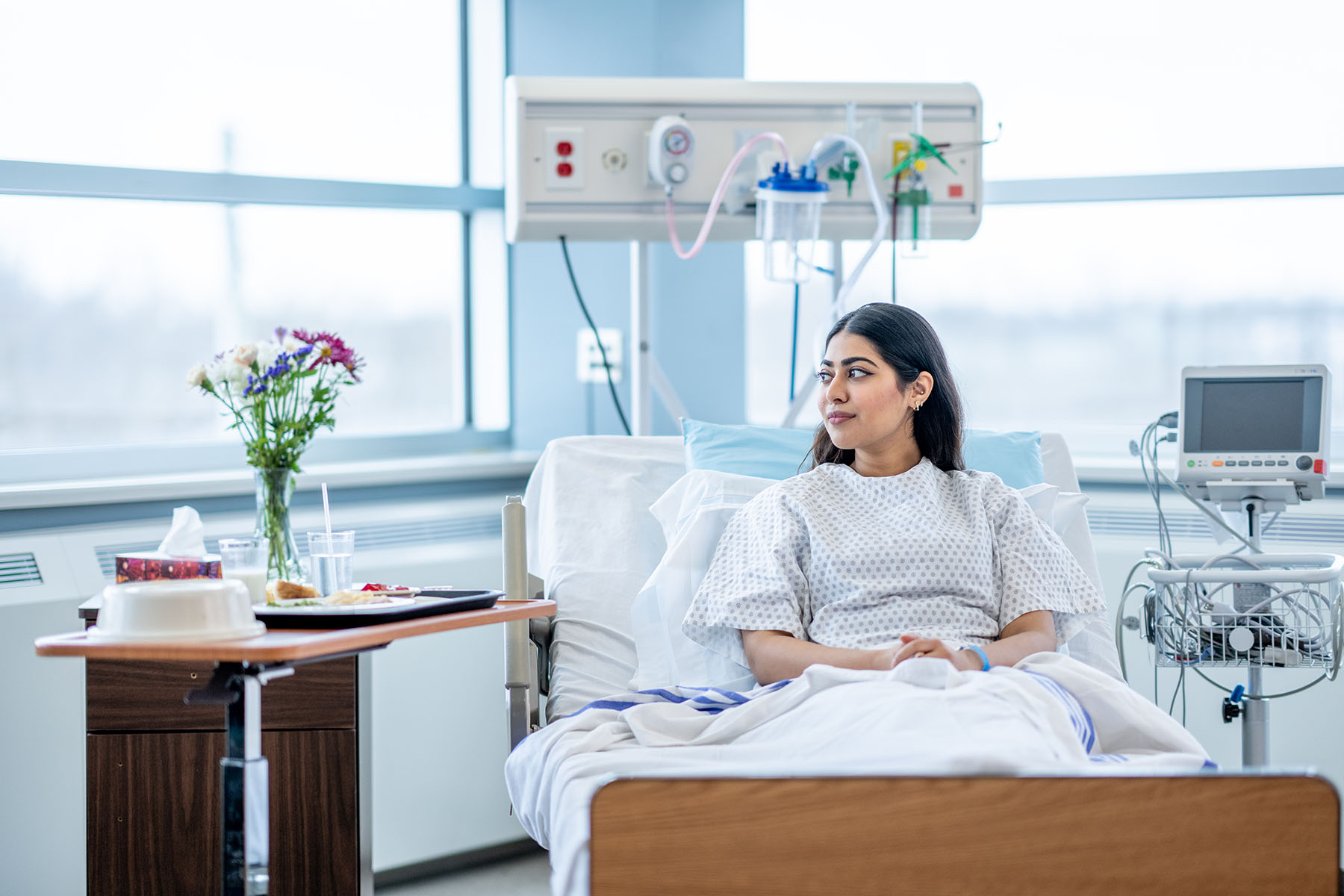
Travel health insurance for Spain matters because the Spanish system is high quality, not because it’s universally free for visitors. The risk here isn’t just the medical event itself, it’s the private clinic bill, the upfront deposit, the paperwork trail, and the cost of anything your public card doesn’t touch.
Insurance may help with private treatment, emergency support, translation, coordination, or reimbursement, but policies vary a lot by destination, trip length, age, pre-existing conditions, and activity risks. If you want the resident context, Expatica’s guide to health insurance in Spain explains the broader public and private system.
What to check before you buy a policy
Before you buy, focus on how the policy actually works when you’re sick, not just the headline benefits. You can compare quotes and think about how insurers are with the following:
- Medical emergencies and hospital admission
- Outpatient visits and prescriptions
- Pre-existing conditions and waiting periods
- Emergency evacuation or repatriation
- Direct billing versus reimbursement, plus exclusions for sports or longer stays
Where Cigna Healthcare and Allianz Care may fit
Cigna Healthcare and Allianz Care are two names travellers may compare when they want private or international medical cover connected to Spain. Some plans are designed with longer international living in mind, while others are designed for shorter travel or more limited trip windows.
That means neither Cigna Healthcare nor Allianz Care is automatically right for every visitor, and neither is guaranteed to be accepted by every clinic. You should check and compare trip length limits, destination rules, claim processes, direct billing, exclusions, and emergency contact details before you buy, and confirm the final terms with the insurer.
Common costs and mistakes to avoid
Hospital costs in Spain for tourists are hardest to predict in the private sector, because a simple visit can turn into consultation, imaging, lab, and follow-up charges. Rather than trusting a rough online figure, assume private care may involve a deposit or full payment first, then check what your insurer will reimburse and on what evidence.
The most expensive mistakes are usually procedural: assuming EHIC or GHIC works in a private clinic, accepting a hotel referral without asking questions, failing to keep receipts, or discovering too late that your home policy excludes Spain or excludes the activity you were doing. A little verification at the front desk can save a very large headache later.
Frequently asked questions about healthcare in Spain for tourists
Is healthcare free in Spain for tourists?
Healthcare isn’t automatically free in Spain for tourists. EU and UK visitors may get medically necessary public care through EHIC or GHIC on local terms, while non-EU visitors often face direct charges, private billing, or both.
Can tourists use EHIC or GHIC in Spain?
Tourists can use EHIC or GHIC in Spain for medically necessary state care during a temporary stay, but the facility must be public. EHIC or GHIC usually won’t cover private clinics, repatriation, or broader travel disruption costs.
EHIC and GHIC apply to healthcare provided within Spain’s public healthcare system or by providers operating on behalf of it. Most purely private clinics aren’t covered.
What if I need a prescription in Spain as a tourist?
For minor issues, a pharmacy may be enough, but stronger or controlled medicines usually need a Spanish prescription or local doctor review. Bring your medication list and original packaging, because that makes it much easier to explain what you take and what dose you use.
Should tourists use public or private clinics in Spain?
Public care makes sense when you’re eligible and the provider is genuinely in the state system. Private clinics are often faster and more common in tourist zones, but they may ask for payment or insurer approval, so verify the facility type before treatment starts.
Useful resources
Before you travel, compare your coverage terms and save your insurer’s emergency number in your phone.
Related Articles


Editor's picks
 Dating in Spain: finding love as an expatSingle and ready to mingle? Learn how to find love on Spain's dating scene, where casual meet-ups can spark genuine romantic connections.
 Top 10 Spanish foods – with recipesWhat better way to explore Spain than with your tastebuds? From tasty tapas to delicious dishes, here are the best Spanish foods.
 Guide to getting health insurance in Spain in 2026Find out whether you need private health insurance in Spain in 2026, with insider info on costs, coverage, and medical professionals.
Did you find this guide helpful?