


This guide explains the main routes, finding a job, registering your address, health insurance, taxes and your first steps after arriving.
Requirements vary by residence status and type of work, so check the current guidance from the German Missions in the UK before traveling.
Key takeaways
- Entry and work: British citizens can usually visit Germany without a visa for up to 90 days in any 180-day period, but this does not automatically permit employment
- Residence applications: British citizens can generally apply for an appropriate work-authorising residence permit after arriving, within the first 90 days, or obtain a national employment visa before travelling
- Pre-Brexit residents: People lawfully resident in Germany before 1 January 2021 who meet the Withdrawal Agreement conditions may have protected work and residence rights
- Arrival administration: Register your address (Anmeldung) within two weeks of moving in, and arrange suitable health insurance and employment paperwork
- UK contributions: Most people working in Germany pay into the German social security system, although some temporary or cross-border workers remain covered by UK National Insurance rules
Do UK citizens need a visa or work permit to work in Germany?
Yes, most UK citizens moving to Germany for employment after Brexit need a visa or residence permit that allows them to work. British citizens can normally enter for a short visit without a visa, but permission to enter and permission to work are different things. See Expatica’s guide for the wider permit options:
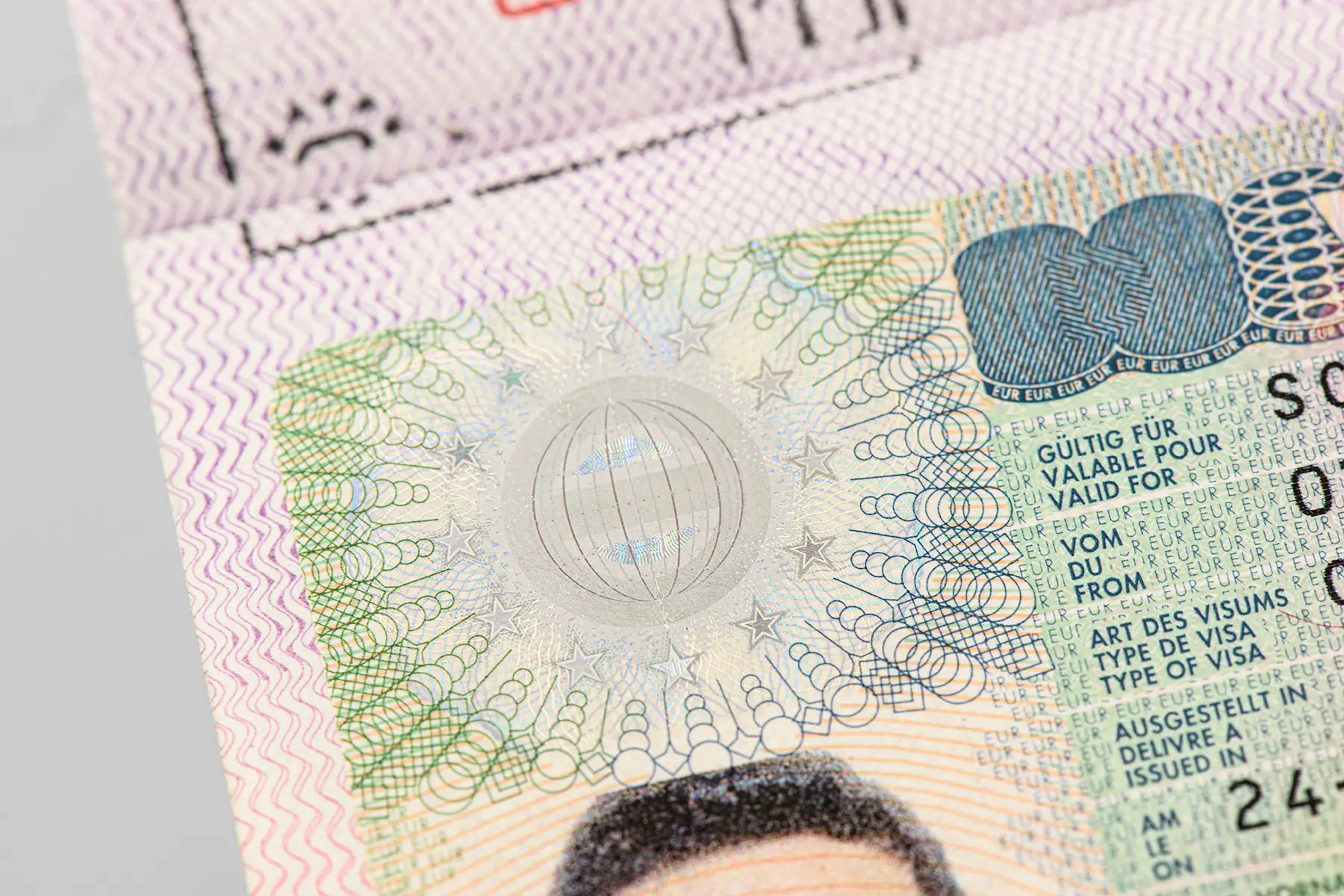
British citizens can generally apply for a residence permit after entering Germany without a visa, provided they apply during the first 90 days. You cannot begin normal employment until your residence title explicitly permits it. Alternatively, you can obtain a suitable national employment visa (D-Visum) before travelling, allowing you to work in accordance with its conditions.
| Situation | Can you enter without a visa? | Can you start work immediately? | What establishes your right |
|---|---|---|---|
| New British citizen moving for a job | Generally, yes | No, not without work authorisation | Employment visa or work-authorising residence permit |
| UK national protected by the Withdrawal Agreement | Separate protected status | Generally, yes, within the protected rights | Aufenthaltsdokument-GB or other evidence of protected rights |
| UK citizen who also has EU, EEA or Swiss citizenship | EU/EEA/Swiss free movement rules apply | Generally, yes | Qualifying passport and applicable registration |
Which route fits your situation?
The right route depends on whether you already have a German job offer, are looking for work, or have protected pre-Brexit residence rights.
| Situation | Likely route | What to remember |
|---|---|---|
| You have a German job offer | Skilled worker residence permit, EU Blue Card or another employment route | A contract alone does not authorise work |
| You want to find a job after arriving | Short visa-free job search, or an Opportunity Card if eligible for a longer search | Visitor status does not authorise regular employment |
| You lived legally in Germany before 2021 | Withdrawal Agreement rights, if the conditions continue to be met | Keep evidence of your protected status |
If you already have a job offer
With a signed offer, you can check whether to apply for a national employment visa from the UK or for a residence permit after arrival. Applying in the UK may be useful if you need to start work promptly: an employment-authorising visa can allow work from its stated validity date. The best route depends on your qualifications, job and salary.
If you want to move first and look for work
You can generally visit Germany to attend interviews during a visa-free stay, but this doesn’t allow you to take up ordinary employment. For a longer job search, some applicants may qualify for Germany’s Opportunity Card, subject to qualification, language and financial requirements.
An issued Opportunity Card permits certain work while searching, including part-time employment of up to 20 hours a week and qualifying job trials of up to two weeks per employer. It does not automatically authorise unrestricted permanent employment; you’ll usually need an appropriate residence title when you secure a job.
If you were living in Germany before 1 January 2021
If you were legally resident in Germany before 1 January 2021 and have continued to meet the relevant conditions, your residence and employment rights may be protected by the Withdrawal Agreement. You generally don’t need a new work visa solely because of Brexit.
Your Aufenthaltsdokument-GB provides proof of these rights and is particularly important when travelling. If you don’t have the document or your circumstances have changed, contact your local foreigners’ authority (Ausländerbehörde) and consult GOV.UK’s guidance on living in Germany.
What you need before you can start work
You need an appropriate work-authorising residence title, and some jobs or immigration routes also require evidence of recognised qualifications. Insurance and other documents may be required before the relevant visa or permit is issued.
Qualification recognition and regulated professions
Some professions, including medicine, nursing and teaching, are regulated in Germany and generally require formal recognition or professional authorisation. For non-regulated occupations, recognition isn’t usually needed simply to practise the job, but it can still be necessary for a particular skilled-worker immigration route.
Start with Recognition in Germany to check the occupation, and use anabin or a qualification comparability assessment where relevant. Do not assume that an employer accepting your UK qualification is enough to satisfy the visa criteria.

Documents and salary requirements
Your German mission or local foreigners’ authority will set the final document list. Common requirements include:
- Valid passport and completed application
- Job offer or employment contract, plus an employer’s declaration where required
- CV and proof of qualifications or professional experience
- Evidence of recognition or comparability where applicable
- Proof of suitable health insurance
- Biometric photograph and any further route-specific documents
Some routes have annual salary thresholds, and others require Federal Employment Agency approval. Use the current Make it in Germany visa guidance for the route and year in which you apply.
Manage your money seamlessly in Germany with Wise
- Hold and convert GBP and EUR at low fees
- Always get the mid-market exchange rate
- Pay rental deposits and bills in euros

How the process works from the UK to your first day on the job
For most new arrivals, the process follows four stages. The key deadlines are address registration within two weeks of moving into accommodation and a local residence application within the first 90 days if you entered without a visa to apply in Germany.
| Stage | Key actions | Why it’s important |
|---|---|---|
| Before travelling | Select your route; gather employer, qualification and insurance documents | Helps avoid a delayed start |
| After moving in | Register your address (Anmeldung) at the Bürgeramt within two weeks | Establishes your registered address |
| Within the first 90 days | Submit your residence application to the Ausländerbehörde if applying locally | Establishes the basis for longer residence and work authorisation |
| Once work is authorised | Confirm health insurance, tax ID and social security payroll details | Allows the employer to complete employment administration |
Before you leave the UK
Confirm the employment route, collect your passport, offer and qualification records, and ask your employer which supporting declaration they must provide. Check whether applying for a visa in the UK is preferable to waiting for a residence permit after arrival.
During your first 90 days in Germany
Register your address (Anmeldung) at the local residents’ office (Bürgeramt) within two weeks of moving in. You’ll normally need a landlord’s confirmation (Wohnungsgeberbestätigung). If you are applying after arrival, contact the Ausländerbehörde early and follow its procedure to submit your application within the first 90 days, rather than relying on an appointment request alone.
Once your permission to work is in place
Check the work conditions on your visa or residence permit before starting. Your employer will need your tax identification number (Steueridentifikationsnummer), health insurer details and information for social insurance registration. If you used interim health cover, confirm when your ongoing insurance begins so there is no unintended gap.
Where can UK citizens find jobs in Germany?
UK citizens can search through official vacancies, commercial job platforms and employers’ own careers pages. English-speaking roles exist in technology, research and multinational organisations, but German language skills widen your opportunities and make local administration easier.
- German Federal Employment Agency listings via Make it in Germany
- LinkedIn, StepStone and Indeed Germany
- Specialist recruiters for technical or regulated professions
- Direct applications to companies in your chosen industry or location
Expatica’s guide to finding work in Germany covers applications, recruitment and the local labour market.
How do taxes, social security and UK National Insurance work?
If you become employed in Germany, your employer will normally deduct German wage tax and social insurance contributions. After your first address registration, the Federal Central Tax Office (Bundeszentralamt für Steuern) automatically issues your tax identification number and sends it by post.
You usually pay social security where you work. However, UK National Insurance may continue in specific situations, including temporary postings or work across more than one country, where HMRC issues the relevant certificate of coverage. This certificate deals with social security liability; it does not authorise you to work in Germany.
| Topic | Usual position | What to check |
|---|---|---|
| German tax ID | Assigned automatically after initial registration | Give it to your employer for payroll |
| German social insurance | Usually applies to employees working in Germany | Health, pensions, care and unemployment contributions |
| UK National Insurance | May continue for qualifying posted or cross-border workers | HMRC’s certificate-of-coverage rules |
| Income taxed in both countries | Treaty relief may apply depending on tax residence and income | UK–Germany double taxation rules and individual circumstances |
How do health insurance, banking and first-month finances work?
You may have expenses for accommodation, deposits, transport and insurance before your first German salary arrives. Prepare the insurance documents needed for your residence application and check how you’ll make euro payments during the move.
Choosing insurance for your route
Residents of Germany need suitable health insurance. Most employees who qualify for statutory cover join a German health insurer (Krankenkasse); private insurance is available in certain circumstances. Compare both options in our guide:

The German Missions state that ordinary travel insurance is insufficient for a national D-visa application. If there’s a gap before employment-based cover starts, check the exact requirements with the mission or foreigners’ authority and your insurer before buying temporary cover. An international insurance certificate does not guarantee acceptance for a long-term residence permit. A UK GHIC is also not a general replacement for insurance when moving to work in Germany.
Setting up payments and moving money
Your first expenses may include a rental deposit, permit fees, food and transport. Many newcomers arrange a euro current account for salary and everyday payments, but you should check which account details each payer or recipient accepts.
If you need to convert pounds into euros, Wise allows eligible customers to hold supported currencies and convert at the mid-market exchange rate with fees shown upfront. Its available EUR account details may support euro payments, although Wise doesn’t currently issue German IBANs. An otherwise eligible SEPA euro transfer generally cannot be refused solely because the account’s IBAN is from another EU country.
Compare the rate and total charges before transferring larger amounts. Keep enough accessible funds for your first month while waiting for salary and registration paperwork.
FAQ
Frequently asked questions about working in Germany as a UK citizen
Can a UK citizen move to Germany without a job? 
Yes, British citizens can generally enter Germany visa-free for a short visit and look for work, but that doesn’t allow them to start ordinary employment. For a longer job search, eligible applicants may apply for an Opportunity Card or another appropriate residence route.
Can I apply for a German work permit after arriving in Germany?
Yes. British citizens can generally apply for a work-authorising residence permit after arrival, provided they apply within the first 90 days. You normally need the permit before you begin employment, unless you already have another right to work.
Can I work in Germany with only English?
Yes, some roles use English as their main working language, especially in technology, research and international companies. German skills will usually broaden your options and make everyday administration easier.
Do UK qualifications need to be recognized in Germany?
It depends. Regulated professions generally require formal recognition or authorisation. Non-regulated occupations don’t always require recognition to practise, but some visa routes require recognised or comparable qualifications.
Do UK citizens pay UK National Insurance and German social security?
Normally, you pay social security in one country for the same work. Most employees working in Germany pay German contributions, while qualifying temporary or cross-border workers may remain within UK National Insurance under an HMRC certificate of coverage. Voluntary contributions are a separate matter.
Sources
Expatica’s experts are all about providing the most up to date and accurate information. All guides are fact checked, and whenever we use external sources (like government websites or research papers) we’ll make a note of them here so you can check them out too.
- Visa and residence information for UK nationals, German Missions in the United Kingdom
- Travel after Brexit: long stays, work, and economic activity rules, German Missions in the United Kingdom
- D-Visa: residence permits for employment, German Missions in the United Kingdom
- Working, studying, and living in Germany portal, Make it in Germany
- Job search opportunity card, Make it in Germany
- Recognition of foreign qualifications, Recognition in Germany
- Brexit residence rights for UK nationals and family members in Germany, Federal Ministry of the Interior and Community
- Living in Germany guidance for British nationals, GOV.UK
- Travel to Germany for work, GOV.UK
- National Insurance rules for workers going from the UK to Germany and the EU, HM Revenue and Customs on GOV.UK
- Foreigners’ authority locator by place of residence, Federal Office for Migration and Refugees
- German public health insurer list, GKV-Spitzenverband
- Social security in Germany overview, Federal Ministry of Labour and Social Affairs


