
'%20id='ico-down'%20stroke='%23000000'%20stroke-width='1.5'%3e%3cg%20transform='translate(1092.250000,%20254.750000)'%3e%3cpolyline%20id='Path-2-Copy-4'%20transform='translate(5.500000,%202.750000)%20scale(1,%20-1)%20rotate(-180.000000)%20translate(-5.500000,%20-2.750000)%20'%20points='0%200%205.5%205.5%2011%200'%3e%3c/polyline%3e%3c/g%3e%3c/g%3e%3c/g%3e%3c/svg%3e)


Working
Finding a Job
Becoming an Au Pair in Germany
If you’re looking for a way to experience the heart of Europe while gaining a second family, becoming an au pair in Germany might just be your perfect next chapter.


More than just a job, becoming an au pair is a unique culture exchange that allows you to dive deep into the German way of life. By joining a local household, you’ll share in their daily routines, improve your language and form bonds that often last a lifetime.
To help you get there, this guide covers every essential step of the process, from navigating eligibility and visa rules to finding the right host and family and managing your finances. Whether you’re dreaming of the Bavarian Alps or the streets of Berlin, here is your clear roadmap for the journey ahead.
What is an au pair in Germany?
At its heart, an au pair stay is a cultural exchange programme with a built-in support system. Unlike a professional nanny or a traditional employee, you are welcomed into a household as a temporary family member to help bridge the gaps in a busy daily routine.
Au pairs usually provide light childcare and assist with minor household tasks for a set number of hours each week. In exchange, your host family provides you with a private room, meals, and a monthly pocket money payment. While supporting the children is your main responsibility, the ultimate goal of the programme is for you to immerse yourself in the German language and lifestyle while sharing your own culture with the family.
It’s important to note that the German government classifies au pairing as cultural immersion, not formal employment. This distinction is crucial, ensuring your schedule is balanced to prioritise your cultural integration into German life rather than just your duties in the home.
Who can become an au pair in Germany?
Even though the au pair programme is open to applicants from all over the world, Germany has its own legal criteria you need to meet to qualify. These rules are designed to ensure the programme remains a genuine cultural exchange rather than a labour arrangement. Individual agencies or host families may have their own preferences regarding experience or hobbies, but the core requirements are set by German law.
Age requirements for au pairs in Germany
Your age is one of the most important factors for eligibility, and the limits shift depending on your passport:
- EU, EEA and Swiss Citizens: You can participate if you are between 17 and 30 years old.
- Non-EU Citizens: If you require a visa to enter or work in Germany, you must be between 18 and 26 years old at the time of your application.
Marital status and children
To maintain the focus on cultural integration and flexibility within the host family, au pairs in Germany must be unmarried and have no children of their own. This requirement is strictly enforced for visa applicants, as the programme is intended for young individuals without dependents who are ready to fully immerse themselves in a new family dynamic and local community.
Au pair Germany requirements
The transition from planning to packing involves a fair bit of paperwork. While the rules are consistent across Germany, the way you enter the country depends heavily on your nationality.
Passport and visa considerations
Your passport is your most important travel document, and for Germany, it needs to be in top shape. It must have been issued within the last 10 years and stay valid for at least six months beyond your intended stay. This extra buffer is a standard requirement to ensure you are covered even if your placement or travel plans change slightly at the end of the year.
Entry for EU, EEA, and Swiss citizens: If you hold a passport from an EU/EEA country or Switzerland, you don’t need a visa to enter Germany or to start your au pair placement. Once you arrive, you simply need to register your address at the local town hall and, for stays longer than three months, notify the local immigration office.
Entry for non-EU citizens: For most other nationalities, you will need to apply for a specific National Visa (Category D) before you leave home. The process usually takes between 4 and 8 weeks, so it’s best to apply as soon as you have your signed contract.
- Short stays vs. long placements: Most au pair visas are granted for a minimum of 6 months and a maximum of 12. If you’re planning a short summer placement (under 90 days), you might be able to enter on a tourist visa depending on your nationality, but you generally can’t work as an au pair on a standard tourist entry.
- The 90-day rule: Citizens from countries like the USA, Canada, Australia and New Zealand can often enter Germany visa-free for 90 days. However, you must still apply for your residence permit at the local Ausländerbehörde before you can legally begin your duties. To avoid delays, many au pairs from these countries still choose to get their visa in advance.

Editor
Tarah Ren
Insider Tip
Even if you can enter visa-free for 90 days, arriving without an au pair visa means you can’t start your duties immediately. Since getting an appointment at the local immigration office can take weeks, applying for your visa in your home country will save you significant time and stress.
Language skills for au pairs in Germany
Communication is the backbone of a successful stay. To qualify for an au pair visa, you’ll need to demonstrate a basic command of the German language at A1 level.
While some host families may be fluent in English and might even encourage you to speak it with the children, the German government requires A1 level skills to ensure you can navigate daily life, handle emergencies, and integrate into the community.
For non-EU citizens, this usually means providing a certificate from a recognised provider, such as the Goethe-Institut, during your visa appointment. Even if you aren’t required to show a certificate, having a solid foundation will make those first few weeks of school runs and grocery shopping much easier.

Financial ability to afford the trip
One of the perks of being an au pair is that your host family covers your biggest expenses: a private room and all your meals. However, you still need to prove you are financially prepared for the move.
During the visa process, you may be asked for proof of sufficient funds to show you can cover your travel costs to Germany and have enough for personal expenses before your first pocket money payment arrives. A recent bank statement is usually all you need to reassure the authorities (and your host family) that you won’t be stranded if an unexpected expense pops up during your first week.
Finding au pair jobs in Germany
Finding your host family is the most exciting (and nerve-wracking) part of the journey. In Germany, you have two main options: working with a full-service agency that handles the heavy lifting or using an online platform to manage the process yourself.
Using au pair agencies in Germany
If you prefer a guided experience, a dedicated agency is the way to go. These organisations act as matchmakers and mediators, vetting both you and the host family to ensure a safe and compatible fit.
One of the benefits of an agency is the security. They assist with your au pair contract, guide you through the visa paperwork, and provide ongoing support. If a placement doesn’t work out, a good agency will help you re-match with a new family, so you aren’t left on your own.
- AuPairCare: A long-standing, reputable agency known for its extensive support network and structured programmes.
- Nina.care: A modern hybrid agency that combines a fast, high-tech app with the full legal support of a traditional agency, including screening and visa assistance.
Online platforms for finding au pair programmes in Germany
If you’re comfortable being your own agent, online platforms allow you to browse thousands of families and filter by location and interests.
- AuPairWorld: The global leader for self-matching. It is highly organised and provides a massive database of German host families for those who want to handle the process independently.
- Aupair.com: Another well-known international platform with deep roots in the German market, offering detailed search filters and community forums.
Direct applications to host families
You can also find families through more informal channels like social media groups (e.g., Au Pair in Berlin on Facebook) or personal networks. While this allows for a more personal first connection, for safety reasons, you must also be extremely cautious.
To stand out in a sea of applicants, focus on your personality and specific experience:
- Be specific: Skip generic phrases like “I love children.” Instead, highlight concrete experience, such as: “I spent two years babysitting toddlers” or “I spent three summers coaching a junior swim team.”
- The “why Germany” factor: Host families want someone who is genuinely excited about their culture, not just someone looking for a cheap way to travel.
- Verify before committing: Because informal platforms lack agency screening, always request multiple video calls. If possible, ask to speak with the family’s previous au pair to get an honest, unfiltered review of the household dynamic before signing any paperwork.
Editor
Tarah Ren
Insider Tip
Speaking to the previous au pair is the best way to understand what life with your potential host family is truly like. Don’t be afraid to ask about the family’s expectations, their communication style, and how they handle disagreements.
Au pair contract essentials in Germany
In Germany, a written contract is a legal requirement for your visa and your main protection as a traveller. It ensures everyone is on the same page regarding expectations and prevents the cultural exchange from accidentally slipping into unregulated labour. For non-EU citizens, the contract must cover a minimum of 6 months and a maximum of 12 months.

Pocket money and working hours
German law strictly regulates your schedule and pay to ensure you have time for language studies and personal exploration. Because your host family provides free room and board, you receive pocket money rather than a commercial wage.
- Pocket money: You will receive a fixed monthly amount of 280 EUR, regardless of how many hours you work in a specific week. This must be paid even during holidays or if you fall ill.
- Working hours: You are expected to work a maximum of 5-6 hours per day and no more than 30 hours per week, including any evening babysitting.
- Time off: You are entitled to at least 1.5 consecutive days off each week, with at least one Sunday per month being completely free. You are also entitled to at least 4 evenings free per week. Additionally, you receive 4 weeks of paid holiday for a full 12-month stay.
- Language subsidy: Host families are obliged to contribute 70 EUR per month toward your German language course, in addition to your pocket money.
Duties and responsibilities of an au pair
In addition to helping with childcare, light housework also forms part of an au pair’s tasks. These duties mainly involve housekeeping tasks connected with the children of the host family, such as helping to keep the children’s rooms orderly and tidy.
An au pair is an additional member of the family and should never be viewed simply as a housekeeper, gardener, or language teacher. While you are there to help, the relationship is built on mutual respect and cultural sharing rather than just service.
Common responsibilities include:
- Supervising children and taking them to school.
- Preparing simple meals and snacks for the kids.
- Helping with homework and light tidying, like the children’s laundry or emptying the dishwasher.
What is NOT included:
- Heavy cleaning: Deep cleaning the entire house or flat, spring cleaning, cleaning carpets, or cleaning windows.
- Kitchen & bath: Scrubbing the oven, cleaning the toilet, or scrubbing the host parents’ bathroom.
- Outdoor or heavy manual labour: Garden work, washing cars, or cleaning the garage.
- Personal service for adults: Making the host parents’ bed, doing lots of grocery shopping for the whole household, or ironing difficult or heavy items of clothing.
- Pet care: Washing pets or intensive animal care.
Accommodation and board
Your host family is required to provide you with free room and board. Your private room must be a lockable space within the family home that is at least 9 square metres, has a window and is properly heated. You are also entitled to share meals with the family, even on your days off, ensuring you have a stable home base throughout your stay.
Preparing for your au pair journey
To ensure a smooth arrival in Germany, use the following checklist to organise your final weeks at home. Managing your paperwork, health coverage and finances in advance will allow you to focus on settling in with your host family rather than chasing administrative tasks.
Travel insurance and healthcare
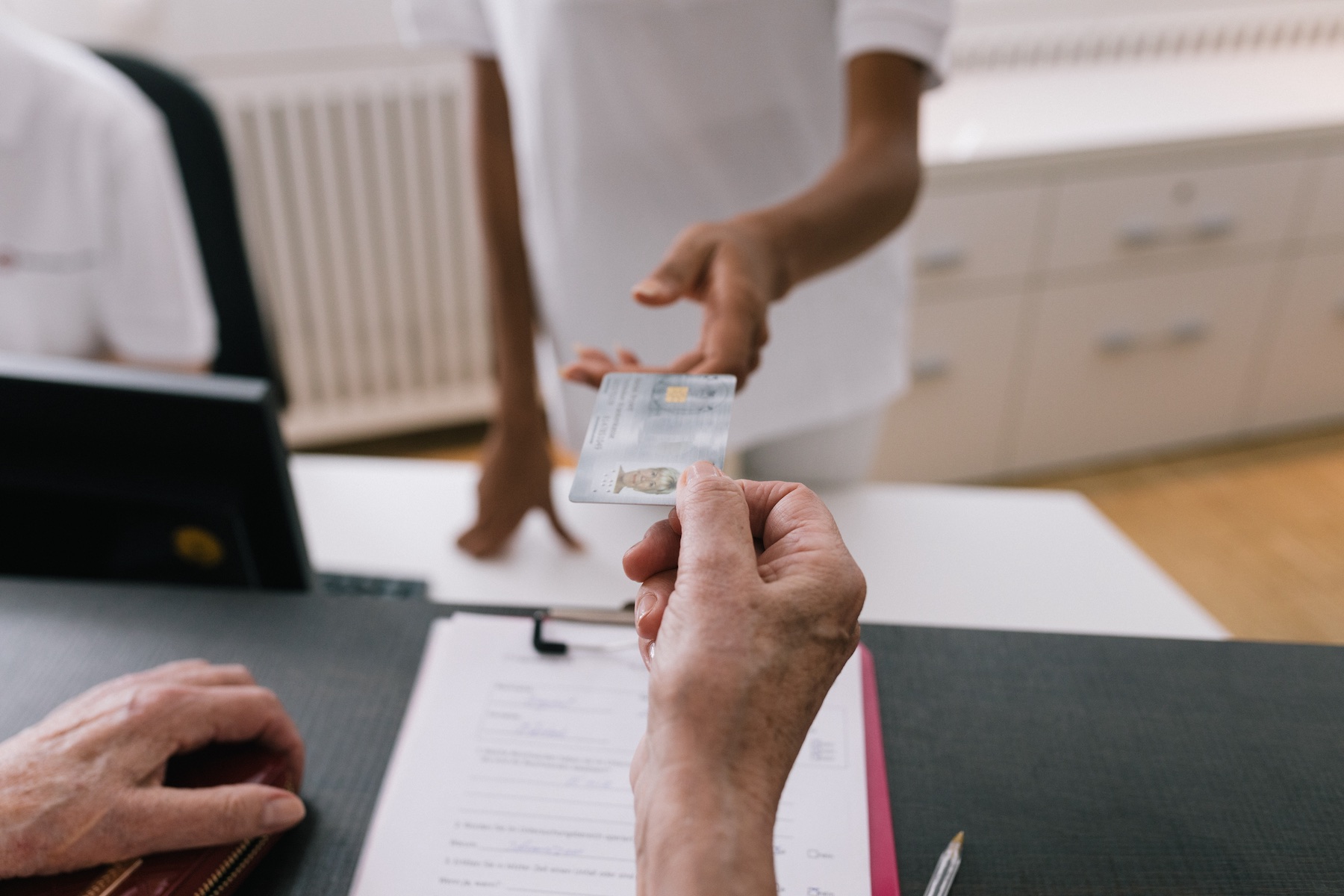
Germany maintains a high-standard healthcare system, but it operates under specific rules for exchange participants. As an au pair, you are generally not eligible for public statutory health insurance (Gesetzliche Krankenkasse). Instead, you will be covered by private insurance specifically designed for au pairs.
- The host family’s responsibility: Legally, the host family in Germany is required to arrange and pay for your health, accident and liability insurancefor the duration of your stay. Common providers include Dr. Walter or Care Concept.
- Coverage scope: Plans typically cover acute medical treatment, hospital stays and emergency dental work.
- EU/EEA citizens: While you should bring your European Health Insurance Card (EHIC) or Global Health Insurance Card (GHIC) for the initial journey, the host family will still need to provide insurance to ensure full compliance.
Setting up your finances for Germany
Handling money across different currencies can quickly become expensive if you rely on your bank account from home, which often carries high international transaction fees.
- Receiving pocket money: Most host families prefer to pay your 280 EUR monthly allowance via bank transfer. While you can open a local German bank account once you have officially registered your address, many au pairs find it simpler to use a flexible digital alternative.
- Open an account with Wise: To make things seamless from day one, opening a multi-currency account with Wise is a fantastic option. A Wise account allows you to hold, manage and spend money in euros without the high markups or hidden fees typical of banks. You can easily provide your digital account details to your host family, receive your monthly allowance with zero hassle, use a physical or digital debit card for local shopping, or transfer money back home at the mid-market exchange rate.

Packing essentials for Germany
The German climate is highly seasonal, ranging from humid summers to freezing, snowy winters. Packing in layers is the most effective way to prepare for regional variations.
- Seasonal clothing: Pack a high-quality waterproof jacket and durable walking shoes. For winter months, you’ll need thermal layers, a heavy coat and insulated boots.
- Practical attire: Because you’ll be active with children, heading to local playgrounds, handling school runs, or playing indoors, bring durable, comfortable everyday clothes that are easy to wash.
- Essential documents: Keep a physical folder in your carry-on containing your passport, signed au pair contract, insurance certificate and your language certificate.
- Tech & adapters: Germany uses Type C and F power sockets (two round pins). If you are travelling from outside mainland Europe, ensure you have the correct plug adapter and check that your devices are dual-voltage.
- Host family gifts: Small, thoughtful items from your home country are great icebreakers. Local snacks, a children’s book in your native language, or a small souvenir from your hometown are typically very well-received.
Life as an au pair in Germany
Stepping into the role of an au pair in Germany offers a unique blend of responsibility and adventure. Beyond the daily routine of childcare, you’re entering a space where personal growth happens naturally through cultural immersion. Living as a member of a German household provides a front-row seat to the country’s deep-rooted traditions and the warmth of its family life.
Immersing in German culture
A successful au pair stay is measured by the experiences you collect outside of your daily duties. Germany is a country of diverse regional identities, and your daily life will be filled with opportunities to explore them:
- Language and connection: You’ll find that your German skills improve rapidly when you use them to navigate the supermarket, chat with other parents at the Kita (daycare), or discuss the day’s events over dinner.
- Culinary discovery: From sampling local Brotkultur (bread culture) and seasonal white asparagus (Spargel) to enjoying festive Kaffee und Kuchen(coffee and cake) on Sundays, food is a central pillar of German social life.
- Customs and community: You’ll get to participate in local celebrations that vary by region, whether it’s the carnival season in the Rhineland, traditional wine festivals in the south, or the magical Christmas markets that transform every town square in December.

Tips for a successful stay
To truly make the most of your time in Germany, it’s important to be proactive about building your own world outside of the host family’s home.
- Build a social network: Don’t wait for people to come to you. Join local au pair groups on social media platforms or apps like Bumble BFF. Many cities have dedicated au pair clubs or meet-up groups that organise weekend trips and social mixers.
- Prioritise your language classes: Beyond the legal requirement, your language school is the best place to meet other international travellers. These classes often become the foundation of your social circle.
- Travel and explore: Use your four weeks of paid holiday and your weekly 1.5 days off to explore the heart of Europe. Germany’s central location and efficient rail network make it easy to visit iconic cities like Berlin, Munich or Hamburg, and even take quick weekend trips to neighbouring countries like France, Austria or the Czech Republic.
- Stay active in the community: Consider joining a local sports club or a hobby group. Germans are very active in community organisations, and joining one is a fantastic way to make local friends who aren’t just other au pairs.
FAQ
Do I need a visa to be an au pair in Germany?
Whether you need a visa depends entirely on your nationality and the length of your stay. EU, EEA and Swiss citizens can enter and work freely, whereas most non-EU citizens must apply for a specific National Visa before arrival. Always consult the official website of the German Federal Foreign Office or your local consulate for the most up-to-date regulations before making any plans.
How much pocket money do au pairs get in Germany?
Au pairs in Germany receive a fixed monthly pocket money amount of 280 EUR, which is paid regardless of the specific number of hours worked. This allowance is provided in addition to free room and board and a 70 EUR monthly contribution from the host family towards a language course.
Can I work as an au pair in Germany if I don’t speak the local language?
You’ll need to have at least a basic knowledge of German to qualify. That’s because basic communication is essential for the safety of the children and your own daily integration. Even if your host family is bilingual, a willingness to learn and use the local language is a fundamental part of the cultural exchange.
How long can I stay as an au pair in Germany?
A typical au pair placement in Germany lasts between 6 and 12 months. The maximum stay is strictly limited to one year by visa regulations, and this period can’t be extended even if you change host families. It’s important to remember that this is a once-in-a-lifetime programme, so you cannot participate as an au pair in Germany more than once.
What are the main differences between an au pair and a live-in nanny in Germany?
An au pair is a young person participating in a cultural exchange who lives as a temporary family member and receives pocket money rather than a professional salary. In contrast, a nanny is a professional domestic employee who earns a full wage subject to German employment laws and social security contributions. While a nanny has a career focus on childcare, an au pair’s main goal is cultural immersion and language learning within a 30-hour weekly limit.
Useful resources
- AuPairWorld: A global matching platform offering comprehensive guides on programme conditions and a database for finding host families.
- Dr. Walter: Specialist insurance provider outlining the medical, accident and liability coverage host families must provide.
- D-Visa: Au pair visa: Official German Embassy portal for D-Visa Au pair visa applications.
- Goethe-Institut: Germany’s cultural institute providing information on the A1 language certificate required for the visa process.
- Nina.care: An au pair agency platform that assists with screening, matching, and the legal logistics of moving to Germany.
- Wise: Multi-currency account and debit card for receiving payments and international spending with transparent exchange rates.


Did you find this guide helpful?