
'%20id='ico-down'%20stroke='%23000000'%20stroke-width='1.5'%3e%3cg%20transform='translate(1092.250000,%20254.750000)'%3e%3cpolyline%20id='Path-2-Copy-4'%20transform='translate(5.500000,%202.750000)%20scale(1,%20-1)%20rotate(-180.000000)%20translate(-5.500000,%20-2.750000)%20'%20points='0%200%205.5%205.5%2011%200'%3e%3c/polyline%3e%3c/g%3e%3c/g%3e%3c/g%3e%3c/svg%3e)


Moving
Visas & Immigration
High Potential Individual (HPI) visa in the UK
This guide explains how the UK High Potential Individual (HPI) visa works for graduates of eligible top overseas universities, covering who can apply, required documents and costs, the application process, and practical considerations for working and settling in the UK after approval.


Moving to the UK on a High Potential Individual (HPI) visa can be an attractive option if you graduated from an eligible top overseas university and want the flexibility to work without employer sponsorship. The route can give you time to build your career, look for work, or become self-employed after arriving in the UK. However, eligibility is relatively narrow, and meeting the published requirements does not guarantee that your application will be approved. This guide explains who can apply, which documents and costs to prepare for, how the application works, and what to consider when settling in the UK after approval.
Key takeaways
- The High Potential Individual (HPI) visa is an unsponsored UK route for eligible recent graduates from top overseas universities, so you do not need a job offer to apply.
- Your university must be on the Home Office Global Universities List for the year your degree was awarded, and you must apply within five years of the award date.
- Most applicants receive 2 years’ permission to stay, while PhD/doctoral graduates can get 3 years.
- You can only get the HPI visa once, and you cannot apply if you have already had a Graduate visa or used the Doctorate Extension Scheme.
- Many applicants need an Ecctis check to confirm their qualification (and sometimes English), alongside a valid passport and evidence such as maintenance funds.
- You must meet the English requirement (B2) and usually show at least £1,270 in savings unless you qualify for the 12-month in-UK exemption.
- Costs can add up quickly: the visa fee is £880, the Ecctis check is £252, and the Immigration Health Surcharge is typically £1,035 per year.
- Decisions are usually faster from outside the UK (often up to 3 weeks) than in-country switches (often up to 8 weeks), after identity checks and documents are completed.
- The visa offers broad work flexibility (including self-employment) but cannot be extended and does not directly lead to settlement, so plan an onward route early if you want to stay longer.
Wise for managing money on an HPI visa
Relocating on an HPI visa often means paying application and health surcharge fees, then covering deposits and job-hunting costs in GBP. If you’re moving money from home, Wise lets you hold and convert multiple currencies and send GBP internationally with fees shown upfront—useful while you settle in and start working or freelancing.

What is the High Potential Individual (HPI) visa?
A visa for eligible graduates from top universities
The High Potential Individual visa is a UK route for recent graduates from eligible overseas universities. You do not need a job offer or sponsor to apply, which makes it a flexible UK visa for graduates who want to test life and work in Britain.
To qualify, your degree must be equivalent to a UK bachelor’s, postgraduate, or doctoral qualification, and it must have been awarded within the last five years. Most successful applicants get permission to stay for two years, while applicants qualifying with a PhD or other doctoral qualification can stay for three.
Why the HPI visa matters for expats planning a UK move
For expats, the main attraction is flexibility. You can work in most roles, look for work after arrival, or become self-employed instead of tying yourself to one sponsor from day one.
That matters most if you want to move first and job-hunt from inside the UK. It can also help if you are comparing the HPI route with a sponsored work visa and want room to test employers, cities, and living costs before making a longer-term decision.
Who can apply for the HPI visa?
Check the Global Universities List
Graduating from a famous university is not enough on its own. Your university must appear on the Home Office Global Universities List for the year your qualification was awarded.
The list changes by year. A university may appear one year and drop off the next, so you need to match your award date to the correct list rather than relying on a current ranking or a general top-100 reputation.
Meet the qualification and timing rules
Your qualification must be comparable to a UK bachelor’s degree, postgraduate degree, or PhD, and you must apply within five years of the award date. You can apply from outside the UK, and some people already in the UK can switch into the HPI route if they meet the rules.
There are limits, though. You can only get the HPI visa once, and you cannot apply if you have already had a Graduate visa or entered the UK under the Doctorate Extension Scheme.
English language and other eligibility considerations
You also need to prove English to level B2 in reading, writing, speaking, and listening, unless you are exempt. Depending on your background, you may show this through nationality, a UK qualification, an eligible overseas degree taught in English, or an approved Secure English Language Test.
You must usually also show at least £1,270 in personal savings unless you have already been in the UK on a valid visa for at least 12 months. Depending on your circumstances, you may also need a tuberculosis test, and some immigration categories cannot switch into the HPI route from inside the UK.
What documents do you need for an HPI visa application?
Degree and university evidence
Your degree is the core of the application, but the Home Office does not rely on your diploma alone. In most cases, you first need Ecctis to confirm that your overseas qualification is genuine and equivalent to the right UK degree level.
Applicants often confuse two separate checks here: Ecctis assesses the qualification itself, but it does not decide whether your university is on the Global Universities List. You still need your award date and university to match the right list year.
Passport, identity, and supporting documents
You will need a valid passport or other travel document, proof of your English language ability, and your Ecctis reference or certificate. You may also need bank statements to show maintenance funds, relationship evidence for dependants, tuberculosis results if they apply to you, and proof of your current immigration status if you are switching from inside the UK.
If any document is not in English or Welsh, you will need a certified translation. That sounds like a small detail, but it can delay an otherwise strong application if you leave it until the end.
Ecctis and other verification steps
For many applicants, the Ecctis step is also tied to the English requirement. If your overseas degree was taught in English and you want to use that instead of a test, Ecctis may need to confirm both the level of the qualification and that it was taught in English.
Ecctis offers different services depending on what you need to prove. If you only need qualification level for the HPI route, many applicants use the Qualification Comparison service. If you also need English confirmation, Ecctis points applicants to its English Proficiency and Qualification Comparison service.
How much does the HPI visa cost?
Application fee
The current HPI visa application fee is £880 per person. That means each dependant pays separately, so the total rises quickly if you are moving as a couple or family.
Immigration Health Surcharge and other costs
The visa fee is only one part of the budget. You also need to pay £252, including VAT, for the Ecctis check, and the Immigration Health Surcharge is usually £1,035 for each year of your stay.
For most applicants, that means £2,070 in health surcharge costs for a two-year visa, or £3,105 if you qualify for three years. You may also need to show maintenance funds, which is not a fee but still affects how much cash you need available before you apply.
| Cost item | Current official amount | Why it matters |
|---|---|---|
| Ecctis check | £252 | Confirms your qualification is valid for the route |
| Visa application fee | £880 | Paid for each applicant |
| Immigration Health Surcharge | £1,035 per year | Paid upfront as part of the application |
| Personal savings requirement | £1,270 | Usually needed unless you qualify for the 12-month UK exemption |
Amounts reflect the source checks dated 19 August 2026 and may change. Recheck GOV.UK and Ecctis before publication or application.
Budgeting for your UK move
Many applicants assume the £1,270 figure covers a full move. It does not. That amount is a minimum immigration requirement, not a full relocation plan.
In practice, many new arrivals also need money for flights, a rental deposit, temporary accommodation, a UK SIM, transport, and day-one living costs. If dependants are coming, their maintenance rules add another layer: £285 for a partner, £315 for one child, and £200 for each additional child.
How to apply for the HPI visa
Prepare before you apply
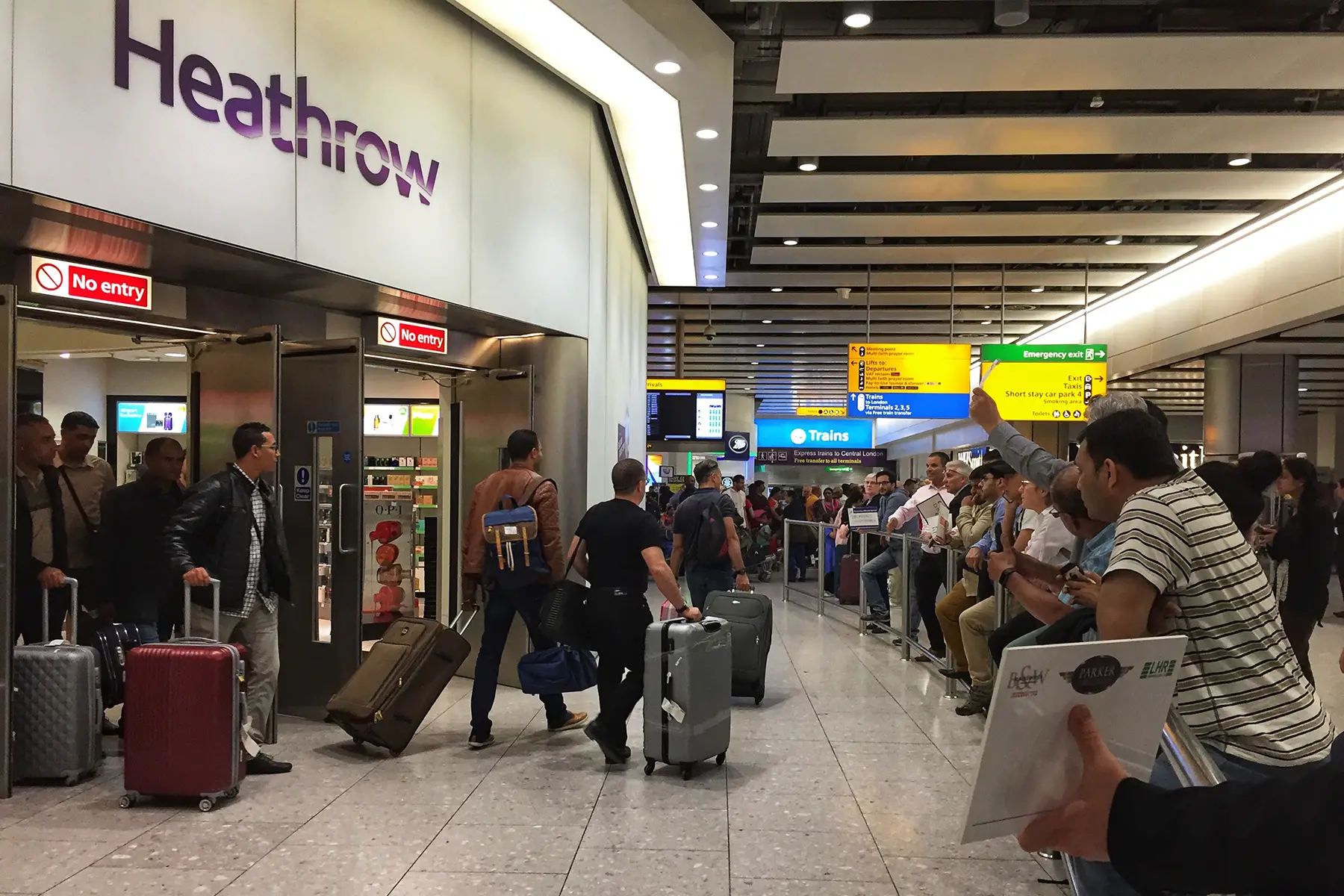
Start by checking the year-specific Global Universities List and making sure your award date matches it. Then sort your Ecctis assessment, choose how you will prove English, and make sure any savings evidence meets the 28-day rule before you submit anything.
If you are applying from abroad, the earliest you can apply is three months before you travel. If you are already in the UK, check first that your current immigration category allows switching.
Submit the application online
The HPI application is made online through GOV.UK. Once you start, you can save the form and come back to it, which helps if you are still waiting on a document or double-checking dates.
The route now has an annual application limit. If the cap has been reached for that application year, you should see that during the online process rather than after paying and waiting.
Prove your identity and complete any follow-up steps
After you submit, you will either use the UK Immigration: ID Check app or attend an appointment to provide biometrics. Which route applies depends on your passport type, nationality, and where you are applying from.
Processing times can vary, but GOV.UK says decisions are usually made within three weeks for applications from outside the UK and eight weeks for in-country switches once identity checks and documents are complete. If you switch from inside the UK, do not travel outside the Common Travel Area before you get a decision, or your application can be withdrawn.
Can you bring dependants on an HPI visa?
Who can join you
Yes, if they are eligible. Dependants can include your husband, wife, civil partner, unmarried partner, children under 18, and in some cases children over 18 who are already in the UK as your dependant.
You will need to prove the relationship. For partners, that may mean marriage or civil partnership documents, or evidence of a genuine relationship that meets the Home Office rules.
What this means for moving as a family
Costs and paperwork multiply quickly once dependants are involved. Each dependant pays the visa fee and the health surcharge, and they may also need to show maintenance funds if they are not exempt.
The practical upside is that dependant partners can usually work and study in the UK. If you are moving with children, plan early for housing, school places, and proof of address, because those everyday tasks can be harder than the visa forms themselves.
What can you do once your HPI visa is approved?
Work and study options
The HPI visa gives you broad work flexibility. You can work in most jobs, look for work, become self-employed, do voluntary work, and travel in and out of the UK.
You can also study, but not every course fits this route. If the course would normally require a Student visa, the HPI route is not the correct workaround, and some subjects may need Academic Technology Approval Scheme clearance.

What you cannot do on this visa
But there are limits too. You cannot claim most public funds, work as a professional sportsperson, extend the HPI visa, or use it directly as a settlement route.
Working flexibly does not mean the visa counts towards permanent residence. If long-term settlement is part of your plan, you need to think about your next visa well before the HPI one ends.
What happens when the visa ends
Most HPI visa holders get two years, or three with a doctoral qualification. Before it ends, you may be able to switch into another route such as a Skilled Worker visa if you meet the fresh requirements.
Build that next step into your planning from the start. The route is strong because it gives you room, but it works best when you use that time to create a longer-term option if you want to stay.
Settling into the UK after approval
Open a bank account and organise your money
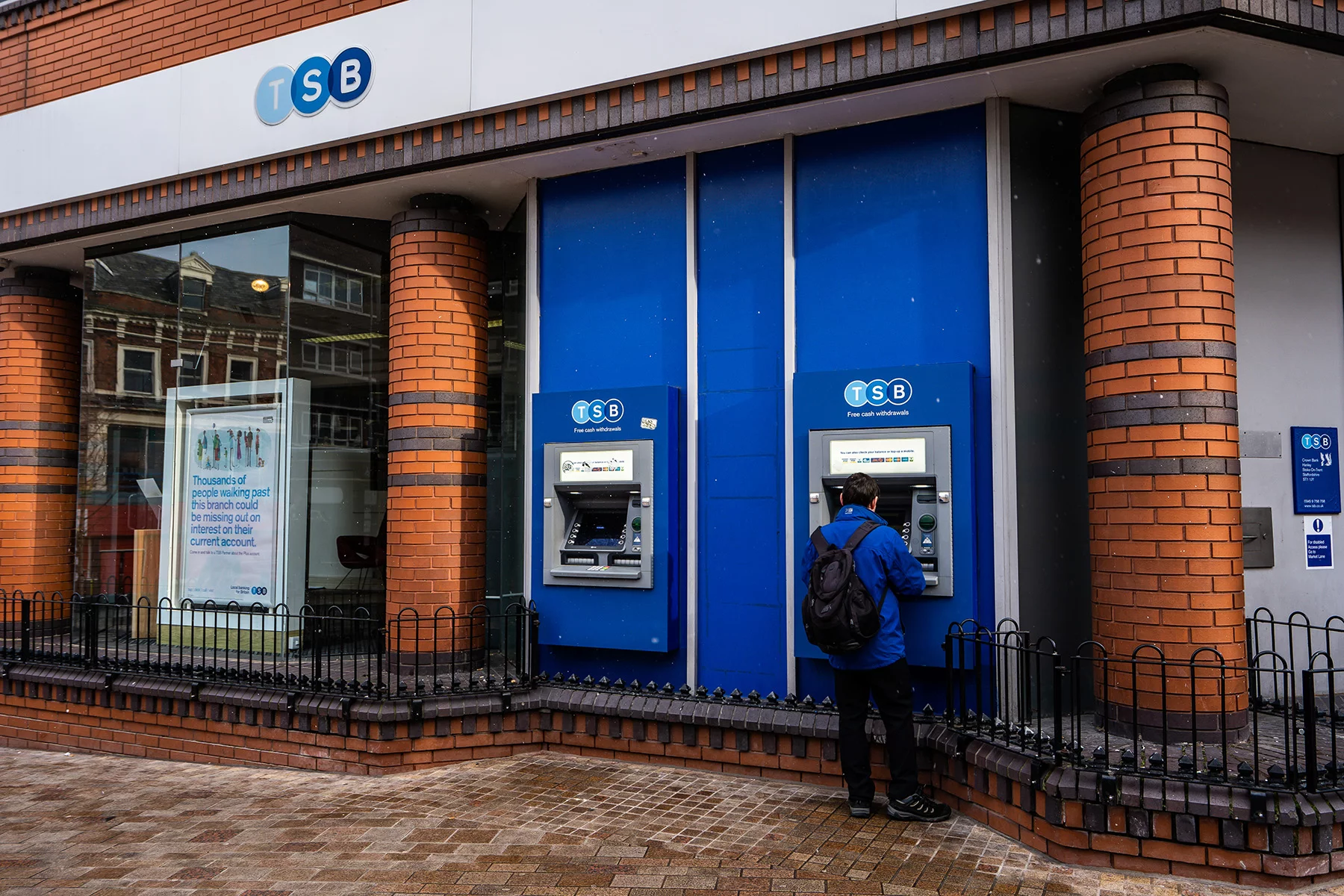
Opening a bank account in the UK is one of the first hurdles after arrival. Major local banks may ask for identification, immigration status, and proof of address, which can be awkward when you have just landed.
A Wise account can help if you need to manage money across countries while you settle in. Eligible customers can hold and convert currencies, send money, and use GBP for everyday spending, while fees depend on the feature you use. Wise is a financial institution, not a bank. If you want to compare the current charges before you move, check Wise Fees & Pricing.
If that sounds like your situation, it is worth checking whether a Wise account suits your needs before you travel.
Set up housing, bills, and proof of address
Once you have a tenancy agreement, most other admin becomes easier. Banks, employers, and service providers often want local address evidence before they fully set you up.
If you are worried about the paperwork catch-22, Expatica’s guide to proof of address in the UK can help you plan acceptable documents. In the first few weeks, keep every official letter, bill, and registration document that shows your UK address.

Build your next-step checklist
When the visa is approved, the key question is not only where you will live, but what needs doing first. A simple early checklist is:
- Keep digital and paper copies of your passport, visa decision, and Ecctis record.
- Sort a UK phone number, transport plan, and first address documents.
- Organise how salary, savings, or transfers will reach you in GBP.
- Register for healthcare and start building proof of address.
- Note your visa end date early so longer-term planning does not become a last-minute problem.
Final thoughts: is the HPI visa a good route to the UK?
For the right graduate, the HPI visa UK route can be a practical way to move first and build your next step from inside the country. Its value is flexibility, but it works best if you check the rules carefully, budget beyond the visa fee, and plan for what happens after it ends.
Before you apply, confirm the latest rules on GOV.UK and the current Ecctis process. If you also want to get the money side of your move in order, it can be worth checking whether a Wise account suits your UK setup.
FAQ
FAQ
What is the HPI visa? 
The High Potential Individual visa is a UK route for graduates from eligible overseas universities. It lets qualifying applicants live in the UK for two or three years without sponsorship, but you still have to meet the published rules.
How long does the HPI visa last?
Most applicants get two years, while doctoral applicants can get three. You cannot extend the route, so you need to switch to another visa if you want to stay longer.
Can I work on an HPI visa?
Yes. You can work in most jobs, look for work, be self-employed, and do voluntary work. The main work restriction is that you cannot work as a professional sportsperson.
Can I switch from an HPI visa to another UK visa?
Often, yes. If you meet the rules for another route, such as a Skilled Worker visa, you may be able to switch before your HPI visa expires. The next route has its own requirements, so approval is not automatic.
Is the HPI visa right for me?
It can be a strong option if your university is on the right Global Universities List, you are within the five-year window, and you want a flexible move without sponsorship. If your goal is a direct long-term settlement route or your degree does not fit the rules, another visa may be more suitable.
Sources
Expatica’s experts are all about providing the most up to date and accurate information. All guides are fact checked, and whenever we use external sources (like government websites or research papers) we’ll make a note of them here so you can check them out too.
- Route purpose, duration, work rights, restrictions, application routes, and standard processing guidance; checked on 19 August 2026, GOV.UK — High Potential Individual (HPI) visa: Overview
- Global Universities List rule, qualification level, five-year application window, English and savings requirements, and prior-route exclusions; checked on 19 August 2026, GOV.UK — High Potential Individual (HPI) visa: Eligibility
- Year-specific university eligibility lists for the HPI route; checked on 19 August 2026, GOV.UK — High Potential Individual visa: Global universities list
- Application documents, Ecctis evidence, maintenance evidence, tuberculosis results, switching evidence, and translation requirements; checked on 19 August 2026, GOV.UK — High Potential Individual (HPI) visa: Documents you'll need to apply
- Visa fee, Immigration Health Surcharge, Ecctis cost, and maintenance requirement; checked on 19 August 2026, GOV.UK — High Potential Individual (HPI) visa: How much it costs
- Switching restrictions, biometrics, travel rules while awaiting a decision, and in-country processing guidance; checked on 19 August 2026, GOV.UK — High Potential Individual (HPI) visa: Switch to this visa
- Dependant categories, relationship evidence, family maintenance amounts, and dependant rights; checked on 19 August 2026, GOV.UK — High Potential Individual (HPI) visa: Your partner and children
- HPI-related qualification and English-language assessment services; checked on 19 August 2026, Ecctis — Qualification and Language Service (QLS)
- Overseas qualification comparison for the HPI route; checked on 19 August 2026, Ecctis — Qualification Comparison
- UK pricing information referenced for the settling-in section and Wise CTA; checked on 19 August 2026, Wise — Fees & Pricing
- Wise account functionality referenced in the settling-in section, including holding and managing money across currencies; checked on 19 August 2026, Wise account



Did you find this guide helpful?