
'%20id='ico-down'%20stroke='%23000000'%20stroke-width='1.5'%3e%3cg%20transform='translate(1092.250000,%20254.750000)'%3e%3cpolyline%20id='Path-2-Copy-4'%20transform='translate(5.500000,%202.750000)%20scale(1,%20-1)%20rotate(-180.000000)%20translate(-5.500000,%20-2.750000)%20'%20points='0%200%205.5%205.5%2011%200'%3e%3c/polyline%3e%3c/g%3e%3c/g%3e%3c/g%3e%3c/svg%3e)



It matters because the D3 can open the door not just to entry, but to the residence-permit stage in Portugal and, later, to longer-term stay. In this guide we cover who can apply, the documents needed, application steps, costs, AIMA stage, and the common mistakes that slow people down.
Portuguese immigration rules, salary thresholds, and fee tables can change by year and by application channel, so use this guide for general information only, not legal, immigration, or tax advice.
Key takeaways
- Who it is for: The D3 is for non-EU skilled workers moving to Portugal for a genuinely highly qualified role.
- Salary rule: Your pay must meet the official formula, which is reviewed and updated regularly.
- Job offer: You normally need a signed contract or binding job promise that supports a long-stay work application.
- Two-stage process: First comes the residence visa abroad, then the residence permit in Portugal with AIMA.
- Long-term angle: The D3 can support renewals, family reunification, and later long-term residence if you keep meeting the rules.
*Details correct at time of research – 4th August, 2026. Verify current options, processes, fees and timing on the Ministry of Foreign Affairs, your local consulate or VFS page, and AIMA before you apply.
What is the Portugal D3 visa?
The D3 is Portugal’s residence visa (visto de residência) for highly qualified activity. Within Portugal’s wider visas and immigration system, it sits alongside other long-stay work visas in Portugal, but it is aimed at higher-skill roles.
The D3 visa is for non-EU, non-EEA, and non-Swiss nationals who have a qualifying Portuguese role, teaching post, research activity, or similar highly skilled work.
One thing worth knowing is that the visa and the residence card are not the same document. The residence visa lets you travel to Portugal, while the residence permit (autorização de residência) is handled in Portugal through AIMA’s highly qualified activity process.
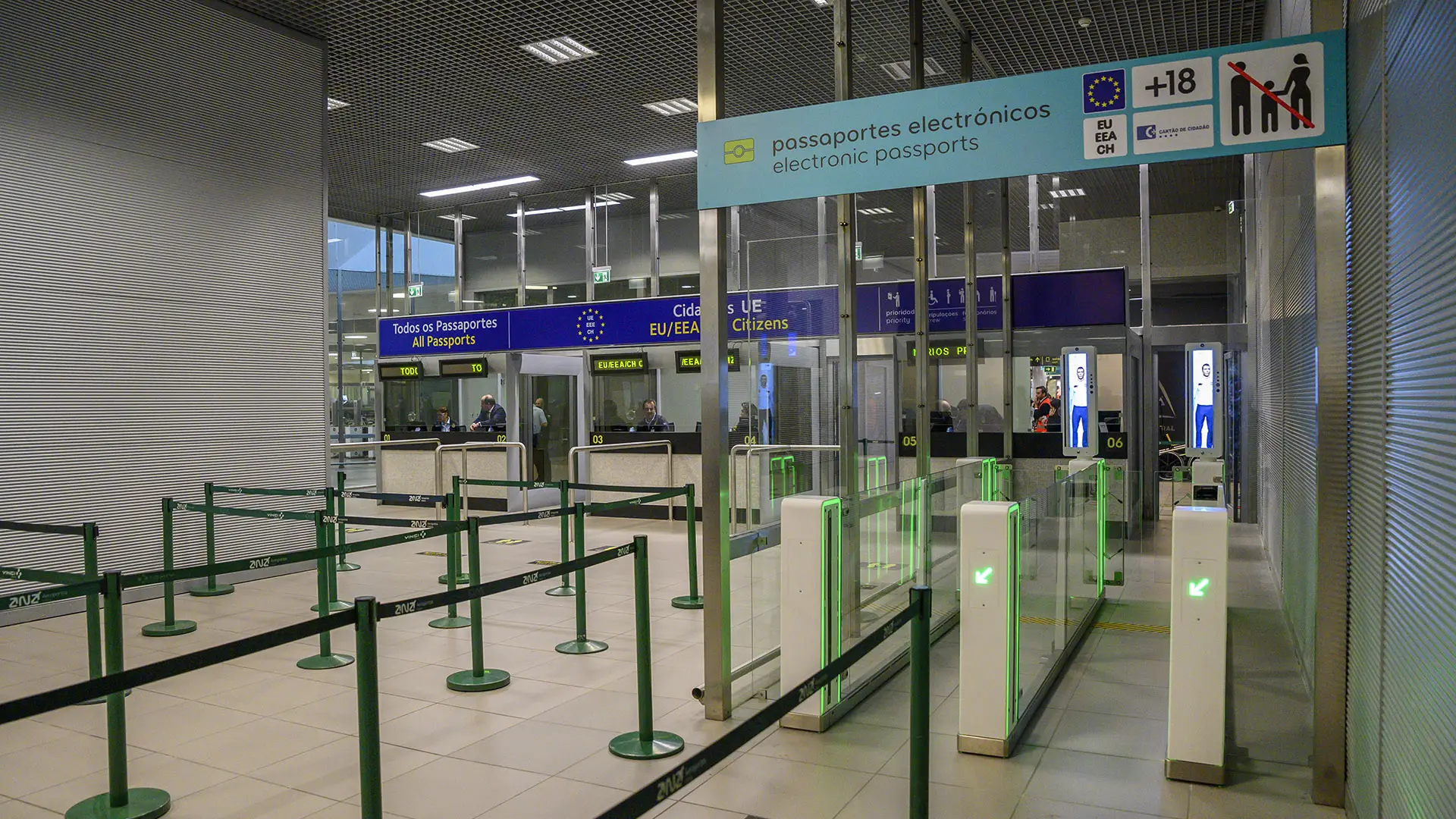

Who is the D3 visa for?
The D3 is typically used by engineers, researchers, university teachers, doctors, nurses, IT specialists, architects, and senior managers. The key test is not the job title alone, it is whether Portuguese rules treat the role as highly qualified and whether your qualifications or experience match it.
D3 vs D1 vs D0: which Portugal visa fits best?
The right Portuguese visa route depends on who employs you, how qualified the role is, and where your income comes from.
| Visa type | Who it is for | Main requirement | Best fit |
|---|---|---|---|
| D3 | Highly qualified employees | Qualifying role plus D3 salary formula | Skilled worker hired in Portugal for a high-skill role |
| D1 | General employees | Standard Portuguese job offer or contract | Employee whose role does not meet the D3 test |
| D9 | Remote workers and freelancers | Income from outside Portugal | You work for a foreign employer or foreign clients |
D3 is the right choice when a Portuguese employer is hiring you into a genuinely skilled role that clears the higher threshold. It is the wrong visa if your income comes from abroad, or if your job offer does not meet the highly qualified test.

Who can apply for a D3 visa in Portugal?
Use this as a quick fit checklist before you spend time on forms. Bear in mind that different documents or eligibility rules may apply based on your specific role and the consulate you”re applying through:
- Non-EU, non-EEA, and non-Swiss nationality
- A role Portugal treats as highly qualified
- Pay that clears the official D3 formula
- A contract or binding job promise that supports a long-stay work move, often at least 6 – 12 months
- Qualifications or experience that match the position
- A clean criminal record
- Proof of accommodation and insurance where your consulate asks for it
- Extra licensing if the profession is regulated in Portugal
If you work in a regulated field, such as healthcare or some engineering roles, the extra hurdle is not just the visa. You may also need proof that you can legally practice in Portugal.
Wise account
Are you an expat or thinking of moving to Portugal? Managing your money across borders shouldn’t be complicated. With a Wise account, you can hold over 40 currencies and pay with a Wise debit card in more than 150 countries. Whether you’re using spending abroad, receiving or sending money home, Wise can help make international money management simpler.

Salary threshold and qualification rules
To apply for the D3 visa you’ll need to meet the live salary threshold rules at the point when you apply. To illustrate, the VFS Global Portugal checklist taken for applicants from the US frames the rule around at least 1.5 times the national average gross wage, or 3x the relevant Indexante dos Apoios Sociais(IAS) threshold, with a lower threshold possible in certain shortage occupations.
As the average wage information can change you’ll need to verify the current year’s national average wage with your consulate before you apply.
Documents checklist for a D3 visa application
Most applicants should expect a core document pack that includes:
- A valid passport
- A completed national visa application form
- Passport photos
- Your employment contract or binding promise of employment
- Proof of qualifications or relevant experience
- A criminal record certificate
- Health insurance, if required by your consulate. If you still need cover, this guide to health insurance in Portugal can help with the basics
- Proof of accommodation
- Proof of means, if your consulate asks for it
- Permission for Portuguese authorities to check local criminal records, where applicable
If documents are not in Portuguese, ask your consulate whether translations and apostilles are needed.
Allianz Care
Allianz Care is a world leader in providing international health insurance. Their various premiums provide professionally designed solutions for a variety of expat lifestyles. So, wherever your life takes you, make sure you have the right health protection for you and your family with Allianz Care.
How to apply for a Portugal D3 visa
The safest way to understand the D3 is as a sequence, not one single appointment:
- Get a qualifying job offer, contract, or binding job promise from a Portuguese employer or host entity.
- Gather your core documents, including qualifications, criminal record, insurance, and accommodation evidence.
- Submit the residence visa application through the Portuguese consulate or VFS Global office with jurisdiction over your place of residence.
- If approved, use the visa to enter Portugal within its validity period.
- After arrival, complete the residence-permit stage with AIMA and line up your local admin.
Apply from abroad through a consulate or VFS Global
Most people start abroad, not in Portugal. The Portuguese Ministry of Foreign Affairs visa portal explains that residency visas are issued for four months and allow two entries, with the residence-permit step completed later in Portugal.
Consular jurisdiction matters, so use the checklist for the country where you legally live. In some countries, applications for a D3 visa for Portugal go via VFS Global, while some work directly through consulates. Bear in mind that the process can vary – some application routes may ask for an interview, biometrics, or extra local proof before accepting the file.
What happens after you arrive in Portugal?
Once you arrive, the next step is the AIMA residence-permit stage. This is where your address evidence, employer paperwork, NIF (tax number), and NISS (social security number) need to line up.
This first-month admin load is where many expats get stuck, so a moving to Portugal checklist is worth keeping close.
Managing your money is likely to be one of your first challenges. If you need to cover deposits or setup costs before your local routines are settled, consider getting a Wise account to receive, convert, and spend money in euros during those early weeks.

Costs and processing time for the Portugal D3 visa
Budget for both government costs and relocation overheads. At the time of research (4th August, 2026), the Portuguese Ministry of Foreign Affairs lists the standard national visa processing fee at €110 on its national visa fee page, but some applicant categories or channels may apply exemptions or different handling, so confirm the exact amount with your consulate or VFS office before you pay.
The AIMA stage comes with its own residence-permit fee in Portugal, and that should be confirmed against the latest AIMA fee table on the day you apply. Official service pages treat this route as high priority, but real timelines still vary by workload, document quality, and appointment availability. Treat the visa stage and the AIMA stage as two separate timelines.
A realistic D3 move budget often includes:
- Residence visa fee
- Any VFS or consular service fee
- AIMA residence-permit fee after arrival
- Apostilles, notarization, and translations
- Private insurance, travel, and accommodation costs
Extra costs to budget for before the move
The visa fee is only part of the picture. Many applicants also pay for document legalization, short-term accommodation, flights, first-month rent, security deposits, and an emergency cash buffer.
Need to send money to euros from a foreign currency? If you are moving savings or relocation funds, compare the total transfer cost, not just the visible fee, because exchange-rate markups can add up. These fees aren’t easy to see and can push up the total amount you pay without you even realising it. Expatica’s guide on bringing money from abroad to Portugal offers a handy roundup of options and ways to cut your overall costs.
Use Wise to manage money for your move to Portugal

Moving on a D3 often means paying more than a visa fee. You may need to move savings, cover a deposit, pay for temporary housing, and keep money accessible while you are still setting up life in Portugal.
A Wise account can help if you want to hold 40+ currencies, convert, send and receive money, and use a card in 150+ countries while you settle in. That can be practical if part of your salary savings are still abroad and you want more flexibility over when to move funds and spend in euros.
What rights does the D3 visa give you?
Once your residence permit is granted, the D3 gives you a legal basis to live and work in Portugal in the approved role. In daily life, that means you can get paid locally, register for tax and social security, sign longer-term housing, and build a more stable base in the country.
The AIMA issued temporary residence permit for highly qualified activity is usually initially valid for two years and renewable for successive three-year periods. If you intend to move to Portugal for the long term, the key question is not just getting in, it is whether you can keep meeting the rules for renewals.
Family reunification and the EU Blue Card route
For many skilled workers, family reunification questions matter almost as much as the main visa. In general, later family reunification can cover a spouse or partner, dependent children, and in some cases other dependent close relatives under Portuguese rules. Expatica’s guide to Portuguese family and spouse visas explains the options in more detail.
The Portugal EU Blue Card is related, but separate. You do not automatically get a Blue Card just because you hold a D3, so if EU mobility is part of your long-term plan, check that route on its own terms.
Permanent residence and citizenship rules in 2026
Permanent residence and citizenship are different outcomes. Permanent residence in Portugal lets you stay long term as a foreign resident, while Portuguese citizenship changes your nationality status.
Many Portugal guides still work from a five-year residence benchmark for longer-term status, but nationality rules and timing methods have changed recently. Verify the current citizenship timeline, and how residence time is counted, before you build your move plan around it.
Common mistakes that delay D3 visa applications
The most common delays are usually avoidable:
- Choosing the wrong visa route when the D1 or D9 fits better
- Using an outdated salary threshold copied from an old guide
- Submitting qualifications that do not clearly match the job
- Missing apostilles, translations, or certified copies
- Relying on weak accommodation proof
- Forgetting that the AIMA step in Portugal is separate from visa approval
Before you file, cross-check three things: your local consulate or VFS checklist, AIMA’s guidance for the residence-permit stage, and any profession-specific licensing rules that apply to your work.
FAQ
Frequently asked questions about the Portugal D3 visa
What is the minimum salary for the D3 visa in Portugal? 
The D3 visa Portugal salary requirement is based on the official formula, usually at least 1.5 times the national average gross wage or 3x the relevant IAS threshold, with a lower rule possible in certain shortage occupations. Check the current year’s published figures before you apply.
What is the difference between the D1 and D3 visa in Portugal?
The D1 is the more general work route, while the D3 is for genuinely highly qualified roles with a higher salary and qualification test. If you are a skilled professional hired into a qualifying Portuguese role, the D3 is usually the better fit.
Can I get a Portugal D3 visa without a degree?
Sometimes, yes, if your experience clearly supports a highly qualified role. The answer depends on the profession, the job itself, and whether Portugal treats the activity as regulated or non-regulated.
How long does the Portugal D3 visa take?
Visa applications can take 60 days – or longer if you do not submit all the required paperwork, or if your application is unusual. You also need to allow separate time after arrival for the AIMA residence-permit stage.
Useful resources
Last checked 4th August 2026
- AIMA, residence permit for highly qualified activity
- Portuguese Ministry of Foreign Affairs, national visa types
- gov.pt service page for the highly qualified residence visa
- VFS Global Portugal checklist for highly qualified activity applicants in the US
- Portuguese Ministry of Foreign Affairs, national visa fees


