
'%20id='ico-down'%20stroke='%23000000'%20stroke-width='1.5'%3e%3cg%20transform='translate(1092.250000,%20254.750000)'%3e%3cpolyline%20id='Path-2-Copy-4'%20transform='translate(5.500000,%202.750000)%20scale(1,%20-1)%20rotate(-180.000000)%20translate(-5.500000,%20-2.750000)%20'%20points='0%200%205.5%205.5%2011%200'%3e%3c/polyline%3e%3c/g%3e%3c/g%3e%3c/g%3e%3c/svg%3e)


Moving
Relocation
Moving to Portugal from the UK: visas, costs, and first steps
Sun, Atlantic beaches, and a slower pace of life make Portugal easy to imagine as your next home. But while moving to Portugal from the UK is still possible, the move now takes more planning post Brexit. The hard part is usually not choosing Portugal, it is matching the right visa to your budget, paperwork, and timing.


Read on to learn more about the rules, costs, and first steps that matter most, whether you are retiring, working remotely, or moving with family.
This guide is for information only and is not legal, immigration or taxation advice. As rules can change you may need to get professional support with your move to Portugal to understand the live requirements at the point of your relocation.
Key takeaways
| Route or issue | Who it suits | Main proof needed | First admin step after arrival |
|---|---|---|---|
| Visa-free stay | Short scouting trip | Passport and 90/180 planning | Track entry dates and do not overstay |
| National Visa | Retirees or passive-income movers | Ongoing income, housing, insurance | Continue residence process and get a NIF |
| National Visa | Remote workers and freelancers | Overseas work income and contracts | Complete residence follow-up and tax setup |
| Work or family route | Employees or people joining relatives | Job offer or family documents | Register local details and keep paperwork aligned |
| First-weeks setup | Anyone staying long term | ID, address, NIF, health cover | Open core services and daily payment tools |
Can UK citizens move to Portugal?
Yes, but the right route to follow depends on how long you want to stay.
UK citizens can still visit Portugal without a visa for up to 90 days in any 180-day period, but a long-term move usually means applying for a national visa first and then completing residence steps in Portugal.

Which visa is the best fit for your move?
For most UK readers, the right visa type depends on your stay duration and how you intend to make money while in Portugal. Long stay visa applications tend to fall under the national visa category.
The broader route map in Portuguese visas: how to immigrate to Portugal in 2026 helps if your case falls outside the options below.
- National visa Portugal: different visa types, for retirees or people living on pensions, rent, or other passive income. Also available for remote workers and freelancers earning from outside Portugal.
- Work route: more suitable if you already have a Portuguese employer. If that is your plan, check work visas in Portugal before signing a lease or giving notice in the UK.
- Family route: relevant if you are joining close relatives who already have legal status in Portugal.
Pick the route that matches your income, housing proof, and documents, not just the label.

How do residency and AIMA work after arrival?
Getting the visa is only the first stage. After arrival, you usually need to continue the residence process with AIMA, the Agency for Integration, Migration and Asylum, which replaced SEF.
- Enter Portugal on the correct visa.
- Follow the residence instructions linked to your case and keep your documents consistent.
- Update any address or contact changes quickly if asked.
Timelines can move around. Missing translations, mismatched names, or weak proof of address are common reasons the process slows down.
What should you do before leaving the UK?
Your pre-departure work in the UK can save you money and stress later. A solid moving to Portugal checklist is useful because housing, visas, and banking all depend on having the right documents ready in the right order.

Which documents and applications should you start early?
Start with the items that are slowest to replace or update. That usually means your passport, criminal record certificate, proof of accommodation, proof of funds, health cover documents where required, and any certified translations or apostilles requested for your route.
One thing worth knowing is that accommodation proof often becomes a bottleneck. People focus on visa forms first, then discover that the harder part is securing housing paperwork that matches the dates and names on the application.
How much should you budget for the move?
Think in two layers, upfront moving costs and monthly living costs. Upfront costs can include visa fees, flights, rental deposits, temporary housing, removals, insurance, and early admin, while the ongoing cost of living in Portugal depends heavily on region.

Lisbon, Cascais, Porto, and much of the Algarve are usually pricier than inland or northern areas. A remote worker in Porto may need rent deposits, rent in advance, and short-term housing, while a retired couple may need higher amounts of assets to demonstrate their ability to meet income requirements for their visa application.
Where should you live in Portugal?
There is no one best place, only the best fit for your budget, lifestyle, and reason for moving. The broader guide to where to live in Portugal: the best places for expats is useful once you know whether you want city access, beach life, or lower monthly costs.
Which areas suit retirees, families, and remote workers?
Lisbon suits professionals and families who want international schools, English usage, and strong transport links, but you pay for that convenience. Porto offers city life with a slightly calmer feel and can work well for remote workers who still want services close by.
The Algarve remains popular with British retirees because English is common and daily life can feel easier at first. Braga, Coimbra, and some inland central areas often cost less, but you may hear less English and need more Portuguese for everyday errands.
In popular Algarve towns, summer listings can distort what year-round housing really costs. Always check whether a place is a true long-stay rental before you plan around it.
Should you rent or buy first?
For many newcomers, renting first is the safer choice. It gives you time to test the area, learn local price levels, and avoid making a property decision while your visa, tax, and daily routines are still settling.
Renting also lowers the risk of buying in the wrong place after a short scouting trip. Expect landlords to ask for deposits, proof of income, and sometimes rent upfront, especially in tighter markets, and be careful with listings that look unusually cheap or rush you to pay before viewing.
What do you need to set up after arrival?
Your first weeks in Portugal are about getting daily life working, not just finishing formalities. Expatica’s 10 things to do during your first week in Portugal gives a broader settling-in list, but the essentials below usually shape whether the move feels smooth or stressful.
How do you get a NIF, bank account, and basic services?
Your NIF, short for Número de Identificação Fiscal, is your Portuguese tax number. It sits near the top of the list because you often need it for housing, contracts, and opening a bank account in Portugal. Expatica’s guide to applying for a NIF in Portugal explains the process in more detail.

Major local banks such as Caixa Geral de Depósitos, Millennium BCP, Banco Santander Totta, and Banco BPI may accept non-resident customers, but document rules can differ. When you go to a branch to apply, bring ID, proof of address, proof of income, and expect extra checks if you have only just arrived.
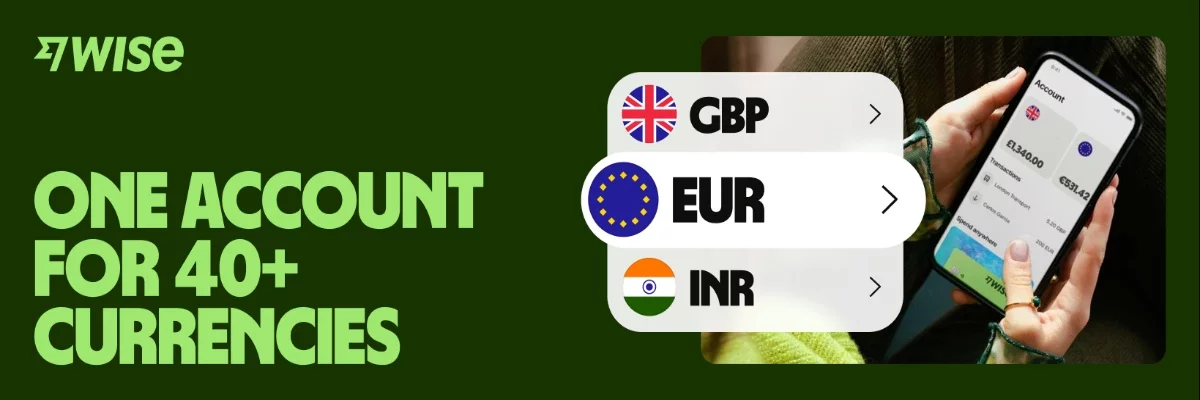
Another useful option for Brits living in Portugal is to get a Wise account to hold 40+ currencies and help you convert, send, and receive money during the transition. That can be useful when you are still moving funds from GBP to EUR or waiting for local banking to be fully active.
How do healthcare, taxes, and driving rules work?
- Healthcare: A GHIC is mainly for necessary treatment during temporary stays, not as a substitute for resident setup. Eligible UK pensioners may use an S1, but residents should still understand the healthcare system in Portugal and when health insurance in Portugal makes sense alongside SNS registration.
- Taxes: You usually become a tax resident after 183 days in Portugal, or sooner if you establish a habitual home there.
- Driving: The Expatica overview of driving in Portugal is useful if you need to check whether your British license must be registered, exchanged, or simply carried with other documents.
If you are moving on a pension-led route, how to retire in Portugal: your top questions answered adds more detail on pensions, S1 access, and retiree planning.
How to manage money between the UK and Portugal
The money side of a move rarely happens in one clean transfer. Many UK movers need to convert savings from GBP to EUR, pay a deposit, cover first-month costs, receive salary or pension income, and keep spending locally before they’ve been able to open a Portuguese bank account.
That’s why having both a local bank account and a specialist multi-currency account can help. A Portuguese bank account helps with local bills and contracts, while a flexible digital multi-currency account for holding and converting money can bridge the gap between the UK and Portugal.
If you are a retiree, for example, you may receive pension income in GBP but need to pay rent, utilities, and groceries in EUR. If you are a remote worker, you may need to receive overseas income, but prefer to convert only what you need, and keep the rest in your original currency for a while.
Wise is a specialist provider rather than a bank, but offers a handy digital multi-currency account which can hold 40+ currencies, convert, send, and receive money, and spend with the Wise card in 150+ countries. That can help when you need to pay a rental deposit, cover setup costs, or spend in Portugal before your full local banking setup is finished.
If you are comparing options, the key question is not only whether you can open a Portuguese bank account. It is whether your money can move when you need it to. Check whether a Wise account fits your move while you’re at the planning stage, to make managing your money across borders effortless on arrival.
FAQ
Frequently asked questions about moving to Portugal from the UK
Can UK citizens move to Portugal without a visa? 
UK citizens can still visit Portugal without a visa for up to 90 days in any 180-day period. But if you are actually moving, not just visiting, you will usually need a national visa or residence route that matches your reason for staying longer than 90 days.
How much money do you need to move to Portugal from the UK?
There is no single number because the answer changes by visa type, household size, and location. Separate your one-off relocation costs, such as deposits and flights, from ongoing monthly living costs, and expect Lisbon, Cascais, Porto, and the Algarve to cost more than many inland areas.
Can you use a British driving license in Portugal?
Often yes, but you should not treat that as a forever answer. Check the latest guidance to confirm whether you can keep using your British license as a resident, whether you must register or exchange it, and what deadlines apply to your case.
Do UK pensions and other income get taxed in Portugal?
They can, especially once you become a Portuguese tax resident. The UK and Portugal have a double taxation framework, but the outcome depends on the kind of pension or income you receive, so retirees and anyone with multiple income sources should get cross-border tax advice.
Useful resources
Last checked 4th August 2026
- AIMA for official immigration and residence information in Portugal.
- Portuguese Ministry of Foreign Affairs visa portal for official visa categories, forms, and process guidance.
- GOV.UK: Living in Portugal for UK-specific guidance on residency, healthcare, documents, and local rules.
- SNS for Portuguese public healthcare information.
- Portal das Finanças for tax administration, residency, and filing references.
- Banco de Portugal for consumer banking information.
- IMT for driving, transport, and license-related rules.
- VFS Global Portugal for UK application support where relevant.



Did you find this guide helpful?