
'%20id='ico-down'%20stroke='%23000000'%20stroke-width='1.5'%3e%3cg%20transform='translate(1092.250000,%20254.750000)'%3e%3cpolyline%20id='Path-2-Copy-4'%20transform='translate(5.500000,%202.750000)%20scale(1,%20-1)%20rotate(-180.000000)%20translate(-5.500000,%20-2.750000)%20'%20points='0%200%205.5%205.5%2011%200'%3e%3c/polyline%3e%3c/g%3e%3c/g%3e%3c/g%3e%3c/svg%3e)


Working
Finding a Job
Dutch CV and job interview tips
Discover how to write a Dutch CV and cover letter, and find out what to expect when it comes to landing a job interview in the Netherlands.


Looking for a new job can be a stressful task, but fortunately for job seekers in the Netherlands, there are lots of prospects. This is partly due to the fact that the country is home to a wide range of international and multinational companies that are always on the lookout for new talent.
That said, before you can begin searching for your next role, there are a few things you need to do. For starters, your Dutch CV and cover letter will need to be up-to-date and dazzling enough to land you an interview. Then, of course, you will want to familiarize yourself with Dutch business culture and etiquette to ensure a smooth integration into working life.
To help you get off on the right foot, this article guides you through the following:
&Work
If you’re looking for work in the Netherlands, check out &Work. You'll find a range of job vacancies on their site, from developers and designers to lawyers and notaries. See how &Work can help you find your next role in the Netherlands.

Applying for a job in the Netherlands: what to expect
It is hardly surprising that the majority of expats looking to work in the Netherlands will be applying for English-speaking roles, given the language barrier they face when competing in the local job market. However, the good news is that there are plenty of these roles on offer throughout the country; which is largely thanks to the growing number of international and multinational companies that call it home.
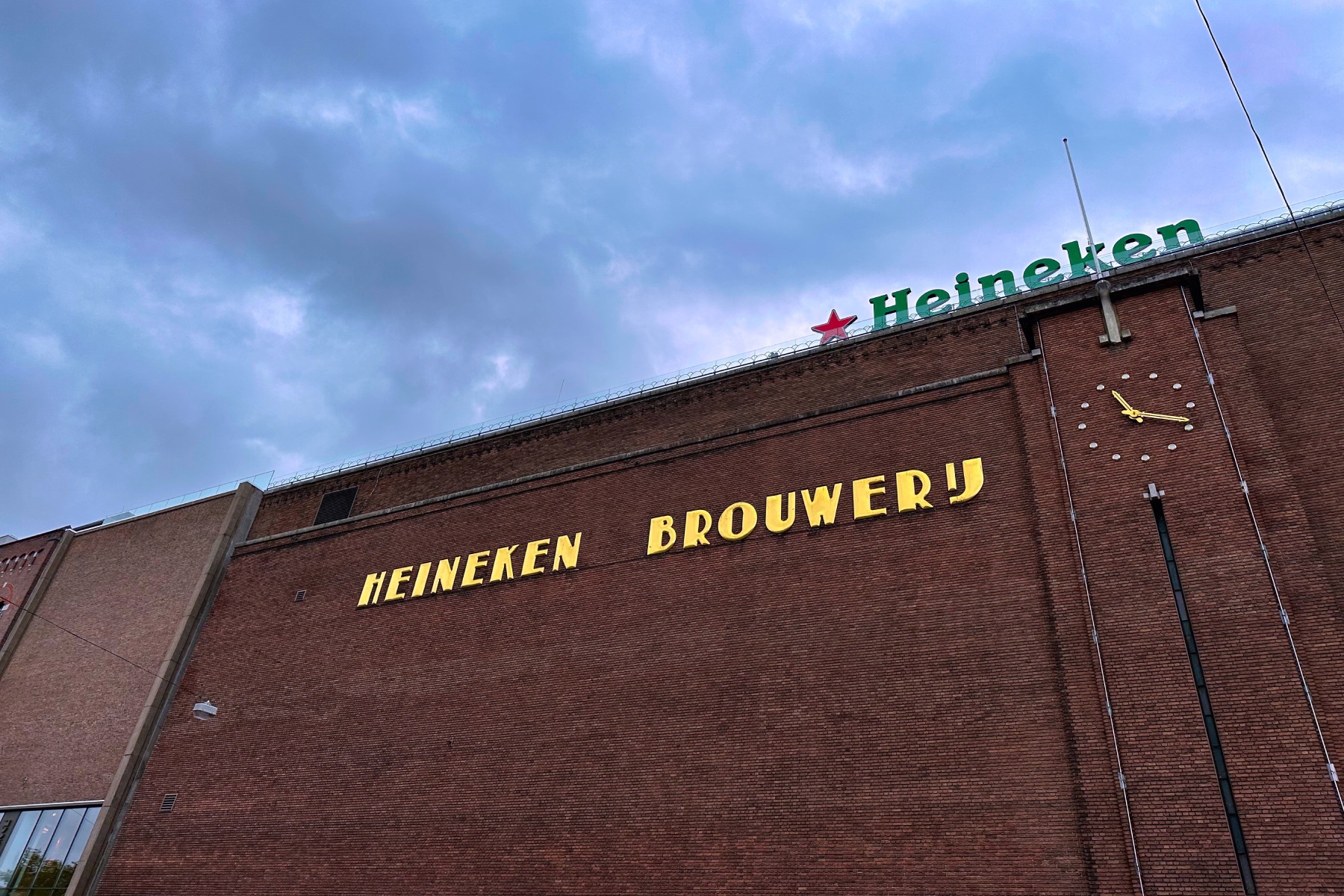
Dutch internationals alone include ING Group, Royal Dutch Shell Group, Unilever, Philips, and Heineken. There are also plenty of recruitment agencies that specialize in placing foreign talent in jobs throughout the Netherlands. You can read more about this in our article on Finding jobs in the Netherlands. Additionally, it’s worth searching on sites such as &Work.
Despite the abundance of English-speaking jobs in the country, however, being proficient in Dutch – or at least having a good grasp of the language – will give you a clear advantage when it comes to broadening your horizons and landing a role. So it might be worth taking a course to make yourself more appealing to potential recruiters.
Browsing job listings
Until you master your Dutch language skills, you can begin browsing through job listings which will usually contain the following information:
- Company overview: including the history of the company, industry, team, and more
- Location: where the office and job are based
- Duties and responsibilities: a summary of what your daily role will entail
- Job requirements: such as education, experience, and skills
- Company culture: an overview of its values and why it is a good place to work
- Salary and benefits: such as holiday allowance, bonuses, and travel opportunities
- Application process: what to include in your application and who to submit it to
Usually, the job posting will also state which languages you need to know for the job. However, if you are unsure, it is best to contact the company to see what the requirements are. Notably, if the job listing is in English, then your application should also be in English.
The application process
Naturally, the job application process in the Netherlands may be a little different from that in your home country. Equally, the CV and cover letter that you may have used back home might not be suitable in the Netherlands. Therefore, you may need to tailor them for the local job market (more on that later).

When applying for a job in the Netherlands, you will typically need to submit your CV and a cover letter. These should both outline your work experience and educational background and demonstrate how you are the ideal candidate for the role.
After you apply for the position, you may receive an email confirming that the company has received it. However, don’t worry if you don’t hear back from the company right away, as it may take them a while to go through all the applications. Notably, if you haven’t heard anything after two weeks, it is generally acceptable to check that they have received your application.
Getting through to the next round
If your application was successful and the company wishes to invite you for an interview, they will let you know by email or phone. However, if they reject your application, then you may or may not hear back from them at all. It is good to keep in mind that while some companies are good at contacting applicants, others aren’t. Therefore, there is no sure answer.

After you attend your first interview with the company, you will have to wait to see if they want to invite you back for a second one. Sometimes, there may even be a third interview; depending on the role and the hiring process within the company. They may also just want to make sure that you will fit well with the team and the company before they offer you the job.
If all goes well and you are the chosen candidate, you will usually receive a job offer via email, on the phone, or in person. Then, depending on the offer and your wants and needs, you can choose whether you want to negotiate, accept, or decline it. If you decide to accept, you can then begin to familiarise yourself with Dutch business culture and etiquette to ensure a smooth transition into your new role.
Writing a CV in the Netherlands
As mentioned, the CV that you send to companies in the Netherlands may be quite different from the one that you would have sent back in your home country. After all, preferences and guidelines vary depending on where you are in the world. Below are some helpful guidelines on how to structure and format your CV for the Dutch job market.
Dutch CV structure
When writing your Dutch CV, it is important to keep it short and to the point. Therefore, use bullet points to show your experience, rather than long sentences and paragraphs. The CV should typically cover one A4 page for entry-level jobs and no more than two A4 pages for more senior positions. It is best to use Times New Roman or Arial and font size 11 or 12 so that it is comfortable to read.

Of course, you will need to adapt your CV to meet the requirements of the job you are applying for. This includes incorporating specific keywords from the job posting to show the hiring manager that you fit the criteria they are looking for. And because Dutch employers value work-life balance, it is a good idea to dedicate space to extracurricular activities and hobbies to show what you do outside of work.
What to include in your Dutch CV
The structure of your Dutch CV should be as follows:
- A Dutch CV starts with your personal details: including your full name, where you live, your phone number, and your email address. Typically, these appear on the top or side of the CV. Notably, you don’t need to include your date of birth and more personal details such as your marital status.
- Then list your work experience: including part-time/voluntary work, in reverse chronological order (ie. the most recent first). Under each employer’s name, include the location and your job title, and list your tasks and responsibilities, as well as any other skills or qualities you brought to the job.
- Then list your education and qualifications: in reverse chronological order, with the most recent first
- Give details of any extracurricular activities and hobbies: Dutch employers are very interested in activities that show commitment and initiative, but at the same time, try to keep it relevant to your Dutch CV. Examples might include showing you are a board member, volunteer, or sports coach.
- You can include references: some employers will want to speak with professional contacts who can vouch for your character, work performance, and skills, so make sure to add their contact details
Notably, Dutch employers don’t usually require you to include a photo of yourself on your CV. Therefore, only add one if they specifically ask you to.
Additional tips for writing a Dutch CV
Here are some other things to keep in mind when writing your Dutch CV:
- Always tell the truth, and don’t exaggerate; remember, the Dutch value honesty and humbleness
- If you don’t have a long work history, don’t try to embellish, but rather focus on academic projects, extra courses, volunteer work, or other part-time or seasonal work where you can demonstrate relevant skills
- If you want to check the quality of your CV, you can use a CV checker such as TopCV, resume.io, CV.nl, or CVster, which will identify what you need to do to make it better
Cover letters in the Netherlands
It is standard practice to send a cover letter along with your CV when applying for a job in the Netherlands. However, unlike a CV, which consists mostly of bullet points and basic information, a cover letter allows you to dive a deeper into who you are and demonstrate how your skills and experience make you the ideal candidate for the job. Of course, it also gives you the opportunity to show your motivation for applying for the role, which is very important to Dutch employers.

Your cover letter should follow the format of a formal business letter and be no longer than one A4 page. Again, the font should be easy to read, such as Times New Roman or Arial, in size 11 or 12. Similar to your Dutch CV, you should keep it simple and concise. Therefore, try to avoid using extravagant or over-expressive explanations but still appear enthusiastic about the position.
It should include the following information:
- A brief background about who you are and why you are applying for the job
- Why you are the right person for the job; how your qualifications, skills, and experience reflect this
- Your aspirations and the goals you want to achieve
- How to contact you; it’s also good to express your interest in meeting with them for an interview
Notably, you don’t need to enclose copies of your qualifications or employer references unless requested.
You should typically first list your name, address and postal code, phone number, and email on the left-hand side of the page. This is then followed by the name and address of your recipient. You can then list the date, subject, and address the recipient. This example of a Dutch cover letter offers more guidance.
Phrases to use in your cover letter
Begin your cover letter with: Dear Mr/Mrs or Geachte meneer/mevrouw (in Dutch). And to end your letter, make sure to put the following: Sincerely, Best Regards, or Met vriendelijke groet (in Dutch). You can also add ‘I look forward to hearing from you!’
You can also refer to this list of vocabulary to use in your cover letter and a more detailed explanation of how to structure it here.
Job interviews in the Netherlands
Fortunately for expats, the Netherlands ranks first for having the best English-language skills in a country where English is not the native language. In fact, it has held this position in the EF English Proficiency Index every year since 2019. Needless to say, even if you are applying for a role in a different language, your interviewers may just speak to you in English.

One thing to be aware of is that Dutch interviews tend to be a bit on the longer side, but don’t worry. Interviewers just want to have a good conversation and learn more about you – it isn’t an interrogation!
What to expect in a Dutch job interview
- The people conducting your interview will normally share what the job entails and if there is anything particularly different in this role that strays from the norm
- Most of the time, the people present at the interview are an HR representative and the manager of the department that you will be working in. Sometimes they may even have someone working in the department join them.
- Since interviews are usually conversations and not just a Q and A, they can last anywhere from 30 to 90 minutes
- Second and even third interviews are quite common, so make sure to ask what the next step in the process is
Dress code and appearance for Dutch job interviews
Although the Dutch are generally quite laid-back, it is still wise to dress smartly for a job interview in the Netherlands. Of course, when dressing for the job interview, you should consider the role. But generally speaking, it is perfectly acceptable to wear a nice pair of trousers with a button-up shirt.
Your overall appearance should be toned down and professional. Therefore, it is best to avoid wearing heavy makeup or fancy clothes with big designer logos, as the Dutch aren’t fans of showing off. That said, make sure your clothing is not wrinkled or damaged, as this can appear unprofessional. Most importantly, you should dress in a way that will make you feel confident.
If you need some affordable clothing for a job interview, then recycle shops (or Kringloopwinkels in Dutch) are always a great option. There are around 2,000 of these dotted throughout the Netherlands, and they sell everything from furniture to clothing.
Questions to expect in a Dutch job interview
You will be asked lots of questions during an interview in the Netherlands, and it’s important to avoid answering just ‘yes’ or ‘no’ to them. Instead, try to relate your experience to the position you are applying for, and, of course, don’t criticize your present or former employer.
It is also wise to prepare yourself for any questions that you might find challenging to answer. And remember, you want to make a good impression, so it pays to do your research and show a good understanding of what the company does.
Here are some examples of questions you may face:
- What brought you to the Netherlands?
- Why did you apply for this role and what can you offer the company?
- What didn’t you like about your previous job?
- What are your strengths and weaknesses?
- What do you expect from a manager? Describe your work style
- Do you prefer working in a team or by yourself?
- How do you deal with conflict?
- How far do you live from this office?
- Can you share a mistake and what you learned from it?
- What’s something challenging that you faced, and how did you overcome it?
- What are your long-term goals and plans?
Questions to ask in a Dutch job interview
In most job interviews, there will be a section towards the end where you have a chance to ask the interviewers. For instance, you may want to know:
- What are the working hours?
- Is working overtime or on the weekends expected?
- Do you normally work in teams or individually?
- What does a normal day look like?
- What sort of employee are you looking for?
- What is the next step after this interview?
When are salary and benefits discussed during the hiring process?
Some job postings already include the salary range and benefits offered, while others don’t. You shouldn’t discuss salary in the first job interview as this will usually be brought up in the second or third round. However, if you really want to know what the average salary is, you can always look up similar roles at other companies or refer to a salary comparison website.

When it is time to bring up the salary, the employer will either ask you what you expect or tell you what they can offer for the role. While it is possible to negotiate the salary, it’s good to be aware that certain job salaries are set by labor agreements and cannot be changed.
Tips for job interviews in the Netherlands
- Do not be late: the Dutch value punctuality, so it’s better to arrive early than late
- Dress formally: even though in everyday life the Dutch tend to dress casually
- Find out the full name and title of the person who will be interviewing you and make sure you can pronounce it correctly
- Take copies of your CV, educational certificates, and employer references with you to the interview
- Don’t sit until you are invited to
- Look your interviewer in the eye: direct eye contact is common in the Netherlands, although not to the point of staring each other out
- Ask for clarification if you don’t understand the question: it is better to be informed than pretend you understand
- Don’t be offended by the Dutch direct way of speaking: some questions may appear direct or open, but remember, the Dutch respect honesty and frankness, and you are invited to do the same
- The Dutch aren’t the type of people who brag about their accomplishments or how much money they make. So even when you’re talking about your achievements, try to speak humbly.
- It’s ok to show a sense of humor too: after all, being sociable and easy to work with is valued
Online and phone interviews in the Netherlands
Phone and online interviews are becoming increasingly common throughout the world, especially in this post-lockdown era. So don’t be surprised if the company you are applying to work for initially asks to meet you over the phone or on a video call.
If this is the case, here are a few ways to prepare yourself for a virtual interview:
- Make sure your phone or internet connection is strong so you don’t get cut off during the interview
- Even if your interview is by phone and they don’t see you, it may be wise to dress as though you are attending an interview to help you feel the part. And if the interview is online, make sure all visible parts of you are dressed and groomed for it.
- Find a quiet place to take the call and make sure that the background is business-like and appropriate for an interview; i.e. not your bedroom
Recruitment tests and tasks in the Netherlands
When you apply for a job in the Netherlands, you may be asked to do a test or a few tasks related to your job. The company may request you to do this in the job application itself, during the interview, or after they have offered you a job. Going into the workplace for a day or two to see how you fit into the team might also be something the company asks you to do. If you are using a recruitment agency, they may also require you to take a test or assessment before they take you on.

Usually, you will know whether you will have to complete an assessment or test tasks when applying for the job as it may be included in the job posting. If you have questions about the tasks or are unsure if you have to do them in the first place, you can always reach out to the company that posted the job vacancy.
Qualifications in the Netherlands
Most job postings will clearly state what qualifications you need to have in order to apply for the job. Depending on the role, the company may just require you to have equivalent experience instead of a degree. Notably, whether your degrees or certifications transfer to the Netherlands depends on the country and area of study.
If you have questions about whether your certifications or degrees transfer, you can always reach out to the company before applying for a position. And it’s good to bear in mind that you don’t need to offer proof of your qualifications unless the company specifically asks you to.
After the job interview in the Netherlands
As previously mentioned, should you complete an interview successfully, you may be asked to come in for a second or third interview. You will usually hear back within a week or two about whether you are going to proceed to the next step. But if not, you can always ask the person interviewing you when they will contact you.
If you are not the right fit for the role, for whatever reason, they will typically let you know that you have not been chosen. And if they don’t provide any feedback as to why you can always ask. After all, knowing why you were rejected may help you in the future.
You may have to wait a month or two to begin your job after accepting the offer. This is because the company will need to draw up a contract, give you time to review it, and set up your workstation. Moreover, you will likely have to work your notice period at your current company. The statutory notice period for an employee in the Netherlands is one month. However, you may have agreed on a longer or shorter one with your employer, so check your contract.
Once you start your new job, the first few months or more will be a probationary period. The exact length of the period and terms will be in your contract. You can read more about that in our article on Dutch labor laws and contracts.
Help and support for Dutch CVs and interviews
If you need help with your Dutch CV or preparing for an interview, there are a few places to look, including:
- Young Capital – offers a great explanation of what to include in your CV and provides a template
- The Hague International – another great resource for helping to write a CV in the Netherlands
- Dutch Language Blog – offers more tips on how to write a Dutch CV
- Amsterdam School of International Business (AMSIB) – a video about what to expect in a Dutch interview
- TopCV – allows you to check how strong your CV is and get free advice from a CV expert
Useful resources
- Business.gov.nl – provides more information about employment contracts in the Netherlands
- Werk.nl – a great resource for finding jobs in the Netherlands and learning about job requirements
- Netherlands Worldwide – allows you to learn more about evaluating your degrees or certifications for the Dutch labor market
Related Articles



Editor's picks
 Human and civil rights in the NetherlandsFrom the right to protest to protection from discrimination, here's what you need to know about human rights in the Netherlands.
 Child benefits in the NetherlandsYou can claim different types of child benefits in the Netherlands, to help with the costs of child-rearing, schooling, and childcare.
 Primary schools in the NetherlandsConfused by the primary school system in the Netherlands? We explain how it works, from educational approaches to international options.
Did you find this guide helpful?