
'%20id='ico-down'%20stroke='%23000000'%20stroke-width='1.5'%3e%3cg%20transform='translate(1092.250000,%20254.750000)'%3e%3cpolyline%20id='Path-2-Copy-4'%20transform='translate(5.500000,%202.750000)%20scale(1,%20-1)%20rotate(-180.000000)%20translate(-5.500000,%20-2.750000)%20'%20points='0%200%205.5%205.5%2011%200'%3e%3c/polyline%3e%3c/g%3e%3c/g%3e%3c/g%3e%3c/svg%3e)


Moving
Visas & Immigration
Dutch citizenship by marriage in the Netherlands
Many people search for Dutch citizenship by marriage expecting an automatic passport, but marrying a Dutch citizen does not make you Dutch. Marriage or a registered partnership can create a shorter route to naturalization in some cases, but residence rights and nationality follow separate rules.



This guide explains how the 3-year route works, what conditions still apply, and what to check before applying for Dutch citizenship.
Key takeaways
- Marriage does not automatically grant citizenship: Marrying a Dutch citizen or entering a registered partnership can create a route to naturalization, but it does not make you Dutch automatically.
- Residence and nationality are separate: Marriage does not automatically give you the right to live in the Netherlands. Residence depends on immigration rules.
- The 3-year route is an exception: Some spouses or registered partners of Dutch citizens may apply after 3 years of continuous living together if they meet all other requirements.
- Applications from abroad have limits: Some applicants can apply outside the Netherlands, but not in the country of their own nationality.
- Dual nationality rules require checking: A marriage or registered partnership exception may apply, but both Dutch rules and the law of your other nationality matter.
Rules and procedures can change, so always verify your situation with the Immigration and Naturalisation Service (IND), your municipality, or an immigration lawyer before submitting an application.
Marriage, residence, and citizenship are not the same thing
Marriage or a registered partnership changes your civil status. It does not automatically make you Dutch. For a wider overview of nationality routes, see Dutch citizenship.
Residence is a separate issue. Your right to live in the Netherlands depends on immigration rules, not nationality law. Some people first need a family-based residence route, covered in family and partner visas in the Netherlands, before citizenship becomes relevant.
Citizenship comes later through naturalization under Dutch nationality rules. The process considers lawful residence, shared living arrangements, integration requirements, public order conditions, and possible renunciation requirements.
- Marriage alone is not enough: it creates a possible route to naturalization, not an automatic nationality change.
- Residence rules still apply: some spouses may still need an MVV or residence permit depending on their situation.
- The 3-year route has conditions: shared residence, documents, integration, and other requirements still need to be met.
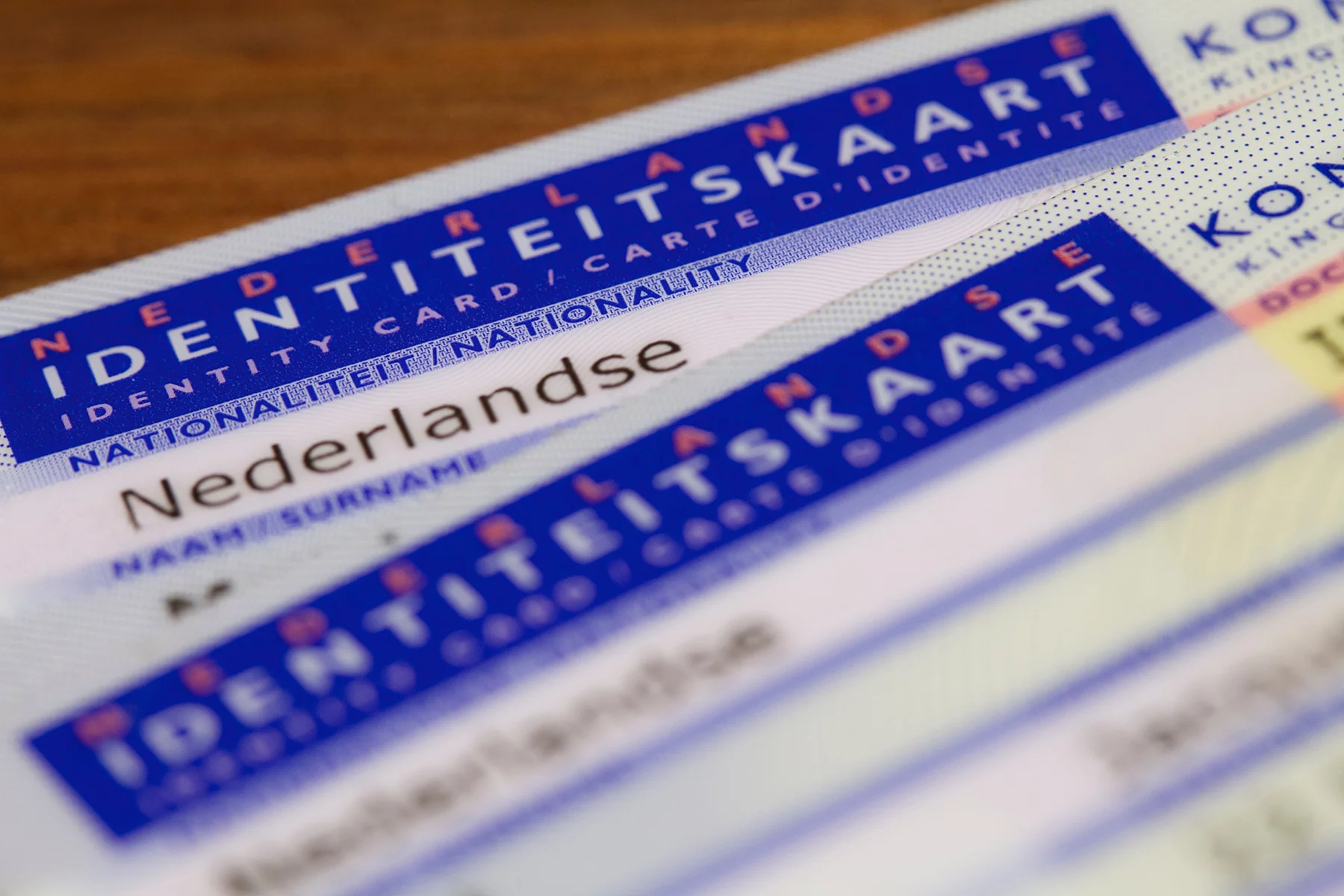
When can marriage or registered partnership shorten the naturalization timeline?
The standard rule is 5 consecutive years of lawful residence before you apply for Dutch naturalization in the Netherlands. The IND provides an exception for eligible spouses and registered partners of Dutch citizens.
You may be able to apply after three years of living together with the same partner if you are married to or in a registered partnership with a Dutch citizen when you apply. You must remain together throughout the procedure and meet the other naturalization requirements; your partner need not have been Dutch throughout the preceding three years.
- Check your shared residence period: Confirm whether you have 3 continuous years living together with the same Dutch spouse or registered partner.
- Review previous cohabitation: Time living together before marriage may count in some situations.
- Check time abroad: Some periods living together outside the Netherlands may be considered depending on current rules.
- Confirm your partner’s nationality: Your spouse or registered partner must still be Dutch when you apply.
- Keep evidence: Records showing shared residence can be important during the process.
Example: Mia began living with her partner in Utrecht in January 2024 and married them in July 2024. If her partner is Dutch when she applies, they have continued living together, and she meets the other requirements, the IND may count their time living together from January 2024. The three years would therefore not necessarily start on their wedding date.
Living in the Netherlands with your Dutch spouse or partner
If you live in the Netherlands when you apply, you must continue living there throughout the naturalization process and maintain a qualifying right of residence. This may be a permanent residence permit, a temporary permit for a non-temporary purpose, or qualifying residence under EU law.
Keep records showing that you have lived together. The municipality checks BRP records as part of an application, while the IND asks for separate evidence of periods spent living together abroad. A marriage certificate establishes the marriage, but does not on its own show where you lived together.

Applying from abroad
Some spouses and registered partners can apply from abroad after three years of marriage or registered partnership and three years of living together with the Dutch partner. They must also meet the other naturalization requirements and continue living together during the procedure.
Applicants from abroad do not need a Dutch residence permit, but must meet the requirements for one with a non-temporary purpose. Civic integration, public-order and ceremony requirements also apply, subject to any relevant exemptions.
- Apply through a Dutch embassy or consulate in the country where you live.
- You cannot use this route while living in a country of which you are a national. A U.S. citizen living in the United States, for example, cannot apply from there.

What other conditions still apply besides the 3-year rule?
The shorter timeline only changes when some applicants may apply. It does not remove the other parts of the naturalization process.
- Age: You usually need to be 18 or older to apply on your own.
- Identity documents: You must prove your identity and nationality with valid documents, usually including a passport and birth certificate.
- Residence: If you apply in the Netherlands, you need a qualifying right of residence when you apply and throughout the procedure. If you apply from abroad, you do not need a Dutch residence permit, but must meet the requirements for a permit with a non-temporary residence purpose.
- Civic integration: Most applicants need to meet the civic integration requirement, which includes learning Dutch to a minimum standard.
- Public order: The IND checks whether you pose a danger to public order or national security.
- Other nationality: You may need to renounce your current nationality, although exceptions apply, including one for people married to or in a registered partnership with a Dutch citizen when the naturalization decree is signed.
- Ceremony: You become Dutch only after attending the naturalization ceremony and making the Declaration of Solidarity.
Foreign documents may need legalisation and translation into Dutch, English, French or German. Check the IND’s document requirements before your appointment, especially if your documents are already registered in the Dutch Personal Records Database (BRP).
How the Dutch integration requirement works
For naturalization, the IND generally requires proof that you have passed the civic integration exam at at least A2 language level, or evidence that you qualify for an exemption or dispensation. Speaking Dutch at home alone does not establish that you meet the requirement.
Check the IND’s naturalization requirements before booking exams, particularly if you are applying from abroad or have already completed an integration programme or obtained a qualifying diploma. The integration requirement for naturalization and an obligation to follow an integration programme after moving to the Netherlands are related, but separate rules.
Dual nationality, renunciation, and the marriage exception
Adults who naturalize usually have to renounce their other nationality. Dutch law provides an exception if you are married to or in a registered partnership with a Dutch citizen on the date the Royal Decree granting Dutch citizenship is signed. If that exception applies, the IND will not require you to renounce your other nationality.
Your other country’s law also matters. Some countries automatically withdraw citizenship when a person acquires another nationality. Check its rules before assuming you will retain both.
- Check the IND’s nationality-specific guidance for the citizenship you already hold.
- Tell the municipality or embassy about your marriage or registered partnership when you apply, and check how to document it.
- Confirm that the relationship will still meet the exception’s requirements when the Royal Decree is signed.
- If you rely on a different reason for keeping your nationality, check whether you need to request an exemption during your application; the IND says you cannot request one after becoming Dutch.
How the application process works in practice
The naturalization process involves checking eligibility, preparing documents, applying through the correct channel, waiting for a decision, and completing the ceremony.
Check eligibility. Confirm whether you qualify to apply in the Netherlands or from abroad. Check the three-year rule, your shared residence, civic integration requirements and whether you must renounce another nationality. Applicants from abroad do not need a Dutch residence permit, but must meet the conditions for one with a non-temporary purpose.
Gather documents. You will generally need a valid passport or other travel document, a birth certificate, and evidence of your marriage or registered partnership. If you are counting time living together abroad, gather records showing both your names and shared address, such as population registration, a lease or bank statements. Check whether relevant documents are already registered in the BRP.
Apply in the right place. Apply through your municipality if you live in the Netherlands, or through a Dutch embassy or consulate general in your country of residence if you qualify to apply from abroad. Check which original documents, legalisation and translations you need, and confirm the current fee before your appointment.
Wait for the IND decision. The IND’s decision period is 12 months. A positive decision does not itself complete your naturalization.
Attend the naturalization ceremony. You become Dutch only after attending the ceremony and making the Declaration of Solidarity.
Compare your circumstances with the official IND naturalization conditions or the Netherlands Worldwide guidance for applicants abroad. If your residence history, documents or nationality rules are complex, seek specialist advice before filing.
Simplify cross-border fees and finances with Wise
Moving between countries or applying for citizenship from abroad involves tricky currency exchanges and international fees. Wise lets you hold multiple currencies, transfer money at mid-market exchange rates, and pay local administrative or document fees smoothly without non-transparent bank charges.

Common mistakes to avoid when applying for Dutch citizenship by marriage
Marriage can make the naturalization process shorter in some situations, but it does not remove the need to prepare carefully. Many delays happen because applicants misunderstand the difference between being married, having residence rights, and becoming a Dutch citizen.
- Assuming marriage alone is enough. You must still meet the naturalization requirements and, if you plan to live in the Netherlands, the applicable residence rules.
- Relying only on a marriage certificate. You may also need evidence that you and your partner lived together for the required period. The IND can check BRP records for residence in the Netherlands and may ask for documents covering time abroad.
- Overlooking your residence purpose. If you apply in the Netherlands, holding a valid permit is not always enough: your residence must qualify for naturalization.
- Assuming you can apply from any country abroad. You cannot use the naturalization route from a country of which you are a national.
- Assuming you can automatically keep both nationalities. Dutch law has an exception for spouses and registered partners of Dutch citizens, but your other country’s nationality rules also matter.
The IND includes registered partners alongside married couples in the relevant naturalization rules. If your partnership was registered abroad, check how to document it for your application and whether it is recorded correctly in the BRP.
FAQ
Frequently asked questions about Dutch citizenship by marriage
Can you get Dutch citizenship just by marrying a Dutch citizen? 
No. Marriage to a Dutch citizen does not give you Dutch citizenship automatically. It can create a possible naturalization route, but you still need to meet requirements such as residence conditions, proof of shared living, integration requirements, and other IND rules.
How long do you have to be married to get Dutch citizenship?
The standard naturalization route usually requires 5 years of lawful residence. Some spouses or registered partners of Dutch citizens may be able to apply after 3 continuous years of living together if they meet all other naturalization conditions. IND also checks shared residence, continuity, and your partner’s Dutch nationality at the time of application.
Does a registered partnership count the same as marriage?
A registered partnership with a Dutch citizen may qualify for the same shorter naturalization route as marriage if it is legally recognized and all other conditions are met.
Can you apply for Dutch citizenship from abroad if your spouse is Dutch?
Some spouses and registered partners of Dutch citizens may be able to apply from abroad if they have lived together for at least 3 years and meet the other requirements. Applications from abroad must follow the rules for applying through a Dutch embassy or consulate general, and you cannot apply in the country of your own nationality.
Do Americans have to give up U.S. citizenship to become Dutch?
Dutch naturalization generally includes renunciation rules, but exceptions may apply, including for some people married to or in a registered partnership with a Dutch citizen. U.S. citizens should check both Dutch and U.S. nationality rules before applying, as dual nationality is not automatic.
Sources
Expatica’s experts are all about providing the most up to date and accurate information. All guides are fact checked, and whenever we use external sources (like government websites or research papers) we’ll make a note of them here so you can check them out too.
- Official guidance on the 3-year exception for spouses and registered partners in Dutch naturalisation, IND: Exceptions to the 5-year term for naturalisation in the Netherlands
- Overview of Dutch naturalisation requirements, eligibility conditions, and application process, IND: Becoming a Dutch national through naturalisation
- Information on civic integration requirements, language level, and integration exams for naturalisation applicants, IND: Civic integration for naturalisation
- Guidance on renouncing nationality, dual nationality rules, and possible exemptions, IND: Renouncing your nationality
- Information on provisional residence permit requirements when moving to the Netherlands, IND: Provisional residence permit (MVV)
- Guidance on eligibility and rules for applying for Dutch naturalisation from abroad, Netherlands Worldwide: Can I become a naturalised Dutch citizen abroad?
- Application steps for submitting a Dutch naturalisation request through embassies or consulates, Netherlands Worldwide: How do I apply to become a naturalised Dutch citizen abroad?
- Directory of Dutch diplomatic missions handling applications and consular services, Netherlands Worldwide: Dutch embassies and consulates
- Information on civil status rules and marriage requirements involving foreign nationals, Government.nl: Rules for marrying a foreign citizen in the Netherlands
- Information on municipal population registration and address records in the Netherlands, Government.nl: Personal Records Database (BRP)
- Platform for managing international money transfers and multi-currency transactions, Wise
Related Articles


Editor's picks
 Where to live in the Netherlands: the best cities for expatsAlthough Amsterdam is typically the number one hub for expats, there are plenty of other cities in the Netherlands worth your while.
 Child benefits in the NetherlandsYou can claim different types of child benefits in the Netherlands, to help with the costs of child-rearing, schooling, and childcare.
 Secondary schools in the NetherlandsWe explain the complex secondary school system in the Netherlands, including the three public streams and various international options.
Did you find this guide helpful?