
'%20id='ico-down'%20stroke='%23000000'%20stroke-width='1.5'%3e%3cg%20transform='translate(1092.250000,%20254.750000)'%3e%3cpolyline%20id='Path-2-Copy-4'%20transform='translate(5.500000,%202.750000)%20scale(1,%20-1)%20rotate(-180.000000)%20translate(-5.500000,%20-2.750000)%20'%20points='0%200%205.5%205.5%2011%200'%3e%3c/polyline%3e%3c/g%3e%3c/g%3e%3c/g%3e%3c/svg%3e)


Moving
Visas & Immigration
Schengen visa for the Netherlands: requirements and steps
Planning a short trip to the Netherlands? Depending on your visit purpose, length, full itinerary and your nationality, you may need to apply for a Schengen visa in advance.


The Schengen area is made up of 29 European countries, which use a common short stay visa, but differing application routes. This means that before you get started you’ll need to check if you need a visa at all, and whether or not the Netherlands is the right country to apply through.
This guide explains the Schengen visa process for the Netherlands, and why the right route depends on factors like your nationality and legal residence.
Key takeaways
- The Schengen visa is a short-stay visa for non-EU travelers visiting the Netherlands or wider Schengen area.
- The maximum Schengen visa stay is 90 days in any 180-day period.
- Apply through the Netherlands only if it is your main destination, or first when stays are equal.
- You can usually apply up to 6 months before travel and at least 15 days before departure.
- Track through the system used at submission, usually VFS Global, a Dutch embassy or consulate, or TLScontact.
Who needs a Schengen visa for the Netherlands?
Not every traveler needs a Schengen visa for the Netherlands. The answer turns on nationality, legal residence, and travel purpose.
This article covers short stays only, meaning up to 90 days in any 180-day period. It does not cover applications for a Dutch MVV or residence permit. For broader immigration routes, see our guide on Dutch visas and permits below.
- Your passport type may require a visa even if another traveler in the same country does not.
- If you live outside your home country, your legal residence can affect where you apply.
- Tourism, business, and family visits can use different document checklists during the application.
- Stays above 90 days follow Dutch national immigration rules, not short-stay Schengen rules.
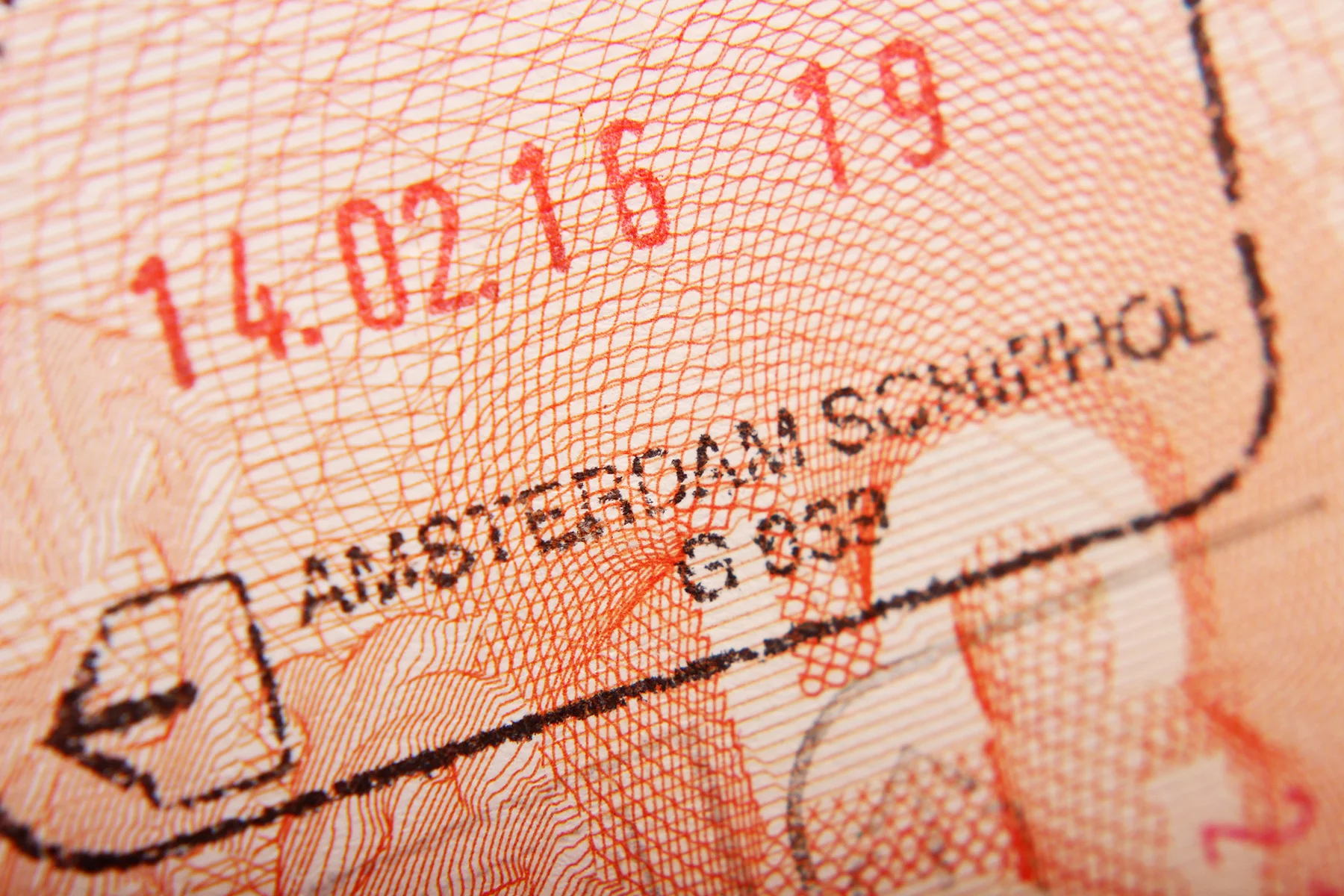
When a visa is not required
Some travelers are visa-exempt for short visits to the Netherlands, but visa-free entry still comes with document rules. Use the official Dutch checker instead of assuming.
- Visa-free travel depends on nationality and purpose.
- You may still need a valid passport, proof of onward or return travel, and evidence of funds or accommodation.
- If a separate travel authorization applies to your nationality and date of travel, verify that before you fly.

Which country should process your application?
If you’re visiting the Netherlands only the decision is simple – you’ll need to follow the appropriate application route for your residence country, applying through the Netherlands consulate or service partner like VFS.
If you’re visiting more than one country it gets a little more complicated.
If your trip includes more than one Schengen country, the Netherlands is only the right application country if your time there is your main purpose of travel. If every stop has the same purpose, apply through the country where you will stay the longest.
If you’re staying in more than one country for equal lengths of time, apply through the country where you’re making your first entry to the Schengen area.
Take some time to work through the rules before you apply. If you are visiting family in the Netherlands and entering Schengen elsewhere, the Dutch route can still be correct if you’re spending most of your time in the Netherlands overall. For longer family stays, Expatica’s guide to family and partner visas in the Netherlands explains the separate route.

Editor in the Netherlands
Tarah Ren
Insider tip
If Amsterdam is not your first landing point but the Netherlands is still your main destination, keep your onward train or flight booking handy in case border staff ask how the itinerary fits together.
If you are applying from the UK
Here, UK residence matters more than UK nationality. British passport holders are often visa-exempt for short stays, while legal residents with other passports may still need an appropriate visa.
- You can usually apply in the UK only if you legally live there.
- Dutch short-stay applications in the UK are commonly handled through VFS Global, while some diplomatic or official passport cases go through the Dutch embassy.
- Use the UK-specific Dutch page and checklist, not one made for another country.

What documents do you need for a Netherlands Schengen visa?
There is no single checklist for every applicant. The right list depends on your purpose of travel and legal residence, so you need the right VFS checklist for Schengen visa (Netherlands) for your specific home country.
Most applicants collect similar document types, but the exact evidence changes by case. Use the Dutch or VFS checklist that matches your purpose and country of residence before you print anything.
You’re usually asked for documents including:
- A completed Netherlands Schengen visa application form with the unique code.
- A passport issued within the last 10 years, with at least 2 empty visa pages and at least 3 months’ validity after you leave the Schengen area.
- Passport photos, unless your application point takes a digital photo at the appointment.
- Proof of itinerary or purpose, such as tourism, business, or visiting family or friends.
- Proof of accommodation, travel reservation, and return or onward plans.
- Proof of funds, travel medical insurance, and documents showing ties to the country where you live.
Proof of funds, insurance, and accommodation
Officers are looking for a believable trip with clear funding and a clear end point. That is why mismatched hotel dates, vague accommodation proof, or insurance that does not show Schengen-wide cover can cause problems.
Planning your Schengen spending?
If you’re already thinking about how to manage your money in Europe, consider looking at Wise to convert money into euros before departure. That can help with planning, and may also reduce your overall travel spending costs as Wise uses the mid-market exchange rate with low fees. Wise can’t help you with your visa application – but once you have your Schengen visa for the Netherlands, Wise may be able to help you do more with your money once you get to Europe.

No commitment required
Expatica tip: print the checklist and stack your papers in the same order for the appointment. For broader insurance context, see Expatica’s guide to health insurance in the Netherlands.
How to apply step by step
- Check eligibility. Confirm whether your nationality needs a visa and whether your trip still counts as a short stay.
- Confirm the right Schengen country. Make sure the Netherlands matches your main destination before you book anything.
- Complete the form. Fill in the application form online and print the version with the unique code.
- Gather documents. Use the checklist for your purpose of travel and country of residence, then check that names, dates, and bookings match.
- Submit through VFS or the correct Dutch application point. Before you book, confirm where Dutch applications are handled in your country, because that may be VFS Global, a Dutch embassy or consulate, or TLScontact.
Book your appointment and give biometrics
Book as early as you can within the allowed window, especially in busy periods. Most applicants can apply up to 6 months before travel and should apply at least 15 days before departure.
You usually need to appear in person. At the appointment, you submit documents, give fingerprints if required, answer trip questions, and pay the visa fee plus any service fee. When possible, book directly with the official Dutch partner instead of using unofficial middlemen.
What happens after you apply
After submission, you usually receive a processing-complete email, not an approval email. The decision is known when your passport is returned or collected and, if approved, the visa sticker is inside.
Before you travel, check the sticker carefully. Make sure your name, validity dates, number of entries, and allowed stay match your plans.
Fees, processing times, and tracking
Dutch guidance says high season can push average Schengen processing to 25 calendar days, and some cases can take up to 45 days.
The visa fee is separate from service fees charged by VFS Global or TLScontact. Fees and timelines can change, so confirm current amounts before you pay or book non-refundable travel.
| Item | Current guidance | What to know |
|---|---|---|
| Visa fee | €90 standard adult fee | Children and some other groups may pay less or be exempt. |
| Service fee | Extra | VFS Global or TLScontact may charge a service fee on top of the visa fee. |
| Processing time | 25 calendar days average, up to 45 in some cases | High season, extra checks, or missing documents can slow a case. |
How to track your Netherlands Schengen visa application
Tracking depends on where you submitted the case. You need the reference or tracking number given at submission, and official Dutch authorities cannot provide extra status detail beyond the online systems.
- Check which organization took your application.
- Find your reference or tracking number on the receipt, invoice, card, or confirmation given at submission.
- Use the matching tracking route for VFS Global, the embassy or consulate system, or TLScontact.
- If there is no update yet, wait for the portal or passport notice rather than trying to get manual status updates.
Common mistakes that cause delays or refusals
- Wrong application country: first-entry confusion still catches people, especially on multi-country trips.
- Wrong checklist: a Netherlands list from India or the UK is not a universal checklist for every applicant.
- Weak supporting evidence: dates that do not match, vague accommodation proof, or incomplete insurance wording can raise doubts.
- Applying too close to departure: even a simple case can run into high-season queues, extra checks, or document requests.
- Assuming past history guarantees a new result: an old visa or a quick previous decision does not guarantee approval, speed, or longer validity this time.
What to do if your visa is refused or your trip changes
A refusal letter should explain the reason and the next-step options. Read that reason carefully before deciding whether to object or reapply, and follow the official Dutch route if you do decide to appeal.
Changed plans can matter too. If you applied through the Netherlands for a holiday, then moved most of the trip to another Schengen country, the original application logic may no longer match the journey you will actually take.

Managing travel money for your Netherlands trip
A short trip goes more smoothly when your money plan is as clear as your paperwork. Think about how you will access funds, pay in euros, limit repeated conversion losses, and keep tidy records.
Wise can help some travelers move money, hold EUR, and spend in euros before or during the trip. It is useful for planning, although Wise can not help you get a Netherlands visa. For a closer look, see Expatica’s Wise Review in the Netherlands.

Some other money management pointers:
- Keep enough accessible money for transport, accommodation, and day to day costs.
- Check which currency you are being charged in before you pay.
- Keep major bookings and payment records together in one travel file.
- Plan how you will access euros after arrival, not just before departure.
FAQ
Frequently asked questions about Schengen visas for the Netherlands
How long does a Netherlands Schengen visa take? 
The official average Netherlands Schengen visa processing time can reach 25 calendar days in high season, and some cases take up to 45 days. Missing documents, extra checks, and heavy application volume can all slow a case.
Can I apply for a Netherlands Schengen visa from the UK?
You can usually apply for a Netherlands Schengen visa from the UK only if you legally live there. British passport holders are often visa-exempt for short stays, while other UK residents may still need to apply.
What is the VFS checklist for a Netherlands Schengen visa?
There is no universal VFS checklist for every Netherlands applicant. The right list depends on your travel purpose and country of residence, so use the official Dutch or VFS page for your case.
Can I get a 5-year Schengen visa for the Netherlands?
Longer-validity multiple-entry visas can exist, including up to 5 years, but they are not guaranteed. The issuing authority decides based on travel history, documents, passport validity, and the case itself.
Can I visit other Schengen countries with a Netherlands visa?
Usually yes, if your visa type and entries allow it and you still respect the 90/180-day rule. Keep your itinerary, accommodation details, and proof of return or onward travel in case border staff ask about the trip.
Useful resources
Related Articles


Editor's picks
 Where to live in the Netherlands: the best cities for expatsAlthough Amsterdam is typically the number one hub for expats, there are plenty of other cities in the Netherlands worth your while.
 Child benefits in the NetherlandsYou can claim different types of child benefits in the Netherlands, to help with the costs of child-rearing, schooling, and childcare.
 Primary schools in the NetherlandsConfused by the primary school system in the Netherlands? We explain how it works, from educational approaches to international options.
Did you find this guide helpful?