
'%20id='ico-down'%20stroke='%23000000'%20stroke-width='1.5'%3e%3cg%20transform='translate(1092.250000,%20254.750000)'%3e%3cpolyline%20id='Path-2-Copy-4'%20transform='translate(5.500000,%202.750000)%20scale(1,%20-1)%20rotate(-180.000000)%20translate(-5.500000,%20-2.750000)%20'%20points='0%200%205.5%205.5%2011%200'%3e%3c/polyline%3e%3c/g%3e%3c/g%3e%3c/g%3e%3c/svg%3e)


Moving
Relocation
Moving to the Netherlands from Australia in 2026
Discover the essential steps for Australians relocating to the Netherlands, from securing the right residence permit to navigating housing and health insurance.


Moving to the Netherlands from Australia is an exciting opportunity – but the planning can feel quite overwhelming. For most Australians, the biggest risks are choosing the wrong residence route, paying for housing you cannot register at, and leaving insurance and euro planning too late.
Whatever your reason for moving, the real test is whether your paperwork, housing, health cover, and budget work in daily life. This guide gives you a starting point to plan your upcoming move, to ensure everything goes smoothly.
Key takeaways
- Short trips and long-term moves follow different rules, so do not treat visa-free travel as permission to relocate.
- Your first big decision is the residence route, usually work, study, family or partner, or working holiday if you meet the age rules.
- Getting a Citizen service number (BSN) starts with municipal registration, and many later tasks depend on it.
- Health insurance can become urgent once Dutch rules apply, often within your first 4 months.
- Early euro planning matters because deposits, rent, and card fees can raise the real cost of the move.
Can Australians move to the Netherlands?
Australian passport holders can usually enter the Netherlands visa-free for visits of up to 90 days in any 180-day period. Long-term living, working, or studying is different and usually means following the right Dutch residence process before you relocate.
If you are only scouting, plan like a short-stay visitor. If you want to rent, register, work, or settle for more than 90 days, use the NetherlandsWorldwide visa checker and plan as a future resident.
| Your plan | Is visa-free entry enough? | What it means in practice |
|---|---|---|
| Visit, research, or attend meetings for up to 90 days | Usually yes | Useful for a scouting trip, separate from relocation admin |
| Move for more than 90 days | No | You need the correct Dutch residence route |
| Work or study long term | No | Permission depends on the permit, not nationality alone |
| Unsure which category you fit | Not safely | Check the route before paying deposits or giving notice |
Which residence routes are most relevant for Australians?
The main routes for Australians are work, study, family or partner, and the one-year working holiday for eligible people aged 18 to 30. For full criteria, see Expatica’s Dutch visas and permits guide and confirm the latest rules with IND (the Immigration and Naturalisation Service).
| Route | Best fit | What to verify first |
|---|---|---|
| Work permit route | You have a Dutch job offer | Sponsor status and work rights |
| Study permit | You have been accepted by a Dutch institution | Enrolment and funding rules |
| Family or partner permit | You are joining a spouse or partner | Relationship and sponsor conditions |
| Working holiday | You are 18 to 30 and want a cultural exchange year | Age, insurance, and work limits |
| Other long-stay permit | You have a less common reason to move | Whether IND lists your route clearly |
What should you arrange before leaving Australia?
Housing is often the first bottleneck. The rental market is tight, and not every property lets you register, so a place that looks fine online can still block your registration for a BSN.
Expatica’s moving to the Netherlands checklist covers the wider setup, and can give a helpful overview. Bear in mind that large payments are safest after you have checked the landlord, contract, and registration position.
- Confirm your residence route, timelines, and any appointments before travel.
- Gather original documents early and check whether any need translation, legalisation, or an apostille.
- Start the housing search early and ask whether BRP (Personal Records Database) registration is allowed. BRP registration is needed to get your BSN number later.
- Budget for deposits, first rent, temporary stays, transport, insurance, and setup costs in euros.
- Decide what to ship, store, or sell, and line up notice periods in Australia.

Which documents should you prepare before the move?
The exact paperwork depends on your route and municipality, but it is much easier to over-prepare than to chase records from Australia after you arrive.
Here are some documents you’re likely to need:
- A passport that will stay valid through travel and the early months of your move
- Birth, marriage, divorce, or name-change records where relevant
- Education, employment, or qualification documents linked to your route
- Rental paperwork or host documents for your first Dutch address
- Insurance records and key medical information
- Translated or apostilled documents if your visa route or municipality requires them
What should you do in your first weeks in the Netherlands?
After you land, daily-life admin starts with your address. Then come municipal registration, BRP entry, BSN, DigiD, insurance checks, and the rest of your banking and work admin.
You should register with the municipality within 5 days of arrival, and everyone who is moving to the Netherlands with you must attend the appointment in person.
- Attend your municipal appointment early, and if the first slot is late, ask whether the municipality can register you from the booking date.
- Register your details and address so you can be entered into the BRP.
- Keep your BSN confirmation safe, because you will need it repeatedly.
- Apply for DigiD once your registration is active.
- Then move onto bank setup, employer paperwork, GP search, and local services.
Some temporary rentals do not allow BRP registration, and that can delay your BSN, payroll, and insurance.
How do BRP registration, BSN and DigiD work?
These terms appear everywhere. The BRP is the personal records database, your BSN is your citizen service number, and DigiD is the secure login used for many public services online. Completing all your registration steps is crucial as without them payroll, insurance, and some bank applications can stall.
- BRP: the municipality records who you are and where you live.
- BSN: this number helps unlock work, tax, insurance, and banking tasks.
- DigiD: this is your login for many Dutch government services.
How does health insurance work when you move from Australia?
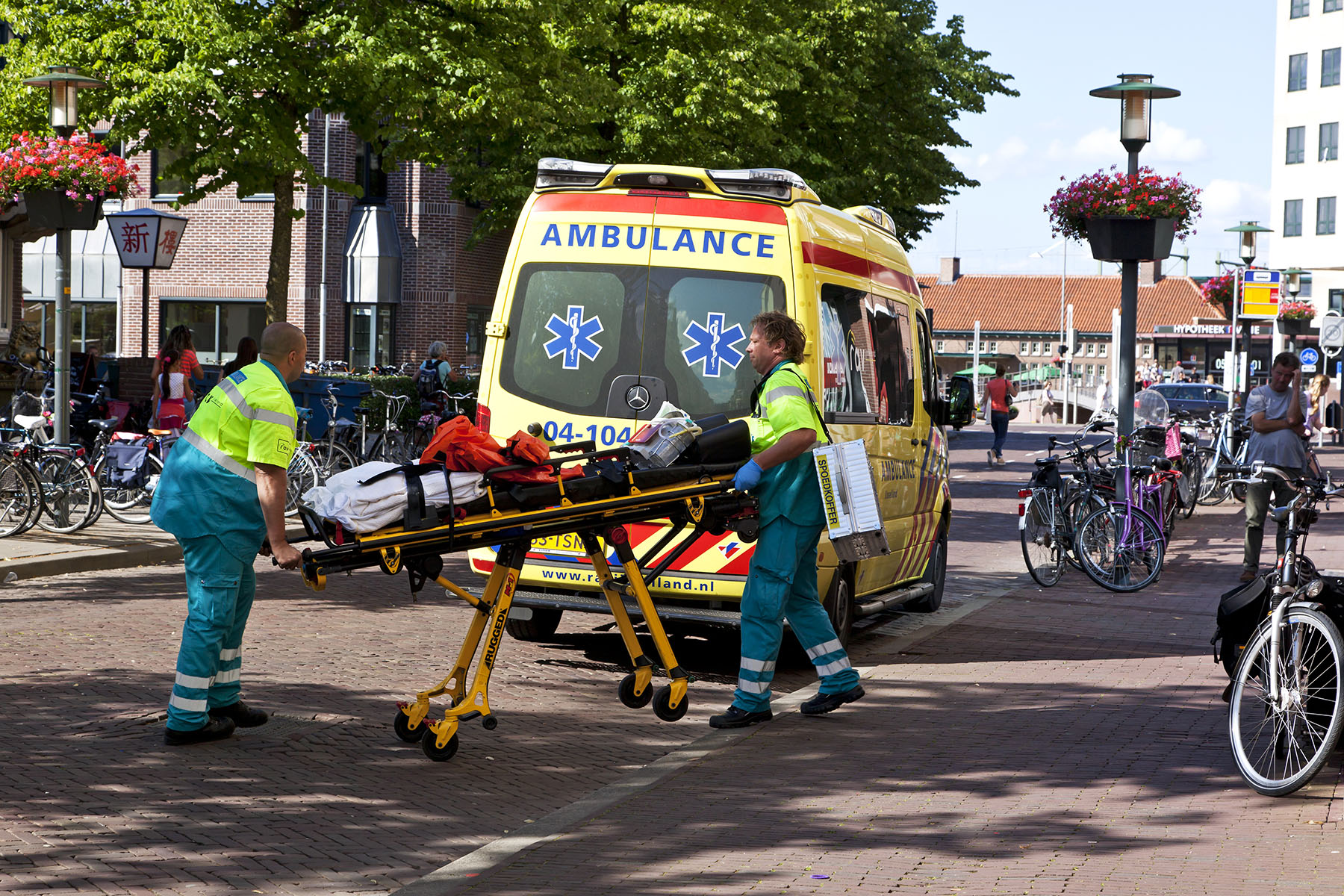
Dutch basic health insurance, called basisverzekering, can become mandatory once your residence or work position brings you under the Dutch system. Do not assume an Australian policy or international cover will keep meeting the rules after arrival.
If you are unsure, use the SVB Wlz assessment tool, Zorgverzekeringslijn website, and Expatica’s guide to health insurance in the Netherlands.
Some useful terms to know include:
- Basisverzekering is the standard insurance package
- Eigen risico is the annual deductible many adults pay before some care is reimbursed
- Zorgtoeslag is a healthcare allowance for some lower-income residents with Dutch basic insurance
If you may need temporary international cover first, compare options such as Allianz Worldwide Care, Cigna Global, April International, and Feather Insurance, but verify whether that cover is valid for your stage.
| Cover type | When it may fit | Main limit |
|---|---|---|
| Temporary international cover | Before arrival, during waiting periods, or when Dutch basic insurance is not yet available | It does not automatically replace Dutch basic insurance once Dutch rules apply |
| Dutch basic insurance | When you live or work in the Netherlands and fall under the Dutch system | You need to arrange it on time and check the deductible and allowance rules |
When should Australians use international health insurance first?
International cover can fill specific gaps, not replace Dutch insurance in every case. Verify timing with official Dutch sources before you buy.
International health insurance can be relevant in the following situations:
- For pre-arrival cover and travel to the Netherlands
- During a waiting period before Dutch basic insurance is available to you
- During certain study or search periods when you are not yet under Dutch basic insurance
- Until an official check confirms whether Dutch rules apply to your case
How should you budget and move money to the Netherlands?
A rent deposit, first rent, transport, groceries, and health insurance can make your first month pricier than expected.

Exchange rates, foreign card fees, and transfer costs can all change the real cost of the move, especially when you need to pay a deposit quickly. You might want to compare Wise with your existing Australian bank setup. You can open a Wise account before you travel to the Netherlands, and can hold and convert AUD and EUR. You can also get the Wise card to help with early spending before a full Dutch account with ING, ABN AMRO, or Rabobank is in place.
Commonly required planning steps include:
- Price up the first eight weeks.
- Check how and when your landlord expects deposits and rent to be paid.
- Compare total transfer costs, not headline fees.
- Keep one backup way to pay while Dutch admin catches up.
- Avoid closing useful Australian accounts until salary, rent, and bills are running smoothly.

Which payment and banking options are practical for new arrivals?
There’s usually more than one solution to manage your money as a new arrival in the Netherlands. However, planning is crucial – if your Dutch account is not ready yet, you need a way to pay a deposit and cover groceries without relying on one costly card or one delayed transfer.
| Option | Best for | Watch out for |
|---|---|---|
| Australian debit or credit card | First days and backup spending | Foreign transaction costs and higher conversion costs |
| Wise account and card | Sending savings, holding AUD and EUR, and early euro spending | Compare costs and limits before using it for large payments |
| Dutch bank account with ING, ABN AMRO, or Rabobank | Salary, rent, and local direct debits | Usually easier once your BSN and address are sorted |
| Pre-arranged bank transfer from Australia | Large planned payments such as a deposit | Verify the landlord, timing, and total charges before sending |
FAQ
Frequently asked questions about moving to the Netherlands from Australia
Do Australians need a visa to move to the Netherlands? 
Australians do not usually need a short-stay visa to visit the Netherlands, but moving there for more than 90 days is different. Check the correct Dutch residence route instead of relying on visa-free entry.
Can I work in the Netherlands as an Australian?
Working in the Netherlands as an Australian depends on your residence route and its conditions. Before accepting a job, verify whether an employer must sponsor you and what the permit allows.
How much money do I need before relocating to the Netherlands?
There is no one safe number for every move. Budget for a deposit, first rent, temporary housing, insurance, transport, food, and transfer costs, then use Expatica’s cost of living guide for city-specific planning.
Is Amsterdam the best place to live after moving from Australia?
Amsterdam suits some newcomers, but it is not the only sensible base. High rent and housing pressure mean cities such as The Hague, Rotterdam, Utrecht, or Eindhoven may fit better depending on your budget, commute, and lifestyle.
Useful resources
- IND: official permits, routes, and fees.
- NetherlandsWorldwide move checklist: pre-departure and arrival checklist.
- NetherlandsWorldwide visa checker: short-stay and residence check.
- Government.nl BRP information: registration and population records.
- SVB Wlz insurance position: check whether Dutch health insurance applies.
- Zorgverzekeringslijn English: insurance guidance in English.
- Belastingdienst: tax admin and allowances.
- Dutch Customs: household goods rules.
- RDW: driving with an Australian licence.
- Nuffic: education and qualification recognition.
Related Articles


Editor's picks
 Where to live in the Netherlands: the best cities for expatsAlthough Amsterdam is typically the number one hub for expats, there are plenty of other cities in the Netherlands worth your while.
 Primary schools in the NetherlandsConfused by the primary school system in the Netherlands? We explain how it works, from educational approaches to international options.
 Secondary schools in the NetherlandsWe explain the complex secondary school system in the Netherlands, including the three public streams and various international options.
Did you find this guide helpful?