
'%20id='ico-down'%20stroke='%23000000'%20stroke-width='1.5'%3e%3cg%20transform='translate(1092.250000,%20254.750000)'%3e%3cpolyline%20id='Path-2-Copy-4'%20transform='translate(5.500000,%202.750000)%20scale(1,%20-1)%20rotate(-180.000000)%20translate(-5.500000,%20-2.750000)%20'%20points='0%200%205.5%205.5%2011%200'%3e%3c/polyline%3e%3c/g%3e%3c/g%3e%3c/g%3e%3c/svg%3e)


Moving
Relocation
Moving to the Netherlands from the UK: step-by-step guide
This 2026 guide provides the essential administrative steps for British citizens relocating to the Netherlands.


Moving to the Netherlands from the UK is still possible after Brexit, but British citizens no longer have EU free-movement rights, so your route depends on why you are moving, how long you plan to stay, and whether you meet Dutch residence requirements.
This guide takes you from choosing the right immigration route and understanding the 90-day visitor rule to registration, health insurance, taxes, and setting up your first week in the Netherlands.
Key takeaways
- You can still move, but UK citizens now need the right long-stay route for work, study, family or self-employment.
- Visa-free travel for short visits is not permission to live or work in the Netherlands.
- If you will stay for more than 4 months, register with your municipality within 5 days of arrival so you can enter the BRP and get your BSN.
- Health cover needs a second check. A GHIC or EHIC may help on a short stay, but many residents need Dutch basic insurance or an official status check.
- Expatica’s moving to the Netherlands checklist helps you track documents and first-week tasks.
Step 1: check whether your move is legally possible
Can UK citizens move to the Netherlands after Brexit? Yes, but only through a valid long-stay route. UK passport holders can still visit the Schengen Area for up to 90 days in a 180-day period without a visa, but short-stay permission is not the same as permission to live or work in the Netherlands.
Your reason for moving – such as work, study, family, or self-employment – determines which residence permit you need and whether an employer, education provider, or family member needs to act as your sponsor.
The main residence routes for British citizens
| Route | Who it suits | Who applies or sponsors it | Where to verify |
|---|---|---|---|
| Work | Employees, sponsored hires, some company transfers | Usually the Dutch employer or recognised sponsor | IND work permits |
| Study | Full-time students at a recognised institution | Usually the education provider | IND study permits |
| Family | Joining a spouse, partner, parent or child | Usually the sponsor or family member | IND family and partner |
| Self-employment | Freelancers, business owners, some contractors | You apply, with business evidence | IND self-employed route |
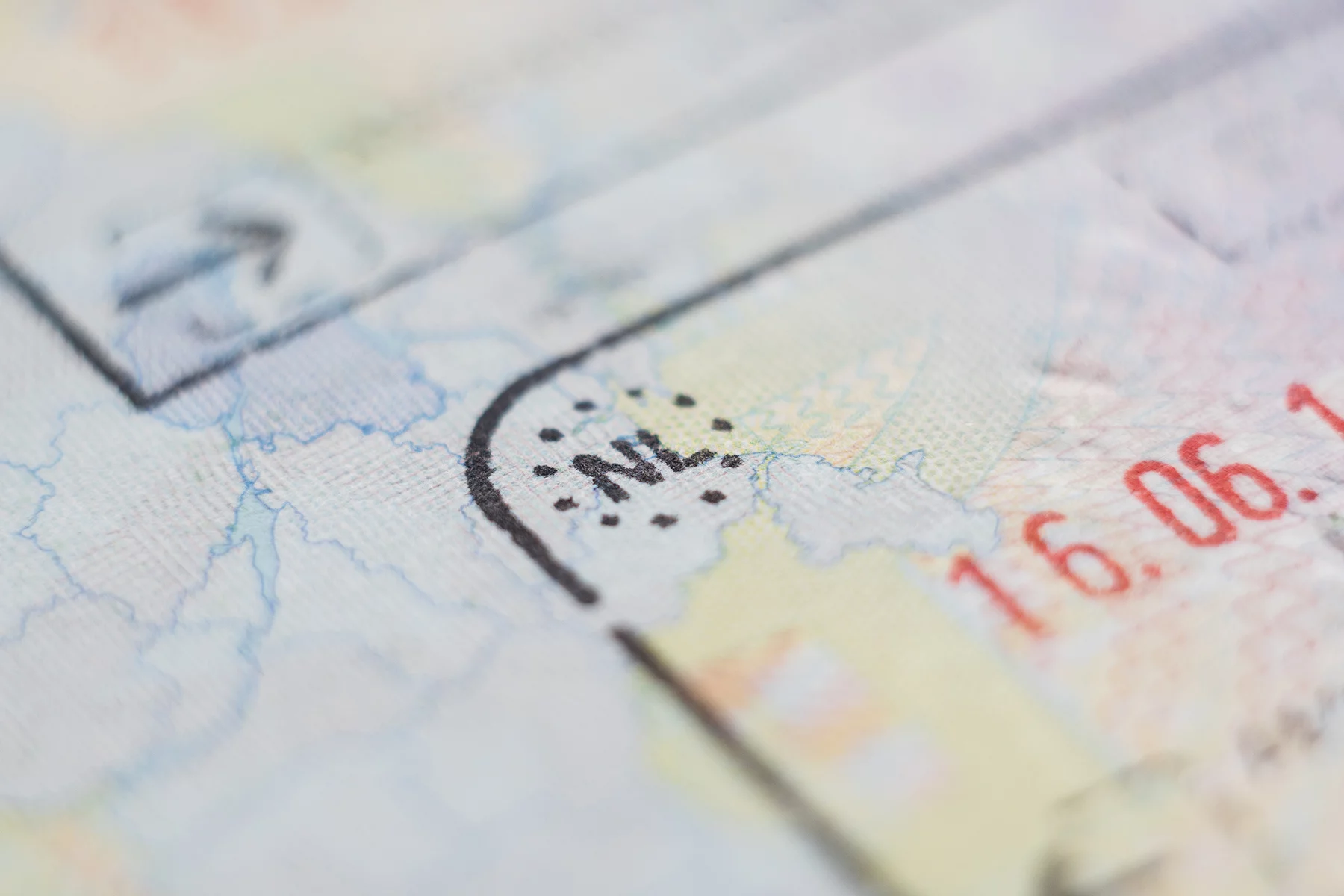
UK citizens are generally exempt from the Dutch MVV long-stay entry visa requirement, but they may still need a residence permit for stays of more than 90 days. Different rules can apply if you have rights under the Brexit Withdrawal Agreement or another special status.
Step 2: gather the paperwork before you leave the UK
Once you know your immigration route, start building your document file. Missing paperwork can delay your residence application or municipal registration, particularly if the IND or your future municipality needs original, translated, or legalised documents.
Check every document against the requirements for your immigration route and municipal registration. Netherlands Worldwide explains when legalisation or an apostille may be needed, and your future gemeente (municiality) can confirm what you need to register.
Documents you are likely to need include:
- A valid UK passport that meets travel and permit requirements.
- Birth, marriage, divorce, or partnership records, if relevant.
- A work contract, sponsorship letter, university admission, or proof of family relationship.
- Proof of your Dutch address for municipal registration, where required.
- Evidence of funds, insurance, qualifications, or translated documents, if your route requires them
Step 3: plan housing, moving costs and your first-month budget
Housing is often the hardest practical part of relocating to the Netherlands. Start early, keep room for temporary accommodation, and budget for the deposit, first month’s rent, moving costs, permit costs, transport, and a buffer for the first weeks.
Be cautious if a rental is advertised as not allowing registration at the address, and verify the property and landlord or agent before sending money. Problems with your address can complicate municipal registration and other administrative steps after arrival.
Before you pay a deposit:
- Confirm who the landlord or agent is, and whether the listing is genuine
- Make sure BRP registration is allowed at the address.
- Add up the deposit, first month’s rent, service charges, utility costs, and other upfront fees.
- Decide whether you need temporary accommodation before the long-term contract starts.
- Keep enough accessible money in pounds and euros to cover your first few weeks.

Writer
Gary Buswell
Insider Tip
Ask about address registration (BRP) before paying a deposit or signing a contract. A rental advertised as “no registration possible” can create problems with municipal registration and other essential admin after you move.
For deposits or other one-off relocation costs, it can be worth comparing Wise with your bank and other money transfer providers. If you want to hold pounds and euros during the move, a multi-currency account can also provide a useful bridge while you get your Dutch finances set up.
Step 4: sort out healthcare before and after arrival
Your health insurance position can change when you move from the UK to the Netherlands. A Global Health Insurance Card (GHIC) or European Health Insurance Card (EHIC) can help with medically necessary state healthcare during eligible temporary stays, but it is not a long-term substitute for Dutch basic health insurance if you become subject to the Dutch system.
If you are legally required to take out Dutch basic health insurance, arrange it as soon as possible and no later than four months after your insurance obligation begins. Cover generally needs to run from the date that obligation started, so you may have to pay premiums retrospectively. If you are unsure whether Dutch insurance rules apply to you – for example because of your work, study, or cross-border situation – check with SVB or Zorgverzekeringslijn before you rely on overseas cover.
When international cover can help
International or temporary insurance can be useful when you are not yet eligible for Dutch basic health insurance or your circumstances mean you are not required to take it out.
Depending on your status, compare providers such as Allianz, Cigna Global, APRIL International, and Feather on eligibility, length of cover, benefits, and exclusions. International policies can be useful in the right circumstances, but they do not replace Dutch basic health insurance when you are legally required to have it.
Step 5: register in the Netherlands and get your BSN
If you plan to live in the Netherlands for more than four months, you must register with your municipality within 5 days. Your details are entered in the BRP (Basisregistratie Personen), or Personal Records Database, and if you do not already have one, you will be assigned a BSN (citizen service number).
Your BSN is used across Dutch government, tax, healthcare, and employment administration. Once you are registered, you can also apply for DigiD, the digital login used to access services from organisations such as the Belastingdienst (Dutch Tax and Customs Administration).
The steps to follow are:
Book your gemeente appointment as early as you can.
Bring your passport, proof of occupancy, and any civil-status or permit documents your municipality asks for.
Complete BRP registration at your Dutch address or an approved correspondence address.
Use your BSN for health insurance, payroll, and other essential administration.
Apply for DigiD once you are registered, then check which services need activation or a letter by post.
Writer
Gary Buswell
Insider Tip
Registration appointments can fill up quickly, particularly in larger cities. If you already know where you will be living, check appointment availability before you travel. If you cannot get an appointment within five days of arrival, book the earliest available slot and contact the gemeente for instructions. Check its website beforehand for the exact document list and whether partners or children need to attend in person.
Step 6: set up banking, transfers and first-week essentials
A Dutch bank account can make everyday finances easier once salary, rent, phone plans, and insurance payments start. Major banks such as ING, ABN AMRO, and Rabobank have their own onboarding requirements, which can vary depending on your residence status and the documents you have available.
Dutch payment habits may also differ from what you are used to in the UK. Online payments commonly use iDEAL, although the Dutch payments landscape is transitioning towards Wero, while Single Euro Payments Area (SEPA) transfers and card payments are also widely used.
Keep your UK mobile number accessible for verification messages and account logins, and if you need temporary mobile data on arrival, an eSIM such as Holafly can help while you arrange a longer-term Dutch plan.

How Wise can help with the move
You can use Wise to instantly pay your Dutch rental deposit from your UK account without worrying about your bank’s exchange rate markups. By holding both GBP and EUR, you can also easily cover initial expenses like groceries or transit as you settle in, giving you a functional way to manage your money before your local Dutch bank account is fully active.
Managing your international move with Wise
Moving to the Netherlands often involves significant upfront costs, from rental deposits to initial living expenses. Wise lets you hold, convert, and send both GBP and EUR at the mid-market rate, helping you avoid high bank fees during your transition. It serves as a practical bridge for your finances while you get your long-term Dutch banking setup in place.

Step 7: decide where to live and how to settle in
If you are moving to Amsterdam from the UK, do not assume the capital is your only serious option. Amsterdam has a particularly competitive housing market, so compare rent, commute, job opportunities, and lifestyle with other cities before you commit.
Amsterdam gives you the broadest international job market, but housing can be expensive and difficult to secure. Good alternative locations popular in the Netherlands include:
- Rotterdam – offers a more modern urban landscape and strengths in sectors such as logistics and maritime industries.
- The Hague – a major centre for government and international organisations.
- Utrecht – offers excellent rail connections and a central location.
Writer
Gary Buswell
Insider Tip
Run the housing search before you fall in love with a city. If you want access to Amsterdam’s jobs without necessarily living in the centre, compare surrounding cities and towns and check the actual commute. English is widely spoken, but learning some Dutch can make everyday admin, work, and getting to know your neighbours easier.

FAQ
Frequently asked questions about moving to the Netherlands from the UK
Can I move to the Netherlands from the UK after Brexit? 
Yes. After Brexit, though, the move usually needs a long-stay route for work, study, family or self-employment. A visa-free short visit is not enough to relocate or work long term.
Do UK citizens need a visa to live in the Netherlands?
For short visits, no. For living in the Netherlands, many UK nationals need a residence permit, and some routes also involve an MVV or sponsor. The exact Dutch visa for UK citizens depends on the purpose of the move.
How do I get a BSN in the Netherlands?
Start with the municipality. Once your registration goes into the BRP, you usually get the BSN you need for work, banking and healthcare. Document lists can vary by gemeente.
Do I need Dutch health insurance as a British expat?
Often yes, especially if you live or work in the Netherlands. Some people use temporary or international cover during the transition, but that does not automatically replace Dutch basic insurance when local cover is required.
Can I use my UK bank account and card in the Netherlands?
Usually, at first. Over time, fees, exchange costs and local payment habits can make that awkward, especially when opening a bank account in the Netherlands or setting up bills. A Dutch account or multi-currency setup often makes day-to-day life easier.
Useful resources
(accessed 25th August 2026).
- IND – official Dutch immigration authority for residence routes, permit rules, fees, and current requirements.
- Netherlands Worldwide – official relocation checklist, visa process information, and document legalisation guidance.
- GOV.UK: Living in the Netherlands – UK-specific guidance for British nationals on moving, healthcare, pensions, tax, and travel.
- Government.nl – English-language Dutch government portal.
- Belastingdienst – Dutch tax authority for tax obligations, healthcare allowance, and relocation admin.
Related Articles


Editor's picks
 Where to live in the Netherlands: the best cities for expatsAlthough Amsterdam is typically the number one hub for expats, there are plenty of other cities in the Netherlands worth your while.
 Higher education in the Netherlands: a guide to Dutch universitiesThe Netherlands is home to some of the world's top universities. Learn all about the different subjects available at Dutch institutions.
 Human and civil rights in the NetherlandsFrom the right to protest to protection from discrimination, here's what you need to know about human rights in the Netherlands.
Did you find this guide helpful?