
'%20id='ico-down'%20stroke='%23000000'%20stroke-width='1.5'%3e%3cg%20transform='translate(1092.250000,%20254.750000)'%3e%3cpolyline%20id='Path-2-Copy-4'%20transform='translate(5.500000,%202.750000)%20scale(1,%20-1)%20rotate(-180.000000)%20translate(-5.500000,%20-2.750000)%20'%20points='0%200%205.5%205.5%2011%200'%3e%3c/polyline%3e%3c/g%3e%3c/g%3e%3c/g%3e%3c/svg%3e)


Finance
Banking
Best bank accounts for expats in the Netherlands 2026
Moving to the Netherlands often means navigating a new banking system alongside ongoing financial ties elsewhere. From receiving your salary and paying rent to managing savings or everyday spending, having the right account setup can make a big impact in daily life.


While Dutch banks offer a range of options for residents, expats and non-residents may find that eligibility rules and in-person appointments shape what’s available. This guide walks through the main account options for expats in the Netherlands, helping you understand what’s possible and how to choose an account that meets your needs.
Wise Account
Living between countries often means managing more than one currency, and Wise can help keep things simple. With a Wise multi-currency account, you can hold 40+ currencies and spend in 150+ countries using the Wise debit card, with conversions at the mid-market exchange rate and no hidden markups.

Can I open a Dutch bank account as a non-resident?
Yes, it is possible to open a Dutch bank account as a non-resident, but options are limited and approval depends on your circumstances. Most Dutch banks require a Dutch address and a BSN, which means you generally need to be registered in the Netherlands before applying.
If you are not a resident yet, international providers such as Wise or Revolut may be easier to open, as they do not require Dutch residency and can provide a EUR IBAN for everyday use.
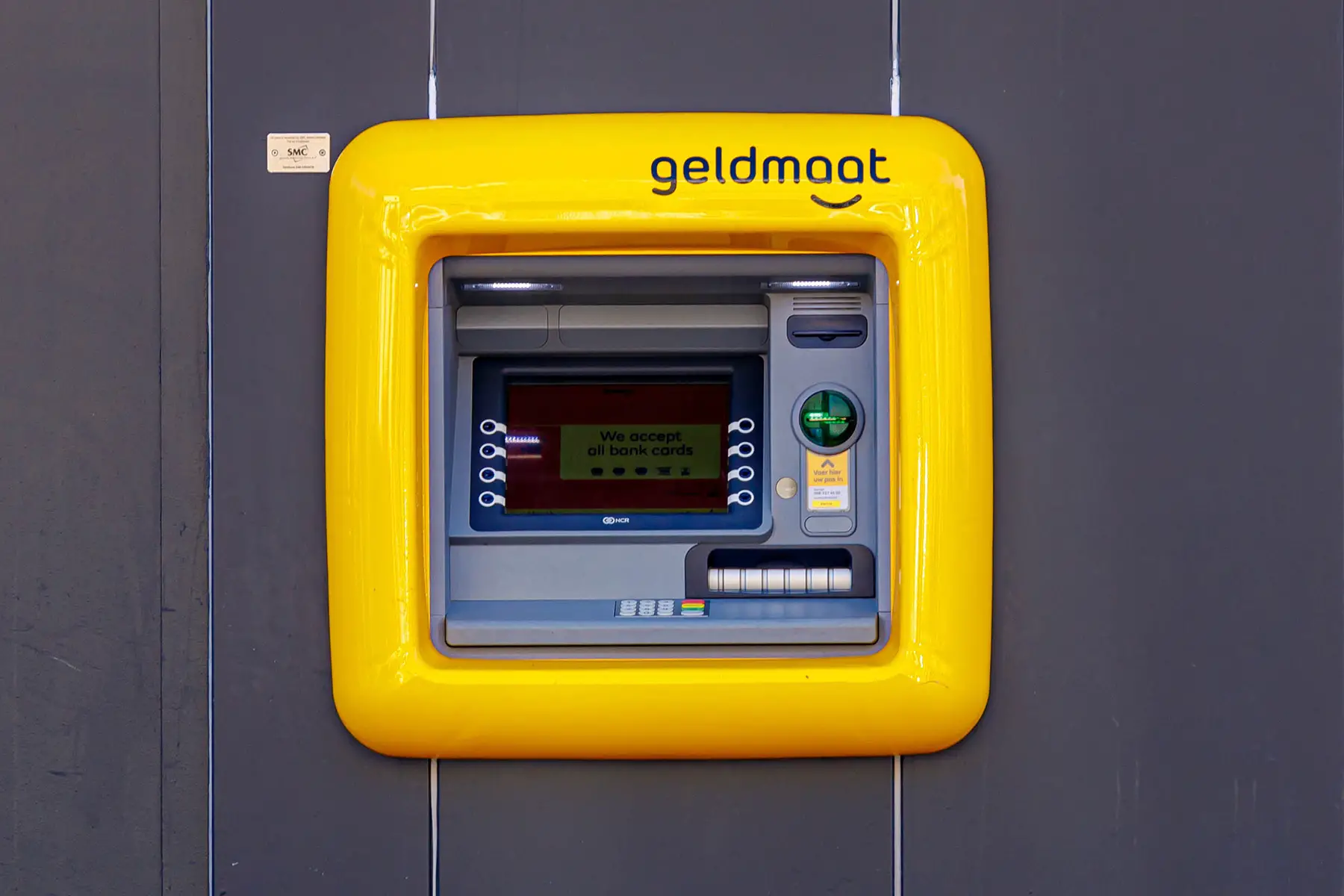
Can I open a Dutch bank account online before moving?
In most cases, opening a Dutch bank account before moving to the Netherlands is difficult. Most Dutch banks require you to be registered in the country and to have a BSN (burgerservicenummer), which you receive after registering with your municipality.
Some banks will let you start an application online, but final approval usually requires a Dutch address and BSN. Non-EEA applicants may also need a valid MVV and will typically be required to provide their BSN and registered Dutch address within a set period after opening the account.
If you need an account before arrival, international providers such as Wise or Revolut can usually be opened remotely and may offer a EUR IBAN for use once you move.
Can I open a bank account in the Netherlands without an address?
In most cases, you will need a Dutch address to open a standard bank account, as banks generally require proof of registration and a BSN (burgerservicenummer). Registration with your local municipality is usually necessary before a full current account can be approved.
Without a Dutch address, options are limited, and Dutch banks rarely open accounts without local registration. However international providers such as Wise or Revolut may allow you to open an account remotely using foreign identification and online identity verification. These can serve as a temporary solution until you register your address in the Netherlands and apply for a local bank account.
What is the best Dutch account for expats?
There is no single best Dutch account for every expat, as eligibility and features depend on residency status, documentation, and how you plan to use the account. Dutch banks usually require local registration and a Dutch address, which means many expats only open a bank account after arriving. Before that, or alongside a local bank, specialist providers and international accounts are often used to manage everyday finances and move money across borders. Once settled in the Netherlands, most people will need a betaalrekening, the standard Dutch current account used for receiving salary, paying rent and household bills and managing everyday spending.
- Wise Account: Multi-currency account for holding, sending, and spending money internationally, commonly used by expats before and after moving to the Netherlands
- Revolut Account: An app-based multi-currency account with 30+ currencies, debit cards and budgeting tools, suited to everyday spending and travel
- ING Current Account: Full-service Dutch betaalrekening for salary payments and daily banking for €3.55 a month. Includes English-language support and optional student accounts.
- ABN AMRO Current Account: Dutch current account with expat-focused services and English support. The Basic Payment Package has a fee of €4.30 per month and comes with a debit card.
- Rabobank Current Account (Rabo Basic Package): Cooperative Dutch bank offering a betaalrekening with a debit and credit card, purchase protection and mobile banking. Monthly fees are €5.45, with higher-tier packages available for frequent travellers.
Wise account

The Wise account is widely used by expats in the Netherlands who need to manage money in more than one country. Opening is fully online and possible before arrival, with no requirement for Dutch residency, which makes it useful during the move and while getting set up locally. Wise is not a bank, but a multi-currency account that works well on its own or alongside a Dutch bank account later. Accounts are free to open and come with no monthly maintenance fees.
With Wise, you can hold and exchange 40+ currencies, including euros, and receive money using local or SWIFT account details for selected currencies. International transfers are available to 140+ countries, with transparent fees shown upfront and currency conversion at the mid-market exchange rate. The Wise debit card works in 150+ countries, including the Netherlands, for everyday spending and ATM withdrawals, with automatic currency conversion when needed.

Revolut account
Revolut offers a digital account used by many expats in the Netherlands who want app-based money management and multi-currency features in one place. Account opening is online, but eligibility generally requires Dutch residency, which makes Revolut more suitable once you have arrived and registered locally. Personal customers can choose between a free Standard plan or paid plans with monthly fees up to around 60 EUR, depending on features and usage needs.
Accounts allow you to hold and exchange 30+ currencies and include a linked debit card for spending in the Netherlands and abroad. Currency exchange uses Revolut’s own rate, with plan-based limits on fee-free exchanges and additional charges that may apply once allowances are exceeded or when exchanging at weekends.
Customers who are residents of the Netherlands can also receive a Dutch IBAN for salary payments and direct debits, while other currencies are received using SWIFT details. English-language app support is available.
ING Current Account
ING is one of the largest banks in the Netherlands and a common choice for expats who want a full Dutch current account for salary payments, rent, bills and daily spending. Accounts can be opened through the ING app, including by applicants who are still abroad, with the option to start without a BSN and provide it within 90 days. European passport holders can usually complete onboarding immediately, while non-EEA applicants may need a valid MVV and must provide their BSN and Dutch address after registering locally. ING also offers dedicated information for expats and student accounts.
When opening a current account, you select one of ING’s Orange payment packages, with monthly fees starting from €3.55. The package determines features such as ATM withdrawal costs and additional services. The account supports Apple Pay and Google Pay and provides access to online and mobile banking in English. A free Orange savings account with a variable interest rate is automatically opened alongside the current account.
ABN AMRO Current Account
ABN AMRO is one of the Netherlands’ largest banks and positions itself as expat-friendly, with English-language support and dedicated expat advisers. You can open a Dutch current account in the ABN AMRO app, often without needing to visit a branch. Applicants must be at least 18 years old and have an official Dutch address. It is possible to start the process without a BSN, but you will need to provide it within 120 days after opening the account. Non-EU/EEA applicants are also required to upload proof of residence before the account can be fully activated.
The Basic Payment Package includes a current account, one debit card and access to online and mobile banking for €4.30 per month. The ABN AMRO app and internet banking are available in English, which can make everyday banking a little easier for expats settling in the Netherlands.
Rabobank Basic Package Current Account
Rabobank is one of the Netherlands’ largest cooperative banks and offers current accounts suitable for everyday banking. Expats can open an account through the Rabo App if they are at least 18 years old and have a Dutch address and valid identification. The Rabo Basic Package is the most accessible option, with no minimum income required to open the account. English-language information is available, and the Rabo App supports secure mobile banking and contactless payments.
The Rabo Basic Package costs €5.45 per month and includes a debit card and credit card with a monthly limit of up to €1,000, plus purchase protection and flight and baggage delay insurance. Payments in euros within the Netherlands are generally free, while transactions in a foreign currency include a fee. For customers who travel frequently or want higher credit limits, Rabobank also offers the Rabo Total Package at €6.95 per month, which includes additional travel-related benefits and extended purchase protection.
How to open a Dutch bank account as a non-resident?

Opening a Dutch bank account as a non-resident is possible, but the process depends on the type of provider you choose. Most Dutch banks require a Dutch address and a BSN (burgerservicenummer), which you receive after registering with your local municipality. In practice, this means many expats open a local current account only after arriving and completing registration.
International providers and multi-currency accounts may allow you to open an account online before moving, with fewer local requirements. Many expats use one of these accounts temporarily, then open a Dutch betaalrekening once they have registered their address and received their BSN.
Typical steps
- Choose between a Dutch bank or an international provider
- Check whether non-residents are eligible and whether online opening is possible
- Gather the required identity and residency documents
- Apply through the bank’s app, website, or in a branch if required
- Complete identity verification and wait for account approval
Required information and documents
Requirements vary by bank and account type, but the following are commonly requested.
- Passport: Valid photo identification to confirm your identity.
- Residence permit: Proof that you are legally allowed to live or work in the Netherlands, if applicable.
- BSN: Your Citizen Service Number, issued after registering with your local municipality. Some banks allow you to open an account without a BSN initially, but you must provide it within a set period, typically 90–120 days.
- Proof of address: Confirmation of your registered Dutch address.
- Proof of income or employment: Some banks may request an employment contract, payslips or other income documentation, particularly if you apply for a credit card or overdraft.
- Student confirmation: Required when applying for a student account.
If you are opening a business account, additional documents may include:
- Company name and legal structure
- Chamber of Commerce registration extract
- Proof of representation rights
Because requirements differ between providers, it’s worth checking the exact list with the bank or account provider before applying, especially if you are opening an account from abroad.
Do you need a local bank account in the Netherlands?
A Dutch bank account is not always legally required, but in practice it usually becomes necessary once you are living in the Netherlands. Many everyday payments are built around a Dutch current account, and relying only on a foreign or international account can lead to delays or additional paperwork.
Expats setting up their new life in the Netherlands will typically need a Dutch bank account to receive their salary, rent an apartment, set up utilities and health insurance, and manage tax payments. While SEPA transfers mean any EU IBAN can technically work, employers, landlords and service providers often expect a Dutch IBAN. Daily spending also tends to rely on debit card payments, commonly referred to as “pin” payments in Dutch supermarkets and shops.
International accounts can be helpful during the transition period, but once you are registered locally and fully settled, opening a Dutch account generally makes managing finances simpler and more practical.
How to move your money to the Netherlands
Moving money to the Netherlands can feel complicated if you are relocating internationally for the first time, but there are a few common ways to do it. The right option depends on how much you are moving, how often you need to transfer funds, and whether you want to keep money in more than one currency. Some people move funds in one large transfer, while others prefer a more flexible setup that lets them manage money across countries as they settle in.

Common ways to move your money
- Bank or wire transfer: Money can be sent directly from your existing bank to a Dutch bank account using an international wire or SEPA transfer. Banks such as ING support this once your account is open, but international transfers through banks can be slower and may involve higher fees or less favourable exchange rates.
- Money transfer with a specialist provider: Specialist providers such as Wise focus on international transfers, often with clearer pricing and faster delivery. This option is commonly used to move savings, pay initial living costs, or send money to the Netherlands before a local bank account is fully set up.
- Multi-currency account: Multi-currency accounts let you hold, convert, and spend money in different currencies from one place. Accounts from providers like Wise or Revolut allow you to keep funds in your home currency, convert to euros when needed, and spend or withdraw money in the Netherlands using a debit card. This approach can be helpful during the transition period, as it avoids repeated transfers while you are still managing finances across borders.
Useful resources
- Wise account: Multi-currency account features, pricing, supported countries, and exchange rate information
- Revolut personal pricing plans: Netherlands-specific plans, fees, and feature limits
- ING current account: Overview of betaalrekening packages, monthly fees, and opening requirements
- ABN AMRO Basic Payment Package: Account features, eligibility criteria, and pricing
- Rabobank Rabo Basic Package: Current account options, monthly costs, and card features
Related Articles



Editor's picks
 Human and civil rights in the NetherlandsFrom the right to protest to protection from discrimination, here's what you need to know about human rights in the Netherlands.
 Child benefits in the NetherlandsYou can claim different types of child benefits in the Netherlands, to help with the costs of child-rearing, schooling, and childcare.
 Primary schools in the NetherlandsConfused by the primary school system in the Netherlands? We explain how it works, from educational approaches to international options.
Did you find this guide helpful?