
'%20id='ico-down'%20stroke='%23000000'%20stroke-width='1.5'%3e%3cg%20transform='translate(1092.250000,%20254.750000)'%3e%3cpolyline%20id='Path-2-Copy-4'%20transform='translate(5.500000,%202.750000)%20scale(1,%20-1)%20rotate(-180.000000)%20translate(-5.500000,%20-2.750000)%20'%20points='0%200%205.5%205.5%2011%200'%3e%3c/polyline%3e%3c/g%3e%3c/g%3e%3c/g%3e%3c/svg%3e)


Finance
Insurance
Insurance in the Netherlands
Learn more about insurance in the Netherlands, including which are optional and which are legally required for Dutch residents.


With roughly a quarter of the Netherlands below sea level, it’s no wonder that the Dutch spend more on insurance than some of their neighbors. In 2022, insurance premiums in the Netherlands represented around 8.5% of the national GDP, down from 11% in the previous decade.
Much of this expenditure is mandatory. Similar to many other countries, the Netherlands requires you to have certain types of insurance, while others are optional.
Here’s what you need to know about the topic:
Lemonade
Think you know insurance? Think again. Lemonade brings insurance into the 21st century, letting you take out liability and contents coverage in minutes. On their easy-to-use English app, you’ll be able to buy and manage your cover from the comfort of your own phone. Protect your home and belongings instantly with Lemonade.

Overview of insurance in the Netherlands
Dutch financial institutions, such as banks and insurance companies, are regulated by the Financial Supervision Act (Wet op het financieel toezicht – Wft). The Dutch Authority for Financial Markets (Autoriteit Financiële Markten – AFM) and the Dutch Central Bank (De Nederlandsche Bank – DNB) act as supervisors of this law.

The Netherlands has three types of insurance providers:
- Life insurers (levensverzekeraars)
- Damage and health insurers (schade- en zorgverzekeraars)
- Reinsurers (herverzekeraars)
Companies must register with the DNB to operate in the Dutch insurance market. In 2023, the Netherlands counted 132 insurance companies, over 95% of which were affiliated with the Association of Insurers (Verbond van Verzekeraars).
Which insurance is legally required in the Netherlands?
Health insurance
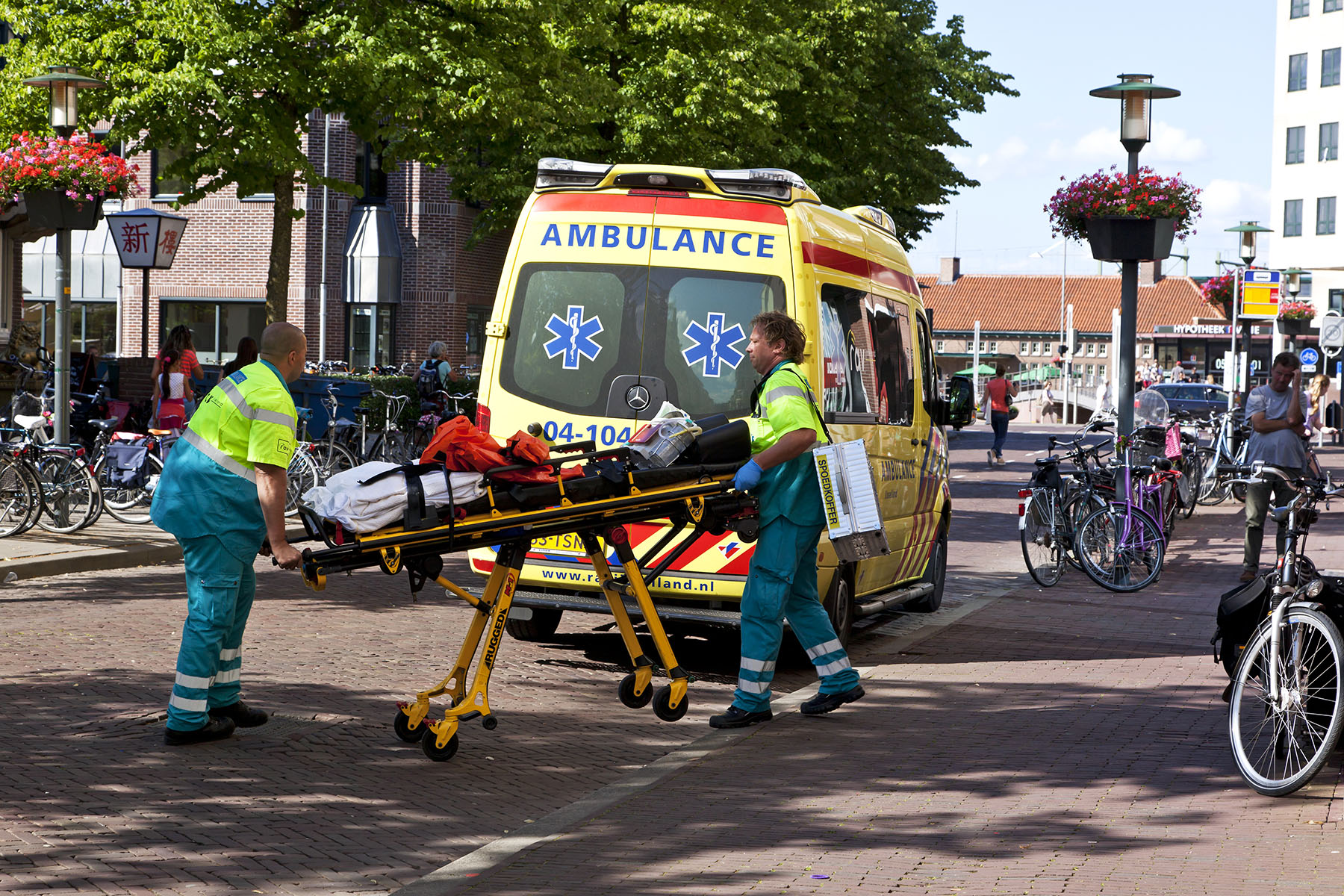
All adults over 18 – including expats with a residence permit – must take out basic health insurance (ziektekostenverzekering). This covers the cost of primary medical care, such as doctor visits and hospital stays. Minor children under the age of 18 are insured by the policy of their parent or guardian.
If you are staying in the Netherlands for less than three months, you are not required to sign up for Dutch health insurance. Similarly, international students can continue using their international health insurance for the duration of their study program. Only if they are employed during their studies – even on a zero-hour contract – do they need to take out medical insurance.
In 2024, the Netherlands had 20 Dutch and several international health insurance providers. The last option is a great alternative for expats who move around frequently, as these policies often cover multiple countries.
Top-rated health insurers include:
Read our article on health insurance in the Netherlands to learn more about the topic, including costs and coverage.
Home insurance
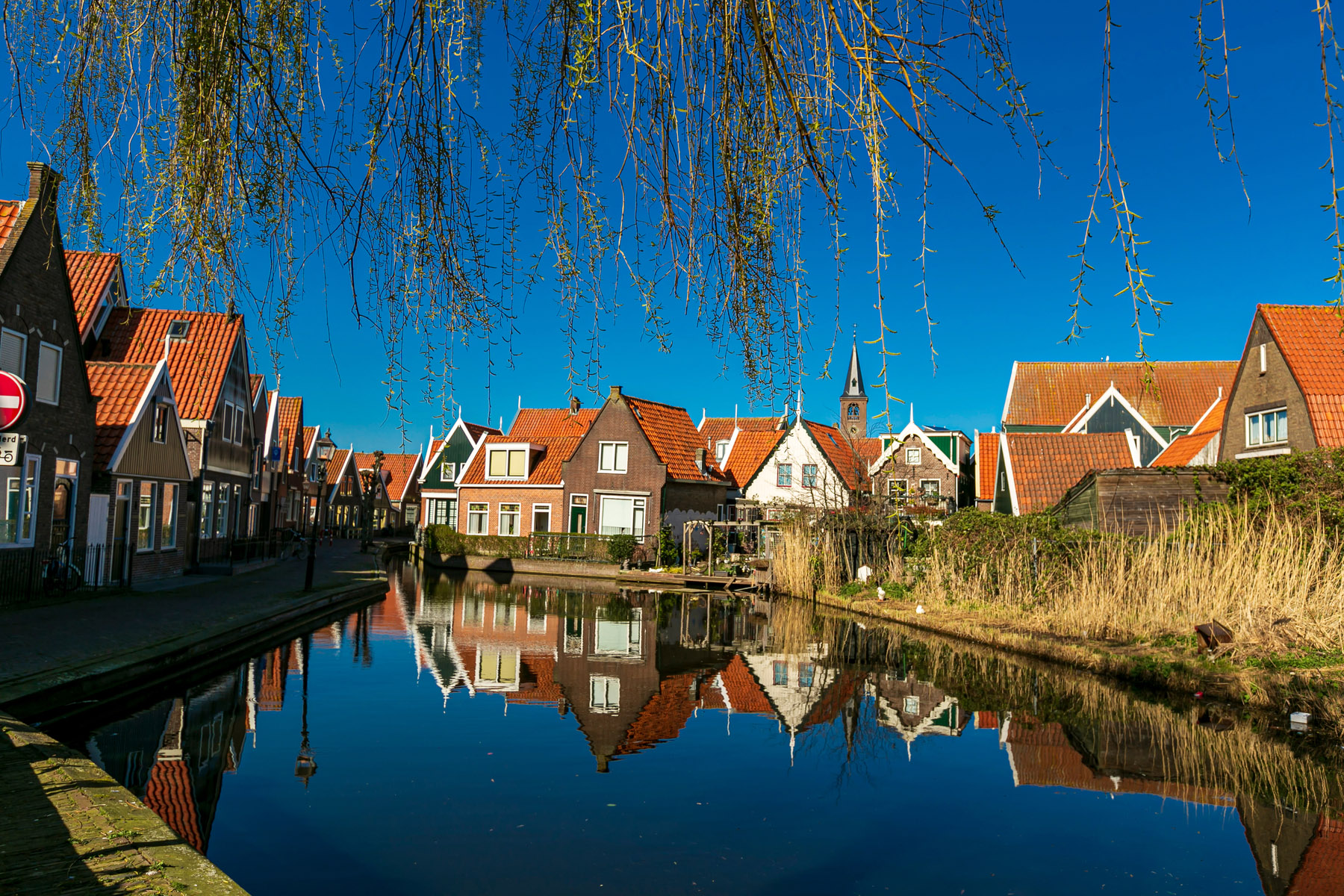
While you are not legally required, Dutch banks require you to take out home or building insurance (opstalverzekering) when you buy a home with a mortgage. A standard home insurance policy covers fire, storm, flood, burglary, and theft.

If you rent your home, your landlord may require you to take out:
- Liability insurance (aansprakelijkheidsverzekering) – covers the damage you cause to others’ property
- Home contents insurance (inboedelverzekering) – insures your belongings inside your home, such as furniture and electronics
Top home insurance companies in the Netherlands include:
Discover more about the different types of home insurance and what they cover in our article on home insurance in the Netherlands.
Motor vehicle (car) insurance
Univé
Stay safe in the Netherlands with Univé. This Dutch insurer offers a range of personal and corporate cover. Customers can explore their options for car, home, bicycle, travel, and more. Univé’s advisers can help you find the coverage you need. Calculate your quote online today with Univé.
Dutch residents with a car, motor, or scooter must take out (at least) third-party liability motor vehicle or car insurance (autoverzekering or WA-verzekering). This covers damage or injury to others caused by your vehicle. Drivers may also choose to get additional insurance to cover collisions with animals, storm damage, theft, vandalism, or ANWB roadside assistance.
In the Netherlands, motor vehicle insurance covers the vehicle rather than the driver. As such, if you lend out your car to a friend and they cause an accident, you remain legally responsible for any damage.

The Netherlands has many reputable Dutch car insurers, including:
Our article on car insurance in the Netherlands contains more information, including on policies and making claims.

Which forms of insurance are optional?
The Netherlands offers many other forms of insurance that can help you avoid financial disasters and attain that extra piece of mind. For example, you may choose to take out the following optional insurances:
- Accident insurance (ongevallenverzekering) – provides financial assistance when you have an accident resulting in a disability or death
- Bicycle insurance (fietsverzekering) – if you have an expensive bike or e-bike, this policy will cover it against theft and damage
- Funeral insurance (uitvaartverzekering) – pays for your funeral costs in the event of your death
- Grave or memorial insurance (grafmonumentenverzekering) – covers damage, theft, and vandalism of graves, headstones, and urns
- High-value contents insurance (kostbaarhedenverzekering) – covers damage or loss of valuable items, such as expensive jewelry
- Legal insurance (rechtbijstandverzekering) – covers your expenses in the event of a lawsuit or a legal dispute
- Life insurance (levensverzekering) – provides financial security for family members in the event of your death
- Mortgage insurance (woonlastenverzekering) – covers housing costs in the event of disability and/or unemployment
- Pet insurance (dierenverzekering) – pays for unforeseen medical expenses of your pets. Most companies cover only cats and dogs, however, some policies also include birds and reptiles.
- Travel and/or cancellation insurance (reis en/of annuleringsverzekering) – covers you and your belongings while traveling abroad. Depending on your policy, it might also cover any medical expenses and repatriation.
Commercial insurance in the Netherlands
Owning a business comes with added risk. There are numerous additional forms of insurance to protect your company against financial loss involving lawsuits, on-site injuries, and property damage.

While these are not mandatory, it’s recommended business owners and self-employed persons look into:
- Absence insurance (verzuimverzekering)
- Building insurance (gebouwenverzekering)
- Business damages insurance (bedrijfsschadeverzekering)
- Business liability insurance (bedrijfsaansprakelijkheidsverzekering)
- Business stagnation insurance (bedrijfsstagnatieverzekering)
- Disability insurance (arbeidsongeschiktheidsverzekering)
- Events insurance (evenementenverzekering)
- Inventory insurance (inventarisverzekering or goederenverzekering)
- Professional liability insurance (beroepsaansprakelijkheidsverzekering)
- Stock insurance (voorraadverzekering)
- Transport insurance (transportverzekering)
Learn more about corporate insurance for businesses in our article on running a business in the Netherlands.

How to choose an insurance company in the Netherlands
When comparing insurers, you shouldn’t just go with the company that offers the lowest price. As part of your research, you should consider the following:
- Inclusions and exclusions – a policy might seem reasonable at face value, be sure to look carefully at the terms and conditions for notable exclusions. These could present a problem if you need to submit a claim.
- Check the deductible – when you make a claim on your insurance, you may need to pay a deductible to the insurer. This is a pre-agreed sum stated in your insurance policy. Choosing a policy with a higher deductible may reduce your premium but will ultimately cost you more.
- How the insurance company rates claims – some insurers deal with claims more quickly and efficiently than others. If the application process is particularly difficult or time-consuming, this could be a red flag that the claims process will be similarly frustrating. You should research online reviews from previous customers and (if available) check out independent rankings.
- English-speaking services – although most people in the Netherlands speak English, most Dutch insurers will provide their documentation in the Dutch language. When you sign up for a policy, make sure all documents are accompanied by an English translation.

To help you make an educated choice, you can compare potential insurers on comparison websites, such as:
How to complain about an insurer in the Netherlands
If you are dissatisfied with your insurance provider, you should first try to contact them and reach an agreement. After failing to solve the issue, you can file a complaint with the Financial Services Complaints Institute (Klachteninstituut Financiële Dienstverlening – Kifid). This is an independent organization that will try to mediate your complaint for (mostly) free.
If they find your case requires disciplinary action, they will refer your insurance company to the Insurers Disciplinary Board (Tuchtraad Verzekeraars). The board will investigate the matter and, if found guilty, impose sanctions. However, you will not likely receive compensation.
You can also choose to sue your insurer. However, this costs money, and you will no longer be able to access Kifid’s free mediation.
Useful resources
- DNB register – public register of insurance companies in the Netherlands
- Financial Services Complaints Institute – independent mediator for insurance complaints
- Association of Insurers – organization that represents almost all Dutch insurers
Related Articles



Editor's picks
 Secondary schools in the NetherlandsWe explain the complex secondary school system in the Netherlands, including the three public streams and various international options.
 Where to live in the Netherlands: the best cities for expatsAlthough Amsterdam is typically the number one hub for expats, there are plenty of other cities in the Netherlands worth your while.
 Human and civil rights in the NetherlandsFrom the right to protest to protection from discrimination, here's what you need to know about human rights in the Netherlands.
Did you find this guide helpful?