
'%20id='ico-down'%20stroke='%23000000'%20stroke-width='1.5'%3e%3cg%20transform='translate(1092.250000,%20254.750000)'%3e%3cpolyline%20id='Path-2-Copy-4'%20transform='translate(5.500000,%202.750000)%20scale(1,%20-1)%20rotate(-180.000000)%20translate(-5.500000,%20-2.750000)%20'%20points='0%200%205.5%205.5%2011%200'%3e%3c/polyline%3e%3c/g%3e%3c/g%3e%3c/g%3e%3c/svg%3e)


Finance
Insurance
Car insurance in the Netherlands
Planning to get behind the wheel in the Netherlands? Make sure you’re covered with our complete guide to car insurance in the Netherlands.


If you’re thinking about driving in the Netherlands, it’s essential you stay on the right side of the law. Car insurance in the Netherlands is mandatory for all drivers and is as important as arranging a Dutch driving license.
This guide covers everything you need to know about car insurance in the Netherlands, including types of coverage, costs, and application processes. As you prepare for your move, remember that managing finances across borders can be challenging – services like Wise can help you transfer money to the Netherlands with the mid-market exchange rate, making it easier to set up your new life including paying for essentials like car insurance.
It includes information on the following topics:
Univé
Keep your car safe in the Netherlands with Univé. This Dutch insurer provides coverage for any car and budget, whether you’re looking for a basic mandatory policy or something more comprehensive. With 24/7 emergency assistance and replacement transport, help is always at hand. Visit Univé online today to calculate your quote.

An overview of Dutch car insurance
In the Netherlands, insurance policies cover the car rather than the driver. Consequently, anyone with a valid driving license can legally drive your car. However, the person whose name is on the insurance remains legally responsible for any damage. By law, you must have at least third-party car insurance in the Netherlands. This covers you against any damage or injury to others caused by your vehicle.
To take our car insurance in the Netherlands, you will need to:
- be a Dutch resident
- have a Dutch car, or an imported foreign car with a registered Dutch license plate
- have a valid driving license
Because the vehicle rather than the driver is insured, it is only possible to insure one car on your insurance policy. However, many companies offer discounted insurance rates for policies taken out on additional vehicles.
Car insurance is the biggest insurance market in the Netherlands outside of health insurance and life insurance. In 2019 alone, there were around 9.5 million claims related to vehicle accidents in the Netherlands. Because of this, you have plenty of choices when it comes to taking out a car insurance policy. Car insurance companies in the Netherlands include:
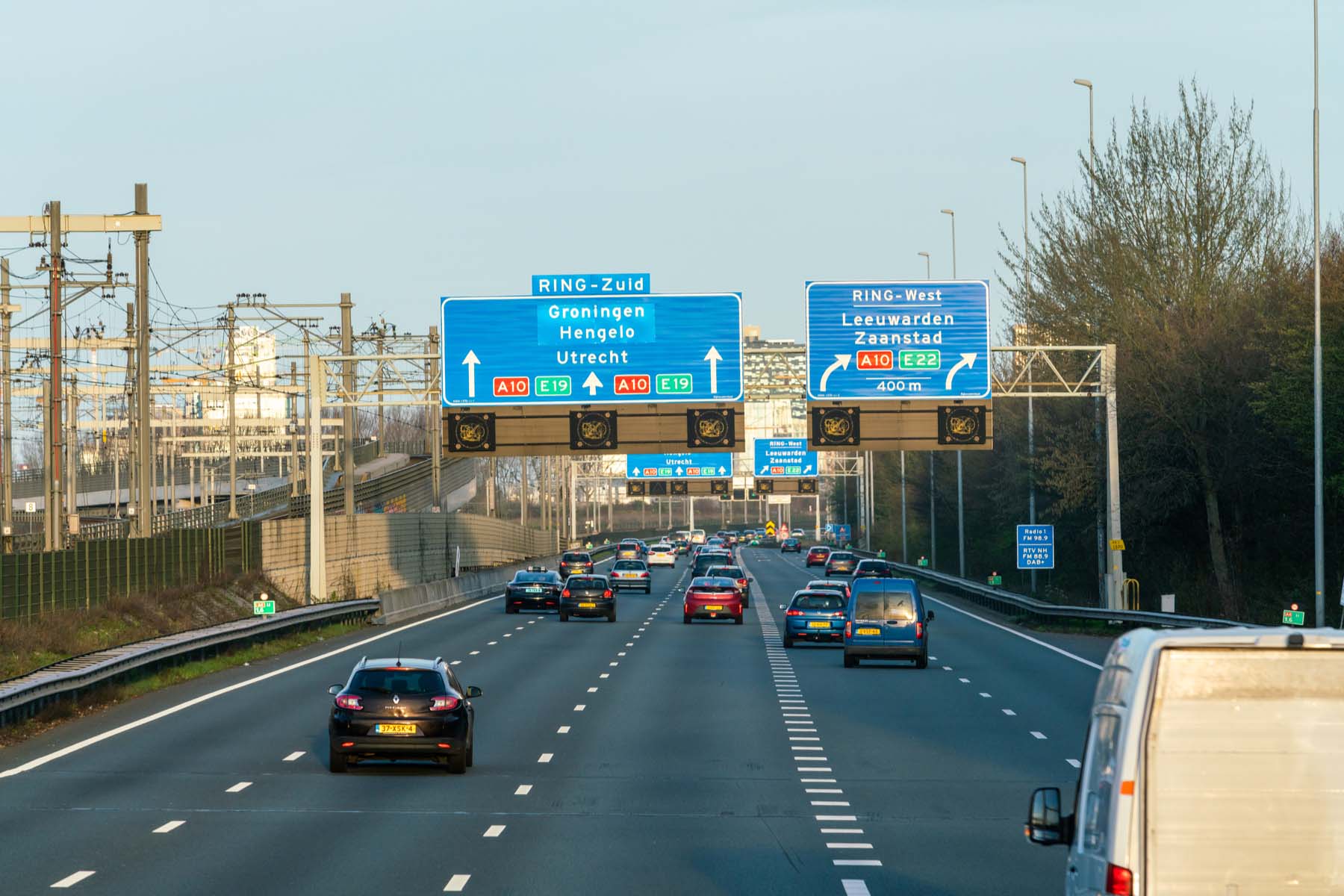
Car insurance companies in the Netherlands are regulated by the Dutch Central Bank (De Nederlandsche Bank – DNB) and the Netherlands Authority for Financial Markets (Autoreteit Financiele Markten – AFM). The Netherlands Vehicle Authority (RDW) is responsible for checking that all vehicles in the country are properly insured.
Read more in these guides to insurance in the Netherlands, driving in the Netherlands, Dutch driver’s licenses, and buying a car in the Netherlands.
Can you use car insurance from another country in the Netherlands?
If you move to the Netherlands from another EU country, you can use an existing valid insurance policy. However, this is only if coverage provided is equivalent to Dutch insurance coverage and your foreign insurer allows it.
Citizens from non-EU countries moving to the Netherlands usually have to take out a new Dutch car insurance policy straightaway.
When managing insurance policies across different countries, be mindful of currency conversion costs. Traditional banks often add hidden markups to exchange rates when transferring money internationally. Using Wise can help you avoid these hidden fees by offering the mid-market exchange rate when transferring money to pay for your Dutch insurance premiums.
Types of car insurance in the Netherlands
There are three main types of car insurance in the Netherlands. These are categorized as follows.
Third-party liability (WA-verzekering)
This is the mandatory minimum level of vehicle insurance in the Netherlands. This covers the damage caused by your car to other parties, including damage to vehicles, damage to property, and injuries to others. It provides coverage if you have an accident where you were at fault.
Third-party liability insurance is a sensible option if you drive an older or inexpensive vehicle, or if you don’t drive very often.
Extended liability (WA-beperkt casco)
Also known as WA-plus, this is the equivalent of policies sometimes called ‘third party, fire & theft’. In addition to covering third parties for damage caused by your car, it also covers damage to your own vehicle in certain circumstances beyond your control. These include:
- theft
- vandalism
- fire
- storm damage
- collisions with animals
All-risk (allriskverzekering)
Also known as comprehensive insurance, this covers all damage to your own vehicle and damage inflicted on third parties. There are some exceptions, usually concerning intentional damage. Check your insurance policy for exclusions before signing.
All-risk insurance is a good option if you have a new or expensive car, where the cost of replacing the car yourself in the event of an incident would be too great.
Car insurance costs
Car insurance costs in the Netherlands, similar to those in other European countries, will be based on a number of factors. You will be able to get cheaper car insurance if you are considered a lower-risk driver.
Factors taken into account on Dutch car insurance premiums include:
- driving history and experience
- age and health of vehicle owner
- vehicle value
- vehicle weight
You can also lower your car insurance by increasing your excess or deductible. This is the amount that you have to pay towards any claim you make. All insurers will have a compulsory excess but you can choose to increase this in order to reduce your monthly or annual premium.
Additional forms of car insurance in the Netherlands
You can opt for additional coverage when choosing car insurance in the Netherlands. Most companies offer a range of tailored policies. Common extra forms of car insurance include:
- Breakdown insurance – can cover the costs of getting your car repaired and towed away in the event of a breakdown, as well as replacement transport costs.
- No-claim protection – called no-claimbescherming, this will insure against the first incident in any policy year that might affect your no-claims bonus.
- Equipment and luggage insurance – covers damage to luggage and clothes belonging to you or other occupants in your vehicle.
- Personal accident insurance – called ongevallen inzittendenverzekering, covers medical costs and provides compensation in the event of disability or death.
- Legal expenses insurance – called rechtbijstandberzekering, covers all fees in the event of legal proceedings related to an incident.
Car insurance bonuses and penalties in the Netherlands
Similar to many other places, the Netherlands uses the no-claims bonus system. This is where you can reduce your car insurance premiums according to how many years you have gone without making an insurance claim.
Each claim-free year entitles you to a further discount. Car insurance companies in the Netherlands will each have their own no-claims scheme, but it is possible to save as much as 80% on annual insurance costs for lengthy periods without making a claim (e.g., 10-15 years).
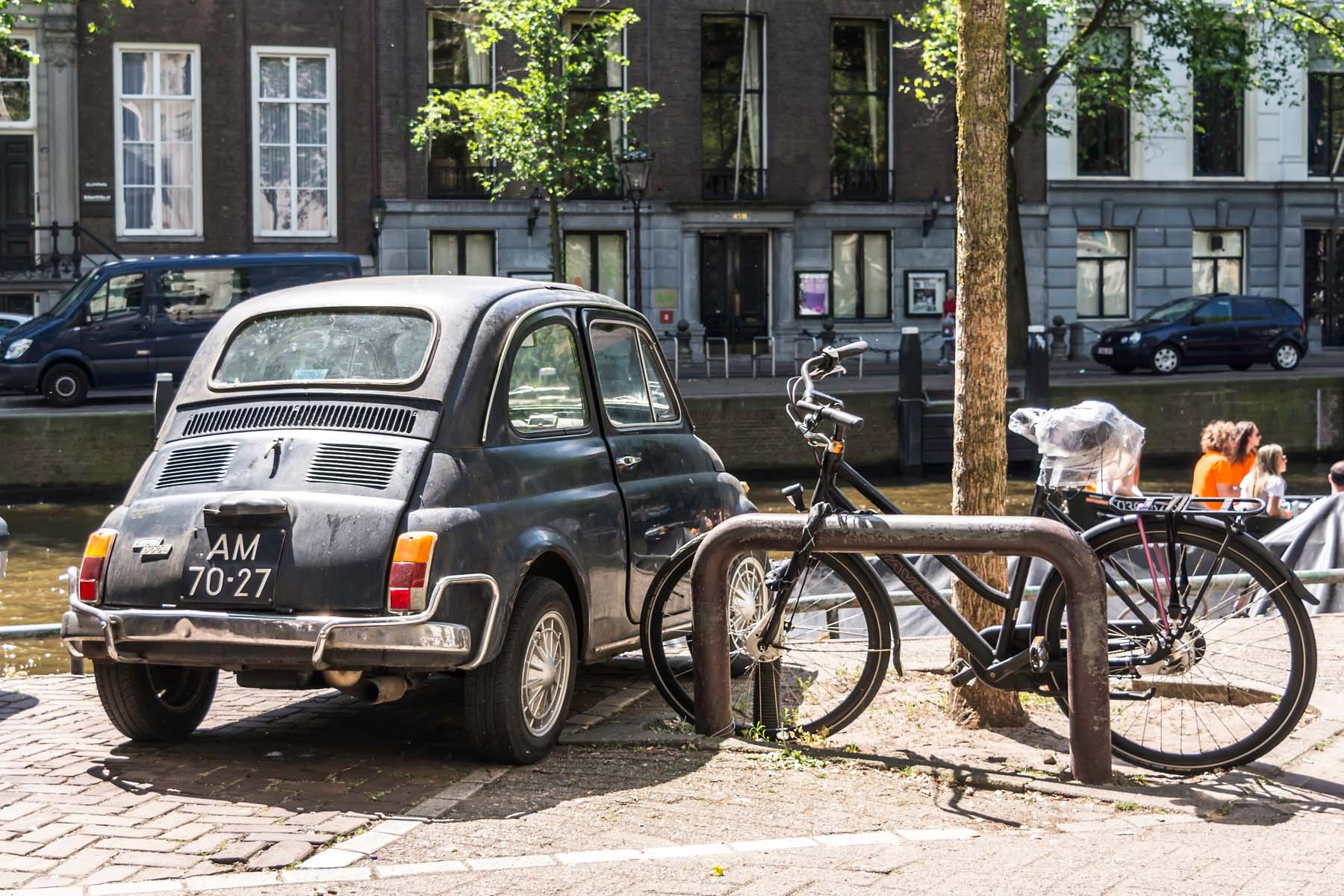
Dutch insurance companies allow you to carry over claim-free years from another company if you switch policy. It is even possible with many companies to use your partner’s claim-free years if you are insuring a car that will be used by a couple.
However, insurers are not obliged to recognize no-claims from other countries but they can do this at their own discretion.
While insurers offer discounts for no-claims periods, they will also apply penalties to drivers with a poor driving record. Your premiums will rise if you:
- have been involved in any incidents that were your fault
- have been penalized for any misdemeanors such as speeding or drink-driving
- are a young or inexperienced driver
Car insurance companies in the Netherlands
Once you’ve decided which kind of car insurance you need, you’ll need to choose your preferred provider. Thankfully, the Netherlands has plenty of car insurance companies, and some of the biggest Dutch insurers include:
You can compare Dutch car insurance policies quickly and efficiently using comparison websites like Independer, and United Consumers. Search our business directory for the Netherlands for more information on individual insurance companies and comparison websites.
Choosing car insurance in the Netherlands
When choosing car insurance in the Netherlands, it’s a good idea to shop around for the best deal. Beyond annual premium costs, things you might want to consider include:
- No-claims bonus – what discounts are offered and can you boost these by using no-claims from elsewhere (e.g., previous policies or from a partner)?
- Policy coverage – what is included and are there any exclusions? What add-ons are available? This is particularly important if choosing third party liability only.
- Excess/deductible options – what is the mandatory excess and what are the options for increasing it voluntarily?
- Company reputation – look at reviews and ratings to see what kind of feedback has been given by consumers.
- Claims process – how straightforward is it and how quickly will you get reimbursed when making a claim?
- Roadside assistance – does the company offer a good breakdown assistance policy?
Applying for car insurance in the Netherlands
Each Dutch insurance company will have its own applications process. Most companies now offer online applications via their websites, meaning that you can set up your insurance policy quickly without having to make a phone call or visit an outlet.
In general, you will typically need to provide:
- Vehicle license plate number
- Address of policyholder
- Proof of residence (i.e., residence permit or BSN)
- Dutch bank account details
- Customs paperwork if you imported your car

Within a couple of days, you should receive:
- your car insurance policy
- EU accident statement form, to use in the event of an accident
- car insurance green card, which you will need to have if you drive the car anywhere outside of the EU
Making a car insurance claim in the Netherlands
If you need to make a car insurance claim in the Netherlands, you should do the following:
- fill in your car insurance claim report form (available from your insurer).
- file your insurance claim with your provider – usually by contacting the claim center or submitting your insurance claim online.
- complete your EU accident statement form, if your insurance claim is related to a road accident or incident. You should send this to your insurer to support your claim.
- contact the police, in the event of an accident. The police will produce a separate incident report.
- get contact details of other parties involved.
- if possible, take photos and contact details of witnesses to the incident.
Make sure that you provide your insurance policy number on all documents sent to your insurer.
In the Netherlands, there is no general deadline for making an insurance claim. However, you should always file a claim as soon as possible in order to increase the chances of the claim being successful.
Canceling a contract or changing provider
It’s usually quite easy to cancel a Dutch insurance policy. Many companies allow you to cancel online, although you will usually need to complete an online form and give reasons for cancellation. Companies will often try to dissuade you from canceling your policy.
However, you should check the cancellations policy with your provider for details of any notice periods that you need to give.
You are free to change providers at any time if you find a better deal elsewhere, so it pays to shop around when your policy is up for renewal. You can usually carry over any no-claims bonuses if switching from another Dutch company. Some providers may also allow you to transfer no-claims periods from insurers abroad.
Making a complaint about a Dutch car insurance company
If you want to make a complaint about a Dutch car insurance company, you should follow these steps:
- Step one – file a complaint with the insurance company. They might be willing to resolve it without you taking it further.
- Step two – if you are not happy with the outcome of step one, you can escalate the complaint to the Dutch Financial Services Ombudsman (Klachteninstituut Financiële Dienstverlening – Kifid). Kifid consists of an Ombudsman and a Disputes Committee. If you’re not happy with the Ombudsman’s verdict, you can ask the Disputes Committee to look into it, but this will cost you €50.
- Step three – if you are still not satisfied, you can take the matter to court. However, this is likely to cost you so you should be confident that you have a strong case before embarking on this.
You can read more information on complaints and appeals on the AFM website.
Roadside assistance in the Netherlands
Car insurance companies in the Netherlands, such as Allianz Global Assistance, may offer roadside assistance insurance. You can also join a membership club such as the Royal Dutch Touring Club (Algemene Nederlandse Wielrijdersbond – ANWB). This is the most well-known association in the Netherlands providing roadside assistance as well as a range of other services.
Another newer organization is Route Mobiel. Both the ANWB and Route Mobiel offer breakdown assistance that covers the costs of emergency repair, replacement vehicle, and repatriation if necessary. Coverage is available for the Netherlands or can extend throughout the EU.
Costs depend on the extent of coverage chosen. Current ANWB packages range from €5.40–11.60 a month for Dutch coverage and €7.90–18.35 a month for EU coverage.
Useful resources
- Netherlands Vehicle Authority (RDW) – ensures vehicle safety and compliance with insurance regulations in the Netherlands
- Dutch Central Bank (De Nederlandsche Bank – DNB) – Dutch insurance regulator
- Netherlands Authority for Financial Markets (Autoreteit Financiele Markten – AFM) – also regulates the Dutch insurance sector
- Royal Dutch Touring Club (Algemene Nederlandse Wielrijdersbond – ANWB) – main provider of roadside assistance in the Netherlands
- Autoverzekering – car insurance comparison website
Related Articles


Editor's picks
 Child benefits in the NetherlandsYou can claim different types of child benefits in the Netherlands, to help with the costs of child-rearing, schooling, and childcare.
 Human and civil rights in the NetherlandsFrom the right to protest to protection from discrimination, here's what you need to know about human rights in the Netherlands.
 Where to live in the Netherlands: the best cities for expatsAlthough Amsterdam is typically the number one hub for expats, there are plenty of other cities in the Netherlands worth your while.
Did you find this guide helpful?