
'%20id='ico-down'%20stroke='%23000000'%20stroke-width='1.5'%3e%3cg%20transform='translate(1092.250000,%20254.750000)'%3e%3cpolyline%20id='Path-2-Copy-4'%20transform='translate(5.500000,%202.750000)%20scale(1,%20-1)%20rotate(-180.000000)%20translate(-5.500000,%20-2.750000)%20'%20points='0%200%205.5%205.5%2011%200'%3e%3c/polyline%3e%3c/g%3e%3c/g%3e%3c/g%3e%3c/svg%3e)


Healthcare
Healthcare Basics
Emergency services in the Netherlands: numbers and helplines
Having some problems in the Netherlands? This list of Dutch emergency numbers and helplines will get you out of any sticky situation.

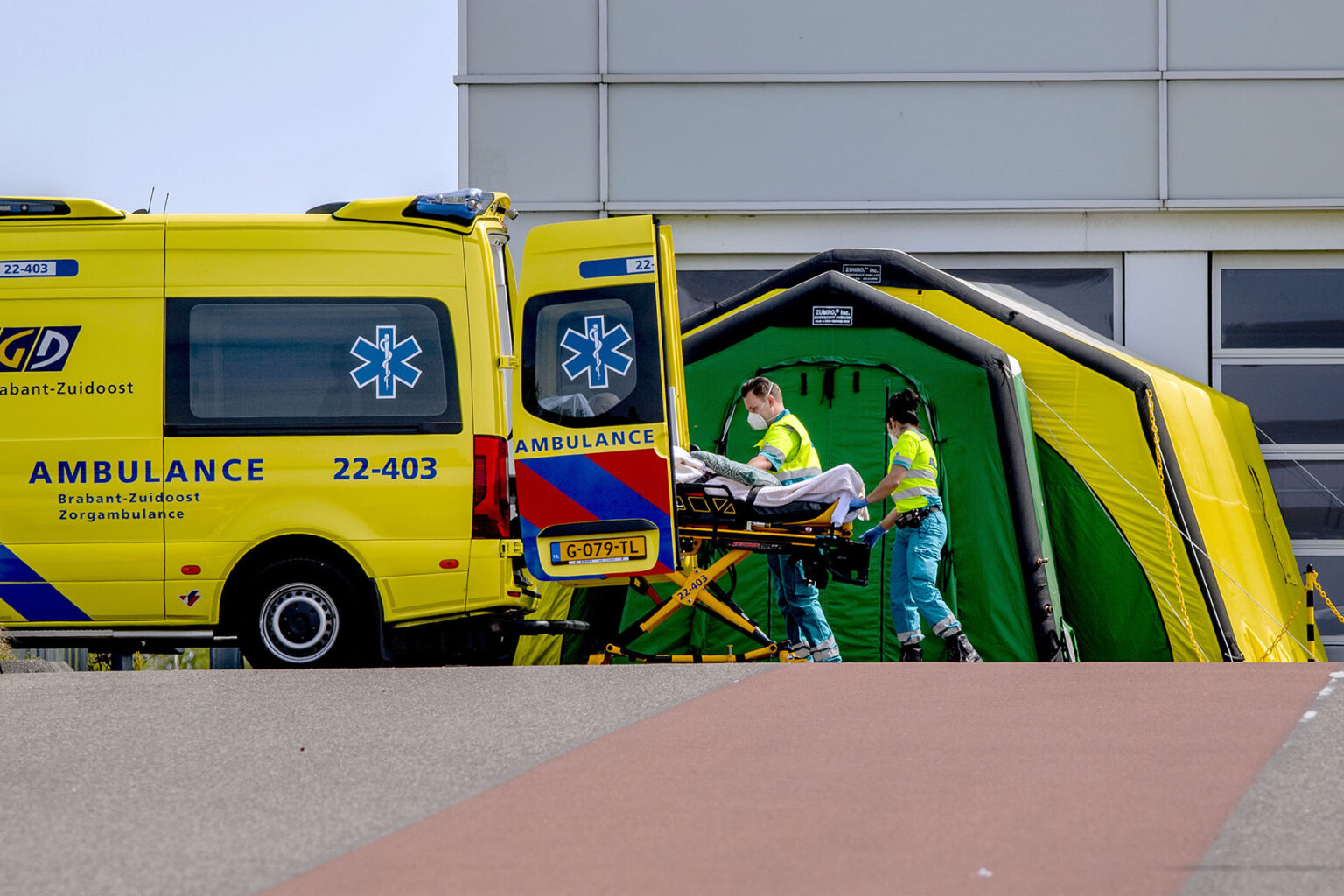
The Netherlands is generally a safe country. It has a low crime rate, and violent crime is extremely rare. Still, if you need the police, fire department, or medical care, the emergency services are there when you need them.
| Emergency service | Number |
| General emergency line | 112 |
| Ambulance | 112 |
| Fire brigade | 112 |
| Police | 112 |
| Coast guard | 0900-0111 |
| Missing Child Line | 116-000 |
| Suicide crisis line | 113 |
Besides the above, the Netherlands has a number of other emergency helplines you may not be familiar with:
ANWB
Make sure you’re protected when driving in the Netherlands and further afield. ANWB provide roadside breakdown for their members domestically and internationally, alongside vehicle insurance products. Get your journey covered with ANWB.

Main emergency number in the Netherlands
If you or someone else is in immediate danger, you can call 112 from any landline or mobile phone in the Netherlands. Calling 999 or 991 does not work; instead, call 112. The operator will send you the required service. If you are deaf or hearing impaired, you can send them an sms or contact them via the 112NL app.
You should only use the Dutch emergency number in genuine crises, such as a fire or a serious threat to your health. Using these lines for non-urgent issues causes delays for callers who require immediate help.
Local expert
Laura van der Most
Insider tip: Air sirens
Don’t be alarmed when you hear a siren at noon on every first Monday of the month. The Dutch sirens are tested nationwide with two pitch ladders, with five seconds of silence in between.
In some cases, they’ll also test the NL Alert system by sending you an emergency message to your (mobile) phone.
The Ministry of Justice and Security (Ministerie van Justitie en Veiligheid – MvJV) is responsible for most rescue and emergency response services in the Netherlands. It also oversees the National Coordinator for Counterterrorism and Security (Nationaal Coördinator Terrorismebestreiding en Veiligheid – NCTV), which is tasked with preventing disasters and crises.
Dutch ambulance and rescue services
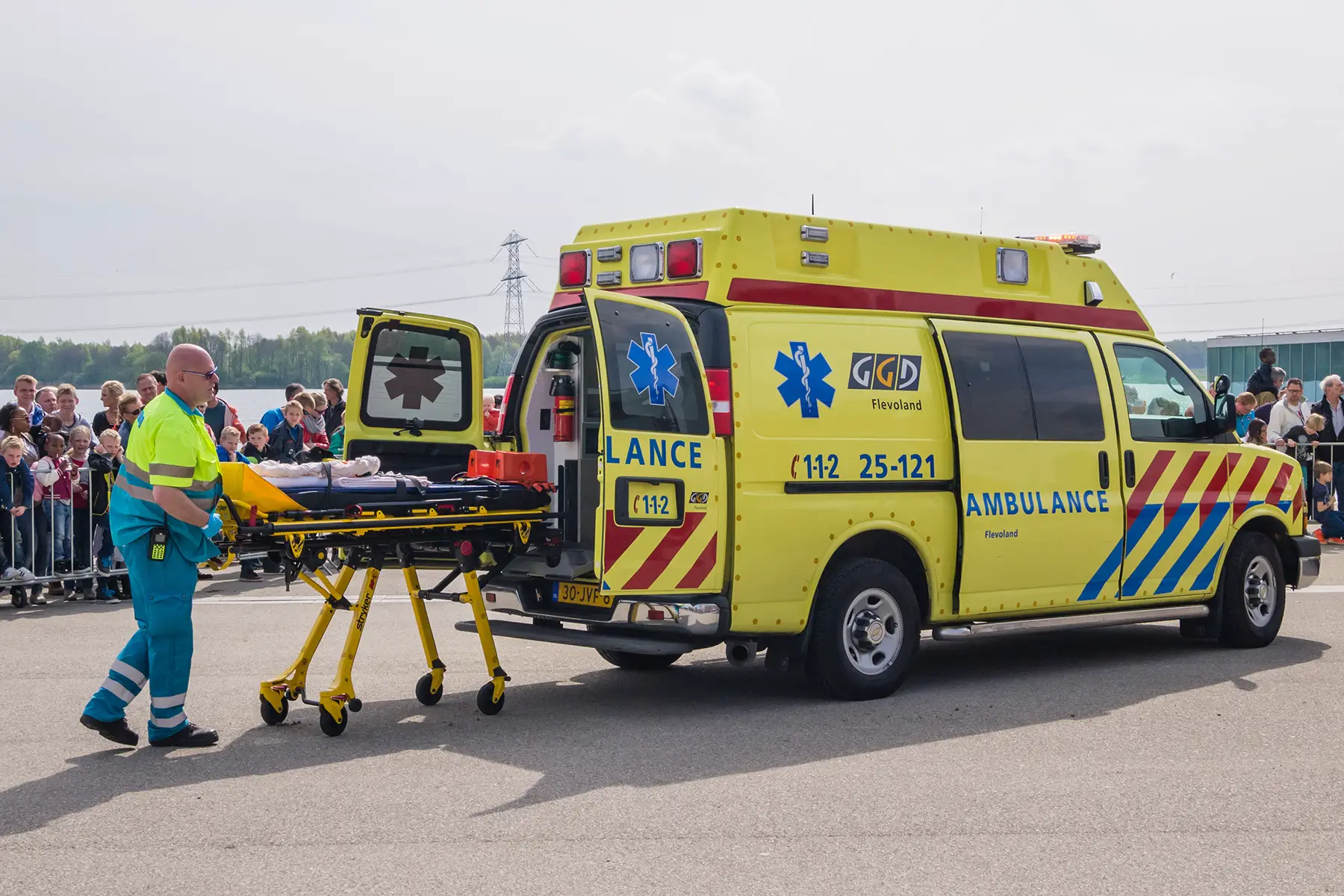
In a medical emergency, call 112 for an ambulance. Regardless of your insurance status in the Netherlands, you can access emergency healthcare for free. This excludes ambulance rides; these cost €700–1,000, depending on the distance and care provided (2025).
For general healthcare advice, you can also call your family doctor (huisarts), the out-of-hours GP service (huisartsenpost), or the Central Doctors’ Services (Centrale Doktersdienst) at 0900 1515.
The national response time standard requires that ambulances respond to emergencies within 15 minutes. In larger cities, this usually means they’re there within a few minutes. In rural areas, however, it can take a bit longer; in 2023, 9.3% of urgent response services took more than 15 minutes to arrive.
The following are some other useful numbers to jot down:
- Missing Child Line: 116-000
- National Poison Information Center: 088 755 8000
- Cancer information helpline: 0800 022 66 22
- AIDS STI Information Line: 0900 2042040
- Red Cross: 070 4455 678
- Coast guard (calling from land): 0900-0111
- Coast guard (not on land): VHF Channel 16 or VHF/DSC Channel 70 (use the user name “Den Helder Rescue”)
- Veterans Support Line: 088 334 00 00
How to reach the firefighters in the Netherlands
The Dutch fire service (brandweer) helps with fire emergencies, altitude rescue, water accidents, and incident response to hazardous substances (e.g., gas leaks). You can contact them at 112. In non-emergency situations, you can call 0900 0904.
Emergency number for the police in the Netherlands
For urgent police assistance, call 112. If the situation is less urgent (e.g., complaints, wellness checks, or when you are lost), you can also contact their non-emergency number, 0900 8844.
The police force (politie) in the Netherlands has three levels: local, regional, and national. Depending on the nature of the crime, the investigation is led by either of these units. If you have a tip about a crime, you can reach out to the Wanted Hotline (0800-6070) or the National Criminal Intelligence Unit (NCIE – 079 34 58 999). You can also report crime tips anonymously by contacting the Meld Misdaad Anoniem tip line at 0800-7000.

Who to call in a water or dike emergency
Around 26% of the Netherlands – and 75% of the Big Four (Amsterdam, The Hague, Rotterdam, and Utrecht) – lies below sea level. So, if you see a dike that’s damaged, you should contact the water board (waterschap) in your area. In the event of a dike breach, call 112.

Visit the government website for more information about what to do when there’s an impending flood.
Helplines for discrimination and gender-based violence
The Netherlands has a number of emergency support lines for victims of violence. For example, you can call the national Victim Support Line at 0900-0101 or 088 746 00 00. Alternatively, you can reach out to:
- Report discrimination: 0800-0880
- Report online discrimination: 088 554 32 22
Help for domestic and child abuse in the Netherlands
The national support line for domestic violence is 0800-2000. You can also contact:
- Child Support Helpline: 0800-0432
- Blijf Groep domestic violence line: 088 234 24 50
- Find shelter (for men and women)
- Moviera Hotline for domestic abuse and human trafficking: 088 374 47 44
- Arosa against domestic violence: 0800 530 0053
- Fier! Support Line: 088 208 00 00
- Sexual abuse support line: 0900 999 90 01
- Helpline sexual assault and rape: 0800-0188
If you know of or witness domestic violence, you can also report it to the police at 112. And if you are unsure, you can find tips and information on the government website, Ik vermoed huiselijk geweld.
How to call LGBTQ+ services in the Netherlands
The Netherlands is one of the most LGBTQ+ friendly countries in Europe. Still, if you need help and support, you can find resources through COC Netherlands, the oldest still-operating LGBTI+ organization in the world.

Other places of note:
- ChristenQueer for LGBTQ+ Christians
- Maruf for LGBTQ+ Muslims
- Orpheus Nederland
- Switchboard
- Veilige Haven Amsterdam
Mental health and substance abuse helplines in the Netherlands
Mental health services in the Netherlands
If you’re struggling with mental health issues in the Netherlands, you’re generally recommended to consult your primary care doctor first. They can offer consultations, prescribe medication, or refer you to a suitable specialist.
However, if you are in an immediate mental health crisis, you can call the national suicide prevention line at 113. Alternatively, you can reach out to:
- The Listen Line: 088 0767 000
- In je bol (for people aged 16–27)
- The Elderly Phoneline: 085 130 4658
- Mind Support Line: 0900-1450

Services that help with alcohol and drug abuse
When “just for funsies” is no longer fun, you can contact the following organizations:
- Alcohol information line: 0900-1995
- Alcoholics Anonymous: 020 625 60 57
- Al-Anon: 06 38 29 46 28 or 06 18 52 11 59 (support for family and friends of alcoholics)
- Drugs information line: 0900-1995
- Narcotics Anonymous: 085 4000 996
- Narcotics Anonymous in Farsi: 06 85 76 09 40
- I Quit support line: 0800-1995
- IrisZorg: 088 606 1600

Emergency number for traffic accidents in the Netherlands
If you are involved in a road accident in the Netherlands, you should move your car to a safe place (preferably not obstructing traffic), turn on your hazard lights, and display your warning triangle.
In the case of minor accidents with no casualties, swap phone numbers, addresses, and insurance details, and fill out an accident report with the other party involved. More serious collisions should involve the police (112). Driving off after a road accident is illegal in the Netherlands, so if the other party takes off, try to note down their number plate.
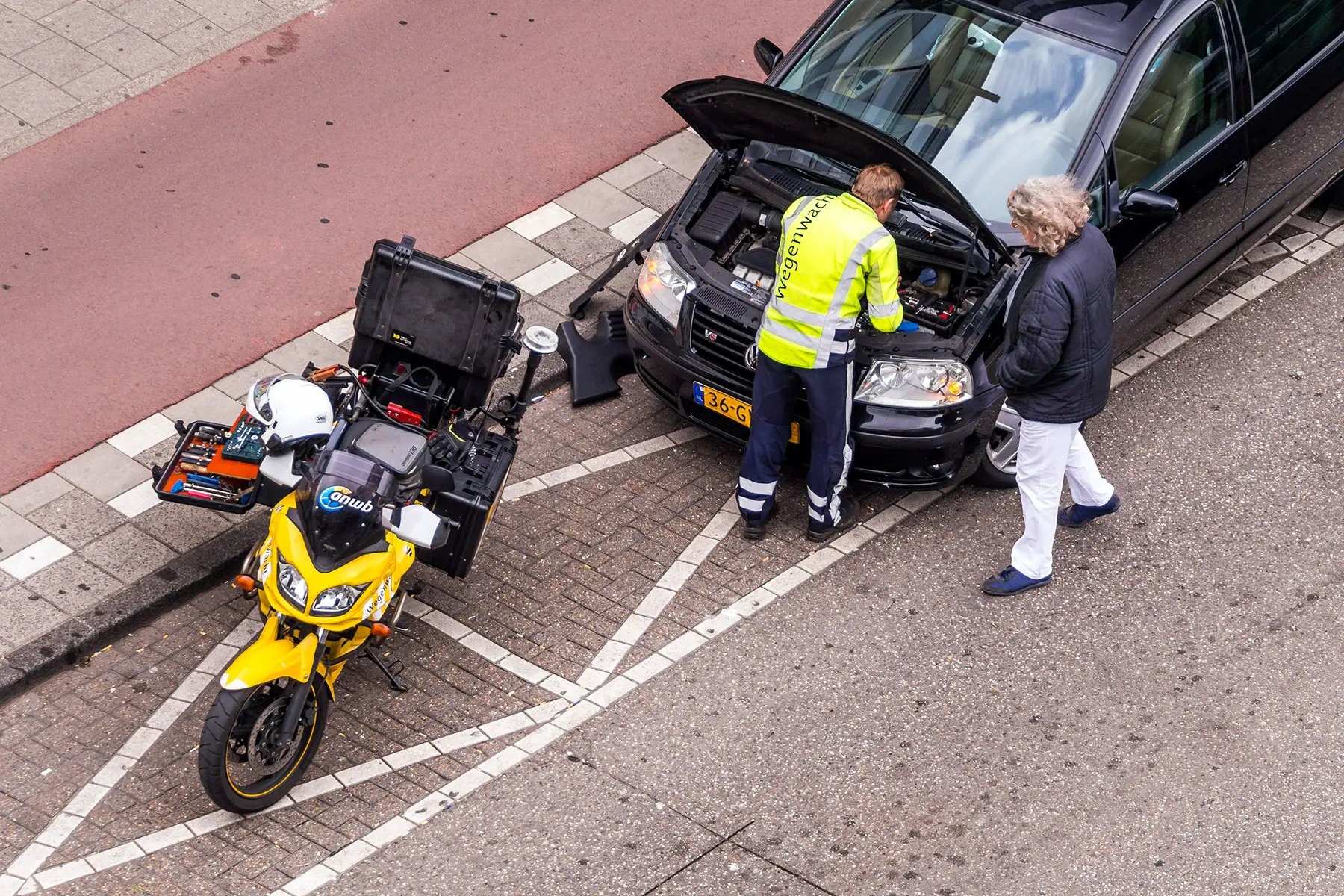
The ANWB is the most popular roadside assistance service in the Netherlands. It can be worth becoming a member when you have a car and drive regularly. In an emergency, you can call them at 088-269 2888. If you are deaf or hard of hearing, you can contact them through their tele-interpreter service.

Who to contact in a property or housing emergency
Lost or stolen property in the Netherlands
When you lose an item, you should first check the relevant lost and found desk (e.g., that of the NS) or the national lost and found database, Verloren of Gevonden. Stolen items can be reported to the police (online or in person by appointment).
If the item is an official document, make sure to contact the relevant authorities as well. For example, lost passports must be reported to the embassy or consulate. And if you’ve lost your credit or debit card, you should contact your bank to have the card frozen.
Victims of (online) fraud can contact the national anti-fraud helpdesk at 088 786 73 72.
Utility and telecom services in the Netherlands
(Suspected) gas leaks and electricity outages can be reported to the national hotline at 0800-9009. Of course, if there’s immediate danger, contact 112.
For other utility-related issues, the Netherlands doesn’t have a national emergency number. Instead, you can call the regional services, which are typically listed on your utility bill. For example, the customer service hotline for Vitens (a water provider) is 0800-0359.

How to call homelessness services in the Netherlands
The Netherlands has several organizations and services that offer support to people facing housing instability or in need of emergency shelter. For example, you can contact the Municipal Healthcare Services (Gemeentelijke Gezondheidsdienst – GGD) for support and shelter. You can also find information on finding (temporary) shelter on the government website.
Other places that have resources for unhoused people:
- Foundation Dutch Street Doctors Group
- Housing First Netherlands
- HVO-Querido (Amsterdam and surrounding areas)
- IrisZorg
- Kwintes
- Motiva (lawyers in Amersfoort)
- The Rainbow Group (Amsterdam)
- Salvation Army
- Stadsteam Backup (Utrecht)
- Vraagwijzer (Rotterdam): 14010
People requiring food assistance can get in touch with the local Food Bank (voedselbank). Visit Opvangatlas to find out where to get help in your area.
How to reach the Dutch animal services
If you find someone’s pet, you should take it to a veterinarian. They can see if the animal has any chip or identification and search the databases if so. Also upload their picture on Amivedi and Mijn dier is zoek, the national databases of found pets.
You can report animal abuse to the national animal welfare hotline at 144. If the abuse is ongoing or urgent, call 112 to contact the police. You can find the proper channels to report animal abuse (including lack of shade for animals in a meadow) on the government website.
Other animal welfare organizations operating in the Netherlands:
- Animal Welfare Society (dierenbescherming)
- Animal Rights (Dier&Recht)
- Animal Ambulance Netherlands: 0900-0245
- Doa Pet Shelter (Amsterdam)
- Stichting AAP (for exotic animals)
- Stichting Dierenlot

Help for foreign nationals in the Netherlands
Amsterdam is a popular tourist destination, and most – if not all – police officers speak English. Many police stations also have interpreters on staff, including those who speak Arabic, Berber, Chinese, Farsi, French, and Somali.
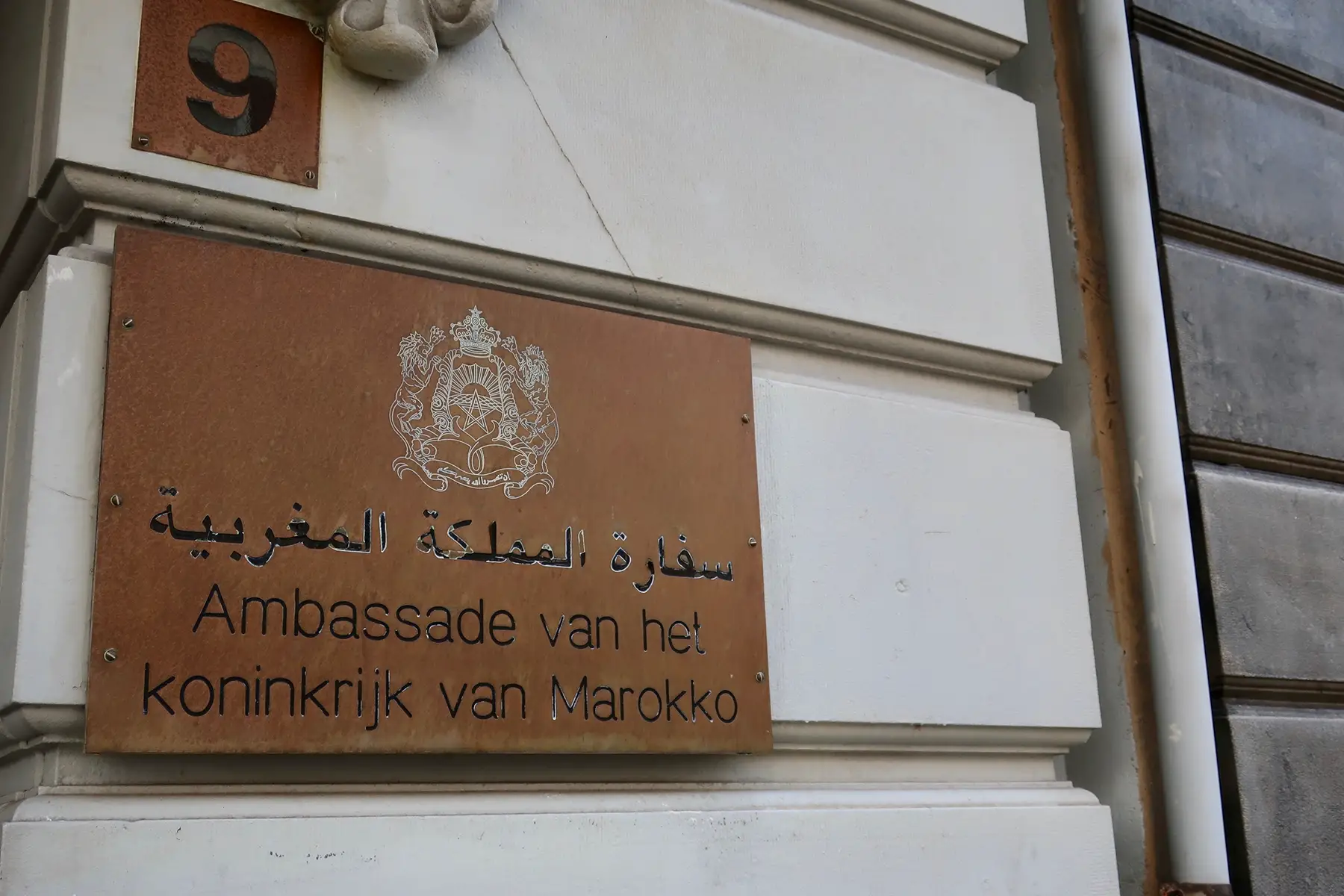
If you need consular or diplomatic help, foreign representations in the Netherlands are located in The Hague. For a complete list of embassies, consult EmbassyPages. You can also visit the website of the Dutch Ministry of Foreign Affairs (Ministerie van Buitenlandse Zaken).
What to do in an emergency in the Netherlands
When you call the emergency services, the operator will customarily answer in Dutch. They’ll most likely also speak English, French, and German. When calling 112 or any other emergency number in the Netherlands, make sure to clearly state:
- Your name
- The location where help is necessary
- The situation, and whether it’s still happening
- How many people require help
- Whether there are weapons or dangerous substances involved
Other tips and things to keep in mind:
- Don’t forget the security code for your parking garage or apartment building
- Never hang up until the operator says you can
- If you have children, know their exact ages and weight in case you need to call an anti-poison center or administer medication
- If drugs were involved, make sure to inform them what was taken, and, if possible, give them the rest of the stash. In many cases, you won’t face prosecution charges.
Emergency terms and phrases in the Netherlands
Some useful Dutch phrases and vocabulary to learn are:
| English | Dutch |
| Help! | Help! |
| Help me | Help me |
| I can’t breathe | Ik krijg geen lucht |
| (Severely) allergic | (Zwaar) allergisch |
| Accident | Ongeluk |
| Fire | Brand |
| Murder | Moord |
| Emergency | Spoedgeval |
| Ambulance | Ambulance |
| Doctor | Dokter |
| Hospital | Ziekenhuis |
| Police | Politie |
| Extremely ill | Verschrikkelijk ziek |
| Call 112 | Bel een een twee |
| I want a lawyer | Ik wil een advocaat |
| I’m innocent | Ik ben onschuldig |
Useful resources
- National Coordinator for Counterterrorism and Security – official government website of the agency tasked with preventing disasters and crises
- Ministry of Foreign Affairs – official government website with more information on foreign embassies in the Netherlands
Related Articles


Editor's picks
 Where to live in the Netherlands: the best cities for expatsAlthough Amsterdam is typically the number one hub for expats, there are plenty of other cities in the Netherlands worth your while.
 Higher education in the Netherlands: a guide to Dutch universitiesThe Netherlands is home to some of the world's top universities. Learn all about the different subjects available at Dutch institutions.
 Child benefits in the NetherlandsYou can claim different types of child benefits in the Netherlands, to help with the costs of child-rearing, schooling, and childcare.
Did you find this guide helpful?