
'%20id='ico-down'%20stroke='%23000000'%20stroke-width='1.5'%3e%3cg%20transform='translate(1092.250000,%20254.750000)'%3e%3cpolyline%20id='Path-2-Copy-4'%20transform='translate(5.500000,%202.750000)%20scale(1,%20-1)%20rotate(-180.000000)%20translate(-5.500000,%20-2.750000)%20'%20points='0%200%205.5%205.5%2011%200'%3e%3c/polyline%3e%3c/g%3e%3c/g%3e%3c/g%3e%3c/svg%3e)


Lifestyle
Holidays & Celebrations
How to celebrate Lunar New Year
Lunar New Year is the celebration to kick off the year in style across many Asian cultures. Here’s what you need to know about this holiday.


Lunar New Year is not just Chinese, you know. In fact, it’s one of the most celebrated holidays across many Asian communities. It’s a time of joy, tradition, and community, marked by colorful decorations, family feasts, and vibrant parades. From red envelopes and lucky foods to dragon dances and fireworks, every aspect of the celebration is rich with tradition and meaning.
In this article, we’ll explore everything you need to know about Lunar New Year, from the traditions that make it special to how it’s celebrated in different countries. Whether you’re curious about this global celebration or looking for practical tips to join the festivities, you’re in the right place.
Let’s dive in:
What is Lunar New Year?
In many Asian cultures, Lunar New Year is one of the most significant holidays of the year. It’s rooted in centuries-old traditions and marks the start of a new lunar calendar year.
Unlike the fixed date of the Gregorian New Year, the date for Lunar New Year shifts every year. The calendar is based on the cycles of the moon, and the new year starts with the first new moon. This usually occurs between late January to mid-February.

Celebrated by millions of people worldwide, Lunar New Year holds immense cultural importance for Asian communities. No matter where it’s celebrated, it’s a holiday of fresh starts, honoring the past, and reuniting with loved ones to welcome prosperity, happiness, and good luck in the year ahead.
When is Lunar New Year in 2025, 2026, and 2027?
While specific dates change annually, Lunar New Year typically falls between late January and mid-February:
- 2025: 29 January (Wednesday)
- 2026: 17 February (Tuesday)
- 2027: 6 or 7 February (Saturday or Sunday)
Which countries celebrate Lunar New Year?
Lunar New Year is traditionally celebrated across Asia. But the holiday doesn’t just belong to one continent – you’ll find big festivities all around the globe.
For example, in Northern America, some of the most popular places to welcome the new year are Toronto and Vancouver (Canada), and Honolulu, New York, San Francisco, and Washington DC (the US). You can also celebrate in major cities in Europe, such as Amsterdam (the Netherlands), London (UK), Rome (Italy), and Paris (France).
Meanwhile, in the southern hemisphere, the annual event in Sidney (Australia) is popular among festive goers. And Africa is also seeing more and more festivities popping up, particularly in Mauritius, Nigeria, and South Africa.
Lunar New Year in China
Known as the Spring Festival (春节), Lunar New Year in China is an event like no other. The festive period spans over 15 days, starting on New Year’s Eve and ending on the Lantern Festival (元宵節).
Homes are thoroughly cleaned beforehand to sweep away bad luck, then decked out with bright red and gold decorations, lanterns, and fresh flowers and plants to invite prosperity and good luck. It’s also customary to wear new clothes, usually in the lucky colors, red and gold.

Central to Lunar New Year are traditions like family members exchanging red envelopes (hongbao) with money and setting off fireworks to chase off evil spirits. Dancing dragons and lions fill the streets, accompanied by drumming and music that energize the atmosphere.
Lunar New Year in Japan
Japan is one of the few East Asian countries that doesn’t officially celebrate Lunar New Year. The country adopted the Gregorian calendar during the Meiji Restoration in the 1870s. As such, its New Year’s celebrations, known as Oshogatsu, also shifted to 1 January.
Japan’s new New Year incorporates some of the old Lunar New Year traditions, such as cleaning the house of bad luck and eating noodles (for longevity and resilience). Children also receive otoshidama, small money envelopes, as a token of blessings for the year ahead. But again, the official date for the Japanese New Year is on 1 January.
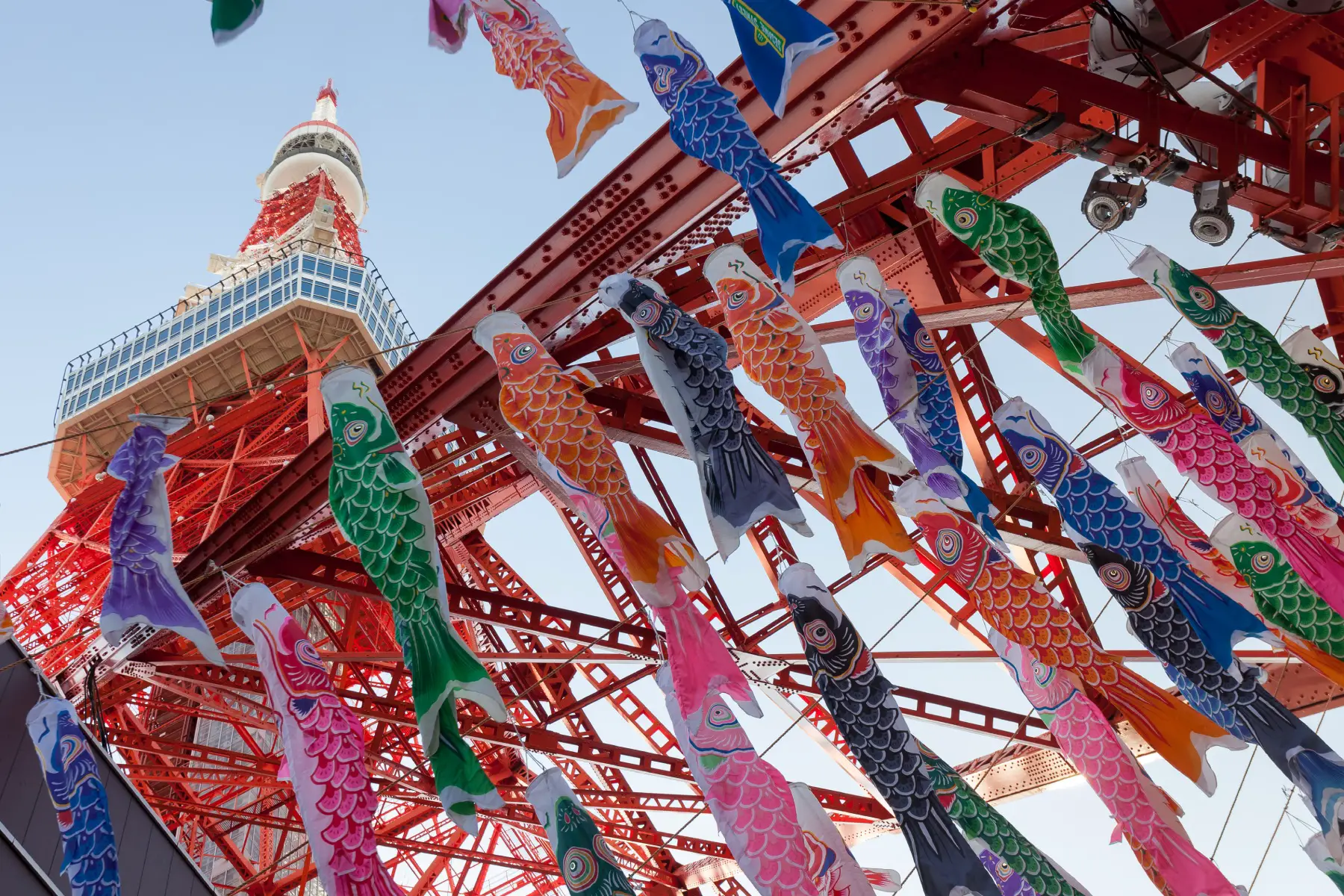
Informally, however, you can find Lunar New Year celebrations in areas with large minority populations, such as Yokohama Chukagai, Kobe Nankinmachi, and Nagasaki Shinichi Chinatown. Festive events are also emerging in Tokyo’s Ikebukuro district.
Lunar New Year in Singapore
Known locally as Chinese New Year, Lunar New Year is one of the most important holidays in Singapore. While the name implies otherwise, it’s celebrated by all Singaporeans and not just the Chinese.
Preparations start weeks in advance, with thorough housecleanings to sweep away bad luck. Homes are then decorated with red lanterns and garlands for good luck. Many also add decorations of the zodiac sign for that year.

Food, as always, takes center stage. Family dinners are the highlight, with dishes like yu sheng (raw fish salad) tossed high in the air to symbolize abundance and unity. They also exchange hongbao (red money envelopes) for prosperity and good luck.
Beyond the dinner table, Lunar New Year in Singapore is celebrated in the streets. The entire community comes together to see the Chingay Parade and the River Hongbao, which feature giant lantern displays, cultural performances, and fireworks lighting up the night sky.

Lunar New Year in South Korea
In South Korea, Lunar New Year – or Seollal (설날) – is more of a family celebration. Unlike the extended 15-day celebration in China, Korean Seollal typically lasts for three days: one day before, the day of, and the day after Lunar New Year.
The day’s festivities are centered around charye (memorial services). Families prepare an elaborate spread of traditional dishes to honor their ancestors and pray for blessings in the coming year. Many Koreans also wear traditional clothing (hanbok) to pay their respects and celebrate.

An important aspect of the holiday is for younger family members to bow deep to their elders and get seh bae don (New Year’s money) in return.
It’s not all solemnity, though. Korean Lunar New Year is also a time for fun, with families coming together to play games and fly kites (for good luck).
Lunar New Year in Thailand
Thailand has the unique tradition of welcoming the new year three times. The country celebrates the Gregorian New Year, Thai New Year (Songkran), and Lunar New Year (ตรุษจีน, Trut Chin). While the latter is not an official public holiday, the festival is widely celebrated, especially in cities like Bangkok.
Similar to elsewhere, the preparations begin days before, with families cleaning their homes and putting up red and gold decorations for good luck.
The day itself kicks off with offerings to ancestors – usually food, incense, and gifts – to show gratitude and respect. This is followed by a large family feast featuring traditional dishes like Hainanese chicken rice, roasted pork, and noodles (each symbolizing longevity, prosperity, or happiness).
What really sets Lunar New Year in Thailand apart is the way it takes to the streets. In Bangkok’s Chinatown, the celebrations are legendary, with lion dances, dragon parades, and vibrant fireworks lighting up the night sky. Food stalls line the streets, serving everything from steaming dumplings to sweet glutinous rice cakes (nian gao), while visitors buy trinkets and gifts.
And, of course, it wouldn’t be a holiday without ang pao (red money envelopes) being gifted to family members and friends.

Lunar New Year in Vietnam
Known as Tết Nguyên Đán or simply Tết, Vietnamese Lunar New Year is the most important and eagerly awaited holiday of the year. Cities like Hanoi and Ho Chi Minh City light up with vibrant parades and colorful displays, while rural areas see more intimate gatherings to start the year fresh and leave past troubles behind.

Naturally, the holiday season starts weeks in advance. Families clean and decorate their homes with peach blossoms, paper garlands, and red and gold decorations shaped like fish, coins, firecrackers, and blossoms. Many add the year’s zodiac animal in glossy stickers or on paper lanterns. Most families also set up altars to honor their ancestors, with offerings like fruits, flowers, and incense.
The holiday officially begins on Lunar New Year’s Eve, when people gather for a large family meal. Staples include bánh chưng (square sticky rice cakes) and bánh tét (cylindrical sticky rice cakes), which represent the earth and the skies.
Of course, there’s the exchange of lì xì (red money envelopes). In Vietnam, these are usually gifted by elders to younger members of the family or by managers to employees. It’s a sign of maturity for young Vietnamese to stop receiving lì xì and start giving it instead.
What are important traditions during Lunar New Year?
Naturally, Lunar New Year celebrations vary across different countries and cultures. However, there are some traditions that you’ll see across the board:
Cleaning your home
Cleaning your home before Lunar New Year is an important part of the holiday. It’s believed to clear out bad luck and negative energy from the previous year, making way for good luck and fresh beginnings.
The purge goes far beyond regular housekeeping – homes are dusted, swept, decluttered (unused or broken items are thrown away), and anything that’s broken must be fixed. This massive clean must be completed before Lunar New Year’s Day: if you clean after the new year begins, you could inadvertently sweep away or remove the good luck that’s arrived with the new year.

In a similar vein, some cultures (e.g., Chinese and Korean) will avoid taking baths on New Year’s Day. In Chinese communities, it’s also common to bathe with pomelo and tea leaves on New Year’s Eve. This is to wash away bad luck and bad omens and encourage good fortune.
Once the new year arrives, Chinese people avoid washing or cutting their hair. That’s because the Chinese word for hair is a homonym for fortune/prosperity, so it’s seen as washing or cutting away good luck.

Local expert
Benjamin Ng
Insider tip
It’s strangely difficult not to clean up little day-to-day messes, especially when you have kids. If you mop up a food spill, for example, you might trash your good luck. But you could also get mice. Just make sure to not drop any food is what I’m saying.
Reunion dinner with family
Family plays a central role in Asian cultures. As such, the reunion dinner on New Year’s Eve is the most important tradition of Lunar New Year. Families gather from far and wide to share a grand dinner together, and transportation costs often skyrocket months in advance.

Each dish and ingredient carries deep symbolic meaning. For example:
- Dumplings and spring rolls represent wealth and prosperity
- Citrus fruits (e.g., tangerines, mandarin oranges, and pomelos) bring money and good fortune
- Leafy greens (e.g., bok choy and spinach) signify growth, good luck, and prosperity
- Sweet rice balls convey a happy family reunion
- Uncut noodles signify happiness and a long life
- Whole fish (including head and fins) represents abundance and prosperity
- Whole chicken (including head and feet) symbolizes good luck, great wealth, and unity
Sometimes, families will also leave a seat open at the table (though with a filled plate) for their ancestors.
Lucky colors and numbers
Just like food, certain colors and numbers also hold special significance during Lunar New Year. Certain ones are believed to attract prosperity, happiness, and good fortune.
Central to the holiday are the colors red and gold or bright yellow:
- Red symbolizes luck, joy, and protection. It’s believed to ward off evil spirits and bad fortune.
- Gold represents wealth and prosperity. It’s often paired with red in decorations to double the positive energy.
- The colors black and white should be avoided because they’re associated with mourning.
In Chinese culture, numbers are also meaningful:
- 8 is considered the luckiest number. When pronounced, it sounds similar to the word for wealth (fa).
- 6 symbolizes smooth progress and success. When wishing others a “smooth year ahead,” people often mention the number 6.
- 9 represents longevity and eternity, making it another highly favored number.
- 4 is an unlucky number because it sounds like the Cantonese word for death (sei).
Red envelopes with money
We’ve already mentioned it a couple of times before, but red envelopes with money are a large part of any Lunar New Year celebrations. These represent good fortune and a wish for a prosperous year ahead.

Of course, these money gifts are steeped in symbolism. Envelopes are red to ward off bad luck. Meanwhile, the money inside must be an even number, as odd numbers are associated with funerals. Naturally, people favor the number 8 and avoid the number 4.
Red envelopes are traditionally given by older family members to children or unmarried younger relatives as a way of passing on blessings. In some communities, it’s also common to exchange these gifts between friends and neighbors or bosses to employees.
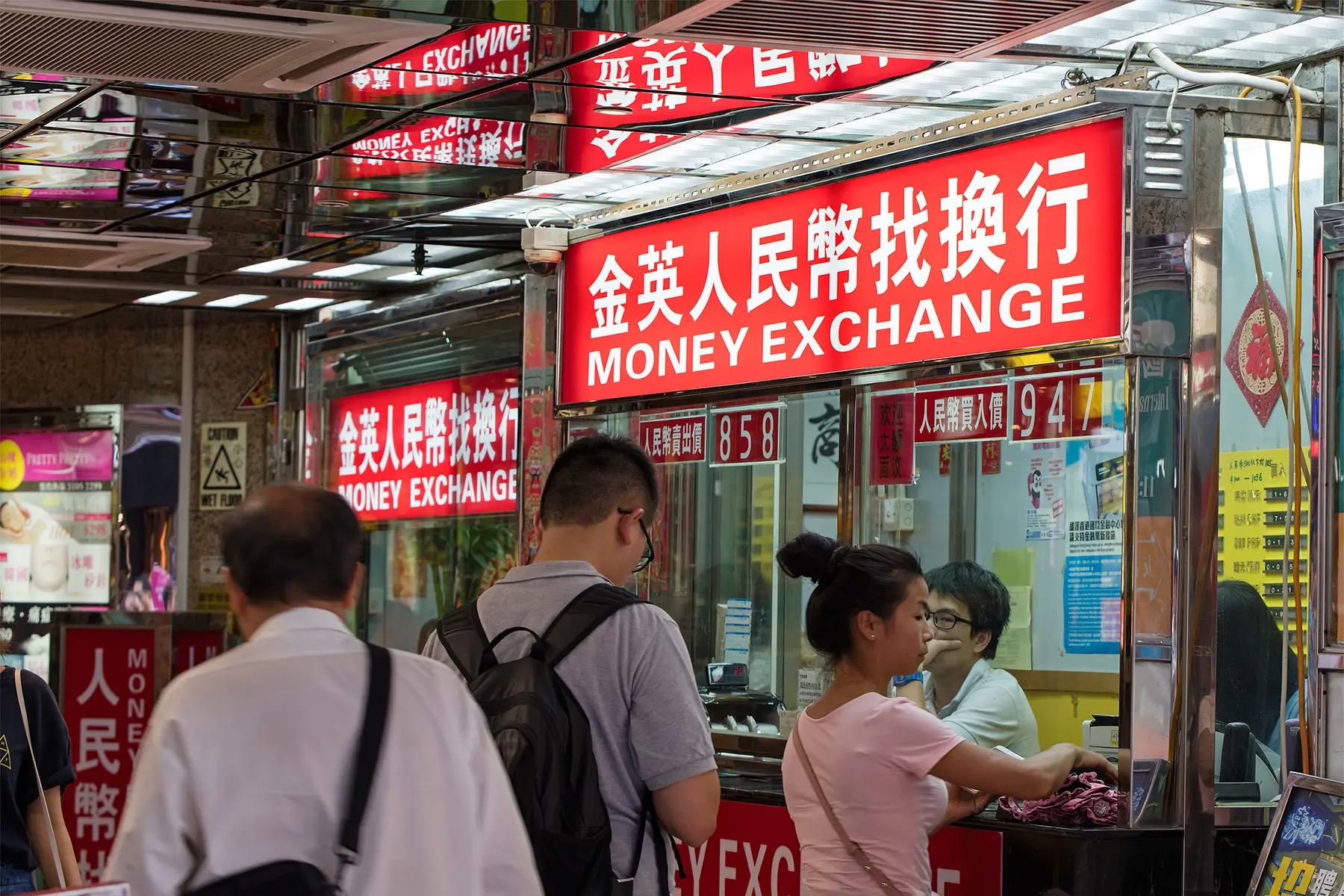
While many people still prefer the physical act of gift-giving, digital red envelopes are also immensely popular, especially among younger generations. For example, in 2023, WeChat users sent over four billion red envelopes through the app, including 600 million specifically for New Year’s greetings.
Dragons, lions, and fireworks
Dragon and lion dances are a vibrant highlight of most Lunar New Year celebrations. In Asian cultures, dragons symbolize strength, prosperity, and luck, while lions represent power, wisdom, and protection. Both are believed to chase away evil and spread fortune and joy wherever they appear.
In Indonesia, Thailand, and the Philippines, dragon dances are especially popular. These performances feature a team of dancers carrying a long, flowing dragon costume on poles. The length of the dragon is said to correspond to the amount of fortune it brings – the longer, the better!
In the Philippines and among Filipino communities worldwide, Lunar New Year festivities also include fire-breathing performances, adding an extra bit of magic.

Lion dances, on the other hand, are a staple in China, Vietnam, and Singapore. These are lively performances involving dancers in an elaborate lion costume, moving to the beat of drums, cymbals, and gongs. The dynamic movements and rhythmic music often create an unforgettable display of wonder and excitement.
Another big tradition during Lunar New Year is lighting fireworks (though not in South Korea). These dazzling displays serve a dual purpose: driving away evil spirits and kicking off the new year with a bang.
How to say Happy Lunar New Year: wishes in different languages
Lunar New Year greetings depend on the country that you are in, of course. Here’s how to wish someone a Happy Lunar New Year:
| Language | How to write it | How to pronounce it | English translation |
| Chinese (Cantonese) | 恭喜发财 | Gong hei fat choy | Wishing you prosperity |
| Chinese (Singaporean) | 恭喜發財 | Gong xi fa cai | Wish you grow your wealth |
| Japanese | 新年おめでとう | Shin’nen’omedetō | Happy New Year |
| Korean | 새해 복 많이 받으세요 | Saehae bok mani bade seo | Wishing you a lot of blessings in the new year |
| Thai | ซินเจียยู่อี่ ซินนี่ฮวดไช้ | Sin jia yoo ee sin nee huad chai | May all your wishes come true this new year |
| Vietnamese | Chúc mừng Năm Mới | Chuck mun nam mōy | Happy New Year |
How to celebrate Lunar New Year: practical tips for foreigners
Whether you’re an expat living abroad or simply curious about the festivities, celebrating Lunar New Year is a fantastic way to connect with other cultures.

Here are some tips to celebrate Lunar New Year as a foreigner:
- Research the dress code – all cultures have different rules. For example, the Chinese wear new clothes and use red as the primary color. The Vietnamese dress in red, yellow, or blue, and Koreans have the traditional hanbok as their go-to option.
- Decorate properly – holiday decorations are important for any festive tradition. But when you deck out your home, make sure you do it properly. Signs that are upside down because you can’t read Asian letters are a big no-no. Likewise, fresh flowers and plants bring luck, but chrysanthemums and marigolds are used for funerals (so avoid).
- Learn how to say Happy New Year in the local language – whether you are in China or Chinatown, New York, everyone appreciates you making the effort to say Happy New Year in the local language. Even if it’s botched.
- Give out red envelopes where appropriate – while some communities exchange envelopes between friends, others see it only as a gift from older family members. Make sure to research what is what before you commit a cultural faux pas. Also, if you do receive a red envelope, don’t open it immediately to see how much you got.
- Bring a present if you’re invited somewhere – when visiting a friend or colleague, make sure to bring an appropriate gift. Depending on your location, this could be a bottle of rice wine, mandarin oranges, sliced pork bakkwa, or tropical fruits. Never give clocks or mirrors because they attract death and funerals.
- Don’t talk about money or politics – for obvious reasons, these are topics to avoid.
Top 8 foods and recipes for Lunar New Year
The best part about Lunar New Year is the food. Here are 8 recipes to make your holiday dinner special:
- Ayam buah keluak (Singaporean chicken with nuts and tamarind gravy)
- Bok cheet gai (Chinese white-cut chicken with ginger scallion sauce)
- Kanom pakkaad (Thai stir fried turnip cake)
- Osechi ryori (an assortment of Japanese dishes)
- Tang yuan (Taiwanese sweet rice balls with black sesame filling)
- Thịt kho (Vietnamese braised pork with eggs)
- Tikoy (Filippino sweet rice cake dessert)
- Tteokguk (Korean rice cake soup)
Popular Lunar New Year myths
The legend of Nian
According to Chinese folklore, a monster named Nian would terrorize villages at the start of the new year. He would destroy crops and livestock and attack people.

The villagers, desperate to protect themselves, discovered that Nian was terrified of loud noises, fire, and the color red. That’s why red decorations, drums and chimes, and firecrackers are so central to the celebration.
No crying allowed, only happiness
Crying during Lunar New Year is considered bad luck, as it’s thought to set a negative tone for the year ahead. To avoid this, families make an extra effort to keep everyone (especially children) happy and content. Parents often indulge their kids more than usual during this time, ensuring that laughter and joy fill the holiday rather than tears.
Likewise, you should avoid breaking anything on New Year’s Day as this is considered a bad omen. If you do break something, don’t shed a tear about it – you’ll have bad luck for the rest of the year.
The first visitor sets the tone for the year
In Vietnam, the first visitor to come to your home on Lunar New Year is believed to set the pace for the rest of the year. This superstition says that the visitor’s character and fortune can influence the household’s luck.
Many families will invite someone considered lucky – often someone successful, cheerful, or with children – to ensure prosperity and positivity. Plus, it’s a great way to avoid someone you dislike, as their “energy” might bring “misfortune.”



Did you find this guide helpful?