
'%20id='ico-down'%20stroke='%23000000'%20stroke-width='1.5'%3e%3cg%20transform='translate(1092.250000,%20254.750000)'%3e%3cpolyline%20id='Path-2-Copy-4'%20transform='translate(5.500000,%202.750000)%20scale(1,%20-1)%20rotate(-180.000000)%20translate(-5.500000,%20-2.750000)%20'%20points='0%200%205.5%205.5%2011%200'%3e%3c/polyline%3e%3c/g%3e%3c/g%3e%3c/g%3e%3c/svg%3e)


House + Home
Housing Basics
Renting in Japan
Discover all you need to know about renting accommodation in Japan, including the various housing options available, tenancy laws, costs, and more.

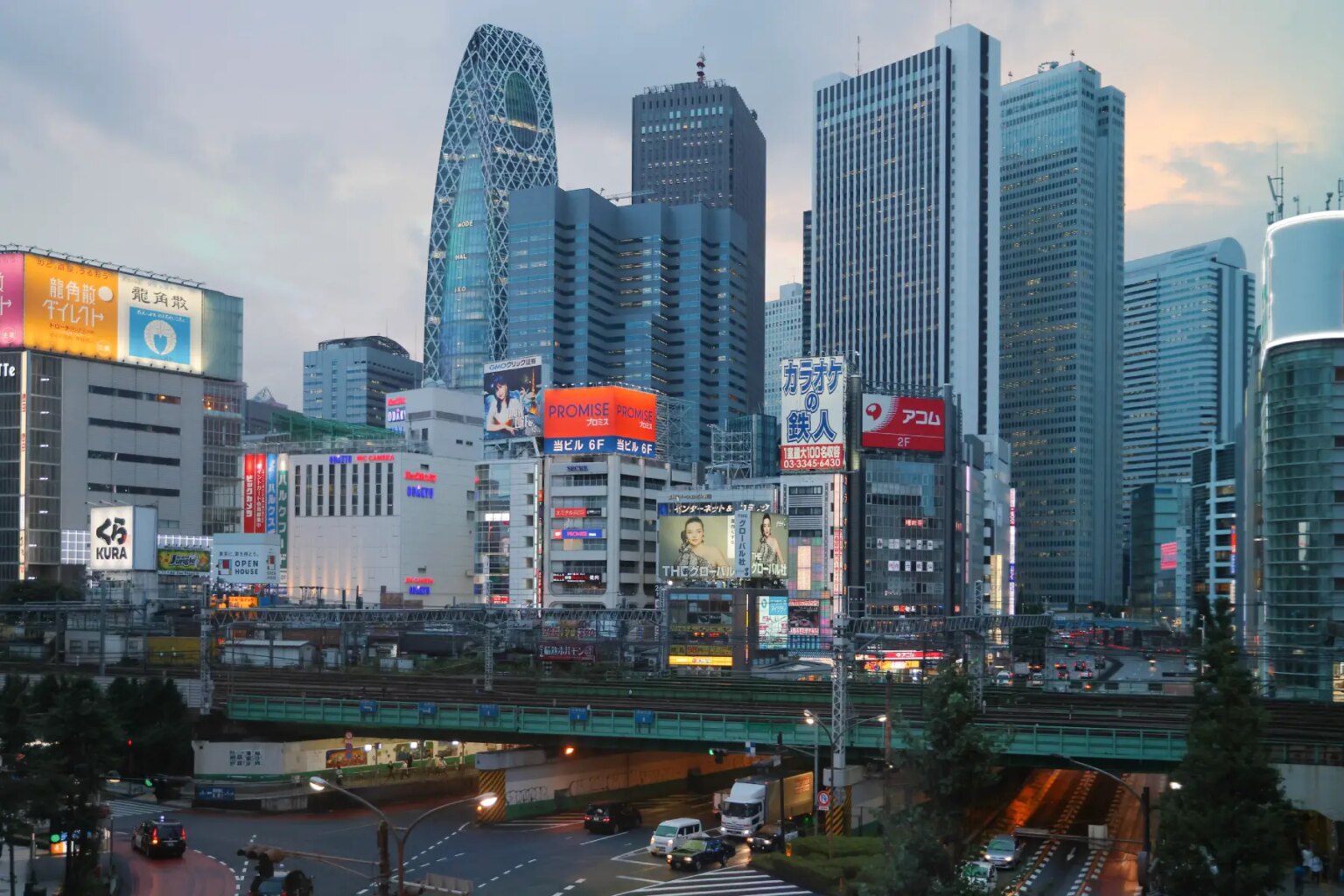
If you’re moving to Japan, finding a place to rent is crucial. Generally speaking, renting is a safe choice when you first move to the country. Fortunately, the market is full of various types of properties to meet each renter’s needs.
For instance, the cities are abundant with compact yet livable apartments, large social residences for young professionals, and company housing full of corporate employees. The countryside, meanwhile, is home to rural farmhouses that are surprisingly cheap to rent.
To help you get started, this article outlines everything you need to know about renting in Japan, including:
Use Wise for moving money abroad
Wise offers expatriate-friendly financial services including international money transfers at mid-market exchange rates with transparent, low fees, helping you save money when sending funds to family or managing finances across borders. Their multi-currency account allows you to hold, convert, and spend money in multiple currencies.

Renting in Japan
Renting is a popular option for both short and long-term residents of Japan. In fact, approximately 60% of people own their homes, while the remaining 40% rent them. Despite there being no restrictions on expats buying a property before they obtain permanent residency or citizenship, most choose to rent accommodation. Of course, this is also the easier option when they first move to the country and want to focus on adjusting to the local culture.
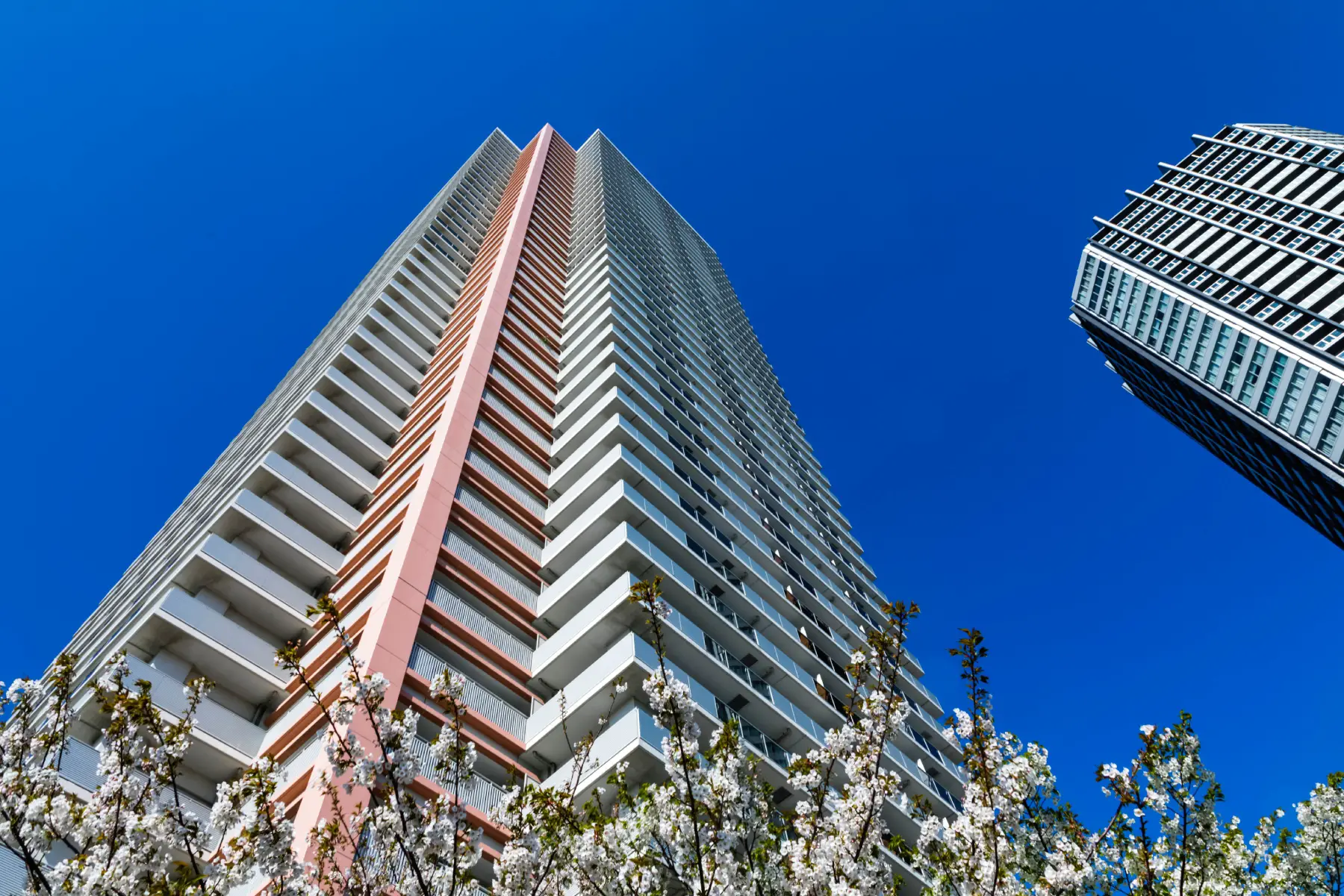
The renting process has also become more expat-friendly over time, making it even more appealing to foreigners. This is especially true in urban areas which have seen an increase in English-speaking real estate agents to meet demand. There has also been an influx of social media pages to help people find roommates as well as online property portals that list accommodation available to rent.
Shared residences are often recommended if you are moving to Japan by yourself. These not only provide a good way to meet people but also allow you to avoid the hefty moving costs that come with renting an apartment. Moreover, these properties tend to accommodate foreign nationals, whereas some landlords and leasing companies will only rent to Japanese citizens.
Popular places to rent
Naturally, the cost of renting a property in Japan can vary significantly depending on the location. As you might expect, prices are higher in the large cities where many international residents live. Below is an overview of some of the most popular areas to rent in the country.
Tokyo
While Tokyo is exceedingly popular with internationals, it is also one of the most expensive cities in the world for rent. For instance, in Tokyo’s six central wards – Chiyoda, Chuo, Minato, Shibuya, Shinjuku, and Bunkyo – a studio apartment costs between ¥67,600 and ¥126,100 per month.
Meanwhile, a two-bedroom apartment with a combined living-dining-kitchen space (LDK) in the same areas can cost as much as ¥189,500 to ¥463,000 per month. A four-bedroom apartment with an LDK, on the other hand, can cost anywhere from ¥247,600 to ¥670,000.
It is worth noting that rental prices in Japan have become slightly better value for those who earn money in US dollars due to the recent depreciation of the yen.
Some of the main property portals in Tokyo include:
- AtHearth
- Blackship Realty (luxury properties)
- Fontana Tokyo City Apartments
- Ken Corporation
- Real Estate Japan
Kansai
Kansai, which includes the Osaka-Kyoto-Kobe conurbation, is another popular region with internationals. The rent in Japan’s third most populous city, Osaka, is much cheaper than in Tokyo, with a studio apartment costing between ¥24,200 and ¥61,700 per month. Meanwhile, a four-bedroom LDK can set you back between ¥48,000 and ¥330,000.
Despite Kyoto’s soaring popularity as a tourist destination, the average rent for a studio in the city is cheaper than that of Tokyo, costing around ¥33,000 to ¥68,000. This is even cheaper in the cosmopolitan city of Kobe, where you can expect to pay between ¥24,400 and 47,900 per month.
Prospective renters in Kansai can explore the following property portals:
Hokkaido
The northern island of Hokkaido provides a different pace of life, with vast national parks and sprawling wetlands providing plenty of space to roam. It is also home to some of the best ski resorts in the world which attract some 700,000 skiers and snowboarders each year.
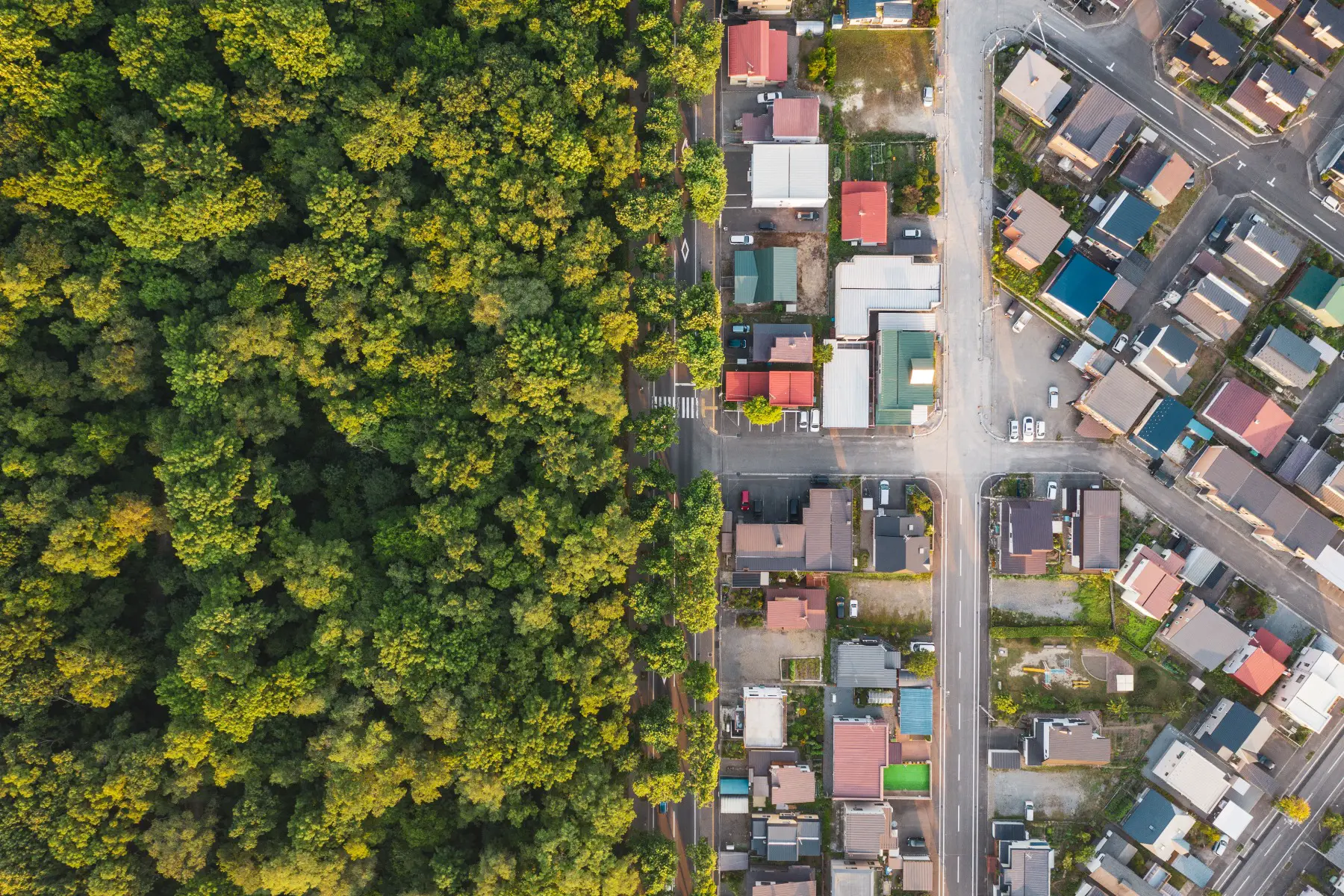
The island’s main city of Sapporo is an eclectic metropolis known for its crisp namesake lager, popular seafood restaurants, and Japan’s largest entertainment district north of Tokyo. It is also one of the most affordable urban areas in the country, with a studio apartment costing between ¥23,000 and ¥37,000 per month. Moreover, you can rent a multi-bedroom property here for the same price as a studio apartment in Tokyo.
Some of the main property portals in Hokkaido include:
Buying vs renting in Japan
Renting is certainly the recommended route for first-time residents of Japan. That said, purchasing a property is becoming more popular among expats, especially in rural regions. This is partly due to the knock-on effect of the COVID-19 pandemic and the growing trend for remote working. Increased global interest in Japan and high return-on-investment opportunities have also contributed to this.
As mentioned, there are no restrictions when it comes to foreigners buying property based on their residency status, nationality, or whether they have a valid work visa. However, this has proven to be a contentious political issue and is subject to revision in the coming years.
Real estate agencies and consultants are available to connect buyers and sellers, especially those looking at akiya (abandoned homes – 空き家) and kominka (old homes that are typically in the countryside – 古民家).
Some relevant organizations with English-speaking staff include:
Types of property to rent
There are various types of rental properties available in Japan. Below are some of the most popular options:
- Apartments (アパート): Apartments are individual units sold within a larger complex
- Mansions (マンション): In Japan, the term ‘mansion’ has a different meaning than in standard English. It refers to apartments with larger floor plans. They often come with amenities such as reception staff, communal spaces, and parking. At the higher end, these properties also give access to gyms, rooftop gardens, and concierge services within the complex.
- Detached houses (一軒家): Refer specifically to standalone houses on private land. In Tokyo, these tend to be compact, yet make good use of their limited space.
- Sharehouses (シェアハウス): These are communal living spaces where residents have private bedrooms, but share common areas, including the kitchen-dining area, living room, and often bathrooms. Sharehouses are popular among expat students and young professionals.
- Company housing (社宅): Major corporations in Japan often provide housing to their employees, especially those relocating for work. The type of accommodation varies from apartments and mansions to houses and shared properties.
- Service apartments (サービスアパートメント): Sometimes called ‘monthly mansions,’ these are fully-furnished and offer rent on a month-by-month basis. Due to the high rental costs, they are often used as temporary accommodation for short-term residents or new arrivals still searching for longer-term housing.
- Student dormitories (学生寮): Sharehouses or dorms specifically rented out to students in universities and colleges
- Seniors’ housing (高齢者住宅): These are specialized properties for older individuals which are more commonly known as ‘care homes’
Finding a place to rent in Japan
The real estate market in Japan is highly fragmented, which can be both a blessing and a curse. For instance, while there are many different platforms for finding housing, many of the listings may be outdated or full of misleading information.
Some of the most common methods for finding a property to rent are:
Online portals and expat rentals
Online portals are a common method for finding apartments. Expat-friendly agencies have also become much more popular in recent years. The following websites provide listings and contact information:
- Blackship Realty (luxury properties)
- Fontana Tokyo City Apartments
- GaijinPot Apartments
- Ken Corporation
- Plaza Homes
- Real Estate Japan
Property agents
With their language proficiency and knowledge of the local market, property agents are another great resource for finding a place to rent in Japan. Although English-language services are not guaranteed, some of the most popular ones include:
Furnished rentals
Although they often offer high-quality accommodation, furnished rentals, and service apartments are comparatively expensive in Japan. You can find listings with the following agencies:
Sharehouses
Living in a sharehouse is a right of passage for many expats when they first move to Japan. So, if you want to follow suit, you can get in touch with the following companies:
Japanese student housing
Student housing in Japan is typically dormitory style with private bedrooms and shared common spaces. Many universities offer accommodation facilities for exchange and international students, which helps foster a sense of community for new arrivals.

There are countless university housing portals but some of them include:
- Akita International University – Akita
- Kobe University – Kobe
- Osaka University – Osaka
- Keio University – Tokyo
- Waseda University – Tokyo
How to rent a property in Japan
There are two main options for renting in Japan: through a property agent (管理会社) or from the landlord (大家) directly. However, the former is almost always recommended as it ensures all legal processes are above board.
Renting through a property agency
If you are interested in renting a property, you can begin your journey by looking online or at an estate agency to find properties that meet your requirements and budget. After scheduling a viewing (内見), your estate agent may drive you to the property after contacting the landlord.
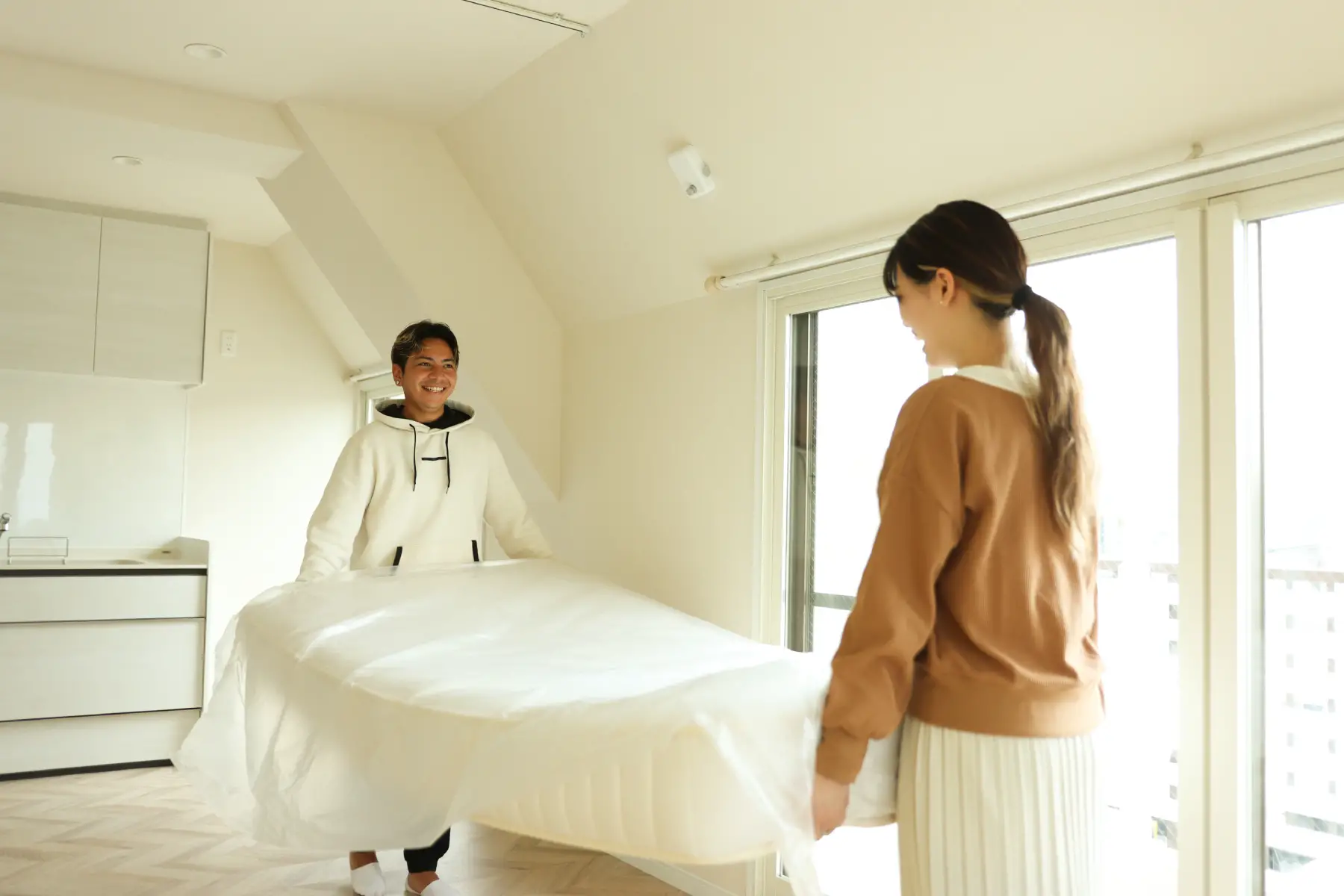
It is good to be aware that viewings tend to be brief and you may visit multiple properties in one day, so it’s a good idea to prepare questions in advance and bring a translator if necessary. Moreover, apartments don’t stay on the market for long, especially in Tokyo, so you should express your interest as soon as possible after the viewing is complete.
If your application is successful, the agent will then calculate the move-in costs and begin drawing up a contract. You will then need to fill in some paperwork, submit your personal documentation, and pay any move-in fees in advance.
Once you have signed the tenancy agreement, you should contact the various utility companies to get a head start on setting them up. You should also notify your current ward office of your relocation plans and your new ward office (if it changes) within two weeks of moving in.
You will need to submit the following documentation:
- A copy of your passport
- A copy of your residence card
- Proof of employment, along with tax and pay slips
- Proof of college or university enrollment (if you are a student)
- Your health insurance card (in some cases only)
- Emergency contact details
It is important to be aware that some apartment complexes and landlords only rent to Japanese citizens. This may feel discriminatory, but unfortunately, it is standard practice for many in the industry.
Renting directly through a private landlord
If you find a property listed on a social media platform or website, it typically comes directly from the landlord. In this case, you should exercise caution and assess whether the property is being rented illegally. Because of this risk, most industry experts would actually advise going through an agent to ensure that you are protected from scams.
Rental costs in Japan
Moving into a property in Japan requires a lot of upfront costs (初期費用) before your monthly rental payments even begin. Below is a general breakdown of these costs.
Monthly rent
As mentioned, rental costs vary widely across Japan. For instance, in Tokyo, where rent is at a premium, you can expect to pay between ¥37,700 and ¥108,800 per month for a one-bedroom apartment with a kitchen and dining area (1K–1DK). Meanwhile, multi-bedroom apartments and houses can set you back anywhere from ¥70,400 to ¥625,000.
The Kanto region, which is home to Tokyo and Yokohama, is the most expensive area for renting property in the country, and accommodation space is usually restricted. However, Kansai – where you will find Osaka, Kyoto, and Kobe – is less costly but still high-priced in comparison to rural Japan. In underpopulated regions, on the other hand, houses can cost the same as studio apartments in the capital.
Unless you live in a sharehouse, student accommodation, or a service apartment, utility bills are unlikely to be included in your monthly rent. In this case, you will have to settle these payments privately.
Rent is usually paid on a monthly basis, via a direct debit or bank transfer. Notably, if you miss your payment, this is technically a breach of contract, and while you may be able to discuss this with your landlord, they have the legal right to cancel the contract. Needless to say, it is better to avoid this by paying your rent on time and building trust with your landlord. If necessary, you can also seek out housing benefits (PDF) at your local ward office to mitigate missed payments.
Rental deposits
When you sign your rental contract, you will typically have to pay a deposit. This is usually one or two months’ rent and must be paid upfront. Your landlord will return your deposit once you have left the apartment and no damages are found.
Agency fees
Agency fees in Japan are governed by law and equate to one month’s rent plus consumption tax (10%). Therefore, if the apartment rent comes to ¥100,000 per month, the agency fee will cost ¥110,000.
Other costs
There are various other costs to take into account when renting in Japan, most of which are included on a case-by-case basis:
- Key money (礼金): Sometimes referred to as ‘thank you’ money, this is a non-refundable fee paid upfront as a sign of gratitude to the landlord
- Guarantor company fee: Only required if your landlord requires a guarantor company instead of a friend or family member
- Renters insurance: Insures the household goods in the property and the property itself if it is accidentally damaged
- Lock exchange fee: Covers the labor to change the lock, as well as the new parts of the lock. Prices typically start from ¥11,000.
- First month’s rent: Must be paid upfront
- Residence tax: Paid once a year to the local municipal office; the fee varies by region
Help with costs
If you are struggling to pay your rent, you may be eligible for the Housing Security Benefit (住居確保給付金). Depending on the nature of your case and the size of your household, the government can pay up to 75% of your rent over a fixed period.
Send Rental Deposits and Moving Costs to Japan with Wise
When securing rental accommodation in Japan, expats need to transfer significant upfront costs including deposits, key money, and agency fees that can total several months’ rent. Wise allows you to send these funds from abroad using the mid-market exchange rate with transparent, low fees – helping you manage the substantial initial costs of renting in Japan more affordably.
Learn more about Wise.
Japanese public housing
Japan has a system of public housing to help low-income individuals and families secure affordable housing. Based on the Public Housing Act of 1951, local authorities are obliged to supply this within their jurisdiction. While the availability and type of public housing varies from region to region, some of the key features include:
- Public housing that consists of government-owned rental units or small apartments
- Property that is established for low-income individuals and families who can’t afford to rent privately, regardless of their nationality. Eligibility criteria may include income, family size, assets, and residency status. Other programs may be more specialized, for example, single-parent households, pensioners, or disabled individuals.
- Rent is typically set at a lower rate than in the private market, or may be calculated as a percentage of the tenant’s income
- The Ministry of Land, Infrastructure, Transport and Tourism (MLIT) sets guidelines for public housing in Japan. To apply, individuals need to submit an application to the relevant ward office. They will also need to provide documentation to verify income, assets, and other personal information. If there is a waiting list, priority will be given to those most in need of housing.
Rental housing laws in Japan
When it comes to renting a home in Japan, understanding the legal framework and regulations is crucial for tenants as well as landlords. Below is a brief overview of the various rental laws in the country.
Tenant rights and obligations
In most cases, the tenant is required to have a guarantor who can pay their rent if they are unable to do so themselves. This can be a friend or family member; however, there are also plenty of private companies that provide this service.
In Japan, it is forbidden to sublet accommodation to a third party. However, it is acceptable to have non-family members live with you as long as you get prior consent from your landlord. If you want to have a pet, your lease should also state if the apartment is animal-friendly.
It is also important not to make any major changes to the property, such as renovations and redecorations, without prior permission from your landlord.
When you are ready to leave the property, make sure to give your landlord at least one or two months’ notice before your move-out date. You should do this in writing and save copies of the document in case of a dispute.
Notably, if you terminate your lease early, you may risk losing your deposit. If, on the other hand, you are fond of your accommodation and want to stay on past your term, you should refer to your contract which should clearly state the right to renew the lease.
Landlord rights and obligations
The Act on Land and Building Leases recognizes the landlord’s right to request an increase in rent in the case of significant real estate tax hikes, market fluctuations, rapid inflation, and other unforeseen economic circumstances.
Landlords in Japan can also terminate a contract early. However, the tenant also has the right to refuse this termination. Landlords must also give tenants prior notice of any upcoming viewings or inspections of the property they are renting.
If the owner of the property wants the tenant to stay in the accommodation for the duration of the contract, they can set up a fixed-term lease to mitigate early terminations.
Tenancy contracts in Japan
Naturally, tenancy contracts will vary from property to property. However, they generally cover similar matters such as the purpose of the residence and who will be living there. The contract will also outline the lease period, which is typically two years unless a fixed rate has been agreed.
The contract should also specify the cancellation notice period, as well as any penalties the tenant will need to pay if they terminate the contract early. The renewal period is usually automatic unless it is stated otherwise.
The contract will also contain financial information, such as the date that rent is due, who is responsible for paying fees (usually the tenants), and the circumstances that allow the landlord to increase the rent.
In the event of an emergency, the contract outlines disaster preparedness and recommended insurance. If the apartment is damaged, you can also see who is responsible for the repairs.
If you have a dispute with your landlord, you can find information on how to handle the situation in the lease. This is usually settled in a court of law. There should also be a note to say that issues not stated in writing should be settled in good faith by the signing parties.
Where to go in the event of a dispute
In the event of a dispute that you can’t sort out with your landlord, you should contact an English-speaking advisory center or property law firm for help. Some examples include:
- Japan Legal Support Center
- Sumikawa Law Office
- Tokyo Metropolitan Government Foreign Resident’s Advisory Center
- Yorisoi Hotline
- Yoyogi Uehara Law Office
Your local municipal office may also provide consultation services or be able to connect you with the relevant legal specialists.
Japanese utilities and telecommunications
As mentioned, unless you live in a sharehouse, student accommodation, or service apartment, you will likely have to organize and pay your own utility bills. The major bills are:
- Television
- Phone
- Internet
- Energy
- Water
It is best to ask your landlord if any of the relevant providers can be carried onto your lease from the previous renter. Once you have signed the tenancy agreement, make sure to get in touch with the utility companies to get the ball rolling.
Moving in and out of a property
If you have just moved into furnished accommodation in Japan, you will likely receive an inventory list from your landlord which states the items that were in the property at that time.
When you are ready to relocate and have given your landlord sufficient notice, it is important to make sure that the apartment is clean when you leave it and that any furniture not owned by the landlord is removed. Notably, if you need to get rid of unwanted goods, flea market apps such as Jimoty and Mercari can really help.
After you have left the property, an inspection should be carried out within a few days. If everything is in order, the landlord will then return your deposit. However, if you don’t receive this in full, your landlord is required to provide a breakdown of the costs.
Renting out your home in Japan
There are two main types of leases in Japan: short-term and long-term.
Short-term lease
A short-term lease (短期賃貸借/民泊) applies to homestays, holiday rentals, and service apartments. Unlike long-term leases, tenants typically aren’t required to pay a security deposit or key money when renting short-term accommodation. As a result, these properties are best suited for tourists and people visiting Japan on business trips.
If the house is fully furnished, the landlords will usually charge between 1.5 and 2 times the market rate for rent. This must be paid upfront before the tenant moves in.
However, this type of lease may be prohibited under the management rules of some apartment complexes.
Long-term leases
Long-term leases (長期賃貸借) are less flexible than short-term leases and typically last for two years. They are contract-bound and include fees, such as key money and deposits.
Landlords can list their property with most real estate agents, which will take a commission when a tenant is assigned. Notably, long-term rentals are in high demand in Japan’s major cities, and competition is high for apartments in good condition. Therefore, you should act fast if you find a property that you would like to rent.
Tips for renters in Japan
If you are looking for a place to rent in Japan, here are some tips to help you find the perfect spot:
- Fees: Make sure you check with the estate agent or landlord to find out which fees apply to your lease since there are many different fees that tenants must pay
- Ask when the property was built: Many older buildings are prone to significant damage during earthquakes so it’s important to assess the condition of the building before committing to anything
- Check the inventory carefully: As with renting anywhere in the world, take pictures of any damages not recorded on the inventory and bring them up with your landlord
- Pay attention to the rules: These may include rules such as no smoking, no pets, no guests, no instruments, restricted balcony use, and so on
- Take note of the utility meter: When you move in, note the utility meters’ initial readings to inform the respective utility companies
- Inform your local ward office of your new address: This should be done within two weeks of moving in. Your ward office will then supply you with a booklet of information about your new place of residence. Make sure to familiarize yourself with what to do and where to evacuate in the event of a natural disaster.
Useful resources
- Ministry of Land, Infrastructure, Transport and Tourism – a government website that provides information about public housing in Japan
- Real Estate Japan – a real estate website (in English) with rental listings across Japan
- Tokyo Metropolitan Government – contains easy-to-understand information on how to prepare for and respond to a natural disaster


Did you find this guide helpful?