'%20id='ico-down'%20stroke='%23000000'%20stroke-width='1.5'%3e%3cg%20transform='translate(1092.250000,%20254.750000)'%3e%3cpolyline%20id='Path-2-Copy-4'%20transform='translate(5.500000,%202.750000)%20scale(1,%20-1)%20rotate(-180.000000)%20translate(-5.500000,%20-2.750000)%20'%20points='0%200%205.5%205.5%2011%200'%3e%3c/polyline%3e%3c/g%3e%3c/g%3e%3c/g%3e%3c/svg%3e)




If you’re planning to buy, this guide explains lender routes, documents, timelines and how to move your deposit or final payment into Japan, but it’s for general information only, not legal, tax, financial or mortgage advice.
This guide is general information only, and local legal, tax and mortgage advice may still be worth paying for before you commit.
Key takeaways
| Topic | What foreigners should know | How to verify |
|---|---|---|
| Legal ownership | Foreigners can buy property in Japan, but owning and borrowing are separate questions. | Start with Expatica’s Japanese real estate buying guide, then check lender rules. |
| PR vs non-PR | Permanent residency usually opens more mainstream options. Non-PR borrowers may still qualify, but often with tighter screening. | Check each lender’s current policy before you apply. |
| Deposit planning | Around 20% is a common planning benchmark for foreigners, but some borrowers are asked for more. | Compare loan-to-value, fees and insurance on lender pages. |
| Lender route | PR borrowers often look first at major local banks. Other foreign buyers may need specialist or English-supported routes. | Compare language support, property rules and required documents. |
| Paperwork | English websites help, but parts of the process can still be Japanese only. | Ask early about translations, seals and branch procedures. |
| Funding the purchase | Transfer planning matters as much as mortgage planning when you need JPY on time. | Confirm recipient details, cut-off times and reporting needs before you send. |
Can foreigners get a mortgage in Japan?
Yes. Foreign buyers can legally own homes in Japan, but that doesn’t mean a bank will offer them a mortgage.
The key question is whether you meet a lender’s rules on residence, income, deposit, credit profile, property type and paperwork. Resident owner-occupiers usually have more options than non-resident or investment buyers.
- Approval depends on lender policy, not nationality alone
- Common checks include income history, existing debts and property type
- Fewer lenders actively finance investment purchases by foreign borrowers.
- Buying rights and mortgage eligibility should be treated as separate decisions
If you have permanent residency
If you have permanent residency in Japan, you’ll usually look closer to a standard owner-occupier borrower. That can open more mainstream options with major local banks such as MUFG Bank, Mizuho Bank, SMBC and Resona Bank, although the final decision still depends on your income, employment, age, debts and the property. PR borrowers may have access to a wider range of loan-to-value options.

If you don’t have permanent residency
You may still qualify for a mortgage in Japan without permanent residency, but outcomes vary much more. Many non-PR borrowers face tighter screening, fewer lender options and a bigger expected deposit, especially if they’re newly arrived, self-employed, buying for investment or relying on overseas income.
Longer residence in Japan may strengthen an application if you’ve spent longer in Japan, can show stable local employment, earn in JPY, and can handle paperwork tied to your work visa or spouse visa.

Writer
Jason
Insider tip
A lender may advertise English support, but parts of the purchase and mortgage process, including some final documents, can still be Japanese-only, so many expats line up a bilingual agent or interpreter before pre-screening.
Which Japanese lenders are most relevant for foreign buyers?
Japan doesn’t have a single foreign mortgage market. In broad terms, you’re comparing major local banks, specialist routes with stronger English support, and government-backed structures such as Flat 35, a long-term fixed-rate framework offered through participating lenders.
If you’re unsure where to start, begin with lenders that publish clear foreign resident information and compare the language process, owner-occupier rules, property coverage and deposit expectations. Learning more about Japanese banks can help understand the wider landscape, but current mortgage criteria must still be confirmed directly with each lender.
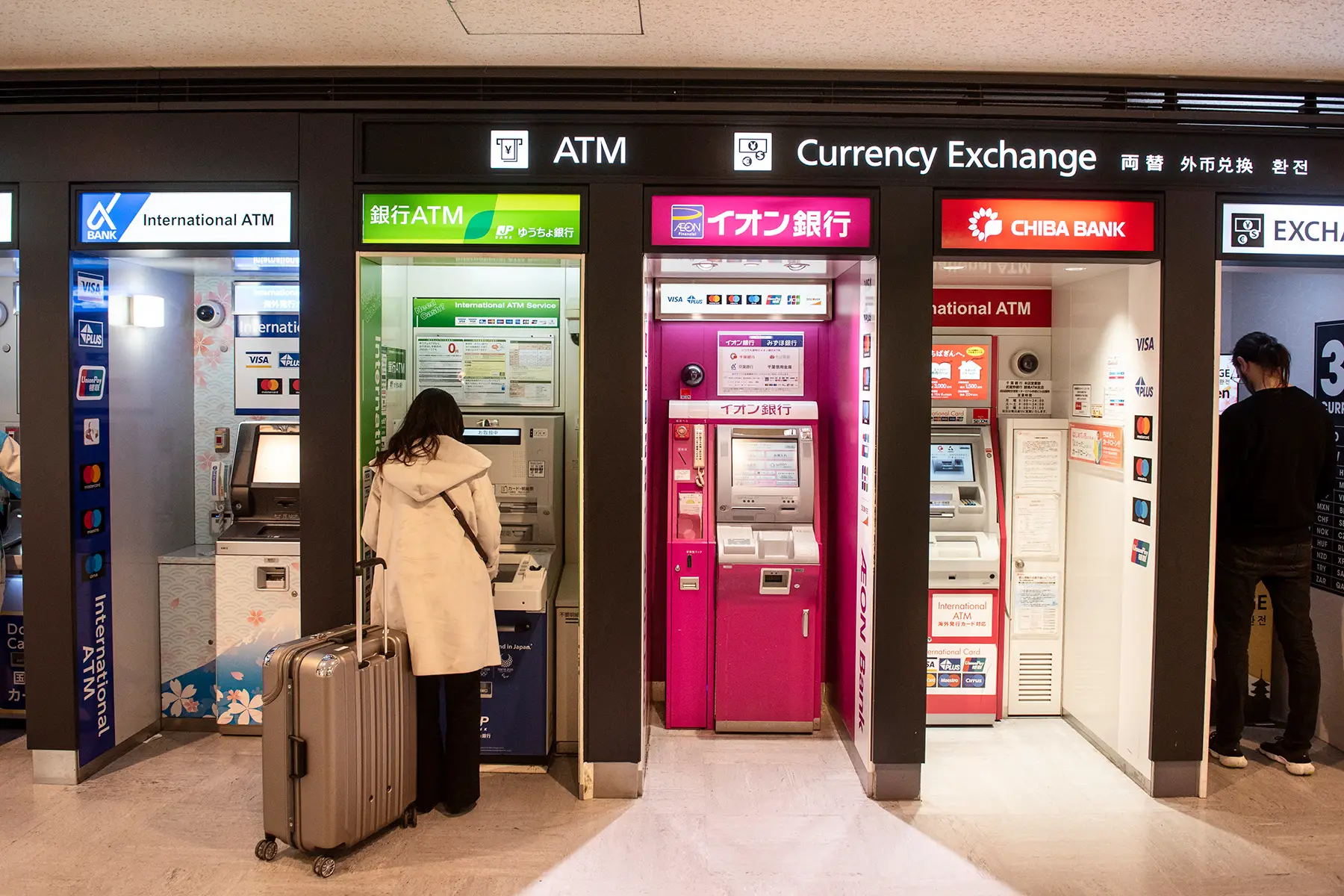
Foreigner-friendly lenders, language support and loan terms
Examples checked in July 2026 include SMBC Trust Bank PRESTIA and Tokyo Star Bank, both of which publish English-language mortgage information. Many expats also research SBI Shinsei or Suruga Bank, but current product scope and branch handling can change, so the list below isn’t ranked and doesn’t point to one winner.
| Lender route | Typical stance | Language support | Broad term range | What to verify next |
|---|---|---|---|---|
| SMBC Trust Bank PRESTIA | Often researched by resident foreign buyers, but screening still applies | Strong English support on public pages | Check current terms directly | PRESTIA housing loan page |
| Tokyo Star Bank | Public English page says non-PR borrowers in Japan may apply, subject to screening | English page available, but Japanese ability still matters | Published product page shows 1 to 35 years | Tokyo Star mortgage page |
| Flat 35 partner lenders | Useful if you want long-term fixed payments and the property meets scheme rules | Varies by lender or broker | Up to 35 years, depending on borrower and product | JHF English site |
| Other bank or broker routes | Some cases are handled through specialist brokers or Japanese-only channels | Varies widely | Varies | Check branch, language, deposit and guarantor rules |
Writer
Jason
Insider tip
Some expats find that a bank’s English website is useful for research, but the actual approval path still depends on branch, property, and credit review, so applying to more than one lender can be practical.
Fixed, variable and Flat 35 mortgage options
Japanese mortgages usually fall into variable, fixed or hybrid structures. Flat 35 is a government-backed fixed-rate framework, but you still apply through a participating lender and the property must meet scheme standards. Rates and conditions change, so use the Bank of Japan prime rate page as market context and check current product details with the lender and JHF.
- Variable loans can start lower, but repayments can move later
- Fixed loans give clearer budgeting, but the starting rate is often higher
- Hybrid loans fix the rate for a set period, then reset or switch later
How much deposit and income do you need?
Many buyers plan around 20% as a down payment for a house in Japan, but that isn’t a universal rule. Some borrowers with PR and strong local income may find lower-deposit options, while non-PR cases may need more cash and a lower loan-to-value ratio.
In practice, a salaried applicant who has lived in Japan for several years, is paid in JPY and can show a clean repayment history will often have more options than a new arrival with overseas income and a smaller deposit. Age, debt ratio and property type also affect affordability.
- Stable income history matters
- Existing loans and card balances can reduce borrowing power
- Some property types are harder to finance
- Your cash buffer should cover more than the deposit alone
Upfront costs beyond the deposit
The deposit is only part of the cash you need. You may also pay registration-related costs, a judicial scrivener fee, agency fees, lender admin charges, guarantee-related costs or group credit life insurance, often called danshin, plus taxes outside the loan itself, so it helps to budget with Expatica’s property taxes in Japan guide open beside your lender paperwork.
- Registration and title costs
- Stamp duty on key documents
- Agency fees where an agent is involved
- Guarantee or administration charges, if the lender uses them
- Insurance costs, including mortgage-linked cover
How does the mortgage application process work?
Japanese lenders usually split the process into pre-screening, an initial check of you and the property, and final screening, a deeper credit and document review before contract and drawdown.
- First, choose the property and line up a lender or broker that fits your residence status.
- Next, submit pre-screening with your core finances, ID and property details.
- Then, once the deal is moving forward, send the full document pack for final screening and review any insurance or guarantor conditions.
- Finally, sign the loan contract, complete the property paperwork with the seller and any judicial scrivener, and arrange disbursement and settlement.
Documents foreigners usually need
- Passport and your zairyū card, the Japanese residence card
- A jūminhyō, your local resident record, if the lender asks for it
- Income proof such as payslips, employment certificates or tax records
- Recent bank statements and evidence of other debts
- Property documents from the agent or seller
- Proof of address and contact details in Japan
- Lender forms, and sometimes a hanko or inkan, a personal seal, for signing
- Japanese translations if your originals aren’t accepted as filed
Typical timeline from pre-screening to completion
Simple cases can be done in several weeks, but many purchases take longer once lender queues, translations and property checks are added. Delays are common if documents are incomplete, so sort your Japanese bank account setup and transfer plan before the final rush.
Writer
Jason
Insider tip
Sellers and agents may ask for proof that your deposit can arrive on time, so it helps to sort bank account setup, ID checks, and transfer planning before final approval.
How can you move your deposit or final payment to Japan?
Once your financing is lined up, the practical risk shifts to timing and exchange rate movement. A large transfer into JPY can cost more than expected if you leave conversion to the last minute, send without matching the purchase schedule, or can’t show proof of source of funds when asked.
You also need to confirm whether the money is going to your own Japanese account, the seller, or a legal intermediary such as a judicial scrivener, because recipient rules vary by bank and transaction. Cut-off times, account details and compliance checks can all affect whether the funds land when you need them.
- Lock in recipient details exactly as instructed
- Be ready to explain the source of the money
- Check bank cut-off times and local holidays
- Confirm whether the receiving side accepts third-party payments
Where Wise fits for funding a home purchase

Wise can be relevant at this stage if you need to transfer a deposit or final payment into Japan and want a clear view of the exchange step. It uses the mid-market exchange rate for conversion and offers multi-currency account features with a limit of 1 million JPY per transaction from Balance, but fees, route availability, verification needs and delivery times vary, so check the latest details directly with Wise before you send.
- Useful if your purchase funds start in another currency
- Helpful for exchanging and transferring funds before settlement
- Readers who already know they need to move money into Japan can compare transfer options and check current Wise details before they send
Wise Payments Japan is licensed as Type 1 & 2 Fund Transfer Service Provider and registered to Kanto Local Finance Bureau.
Common misconceptions and risks to check before you apply
- Buying isn’t the same as borrowing. Japan lets foreigners own property, but mortgage approval depends on lender policy, residency, income, deposit, property type and paperwork.
- Buying property doesn’t give you residency. A home purchase doesn’t by itself create a visa, permanent residence or citizenship route, so treat immigration and property planning as separate decisions.
- Non-resident borrowing is a different market. Many standard owner-occupier loans are built for residents in Japan. Non-residents may still buy, but financing is often narrower or replaced by a cash purchase.
- English support doesn’t mean an English closing. Some lender pages are in English while final paperwork, branch steps or seals remain Japanese-led. Ask early whether you will need translations, an interpreter or a hanko.
- FEFTA can matter after the purchase. Non-residents acquiring real property in Japan should check current reporting duties under the Foreign Exchange and Foreign Trade Act with the Ministry of Finance FEFTA guidance. For rates and lender terms, verify the latest position on official lender pages and the Bank of Japan, not on forums.
FAQ
Frequently asked questions
Can foreigners get a mortgage in Japan without permanent residency? 
Yes, some lenders may consider non-PR borrowers. In practice, the outcome often depends on whether you live in Japan, have stable employment and income, can handle the paperwork, and can provide enough deposit for the lender’s comfort.
Do you need to live in Japan to get a mortgage?
Many standard owner-occupier mortgage routes are geared towards residents in Japan. Non-resident borrowing is more limited and may fall into different loan categories, or lead you towards a cash purchase instead.
What size deposit do foreigners usually need for a house in Japan?
Around 20% is a common planning benchmark for foreign buyers, especially without PR. However, you may be asked for more. Your total upfront cash usually needs to cover the deposit plus fees, taxes and other purchase costs.
Does buying property in Japan give you residency?
No. Buying property in Japan doesn’t automatically give you a visa, permanent residence or citizenship, and your immigration status must be handled separately.
Can you use Wise to send money to Japan for a property purchase?
Wise can be relevant for sending purchase funds to Japan, especially if you want mid-market rate conversion and a clearer view of the exchange step.
You still need to check route-specific limits (including the 1 million JPY limit for transfers from Balance), fees, timing, verification requirements and whether the receiving setup is accepted for your transaction.
Sources
- Prime Lending Rates (Principal Banks) : 日本銀行 Bank of Japan: Used to support the article’s guidance on how readers can verify the wider Japanese rate environment and why headline mortgage rates change over time, checked on 7 July 2026.
- Reporting Requirement Under the FEFTA For a Non-Resident Acquiring Real Property Located in Japan : Ministry of Finance: Used for the note that non-residents acquiring Japanese real property should check FEFTA post-transaction reporting duties, checked on 7 July 2026.
- English:Japan Housing Finance Agency: Used to describe JHF’s role in supporting fixed-rate housing finance and to explain Flat 35 as a government-backed framework rather than a generic bank product, checked on 7 July 2026.
- Housing Loan | SMBC Trust Bank: Used as a current lender example for English-language mortgage support and product verification in July 2026, checked on 7 July 2026.
- Star Mortgage (for non-permanent residents) | Foreign Customers【Tokyo Star Bank】: Used as a current lender example showing a public English page for non-PR borrowers in Japan, including published screening and loan-term context, checked on 7 July 2026.