'%20id='ico-down'%20stroke='%23000000'%20stroke-width='1.5'%3e%3cg%20transform='translate(1092.250000,%20254.750000)'%3e%3cpolyline%20id='Path-2-Copy-4'%20transform='translate(5.500000,%202.750000)%20scale(1,%20-1)%20rotate(-180.000000)%20translate(-5.500000,%20-2.750000)%20'%20points='0%200%205.5%205.5%2011%200'%3e%3c/polyline%3e%3c/g%3e%3c/g%3e%3c/g%3e%3c/svg%3e)



This guide explains the real costs, neighbourhood tradeoffs, legal steps and smarter ways to move purchase money into yen, including when a money transfer provider such as Wise can help you plan large transfers.
Key takeaways
| Topic | Short answer | What it means in practice | Next move |
|---|---|---|---|
| Can foreigners purchase Japanese properties? | Yes, in most cases | There are generally no nationality-based restrictions on buying Tokyo property | Check whether you’re buying as a resident or non-resident |
| Does ownership give visa rights? | No | Buying a home doesn’t give you residency, a visa, or work rights | Keep your immigration planning separate |
| Biggest upfront costs | Price plus taxes, legal and agent fees, insurance, and sometimes building charges | Your budget must cover more than the listing price | Build a full cash plan before offering |
| Typical timeline | Often a few weeks to a few months | Translation, finance, and document checks can slow completion | Line up your professionals early |
| Where Wise can help | Funding and FX planning | You may be able to convert GBP to JPY when you’re ready to send funds* for your property purchase | Check current Wise limits, documents, and timings before relying on it |
*Note that transfers involving Balance are subject to a 1 million JPY limit per transaction, while direct Send Money transfers allow larger amounts.
Can foreigners buy a house in Tokyo?
Yes. Foreigners can generally buy property in Tokyo, and across Japan, without special nationality-based restrictions.
Owning a Tokyo home can give you a place to live or invest in, but it doesn’t create visa, residency, or work rights, and it doesn’t make local mortgage approval automatic.
- Check whether you’re buying as a resident or a non-resident, because banks and reporting rules can differ.
- Decide if you need a buyer’s agent in Japan to handle viewings, negotiation, and Japanese paperwork.
- Ask early whether any reporting applies after purchase, especially if you’re a non-resident.
- Confirm whether the land or building has local restrictions, management rules, or use limits.
- Treat legal eligibility and finance eligibility as two separate questions.
Non-resident purchasers may be required to file a post-acquisition report under the Foreign Exchange and Foreign Trade Act (FEFTA). Whether reporting is required depends on the circumstances and available exemptions, so buyers should confirm the current Ministry of Finance guidance.
Choose the right Tokyo area and property type

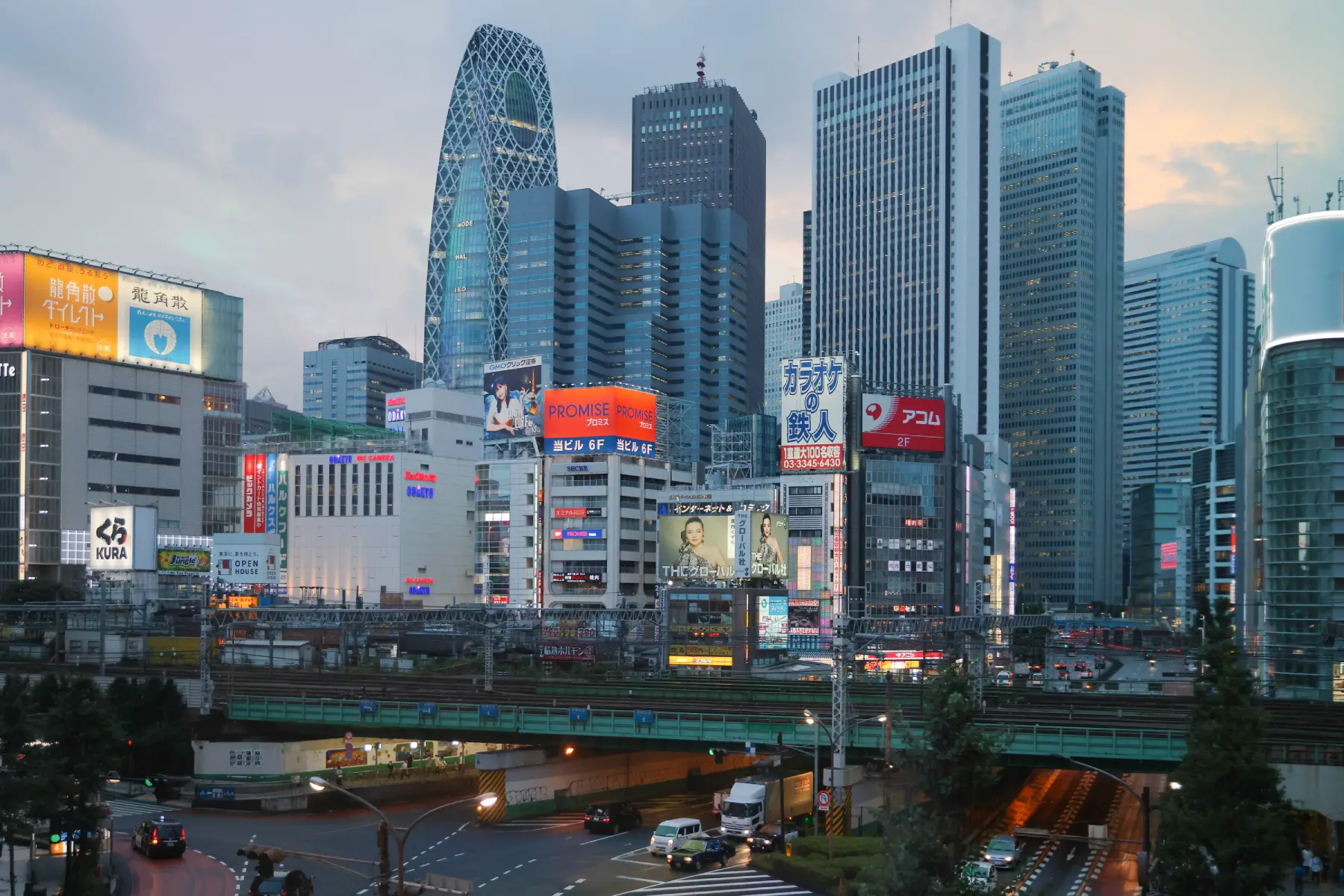
Tokyo isn’t a single market. A ward, or ku, is one of the city’s main districts, and your daily life can feel very different in central wards such as Minato or Shibuya than in western family areas such as Setagaya or Suginami.
If you’re still settling into the city, Expatica’s moving to Japan checklist can help you think through the wider relocation picture before you buy.

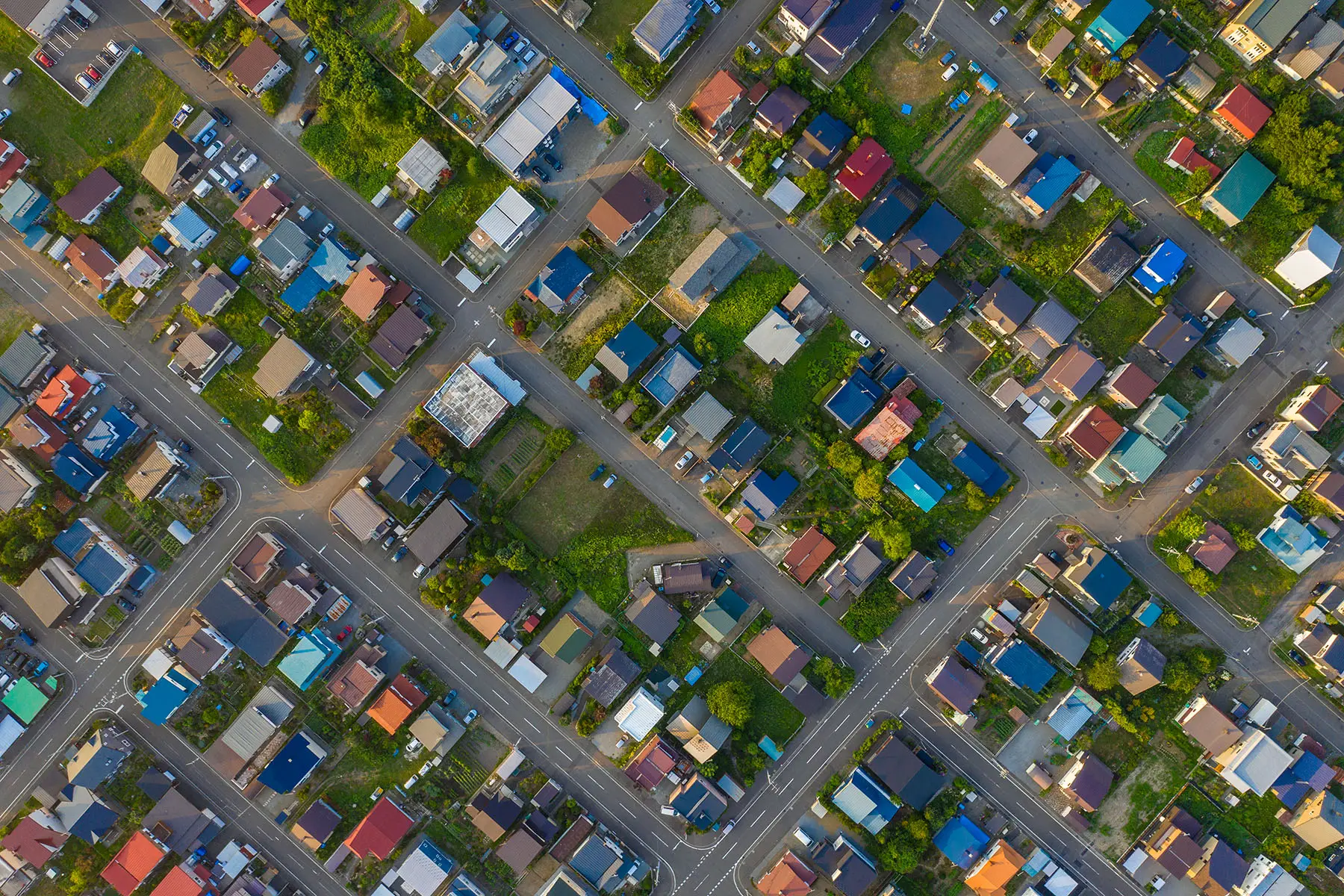
You’ll want to decide whether you want convenience or space. Central addresses usually mean smaller homes and more budget pressure, while outer wards and nearby suburbs often buy you more floor area, quieter streets, and better odds of finding a detached house.
| Area type | Best for | Budget pressure | Typical property style |
|---|---|---|---|
| Central wards, such as Minato and Shibuya | Short commutes and city lifestyle | Highest | Newer flats and compact homes |
| Western family wards, such as Setagaya and Suginami | Schools, parks, and more space | High | Family houses and larger condos |
| Eastern wards, such as Koto and Edogawa | Better value with train access | Medium | Mixed condos and newer developments |
| Outer ward or suburban west options, such as Nerima or Chofu | Space and lower price per square metre | Lower | Detached houses and lower rise homes |

Writer
Jason
Insider tip
In Tokyo, a flat that looks “close to the station” online can still feel far in summer heat or on steep roads, so test the walk yourself at commute time before you pay a deposit.
Central wards or outer wards?
Central wards suit buyers who value time over space. You may get a shorter commute, better nightlife, and easier access to international offices, but you often give up floor area, storage, and private outdoor space.
Move further out and daily life changes. You may get a larger house, a quieter street, and better long-term liveability for a family, but you should be honest about train time, station crowding, and whether the resale market is stronger for flats or houses in that area.
New build or second-hand home?
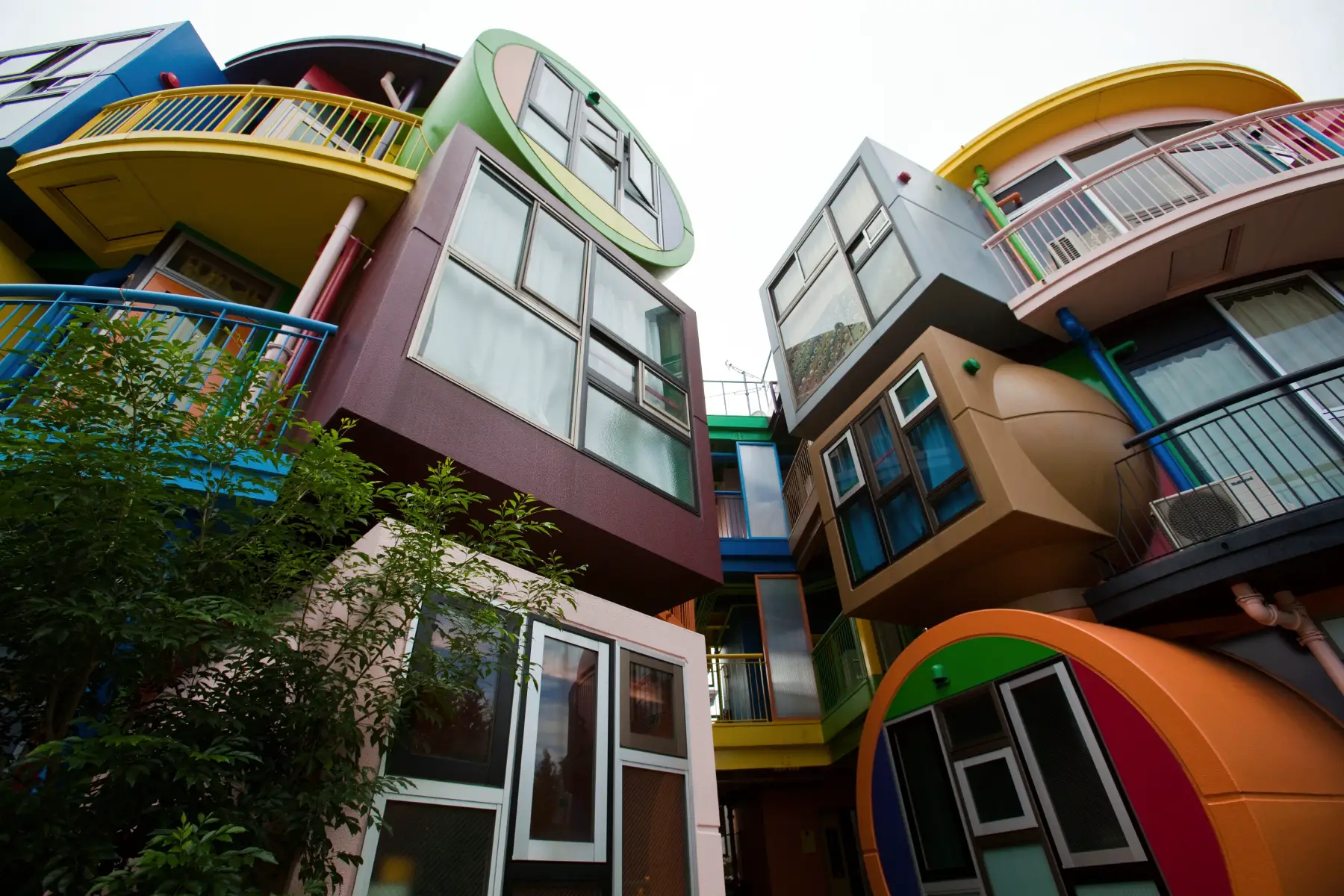
New builds can feel simpler because earthquake standards are newer and early repairs may be lighter, but they often come at a premium. Second-hand homes may offer more space or better locations, yet you need to check renovation risk, building condition, and monthly fees carefully.
- Newer homes may reduce immediate repair risk, but not every “new” listing is good value.
- Older manshons, which in Japan usually means apartment or condominium buildings, can carry significant management and repair reserve fees.
- Detached houses may offer more land value, while the building itself can depreciate faster than many foreign buyers expect.
- Ask what has already been renovated and what major works are still planned.
- Check earthquake history, inspection results, and building rules before you compare prices.
What does a house in Tokyo really cost?
The listing price is only the start. Tokyo property prices vary sharply by ward, age, size, and whether you’re buying a house or a condominium, so you need to separate the purchase price from the total acquisition cost.
Foreign buyers often focus on the deposit and miss the rest of the cost. You’ll usually need money for taxes, legal registration, agent fees, insurance, and sometimes management or repair charges, so keep a separate buffer beyond the agreed sale price. Also be aware of property taxes in Japan and confirm figures with your estate agent, judicial scrivener, lender, and current official guidance before signing.
- Keep separate pots for purchase price, purchase costs, move-in costs, and emergency repairs.
- Treat one-off acquisition costs differently from yearly ownership costs.
- Ask for a written schedule showing what is due at contract stage and what is due at settlement.
- Recheck tax and fee estimates just before exchange, because reliefs and local practice can vary.
Upfront fees and ongoing costs
- Brokerage fee: Usually due through the buying process when the agent completes the deal, and often one of the biggest non-tax costs.
- Registration and licence tax: Paid when ownership and any mortgage are registered.
- Stamp duty: Paid on the contract paperwork, often overlooked because it can feel administrative.
- Real estate acquisition tax: Often billed after purchase rather than on the signing day, which surprises many overseas buyers.
- Fixed asset tax and city planning tax: Ongoing ownership taxes that can change your yearly holding cost.
- Insurance: Fire and other cover may be required or strongly recommended, especially with finance.
- Management and repair reserve fees: Common in condos and older buildings, and easy to underestimate.
Writer
Jason
Insider tip
Older Tokyo manshons can look cheaper upfront, but monthly management and repair reserve fees can materially change affordability over time.
How the buying process works from search to completion
The process is usually straightforward in law but demanding in practice. Many straightforward deals complete in around one to three months, but finance, translation, or document delays can stretch that, and key disclosures are often handled in Japanese.
- Search and view properties. Narrow your areas, building type, and budget before you start bidding.
- Make an offer. Your agent submits terms to the seller.
- Review the explanation of important matters. This is the formal disclosure of legal, physical, and management details, and is one of the easiest points to misunderstand.
- Sign the sale contract. Read it properly before signing, especially cancellation terms and payment dates.
- Pay the deposit. Don’t send money until the contract terms and beneficiary details have been checked carefully.
- Arrange finance and final documents. This is where lender checks and source of funds evidence can slow things down.
- Settle the balance and transfer title. A judicial scrivener, which is a legal specialist who handles registration, usually manages the title filing.
- Handle any post-purchase reporting. Non-resident buyers may have FEFTA reporting duties after acquisition.
The UK government’s guidance on buying property abroad is also worth reading, especially on independent legal advice, written receipts, and translator use.
Documents and professionals you will need
Document lists vary by residency status, lender, and seller, so confirm your exact checklist before you start. Some buyers may also need a hanko, which is a personal seal used on some Japanese documents, although signed alternatives may be accepted in certain cases.
- Passport or other photo ID
- Proof of address and residency documents, where relevant
- Source of funds evidence for the deposit and balance
- Bank and income documents if you’re borrowing
- A team that may include an estate agent, judicial scrivener, translator, and tax adviser
Writer
Jason
Insider tip
Ask for the most important contract and disclosure terms in English before the signing day, not on the day itself, because last-minute translation can slow decisions and increase risk.
How to finance the purchase and move money to Japan
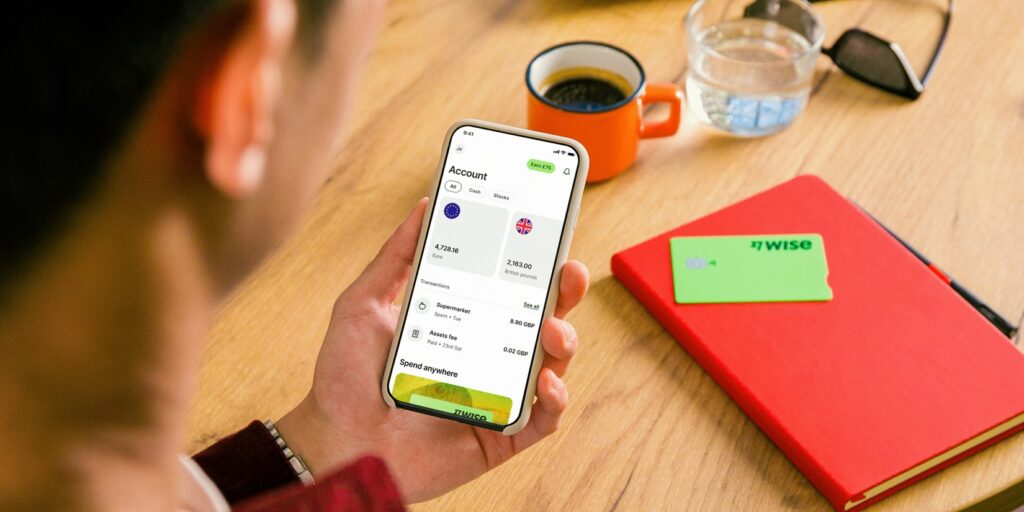
Some buyers use a Japanese mortgage, some fund from UK savings, and some pay mostly in cash from abroad. Access to local finance is often easier if you live and earn in Japan, so your funding plan should be built into the property timeline from the start rather than left until the contract is ready.
Wise can be useful where the main problem is currency management rather than borrowing. An expat may use Wise to convert and send funds for property-related transfers when ready, but you should verify current route limits, payment methods, required documents, and delivery estimates before you rely on it for a completion deadline.
Always confirm that the seller, escrow arrangement (if any), and receiving bank accept your intended payment method before initiating a transfer.
Note that in Japan, you cannot pay for transfers using credit cards due to local requirements.
Can foreign buyers get a mortgage in Japan?
Yes, but approval is often easier for residents with stable local income. Major local banks such as MUFG, SMBC, and Mizuho may be stricter for non-residents, while lenders such as SMBC Prestia, SBI Shinsei Bank, and Tokyo Star Bank may be more relevant for some foreign buyers depending on status and profile.
In practice, approval odds often improve if you have residency, long-term employment in Japan, a larger down payment, and enough Japanese language support to complete the process. Compare lenders on interest structure, fees, guarantor rules, language support, and what happens if your visa status changes.
How to transfer your deposit and final balance to Japan
When you move a large sterling amount into yen, timing matters because even a small rate move can change the final cost in pounds. A common mistake is to treat the FX step as admin, when it is really part of the purchase budget.
For example, if you agree on a home in Setagaya while funds are still in a UK account, map out the deposit date, the final settlement date, and who is legally allowed to receive each payment before you convert anything. Wise can help some buyers track GBP to JPY exposure and arrange property-related transfers with clearer upfront pricing, but Japan based customers can face different large transfer and holding limits depending on how they pay, so check the latest rules and documents first.
- Confirm the beneficiary name, account number, and branch details
- Check whether funds should go to your own Japanese account first
- Ask the receiving bank whether it accepts the transfer route you plan to use
- Prepare source of funds documents in case checks are triggered
- Leave extra time for compliance reviews, weekends, and bank cut off times
If you want more exchange rate visibility before contract day, compare your options early and check Wise’s current Japan specific limits before you commit to a transfer route.
Common mistakes foreign buyers should avoid
- Budgeting only for the sale price and forgetting taxes, legal work, insurance, and building charges
- Choosing an area based only on prestige, not commute, walkability, and daily life
- Underestimating monthly management and repair fees in older buildings
- Relying on a short translated summary instead of properly reviewing disclosures
- Assuming ownership helps with residency or visa status
- Missing FEFTA reporting if you buy as a non-resident
- Leaving FX planning too late and rushing a large transfer without checking beneficiary details
FAQ
Frequently asked questions
Can foreigners buy a house in Tokyo without residency? 
Yes. In legal terms, foreigners can buy property in Tokyo, and this is one reason the search term “can foreigners buy property in Japan” is so common. The practical challenge is separate: finance, paperwork, and post-purchase reporting can be harder if you’re non-resident.
How much deposit do you need to buy a house in Tokyo?
It depends on the deal, the seller, and whether you’re borrowing. Keep in mind that the contract deposit is only one part of the cash you need, because fees and taxes can add a separate funding gap.
Do foreign buyers have to report a Tokyo property purchase?
If you are a non-resident, possibly yes. The Ministry of Finance says post-transaction FEFTA reporting is required when a non-resident acquires real property in Japan, so confirm the current rule and timing on the official MOF page before completion.
Can you use Wise to send money to Japan for a house purchase?
Possibly, yes. Wise can be relevant for moving property related funds and managing currencies, but you should verify current route limits, account rules, payment method limits, document checks, and delivery estimates before building your completion plan around it.
Do you pay UK tax on property in Japan?
It depends on your UK tax residence and how you use the property. HMRC says overseas rental income can fall within UK tax rules, and selling overseas property can also trigger UK capital gains tax for UK residents, so check foreign income guidance and selling overseas property guidance and get advice for your case.
Should you rent in Tokyo before you buy?
Often, yes, especially if you’re new to the city. Renting first can help you test commute, ward fit, and daily costs before you commit.