
'%20id='ico-down'%20stroke='%23000000'%20stroke-width='1.5'%3e%3cg%20transform='translate(1092.250000,%20254.750000)'%3e%3cpolyline%20id='Path-2-Copy-4'%20transform='translate(5.500000,%202.750000)%20scale(1,%20-1)%20rotate(-180.000000)%20translate(-5.500000,%20-2.750000)%20'%20points='0%200%205.5%205.5%2011%200'%3e%3c/polyline%3e%3c/g%3e%3c/g%3e%3c/g%3e%3c/svg%3e)


House + Home
Housing Basics
Mortgages in Japan: home loans and interest rates in 2026
Read all about mortgages in Japan in 2026, including the application process, eligibility for expats, and insurance requirements.

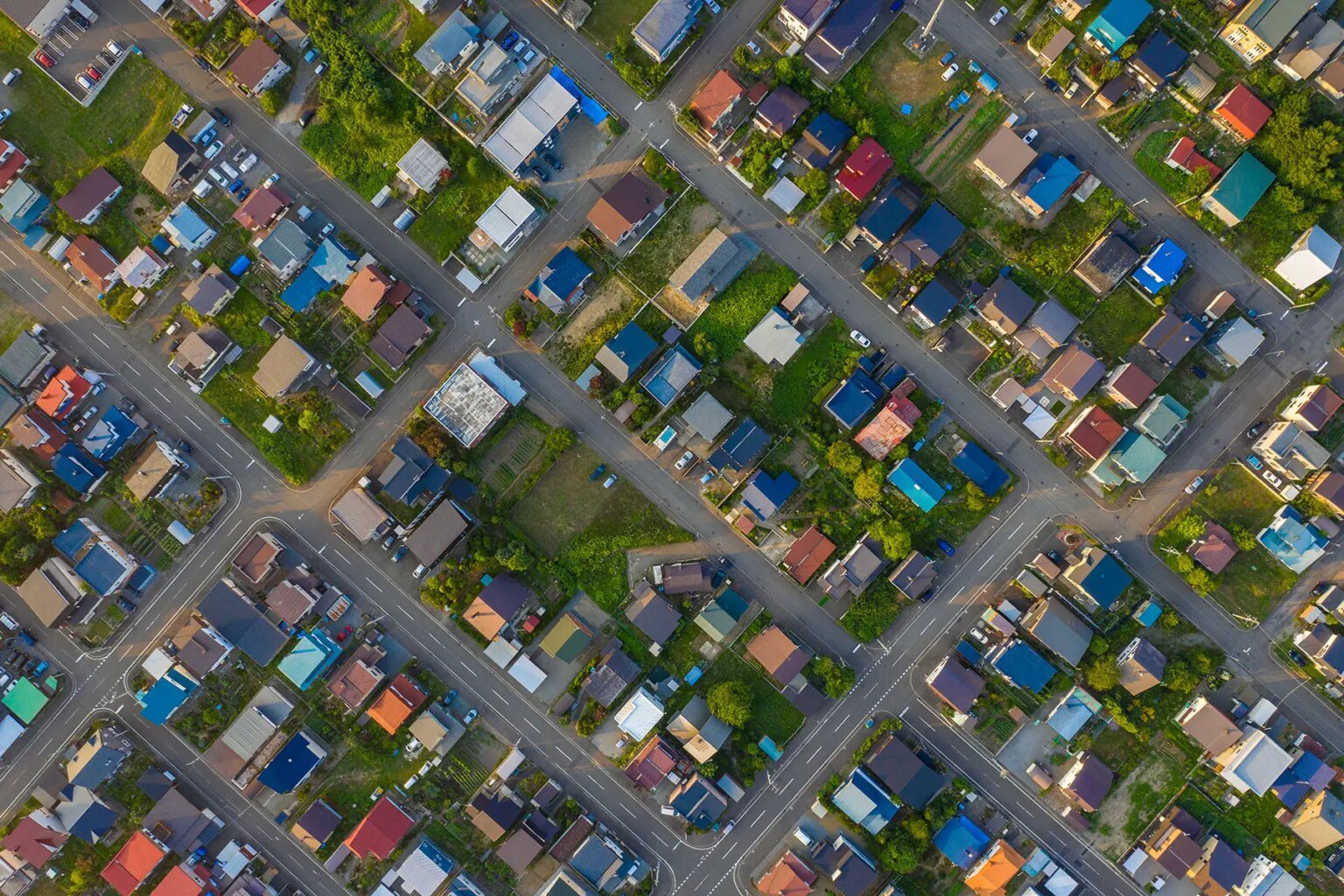
Thinking of buying a chic city apartment or a sleek townhouse in Japan? Unless you’re paying in cash, you’ll probably need a mortgage – and your residency status can play a big role in whether you qualify. While getting a mortgage in Japan as a foreigner can be tricky, it’s definitely possible if you know what to expect and how the system works.
Read on for more advice, including:
Wise
Buying property abroad is a big step and involves important financial decisions. Wise, an international money transfer company, provides specialist support to help you navigate large international transfers and save on exchange fees. Fill out Wise’s online form today to find out how they can assist you.

Mortgages in Japan
There are no restrictions on expats buying homes and applying for mortgages (住宅ローン) in Japan. However, if you don’t have permanent residency status, you’ll find it much harder to get a loan (融資).
There are several types of Japanese mortgages. These include:
- Public mortgages (provided by local municipalities)
- Private mortgages (provided by banks)
- ‘Flat 35’ mortgages (provided by banks under a scheme operated by the Japan Housing Finance Agency (JHF – 住宅金融支援機構)
The vast majority of homebuyers take out a private Japanese mortgage.
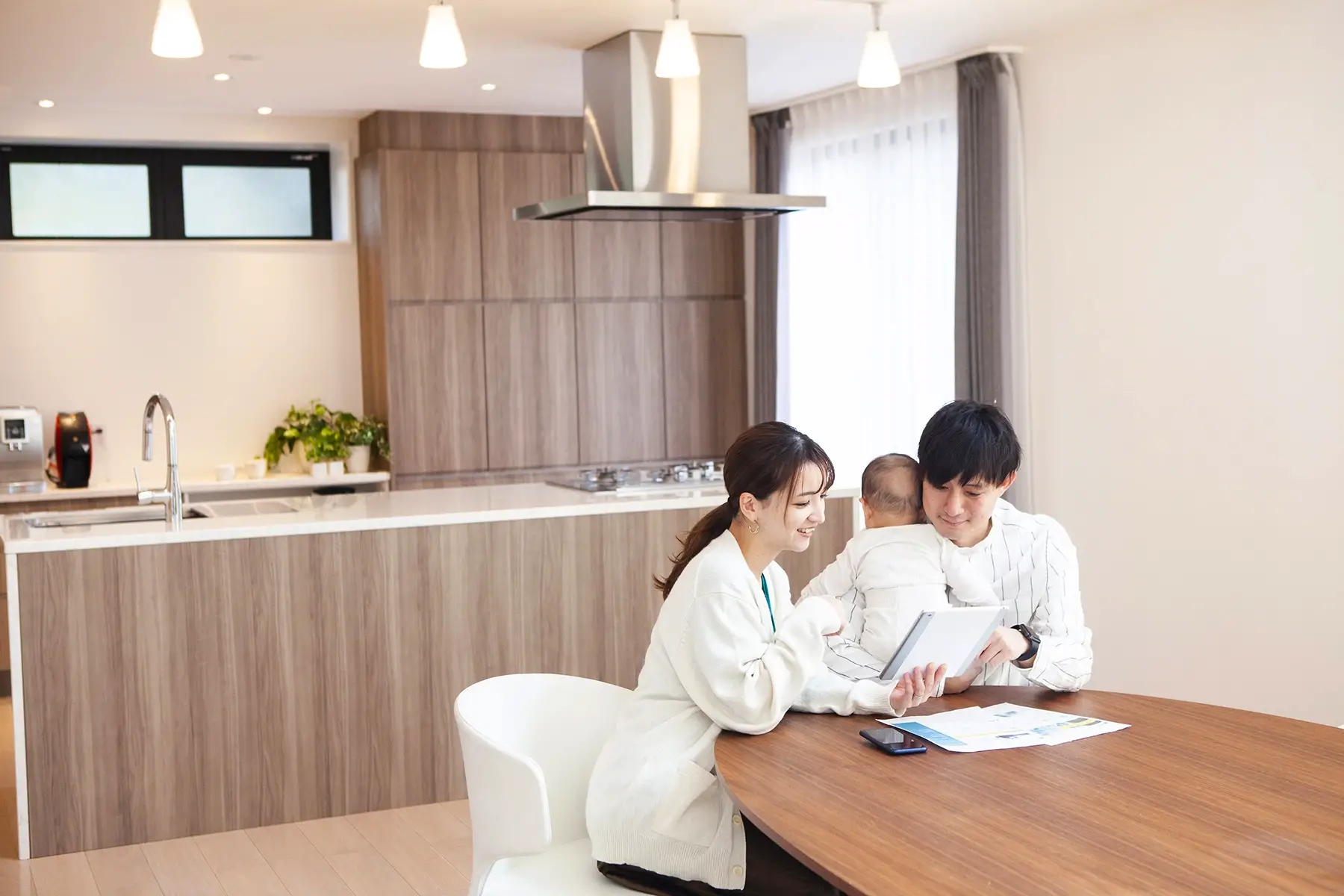
Mortgages are commonplace in Japan, with outstanding balances topping ¥227 trillion (2024). Rates have remained very low throughout the last decade, resulting in nearly 80% of borrowers having variable-rate (or floating) mortgages rather than fixed-rate deals (2025). There are, however, indications that banks will increase their fixed home loan rates.
Around 61% of people living in Japan own their own homes (2024). However, in larger cities, it’s common to rent rather than own. When you move to Japan, it may be better to rent a property first to get familiar with the market and decide where to live before committing to buying.
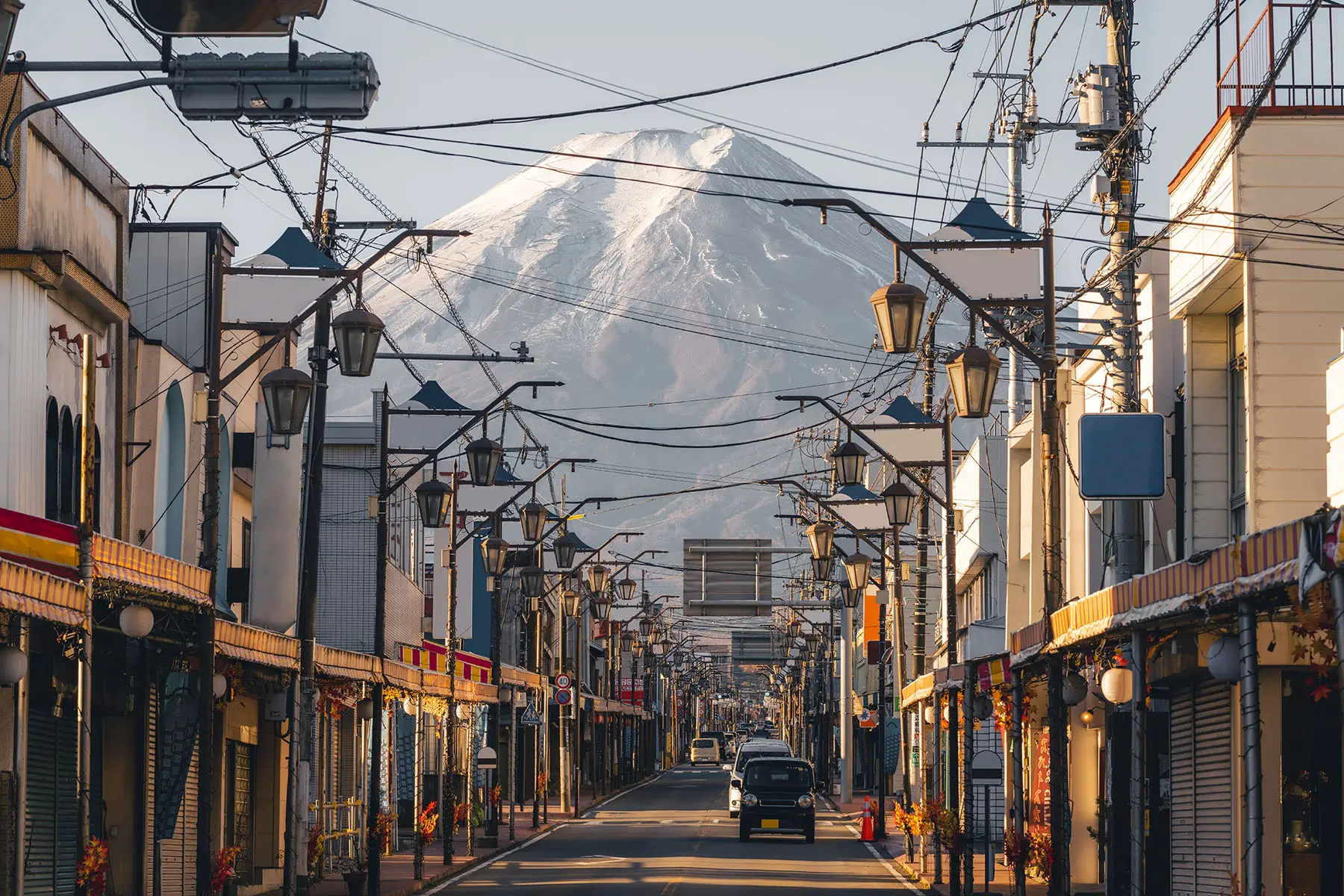
The costs and taxes (税金) payable in Japan are the same for expats as Japanese citizens. These include:
- Stamp duty (印紙税)
- Registration tax (登録免許税)
- Acquisition tax (不動産取得税)
Overall, fees can total 10% or more of the purchase price.
Can foreigners get a mortgage in Japan in 2026?
Anyone can buy land or property in Japan without restrictions, but foreign buyers might encounter challenges when applying for a Japanese mortgage. This is because Japanese banks are reluctant to lend money to people they think won’t stay in the country long term. Therefore, many only offer mortgages to permanent residents.
Getting permanent residency isn’t easy – you’ll typically need to have lived in Japan for 10 years to be eligible. There are some exceptions, for example, if you’re considered highly-skilled and accrue enough points on the immigration system. If you have a work or spousal visa or have lived in Japan for at least five years, many banks will also view your application more favorably.

As a permanent resident, you have the freedom to select a mortgage package best suited to your situation. Banks will assess your loan application based on your income, employment status, and existing debts. This process also applies to Japanese citizens.
Application criteria
To get a mortgage in Japan, you’ll usually need to adhere to the following criteria, though the exact rules will vary between loan providers:
- You are aged between 20 and 70
- You have had a stable income for at least one year (if employed) or two years (if self-employed)
- The mortgage will be repaid by the time you reach age 70 (sometimes increased to 80)
- You meet the minimum earning requirement (e.g., ¥2, ¥5, or ¥10 million in annual earnings)
- You are eligible to take out group life insurance
What are the mortgage options if you’re not a permanent resident?
A handful of Japanese banks offer loans to foreign citizens without permanent residency, but you may need a bigger deposit. Additionally, you may be asked for evidence of longer-term stable income (at least two or three years). Some banks also require you to have a certain level of Japanese language proficiency.
If your spouse is a Japanese citizen or permanent resident, they may be able to act as a guarantor for your mortgage.
Lastly, if your bank in your home country has branches in Japan, it may be able to offer you a Japanese mortgage. However, this is uncommon.
Mortgage rates in Japan in 2026
Mortgage interest rates in Japan vary significantly depending on the type of home loan you take out. In other words, you cannot determine exactly what rate you’ll pay (known as the applicable rate – 適用金利) before applying.
Banks in Japan set their variable mortgage rates based on the prime lending rate determined by the Bank of Japan (BOJ – 日本銀行), while yields on 10-year government bonds determine the fixed-rate loans. This rate is currently 1.875% (December 2025). Fixed mortgage rates are typically between 2% and 3.5%, depending on the lender and repayment period. For example, the current rate for a 10-year fixed-rate mortgage with MUFG bank is 2.75%.
Unlike most countries, the specific rate you’ll receive will also vary based on the lender’s risk assessment, factoring in things like:
- Your health
- The property you’re borrowing against
- The age you’ll be when the loan is repaid
Depending on the outcome of the assessment, banks may give you a reduced or discounted Japanese mortgage rate. Additionally, they may offer preferential rates to their existing customers.
How much can you borrow for a Japanese mortgage?
Typically, Japanese lenders offer a maximum loan-to-value of around 80% on a standard mortgage, depending on your residency status. This means you’ll usually need to put down a deposit of at least 20% of the property’s value. However, if you don’t have permanent residency, lenders may require a bigger deposit of around 30–50%.

Banks also set maximum borrowing limits, with caps ranging from ¥100–500 million.
In addition, your income affects your borrowing capacity. Japanese banks may lend as much as seven to eight times your annual income, with the caveat that your projected monthly debt repayments, including any credit (e.g., loans or credit cards), can’t be more than 25–35% of your monthly income.
Send Property Deposit Funds to Japan with Wise
When securing your Japanese property purchase, you’ll likely need to transfer a substantial deposit from abroad. Wise offers a straightforward way to send large amounts internationally using the mid-market exchange rate with transparent, low fees. This can help you save significantly on currency conversion costs when making your property deposit or down payment.
Learn more about Wise.
Japanese mortgage calculator
You can quickly work out how much you can borrow by using an online Japanese mortgage calculator, for example:
Types of Japanese mortgages
The types of mortgages available in Japan include the following:
- Fixed rate (全期間固定型): The interest rate payable is set at the start of the loan, meaning repayments stay the same every month. Fixed-rate mortgages provide the security of knowing how much your repayments will be but are usually more expensive than variable-rate mortgages.
- Variable (i.e., floating) rate (変動金利型): The interest rate is reviewed at specific intervals (usually every six months). These deals can be attractive when rates are low, but you’ll need to be able to pay a higher rate if they rise.
- Hybrid/combination (固定金利期間選択型): A mixture of a fixed and variable rate mortgage. A fixed rate is set for a specific period (e.g., 5, 7, or 10 years), after which the mortgage reverts to a variable rate.
The maximum mortgage term in Japan is usually 35 years. However, this will vary depending on your age and circumstances when you apply for the loan. Banks and credit unions typically allow borrowers to make early repayments penalty-free.
Flat 35 mortgages
The Japanese government underwrites the Flat 35 mortgage scheme to help more people get mortgages in Japan as it offers low fixed rates for the full term of the loan (up to 35 years).
Flat 35 mortgages are theoretically available up to 100% of a property’s value. However, the maximum is usually 90%, compared to 80% on most standard home loans. Unlike some other Japanese mortgages, you won’t need a guarantor.
Only properties that meet the Housing Finance Agency’s criteria qualify for Flat 35 mortgages. And, from April 2023, if you want to use this scheme to buy a new-build home, it must also adhere to energy-saving standards.
Mortgages as an investment
If you want to invest in buy-to-let property, you’ll need to take out a real estate investment loan.
The eligibility rules are relatively similar to those for standard mortgages and you may struggle to find a bank that will lend to you if you don’t have permanent residency.

With investment properties, Japanese lenders will look closely at your current assets and debts (e.g., any mortgages on other buy-to-let properties). You’ll also likely need a larger deposit than if you were buying a place to use as your primary home.
Foreign investors who don’t reside in Japan can generally only make their purchases in cash.
How to apply for a mortgage in Japan
If you’ve found somewhere you like and want to make an offer, you need to secure a mortgage. Your first step will be to complete a lender’s pre-application process (i.e., preliminary screening).
As part of the preliminary screening, the bank will check your eligibility for a mortgage, including:
- Current employment
- Income and/or bank statements
- Debt and credit records
You can apply to more than one bank simultaneously.
To submit a pre-application, you’ll need to provide the following details:
- Details of the property you intend to buy
- A form of identification
- Resident’s card
- Certificate of income
- Proof of any debts
Once you’ve applied for a mortgage and had an offer accepted, you’ll need to go through the final screening, which is usually conducted by your bank’s head office and credit guarantee company. The lender will undertake a more thorough investigation of your circumstances, including:
- Employment history
- Debt ratio
- Health status
This process can take a couple of weeks, but once it’s complete you’ll have your mortgage secured for your new home.
Notably, Japanese banks may provide English language information, but legal documents will be in Japanese, so you may wish to enlist the services of a translator.
Banks offering mortgages to expats in Japan
You can get a housing loan in Japan from the following banks:
Japanese mortgage fees and costs
Mortgage fees in Japan depend on how much you’re borrowing and with which lender, but will include:
- Mortgage registration tax (登録免許税) – charged at around 0.4% of the loan amount
- Admin fees (管理手数料) – either a flat fee or a percentage of the loan amount (typically 1–2%)
- Loan guarantee fees (保証料)

Home loan providers in Japan set their own admin fees that can be charged as a percentage of the loan amount or as a flat rate. For example, SMBC Trust Bank currently has admin fees of 2.2% of the balance on some floating-rate loans and levied flat fees of ¥22,000 on others (February 2026).
Finally, you also need to pay a loan guarantee fee to an insurance company that will reimburse the debt to the lender if you cannot continue to pay the loan. You can add it to the mortgage or pay a once off amount at the start of the loan.
Taxes and tax relief on Japanese mortgages
Homeowners in Japan can offset 0.7% of their mortgage balance (up to ¥50 million) as a tax credit when they file their returns.
The deduction typically lasts for up to 13 years and is only valid if your situation meets these criteria:
- The home is your primary property
- You earn less than ¥20 million a year
- The property is larger than 50 square meters
Do you need property insurance to get a mortgage in Japan?
You may be required to take out a particular type of life insurance – called group credit life insurance (団体信用生命保険) – when applying for a Japanese mortgage.
This insurance guarantees continual payments when life-changing circumstances (e.g., long-term illness, severe disability, or death) may prevent you from paying the premiums. Sometimes, the lender will include the insurance cost with your mortgage.
Comprehensive building insurance policies (住宅総合保険) offer flood and earthquake cover, but ensure your package also includes the required fire insurance (e.g., damage caused by fire, lightning, or explosions). Finally, optional contents insurance is available to protect your belongings on the property.
Repaying your Japanese mortgage
Most borrowers in Japan take out mortgages on a repayment instead of an interest-only basis.
Two different repayment options are available:
- Constant payment mortgage (CPM – 元利均等返済): You’ll repay the same each month throughout the term of the loan. Most of the repayments during the earlier years of borrowing will be allocated to the interest rather than the principal amount.
- Constant amortization mortgage (CAM – 元金均等返済): A constant rate of interest is applied to the amount borrowed for each month. The loan will be weighted so that you make higher payments during the earlier years of the loan.

The bank will also provide you with the following information in writing:
- The amount you’re borrowing
- Your monthly repayment dates
- The planned end date of the mortgage
Can you refinance your mortgage in Japan?
If you have a mortgage with an initial fixed term (e.g., 5 or 10 years), you may consider refinancing when the term expires. It could allow you to get a better deal – for example, if mortgage rates are lower than when you originally took it out.
However, depending on your lender and the specifics of your current mortgage, you may need to pay a fee to refinance, which in some cases, could cancel out the savings you stand to make.
Useful resources
- Bank of Japan (BOJ) – current prime lending rate
- Japanese Housing Finance Agency (JFH) – government-related housing finance institution
- Flat 35 Mortgage Scheme – program from the Japanese government that helps people buy property


Did you find this guide helpful?