'%20id='ico-down'%20stroke='%23000000'%20stroke-width='1.5'%3e%3cg%20transform='translate(1092.250000,%20254.750000)'%3e%3cpolyline%20id='Path-2-Copy-4'%20transform='translate(5.500000,%202.750000)%20scale(1,%20-1)%20rotate(-180.000000)%20translate(-5.500000,%20-2.750000)%20'%20points='0%200%205.5%205.5%2011%200'%3e%3c/polyline%3e%3c/g%3e%3c/g%3e%3c/g%3e%3c/svg%3e)



If part of your budget is overseas, it’s also worth comparing options such as Wise early.
This guide is for general information only, not legal, tax, investment, or mortgage advice.
Key takeaways
| Question | Short answer | What to check next | Why it matters |
|---|---|---|---|
| Can foreigners buy in Kyoto? | Yes, in most cases foreigners can own land and buildings in Kyoto and Japan without citizenship or residency restrictions. | Check whether you’re a resident or non-resident for reporting and financing purposes. | Legal ownership is usually possible, but the process can still be harder in practice. |
| Do you need residency? | No, residency isn’t required to buy. | Read How to immigrate to Japan: visas in 2026. | Buying property doesn’t give you a visa or residency rights. |
| How much extra cash do you need? | You need more than the purchase price for deposit, tax, registration, broker and professional fees. | Ask for a full JPY cost sheet before signing. | Many buyers underestimate the cash needed at contract and settlement. |
| What is the main risk for Kyoto? | Older stock can come with renovation, access, and rebuild issues. | Check road access, zoning, and whether the home is non-rebuildable. | A charming home can become expensive or hard to finance later. |
| When is Wise useful? | When you need to transfer money* to Japan and convert large sums into JPY. | Compare the rate, total fee, limits, and timing before you send. | FX costs and transfer timing can affect your real budget. |
*Note that transfers involving Balance are subject to a 1 million JPY limit per transaction, while direct Send Money transfers allow larger amounts.
Can expats buy a house in Kyoto?
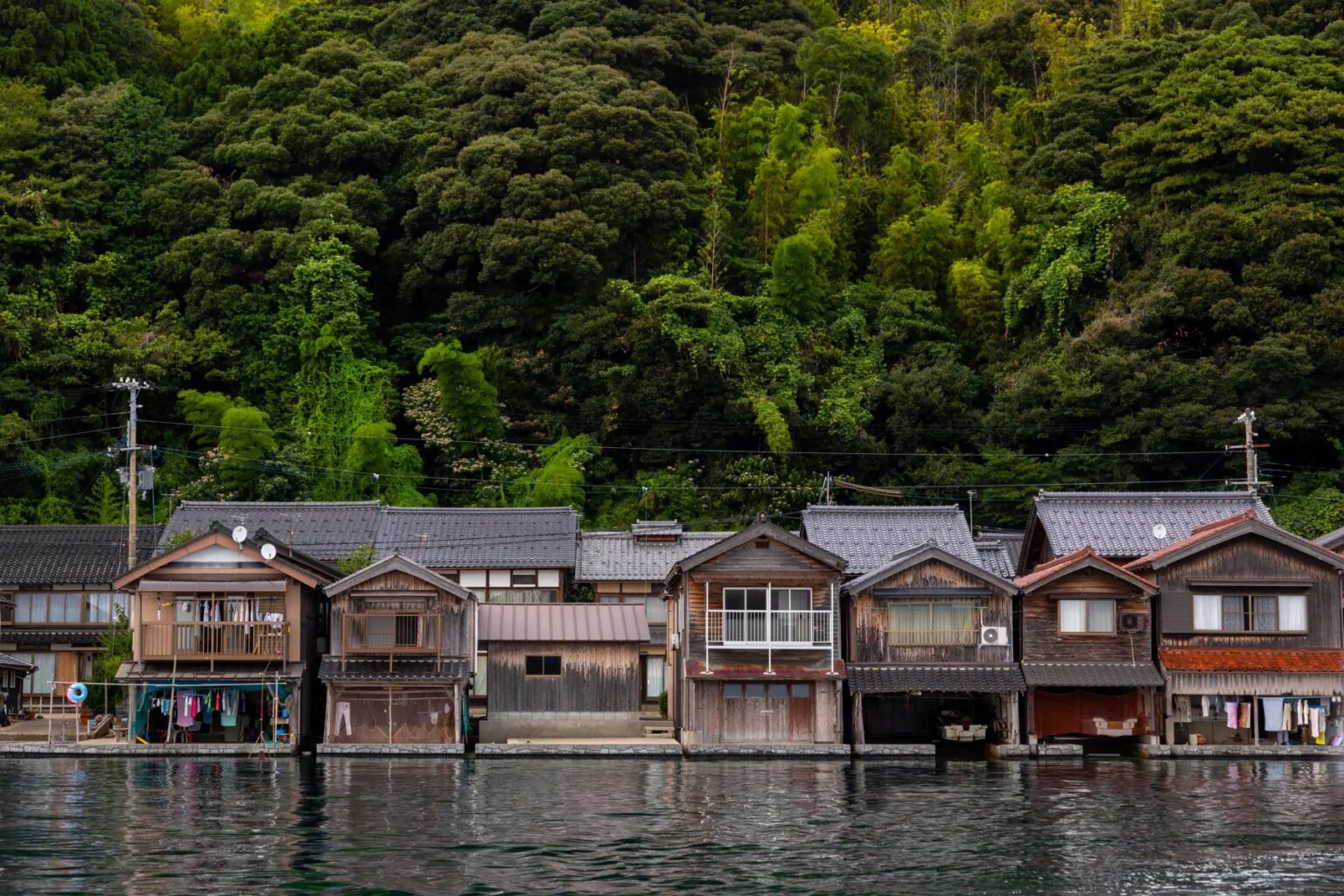
Yes, expats can generally buy a house in Kyoto, and the same basic ownership rules usually apply whether you’re Japanese or foreign. You still need to work out if you’re ready to buy a house there. Especially if you need to navigate language, mortgage access, local due diligence, and managing money across borders.
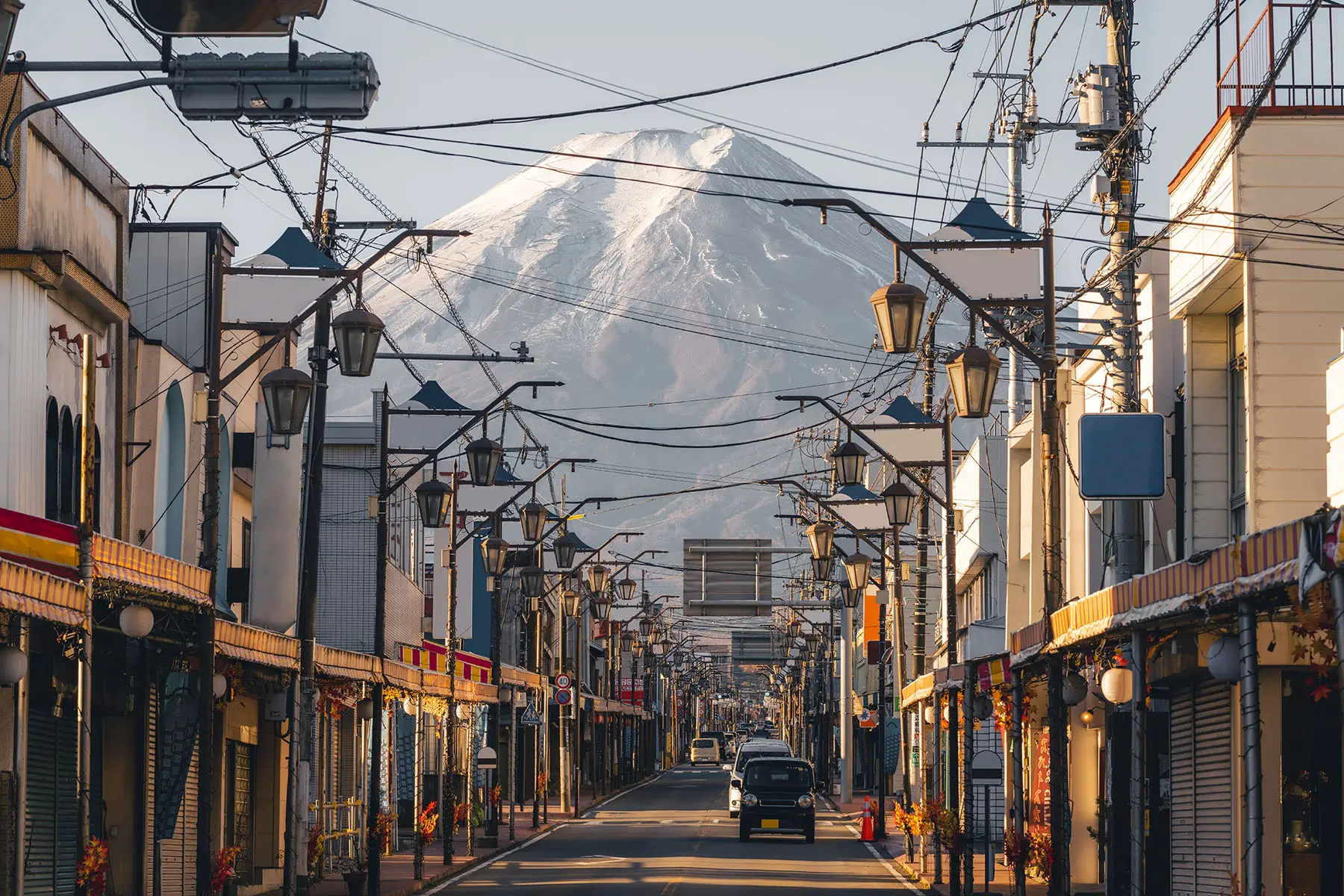
- You don’t usually need Japanese nationality to buy land or a home.
- You don’t need residency just to own property.
- Ownership doesn’t grant a visa, residence status, or the right to live in Japan long term.
- Many contracts, disclosures, and agent communications are still handled mainly in Japanese.

Writer
Jason
Insider tip
In Kyoto, a listing that looks ideal online may still involve Japanese-only paperwork and local agent expectations, so confirm early that your broker can explain the process clearly to an overseas or bilingual buyer.
How much does it cost to buy a house in Kyoto?
Buying a house in Kyoto means budgeting for more than the asking price. Kyoto house prices vary sharply by ward, property age, whether you’re buying an ikkodate, which is a detached house, or a manshon, which is a condominium, and how much work the property needs.
Upfront purchase costs to budget for
| Cost item | What it covers | Typical way it is calculated | When you pay | What to verify |
|---|---|---|---|---|
| Deposit | Good faith payment at contract | Often a percentage of the agreed price | At contract signing | Refund terms if the deal falls through |
| Broker fee | Estate agent commission | Usually tied to the sale price under a standard ceiling formula | Often at closing, sometimes split | Whether tax is included |
| Stamp duty | Revenue stamp on the contract | Based on the contract value band | At contract signing | Current band and amount |
| Registration and licence tax | Ownership and mortgage registration | Based on assessed value and registration type | At closing | Whether any residential relief applies |
| Judicial scrivener fee | Registration work by a shihō shoshi, which is a licensed legal professional responsible for registration procedures | Fixed fee plus case complexity | At closing | Scope of work and disbursements |
| Other closing costs | Bank, insurance, certificate, and admin charges | Varies by lender and property | Before or at settlement | Full yen total, not estimates only |
If the agreed price is ¥X, ask for two written figures in JPY: cash due at contract and total cash due at final settlement.
Ongoing taxes and ownership costs
Once you own the property, regular costs matter just as much as the purchase price. You need to understand property taxes in Japan to make sure you’ll be able to afford all your obligations.

These are the most common costs you’ll come across, but this list isn’t exhaustive:
- Fixed asset tax is the main annual property tax.
- City planning tax may also apply in designated urban areas.
- Condominiums usually have monthly management and repair reserve charges.
- Insurance, repairs, and utilities can rise quickly in older homes.
- A renovated machiya may look finished, but insulation, drainage, timber upkeep, and specialist repairs can still add cost later.
Which Kyoto areas suit different buyers?
Kyoto is not one uniform market. Ward choice matters almost as much as property type because price pressure, tourist traffic, transport links, and housing stock change quickly across the city.
Writer
Jason
Insider tip
A central Kyoto postcode can look glamorous, but some family buyers prefer easier daily transport and less tourist congestion, even if they live a little farther from the postcard streets.
Central and heritage districts
Nakagyo and Shimogyo are central, convenient, and usually expensive, with strong access to shops, offices, and stations. They suit buyers who want daily walkability and can accept higher prices and tighter plots.
Higashiyama and parts of Sakyo offer more of the Kyoto image many expats picture, with temples, traditional streets, and stronger machiya appeal. That charm often comes with tourism pressure, older stock, stricter landscape expectations, and more renovation risk.
Family-friendly and better-value areas
Fushimi, Minami, and parts of Ukyo often make more sense if you want space, easier parking, or a simpler buying process. These wards can sometimes offer better value, newer homes, and stronger day-to-day practicality than the central heritage belt.
If you’re buying to live in the property rather than impress visitors, convenience can matter more than prestige.
- Check commute time, not just distance on the map.
- Look at supermarkets, schools, and clinic access.
- Ask whether the home is newer, rebuilt, or heavily renovated.
How the buying process works in Kyoto
The legal framework is Japan-wide, but the lived experience can feel more complex in Kyoto because older housing stock, narrow lanes, and local terminology all raise the need for careful due diligence.
From offer to contract signing
- Search and viewings: Shortlist homes and visit in person where possible. Don’t rely only on photos, floor plans, or translated listing summaries.
- Offer: Your agent submits a purchase application stating the proposed price and terms.
- Explanation of important matters: Before signing, you receive the jūyō jikō setsumeisho, a legal disclosure document explaining the property, title, zoning, fees, and key risks.
- Sales contract: You then sign the baibai keiyakusho, the sale and purchase agreement, and usually pay the deposit.
- Seal or signature: Some procedures may still refer to a hanko, a personal seal, though foreign buyers can often sign with the right supporting documents.
One thing worth knowing is that bilingual support doesn’t mean the contract itself will be in English. In many cases, the legal version is still Japanese.
From final payment to registration
- Final balance: You send the remaining purchase funds in JPY by the settlement date.
- Professional checks: The shihō shoshi confirms the seller, title documents, and registration steps.
- Registration: Ownership transfer is filed with the Legal Affairs Bureau.
- Key handover: Once payment and filings are confirmed, you receive the keys and possession.
Before you send money, confirm the recipient account details, the exact fee timing, and whether a non-resident filing is needed.
Depending on the property type, location, and the buyer’s status, certain foreign purchasers may have post-acquisition reporting obligations under Japan’s Foreign Exchange and Foreign Trade Act. A judicial scrivener or legal adviser can confirm whether reporting is required.
Kyoto-specific checks before you commit
In Kyoto, buying risk is often tied to the property itself, not just to the headline legal right to buy. Older homes, culturally sensitive streets, and unusual lot layouts can change the real value of a purchase.
Writer
Jason
Insider tip
In Kyoto, an old townhouse can be beautifully renovated and still come with practical limits such as lane access, modern utility constraints, or uncertainty about rebuilding rights.
Machiya, non-rebuildable homes, and renovation risk
A kyomachiya, often shortened to machiya, is a traditional Kyoto townhouse. Buyers love them for timber detail, narrow frontage, inner gardens, and location in older neighbourhoods.
The trade-off is that charm can hide expensive work. A non-rebuildable home is usually a property that doesn’t meet current road access or planning rules, so you may own it but not be able to rebuild it in the normal way if it’s later demolished or badly damaged.
- Check structural condition, not just cosmetic renovation.
- Ask about insulation, fire safety, and utilities.
- Confirm whether the property is financeable with your lender.
- Verify rebuild rights before you pay a deposit.
Zoning, minpaku rules, and local restrictions
- Use: Ask whether the property is for owner occupation only, or whether short-term letting is restricted.
- Planning: Check zoning, conservation controls, and whether exterior changes need approval.
- Building: Ask if the lane width, plot access, or existing footprint creates limits on rebuilding.
- Condominium rules: If it is a manshon, review the building rules before assuming any rental use is allowed.
Kyoto has its own minpaku rules on top of national law, so never assume you can renovate or let a property just because a seller says it’s possible.
Moving your purchase funds to Japan with Wise
If you need to transfer money to Japan for a deposit, closing costs, or final settlement, the exchange rate and transfer fee both affect your real purchase budget. This matters most when you are moving a large sum from GBP or EUR and need a fixed JPY amount by a deadline.

Wise is one option some expats use to send money to Japan and convert funds into JPY using the mid-market exchange rate with transparent fees. You can also use a multi-currency account to coordinate transfers between home-country funds and a Japanese account after you’ve opened a Japanese bank account. Wise is a money transfer provider, not legal or property advice, and transfer times, eligibility, limits, and verification requirements vary by route and customer status.
- Confirm whether your seller, agent, or scrivener wants a domestic JPY transfer.
- Check the total fee, not just the exchange rate.
- Plan early if your transfer may trigger source-of-funds checks.
- Make sure the contract deadline leaves room for verification.
- If you need financing too, review Mortgages in Japan: home loans and interest rates in 2026 before you commit.
If your deposit is ¥X and your savings are in GBP or EUR, ask for the exact JPY due, then compare the rate, total fee, transfer limit, and estimated delivery time before you send.
Transfer limits, eligibility, and verification requirements vary by route and customer status, so confirm current requirements directly with Wise for large amounts.
FAQ
Frequently asked questions
Can foreigners buy property in Kyoto without residency? 
Yes. Foreigners can generally buy property in Kyoto without Japanese residency.
The harder part is everything around the purchase, such as financing, paperwork, tax handling, and practical logistics from overseas. Buying property also doesn’t give you a visa or any right to stay in Japan.
Can you get a mortgage in Japan as an expat?
Sometimes, but it depends heavily on residency status, income, job stability, deposit size, and the lender’s own rules. Major banks such as SBI Shinsei Bank, SMBC, and Tokyo Star may all assess foreign applicants differently,
If you’re unsure whether borrowing is realistic, verify four things first: your residence status, employment history, available deposit, and whether you can produce Japanese language or translated documents where required.
Is buying a machiya in Kyoto worth the extra risk?
It can be, if you want a lifestyle-led home and you understand the upkeep that comes with older timber buildings. The appeal is real, but so are the trade-offs around insulation, access, maintenance, and rebuild limits.
If you want lower complexity, a newer detached house or a simpler condominium may be the safer fit.
How much deposit do you need to buy a house in Kyoto?
Deposits are commonly around 10–20% of the purchase price (often up to ¥10 million), although it depends on the property, seller, deal structure and buyer’s residency status. Ask for the amount in writing before you sign.
If you’re funding the payment from abroad, confirm the exact JPY amount and transfer route early. The risk here isn’t just the deposit size, but whether your money reaches Japan in time.
Sources
- Ministry of Finance Japan: Official guidance confirming post-transaction reporting for non-residents acquiring real property in Japan, including the 20-day deadline and Japanese-language filing requirement.
- Kyoto City: Kyoto City’s page on its own rules for residential short-term lodging, with links to local ordinance, rules, and guidance for operators.
- Japan External Trade Organization (JETRO): Government-backed overview of key Japanese taxes, including fixed asset tax and city planning tax rates.
- Flat 35, Japan Housing Finance Agency: Official Flat 35 loan information covering eligibility, loan terms, and the rule that foreign applicants need permanent or special permanent resident status.
- Wise Help Centre: Official Wise guidance on JPY transfers, including recipient details, transfer limits, and typical processing information for JPY payments.