'%20id='ico-down'%20stroke='%23000000'%20stroke-width='1.5'%3e%3cg%20transform='translate(1092.250000,%20254.750000)'%3e%3cpolyline%20id='Path-2-Copy-4'%20transform='translate(5.500000,%202.750000)%20scale(1,%20-1)%20rotate(-180.000000)%20translate(-5.500000,%20-2.750000)%20'%20points='0%200%205.5%205.5%2011%200'%3e%3c/polyline%3e%3c/g%3e%3c/g%3e%3c/g%3e%3c/svg%3e)



'%20fill='%23000000'%3e%3cg%20id='icons'%20transform='translate(56.000000,%20160.000000)'%3e%3cpath%20d='M144,7339%20L140,7339%20L140,7332.001%20C140,7330.081%20139.153,7329.01%20137.634,7329.01%20C135.981,7329.01%20135,7330.126%20135,7332.001%20L135,7339%20L131,7339%20L131,7326%20L135,7326%20L135,7327.462%20C135,7327.462%20136.255,7325.26%20139.083,7325.26%20C141.912,7325.26%20144,7326.986%20144,7330.558%20L144,7339%20L144,7339%20Z%20M126.442,7323.921%20C125.093,7323.921%20124,7322.819%20124,7321.46%20C124,7320.102%20125.093,7319%20126.442,7319%20C127.79,7319%20128.883,7320.102%20128.883,7321.46%20C128.884,7322.819%20127.79,7323.921%20126.442,7323.921%20L126.442,7323.921%20Z%20M124,7339%20L129,7339%20L129,7326%20L124,7326%20L124,7339%20Z'%20id='linkedin-[%23161]'%3e%3c/path%3e%3c/g%3e%3c/g%3e%3c/g%3e%3c/svg%3e)
'%20fill='%23000000'%3e%3cg%20id='icons'%20transform='translate(56.000000,%20160.000000)'%3e%3cpath%20d='M335.821282,7259%20L335.821282,7250%20L338.553693,7250%20L339,7246%20L335.821282,7246%20L335.821282,7244.052%20C335.821282,7243.022%20335.847593,7242%20337.286884,7242%20L338.744689,7242%20L338.744689,7239.14%20C338.744689,7239.097%20337.492497,7239%20336.225687,7239%20C333.580004,7239%20331.923407,7240.657%20331.923407,7243.7%20L331.923407,7246%20L329,7246%20L329,7250%20L331.923407,7250%20L331.923407,7259%20L335.821282,7259%20Z'%20id='facebook-[%23176]'%3e%3c/path%3e%3c/g%3e%3c/g%3e%3c/g%3e%3c/svg%3e)

As one of Japan’s largest cities, Osaka has clinics, hospitals, and pharmacies where English-language support may be available. However, availability varies by facility, department, and staff member, so you should not assume that English-speaking support will be available if you simply turn up.
This guide covers finding English-speaking clinics and hospitals, what to bring to an appointment, how public health insurance and private insurance work, what to do in an emergency, and how to pay medical bills in yen if your money is still abroad. It is for general information and is not a substitute for professional medical advice.
Table of contents
- Key takeaways
- How to find the right English-speaking doctor in Osaka
- Recommended English-speaking doctors and hospitals in Osaka
- What happens at a Japanese clinic or hospital?
- Costs, insurance, and paying for care in Osaka
- When to use emergency or after-hours care
- Paying medical bills and pharmacy costs in Osaka from abroad
- Useful sources
Cigna Global
Enjoy peace of mind while living in Japan with Cigna Global’s long-term international health insurance plans (12+ months). Get tailored coverage, direct billing with many providers, complex case management, and global care on demand, with access to a global network of 2.4 million hospitals and healthcare professionals.

Key takeaways
- For routine illnesses, start with a local internal medicine (naika) clinic. Osaka Medical Net can help you find suitable medical facilities, including those offering foreign-language support.
- For children, look for a paediatrics clinic, but consider a hospital or emergency care if symptoms are severe. Check age limits and English-language availability before visiting where possible.
- Specialist care or medical tests may require more planning. Find a hospital or clinic with the appropriate department and bring a referral letter if you have one, as some large hospitals can charge an additional fee for patients who attend without a referral.
- For urgent but non-life-threatening problems outside normal hours, check Osaka Medical Net for after-hours services or use #7119 where available for emergency medical advice.
- For a medical emergency, call 119 for an ambulance. Transport is generally free, but subsequent medical treatment may incur charges.
- Check insurance and payment arrangements in advance when you can. Bring your insurance information and ID, and ask about direct billing, card acceptance, and reimbursement because arrangements vary between providers and insurers.
How to find the right English-speaking doctor in Osaka
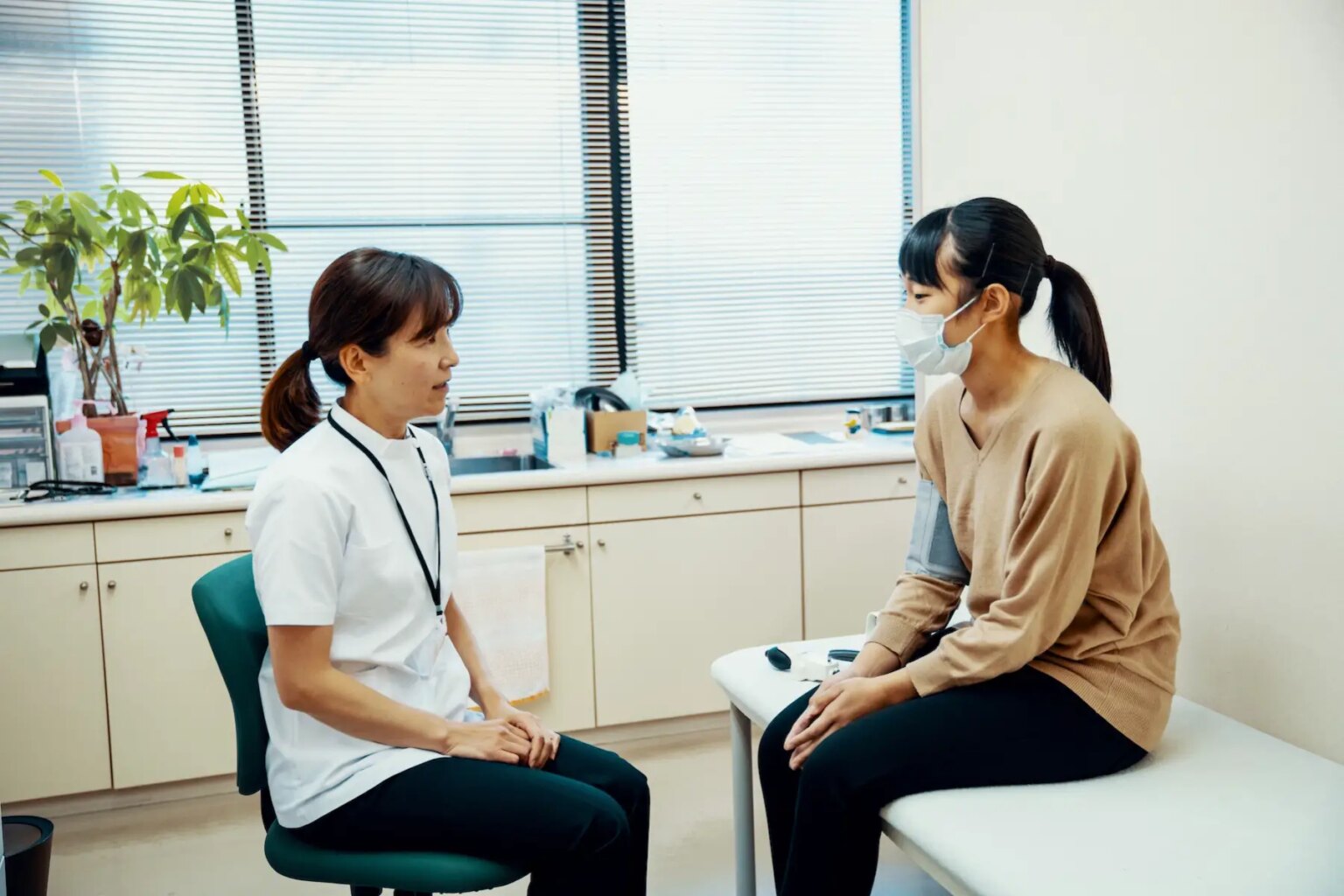
The right choice when looking for a doctor depends on urgency, department, and whether you need everyday care, specialist treatment, or after-hours help. Japan does not use a familiar UK-style GP model, so a practical first stop is often a local naika (internal medicine) clinic for common adult health problems.
Use official directories and shortlist by need
Start with Osaka Medical Net for Foreigners for Osaka-specific search tools, after-hours routes, and local guidance.
Use JNTO’s medical guide to filter by area, language, department, credit-card acceptance, and emergency room availability.
Check the clinic or hospital’s own English page for current hours, booking steps, and payment rules before you travel across the city.

Writer
Gary Buswell
Insider Tip
Official directories are the best place to build a shortlist, but the provider’s own site is the best place to confirm whether that shortlist is still current.
Verify language, booking, and payment before you go
If a facility is listed as providing “English support”, this doesn’t mean that all staff will speak English. Sometimes only one clinician does, or that help is available through staff or phone interpretation on certain days.
Check these four points before you leave home:
- Whether the English-speaking doctor is on duty that day.
- If you need a shōkaijō, a referral letter.
- Whether the provider accepts cash, cards, or both.
- Whether medicine is dispensed on-site or at a chōzai yakkyoku (dispensing pharmacy).
Writer
Gary Buswell
Insider Tip
In Japan, a clinic may advertise English support, but that can mean only one doctor speaks English on certain days, so call or use the booking form to confirm before travelling.
Recommended English-speaking doctors and hospitals in Osaka
Editor’s note: The providers below were included because they have an official English page, multilingual booking information, international-patient support, or appear on Osaka or JNTO resources. Inclusion is for information only, not an endorsement.
Hours, language support, and payment methods can change, so confirm directly before visiting.
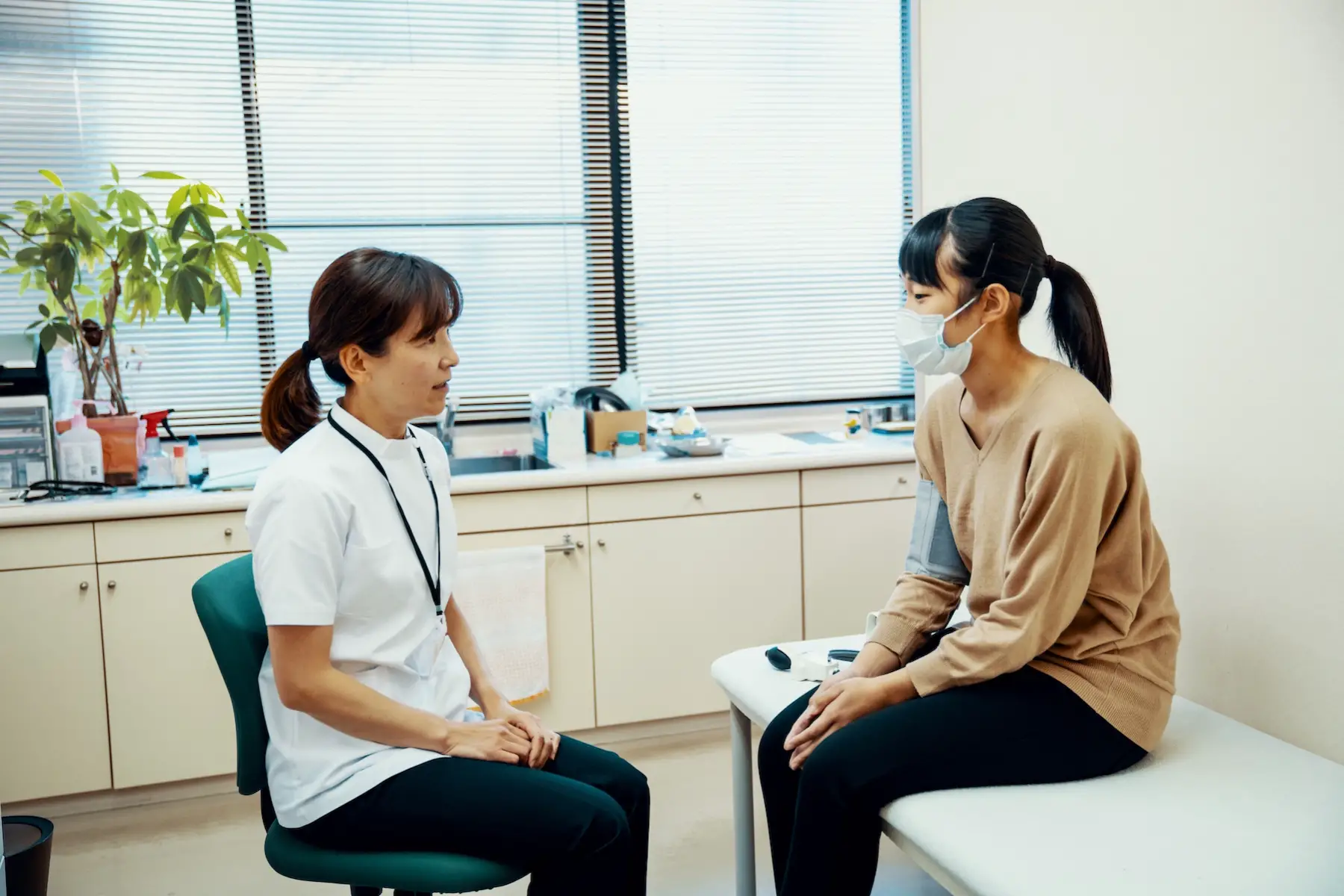
Clinics for everyday care
For colds, fever, stomach bugs, minor skin issues, travel health questions, or a child with a non-urgent illness, a neighbourhood clinic is usually the quickest place to start. These visits often suit first assessment, basic treatment, and deciding whether you need a hospital later.
If you are searching for English-speaking clinics in Osaka, focus on providers that clearly publish language, location, and booking details, rather than long listicles with little context.
| Provider | Area | Best for | Language support | Booking and payment notes |
|---|---|---|---|---|
| KN Namba International Clinic | Namba | General medicine, urgent care, paediatrics | English, Chinese, Japanese | Online booking available, accepts Japanese national health insurance, some travel insurance, credit card or cash |
| Okita Clinic | Daikokucho | Internal medicine, family medicine, travel clinic | English and multilingual support | Web booking, close to Namba, call ahead if the case is urgent |
| Osaka Lee Clinic | Kita | Internal medicine and respiratory care | English, Mandarin, Korean, Japanese | Walk-in outpatient care, weekday afternoon hours are limited |
| Bow Clinic International | Umeda | ENT, allergy, some outpatient resident care | English-speaking doctors and staff | Advance booking is strongly recommended |
Hospitals for specialist or after-hours care
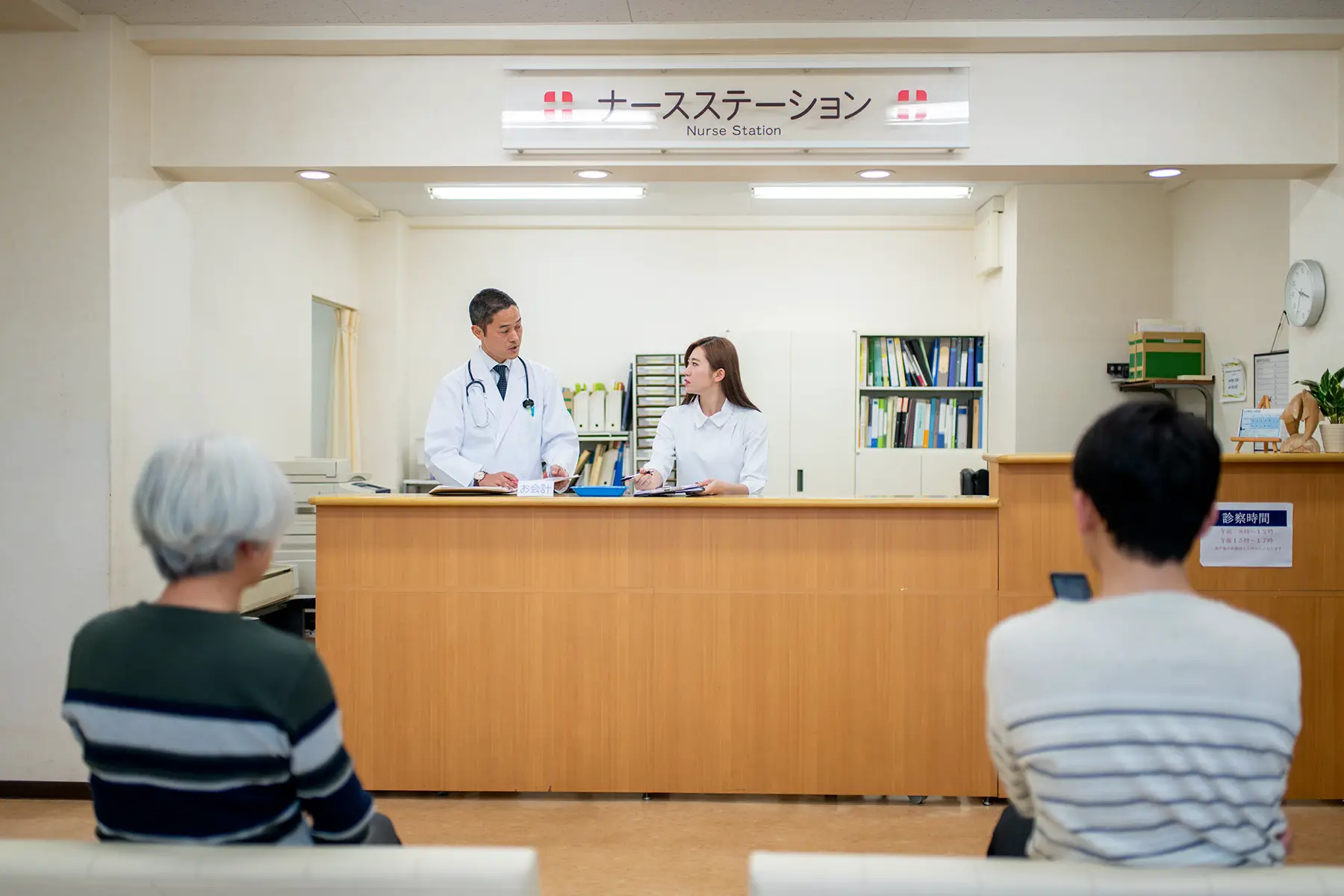
A hospital may be more appropriate for serious or complex conditions, specialist treatment, or care that a local clinic cannot provide. A clinic may also refer you to a hospital if you need more advanced tests or treatment.
If you are looking for an English-speaking hospital in Osaka expats can use, start with hospitals that publish an English patient page and clear outpatient rules. Some hospitals list English-speaking staff, but may not necessarily have an English phone operator.
| Provider | Area | Best for | Language support | Booking and payment notes |
|---|---|---|---|---|
| Yodogawa Christian Hospital | Higashi Yodogawa | Broad specialties, emergency department | English page, English-speaking staff listed | Check-in hours for outpatients are published on the English site |
| Osaka City General Hospital | Miyakojima | Large city hospital, specialist care | English foreign-patient page | New patient hours are limited, payment is yen cash or credit card, no direct private insurer billing |
| The University of Osaka Hospital | Suita | Highly specialised care and testing | English page | First visits require a referral from a physician |
Sumitomo Hospital in Nakanoshima is another hospital often used for specialist care, but its English patient information is less direct to navigate online, so phone confirmation matters.
Family, women’s, and specialist needs
If you need an English-speaking paediatrician, Osaka options can be harder to verify than general adult care, so start with clinics that clearly list paediatrics or family medicine.
KN Namba International Clinic (Namba) lists paediatrics, while Osaka International Clinic publishes multilingual hotel-visit and telemedicine support for travellers and new arrivals.
For women’s care, Ponere Clinic Osaka in Umeda lists English support for gynaecology and explains insurance and payment clearly. For broader background, Expatica also has guides to women’s healthcare in Japan and children’s healthcare in Japan.
- Paediatrics: check age limits and same-day availability
- Women’s care: confirm department days before you go
- Specialist follow-up: ask whether receipts or reports can be issued in English
Writer
Gary Buswell
Insider Tip
Confirm age limits, department days, and whether the English-speaking clinician is available at every session.
What happens at a Japanese clinic or hospital?
Most visits follow a similar path:
- reception and registration
- consultation
- possible tests or treatment
- payment
- visit a pharmacy if medicine is prescribed.
Larger providers may also issue a shinsatsuken (patient registration card) to use at future visits.
What to bring to your appointment
- passport or photo ID
- proof of public health insurance coverage*, or private cover details
- residence card, if relevant
- Shōkaijō (referral letter) if the hospital asks for one
- list of medicines and allergies
- cash or card for the visit and the pharmacy
**As of August 2026, the old conventional health insurance cards have expired. At medical institutions and pharmacies, patients generally establish insurance eligibility using a My Number Card registered for health insurance (Myna Hokensho) or a Certificate of Eligibility (shikaku kakuninsho). The transitional handling of expired conventional cards also ended on 31 July 2026.
Referral letters, prescriptions, and follow-up
Some larger hospitals charge an additional fee if you attend without a referral letter, so starting with a local clinic can sometimes save money and help you reach the right department.
Many clinics and hospitals issue prescriptions that you take to a separate dispensing pharmacy (chōzai yakkyoku), rather than providing the medicine on-site.
Before you leave, ask for an itemised receipt if you need one for reimbursement, any English paperwork they can provide, and clear follow-up instructions. If tests are pending, ask how results will be shared and whether you will need another appointment.
Costs, insurance, and paying for care in Osaka
Many expats in Osaka and elsewhere in Japan are concerned about the possible costs of medical care. How much you pay depends on whether you are using public insurance or private cover, and whether you need to pay first and claim later.
What Japanese public insurance usually covers
Eligible foreign residents are generally enrolled in Japan’s public health insurance system through employment-based health insurance or National Health Insurance.
For most working-age adults, public insurance generally leaves you paying 30% of covered medical costs at the point of care, with the insurance system covering the remainder. Different copayment rates can apply depending on age and income.
- Consultations and tests may be billed separately.
- Hospital visits without a referral can cost more.
- Prescription medicines from a dispensing pharmacy are usually paid for separately from your clinic visit.
In practice, a first-time expat patient in Osaka should bring proof of cover and enough money to pay the patient share on the day.
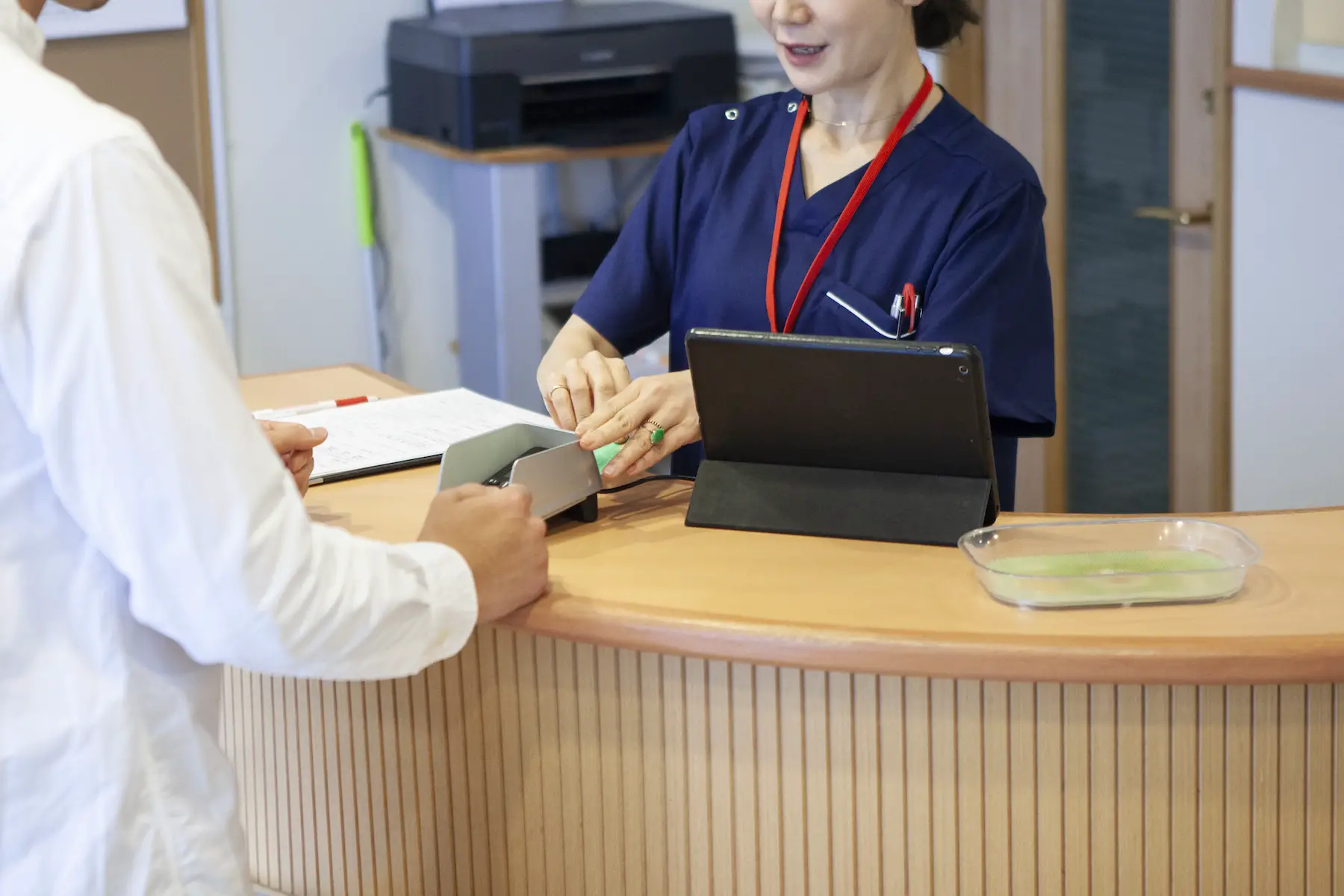
Private insurance options for expats
Private or international health insurance can provide additional cover beyond Japan’s public system or help with healthcare costs for people who are not covered by Japanese public insurance.
International insurers offering plans that may be available to people living in Japan include Cigna Global and Allianz Care.
- Cigna Global can suit readers who want international-style cover and possible direct billing on some plans
- Allianz Care can suit readers who want flexible expat cover in Japan and abroad
Check the small print before treatment. Direct billing, reimbursement, specialist access, and outpatient cover vary by policy and provider, so compare quotes before choosing a policy.
When to use emergency or after-hours care
Call 119 for a medical emergency, such as severe breathing difficulty, heavy bleeding, loss of consciousness, signs of a stroke, or a serious accident. Kyūkyūsha (救急車) means ambulance.
Use Osaka’s #7119, or 06-6582-7119 from some phones, if you need guidance on whether to seek emergency care. For children at night, Osaka also provides #8000, or 06-6765-3650, available daily from 19:00 to 08:00.
The Osaka Emergency Medical Information Center, 06-6693-1199, can help locate a medical institution 24 hours a day, although it does not provide medical advice.
If you think it is an emergency, call 119 first rather than relying on a content list. Ambulance transport is generally free, but medical treatment is not necessarily free.
Paying medical bills and pharmacy costs in Osaka from abroad
This is where healthcare and money meet in real life. You may need to cover medical costs before a private insurer reimburses you, or send money to a relative’s Japanese bank account if they need funds in yen for treatment or medicine.
Some money transfer providers, including Wise, can help you hold currencies, convert to yen, and send money to Japan. The Wise multi-currency account can be useful if you need to send money from your foreign bank account to Japan for medical expenses, but Wise helps with payment logistics only, not insurance approval or medical access.
For example, if you are newly arrived and relying on private or travel insurance that reimburses you after treatment, you may need to pay the clinic and pharmacy first and claim eligible costs later.
Before moving money, compare the total transfer cost, exchange rate, speed, and amount the recipient will receive with your bank or other transfer services, rather than looking at the headline fee alone.
If that sounds relevant, check Wise’s current fees and account features before you move money.
FAQ
Frequently asked questions about English-speaking doctors in Osaka
How do I find an English-speaking doctor in Osaka? 
Start with Osaka Medical Net for Foreigners or JNTO, then filter by department, area, and language. If you are comparing English-speaking clinics in Osaka, always verify the booking route, real English support, and payment method on the provider’s own page before visiting.
Do doctors in Osaka accept Japanese health insurance?
Most mainstream clinics and hospitals accept Japanese public health insurance for covered treatment, but not every service or provider is covered. Check your applicable copayment and whether you could face additional costs, such as a non-referral fee at certain hospitals or a separate payment for prescription medicine at a pharmacy.
Can tourists or new arrivals see a doctor in Osaka without public insurance?
Yes. You can generally receive medical treatment without Japanese public health insurance, but you may have to pay the full cost yourself. If you have private or travel insurance, check whether the provider can bill the insurer directly or whether you need to pay first and claim eligible costs later.
What should I bring to a clinic in Osaka?
Bring ID, insurance proof, your referral letter if relevant, a list of medicines, and a payment method. Also remember that prescriptions may need to be paid separately at a pharmacy.
How do I call an ambulance in Osaka?
Call 119 in an emergency. If you are unsure whether you need an ambulance or emergency care, call Osaka’s #7119. Foreign visitors can also contact JNTO’s 24-hour Japan Visitor Hotline (050-3816-2787) for multilingual assistance, including help finding medical care. Ambulance rides don’t usually cost anything, but you may still be billed for treatment once you arrive.
Useful sources
(accessed 16 August 2026)
- Osaka Medical Net for Foreigners
- JNTO Guide for when you are feeling ill
- Medical Information Network, MHLW
- AMDA International Medical Center
- Official clinic and hospital websites in Osaka for current hours, booking, payment, and language details