'%20id='ico-down'%20stroke='%23000000'%20stroke-width='1.5'%3e%3cg%20transform='translate(1092.250000,%20254.750000)'%3e%3cpolyline%20id='Path-2-Copy-4'%20transform='translate(5.500000,%202.750000)%20scale(1,%20-1)%20rotate(-180.000000)%20translate(-5.500000,%20-2.750000)%20'%20points='0%200%205.5%205.5%2011%200'%3e%3c/polyline%3e%3c/g%3e%3c/g%3e%3c/g%3e%3c/svg%3e)




'%20fill='%23000000'%3e%3cg%20id='icons'%20transform='translate(56.000000,%20160.000000)'%3e%3cpath%20d='M144,7339%20L140,7339%20L140,7332.001%20C140,7330.081%20139.153,7329.01%20137.634,7329.01%20C135.981,7329.01%20135,7330.126%20135,7332.001%20L135,7339%20L131,7339%20L131,7326%20L135,7326%20L135,7327.462%20C135,7327.462%20136.255,7325.26%20139.083,7325.26%20C141.912,7325.26%20144,7326.986%20144,7330.558%20L144,7339%20L144,7339%20Z%20M126.442,7323.921%20C125.093,7323.921%20124,7322.819%20124,7321.46%20C124,7320.102%20125.093,7319%20126.442,7319%20C127.79,7319%20128.883,7320.102%20128.883,7321.46%20C128.884,7322.819%20127.79,7323.921%20126.442,7323.921%20L126.442,7323.921%20Z%20M124,7339%20L129,7339%20L129,7326%20L124,7326%20L124,7339%20Z'%20id='linkedin-[%23161]'%3e%3c/path%3e%3c/g%3e%3c/g%3e%3c/g%3e%3c/svg%3e)
'%20fill='%23000000'%3e%3cg%20id='icons'%20transform='translate(56.000000,%20160.000000)'%3e%3cpath%20d='M335.821282,7259%20L335.821282,7250%20L338.553693,7250%20L339,7246%20L335.821282,7246%20L335.821282,7244.052%20C335.821282,7243.022%20335.847593,7242%20337.286884,7242%20L338.744689,7242%20L338.744689,7239.14%20C338.744689,7239.097%20337.492497,7239%20336.225687,7239%20C333.580004,7239%20331.923407,7240.657%20331.923407,7243.7%20L331.923407,7246%20L329,7246%20L329,7250%20L331.923407,7250%20L331.923407,7259%20L335.821282,7259%20Z'%20id='facebook-[%23176]'%3e%3c/path%3e%3c/g%3e%3c/g%3e%3c/g%3e%3c/svg%3e)

Tokyo does have workable options, but Japan’s healthcare system is different from those in many western countries, so it helps to have an understanding of how things work.
This guide shows you how to find care, understand costs, and know what to do next. It is for general information only, not medical advice or diagnosis, and opening hours, language support, payment methods, and accepted insurance can change, so check directly before you travel.
Table of contents
Cigna Global
Enjoy peace of mind while living in Japan with Cigna Global’s long-term international health insurance plans (12+ months). Get tailored coverage, direct billing with many providers, complex case management, and global care on demand, with access to a global network of 2.4 million hospitals and healthcare professionals.

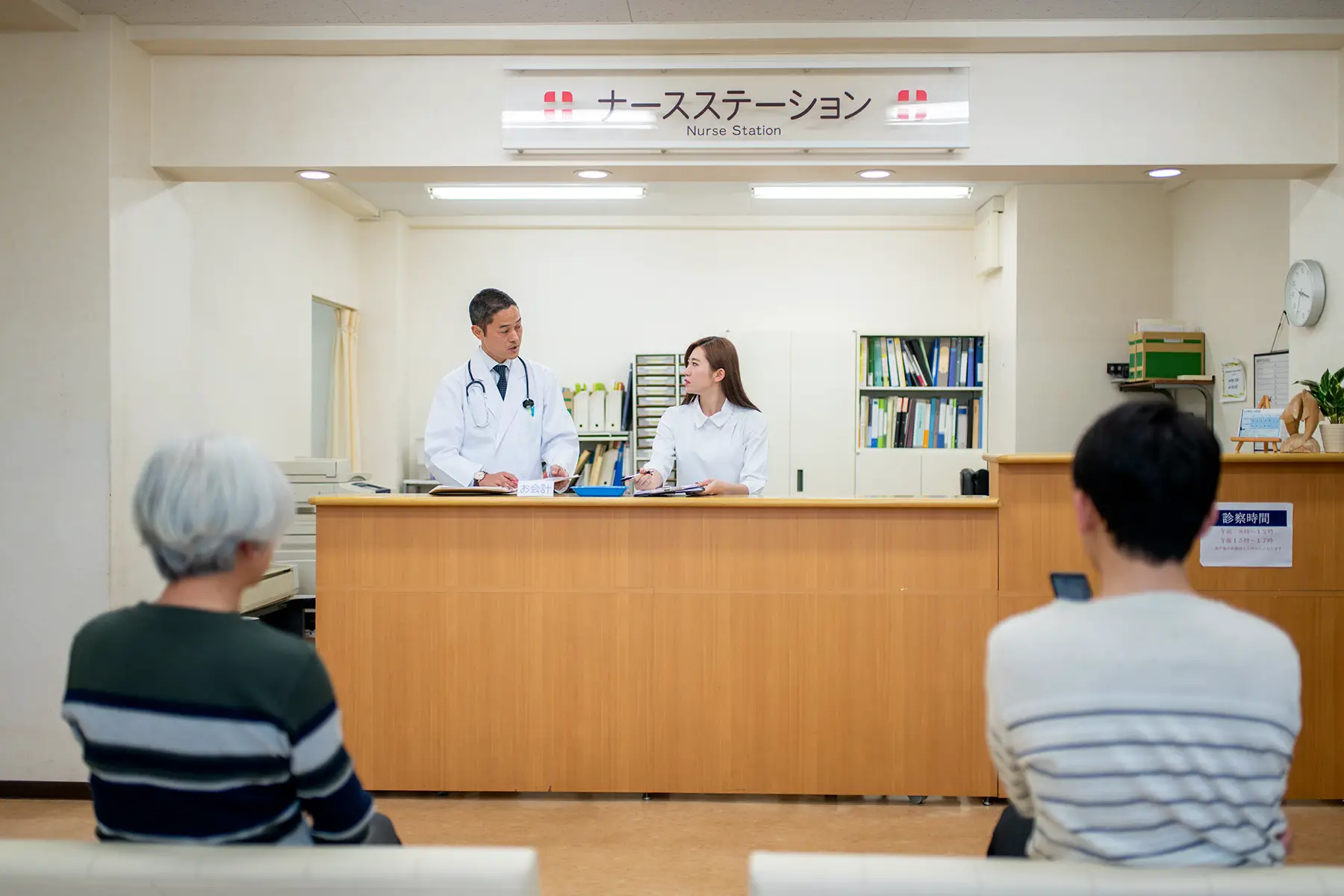
Key takeaways
- Use the Tokyo Medical Information Site or Himawari to find suitable healthcare providers, then check the department, opening hours, appointment requirements, and payment options before you go.
- Clinics are usually the first stop for common illnesses and minor injuries, while hospitals are better suited to specialist treatment, advanced testing, and serious or emergency care.
- Many clinics accept walk-ins, but appointment policies vary, and hospitals and international clinics may be more likely to require or recommend advance booking.
- Take ID, your health insurance card if you have one, details of any medicines you take and allergies you have, plus any relevant referral letter or medical information.
- Payment is generally made after your consultation. If you receive a prescription, you may need to collect and pay for the medicine separately at a pharmacy.
- Call 119 for an ambulance in a medical emergency. Do not delay seeking urgent help because you are worried about language barriers or insurance.
How healthcare access works for expats in Tokyo
Tokyo operates within Japan’s free-access healthcare system. This means you can usually choose your own clinic (診療所, shinryōjo) or hospital rather than registering with one GP.
Many expats start with an internal medicine clinic (内科, naika) or family clinic for common problems, then move to hospital care if they need tests, surgery, or a specialist.
This is different from, for example, the UK system. You can usually go straight to a hospital, although larger hospitals often prefer appointments and may charge an extra first-visit fee if you arrive without a referral letter (紹介状, shōkaijō). A nearby clinic is often the easier first step for routine care.
- Start with a clinic for coughs, fever, stomach bugs, rashes, and minor injuries.
- Use a hospital if you need hospital-only tests, a known specialist, or emergency care.
- Bring your proof of health insurance eligibility*
- Call ahead if English support matters, as language availability may depend on the facility or staff on duty.
*As of August 2026, the old conventional health insurance cards have expired. At medical institutions and pharmacies, patients generally establish insurance eligibility using a My Number Card registered for health insurance (Myna Hokensho) or a Certificate of Eligibility (shikaku kakuninsho). The transitional handling of expired conventional cards also ended on 31 July 2026.
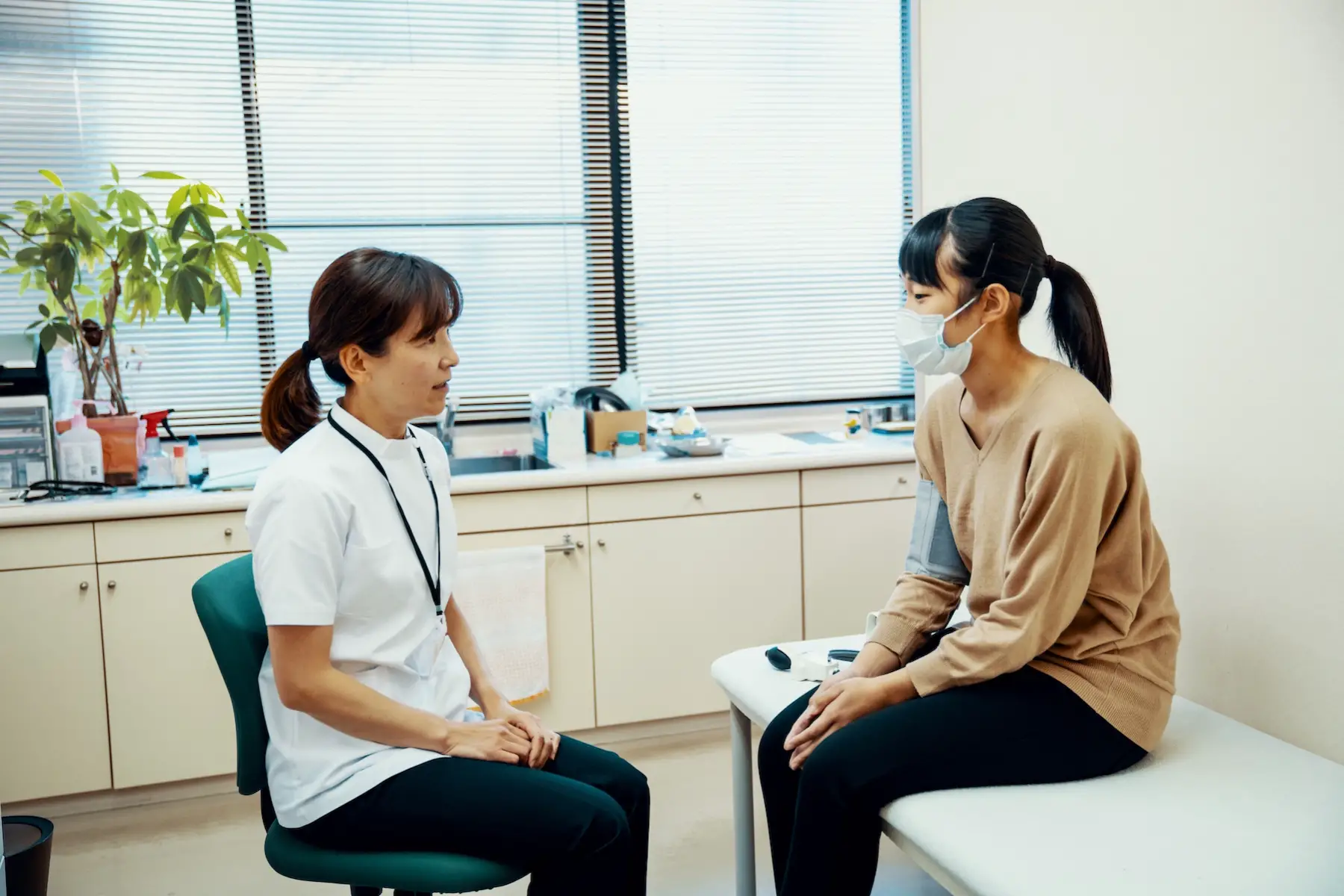
How to find an English-speaking doctor in Tokyo
A good way to find an English-speaking doctor in Tokyo is to combine official medical search tools with a shortlist of clinics and hospitals that regularly assist international patients. This gives you alternatives if your first choice is fully booked, closed, or difficult to reach.
Official tools and vetted directories
Wherever you are staying in Tokyo, start with an official search service if the examples below are not convenient for you.
- Tokyo Medical Information Site for Foreign Tourists and Residents: Tokyo Metropolitan Government guidance covering how to access healthcare, which department to visit for different symptoms, and medical institutions that accept foreign patients.
- Himawari: Tokyo’s multilingual telephone information service, which can help you find medical institutions offering foreign-language support and explain how the Japanese healthcare system works.
- Medical Information Network (NAVII): The national medical institution search service, with filters including medical department and available languages.
- AMDA International Medical Center: medical phone consultation and pre-arranged telephone interpretation support.
- JNTO medical guide: filters by area, language, department, and card acceptance.
- Expatica directories: useful once you know the ward or speciality you need.
When you shortlist a provider, confirm the department, availability of an English-speaking doctor, current opening hours, appointment requirements, and payment or insurance arrangements before travelling.

Writer
Gary Buswell
Insider Tip
“English support” does not necessarily mean that every doctor at a clinic or hospital speaks English. Support may come from an interpreter, coordinator, receptionist, or particular clinician, so ask whether English-language medical consultations are available at the time you plan to visit.
Example doctors and hospitals by area and need
Methodology note: this is a non-ranked shortlist checked against official hospital, clinic, and government pages in August 2026. Language support, booking routes, and any payment or insurance notes can change, so confirm directly before you go.
| Provider | Area | Best for | Booking route | Insurance or payment note |
|---|---|---|---|---|
| Tokyo Station International Clinic | Chiyoda, Tokyo Station | Central access, primary care, paediatrics, dermatology | Website or phone | Verify public or private cover directly, checked August 2026 |
| Tokyo Medical and Surgical Clinic | Minato, Shiba-koen | Appointment-led primary care, family health, women’s health | Online booking or phone | Official site says it is outside Japanese National Health Insurance |
| American Clinic Tokyo | Minato, Akasaka | Adult appointment-led care and online follow-up | Email, phone, or WhatsApp | Official site says appointments are required and Japanese health insurance is not accepted |
| St. Luke’s International Hospital | Chuo, Tsukiji | Large hospital departments and expat-familiar hospital care | Hospital phone or English site | Verify referral, payment, and insurance handling directly |
| Tokyo Metropolitan Hiroo Hospital | Shibuya, Ebisu or Hiroo | Public hospital option with interpretation services | Hospital contact page or phone | Verify current hours, referral rules, and payment directly |
| NTT Medical Center Tokyo | Shinagawa, Gotanda | Hospital-based care with international department contact | International line or email | Verify insurance handling directly |
| Sanno Hospital | Minato, Akasaka | Women’s health and specialist hospital care | Hospital contact page or phone | Official English site says most doctors speak English and interpretation is available |
If you are choosing between an English-speaking Tokyo hospital and a smaller clinic, decide whether you need hospital-level tests or a specialty service. A clinic is often the easier first step for issues such as:
- coughs
- fevers
- rashes
- repeat prescriptions
- paediatric problems
- routine women’s health concerns
If you need a very specific specialist, run a department-led search rather than picking the nearest general clinic.
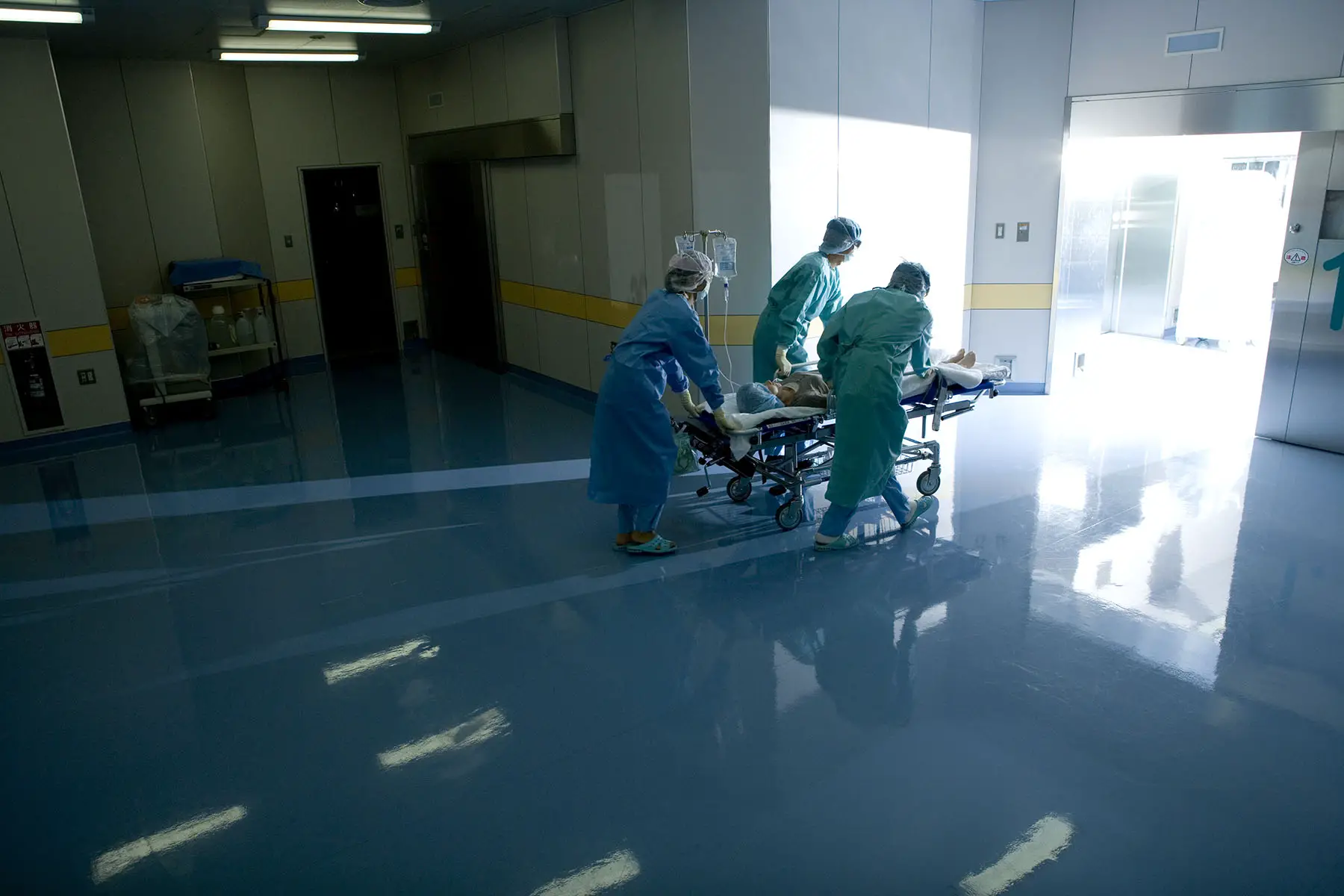
How to book an appointment and what to bring
Once you have a shortlist, the next step is to check how each clinic or hospital handles appointments. Things usually go more smoothly if you confirm the booking method, documents, language support, and payment options before you leave home.
Walk-ins, appointments and referral letters
Many clinics accept walk-ins, particularly for common health problems, although arrangements vary by provider. Calling ahead is a good idea if you need English support, want a same-day appointment, or need to make sure the appropriate doctor is available.
Hospitals, specialist departments, and international clinics may be more likely to use appointments or specific reception windows. At certain larger hospitals, attending without a referral letter (紹介状, shōkaijō) can also mean paying an additional fee, subject to exceptions.
If your problem is not urgent, starting with a nearby clinic and getting a referral when necessary can therefore be simpler and cheaper.
- Choose a nearby clinic first for common symptoms, repeat prescriptions, minor skin issues, and routine child illnesses.
- Consider hospital-based care for specialist follow-up, advanced imaging, surgery planning, or symptoms your current clinic cannot manage.
Writer
Gary Buswell
Insider Tip
If a website lists reception hours separately from consultation hours, make sure you arrive within the reception window. Arriving earlier can also give you more time to complete first-visit paperwork.
Documents, payment methods and language prep
Before you leave home, pack for both the consultation and the pharmacy. In Japan, you may see the doctor, pay at reception, receive a prescription (処方箋, shohōsen), and then collect the medicine from a separate pharmacy (薬局, yakkyoku). Some medical institutions dispense medicines on site instead.
Some clinics and hospitals accept cards or electronic payments, but others still require or prefer cash. Check payment methods in advance and carry a backup option. A short note describing your symptoms, plus a translation app if necessary, can also make communication easier.
Bring:
- Passport, residence card, or other valid ID
- Proof of health insurance eligibility (Myna Hokenshō or eligibility confirmation certificate)
- Referral letter, if you have one or the hospital requires one
- Current medication list and dosages
- Allergy information and relevant medical history
- A short symptom timeline, temperature reading, or photos if relevant
- Cash or another payment method, if needed
Costs, insurance and paying for treatment
Healthcare in Tokyo is not automatically free, even if you are covered by Japan’s public health insurance. The easiest way to plan for costs is to check what public insurance covers, whether any private insurance can contribute, and what you may need to pay yourself.
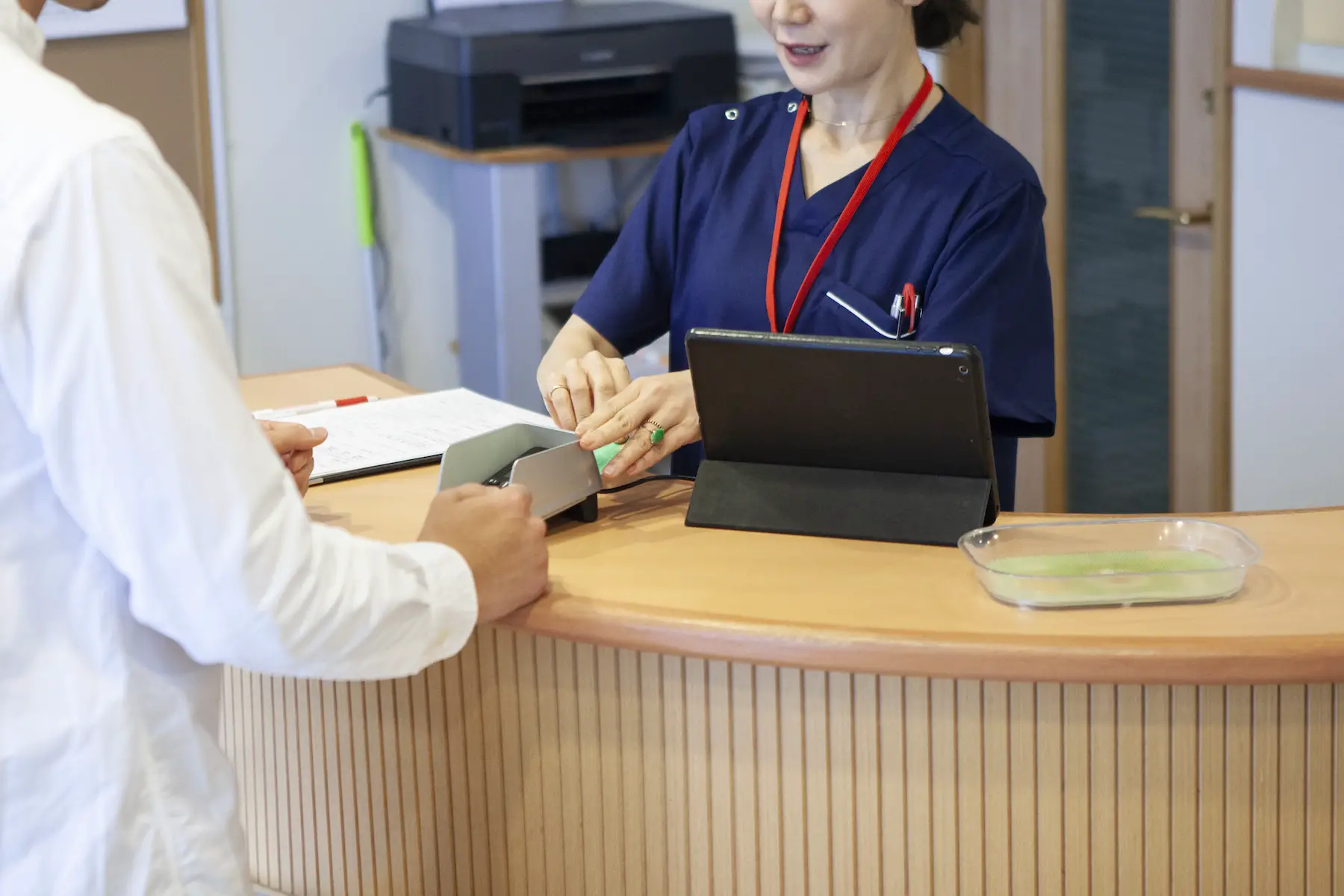
What public insurance covers and where private cover fits in
Eligible foreign residents are generally required to join Japan’s public health insurance system, usually through Employees’ Health Insurance or municipal National Health Insurance.
For most working-age adults, public insurance generally reduces the patient’s share of covered treatment and prescription costs, although different rates can apply to some children and older people.
Short-term visitors such as tourists generally aren’t covered by Japanese public health insurance, making travel or private medical insurance particularly important.
Private cover can also be useful for some foreign residents, especially if you want international coverage or reimbursement for costs outside the Japanese public system.
International insurers such as Cigna and Allianz Care are two options to compare, but policies vary considerably in their exclusions, reimbursement rules, pre-authorisation requirements, and direct-billing arrangements.
- Public insurance reduces your share of eligible medical treatment and prescription costs.
- Private cover may help with reimbursement, direct billing, or international benefits, depending on the plan.
- Do not assume that a clinic or hospital has a direct-billing arrangement with your insurer.
- Ask whether you pay first and claim later, or whether pre-authorisation is needed.

Paying for consultations, tests and prescriptions
You will generally settle your consultation, examination, and test charges with the medical institution after treatment. If you receive an out-of-hospital prescription, you then take it to a pharmacy and pay for the medicine there.
At certain larger or referral-focused hospitals, you may also have to pay an additional fee if you attend without a referral letter, subject to exceptions. For routine health problems, this is another reason why starting with a local clinic can be simpler and cheaper.
If you earn abroad or keep money in several currencies, services such as Wise can be useful for holding yen alongside currencies such as GBP, EUR, or USD and converting money when necessary.
This is a money-management option rather than a healthcare service, so always check which payment methods your clinic, hospital, or pharmacy actually accepts.
- Ask about consultation charges, additional non-referral fees, and any deposit that may apply to your treatment.
- Check how and when the consultation, examination, and test costs will be settled.
- Confirm whether your insurer offers direct billing or requires you to pay first and claim later.
- Check whether your prescription will be dispensed on site or at an external pharmacy.
- Keep itemised bills and receipts if you plan to make an insurance claim.
What to do after hours or in an emergency
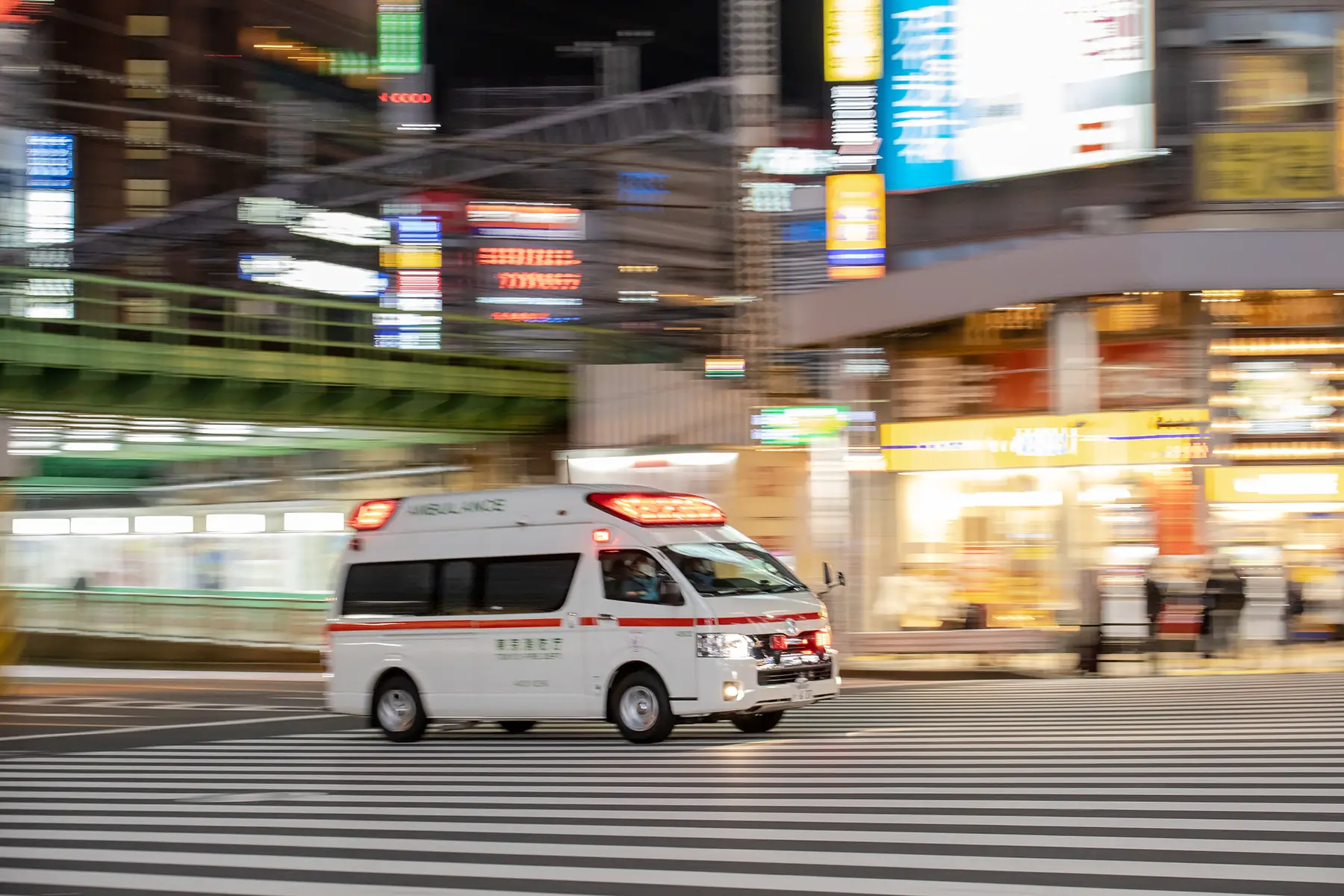
Routine care and emergency care are not the same in Tokyo. Call 119 for an ambulance if you experience any of the following:
- severe breathing trouble
- heavy bleeding
- signs of a stroke
- severe chest pain
- major injury
- Sudden unexplained collapse
Do not delay urgent help because of language barriers or concerns about payment or insurance.
For urgent but non-life-threatening problems late at night or during public holidays, an after-hours or holiday clinic may be more appropriate than simply turning up at a large hospital emergency department (救急外来, kyūkyū gairai).
Tokyo’s official emergency and medical-information services can help you work out what to do and where to seek care.
If the situation looks life-threatening or rapidly worsening, call 119 immediately.
If you are unsure if you need an ambulance, use the Tokyo EMS Guide or call #7119, Tokyo’s Japanese-language emergency medical consultation service.
Call the clinic or hospital before you set off, because after-hours departments may not handle every problem or language request.
If it is urgent but not ambulance-level, ask about the nearest after-hours or holiday clinic rather than assuming that the nearest large hospital is the best option.
Writer
Gary Buswell
Insider Tip
Multilingual medical-information services can help you identify a suitable facility before you travel, but check their operating hours. If the situation is a genuine emergency, call 119 rather than waiting for a multilingual information service to open.
FAQ
Frequently Asked Questions about English-speaking doctors in Tokyo
How do I find an English-speaking GP in Tokyo? 
Japan does not use GP registration in the same way as the UK. If you are looking for an English-speaking GP in Tokyo, an internal medicine or general/family medicine clinic is often a good place to start. You can also use Tokyo’s official medical search services, but confirm that the specific doctor or appointment you choose offers English-language support.
Can foreigners see a doctor in Tokyo without Japanese health insurance?
Yes. You can receive medical care without Japanese public health insurance, but you may have to pay the provider’s charges yourself. If you have private or travel insurance, check whether the provider offers direct billing or whether you need to pay first and claim reimbursement later. If you need urgent medical attention, do not delay seeking care while trying to resolve insurance or payment questions.
Can I go to a clinic in Tokyo without an appointment?
Often, yes. Many clinics still accept walk-ins, but hospitals and some specialists may prefer or require bookings, so calling ahead is the safer option when English support matters.
How much does it cost to see a doctor in Tokyo?
The cost depends on the medical facility, your insurance coverage, and the treatment you need. If you are not covered by Japanese public insurance, you may have to pay the full provider charge and seek reimbursement later if you have private coverage. Certain larger hospitals can also charge an additional fee if you attend without a referral letter.
Before a non-urgent visit, check the provider’s payment methods and ask about likely consultation charges, additional fees, and insurance arrangements.
Useful sources
(accessed 16 August 2026)
- Tokyo Medical Information Site for Foreign Tourists and Residents
- Medical information service for foreign patients (Himawari)
- AMDA International Medical Center
- Ministry of Health, Labour and Welfare (MHLW)
- Japan National Tourism Organization medical guide
- Tokyo Fire Department Emergency Medical Guide