'%20id='ico-down'%20stroke='%23000000'%20stroke-width='1.5'%3e%3cg%20transform='translate(1092.250000,%20254.750000)'%3e%3cpolyline%20id='Path-2-Copy-4'%20transform='translate(5.500000,%202.750000)%20scale(1,%20-1)%20rotate(-180.000000)%20translate(-5.500000,%20-2.750000)%20'%20points='0%200%205.5%205.5%2011%200'%3e%3c/polyline%3e%3c/g%3e%3c/g%3e%3c/g%3e%3c/svg%3e)



'%20fill='%23000000'%3e%3cg%20id='icons'%20transform='translate(56.000000,%20160.000000)'%3e%3cpath%20d='M144,7339%20L140,7339%20L140,7332.001%20C140,7330.081%20139.153,7329.01%20137.634,7329.01%20C135.981,7329.01%20135,7330.126%20135,7332.001%20L135,7339%20L131,7339%20L131,7326%20L135,7326%20L135,7327.462%20C135,7327.462%20136.255,7325.26%20139.083,7325.26%20C141.912,7325.26%20144,7326.986%20144,7330.558%20L144,7339%20L144,7339%20Z%20M126.442,7323.921%20C125.093,7323.921%20124,7322.819%20124,7321.46%20C124,7320.102%20125.093,7319%20126.442,7319%20C127.79,7319%20128.883,7320.102%20128.883,7321.46%20C128.884,7322.819%20127.79,7323.921%20126.442,7323.921%20L126.442,7323.921%20Z%20M124,7339%20L129,7339%20L129,7326%20L124,7326%20L124,7339%20Z'%20id='linkedin-[%23161]'%3e%3c/path%3e%3c/g%3e%3c/g%3e%3c/g%3e%3c/svg%3e)
'%20fill='%23000000'%3e%3cg%20id='icons'%20transform='translate(56.000000,%20160.000000)'%3e%3cpath%20d='M335.821282,7259%20L335.821282,7250%20L338.553693,7250%20L339,7246%20L335.821282,7246%20L335.821282,7244.052%20C335.821282,7243.022%20335.847593,7242%20337.286884,7242%20L338.744689,7242%20L338.744689,7239.14%20C338.744689,7239.097%20337.492497,7239%20336.225687,7239%20C333.580004,7239%20331.923407,7240.657%20331.923407,7243.7%20L331.923407,7246%20L329,7246%20L329,7250%20L331.923407,7250%20L331.923407,7259%20L335.821282,7259%20Z'%20id='facebook-[%23176]'%3e%3c/path%3e%3c/g%3e%3c/g%3e%3c/g%3e%3c/svg%3e)

If you compare them as if they do the same job, it’s easy to buy a cover that looks fine on paper but might not suit your needs.
That matters in Japan, as many visitors may be required to pay healthcare providers upfront and claim reimbursement later, although payment arrangements vary by provider, insurer and treatment. Eligible longer-term residents may move into public coverage once they can register.
This guide explains what to check, when broader cover from providers such as Cigna Global or Allianz Care may make more sense, and how Wise can help with payments without replacing insurance.
It’s for general information only, not insurance, legal, immigration, or medical advice, and rules and policy terms can change.
Key takeaways
- Insurance requirement for the digital nomad visa: Yes — the visa route has a published insurance minimum of ¥10 million+.
- Public healthcare for short-stay nomads: Usually not — most people need private cover initially.
- Most important coverage benefits: Outpatient care, hospital treatment, medication, evacuation, and clear claims support.
- When broader cover matters more: Longer stays, travelling with dependants, routine care needs, or chronic conditions often justify international health insurance.
- Where Wise fits in: Wise helps you move money and pay in JPY, but doesn’t provide insurance.
Do you need nomad insurance in Japan?
For many visitors, the practical answer is yes. Short-stay digital nomads and other foreign visitors usually rely on private travel, international, or nomad-style cover, and anyone using the digital nomad visa route needs to check the current insurance requirement on Japan’s official MOFA digital nomad visa page.
“Recommended for travel” and “required for a visa” don’t mean the same thing. General travel cover may help for a short trip, but Japan visa rules can ask for specific proof, and people planning a broader move should also learn about travel insurance in Japan.
- Tourists and short-stay visitors: Are usually advised to get private cover because they’re outside Japan’s statutory system.
- Digital nomad visa applicants: Need to prove qualifying insurance, not just say they have a policy.
- Spouses or children on the same route: May need family cover documents that clearly show who’s insured.
- People moving into a longer stay later: May need private cover until they’re eligible for public registration.

Which type of cover fits your stay in Japan?
If you’re coming for a limited period and mainly want protection against unexpected illness, accidents, and emergency disruption, travel-style or nomad insurance may be enough.
If you expect a longer stay, more routine treatment, or ongoing healthcare needs, broader international health insurance may fit better. This is where readers looking for international health insurance for Japan might need to slow down and compare how outpatient care, medication, mental health, and family benefits are handled.
If you later become an eligible resident, Japan’s public system changes the picture again. You should learn about the healthcare system in Japan and getting health insurance in Japan in 2026. It’s worth knowing you may still need private cover for the period before registration is complete.
| Cover type | Best for | Common strengths | Common gaps | What to verify |
|---|---|---|---|---|
| Travel or nomad insurance | Short stays, remote work trips, emergency-focused cover | Emergency care, trip disruption, evacuation | Routine care, ongoing medication, dependants, deeper outpatient cover | Start date, exclusions, reimbursement rules |
| International health insurance | Medium to longer stays, families, broader medical needs | Wider benefits, stronger claims support, more treatment categories | Higher cost, optional modules, waiting periods | Outpatient limits, direct billing, visa documents |
| Statutory public cover, if eligible later | Longer-term residents who can register | Lower point-of-care costs for covered treatment | Not for most short-stay visitors, not everything is covered | Residence status, registration timing, copayments |
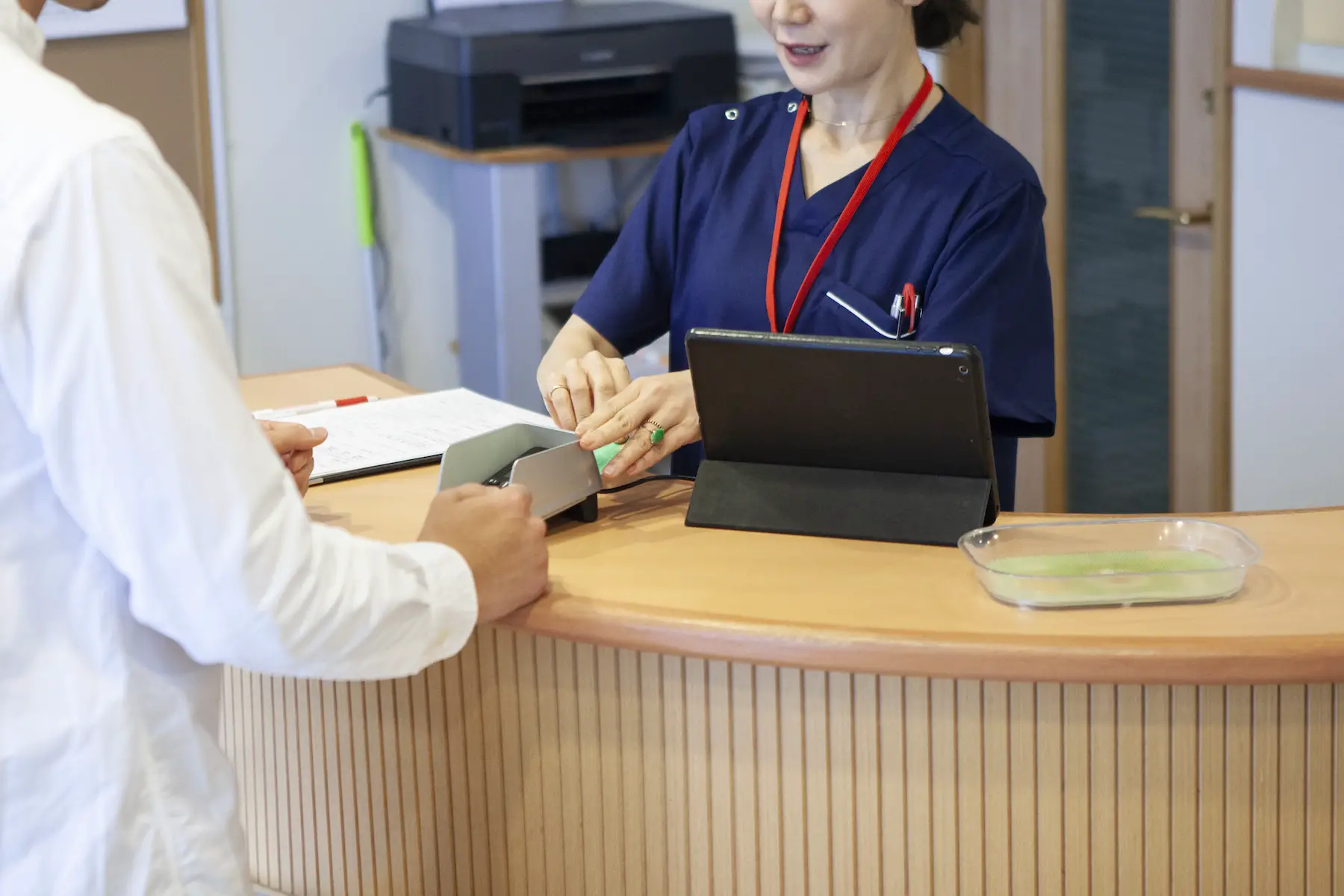
How Japan’s digital nomad visa changes the insurance decision
Japan’s official MOFA guidance says digital nomad applicants must show insurance against death, injury, or illness during their stay, and compensation for medical treatment for injury or illness must be ¥10 million or more.
The key question is not just whether a policy mentions Japan, but whether the insurer can issue paperwork that clearly matches the visa rule, including a usable certificate and policy summary. For the broader process, see Expatica’s Digital Nomad Visa in Japan 2026: Eligibility, Documents & Fees, then verify the wording with both the insurer and the relevant Japanese authority before you apply.
Can digital nomads use Japan’s public health insurance?
Usually, not at the start. According to the MHLW overview of health insurance policy in Japan, foreign residents with qualifying residence status may be required or eligible to enrol in Japan’s public health insurance system, but short-stay visitors generally fall outside that system. Any potential eligibility and registration depend on residence status and circumstances.
Most short-stay visitors and many digital nomads are outside that, so health insurance for foreigners in Japan often starts with private cover. If your residence status later changes, check how and when to register rather than assuming you can use National Health Insurance immediately.
What should you look for in nomad insurance for Japan?
Price matters, but in Japan the claims process matters just as much. A policy can look cheap until you realise it has a high deductible, weak outpatient cover, or unclear rules on prescriptions, sports, or natural-disaster disruption. For many readers searching for digital nomad insurance for Japan, the real test is whether the cover still works when the care is routine.
For example, let’s say you visit a clinic for a fever, pay the consultation bill, then take the prescription to a separate pharmacy and pay again there. If your insurer only reimburses after full documents are uploaded, you need enough available money to cover both steps first. That is why reimbursement speed, app uploads, and English-language support are important.
- Must have: Outpatient treatment for everyday illness, not just hospital emergencies
- Must have: Hospitalisation and emergency evacuation wording that is easy to understand
- Must have: Prescription medication cover, or very clear limits and exclusions
- Nice to have: English-language support and a simple digital claims process
- Verify carefully: Deductibles, waiting periods, sports or hiking exclusions, and natural-disaster wording
- Verify carefully: Whether the insurer can issue visa-ready documents and whether direct billing applies in Japan, or only reimbursement afterward
Comparing Cigna and Allianz Care for expats in Japan
If you’re moving past lightweight travel-style cover, Cigna and Allianz Care are two broader options to compare. They may suit readers looking for expat health insurance cover or international private health insurance that can provide cover while you’re in Japan with more depth, but you should still verify current policy wording, exclusions, and whether their documents fit Japan’s visa requirements.
| Provider | Likely fit | Support strengths | Key things to verify | Ideal reader |
| Cigna Global | Flexible international cover for longer stays | 24/7 multilingual service centres, large global provider network | Outpatient limits, optional modules, reimbursement or direct billing in Japan, visa paperwork | Solo expats or nomads wanting broader ongoing cover |
| Allianz Care | Global-style cover with strong assistance setup | 24/7 multilingual helpline, emergency assistance, large provider network | Access in Japan, exclusions, whether outpatient and evacuation terms match your needs | Families or expats planning longer-term healthcare support |
Benefits, limits, and claims processes are subject to change. You might want to compare health insurance quotes in Japan so you can look at a range of providers and plans.
Cigna Global
Cigna Global may suit readers who want more than emergency-only protection. On its official site, Cigna describes international plans with 24/7 multilingual service centres and access to medical support across more than 200 markets and territories, which can be useful if Japan is only one stop in a wider move.
You should find out about outpatient treatment, mental health, prescription reimbursement, and how claims work when a clinic asks you to pay first. If you’re using Cigna for Japan, check the policy wording carefully and confirm whether any direct billing support actually applies to the type of care you expect to use.
Allianz Care
Allianz Care may appeal to readers who want global-style support and strong claims infrastructure. Its official site highlights annual international plans, short-term options, 24/7 multilingual help, emergency assistance, and direct settlement for most in-patient treatment.
That can make Allianz Care handy for couples, families, or expats planning a longer stay in Japan. Still, you should verify local provider access, outpatient rules, exclusions, and whether the insurer can provide the documentation you would need for a visa or a reimbursement-heavy care journey.
When broader expat health insurance may fit better than lightweight nomad cover
Broader cover often starts to make more sense when your stay is longer, you have dependants, you expect more routine appointments, or you need help managing a chronic condition. It can also be a better fit if you want stronger support beyond emergency-only care.
Insider tip: In Japan, even a straightforward clinic visit can involve separate payments for the consultation and the pharmacy, so reimbursement-friendly cover can matter more than readers expect.
How healthcare payments work in Japan for nomads and expats
Japan has a high-quality healthcare system, but visitors shouldn’t assume every clinic or hospital will bill a foreign insurer directly. Some visitors may need to pay first and then claim reimbursement, depending on the provider, insurer and treatment. That is one reason the question of how to pay medical bills in Japan matters almost as much as what your policy covers.
It’s worth knowing that treatment can be split into separate steps. You may see a doctor at a clinic, pay there, then take a prescription to a pharmacy and pay again. In an emergency, call 119 and keep emergency services numbers in Japan handy.
Find care: Choose a clinic, hospital, or emergency service depending on urgency.
Check payment expectations: Ask whether they accept card payments, cash, or insurer billing support.
Pay at the point of care: You should confirm payment arrangements before treatment where possible and don’t assume the provider will bill your insurer directly.
Visit the pharmacy if you’re prescribed medicine: Prescriptions are often filled separately from the clinic visit.
Keep every document: Receipts, prescription records, and any diagnosis notes can all matter for reimbursement.

Writer
Jason
Insider tip
If you need English-language help fast, sort out your insurer’s assistance number before you travel, not from a waiting room.
How to prepare for claims and reimbursements
Before you need care, check exactly what your insurer wants you to keep. Typical documents include itemised receipts, diagnosis notes if available, prescription records, claim forms, and your policy contact details.
Also verify claim deadlines, app upload options, and emergency-assistance procedures in advance. If your insurer has different rules for outpatient treatment and hospital care, save those details somewhere easy to reach.
FAQ
Frequently asked questions about nomad insurance in Japan
Is nomad insurance required for Japan’s digital nomad visa? 
For the Japan digital nomad visa insurance requirement, the short answer is yes, you need qualifying cover. The official MOFA rule and the insurer’s proof documents both matter, so always check the current threshold and certificate wording before applying.
What does nomad insurance in Japan usually cover?
Nomad insurance in Japan often includes emergency medical treatment, hospital care, and evacuation support. It may not include everything, though, so check for exclusions around pre-existing conditions, routine care, or non-emergency treatment.
Can foreigners use National Health Insurance in Japan?
Access to health insurance for foreigners in Japan depends on residence status and how long you’re staying. Many short-stay nomads rely on private cover first, then review public-system eligibility only if they move into a longer-term resident status.
Does nomad insurance cover medication and pharmacy costs in Japan?
Medication cover depends on the policy wording, reimbursement rules, and any outpatient limits. In Japan, prescriptions are often filled separately from the clinic visit, so pharmacy costs in Japan may create a second receipt and a second claim step.
Can you buy nomad insurance after arriving in Japan?
Some providers do allow you to buy nomad insurance after arriving in Japan, but not all. Check waiting periods, exclusions, and whether buying after arrival still works for visa purposes before you rely on it.
Useful sources
- Ministry of Foreign Affairs of Japan, digital nomad visa rules
- Ministry of Health, Labour and Welfare, overview of health insurance policy in Japan
- Expatica Japan, Guide to getting health insurance in Japan in 2026
- Expatica Japan, The healthcare system in Japan
- Expatica Japan, Travel insurance in Japan 2026
- Cigna Global official plans page
- Allianz Care official plans page