'%20id='ico-down'%20stroke='%23000000'%20stroke-width='1.5'%3e%3cg%20transform='translate(1092.250000,%20254.750000)'%3e%3cpolyline%20id='Path-2-Copy-4'%20transform='translate(5.500000,%202.750000)%20scale(1,%20-1)%20rotate(-180.000000)%20translate(-5.500000,%20-2.750000)%20'%20points='0%200%205.5%205.5%2011%200'%3e%3c/polyline%3e%3c/g%3e%3c/g%3e%3c/g%3e%3c/svg%3e)



'%20fill='%23000000'%3e%3cg%20id='icons'%20transform='translate(56.000000,%20160.000000)'%3e%3cpath%20d='M144,7339%20L140,7339%20L140,7332.001%20C140,7330.081%20139.153,7329.01%20137.634,7329.01%20C135.981,7329.01%20135,7330.126%20135,7332.001%20L135,7339%20L131,7339%20L131,7326%20L135,7326%20L135,7327.462%20C135,7327.462%20136.255,7325.26%20139.083,7325.26%20C141.912,7325.26%20144,7326.986%20144,7330.558%20L144,7339%20L144,7339%20Z%20M126.442,7323.921%20C125.093,7323.921%20124,7322.819%20124,7321.46%20C124,7320.102%20125.093,7319%20126.442,7319%20C127.79,7319%20128.883,7320.102%20128.883,7321.46%20C128.884,7322.819%20127.79,7323.921%20126.442,7323.921%20L126.442,7323.921%20Z%20M124,7339%20L129,7339%20L129,7326%20L124,7326%20L124,7339%20Z'%20id='linkedin-[%23161]'%3e%3c/path%3e%3c/g%3e%3c/g%3e%3c/g%3e%3c/svg%3e)
'%20fill='%23000000'%3e%3cg%20id='icons'%20transform='translate(56.000000,%20160.000000)'%3e%3cpath%20d='M335.821282,7259%20L335.821282,7250%20L338.553693,7250%20L339,7246%20L335.821282,7246%20L335.821282,7244.052%20C335.821282,7243.022%20335.847593,7242%20337.286884,7242%20L338.744689,7242%20L338.744689,7239.14%20C338.744689,7239.097%20337.492497,7239%20336.225687,7239%20C333.580004,7239%20331.923407,7240.657%20331.923407,7243.7%20L331.923407,7246%20L329,7246%20L329,7250%20L331.923407,7250%20L331.923407,7259%20L335.821282,7259%20Z'%20id='facebook-[%23176]'%3e%3c/path%3e%3c/g%3e%3c/g%3e%3c/g%3e%3c/svg%3e)

Japan is an in demand destination for tourists and expats alike, blending great food, fascinating culture and history, and buzzing modern cities. If you’re coming to Japan on a short trip, or moving over to work or study, you’ll need good travel and health insurance to avoid high bills if you’re unlucky enough to fall ill or have an accident.
In this guide we cover travel insurance for people visiting Japan, as well as the types of travel and global health insurance that may suit newly arrived expat residents. Here’s a quick look at the topics we’ll cover in this comprehensive guide to travel insurance in Japan:
Table of contents
- Do you need travel insurance for Japan?
- Specific travel risks in Japan
- Cost of healthcare in Japan for tourists and foreigners
- When to buy your travel insurance: The “Pre-Departure” Window
- Types of travel insurance: Choosing the right plan
- Top 4 travel insurance providers for Japan
- How does travel insurance work in Japan?
- Travel Insurance vs. Credit Card Insurance: Is your card enough?
- How to choose the best provider (A Buyer’s Checklist)
- How to make a claim in Japan
- FAQs
- Final thoughts: Staying safe in Japan
- Useful resources (checked 24th April 2026)
Do you need travel insurance for Japan?
It’s not a legal requirement to have travel insurance to enter Japan from abroad. However, it is highly recommended due to the high costs of emergency healthcare and repatriation in the case of an emergency.
Specific travel risks in Japan
Japan is a very safe destination – however as with anywhere in the world, accidents still happen, and low crime isn’t the same as absolutely no crime at all. Having situational awareness and keeping your belongings close at all times is an easy, common sense way to ensure you’re not a victim of crime.
There are also some specific travel risks to know about before going to Japan:
The “Upfront Payment” hurdle
Many hospitals in Japan do not accept foreign health insurance directly. Instead, you’ll need to pay upfront and reclaim the money from your insurer later. Generally for non-emergency cases you’ll have to pay upfront, and if you need emergency assistance a hospital will help you, but you’ll be passed a bill to pay after treatment.
It’s important to remember that travel insurance can still be extremely useful despite having to pay upfront for care, as you’ll benefit from a 24/7 assistance line to allow you to talk through your issues with someone, and can reclaim your costs at leisure.
Natural Disasters: Earthquakes and Typhoons
Japan’s typhoon season runs from May through October, with the highest number of typhoons hitting from July to September. Japan is also in an earthquake area which can add to the potential for travel disruption.
When choosing travel insurance for Japan, look out for policies which cover trip cancellation, interruption and disruption just in case. Read the small print carefully as policies may not cover “Acts of God” or “Natural Disasters” so you might have to shop around to find a policy you’re comfortable with.
Winter Sports: Skiing
If you’re headed off to ski in areas like Niseko, Hakuba, or Shiga Kogen you’ll probably need specialist insurance, or add on coverage. Most standard travel insurance policies exclude some snow sports – which may mean you’re not covered at all for skiing, or may mean cover is excluded for things like off-piste skiing or search and rescue services.
Cost of healthcare in Japan for tourists and foreigners
Japan has universal healthcare for citizens and residents but you can’t benefit from this unless you’re a long term resident there for over 3 months.
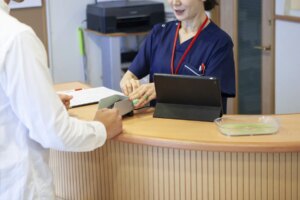
As a short term visitor you’ll need to pay upfront for medical care, which may not be billed in the way you’re used to at home. Deposits and additional fees may apply when you have a first appointment or admission, and costs can be split out to itemize things like meals and hospital linens if you’re an inpatient.
| Medical Service | Estimated Cost (Uninsured) |
|---|---|
| GP Consultation | Around 20,000 JPY |
| Emergency Room (ER) Visit | 20,000 JPY – 50,000 JPY |
| Hospital Stay (Per Night) | Costs depend on hospital and ward type, additional costs may apply for gowns, linen and food |
| Emergency Surgery | Variable costs – high deposits are likely to be needed upon admission, from around 300,000 JPY |
| Medical Repatriation | Costs vary but can be very high |
When to buy your travel insurance: The “Pre-Departure” Window
Ideally, travel insurance policies should be bought at the same time as flights, and absolutely before departing your home country. It’s common for insurers to refuse cover to individuals who have already travelled, or at the very least, to impose a wait period before cover comes into effect. Get everything sorted well in advance for peace of mind.
“Cancel for Any Reason” (CFAR) coverage
Another bonus of arranging your travel insurance early is that you can opt for CFAR coverage, which means that if your plans change you may be allowed to claim back money spent on deposits and other non refundable costs. Check if your provider offers this service, to decide if it’s right for your needs.
Types of travel insurance: Choosing the right plan
Here are a few things to consider when choosing:
- Single-trip vs. Multi-trip: Single trip policies offer a low cost way to cover a one off trip, but if you travel often for business or pleasure, a multi-trip option may be more cost effective in the end.
- Group & Family plans: Many providers let you add on dependents or other family members to your plan, allowing you to easily tailor coverage for larger parties.
- Expat-specific insurance: New arrivals in Japan may need to buy international health insurance which covers them in Japan, their home country, and to some extent while they travel. We’ve got a couple of providers you may like coming up next.
Top 4 travel insurance providers for Japan
We’ve picked out 4 top travel insurance providers for Japan. These providers were selected based on criteria including coverage available, costs and suitability for different types of visitors to Japan, as well as expat residents of Japan.
This is not an exhaustive list, and Wise does not endorse or guarantee any provider’s services.
| Provider | Might Fit… | Pricing Model | Medical Limit | Adventure Sports? |
|---|---|---|---|---|
| SafetyWing | Digital Nomads | Billed every 4 weeks (Essential) or monthly (Complete); option to pay in full for specific dates (up to 364 days) | 250,000 USD for Essential, 1.5 million USD for Complete plan | Some (Basic) – adventure sports offered as an add on |
| World Nomads | Adventure Travelers | Single-trip policies (Standard or Explorer); buy before or during your trip; no long-term commitment | Medical limits vary by plan and residency; general summary shows Standard up to USD $5,000,000 and Explorer Unlimited (up to 12 months) for certain residencies. Get a quote to confirm limits for your country | Yes (150+ activities) |
| Cigna Global | Long-term Expats | International health insurance plans for 4–12 months or longer | Depends on policy – overall limits and sublimits apply | No (Basic only) |
| HTH Travel | US Citizens Abroad | Short term plans (maximum 6 months) for people with, or without primary health insurance Group insurance | Variable — choice of varying medical limits and deductibles | No (Basic only) |
How does travel insurance work in Japan?
Here’s a rundown of key cover areas a standard policy typically includes:
Medical & Emergency Evacuation
Travel insurance may have a fixed upper limit on costs associated with emergency medical care and medical repatriation if needed.
This cover is intended for emergency care if you fall ill or have an accident overseas. Pre-existing conditions, or planned medical care, are not usually covered.
Trip Cancellation & Interruption
Travel insurance policies usually have travel inconvenience cover which may help you get your money back if your trip is cancelled by the provider, or if a covered event – such as the death of a loved one – stops you from being able to travel.
Baggage, Theft, and Personal Liability
Travel insurance may cover loss or theft of your baggage, money and personal documents like your passport. You’re likely to need to submit a police report to make a claim if your items are stolen
Personal liability insurance covers you if you’re held liable for damage to someone else’s property, or an injury to another person. T
Repatriation
Medical repatriation may be needed if you’re somewhere that doesn’t have the medical facilities to treat your condition or emergency, or if you’re unwell for a longer period and need to return to your home country to continue treatment.
Travel Insurance vs. Credit Card Insurance: Is your card enough?
Credit card travel insurance usually has specific conditions – for example for it to apply you may need to bill the full costs of your travel to your card, or make a minimum spend amount in the premium month or quarter for example.
Once active, credit card travel insurance may have relatively high deductibles and low limits for cover, but might not be enough to allow you to get all your money back in the event of a problem.
Compare your options carefully, looking at the cover your card can provide versus a specialist policy to make sure there are no surprises when you travel.

How to choose the best provider (A Buyer’s Checklist)
- Get quotes from several providers so you can compare – this is often a fully digital process which only takes a few minutes
- Compare the costs of single trip and multi-trip policies if you travel a lot
- Look carefully at the cover available, particularly for any specific activities your trip entails – activities like hiking or climbing may not be covered for example
- Check the deductible amounts which have to be paid whenever you claim – a high deductible can mean you’re not able to claim back much of our money in the end
- Ensure you can get 24/7 emergency assistance, and look at how easy it is to get in touch if you need immediate help
- Use services like Trustpilot to get customer reviews and feedback to ensure the provider is legit and well rated by others
How to make a claim in Japan
Step 1: Contact your provider’s 24/7 emergency assistance
If you need immediate assistance, call the emergency number on your policy to get advice. You’ll usually still have to pay for any treatment you need upfront, but your insurer may be able to help you find the care you need quickly.
Step 2: Gather “on-the-ground” evidence
If you’ve been the victim of theft you’ll usually have to obtain a police report within 24 hours, and if you’re making a medical claim it’s important to ask for a written diagnosis from the attending physician, not just the bill.
Step 3: Submit your digital claim and choose your payout method
Most insurers ask you to make your claim and upload your documents via the provider’s portal.
Wise for travel spending and transfers
Manage money across borders in one app: send money internationally and hold/convert currencies. Where available, you can also spend with a Wise card. Fees and exchange rates are shown before you confirm each transfer. Availability, features, limits, and eligibility vary by country; terms apply.
f you need medical assistance while traveling, contact your insurer’s 24/7 helpline. Using Wise is optional and not required for any insurance claim or payout.

Required documentation
The documents needed to support your travel insurance claim vary a lot depending on the nature of the claim. Your provider will often have a checklist to guide you through submitting your claim so you can see what they expect.
Common documents that are needed to submit a claim can include:
- Official Police Reports
- Itemized Medical Receipts
- Proof of Travel
- Medical Repatriation Authorization
- Proof of Ownership
FAQs
Can I buy travel insurance if I’m already in Japan?
Some travel insurance companies do not allow you to buy cover once you have departed your home country. However, some specialists like Safety Wing, may be able to help. Shop around and look carefully at the options based on your normal residency and trip type.
Does travel insurance cover typhoons or earthquakes in Japan?
Natural disasters and weather events are not always covered by travel insurance. Look at your policy’s small print carefully to check you understand the terms you’re agreeing to, and are comfortable with the exclusions.
Final thoughts: Staying safe in Japan
Japan is a very safe place to visit or to live. However, being prepared for emergencies is still a smart plan, both to offer peace of mind and to avoid high medical bills if you have an accident or fall ill during your time there. This guide gives plenty to think about when choosing a travel insurance provider for Japan, including some which are suited to short term tourists, some for digital nomads and frequent travelers, and others for new expat residents.
Useful resources (checked 24th April 2026)
- SafetyWing – travel insurance which can suit digital nomads in particular
- World Nomads – travel insurance which can suit adventure travelers
- Cigna Global – global health insurance for expats moving to Japan
- HTH Travel – travel insurance which can suit US citizens in particular
Wise is a money transfer service provider. This guide is provided for informational purposes only to help customers understand travel insurance options and does not constitute financial advice. Wise is not an insurance provider and does not sell insurance products. Always check the specific Product Disclosure Statement (PDS) of your chosen provider.