
'%20id='ico-down'%20stroke='%23000000'%20stroke-width='1.5'%3e%3cg%20transform='translate(1092.250000,%20254.750000)'%3e%3cpolyline%20id='Path-2-Copy-4'%20transform='translate(5.500000,%202.750000)%20scale(1,%20-1)%20rotate(-180.000000)%20translate(-5.500000,%20-2.750000)%20'%20points='0%200%205.5%205.5%2011%200'%3e%3c/polyline%3e%3c/g%3e%3c/g%3e%3c/g%3e%3c/svg%3e)


Living
Transportation
Buying, importing, and selling a car in Italy
Looking to buy a car in Italy? Discover everything you need to know as well as how to import and sell a vehicle and arrange all the necessary paperwork.

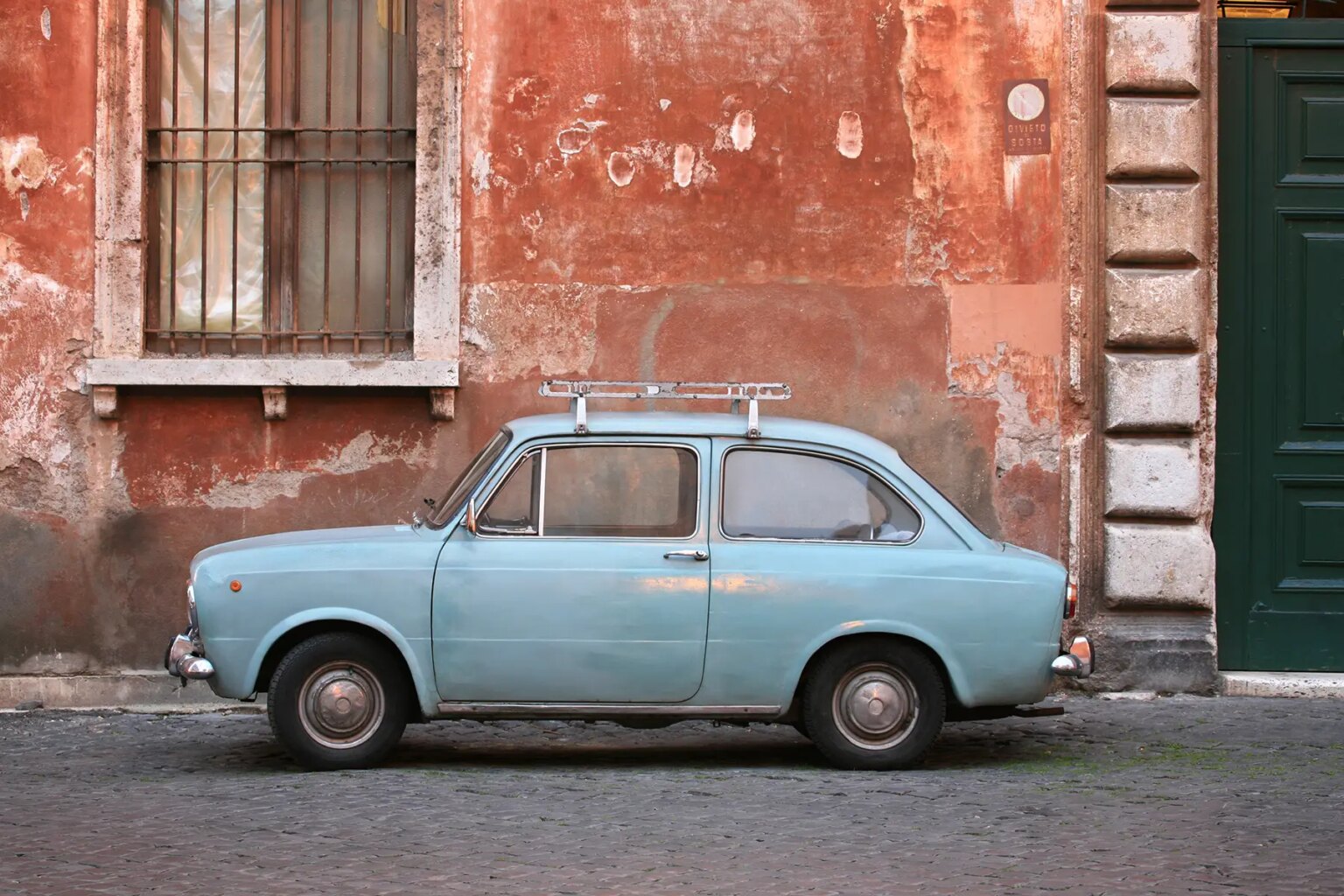
From fancy Ferraris to modest Fiats, Italy is home to some of the world’s most famous car brands. And with such beautiful scenery to explore throughout the country, buying a new set of wheels is an appealing option for expats. Whether you’re moving to Italy for a short stint or an extended period of time, this article outlines everything you need to know about getting behind the wheel, including:
Buying a car in Italy
It is hardly surprising that Italy is a nation of car lovers, given the country’s long history of manufacturing everything from luxury Lamborghinis, Ferraris, and Maseratis, to more affordable car brands such as Fiat, Alfa Romeo, and Lancia. Needless to say, if you are considering moving to Italy, you won’t be short of options when it comes to buying a car and getting behind the wheel.

Fortunately, Italy has a well-developed network of roads and highways, and driving is a common way to get around. Indeed, many people rely on cars for transportation to work, school, and other activities. That said, cars are also a significant source of pollution in Italy, and the Italian government has plans in place to increase the use of public transport and incentive low-emission transport.

Buying a car in Italy is much like buying a car in most other countries in Europe. You will find some great salespeople who do their job with integrity alongside some unscrupulous ones. Essentially, it is best to trust your instincts when shopping for a car and not succumb to any high-pressure sales tactics but rather, take your time to shop around until you find a deal you are happy with.
Who can buy a car in Italy?
The legal age for obtaining your driver’s license in Italy is 18, so if you have passed that benchmark and your driving test, you can buy a car and hit the road.
The good news is, if you are moving to Italy from the European Economic Area (EEA), you are able to drive using your own permit. However, if you are a foreign national from outside the EEA, you will have to swap your license for an Italian one after living in La Dolce Vita for a year.
Buying a new car in Italy
Naturally, there are several benefits to buying a new car. For instance, they are typically more reliable without the wear and tear of previous owners. They will also come with a manufacturer’s warranty, which can provide protection against unexpected repairs. New cars may also come with special financing or leasing deals, which can make them more affordable. On the other hand, buying a used car in Italy can also have its advantages such as a lower price tag if you are on a tight budget.
Many dealerships provide loans or leases for new car purchases. You will likely need to provide proof of income and credit history to qualify. If you have a used car you are looking to offload, you may be able to trade it in for a lesser price on your new car, depending on the dealership. Paying in cash may also allow you to avoid financing charges or interest that you would incur if you finance the purchase. Another thing to keep in mind is that even new car dealers will often negotiate on the price of a vehicle.
You will need to prepare the following documents when buying a new car in Italy:
- Passport or National Electronic ID Card (carta d’identità elettronica – CIE)
- Residence certificate (certificato di residenza)
- Tax code (codice fiscale)
Where to buy a new car in Italy
You will find that there is no shortage of car dealerships and private sellers advertising eye-catching Italian automobiles and brands from other nations. Below are some of the options for buying a new car in Italy.
Car dealerships in Italy
If you know what type of car you would like to buy, then a dealership is a good bet for finding what you want. When you visit one, you can test drive the car you like the look of and see if it performs. And once you have found one that fits your needs, don’t be afraid to negotiate with the salesperson. After all, they want the sale – so try to haggle until you are happy with the price.
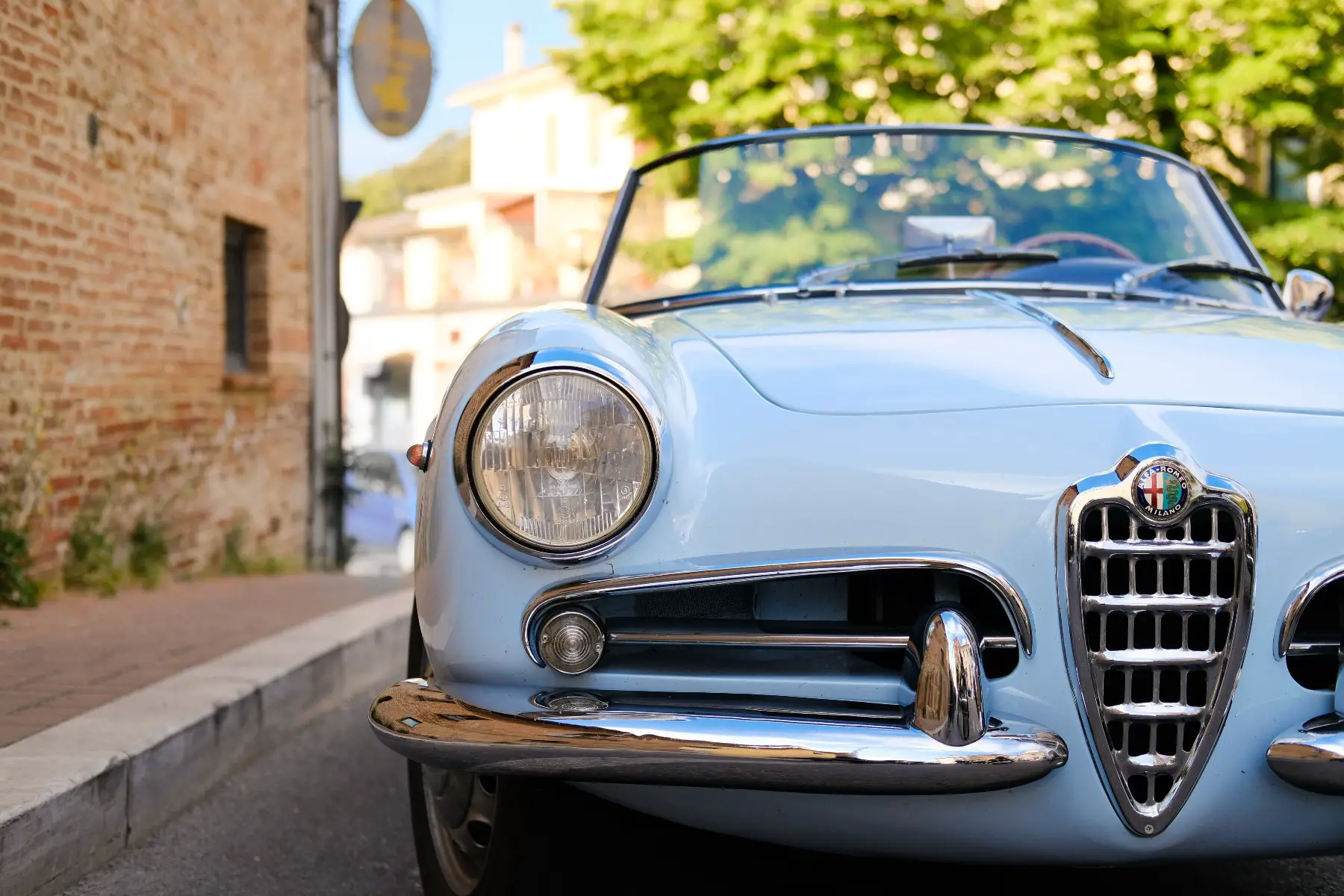
If you decide to buy the car, you will likely need to sign a purchase agreement and agree on the payment terms. The dealer may also need you to provide proof of insurance and a valid driver’s license before you can take possession of your shiny new car.
The Auto Practice Agency (Agenzie di Pratiche Auto) is a good place to find a car dealership in your particular region in Italy.
Car brokers in Italy
Car brokers are companies or individuals who act as intermediaries between buyers and sellers of cars. They may help you find a specific car that you are looking for, or assist you in negotiating the price and terms of purchase. Some car brokers may also provide financing options and help with the paperwork for buying a car.

Car brokers often work with a variety of car brands and models and may specialize in certain types of vehicles, such as electric cars or luxury vehicles. They will charge a fee for their services, which can vary greatly.
In Italy, you will find car brokers such as Top Car in Milan, Cavauto in Monza, MGS Top Car in Rome, and DG Classic Cars.
Buying a car online
As with most things, shopping for a car online is becoming increasingly popular nowadays. You can now browse the available inventory online and even do a virtual test drive or watch a video of the car to get a better sense of its features and condition.
You can then request more information or make an offer. Often, you can even negotiate the price of the car online, either through the platform or directly with the seller. After purchasing, many dealerships will even deliver the car directly to your door.
There are a number of online platforms that allow you to shop for cars from the comfort of your own home. These include:
Electric cars and hybrids in Italy
As in many other countries, electric cars are becoming increasingly popular in Italy. In fact, the nation is excelling in working towards the European Union’s target to reduce the continent’s net carbon emissions and make it wholly carbon-neutral by 2050. Indeed, more than 32,000 units of battery electric vehicles (BEVs) were sold in Italy in 2020 – tripling the country’s previous market size – following the introduction of the EU’s policies to meet the goal.
Incentives and drawbacks
One of the main benefits of electric cars is their lower operating costs compared to gasoline-powered cars. Because they don’t produce any emissions, they are also eligible for various incentives and tax breaks. Moreover, they require less maintenance, as they don’t have many of the parts that gasoline-powered cars have that need replacing, such as spark plugs, fuel filters, and timing belts.
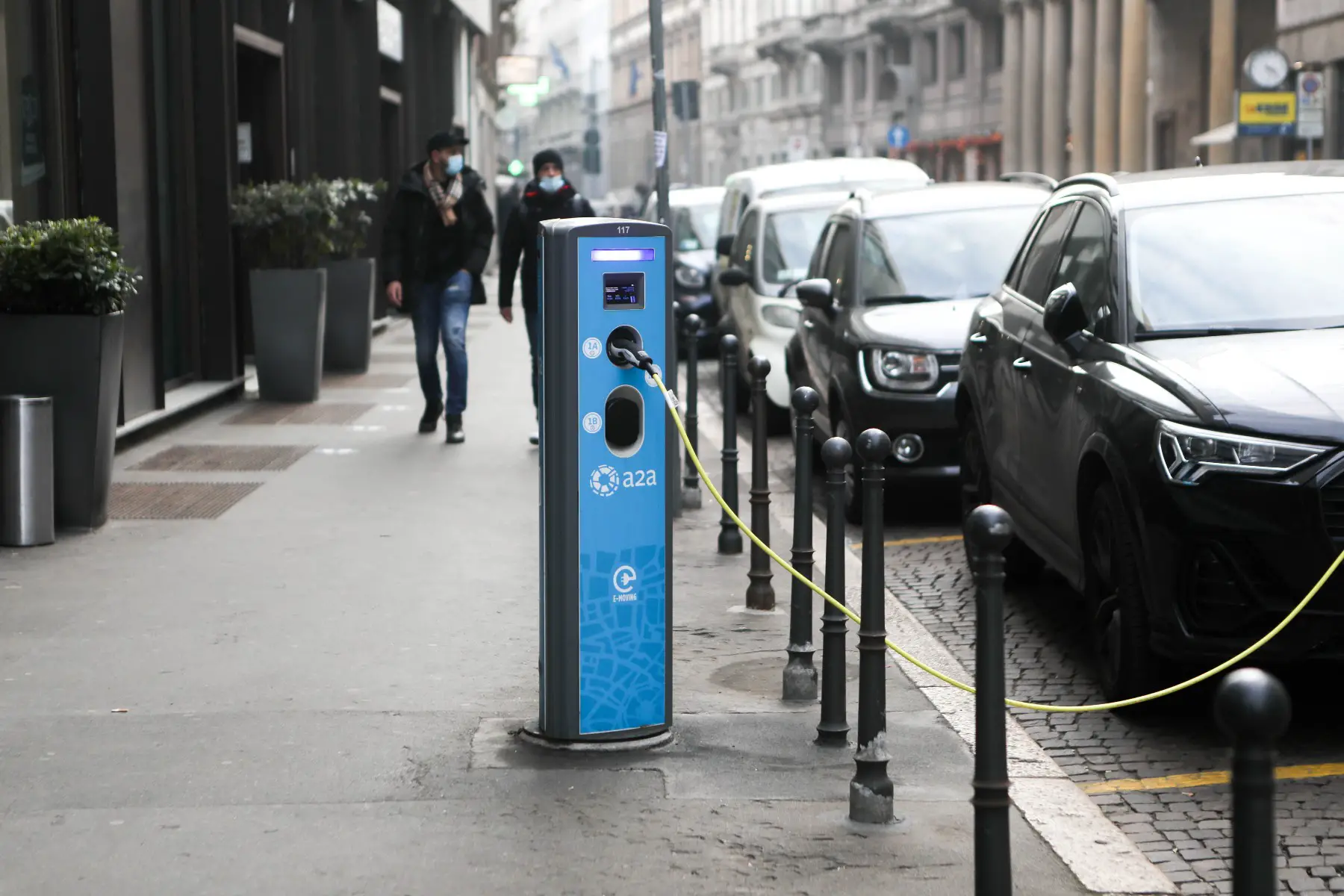
The Italian government has a number of incentives to encourage the adoption of electric vehicles and other forms of low-emission transportation in the country. These include a tax break on the purchase price and reduced road tax that apply to both electric and hybrid vehicles.
However, it’s important to remember that electric cars tend to have shorter driving ranges. Therefore, you may need to plan your trips carefully if you own one. They also require access to charging infrastructure, which is still somewhat limited in some parts of Italy.
Some of the most popular electric car brands available in Italy include:
- Tesla: The Tesla Model S, Model 3, Model X, and Model Y are all popular options
- Nissan: Nissan offers a range of electric cars in Italy, including the LEAF, which is one of the best-selling electric cars in the world
- Renault: another popular car brand in Italy, Renault has several electric models, including the ZOE, Twizy, and Kangoo Z.E
- Hyundai: in Italy, their range includes the Ioniq Electric, Kona Electric, and Nexo fuel cell vehicle
- Volkswagen: the brand manufactures several electric car models in Italy, including the e-Golf and ID.3
You can find electric cars or hybrids for sale at dealerships, online, and with private sellers throughout Italy.
Buying a used car in Italy
Many people in Italy opt to buy a used car as a cost-effective alternative to a new car. In fact, the market is growing and is projected to grow further due to used car dealers digitizing and capitalizing on smartphone and internet trends.

Purchasing a used car is generally less expensive than buying a new one, which can be a major benefit for those on a budget. Furthermore, used cars may have already depreciated in value, which can make them a better investment. It is possible that, with the right resources, you can find a gently-used car that has been well-maintained and has many years of great driving ahead of it.
To buy a used car in Italy, you will need the following documents from the seller:
- Vehicle registration certificate (carta di circolazione): This document provides information about the car, including the make, model, and license plate number. You will need to provide this document to register the car in your name.
- Act of sale (atto di vendita): This document serves as a receipt for the purchase of the car and should include the names of the buyer and seller, the price of the car, and any other terms of the sale
Notably, when purchasing a used car in Italy, it is a good idea to have a mechanic inspect it at the time of sale. Alternatively, you can ask the seller to produce documents of a recent inspection.
Average used car prices
Because of the shortage of new car stock, used car prices are generally on the rise across Europe. Naturally, the average price for a used car in Italy varies depending on the make and model, its age and condition, and the region you are purchasing from.
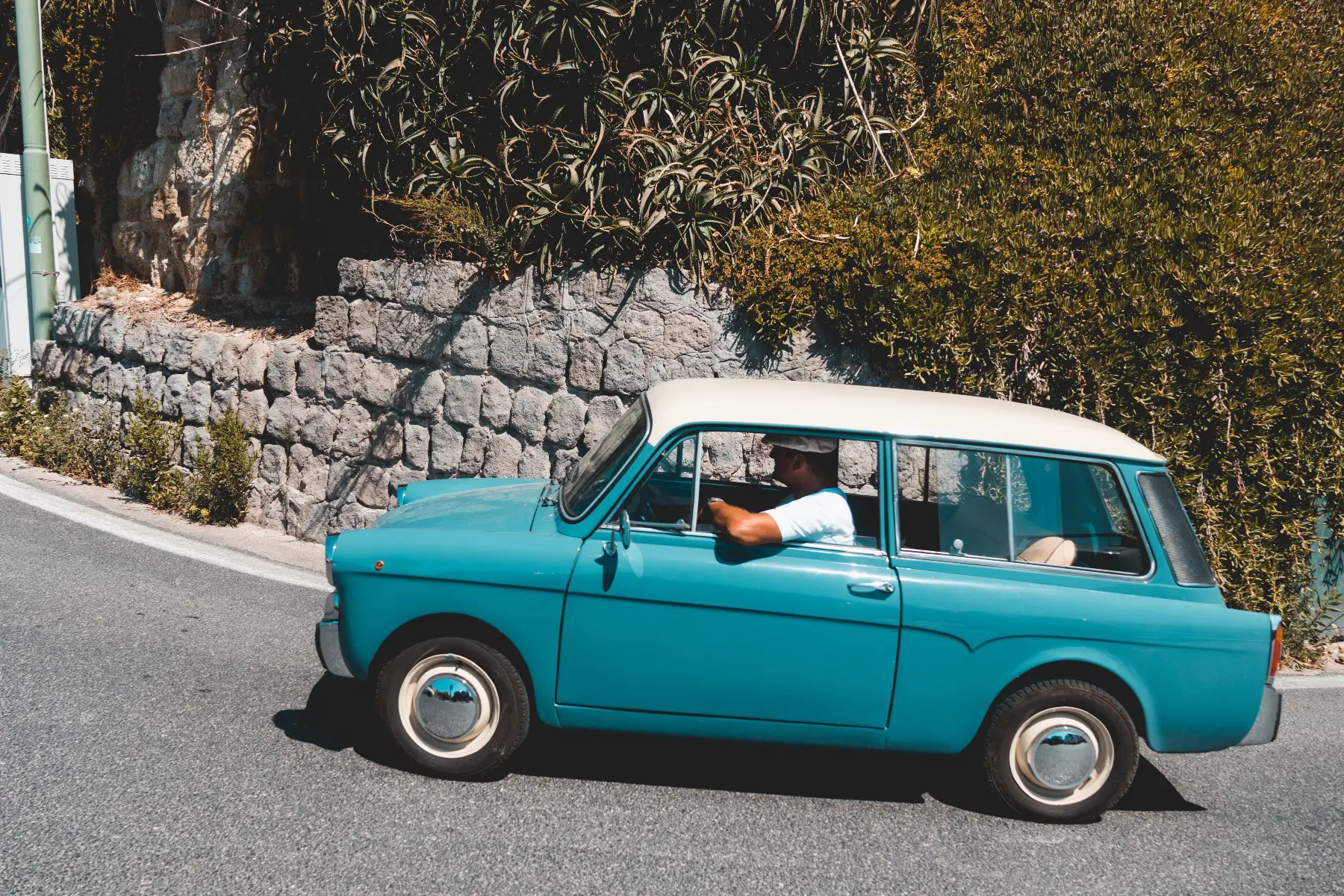
Some popular car brands in Italy include Fiat, Alfa Romeo, and Volkswagon. You can find a wide range of both new and used cars from these and other manufacturers in the country. At the time of writing, Fiat 2018 4x4s run an average price of €12,000; while the 2018 Alfa Romeo Giulia costs around €16,000, and the 2018 Volkswagon Golf comes in at around €10,000.
If you buy from a private seller, you will likely be looking at a cash transaction or bank transfer. However, if you purchase from a dealer, they will probably offer financing solutions and potentially even trade-in options.
Where to buy a used car in Italy
Whether you are looking to pick up a second-hand vehicle online, from a private owner, or a dealership, you will find that you are spoiled for choice in Italy. Below is an overview of where to find a used car:
Car dealerships in Italy
- AutoScout24: an online marketplace for used cars for sale in both Italy and across Europe. It includes listings from both private sellers and dealerships but you can filter the results so that only dealers appear in your search.
- Cars For Expats: does what it says on the tin and can help make buying a used car as an expat a smooth process
- Italia Auto Usate: this Rome-based used car dealership offers a delivery service right to your home
- Military Autos Italy: another used car dealership based in Vicenza
Buying a car in Italy from a private owner
You can often find good deals on well-maintained pre-owned vehicles on Quattroruote, a popular automotive magazine that includes listings for used cars for sale as well as articles and reviews to help you make informed purchasing decisions.
Meanwhile, the magazine Auto Usate features articles and listings for used cars for sale. Automobile.it is another site that features second-hand cars from all over Italy. Another option is eBay, which has a wide selection of used cars for private sellers and dealerships.
If you decide to go down the private seller route, just make sure that they supply recent vehicle inspection certificates. You should also ask for maintenance records for any work done to the car.
Buying a used car in Italy online
The sites listed above are also good places to look for dealerships that sell second-hand cars online. You can also check out the site Subito.
Car registration and other paperwork in Italy
Whether you buy a new or second-hand vehicle, you will need to register it with the Vehicle Registration Office (Pubblico Registro Automobilistico – PRA) within 60 days.
There are a few options for registering your car, such as the Uffici della Motorizzazione Civile (UMC), Sportello Telematico dell’Automobilista (STA), or online at the Automobile Club d’Italia (ACI).
You will need the following documents to register your car in Italy:
- Proof of ownership (prova di proprietà)
- Act of sale (atto di vendita)
- Valid vehicle inspection certificate (certificato di revision) which needs renewing every two years
- Passport or National Electronic ID Card (carta d’identità elettronica – CIE)
- Residence certificate (certificato di residenza)
- Tax codes of the buyer and seller (codice fiscale)
It is important to note that if you relocate at any point in Italy, you will need to change your address on your registration.
If you have imported your car from another country, you will need to register it in Italy within three months of arriving in the country. And, if you are driving a company car, it must be registered at the Register of Foreign Vehicles (Registro dei veicoli esteri – REVE).
Car costs in Italy
You will find that the costs of running a car in Italy are similar to other European nations. Things to factor in include: insurance ranging from €130 to €500 per year, vehicle inspection costs ranging from €45 to €80 every two years, fuel or electric charging costs, road tax, and toll road charges. You can find more information about the cost of running a vehicle in our article on Driving in Italy.
Importing a car into Italy
If you are planning on importing your own car into Italy, you will need to register it for Italian plates and deregister it in your home country.
The first step is to have it undergo a safety standards test. You can do this at your nearest UMC for around €45. Alternatively, you can take your car to a government-authorized workshop (officina autorizzata dal Dipartimento Trasporti Terrestri – DTT), which generally costs more (around €80). Once you receive your safety certificate, you can submit your application.
Notably, there are slightly different requirements depending on whether you are bringing your car from an EU country or another part of the globe.
Importing from an EU country
Your nearest Sportello Telematico dell’Automobilista (STA) will assist you with registering your vehicle if you are importing it from an EU country or from the European Economic Area (EEA). You can submit a unified application for registration with the Civil Motorization Office and registration with the PRA.
You will also need to submit the following for new vehicles:
- Photocopy of the buyer’s ID
- Your tax code
- Declaration of conformity
- You may also need a copy of your valid residence permit or residence card
For used vehicles, you will need the following:
- Unified application
- Declaration of sale (needs to be authenticated)
- Photocopy of an identity document/identification of the purchaser
- Your tax code
- The original foreign registration certificate and one photocopy
- You may also need a copy of your valid residence permit or residence card
After submitting these, you will receive your Single Vehicle and Ownership Document (Documento Unico di Circolazione e di Proprietà del veicolo).
Importing a car from outside the EU
For vehicles coming from outside the EU, you will need to submit your applications separately. First, to the Uffici della Motorizzazione Civile (UMC), and then, within sixty days, to the Vehicle Registration Office (Pubblico Registro Automobilistico – PRA).
You will need to gather the following documents:
- NP2D form
- Declaration of sale (needs to be authenticated)
- Photocopy of an identity document/identification of the purchaser
- Your tax code
- Declaration of residence certification of the purchaser
- Photocopy of the registration certificate issued in Italy
- Photocopy of the foreign registration certificate
- If the purchaser is a company, you will need a declaration made by the legal representative to certify the registered office of the legal person
- You may also need a copy of your valid residence permit or residence card
It is important to be aware that all documents need to be translated into Italian. This is where a translation service such as lingoking can help.
Registering a car in Italy costs around €100, with the license plate coming in at around €40. At the PRA, all payments must be made at the counter using PagoBANCOMAT.
After you have registered your car, you can choose your insurance company and pay your bollo (car tax).
Are you trying to decide whether to import your car or buy a new one in Italy? Given the fairly long process for importing your car into Italy, you might want to consider the fact that the boot-shaped nation is very well known for its stylish, fast, and soul-capturing cars. Perhaps that’s reason enough to purchase one of your own.
Selling a car in Italy
The first step to selling your car in Italy is to determine the value of your vehicle. There are a host of online resources you can use such as AutoTrader or the Italian equivalent, Quattroruote, to get an idea of the current market value of your car.

You can advertise your car for sale on websites such as AutoScout24 or Subito. Alternatively, you can place an advert in a local newspaper or on a community bulletin board. If you are selling a classic car, you might decide to go through an antique car trade show, of which several happen annually in Italy. If you decide to sell through a dealership, they will take care of much of the paperwork for you. The fees will depend on the dealership but are generally an agreed percentage of the sale price.
What you will need to sell your car in Italy
As in other European countries, your car will need to have a valid technical inspection certificate (certificato di revisione) to transfer ownership (or to be road legal). These are good for two years and you can get yours at a Uffici della Motorizzazione Civile (UMC) or a government-authorized workshop (officina autorizzata dal Dipartimento Trasporti Terrestri – DTT).
Once you find a buyer and negotiate the price and terms of sale, you will need to gather the necessary documents. These include the certificate of ownership ((certificato di proprietà) and registration certificate (carta di circolazione).
Then you will need to get an official act of sale (atto di vendita). The Sportello Telematico dell’Automobilista (STA), municipality (comune), or a notary (notaia/notaio) can authenticate this for you. Then you will need to obtain your Unique Vehicle Circulation and Ownership Document (Documento Unico di Circolazione e di Proprietà del veicolo – DU) within 60 days of the sale from the STA. You will need the document to change the legal status of the car and to change its ownership. You will also need it to confirm that the vehicle’s status is updated at the PRA and within the Civil Motorization Office archives.
Equipment your car needs to have in Italy
By law in Italy, you must have the following items in your car at all times:
- Warning triangle: in the event of a breakdown or accident, this must be placed on the road in a visible location
- Reflective vest: must be worn by drivers and passengers who exit their vehicle on the side of a road or highway
The following are recommended to carry in your car:
- First-aid kit
- Fire extinguisher
- Spare tire
- Tool kit
Useful resources
- Il portale dell’automobilista – the official portal of the government for motor vehicles
- Automobil Club d’Italia – provides useful information such as where to pay your car tax
- evo – an article on The Best Italian Cars: Italy’s 10 greatest automotive hits



Did you find this guide helpful?