'%20id='ico-down'%20stroke='%23000000'%20stroke-width='1.5'%3e%3cg%20transform='translate(1092.250000,%20254.750000)'%3e%3cpolyline%20id='Path-2-Copy-4'%20transform='translate(5.500000,%202.750000)%20scale(1,%20-1)%20rotate(-180.000000)%20translate(-5.500000,%20-2.750000)%20'%20points='0%200%205.5%205.5%2011%200'%3e%3c/polyline%3e%3c/g%3e%3c/g%3e%3c/g%3e%3c/svg%3e)




'%20fill='%23000000'%3e%3cg%20id='icons'%20transform='translate(56.000000,%20160.000000)'%3e%3cpath%20d='M144,7339%20L140,7339%20L140,7332.001%20C140,7330.081%20139.153,7329.01%20137.634,7329.01%20C135.981,7329.01%20135,7330.126%20135,7332.001%20L135,7339%20L131,7339%20L131,7326%20L135,7326%20L135,7327.462%20C135,7327.462%20136.255,7325.26%20139.083,7325.26%20C141.912,7325.26%20144,7326.986%20144,7330.558%20L144,7339%20L144,7339%20Z%20M126.442,7323.921%20C125.093,7323.921%20124,7322.819%20124,7321.46%20C124,7320.102%20125.093,7319%20126.442,7319%20C127.79,7319%20128.883,7320.102%20128.883,7321.46%20C128.884,7322.819%20127.79,7323.921%20126.442,7323.921%20L126.442,7323.921%20Z%20M124,7339%20L129,7339%20L129,7326%20L124,7326%20L124,7339%20Z'%20id='linkedin-[%23161]'%3e%3c/path%3e%3c/g%3e%3c/g%3e%3c/g%3e%3c/svg%3e)
'%20fill='%23000000'%3e%3cg%20id='icons'%20transform='translate(56.000000,%20160.000000)'%3e%3cpath%20d='M335.821282,7259%20L335.821282,7250%20L338.553693,7250%20L339,7246%20L335.821282,7246%20L335.821282,7244.052%20C335.821282,7243.022%20335.847593,7242%20337.286884,7242%20L338.744689,7242%20L338.744689,7239.14%20C338.744689,7239.097%20337.492497,7239%20336.225687,7239%20C333.580004,7239%20331.923407,7240.657%20331.923407,7243.7%20L331.923407,7246%20L329,7246%20L329,7250%20L331.923407,7250%20L331.923407,7259%20L335.821282,7259%20Z'%20id='facebook-[%23176]'%3e%3c/path%3e%3c/g%3e%3c/g%3e%3c/g%3e%3c/svg%3e)

Finding the right credit card can make a real difference when settling into life in Italy. With a number of cards on offer, from simple no-fee options to premium products with rewards and travel perks, choosing one that suits your spending habits is key. For expats, the right card makes everyday purchases easier, helping to manage international spending and keeping costs down when sending money home or travelling abroad.
Many Italian credit cards (carte di credito) apply extra fees for foreign transactions, cash advances, or international ATM withdrawals, which is why it’s worth comparing options carefully and considering alternatives like Wise.
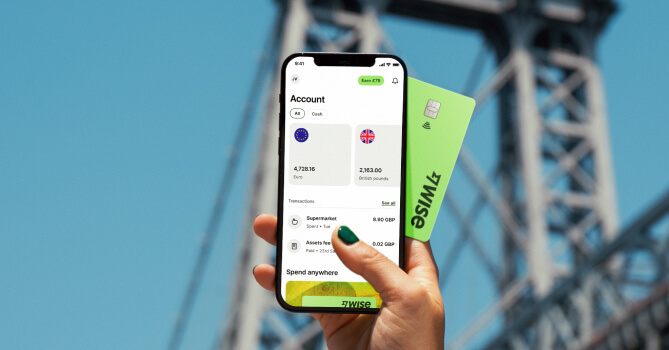
While Wise isn’t a credit card, it offers a debit card linked to a multi-currency account, making it a handy companion for expats and frequent travellers who want to spend, withdraw and move money internationally without surprise foreign transaction fees.
Table of contents
- What makes a credit card “best” for expats?
- Top 5 best credit cards for expats in Italy
- Wise card: An alternative for credit cards
- How to choose the best credit card as an expat
- Application tips for expats
- Building credit history as an expat
- Managing your credit card abroad
- Conclusion
- Frequently asked questions
- Useful Resources
Wise account
Are you an expat or thinking of moving to Italy? Managing your money across borders shouldn’t be complicated. With a Wise account, you can hold over 40 currencies and pay with a Wise debit card in more than 150 countries. Whether you need to spend abroad, receive or send money home, Wise can help make international money management simpler.

What makes a credit card “best” for expats?
Key features to look for
The best cards in Italy for expats are the ones that make life easy at home and when you’re overseas. A good card can cut unnecessary costs and even reward you for the way you spend. Here are some features worth keeping in mind when comparing your options:
- No foreign transaction fees: Many Italian credit cards charge an extra 1-3% when you pay in another currency. A card that waives this fee can save a noticeable amount when booking flights, shopping online from abroad, or spending in your home country.
- Competitive exchange rates: Some providers add hidden markups when converting between currencies. Cards that use exchange rates closer to the mid-market rate make sure more of your money goes where you want it.
- Global acceptance: Visa or Mastercard networks are widely accepted worldwide, though acceptance varies by merchant and country. You can use these cards from everyday purchases to withdrawing cash from an ATM.
- Travel benefits and protections: Extras like travel insurance, purchase protection, extended warranties, or airport lounge access can make a big difference if you’re often on the move.
- Reward programs that fit an international lifestyle: Cashback, frequent flyer points, or flexible rewards that can be used globally are useful if you split your time between countries.
- Easy online management and support: Having a card you can manage online or through an app is essential when you’re travelling. Look for 24/7 customer support and quick ways to freeze or replace your card if something goes wrong.
Understanding credit card fees for international spending
If you plan to use your Italian credit card abroad, it’s worth getting familiar with the different fees that can sneak in. Even small percentages can build up quickly when you’re travelling or shopping online from overseas.
Foreign transaction fees: Many Italian credit cards add a charge of around 1-3% when you make a purchase in another currency. For example, a €1,000 hotel bill overseas could end up costing around €1,020 or more once the fee is added.
ATM withdrawal fees abroad: Taking out cash with a credit card usually comes with an extra fee, which is charged on top of any foreign transaction costs. In many cases, interest starts to accrue right away, so withdrawing cash this way is one of the most expensive options.
Hidden costs in exchange rate markups: On top of visible fees, some Italian banks and providers use exchange rates that include their own margin. Instead of the fair mid-market rate, you may end up paying several euros more for every transaction.
Dynamic currency conversion traps: You might be offered the choice to pay in euros instead of the local currency when paying abroad. It feels convenient, but usually results in a poor exchange rate and extra charges. Choosing the local currency almost always works out cheaper.
Annual fees vs. benefits: Some credit cards charge an annual fee in exchange for perks like travel insurance, purchase protection, or rewards. For expats and frequent travellers, the benefits can be worth it, but if you rarely use them you may be better off with a low- or no-fee card.
Top 5 best credit cards for expats in Italy
A credit card can make everyday spending and international travel much easier. The cards below are among the best options available for expats in Italy this year. Each offers a different balance of rewards, fees and travel benefits, so you can find one that suits your lifestyle. We’ll take a more in-depth look at the details of each provider after this quick comparison.
The following cards were chosen based on an analysis of the following benefits for expat users:
- Affordability regarding annual fees and interest rates
- Rewards on offer, such as travel perks, shopping benefits, and partner discounts
- Availability to new residents living in Italy
| Card name | Foreign transaction fees and interest rates | Annual fee | Key benefits | Best for |
| American Express Carta Platino | 2.99% foreign transaction fee | €840 | No spend limits; €1,230 travel insurance; €300 global dining discount; €150 annual travel voucher | Luxury travellers who value extensive high-end rewards and good travel insurance |
| UniCredit Flexia Gold Card | 1.75% foreign transaction fee | €78 plus €10 card issue fee | High spending limits (up to €15k); range of travel insurance offers; low annual fees | Frequent travellers who want high spending limits |
| BNL Classic Card | 1.7% foreign transaction fee | Free for the first year if you make at least one payment; €85 annual fee from year 2 onwards | Loyalty points for every €4 spent; travel insurance protection up to €2,066 with purchases made on the card; low annual fees, including free first year offer; low foreign transaction fees | Those looking for a convenient and low-cost credit card |
| BancoPosta Oro Card | 1.3% foreign transaction fees | €70 | Up to 40 days to pay for purchases, with deferred payment schedules available | Expats looking for a low-cost no-frills card with affordable payment terms |
| BNL World Elite Card | No foreign transaction fees | €133.40 for the first year; €255.40 from the second year | No foreign transaction fees; extensive travel insurance and priority pass travel benefits; €300k per month usage limits; access to prestigious airport lounges | Frequent travellers who spend large amounts outside the Eurozone |
1. American Express Carta Platino
| Key Features | Details |
| Annual fees | €840 |
| Foreign transaction fees | 2.99% foreign transaction fee |
| Perks | No spend limits; €1,230 travel insurance; €300 global dining discount; €150 annual travel voucher; access to network of airport lounges worldwide |
| Best for | Luxury travellers who value extensive high-end rewards and good travel insurance |
| Pros of American Express Carta Platino | Cons of American Express Carta Platino |
|---|---|
| Range of rewards for shopping, dining, hotels and more Comprehensive travel insurance, annual travel voucher and access to a global network of airport lounges No preset spending limits | High annual fees 2.99% foreign transaction fees Acceptance varies by merchant and country; some merchants do not accept American Express. |
2. UniCredit Flexia Gold Card
| Key Features | Details |
| Annual fees | €78 plus card issue fee |
| Foreign transaction fees | 1.75% foreign transaction fee |
| Perks | High spending limits (up to €15k); range of travel insurance offers; low annual fees |
| Best for | Frequent travellers who want high spending limits |
| Pros of UniCredit Flexia Gold Card | Cons of UniCredit Flexia Gold Card |
|---|---|
| High spending limits Comprehensive travel insurance Low annual fee | Limited rewards beyond travel insurance No specific rewards for certain groups, e.g. frequent travellers Foreign exchange and ATM withdrawal fees abroad |
3. BNL Classic Card
| Key Features | Details |
| Annual fees | Free for the first year if you make at least one payment; €85 annual fee from year 2 onwards |
| Foreign transaction fees | 1.7% foreign transaction fee |
| Perks | Loyalty points for every €4 spent; travel insurance protection up to €2,066 with purchases made on the card; low annual fees, including free first year offer; free ATM withdrawals through Global ATM Alliance; eligibility, limits and conditions apply — check the provider’s terms. |
| Best for | Those looking for a convenient and low-cost credit card |
| Pros of BNL Classic Card | Cons of BNL Classic Card |
|---|---|
| Free for first year of use Loyalty points scheme Travel insurance protection with card purchases | Foreign transaction fees Limited rewards compared to some other cards Low credit and ATM withdrawal limits |
4. BancoPosta Oro Card
| Key Features | Details |
| Annual fees | €70 |
| Foreign transaction fees | 1.3% foreign transaction fee |
| Perks | Up to 40 days to pay for purchases, with deferred payment schedules available; cashback discounts at participating merchants |
| Best for | Expats looking for a low-cost no-frills card with affordable payment terms |
| Pros of BancoPosta Oro Card | Cons of BancoPosta Oro Card |
|---|---|
| Low fees Favorable payment options Cashback discount scheme | No rewards on offer with merchants abroad Potentially high international transfer costs |
5. BNL World Elite Card
| Key Features | Details |
| Annual fees | €133.40 for the first year; €255.40 from the second year |
| Foreign transaction fees | No foreign transaction fees |
| Perks | No foreign transaction fees; extensive travel insurance and priority pass travel benefits; €300k per month usage limits; access to prestigious airport lounges |
| Best for | Frequent travellers who spend large amounts outside the Eurozone |
| Pros of BNL World Elite Card | Cons of BNL World Elite Card |
|---|---|
| High monthly limits Access to prestigious airport lounges worldwide High travel insurance protection No foreign transaction fees | High annual fees Pre-existing medical conditions excluded from travel insurance High ATM withdrawal fees |
Wise card: An alternative for credit cards
For many expats in Italy, a credit card feels like the simplest option for managing spending at home and abroad. But when you factor in foreign transaction fees, exchange rate markups and interest on overseas cash withdrawals, the real costs can be high.
The Wise debit card offers a different approach. It isn’t a credit card, but for expats it can be a useful financial companion, giving you the freedom to spend and withdraw in multiple currencies without the hidden extras. Linked to your Wise multi-currency account, it uses the mid-market exchange rate with low, transparent fees, so you always know what you’re paying. Whether you’re settling into life in Italy or travelling further afield, Wise helps you stay in control of your money.
Wise debit card benefits
- Mid-market exchange rates with no hidden markups, unlike most banks and credit cards.
- Low, transparent fees starting from 0.47%, compared to the 1-3% many Italian credit cards charge on international spending.
- Global reach with one card that works in 150+ countries, without foreign transaction fees.
- Multi-currency support that lets you hold and manage 40+ currencies at once.
- Real-time control, with instant spending notifications, the ability to freeze or unfreeze your card, and budgeting tools in the Wise app.

Cost comparison: Wise vs. credit cards
When you’re spending overseas, the way your card handles fees and exchange rates can make a big difference. Let’s look at a simple example of spending overseas with a typical Italian credit card versus using the Wise debit card.
Example: Spending EUR 1,500 while on holiday in the US
| Spend abroad | Wise debit card | Typical Italian credit card* |
| Transaction value | 1,500 EUR equivalent in USD | 1,500 EUR equivalent in USD |
| Exchange rate | Mid-market rate with no markup | The rate used by your card provider, which may include a markup |
| Foreign transaction fee | None | Around 3% = 45 EUR |
| Total cost | 1,500 EUR + small Wise conversion fee (often under 1%) | About 1,545 EUR including fees and markup |
*Figures based on average credit card fees in Italy. Exact costs vary depending on the provider.
With Wise, you pay close to the real exchange rate and only a small, upfront conversion fee. With many Italian credit cards, foreign transaction fees and exchange rate markups can eat into your finances, meaning the same holiday purchase could cost you 45 EUR or more.
When Wise makes more sense than credit cards
Credit cards still have their place, but in many everyday situations the Wise debit card can be the smarter choice:
- For regular international money transfers: Credit cards aren’t designed for sending money abroad, and doing so often triggers cash advance fees. Wise lets you transfer to 140+ countries directly at the mid-market rate.
- When you want to avoid debt: A debit card means you can only spend what you already have, helping you stay on budget and avoid interest charges.
- For better exchange rates: Credit cards often build hidden margins into the rate. Wise converts at the mid-market rate, so you get more value for your money.
- For transparent, upfront pricing: Wise shows you all fees upfront in the app before you confirm the payment. With credit cards, fees are often bundled into interest or less favourable exchange rates.
How to choose the best credit card as an expat
Step-by-step selection process
- Assess your spending patterns: Think about where most of your money goes. If you travel frequently, a card with no foreign transaction fees and travel perks may save the most. If you shop locally, a rewards program that matches your day-to-day spending might be better value.
- Calculate potential fees and savings: Add up the likely costs, including annual fees, foreign transaction charges and ATM fees. Balance these against the benefits, such as cashback or points, to see if the card really pays for itself.
- Consider your credit history status: If you’re new to Italy, you probably don’t have a local credit history yet. You’ll need a credit history to qualify for many Italian credit cards, so check eligibility before applying.
- Evaluate additional benefits needed: Extras like travel insurance, purchase protection, or airport lounge access can be very useful, but only if you’ll actually use them. Make sure the perks align with your lifestyle.
- Check eligibility requirements: Many providers have income thresholds or residency rules. Confirm what’s required so you don’t waste time applying for a card you’re unlikely to be approved for.
Questions to ask before applying for a credit card
Here are a few things to consider when you apply for a credit card in Italy:
- What are the total costs of international spending, including fees and exchange rates?
- Do I qualify for this card based on my current income and credit history?
- What additional benefits will I realistically use, and which are just “nice to have”?
- How does this card compare to alternatives like Wise, which let you manage multiple currencies without the risk of building up credit card debt?
Application tips for expats
Applying for a credit card as a newcomer in Italy can feel daunting, but understanding what lenders look for will help you prepare and boost your chances of approval.
Improving your approval chances
- Building Italian credit history: If you’ve just arrived, your overseas credit record usually won’t transfer to Italy. Start small by opening a basic bank account or using other forms of credit responsibly, such as a mobile phone contract or utility account, to begin building your local history.
- Required documentation: Expect to provide valid ID such as a passport, visa, or driver’s licence. Most banks also require proof of address in Italy, which can be a utility bill or a rental agreement.
- Income verification for expats: Lenders often need evidence of steady income, which may include recent payslips, an employment contract, or bank statements. Some banks are more flexible for newcomers, but being able to show stable earnings helps significantly.
- Address history requirements: Many applications ask for your residential history for the past two or three years. If you’ve lived abroad, be prepared to provide those details too.
Common rejection reasons
- Insufficient Italian credit history: Without a track record of borrowing and repayment in Italy, applications may be declined. Starting with a more accessible product can help.
- Income verification issues: If your documents don’t clearly show reliable earnings, the bank may hesitate to approve your application.
- Address verification problems: Missing or incomplete proof of address is a common hurdle. Double-check your paperwork before applying.
- Too many recent applications: Submitting multiple credit card applications in a short time can hurt your chances, as it signals financial instability to lenders.
Building credit history as an expat
When you move to Italy, one of the first financial hurdles you may face is building a local credit history. Your record from overseas typically won’t follow you, which means you start fresh in the eyes of Italian lenders. This may feel frustrating at first (especially if you have an excellent credit rating back at home), but with a few simple steps, you can build a reliable profile that supports future applications for loans, credit cards, or mortgages.
One of the simplest ways to begin is to open a resident bank account. Once you have an account, you should be able to apply for a credit card. By using this for everyday purchases and paying the balance in full and on time each month, you demonstrate that you can borrow responsibly. Over time, these good habits help to strengthen your credit score and improve your access to more competitive financial products.
If you’re not quite ready for a credit card, there are still plenty of other ways to lay the groundwork. Putting utility bills or internet contracts in your name, keeping up with mobile phone payments, or even taking out a small personal loan can all contribute to your financial record.
However, building up a credit history doesn’t just happen overnight. In most cases, you’ll need at least six months of consistent, positive activity before your score starts to take shape. But with steady payments and careful management, many expats find they can establish a strong credit profile within a year or two, opening doors to bigger financial opportunities in Italy.
Managing your credit card abroad
Having a credit card can make life much easier when you’re travelling, but it’s also important to know how to use it wisely. A few small habits can save you money and prevent unwanted surprises while you’re away.
Best practices for international spending
- Pay in the local currency: Choosing to be charged in the currency of the country you’re in usually gives you the fairest exchange rate and avoids hidden conversion costs.
- Tell your bank before you travel: A quick note to your card provider about your trip can help stop your card from being declined due to suspected fraud.
- Check your spending often: Use your bank’s app or online banking to keep an eye on your transactions and quickly flag anything unusual.
- Keep emergency contact numbers handy: Store your bank’s emergency contact details somewhere safe so you can act quickly if your card goes missing.
Avoiding common pitfalls
- Dynamic currency conversion traps: Merchants or ATMs may ask if you’d like to be charged in euros, but this usually comes with a poor rate. Always choose the local currency instead.
- ATM fee accumulation: Frequent small withdrawals abroad can add up in fees from both your card provider and the local ATM operator.
- Overspending due to currency confusion: It’s easy to overspend if you’re not familiar with exchange rates. Keeping a rough conversion in mind helps stay on budget.
- Missing payment due dates while travelling: Missing a due date can impact your credit score in Italy, so consider setting up an automatic payment for at least the minimum amount due.
Conclusion
How to choose the best credit card in Italy as an expat comes down to matching features and rewards with your own lifestyle and spending patterns. Some cards focus on travel perks, while others keep things simple with low fees and broad international acceptance. The best option is the one that helps you manage money confidently at home in Italy and when you head overseas.
It’s important to look past the headline offers and check the real costs. Foreign transaction fees, annual charges and exchange rate markups can make a noticeable dent in your finances. Comparing cards side by side makes it easier to spot where you’ll save money and which benefits will actually suit your needs.
Credit cards are useful tools, but they don’t cover every situation. Many expats use them alongside a Wise debit card, which offers spending in 40+ currencies, no foreign transaction fees to spend a currency you hold enough money in, and transparent mid-market exchange rates. With Wise you can also track spending and control your card instantly in the app, making it a versatile addition to any credit card you choose.
Frequently asked questions
Credit card eligibility and applications
Can I get an Italian credit card as a new expat?
Yes, some Italian banks welcome newcomers, though eligibility often depends on your visa or residency, income, and whether you have a local address. Some providers also offer newcomer or migrant packages designed to make the process easier.
What documents do I need to apply?
Most applications require at least one piece of government-issued photo ID (such as a passport), proof of your right to live in Italy (like a visa or residency card), a local address, and an Italian tax number (codice fiscale). Banks may also ask for income evidence, such as a work contract or payslip.
How long does approval take?
Approval can be instant for online applications if your documents are verified electronically, but in many cases it may take a few business days. If extra checks are needed, such as verifying overseas income, it might take a little longer.
What if I’m rejected?
If your application is declined, ask the bank for the reason and whether you can reapply later. Sometimes it’s simply a matter of not yet having enough Italian credit history, in which case starting with a low-limit card or exploring alternatives like Wise can help you manage your finances while you build a local record.
Using credit cards abroad
Are there limits on international spending?
Most credit cards come with daily or monthly limits, and your provider may also flag unusual overseas spending as suspicious. It’s a good idea to check your card’s terms in advance and let your bank know your travel plans.
What happens if my card is stolen abroad?
If your card is lost or stolen, contact your bank immediately using their emergency helpline. They can block the card to stop further charges and arrange a replacement, sometimes even sending one to you while you’re overseas.
How do I dispute foreign transactions?
You can raise a dispute directly with your bank through online banking, the app, or by calling customer service. They’ll investigate the transaction and, if it’s confirmed to be fraudulent, refund you under their purchase protection policies.
Should I carry multiple cards when traveling?
Yes, having a backup is a smart safety net. Keep one card with you and another in a secure place, so you’re not left stranded if your main card is lost or stolen.
What is the best credit card for travel?
The best travel credit card in Italy depends on whether you are looking for travel perks – such as travel insurance, global rewards, and airport lounge access – or low foreign transaction fees. The BNL World Elite Card offers a good mix of benefits and no transaction fees, although ATM use fees are high.
Fees and charges
What exactly is a foreign transaction fee?
A foreign transaction fee is an extra charge your bank adds when you make a purchase in another currency. In Italy, most credit cards add around 1-3% on top of the transaction value.
How are exchange rates determined?
Exchange rates are usually set by the card network (Visa or Mastercard), but banks often add a margin on top, so you rarely get the true mid-market rate you’d see on Google.
What other fees should I watch out for?
Aside from foreign transaction fees, common costs include annual fees, ATM withdrawal charges, and interest on cash advances. Some cards also penalise late payments heavily, so it’s important to keep track of due dates.
How can I minimise costs when spending abroad?
Look for cards with no foreign transaction fees, always choose to pay in the local currency and avoid frequent ATM withdrawals with a credit card. A multi-currency account like Wise can also be handy for keeping conversion costs low.
Useful Resources
- Banca d’Italia – national bank of Italy (accessed 27th November 2025)
- Mastercard Italy – information on Mastercard services in Italy (accessed 27th November 2025)
- American Express Italy – information on AmEx cards in Italy (accessed 27th November 2025)
- Wise – multi-currency account and debit card for global spending without foreign transaction fees (accessed 27th November 2025)