
'%20id='ico-down'%20stroke='%23000000'%20stroke-width='1.5'%3e%3cg%20transform='translate(1092.250000,%20254.750000)'%3e%3cpolyline%20id='Path-2-Copy-4'%20transform='translate(5.500000,%202.750000)%20scale(1,%20-1)%20rotate(-180.000000)%20translate(-5.500000,%20-2.750000)%20'%20points='0%200%205.5%205.5%2011%200'%3e%3c/polyline%3e%3c/g%3e%3c/g%3e%3c/g%3e%3c/svg%3e)


Housing
Buying & Selling
Real estate guide: buying a house in Belgium
We explain real estate in Belgium, including the process of buying a home in Belgium as a foreigner, whether you’re after an off-plan home, new-build, or furnished apartment.

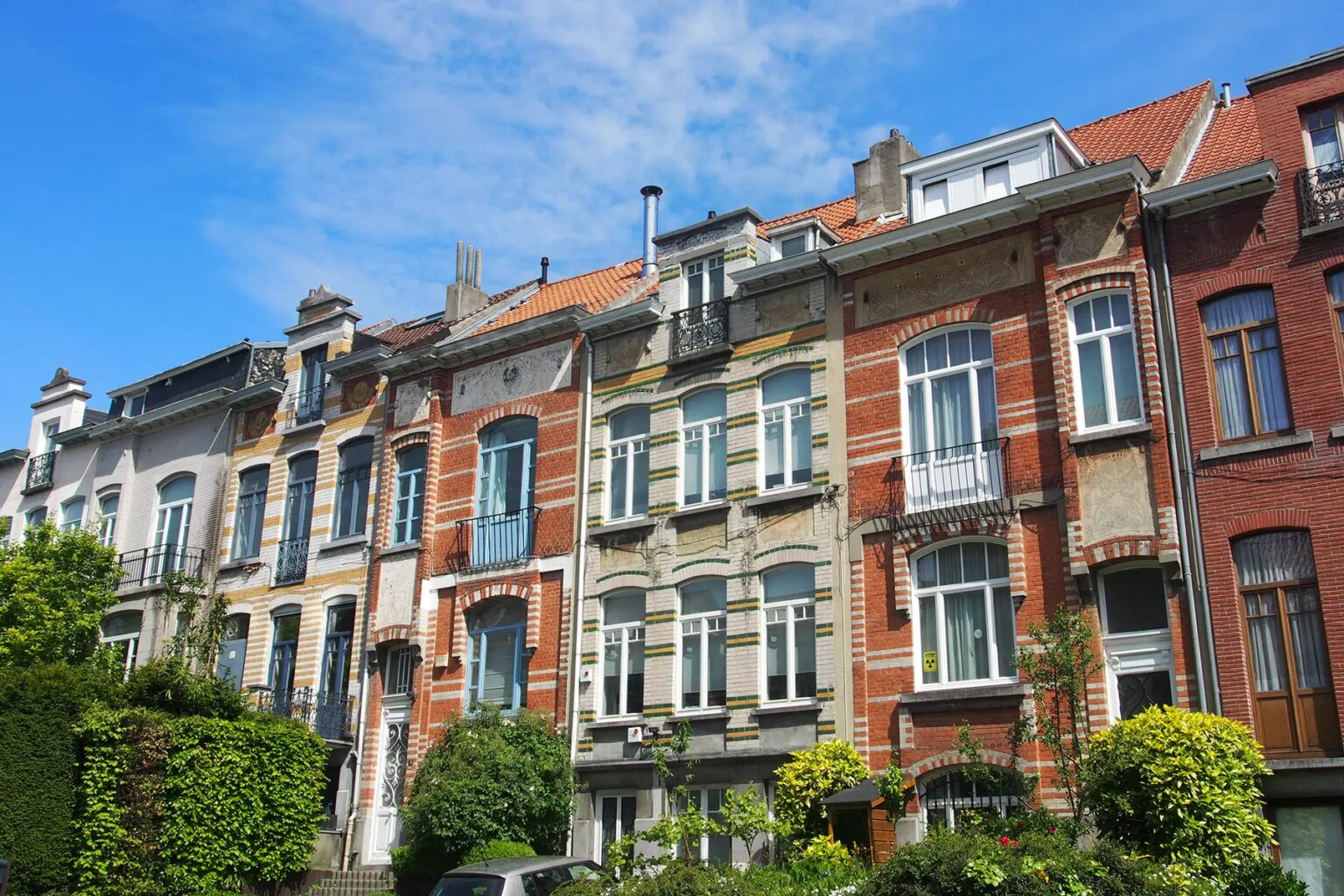
Belgium’s standard of living is high and Belgian property prices are relatively lower than many neighboring countries and capital cities. However, high property transaction costs can offset any short-term benefits; therefore it’s important to be aware of the Belgian housing market quirks and regulations before buying a property.
In addition, we will show you how to save money on transferring your funds internationally with services like Wise.
This guide to buying real estate in Belgium includes information on:
MeDirect
Get more from your money with MeDirect. This Belgian savings and investment bank is home to financial experts who can help you expand your investment portfolio and track your stocks and shares. Enjoy in-app accessibility and let your money work for you with MeDirect.

Homeownership in Belgium
Around 71.3% of residents in Belgium own rather than rent their own home, according to 2021 statistics. This is slightly above the EU average which stands at around 64.3%.
This is largely down to the relative affordability of Belgian properties, even in more affluent city areas, along with the availability of mortgages in Belgium.
Should you buy or rent property in Belgium?
Whether you choose to buy or rent in Belgium largely depends on your individual circumstances. As with many other countries, there are pros and cons to consider with both.
Buying vs renting factors
- Access to finance – buying a home in Belgium, although cheaper than in many other places, still involves a far greater financial outlay than renting. Few people are in the position to purchase a home outright, so you’ll need access to credit such as a Belgian mortgage. If this is not possible, you may have to rent, at least for the short term.
- Length of time in country – if you’re moving to Belgium long-term, e.g. if you are retiring to Belgium, then buying may be more cost-effective. However, if your move is short-term or you are unsure how long you will stay, renting may be more sensible. The transaction costs associated with buying property in Belgium mean that it can take a few years to recoup costs.
- Ownership freedom v renting flexibility – do you want a place you can truly call your own that you can take ownership of and gives the freedom to renovate as you please? Then buying a place may be for you. However, this is a big commitment that you can’t just walk away from if your situation changes. If you value flexibility over decision-making ability, it may be better to rent.
- Long-term risks and opportunities – buying your own home is generally considered a more sensible long-term move, but this largely depends on the housing market. You can sell property at a profit, but you can also end up in negative equity of things take a turn for the worse. Check the Belgian property market forecasts before investing or, even better, get advice from a professional.
Can expats buy property in Belgium?
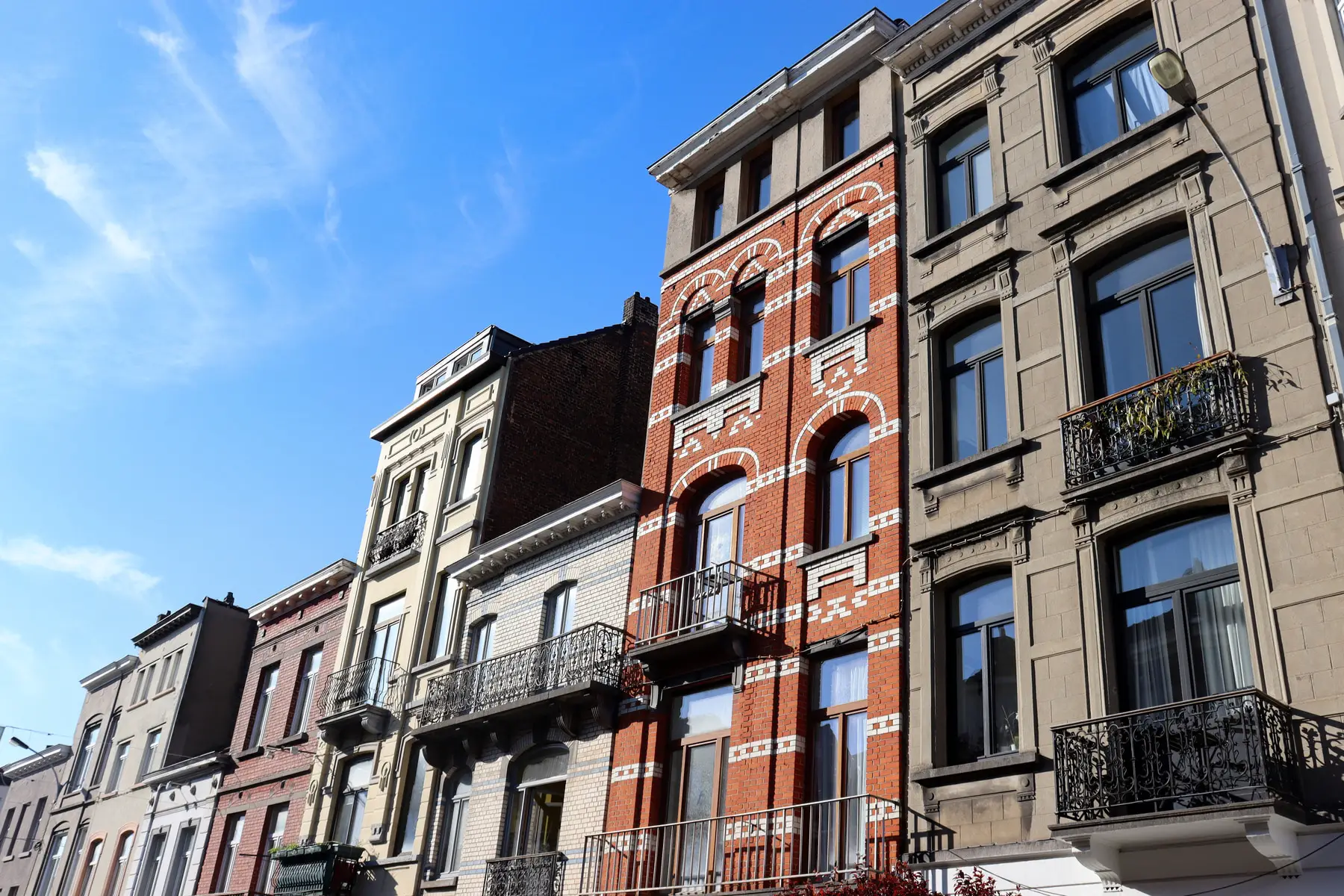
There are no restrictions to stop foreigners buying property in Belgium or taking out a Belgian mortgage, even if they are non-resident.
However, different tax implications apply between resident and non-resident buyers in Belgium. You can read about Belgium’s visas for foreigners, as well as applicable Belgian taxes.
It’s important to note that those who rent out their apartment, even temporarily on house-sharing websites such as Airbnb, must declare any income on their Belgian tax return. Those who fail to declare rental income risk a fine of up to €1,250 or a 200% tax surcharge.
The Belgian property market and property prices
The Belgian housing market is currently performing well, with prices rising by 3.93% in the third quarter of 2019. Prices have remained stable or risen since mid-2014. Prices are expected to continue to rise steadily, with a 2% growth predicted in 2020 according to ING.
There have been regional variations in growth and house prices. In Q3 of 2019:
- the Brussels-Capital region saw house prices rise by 5.46% to an average of €425,000;
- Flanders saw prices increase by 2.32% to an average of €265,000;
- property prices in Wallonia rose by 6.06% to an average of €175,000
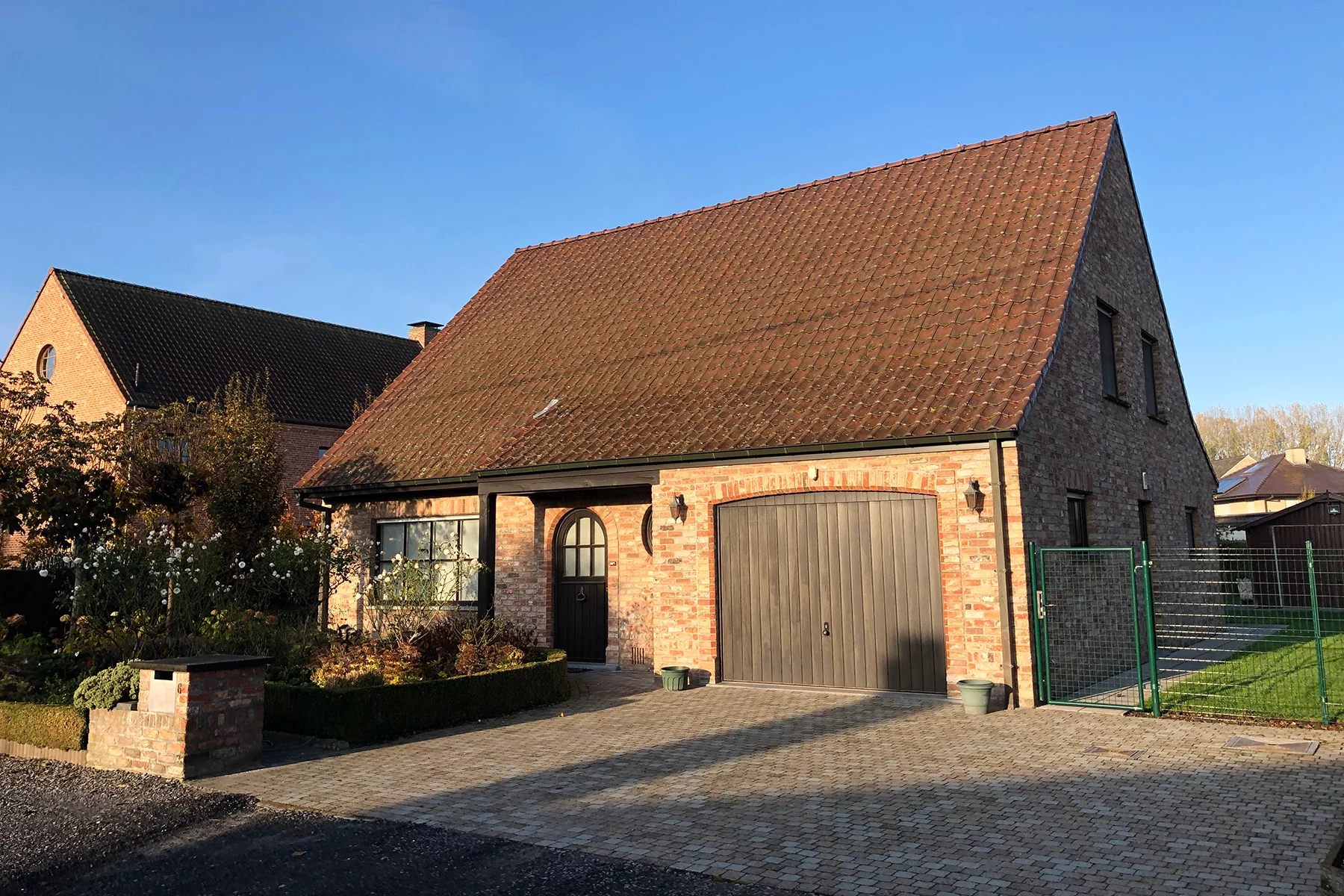
According to Statbel, the most expensive municipality is Ixelles (in Brussels) with an average house price of €690,387 (in 2017). The cheapest is Viroinval (in Wallonia) with an average price of €94,583.
Regarding property types, the average costs across Belgium in 2017 were:
- 218,704 for detached or semi-detached houses
- 359,945 for villas, bungalows and country houses
- 226,820 for apartments
In 2021, the average property price per square meter in Belgium for a new dwelling was €2,871 per square meter, well below neighboring France and Germany.
Read our guides on where to live in Belgium or Brussels’ neighborhoods. for more information on places to look for property.
Costs of buying a home in Belgium
The buyer and seller split the costs of buying a property in Belgium. However, the buyer will pay the majority of the costs – around 11–15% of the purchase price. The seller pays around 3–5%. Buying a new property is more expensive for the buyer with total fees rising to around 22% for new-builds, due to different applicable tax rates.
Costs to consider
- Registration tax (properties older than two years) – payable by the buyer, this varies across the regions. In Flanders, it is 6% (reduced from 7% in 2020) for a family home you will move into within two years or a property on which you are carrying out radical renovations; 10% for other properties. There is an exemption on the first €80,000 on purchases below a certain amount. In Wallonia, there is an exemption on the first €20,000 and the rate is 6% when buying smaller properties.
- VAT (properties less than two years old) – a 21% charge is levied instead of registration tax.
- Notary’s fee – between 0.2% to 4% but averaging around 1.6%, depending on the purchase value. You can get an estimate of how much you’ll need to pay in notary fees on the Royal Belgian Notariat Federation website.
- Valuation costs – you can pay to have the property valued to make sure that you are not paying over the asking price. This costs around €200 plus VAT. Some mortgage lenders may insist on this.
- Mortgage costs – if you take out a mortgage in Belgium, you will need to pay administration costs as well as interest. Exact costs depend on your lender and type of loan you take out.
- Insurance – you may need to take out building insurance, especially if you apply for a mortgage. Contents insurance is also available.
- Estate agent fees – the bulk of the fees are usually paid by the seller and are around 3-5% of property costs. If you use an agent to find a property, expect to pay between €200-1,000.
- International money transfers: When making your property deposit or purchase payment from abroad, banks typically charge hidden fees in the exchange rate markup if you’re converting from another currency. Using a specialized service like Wise instead of a bank can save you significant money on international transfers.
Wise
Buying a property abroad is a big step and involves important financial decisions. Wise, an international money transfer company, provides specialist support to help you navigate large international transfers and save on exchange fees. Fill out Wise’s online form today to find out how they can assist you.
Tax breaks
Tax breaks are available to many homeowners with a mortgage. The exact amount depends on several factors; these include when you initially set up your loan, the number of children you have, and the amount of interest due.
However, this is balanced somewhat by an annual tax on the estimated rental value of your Belgian property (even if it is owner-occupied) of between 1.25 and 2.5%. See our guide to taxes in Belgium for more information.
Financing a property purchase in Belgium
Mortgages
Mortgages are available for those buying a home in Belgium, both resident and expat. Both fixed and variable rate mortgages are available over a period of 10 years or more, with tax reliefs available.
How much you can borrow will depend on your financial status and circumstances. You’ll need to pay a minimum deposit of 10%. Lenders may insist on certain requirements, such as a professional property valuation or building insurance.
Housing assistance
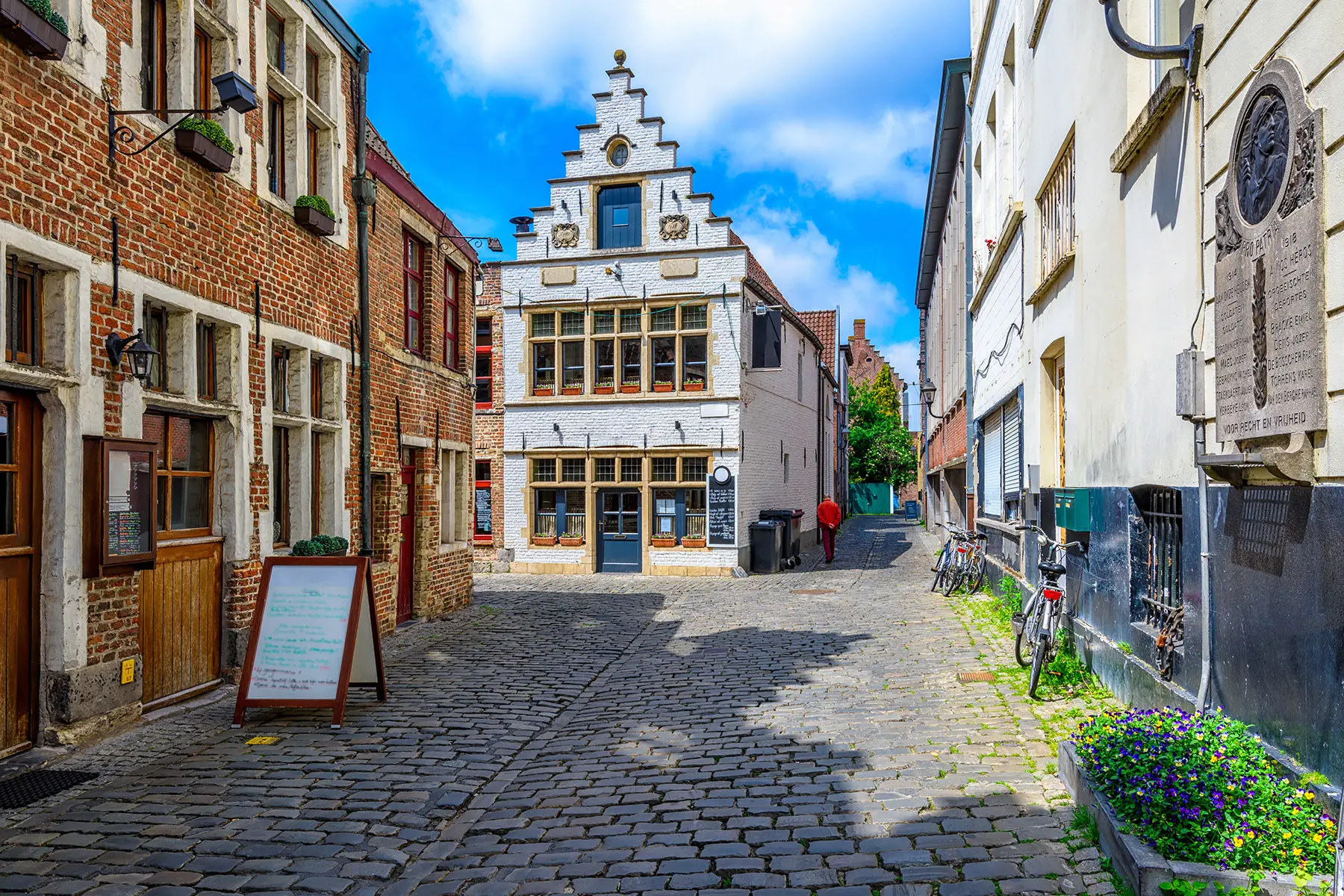
Each region has its own housing assistance programs to help people with buying or renovating a home in Belgium:
- Flanders – offers bonus premiums and benefits to homeowners with lower incomes
- Wallonia – established a new Cheque habitat system in 2016, offering tax credits on mortgages to those on lower incomes
- Brussels – replaced mortgage tax reductions in 2017 with the €200,000 exemption on registration tax
International money transfer
When financing a property purchase in Belgium as an expat, you may need to convert large sums from your home currency to euros. Banks typically charge hidden fees in the exchange rate markup, which can significantly increase your costs when transferring large amounts. Wise offers international transfers at the mid-market exchange rate with transparent fees (typically 0.35-0.7% of the transfer amount) potentially saving you thousands when converting currency for your property purchase.
Their Multi-currency Account allows you to hold and manage multiple currencies, which is particularly useful during the property buying process when you may need to make payments in euros while receiving income in your home currency. For property purchases, Wise offers specialist support for large transfers to help you navigate the process and ensure your money arrives securely and on time.

Finding a property in Belgium
Listed properties for sale are known to have negotiable prices, and the idea is to make an offer slightly below your ideal price. Most properties for sale will have a distinct orange sign in the window saying for sale (Dutch: te koop, French: à vendre), so keep a lookout when walking about.
There are various ways you can search for property in Belgium. These include:
- online property portals – there are numerous websites where you can search for Belgian real estate, including Immoweb, Logic-Immo, Zimmo and Century 21;
- estate agents (Dutch: immokantoor, French: agence immobilière) – many expats choose to use an agent when buying a property. Agents charge fees but provide a range of services and have knowledge of the market;
- property hunters (Dutch: vastgoedjager, French: chasseur immobilier) – these provide a more extensive service that includes tailored searches for clients, although fees will typically be higher;
- local connections – you may be able to find properties for sale through expat forums or local groups. This will save on agency fees but you’ll still need to pay a notary to deal with the transaction.
Property agents in Belgium
Estate agents in Belgium can help you find suitable property to buy and can also provide other services such as providing property viewings, helping you understand the ins and outs of your contract, and sometimes even acting as translators.
If you decide to use a property agent or a property hunter, make sure that you shop around and find one who will provide you with a fixed price rather than an hourly rate. Also, get clarification on exactly what services they will be providing (with a cost breakdown if possible).
You can expect to pay somewhere in the region of €250–1,000 to buy property through an agent. Property hunters may charge more for additional services.
The Professional Institute of Real Estate Agents (Dutch: Beroepsinstituut van Vastgoedmakelaars – BIV, French: Institut Professionel des Agents Immobiliers – IPI) is the regulatory body for property agents in Belgium. You can search the website to find licensed agents, or check that an agent you are thinking of using is licensed.
Viewing and choosing a property
How you view a property in Belgium will depend on the method you have chosen to find a property. If you are going through an agency or property hunter, they will typically be available to accompany you on viewings.
When viewing, be sure to thoroughly investigate the property. It’s a good idea to make a list of things you want to check as well as a list of questions to ask either the agent or the owner. Things to bear in mind can include:
- checking for structural damage or damp (remember to check the outside of the building too;
- ensuring that rooms are big enough and there is adequate storage space;
- what are the noise levels like and is the building adequately soundproofed?;
- the condition of the plumbing and heating – run taps to check water pressure and ask if pipes are insulated;
- the quality of the local area – check the amenities, public safety levels, how nice the surroundings are, etc.
Some estate agents and property websites now offer online remote viewings using webcams. These can be great to get a feel for the place if you are abroad, but it’s advisable to carry out at least one viewing in person if possible. Failing this, try to send along a friend or colleague to check it out.
The process of buying a home in Belgium
Making an offer
If you find a place in Belgium you want to buy, you will typically be asked to make a formal offer in writing. As with many other countries, the custom in Belgium is to negotiate the price. This means that you can bid below the asking price (typically anywhere between 5-15% below the asking price). The seller will then either accept or reject your offer.
If you are going through an agent to buy property, they may be able to help you with this by providing you with a template or drafting an offer on your behalf.
Once the seller has accepted your offer, you may be asked to sign a “commitment to buy” contract (Dutch: koopintenties, French: offre d’achat). This ties the buyer into the sale legally, although the seller can still back out at this stage.
Hiring a notary
You will need to have a notary to represent you during the process of purchasing your home. Notaries are responsible for drawing up the notarized deeds (Dutch: notariële akte, French: acte notarié) that transfer the legal ownership of the property.
Belgian notaries can provide you with the legal representation required, however you can also choose to enlist the help of a solicitor in Belgium. Notaries should belong to the National Chamber of Notaries (Dutch: Nationale Kamer van notarissen, French: Chambre nationale des notaires). Solicitors are regulated by either the Flemish Bar Association (Orde van Vlaamse balies) or the French and German-speaking Bar Association (Ordre des barreaux francophones et germanophone).
You can find a Belgian notary on the Notaire website.
Arranging a survey
If you are taking out a Belgian mortgage, your lender may insist on a valuation survey. Even if this is not the case, getting the property surveyed is a wise move as it will flag up any defects and make sure that the building has been properly valued.
If the valuation survey identifies any major defects that reduce the property value, you are within your rights to reduce your initial offer accordingly.
The cost of a valuation survey is around €200 plus VAT. Your mortgage provider or estate agent may be able to provide you with a surveyor. Alternatively, you can find English-speaking surveyors in Belgium through the Royal Institute of Chartered Surveyors (RICS).
Exchanging contracts
In Belgium most contracts must be in Dutch (verkoopcompromis) or French (compromis de vente); it is a legal requirement that the signer fully understands the contract. This means that you have the right to bring a translator and have each clause explained in your own language.
If you’re looking for translation to English or German, you should be able to find a real estate agent or notary who speaks your language fluently. For other languages, you may need to hire a translator and pay the translator’s fees yourself.
Once the contract has been signed, both parties are tied into the sale. The seller cannot back out even if they receive a higher offer.
Property contracts of sale in Belgium should contain as a minimum:
- the identity and capacity of all buyers and sellers;
- clear description of the property, condition and surface area;
- agreed price along with details of deposit payment;
- date of signature and the deadline for signing the title deeds (four months from date of sale);
- rental conditions, if the property is bough buy-to-let or will be rented out;
- clauses or conditions regarding building or renovation work;
- details of building insurance arrangements
Once contracts are signed, you must register the house sale at the registry office within four months of completing the purchase; after this period, registration fees are due.
Paying the deposit
At the same time as signing the contracts, you will need to pay the deposit. This is usually 10% of the asking price and is paid into a client or escrow account. If you are taking out a Belgian mortgage, the lender will usually make the arrangements on how this is done.
The deposit acts as a guarantee and you will lose this if you back out of the sale at a late stage.
Final arrangements
Once you have signed the contracts and paid the deposit, you should get the keys to your Belgian home.
You are now the legal owner and will be responsible for paying any bills and municipal taxes on the property. Don’t forget to register the notarized deeds at your local registry office (along with payment of registration tax). This needs to be done within four months of the contracts being signed.
Moving into your Belgian property
Insurance
Home insurance isn’t compulsory in Belgium, but you may find that mortgage companies have it as a requirement. If this is the case, you may need to provide details of insurance coverage before you can take out a mortgage.
Although insuring your property isn’t a legal requirement, both building and contents insurance are sensible considerations to protect your investment and belongings within it. The ING Expat Pack provides access to tailored Home Insurance for owners via NN Non-life, alongside comprehensive daily banking. As a lifestyle bonus, users can opt-in for an included Amazon Prime Belgium subscription.

Utilities and telecommunications
If you own your own home in Belgium, you are responsible for sorting out electricity, gas, phone, TV, and internet connections. It’s a good idea to look into options for all these before you move in to avoid any unnecessary delays.
For non-resident property owners, managing regular utility payments can be challenging. Setting up a Wise Multi-currency Account can simplify this process by allowing you to make regular local currency payments from your home currency with minimal conversion fees. The Wise debit card can also be useful for managing local expenses during visits to your property. Unlike local banking options, Wise charges no monthly or opening fees and offers competitive exchange rates for recurring payments, making it the ideal solution for managing your property from abroad.
Read more about how to do this in our guides to setting up utilities in Belgium and telecommunications in Belgium.
Buying land to build a new property in Belgium
Rather than buying an off-plan home or furnished apartment, some home movers choose to build their own properties by purchasing a plot of land and employing architects and builders – but this can be an expensive business in Belgium.
You’ll need to pay registration tax on the land, notary fees, insurance premiums, and bills for land surveyors, energy surveys, and stability surveys.
When you build a new home in Belgium, you need to pay a reservation fee (5%) to secure your plot; but this 5% is deducted from the outstanding amount.
Buying a new-build home in Belgium
Buying a new-build home in Belgium is common, especially in highly sought-after areas such as Brussels where developments are often reserved before the build has even started.
Advantages of this are that you get the guarantee of everything being brand new without the stress of having to manage the house-building project yourself, which you would do if you purchased a plot.
Additionally, many developers in Belgium use sustainable building practices which ensure that new-build homes are energy-efficient and environmentally-friendly.
The downside is that transaction costs are higher than on older properties. You will pay VAT at 21% rather than the lower registration tax on the building, although the land price is taxed according to regional registration tax rates.
Developers (or their real estate agents) generally start marketing properties as soon as permits to build them have been granted. When you visit a marketing office, as well as being able to visit an example show home, you should be able to view 3D images and models of the development.
Compared to some other countries in Europe, Belgium offers strong protections for new-build home buyers in case something goes wrong, with fines for house-builders who fail to finish their builds in line with the original timescale.
Selling a property in Belgium
Most properties in Belgium are sold through real estate agents, who charge between 3-5% of the property price. You can find registered agents through the IPI website.
You can also sell property in Belgium privately by advertising it online or elsewhere. This will save on agency fees but you’ll have to employ a notary to act on your behalf when it comes to exchanging contracts.
See our guide to selling a property in Belgium for more information.
Tips on buying a home in Belgium
- Make sure you understand the property taxes you’ll have to pay. These are a significant percentage of overall costs and vary according to region and whether the home is a new-build or an older property. Ensure that you budget for these, especially if you’re buying property as an investment as you’ll be liable for capital gains tax if you sell within the first 5 years.
- Thoroughly research the market to understand the regional variations rather than just looking at the national picture. Prices can sometimes rise in certain areas (e.g., Brussels) while decreasing overall in the same period. It’s worth considering spending some time renting in an area before committing to buying.
- Make sure you’re happy before agreeing to the purchase. In Belgium, you’re often asked to sign a “commitment to buy agreement” at the point of making an offer. This ties you into the sale legally, unlike in countries such as the UK where you can pull out at any point before the final contracts are signed.
- Think about investing in a house survey before you commit. Your mortgage lender may require a valuation survey, but this will only flag up any major damage or defects. If you’re buying an older property, it might be worth paying the few hundred euros for a full structural survey.
- If you’re transferring money from another currency for your deposit and final payment, compare different providers’ exchange rates and fees. Specialized services like Wise offer the mid-market exchange rate with a transparent fee structure even for big international transfers.
- Make sure that appropriate exit clauses are included in any agreements. For example, one that dissolves the agreement without penalty if you are unable to secure a mortgage or if a structural survey reveals significant damage.
Useful resources
- Flanders region – information on a range of issues related to housing and moving to Flanders
- Wallonia region – information on a range of issues related to housing and moving to Wallonia
- Brussels region – information on a range of issues related to housing and moving to Brussels
- Professional Institute of Real Estate Agents (IPI) – search for registered property agents in Belgium
- Notaire – search for registered notaries in Belgium
- Royal Institute of Chartered Surveyors (RICS) – search for an English-speaking chartered surveyor in Belgium


Did you find this guide helpful?