'%20id='ico-down'%20stroke='%23000000'%20stroke-width='1.5'%3e%3cg%20transform='translate(1092.250000,%20254.750000)'%3e%3cpolyline%20id='Path-2-Copy-4'%20transform='translate(5.500000,%202.750000)%20scale(1,%20-1)%20rotate(-180.000000)%20translate(-5.500000,%20-2.750000)%20'%20points='0%200%205.5%205.5%2011%200'%3e%3c/polyline%3e%3c/g%3e%3c/g%3e%3c/g%3e%3c/svg%3e)



'%20fill='%23000000'%3e%3cg%20id='icons'%20transform='translate(56.000000,%20160.000000)'%3e%3cpath%20d='M144,7339%20L140,7339%20L140,7332.001%20C140,7330.081%20139.153,7329.01%20137.634,7329.01%20C135.981,7329.01%20135,7330.126%20135,7332.001%20L135,7339%20L131,7339%20L131,7326%20L135,7326%20L135,7327.462%20C135,7327.462%20136.255,7325.26%20139.083,7325.26%20C141.912,7325.26%20144,7326.986%20144,7330.558%20L144,7339%20L144,7339%20Z%20M126.442,7323.921%20C125.093,7323.921%20124,7322.819%20124,7321.46%20C124,7320.102%20125.093,7319%20126.442,7319%20C127.79,7319%20128.883,7320.102%20128.883,7321.46%20C128.884,7322.819%20127.79,7323.921%20126.442,7323.921%20L126.442,7323.921%20Z%20M124,7339%20L129,7339%20L129,7326%20L124,7326%20L124,7339%20Z'%20id='linkedin-[%23161]'%3e%3c/path%3e%3c/g%3e%3c/g%3e%3c/g%3e%3c/svg%3e)
'%20fill='%23000000'%3e%3cg%20id='icons'%20transform='translate(56.000000,%20160.000000)'%3e%3cpath%20d='M335.821282,7259%20L335.821282,7250%20L338.553693,7250%20L339,7246%20L335.821282,7246%20L335.821282,7244.052%20C335.821282,7243.022%20335.847593,7242%20337.286884,7242%20L338.744689,7242%20L338.744689,7239.14%20C338.744689,7239.097%20337.492497,7239%20336.225687,7239%20C333.580004,7239%20331.923407,7240.657%20331.923407,7243.7%20L331.923407,7246%20L329,7246%20L329,7250%20L331.923407,7250%20L331.923407,7259%20L335.821282,7259%20Z'%20id='facebook-[%23176]'%3e%3c/path%3e%3c/g%3e%3c/g%3e%3c/g%3e%3c/svg%3e)

Can Norwegians move to the UK?
Yes, Norwegians can move to the UK, but most people now need immigration permission to live, work, or study there for more than a short stay. The right route depends on your purpose, such as employment, study, joining family, or another permitted category.
A common question is whether Norwegian citizenship by itself gives you a right to settle in the UK. In practice, it usually does not. For most new moves, you will need to check your eligibility through the official UK visa checker.
What changed after Brexit?
Before Brexit, moving from Norway to the UK was simpler because free movement rules covered many European nationals. That changed when the UK ended free movement, so older advice online can be outdated.
This is why searches for moving to UK from Norway after Brexit often lead to confusion. If you already lived in the UK before the post-Brexit cut-off and secured status, your position may be different. If you are planning a new move now, you should assume you need to follow the current immigration system.
Which route applies to your move?
If you are moving for work, the key question is whether you have a UK employer and a role that fits the relevant visa rules. Many people relocating to the UK from Norway use a work-based route, and the official Skilled Worker visa guidance is the main place to start.
If you are coming to study, you will usually need an offer from a licensed sponsor and enough funds to support yourself. The official Student visa page explains the current requirements.
If you are joining a partner or family member, the route is different again. The family visa guidance is the best starting point, because family moves often involve specific relationship, income, and accommodation rules.
What to do before you leave Norway
Preparation matters because many UK systems still work in sequence. In other words, one task often unlocks the next one. Your visa affects your arrival options, your address affects your banking, and your paperwork affects almost every application you make later.
One thing worth knowing is that moving from Norway to the UK often feels easy until you hit the first admin request.

Check your passport and visa requirements
Make sure your passport is valid for the full journey and, ideally, well beyond your planned arrival date. If you need a visa, apply as early as you reasonably can, because you may need time for appointments, document uploads, or follow-up requests.
Do not rely on old assumptions about EEA travel rules. Even if you are only at the planning stage, checking the official route early helps you avoid booking housing or travel on the wrong timeline.
Gather key paperwork
Create one digital folder and one paper folder for the documents you are most likely to need. That usually includes your passport, visa decision, employment or university documents, proof of funds, accommodation details, birth or marriage certificates where relevant, and recent financial statements.
If you are moving with children, add school records and vaccination information. If you are moving for work, keep your contract, employer contact details, and any reference letters easy to access. If you expect proof of address problems later, prepare documents that can help you bridge the gap, such as an employer letter or tenancy paperwork.
Plan your finances
Your first few weeks in the UK can be expensive. You may need money for a rental deposit, transport, groceries, temporary accommodation, and set-up costs before your salary or student funding starts. If you will be moving money from NOK to GBP, it is worth planning that in advance rather than making rushed transfers after arrival.
A Wise account can be a practical bridge while you are settling in. The Wise account is free to open. It can help you hold and convert money in different currencies, including NOK and GBP, and manage spending while you build your UK setup.
Wise presents currency conversion with the mid-market exchange rate and a separate fee, so it is easier to see the total cost before you move money. You can check the latest UK fees on the Wise pricing page.

Finding a place to live in the UK
Accommodation is often the first major hurdle because it affects everything else. Once you have an address, many admin tasks become easier. Until then, you may find yourself stuck in a proof of address loop.
The UK housing market also varies a lot by location. Rent, competition, and landlord expectations in London can look very different from Manchester, Glasgow, or smaller towns.

Short-term vs long-term housing
Short-term housing gives you flexibility. It can be useful if you want to view neighbourhoods in person, wait for your job start date, or avoid signing a long tenancy too quickly.
Long-term renting is usually cheaper month to month, but it comes with more checks. If you are not sure where you want to settle, a short-term stay can reduce the risk of choosing the wrong area and being tied into a contract you regret.
What landlords usually ask for
Landlords and letting agents often ask for proof of income, references, identification, and a deposit. In England, they may also need to check your right to rent. This is where new arrivals can get stuck, because you may not yet have UK payslips or standard proof of address documents.
This is different from Norway, where some systems may feel more joined up. In the UK, you may need to build your paper trail step by step.

Your first week in the UK
Your first week should be about creating momentum. You do not need to solve everything immediately, but you do need a few basics in place so daily life starts working.
If you want a broader arrival plan, Expatica’s guide to Settling in the UK: 10 things to do in your first week is a useful next read.
Get a local phone number and internet access
A UK mobile number makes everyday admin easier. Employers, landlords, delivery services, and utility providers often expect a local contact number, and some online forms work better with one.
If you are staying somewhere temporary, start with a flexible SIM or eSIM. This can give you data and, depending on the plan, a local number without locking you into a long contract before you know your permanent address.
Register for local services
Your next priority is basic registration. Depending on your circumstances, that may include your GP, your employer’s payroll process, your child’s school, and any visa-related follow-up steps.
One thing worth knowing is that UK systems do not always ask for the same documents. A GP may accept one set of evidence, while a bank or landlord wants another. That is frustrating, but normal. Keep copies of everything and expect to reuse them often.
Set up your money for day-to-day spending
You need a way to pay for transport, food, online purchases, and bills as soon as you arrive. If opening a full UK bank account takes time, you still need something practical for spending and transfers.
This matters because the real problem is not just access to money, it is timing. A delayed account set-up can affect rent, deposits, and recurring payments. That is why planning your money set-up before arrival often saves stress later.
Managing money after moving to the UK
Once you are in the UK, your money needs usually split into three parts: daily spending in pounds, transfers from Norway, and occasional currency conversion. The cheapest-looking option is not always the most useful one if it is slow, hard to set up, or unclear on total cost.
If you’re not sure whether to open a UK bank account immediately or start with a flexible alternative, the key question is how soon you need to be up and running in GBP. One advantage of Wise is that you can set it up from Norway before you move, so you arrive with GBP account details ready to use—without the usual UK paperwork and delays.
Wise account for moving to the UK
Moving to the UK from Norway? With Wise, customers can hold NOK and GBP, convert funds, and organize early costs such as rent, deposits, and everyday payments. Wise is not a bank, and fees, features, and availability can vary by route and usage.

If you expect to move money between Norway and the UK more than once, this kind of setup can help you avoid scrambling every time you need pounds for rent, bills, or day-to-day spending.
What to consider when choosing a UK bank account
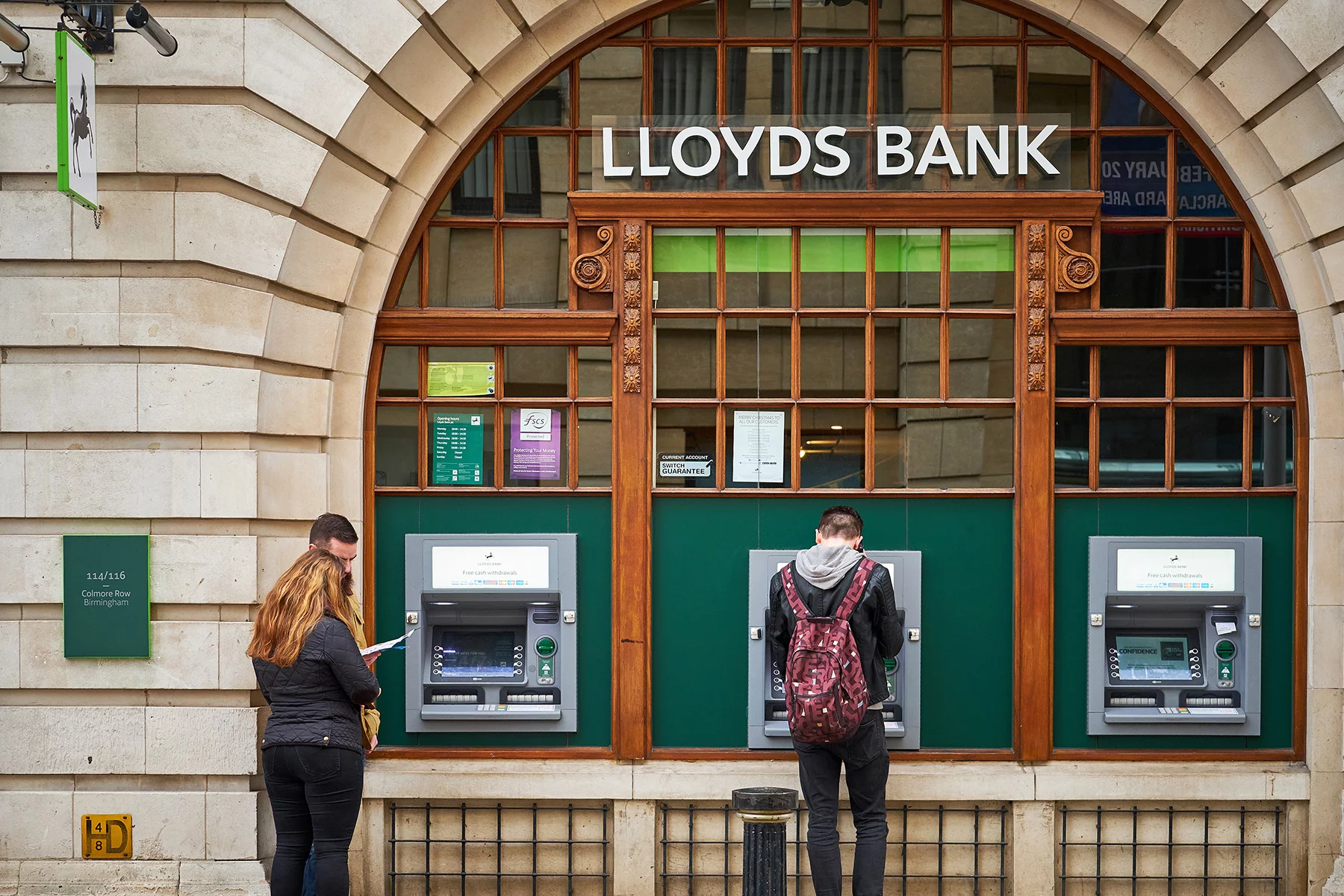
High-street banks like HSBC, Barclays, or Lloyds can be a good fit if you want in‑branch support and a traditional setup, but they can be slower to open and often depend on UK documents. If you want a current‑account alternative you can use from day one, Wise can work well when moving from Norway: you can open it online, get UK account details for GBP, receive salary, set up direct debits, and move money between NOK and GBP with transparent fees.
As always, compare costs, card access, proof‑of‑address requirements, and setup time—because for many newcomers, getting up and running quickly matters most.
Settling in and building your new life
Once the urgent tasks are done, the move shifts from arrival mode to everyday life. This is where living in the UK as a Norwegian becomes less about paperwork and more about routine, community, and confidence.
Requirements can still vary by visa type and personal situation, so keep your records up to date and make note of deadlines as you go.
Understanding UK admin basics
National Insurance, GP registration, payroll records, and proof of address all become more important once you start working, studying, or signing contracts. These systems may look disconnected at first, but each one helps build your local footprint.
If you are moving with children, schooling becomes part of that picture too. For families, Expatica’s guide to the UK education system is a good place to understand how things differ across England, Scotland, Wales, and Northern Ireland.
Getting around and learning local systems
Transport, post, and utility systems are usually easy once you know the local rules. Learn how your local bus or rail network works, where your nearest post office is, and how bills are paid in your area.
One thing worth knowing is that UK life still depends quite heavily on address-based administration. Mail from banks, the NHS, and utility providers can become useful evidence later, so do not ignore letters that seem routine.
Building your support network
Relocation gets easier once you know people. That might mean colleagues, other Norwegians, neighbours, student groups, parent networks, or local hobby communities.
This matters for more than social life. Support networks often help with the practical side too, such as finding a dentist, understanding council processes, or hearing which letting agents are responsive. If you want a simple way to keep money moving between Norway and the UK while the rest of life settles into place, a Wise account is worth considering alongside your longer-term UK banking options.
Quick checklist for moving to the UK from Norway
- Confirm whether your move needs a work, study, family, or other visa route
- Check your passport validity well before travel
- Keep digital and paper copies of all key documents
- Budget for deposits, temporary housing, and first-month costs
- Decide whether you need short-term accommodation before renting long term
- Prepare for proof of income and proof of address checks
- Get a UK SIM or eSIM soon after arrival
- Register for the local services that apply to your situation
- Set up a practical way to spend in GBP and move money from NOK
- Compare exchange costs using the full conversion amount, not just the headline fee
- Keep every official letter you receive after arrival
- Build a simple admin tracker for deadlines, accounts, and documents
If you want a personalised relocation plan, use the Relocator tool.
Conclusion
Moving to the UK from Norway is manageable when you plan the main steps in the right order. Start with your immigration route, then prepare your paperwork, housing plan, and money setup before you travel. Once you arrive, focus on building the documents and local records that make renting, banking, healthcare registration, and everyday admin easier. The more you prepare before departure, the smoother your first few weeks in the UK are likely to feel.
FAQ
Frequently asked questions about moving to the UK from Norway
Can Norwegians move to the UK? 
Yes, but most new movers need the right immigration permission if they plan to live, work, or study in the UK. The correct route depends on your purpose, family situation, and any UK status you already hold.
Do Norwegians need a visa for the UK?
For short visits, the rules can differ from long-term relocation. If you want to move to the UK from Norway for work, study, or family reasons, check the relevant immigration route before making firm plans.
Can I open a UK bank account after moving from Norway?
Yes, but some banks may ask for proof of address, identification, and evidence of income or immigration status. If you have just arrived, flexible money-management options can help while you build your UK paperwork.
Sources
- GOV.UK: UK visa checker guidance on whether someone may need permission to visit, study, or work in the UK, checked on 3 July 2026.
- GOV.UK: Skilled Worker visa guidance, checked on 3 July 2026.
- GOV.UK: Student visa guidance, checked on 3 July 2026.
- GOV.UK: family visa guidance, checked on 3 July 2026.
- Wise: UK fees and pricing information, checked on 3 July 2026.