'%20id='ico-down'%20stroke='%23000000'%20stroke-width='1.5'%3e%3cg%20transform='translate(1092.250000,%20254.750000)'%3e%3cpolyline%20id='Path-2-Copy-4'%20transform='translate(5.500000,%202.750000)%20scale(1,%20-1)%20rotate(-180.000000)%20translate(-5.500000,%20-2.750000)%20'%20points='0%200%205.5%205.5%2011%200'%3e%3c/polyline%3e%3c/g%3e%3c/g%3e%3c/g%3e%3c/svg%3e)



'%20fill='%23000000'%3e%3cg%20id='icons'%20transform='translate(56.000000,%20160.000000)'%3e%3cpath%20d='M144,7339%20L140,7339%20L140,7332.001%20C140,7330.081%20139.153,7329.01%20137.634,7329.01%20C135.981,7329.01%20135,7330.126%20135,7332.001%20L135,7339%20L131,7339%20L131,7326%20L135,7326%20L135,7327.462%20C135,7327.462%20136.255,7325.26%20139.083,7325.26%20C141.912,7325.26%20144,7326.986%20144,7330.558%20L144,7339%20L144,7339%20Z%20M126.442,7323.921%20C125.093,7323.921%20124,7322.819%20124,7321.46%20C124,7320.102%20125.093,7319%20126.442,7319%20C127.79,7319%20128.883,7320.102%20128.883,7321.46%20C128.884,7322.819%20127.79,7323.921%20126.442,7323.921%20L126.442,7323.921%20Z%20M124,7339%20L129,7339%20L129,7326%20L124,7326%20L124,7339%20Z'%20id='linkedin-[%23161]'%3e%3c/path%3e%3c/g%3e%3c/g%3e%3c/g%3e%3c/svg%3e)
'%20fill='%23000000'%3e%3cg%20id='icons'%20transform='translate(56.000000,%20160.000000)'%3e%3cpath%20d='M335.821282,7259%20L335.821282,7250%20L338.553693,7250%20L339,7246%20L335.821282,7246%20L335.821282,7244.052%20C335.821282,7243.022%20335.847593,7242%20337.286884,7242%20L338.744689,7242%20L338.744689,7239.14%20C338.744689,7239.097%20337.492497,7239%20336.225687,7239%20C333.580004,7239%20331.923407,7240.657%20331.923407,7243.7%20L331.923407,7246%20L329,7246%20L329,7250%20L331.923407,7250%20L331.923407,7259%20L335.821282,7259%20Z'%20id='facebook-[%23176]'%3e%3c/path%3e%3c/g%3e%3c/g%3e%3c/g%3e%3c/svg%3e)

If you are thinking about buying a car, there’s a lot to consider. Should you buy new or pre-owned? Should you buy from a car dealer, broker, or private seller?
Luckily, this article on buying a car and driving in the UK explains all the regulations involved and how to get the best deal on a new or used model. Here you will find essential information on:
- Buying a car in the UK
- Who can buy a car in the UK?
- Buying a new car in the UK
- Where to buy a new car in the UK
- Buying a used car in the UK
- Where to buy a used car in the UK
- Registering a car in the UK
- Car costs in the UK
- Importing a car into the UK
- Selling a car in the UK
- Necessary equipment for your car in the UK
- Useful resources
Expatcar
Struggling to get car financing in the UK? Expatcar helps expats source a new or used car and arrange finance or leasing, including for newcomers without a UK credit history. It can also help arrange insurance, tax, and registration before arrival.

Buying a car in the UK
It is fair to say that Brits love their cars and there’s no sign that the love affair is waning. At the end of March 2026, there were 34,627,414 licensed road-using cars in the UK, according to the Department for Transport.
The new-car market has continued to grow in 2026. According to the Society of Motor Manufacturers and Traders (SMMT), 1,294,499 new cars were registered from January to July 2026, up 9.5% on the same period in 2025. SMMT describes the UK as Europe’s second-largest car and van market.
Who can buy a car in the UK?
Buying a car in the UK should pose no problems so long as you can provide a home address. Furthermore, there are no residency requirements for foreign nationals who wish to purchase a vehicle in the UK. You will, however, need a UK address to register, tax, and insure a car. And the legal driving age in the UK is 17.
Buying a new car in the UK
Although most British households have at least one car, some find car ownership an unnecessary expense. For instance, if you live in one of the major cities, then you may find that public transport can meet all your needs. After all, you can quickly hire a car for the occasional trip to the country or coast. Moreover, parking in towns and cities can also be difficult, frustrating, and expensive.
However, if you can’t manage without a car of your own, then you’ll need to decide whether to buy new or, as the British say, secondhand. New cars come with the peace of mind of a long warranty. They are also more likely to feature the latest fuel-saving and safety technology. However, used cars are plentiful in the UK, and nearly-new models can be bought with big discounts from reputable dealers. Moreover, buying a used car can be a faster option to hit the roads, as there can be lengthy waiting lists for some new models.

If you opt to buy new, you will need a valid driving license and car insurance before driving. The dealer will usually arrange the first registration. If you need to register a vehicle yourself, the UK Government provides an online guide to the documents required. These include proof of identity and address; an insurance certificate or cover note is specifically required when registering the vehicle to an address in Northern Ireland.
How to pay for a new car
Dealers will be keen to discuss payment options with you and will offer to arrange the finances. But don’t be rushed into a decision. Your options include using cash or a credit card, a personal loan from a bank, a hire purchase, a personal contract lease, or finance from the car manufacturer or dealer.
It is important to bear in mind that car finance in the UK is a complex market, therefore, it pays to shop around. The independent consumer magazine Which? has a useful guide on negotiating the best finance deals and discounts. It points out that most dealerships are willing to haggle to secure a sale. It also suggests that sometimes, buyers can secure a bigger discount by taking out the dealer’s financial package.
MoneyHelper also provides a guide on the many options and how to shop around to find the best deal. You can also use an online comparison site to sift through the best deals available at the time. Some of the most popular price comparison sites include:
If you’re an expat who needs to move funds from overseas accounts to purchase a car, you may also want to consider international money transfer services. Options like Wise allow you to convert currencies at the mid-market exchange rate with transparent fees, which can be useful when transferring larger sums for vehicle purchases.
Marshmallow: car insurance for UK newcomers
New to the UK? Marshmallow offers car insurance designed to save expats time and money. By considering driving history from any country, they provide drivers with a fair quote based on their actual experience. The process is handled in plain English, making it easy to apply online and manage policies through the Marshmallow app.
Where to buy a new car in the UK
Car dealerships
The UK has an extensive franchised dealership network, although ownership of several large dealer groups has changed in recent years. Wherever you live in the UK, you can usually compare offers from several manufacturer franchises or large dealer groups. Shopping around can help when comparing the purchase price, part-exchange value, and finance package.
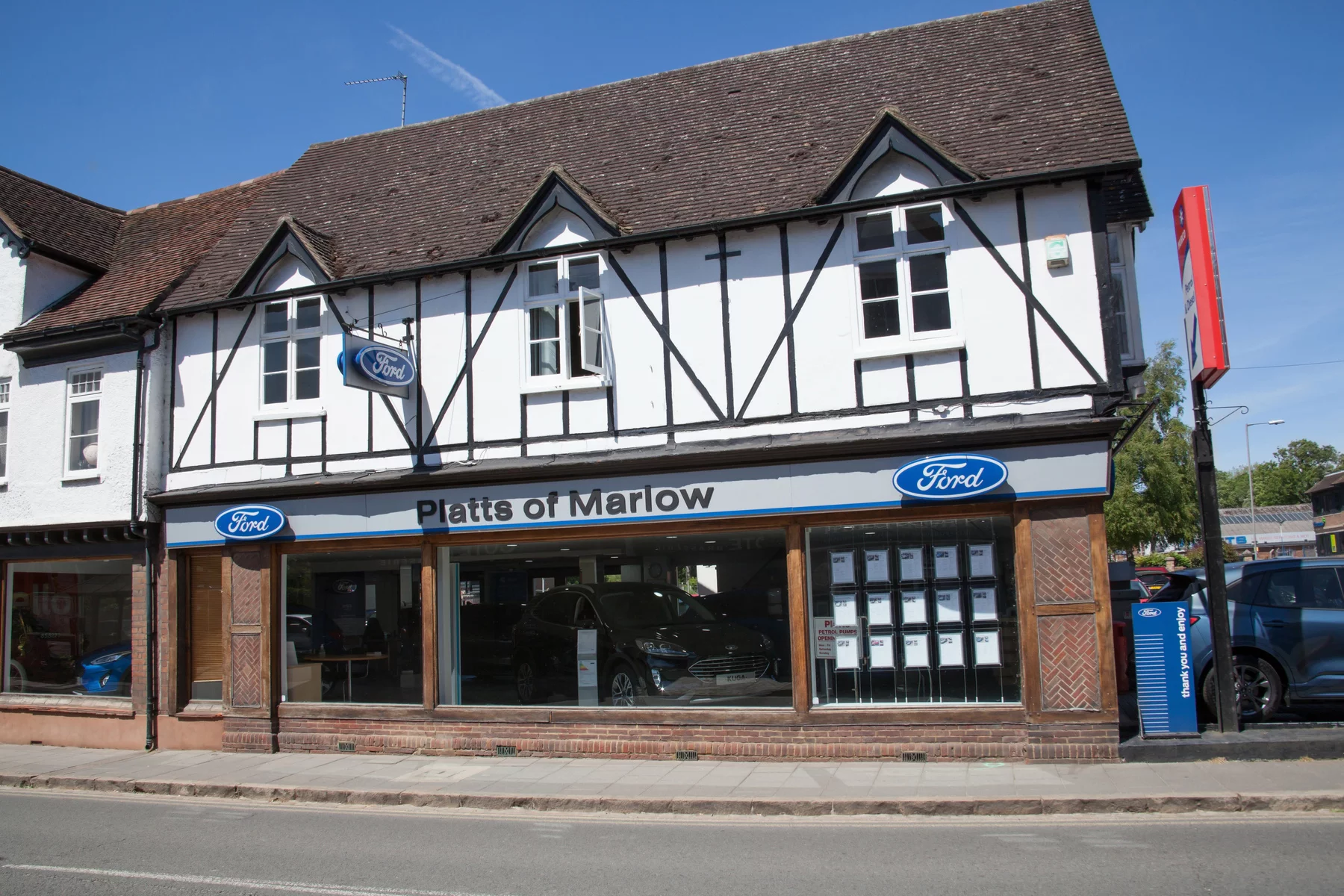
However, even if you want to buy a new car from one of the more obscure manufacturers, you shouldn’t have any difficulty finding a dealership. Furthermore, they are often located in clusters, making it easy to visit a number of franchises in a single trip.
Some of the large dealer groups operating in the UK include:
Car brokers
If you want to avoid the hassle of finding and negotiating a deal, you can go to a broker. Auto Express car magazine explains that a good broker can take the legwork out of the process.
In theory, the broker will be an expert in negotiation and should be able to get a big discount. One important thing to be aware of is that you shouldn’t have to pay a broker to source a car. Instead, reputable brokerage firms charge the dealerships a small percentage fee for introducing the customer. Auto Express also warns that the level of service varies, so it’s worth checking what the broker is offering before signing up.
While car brokers are easy to find on the internet, it’s hard to find an independent guide on those that offer the best service. Which? suggests searching the broker online and checking customer experiences on forums such as MoneySavingExpert for details of previous customers’ experiences.
Some of the biggest car brokers in the UK include:
Buying a car online
It is becoming increasingly common in the UK to buy a new car without even leaving your home. Indeed, there are several providers that allow you to choose and order the exact car you want at a good price. These include:
The process varies by company. Some websites are marketplaces that connect you with a dealer, while others let you complete more of the purchase online. Before paying a deposit or arranging finance, check who the legal seller is, whether delivery is included, and which cancellation or return terms apply.
Some services compare offers from dealers around the country, while some manufacturers also allow customers to configure or order a new car online. The scope for negotiation therefore depends on the provider and how the sale is structured.

Major current car-search, marketplace, and online retail services include:
Buying a used car in the UK
A drive past any car dealer in the UK will reveal that there are plenty of secondhand and nearly-new vehicles available. The used-car market remains large: according to the SMMT, 4,025,550 used cars changed hands in the first half of 2026, up 0.2% from the same period in 2025.
The main factor driving demand for used cars in the UK is price. This is because new cars typically take a 20% hit in depreciation as soon as they leave the showroom. In fact, according to What Car?, new cars can lose as much as two-thirds of the purchase price in as little as three years.
The reliability of used cars has improved in recent years and many are sold with some manufacturer warranty still to run. Used-car prices vary substantially by model, age, mileage, condition, powertrain, and location, so old national averages can quickly become misleading. Compare current like-for-like listings and check the total cost of ownership before deciding whether new, nearly-new, or used offers better value.
If you do decide to buy a used car, a full range of payment options should be available.
Where to buy a used car in the UK
Car dealerships
Which? has published a comprehensive consumer guide to buying a used car. It compares the experience of buying from a manufacturer’s franchised dealer and an independent dealer that specializes in used cars. It also suggests the best models and highlights what to look out for when it comes to avoiding buying a problem car.

There are thousands of dealerships up and down the UK, and these vary in size; from those that sell a handful of cars on a small forecourt to huge national operators with thousands of vehicles. Most dealers offer finance packages and warranties and will ensure that you meet all your legal requirements before driving away.
The Automobile Association (AA) is a long-established membership organization that offers services to motorists including roadside assistance and vehicle checks. Non-members can use AA Cars to find partnered dealers. Dealers listed on the site agree to AA Cars standards, but not every vehicle is mechanically inspected by the AA; buyers can arrange a separate vehicle inspection if they want one.
Major national dealer groups and used-car networks include:
Buying a car from a private owner
Private sales of cars in the UK are thriving. And according to Auto Express, buyers can benefit from lower prices by buying privately rather than through a dealer. There are also lots of bargains to be had. However, at the same time, the magazine highlights the risks involved. These include having reduced legal protection should things go wrong and the lack of a warranty. That said, buyers can take steps to ensure they are not duped.
You can search the internet and try sites such as eBay or Gumtree to find cars being sold privately. Alternatively, you can seek out well-established specialist magazines such as:
What to check for when buying a car privately
Citizens Advice provides a useful step-by-step guide on how to avoid potential pitfalls when it comes to buying a used car in the UK. For example, carrying out some simple checks will reduce your chances of buying a car that is being sold illegally or one that has had major repairs. And it doesn’t take long or cost much. You can also find out if the current owner still owes money for the car.

Moreover, you should ask the seller for the car’s registration number (on the number plate), MOT test number, mileage, as well as the make and model. You can then use the DVLA’s free online vehicle information checker to make sure that what the seller tells you matches the DVLA’s records.
It is also important to make sure that you get the original logbook (the V5C registration certificate) and the valid MOT test document for the car. In fact, you should never buy a car without a logbook.
It is also a good idea to get a paid private history check, which is sometimes called a data check. Prices vary by provider, and a more detailed check can tell you if:
- the car has been reported stolen
- the seller still owes money for the car
- the car has previously been in a serious accident
- it is showing the correct mileage
- the car has been written off, repaired, and then returned to the road
Buying a used car online in the UK
Buying a used car online is now a mainstream option in the UK. Many retailers and marketplaces let you search for vehicles, arrange finance, and, in some cases, organize home delivery online.
Customers who buy a car through a qualifying distance sale have additional cancellation rights that do not generally apply simply because a vehicle was bought face to face. Under the UK rules on online and distance sales, you normally have 14 days after receiving the vehicle to tell the seller you want to cancel, then another 14 days to return it. The seller must normally refund you within 14 days of receiving the vehicle back, although deductions can apply if the vehicle has been used or damaged beyond what is necessary to inspect it. Check that the transaction genuinely qualifies as a distance sale and read the dealer’s terms before buying.
Many conventional used car dealerships offer online buying or reservation services. Some major online marketplaces and retailers include:
Registering a car in the UK
Before you drive a car on UK roads, it must meet the relevant legal requirements, including vehicle registration and vehicle tax. Vehicle registration is handled by the Driver and Vehicle Licensing Agency (DVLA). Dealers will usually guide you through the registration and first-tax process for a new vehicle and submit the necessary information to DVLA.
Notably, if you buy a car from a private seller, you will need to do the paperwork yourself. AutoTrader magazine provides a useful guide on all the paperwork required.
Getting an MOT certificate
MOT timing differs across the UK. In Great Britain, most cars need their first MOT by the third anniversary of registration and then annually. In Northern Ireland, most private cars are first tested from four years old and then annually, subject to any applicable temporary exemption arrangements. Driving without a valid MOT when one is required can lead to penalties.
When buying a used car old enough to require testing, check its current MOT status rather than assuming the dealer has renewed it. In Great Britain, the maximum MOT fee for a car is £54.85. In Northern Ireland, the full Class IV car test fee is £38. MOTs are normally renewed annually once required.
The UK government provides a useful online guide on everything you need to know about buying a used car. Specifically, you should ensure that you have the vehicle’s registration number, make, model, and MOT test number. You also need to see the V5C vehicle registration certificate, which is commonly referred to as the logbook.
To ensure that you buy a safe car and that you meet all the legal requirements, it is a good idea to check that:
- The details you have been given match the DVLA’s information
- You know the vehicle’s MOT status and history
- You know whether the vehicle has been recalled because of a safety issue
- It does not appear in the logbook of stolen vehicles
Car costs in the UK
As in other countries, the costs of having a car in the UK vary substantially depending on its make, model, engine type, and size. Below are some of the main costs that you will need to keep in mind.
Vehicle tax
The UK has a complex Vehicle Excise Duty (VED) system, and rates depend on when the car was first registered, its emissions, and in some cases its list price. From 1 April 2026 to 31 March 2027, cars first registered on or after 1 April 2017 have first-year rates ranging from £10 to £5,690 according to CO2 emissions and diesel emissions standards, followed by a standard annual rate of £200. Electric vehicles are no longer generally exempt from VED: the change took effect on 1 April 2025. An additional £440 annual expensive-car supplement can also apply for five years from the second tax payment to cars with a list price of more than £40,000, or more than £50,000 for qualifying electric cars.
It is possible to research the applicable tax rate for any vehicle for free at Car Tax Check by entering the registration number. Dealers will also advise the tax payable on a new car. However, you can also check this yourself by using the UK government’s online car tax calculator.
Car insurance
It is important to understand that it is illegal to drive a car on UK roads without first getting car insurance. Third-party insurance is the legal minimum. The three common levels of cover are third party only, third party fire and theft, and comprehensive.

The UK car insurance industry is extensive and well-established and there is intense competition. Therefore, you should always shop around to find the lowest premiums and the best coverage. There are also numerous comparison sites to help you find the best option.
Premiums depend on the type of cover, the make and model of the car, the driver’s age, driving record, and home location. In the second quarter of 2026, the Association of British Insurers reported an average premium paid of £566 for private comprehensive motor insurance.
Confused.com
Looking for a great deal on car insurance? Then head to Confused.com. Confused.com is one of the UK’s leading price comparison websites, comparing the country’s biggest insurers in seconds to get you the right cover for your vehicle. Get the best value-for-money coverage with Confused.com.
Maintenance
As mentioned, most cars in Great Britain need an MOT from three years old, while most private cars in Northern Ireland are first tested from four years old. The test checks important road-safety and environmental items such as tires, brakes, emissions, steering, and bodywork. In Great Britain, MOTs must be carried out at approved test centres; Northern Ireland vehicle tests are carried out through the Driver & Vehicle Agency system.
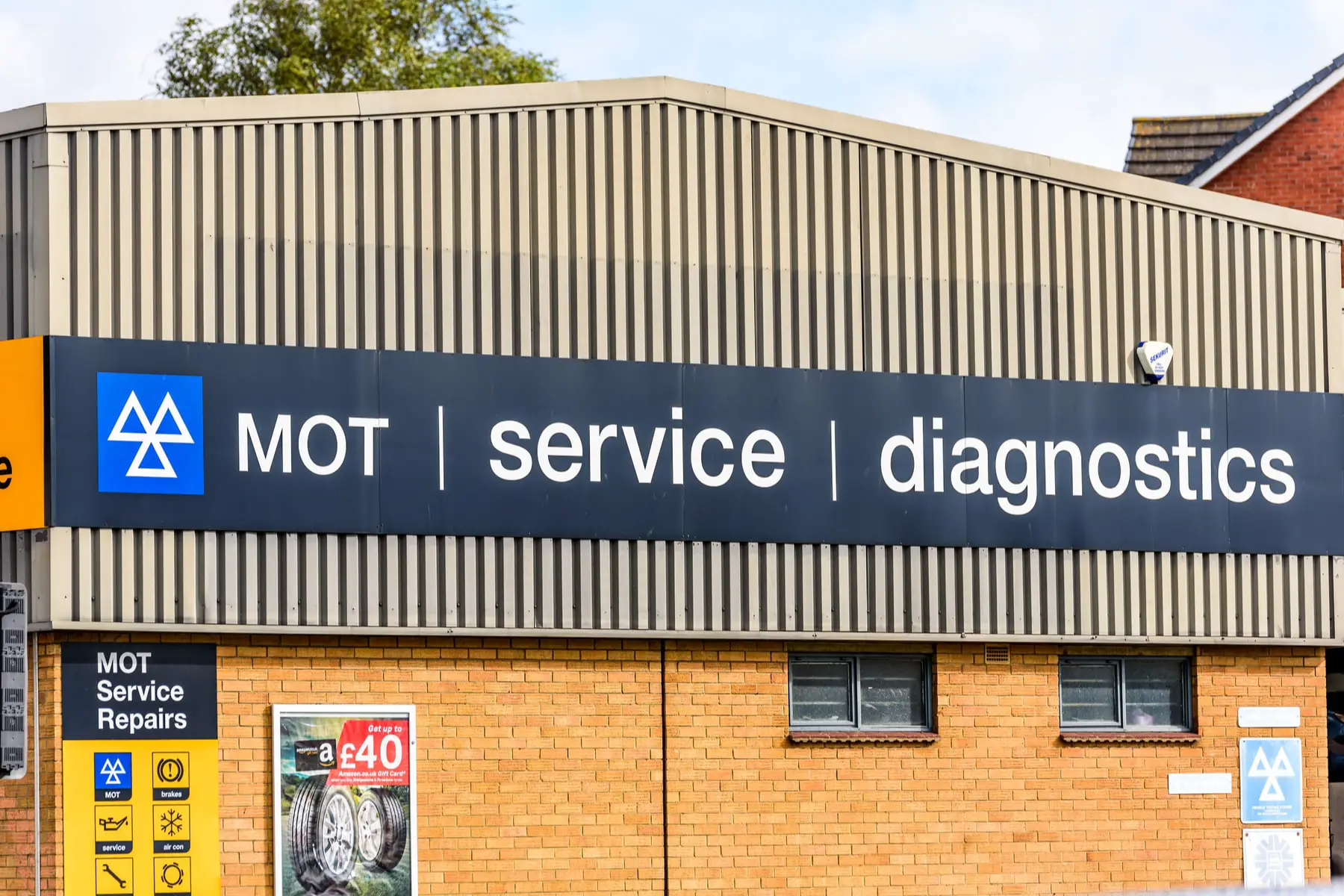
MOT and insurance are separate legal requirements. If an MOT has expired when one is required, you generally cannot drive or park the vehicle on the road except for permitted journeys such as to or from repairs or to a pre-arranged test. In Great Britain, a vehicle that fails an MOT may be driven away only if its existing MOT is still valid and no dangerous defects were recorded; otherwise it must be repaired first. In Northern Ireland, DVA guidance says a vehicle that fails its MOT is treated as unroadworthy and should not be on the road, regardless of time remaining on an existing certificate. In all parts of the UK, the vehicle must be roadworthy, and driving an unroadworthy vehicle may also affect insurance cover.
Fuel costs in the UK
Petrol and diesel prices change frequently. According to the UK government’s weekly road fuel price statistics, the average pump price for the week beginning 17 August 2026 was 161.12 pence per liter for unleaded petrol and 181.38 pence per liter for diesel. Check the official weekly series for the latest figures before budgeting.
Electric-car energy costs depend on the vehicle’s efficiency, the electricity tariff, and whether you charge at home, at work, or on public networks. Compare the tariffs and charging networks you expect to use rather than relying on a single national cost-per-mile estimate.
Managing car expenses as an expat
For expats managing finances across multiple countries, paying for a car and related expenses in British pounds often requires transferring money from overseas accounts. While your bank can process international transfers, you may want to compare options to ensure you’re getting competitive exchange rates.
Services like Wise use the mid-market exchange rate and charges transparent fees, which can be helpful when moving larger sums for purchases like vehicles. Wise also offers a multi-currency account that allows you to hold and manage GBP alongside other currencies, making it easier to handle ongoing expenses like insurance, tax, and maintenance.
Wise
Stop letting hidden fees eat into your car budget. Wise gives you the real mid-market exchange rate with low transparent fees. On a large transfer like a car purchase, this difference is crucial. With a Wise multi-currency account and card, you can hold and spend GBP plus 40+ other currencies instantly.
Importing a car into the UK
Unless your car is a much-loved classic that you can’t live without, it is probably simpler to buy or lease a car in the UK. All the same, it is possible to import a cherished car from your home country, and the government provides clear guidance to help you through the process.
You can either pay a specialist importer to complete the legal steps, or you can do them yourself. For a permanent import, you generally need to tell HM Revenue and Customs (HMRC) within 14 days of bringing the vehicle into the UK, and you cannot register it until the relevant HMRC notification has been completed. The exact process depends on whether the vehicle is entering Great Britain or Northern Ireland and where it comes from.
Tax and requirements for importing a car
You will usually need vehicle approval to show that the car meets the applicable environmental and safety standards. For a vehicle registered in the EU, a European Certificate of Conformity from the manufacturer may be used as part of the process. For a left-hand-drive vehicle being registered in Great Britain, the current GOV.UK guidance says you may also need a certificate of GB conversion Individual Vehicle Approval (IVA). Different approval routes can apply to vehicles registered outside the EU and to vehicles registered in Northern Ireland.

You may have to pay Value Added Tax (VAT) and customs duty, but the position depends on why you are importing the vehicle, where it comes from, and whether it is entering Great Britain or Northern Ireland. Do not assume that one VAT percentage applies to every imported car. Check the current HMRC rules on VAT and customs duty for your route before importing.
If you are moving to the UK, you may qualify for Transfer of Residence (ToR) relief. For a normal transfer of residence to Great Britain, or to Northern Ireland from outside the EU, the main conditions include having lived outside the UK for at least 12 consecutive months, importing the goods within 12 months of moving, and generally having possessed them for at least six months. HMRC approval is required. Separate rules apply when moving from the EU to Northern Ireland.
For vehicles registered outside the EU, the approval route may involve Individual Vehicle Approval (IVA) or another applicable approval scheme; some older vehicles can be exempt from approval. Once the required customs steps, approvals, and payments are complete, you can register and tax the vehicle and make sure it meets the rules for driving in the UK.
If HMRC confirms that VAT or customs duty is due, these charges must be settled before the vehicle can be registered. If you’re transferring money from abroad to cover import-related costs, international money transfer services like Wise can help you convert currencies at the mid-market exchange rate with clear, upfront fees.
Selling a car in the UK
There are many ways to sell a car in the UK. You can either sell it privately through a website or classified ad, take it to a car auction, contact a company that specializes in buying used cars, or trade it in at a dealership against a different model or new car. However, in all cases, you will need to follow the government regulations. You must provide the buyer with the correct information and you must advise the DVLA of the name and address of the buyer.
If you decide to advertise your car online, in a specialist publication, or through a physical auction, fees and commissions vary by provider, so check the seller charges before committing. Alternatively, you can use an instant-buying service or a platform that markets your car to dealers. Current examples include:
Necessary equipment for your car in the UK
The UK differs from many jurisdictions as it does not require first aid kits or warning triangles to be carried. All that is required is that cars are roadworthy, taxed, registered, and insured. Notably, tax discs were abolished in 2014 when the DVLA moved all of its systems online.
Seat belts must generally be worn where fitted. Children must normally use an appropriate child restraint until they are 12 years old or 135cm tall, whichever comes first, in both Great Britain and Northern Ireland, subject to limited exceptions.

Moreover, it is recommended, but not compulsory, that you carry the items below. If you use a warning triangle after a breakdown, place it well behind the vehicle on an ordinary road where it is safe to do so, but never use a warning triangle on a motorway.
- a warning triangle
- first-aid kit
- fire extinguisher
- a reflective jacket to wear in the event of a breakdown
Useful resources
- GOV.UK – the official UK government website which provides guides on the legal requirements for buying, selling, registering, taxing, and driving vehicles
- AA – provides guidance and services relating to roadside assistance, insurance, vehicle checks, car care, and driving
- Driver and Vehicle Licensing Agency (DVLA) – maintains driver records in Great Britain and vehicle records across the UK
- Driver & Vehicle Agency (DVA) – handles services including driver licensing and vehicle testing in Northern Ireland