
'%20id='ico-down'%20stroke='%23000000'%20stroke-width='1.5'%3e%3cg%20transform='translate(1092.250000,%20254.750000)'%3e%3cpolyline%20id='Path-2-Copy-4'%20transform='translate(5.500000,%202.750000)%20scale(1,%20-1)%20rotate(-180.000000)%20translate(-5.500000,%20-2.750000)%20'%20points='0%200%205.5%205.5%2011%200'%3e%3c/polyline%3e%3c/g%3e%3c/g%3e%3c/g%3e%3c/svg%3e)


Healthcare
Healthcare Services
Children’s healthcare in the UK
From pediatricians and specialists to treatments and costs, we outline what you need to know about children’s healthcare in the UK.


Raising a child in a new country comes with a lot of questions, especially with regard to their health. The good news is that the healthcare system in the UK is designed to support families from day one, with free coverage for children, a solid network of doctors, and routine preventative care.
So, whether you’re new in town or adjusting to a new system, here’s how to find the care your family needs:
ExpatInsure: Health Insurance for Expats Moving to the UK
ExpatInsure helps expats moving to the UK compare international health insurance from leading global insurers. Our independent advisers provide personalised recommendations, expert guidance and access to exclusive offers where available, making it easy to arrange the right health insurance before your relocation.

Children’s healthcare in the UK
With its broad universal coverage, children’s healthcare in the UK is generally easily accessible through the NHS. From birth, children receive regular checkups through the Healthy Child Programme. This includes routine health and development reviews, screenings, and vaccinations. These checks continue through early childhood and adolescence.

A family doctor, or GP, is typically the first point of contact for medical concerns. They can provide treatment directly or refer your child to a paediatrician or specialist when needed.
Local councils also offer a range of family and child support services, including parenting advice, mental health resources, and early help for developmental or behavioural concerns. While each region varies slightly in terms of how the structure and delivery of services operate, they are all subject to the same national NHS and safeguarding standards.
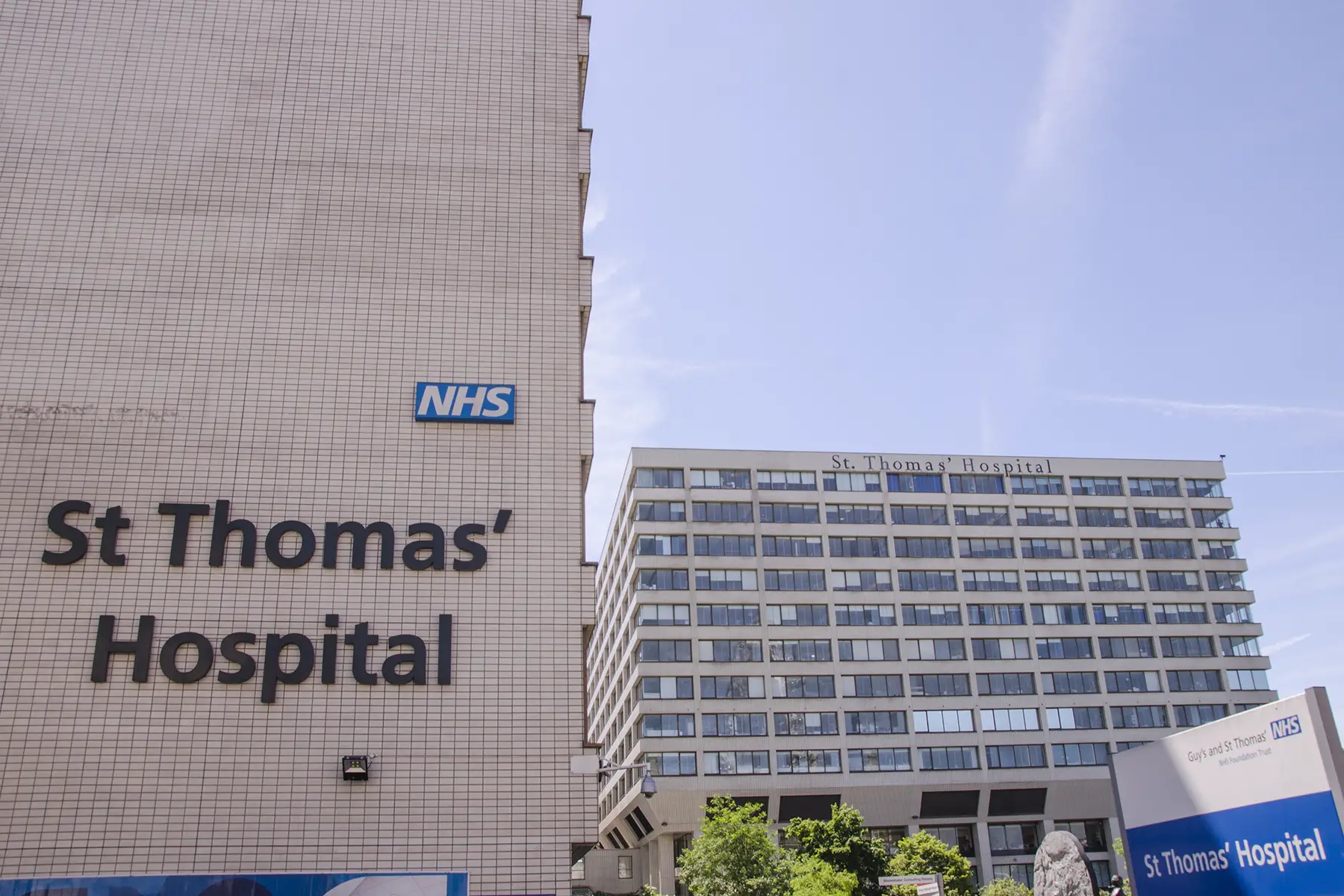
Is healthcare free for children in the UK?
Yes, healthcare for children in the UK is free, as long as they are registered with the NHS and a GP.
That said, wait times can be shockingly long; the best-case scenario is a few weeks, while the worst case is years. More and more patients are relying on private health services for faster and better treatment. Between 2020 and late 2024, the number of people paying out of pocket increased by 30%, with the starkest rise of self-payers in Northern Ireland (up 218%).
We strongly advise UK residents to take out private health insurance to ensure they won’t face crippling medical expenses. Insurers providing national and international healthcare coverage include:
Cigna Global
Enjoy peace of mind while living in the UK with Cigna Global’s long-term international health insurance plans (12+ months). Get tailored coverage, direct billing with many providers, complex case management, and global care on demand, with access to a network of 1.5+ million doctors, specialists, and therapists.
How to access children’s healthcare in the UK
After enrolling in the NHS, you and your child are assigned to a local GP practice – what’s commonly known as a doctor’s surgery – based on your location. You can also request to register with a different health center if places are available.
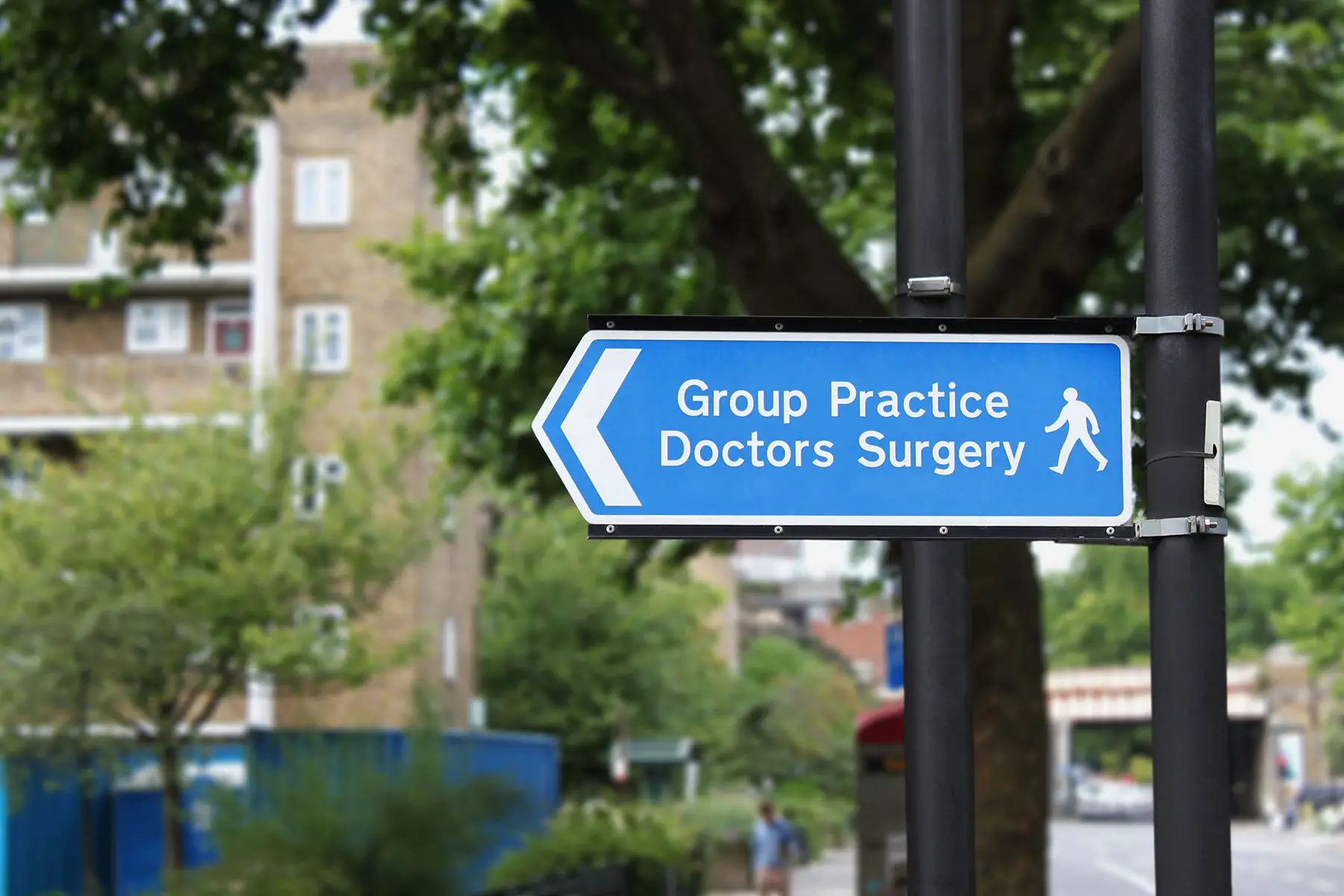
GPs handle basic pediatric complaints, conduct routine tests, and coordinate follow-up treatments. If need be, they can refer you to a pediatrician or specialist.
For medical issues outside regular opening hours, you can simply call your own GP surgery; you will be redirected to where you can get help. Alternatively, you can download the NHS App, call 111, use the NHS 111 online service, or visit an urgent treatment center.

How to get treatment as a non-resident in the UK
Our article on UK health insurance covers the topic in more detail, but as a quick summary:
- While it’s not mandatory to have (travel) health insurance coverage when you visit the UK, it’s highly recommended that you do. Medical treatment can be quite expensive, and without insurance, you’d pay large out-of-pocket costs.
- Temporary visitors from the EU and EFTA (Iceland, Liechtenstein, Norway, and Switzerland), including children, can use their European Health Insurance Card (EHIC) to access healthcare in the UK
For non-life-threatening injuries (like a bump to the head, but your child is conscious and alert), you can contact the NHS service 111 for advice. Even if you aren’t a resident, many regions allow short-term visitors to schedule an appointment with a local GP.
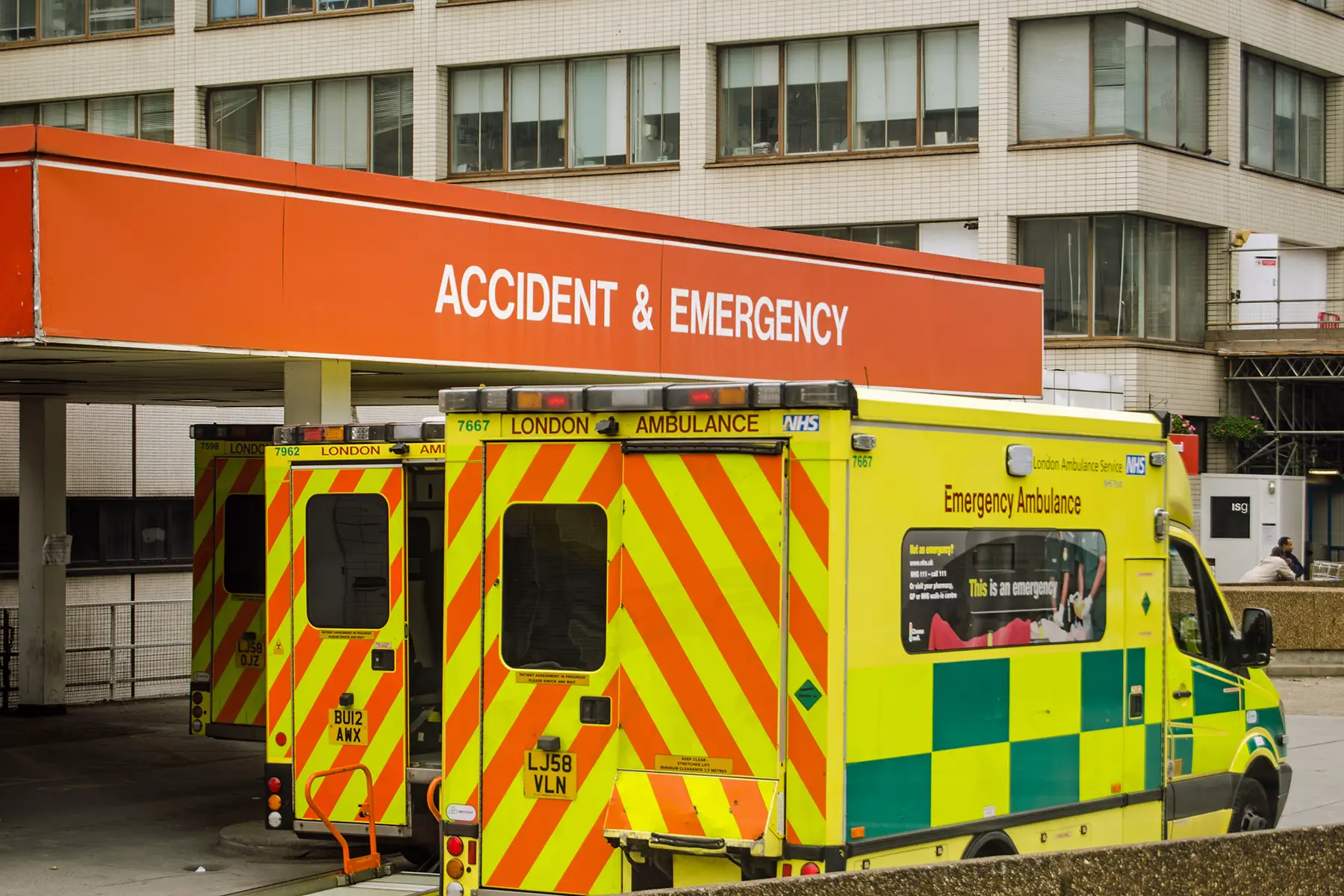
In life-threatening emergencies (e.g., your child bumped their head and is unconscious or vomiting), call 999 for an ambulance. The EMTs can assess the situation and take you to the nearest hospital emergency room.
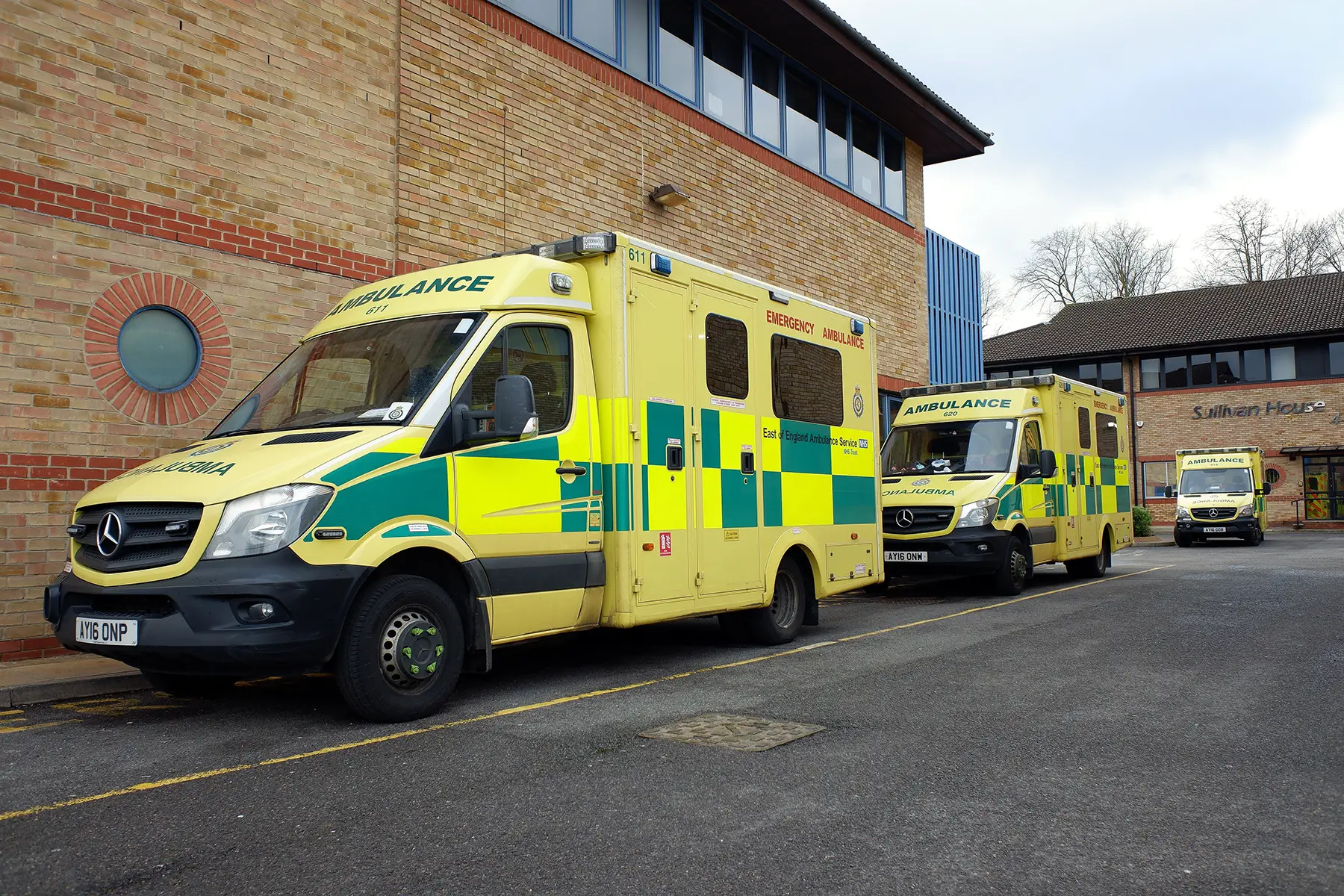
Non-resident patients must pay any costs upfront and claim reimbursement afterward through their EHIC or travel insurance. Ambulance rides in the UK are free in emergency situations, so this won’t result in additional costs.
Overview of children’s doctors in the UK
Pediatricians and specialists in the UK
In the UK, GPs treat common healthcare complaints, including those of children. If you or your doctor notices anything irregular, they may refer you to a pediatrician. These specialists usually work in hospitals or other health centers, depending on their specialty.
While your GP will recommend a specialist or hospital, you are free to seek out your own. The NHS has an online search tool to help patients find one by name, location, and specialty. You are also free to choose a private service or treatment if you prefer.
Children’s hospitals in the UK
Most hospitals in the UK – almost 1,150 in 2023 – have dedicated pediatric facilities. The country also has several specialist children’s hospitals, including:
- Royal Belfast Hospital for Sick Children in Belfast
- Birmingham Children’s Hospital in Birmingham
- Bristol Royal Hospital for Children in Bristol
- Noah’s Ark Children’s Hospital for Wales in Cardiff
- Royal Hospital for Children & Young People in Edinburgh
- Great Ormond Street Hospital in London
- Royal Manchester Children’s Hospital in Manchester
- Jenny Lind Children’s Hospital in Norwich
- Nottingham Children’s Hospital in Nottingham
- Oxford Children’s Hospital in Oxford
Pediatric hospitals are specially equipped to treat young patients. They have pediatric specialists, child-friendly facilities, and staff trained to care for everything from minor injuries to complex conditions in babies, kids, and teens.
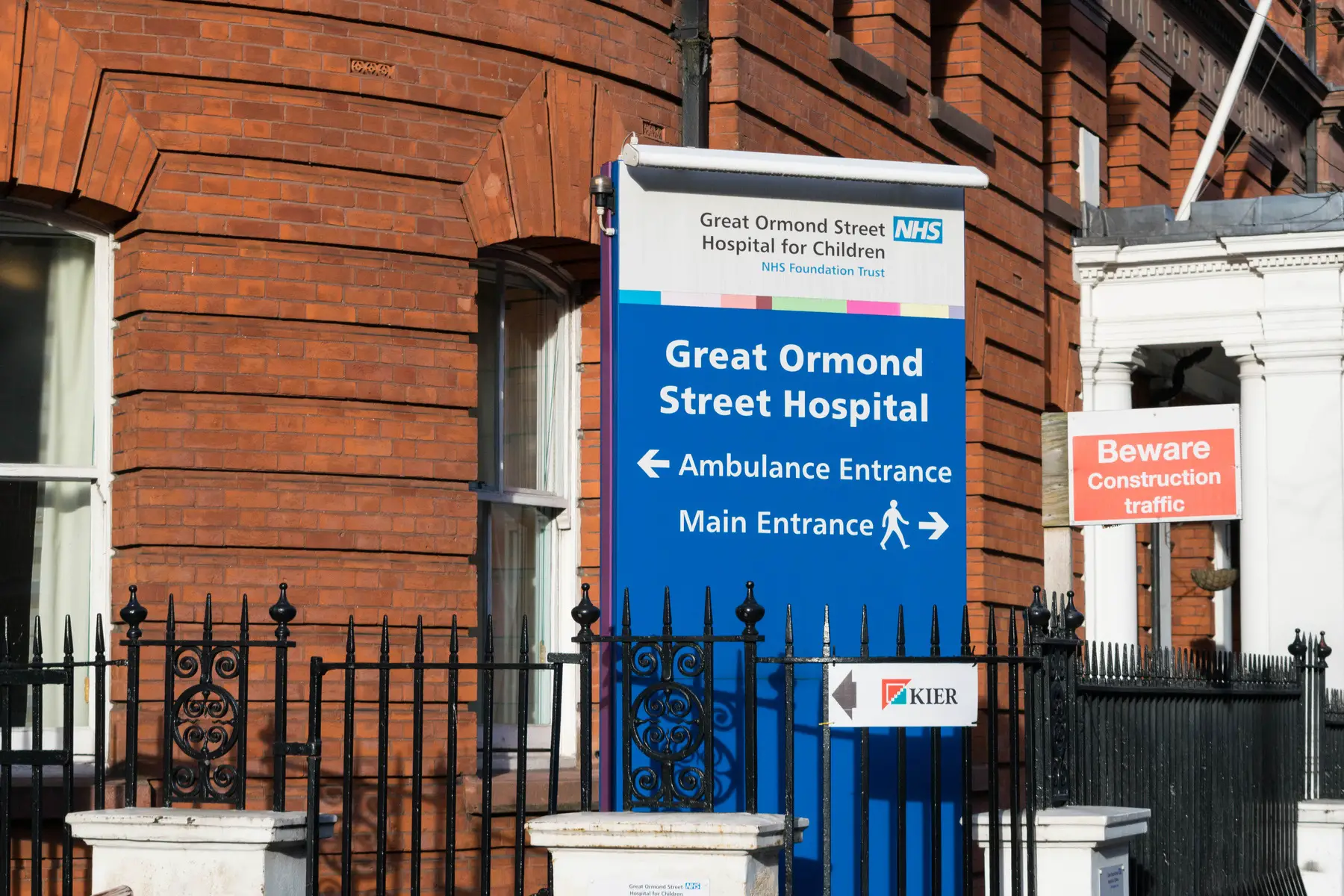
Regardless of the treatment, care at a children’s hospital is free. If your child is staying overnight and you want to stay nearby, you may be eligible for a discounted rate at a Ronald McDonald House.

What treatments are available to children in the UK?
Children in the UK have access to a wide range of healthcare treatments, including the following:
Preventative health programs for children
Community healthcare services for families and children are available through local Sure Start Children’s Centres. NHS nurses and other healthcare professionals offer care and advice in areas such as nutrition, healthy weight, and breastfeeding.
When you schedule an appointment, you’ll likely receive the following:
- Support with breastfeeding, weaning, sleeping, and the like
- Routine health checks, including the heel prick test for newborns, sight and hearing tests, and growth monitoring
- Parenting advice, including on speech, mental, and physical development of your child
- Childhood vaccinations
Results of the health checks will be recorded in your child’s Personal Child Health Record (PCHR), known as the ‘red book’, which includes administrative data, vaccinations, percentiles, and clinical findings.
After your child starts school, their accumulated medical file and any further examinations are transferred to the school nurse. For example, the school will conduct height and weight checks as part of the National Child Measurement Programme (NCMP). These tests are not compulsory, and parents can refuse their child’s participation.

GP surgeries typically have an exhaustive list of community healthcare initiatives for parents and children. Local councils can also point families toward local support groups, such as Home-Start UK.
Vaccinations for children in the UK
Children receive free vaccinations against 14 infectious diseases, including measles, mumps, rubella, diphtheria, whooping cough, tetanus, and hepatitis B. Although these vaccines aren’t mandatory, they help protect your child and others against preventable diseases.
Around 91.5% of children in the UK are vaccinated (2024), with the lowest vaccination rates in England (particularly London) and Northern Ireland.
Once your child is registered with a GP, you will automatically receive an invitation to participate in the vaccination program. If your child began their immunizations outside of the UK, ask your doctor for advice on how to bring their record in line with the national vaccination program.
For more information on vaccines and the national vaccination schedule, visit our guide to vaccinations in the UK.

Children’s dental care in the UK
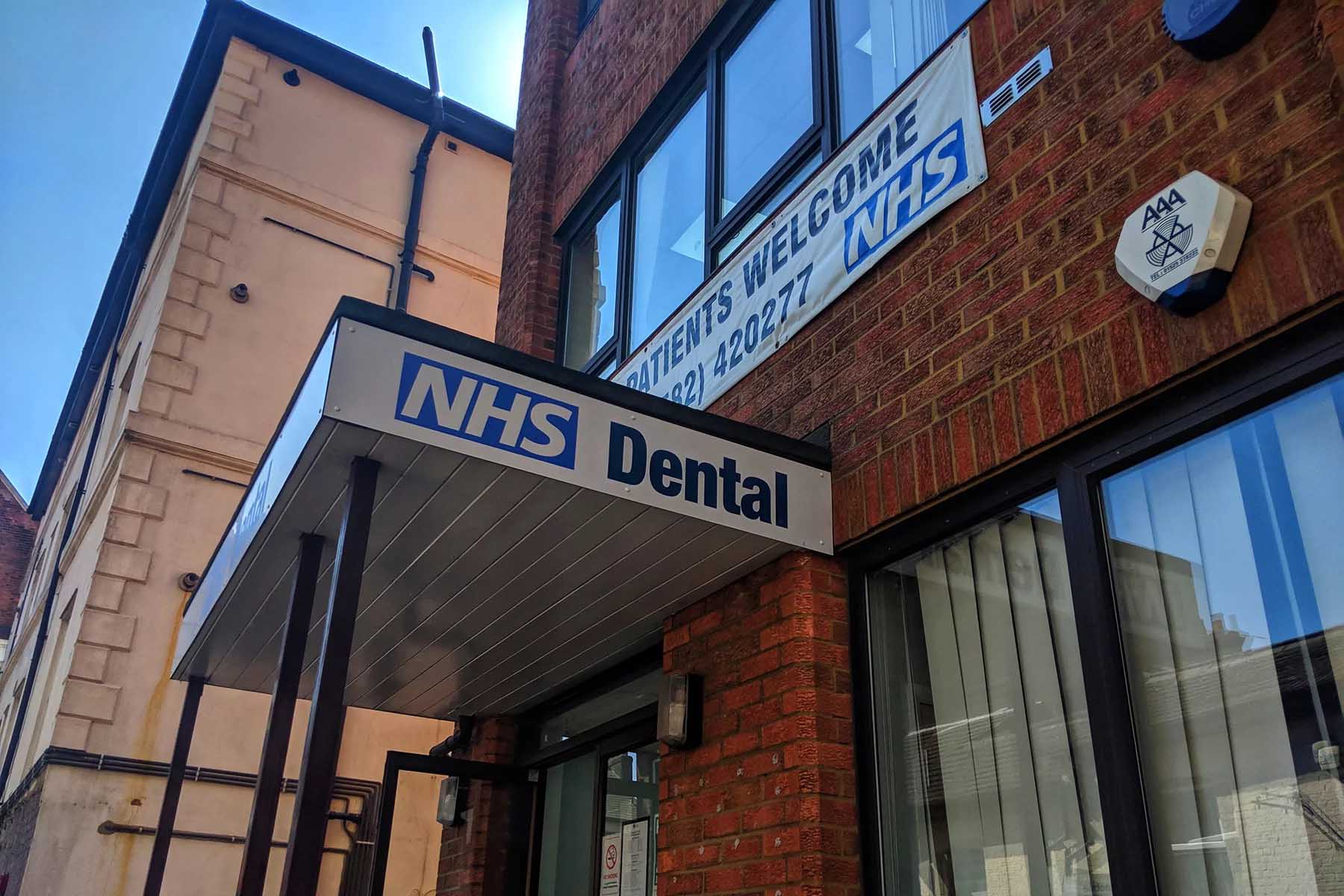
Children up to the age of 18 receive free basic dental care, including biannual check-ups, fillings, x-rays, tooth extractions, and even orthodontics (teeth straightening). However, you will need to find an NHS dentist who is willing to add new patients to their list, and this is not easy as the system is chronically overloaded.

Despite pediatric dental care being free, only 56% of children in England visited an NHS dentist in 2022–2023. The NHS advises parents to take their children to the dentist as soon as their first baby teeth appear and to arrange regular check-ups, typically every six months.
Mental healthcare for children and teens
Children and young people struggling with their mental health can access support through NHS-supported services, including Mental Health Support Teams (MHSTs) in schools and colleges, and Child and Adolescent Mental Health Services (CAMHS) in local communities.
MHSTs and CAMHS have a wide range of mental health professionals, such as nurses, therapists, counsellors, psychologists, psychiatrists, social workers, and others. These are trained to support young people with emotional, behavioral, or developmental challenges.
Young people who need someone to talk to confidentially can also contact free helplines such as Childline at 0800 1111 or use online chat services through mental health charities like YoungMinds or Kooth. You can find more free, confidential youth advice and counselling services at Youth Access.
If you’re worried about your child’s mental health, your GP is usually the first port of call. They can assess your child’s needs and refer you to CAMHS or another appropriate service. In some cases, it’s also possible to access private psychologists or therapists directly, though private treatment must be paid for out of pocket (unless covered by private insurance).

Useful resources
- NHS – official public service website with information on children’s healthcare in the UK
- Sure Start Children’s Centres – official government website where you can find a children’s center in your area
- Home-Start UK – website of the community network supporting families struggling to raise young children in the UK


Did you find this guide helpful?