
'%20id='ico-down'%20stroke='%23000000'%20stroke-width='1.5'%3e%3cg%20transform='translate(1092.250000,%20254.750000)'%3e%3cpolyline%20id='Path-2-Copy-4'%20transform='translate(5.500000,%202.750000)%20scale(1,%20-1)%20rotate(-180.000000)%20translate(-5.500000,%20-2.750000)%20'%20points='0%200%205.5%205.5%2011%200'%3e%3c/polyline%3e%3c/g%3e%3c/g%3e%3c/g%3e%3c/svg%3e)


Education
Higher Education
Best MBA Programmes in the UK for International Students
This guide helps international applicants compare UK MBA programmes by balancing rankings with expat realities such as tuition, programme format, location, career outcomes, visa considerations, and the key costs to plan for before studying in the UK.


Compare the best MBA programmes in the UK with an expat-focused view of tuition, programme format, career potential, and the practical realities of studying abroad. For international applicants, the right MBA is not simply the highest-ranked option: cost, location, work experience, career goals, and visa considerations can all shape which programme offers the strongest fit. This guide weighs Financial Times and QS signals alongside official school information and expat practicality to compare tuition, formats, career positioning, visa factors, and the main costs to plan for before moving to the UK.
Key takeaways
If you’re still wide open, start with the shortlist below and then narrow it to two or three programmes.
- London Business School: London; full-time, 15–21 months; indicative tuition £123,950; best for global network and flexibility.
- University of Oxford Saïd: Oxford; full-time, one year; indicative tuition £88,800; best for brand strength and speed.
- Cambridge Judge: Cambridge; full-time, one year; indicative tuition £80,000; best for projects and entrepreneurship.
- Imperial College Business School: London; full-time, one year; indicative tuition £78,000; best for tech and innovation.
- Alliance Manchester Business School: Manchester; full-time, 15 or 18 months; indicative tuition £51,500; best for applied learning and value.
- Warwick Business School: Coventry; full-time, one year; indicative tuition £59,500; best for value and format choice.
Wise for paying MBA tuition and living costs in the UK
If you’re funding a UK MBA from abroad, a Wise account can help you hold and convert currencies and pay in GBP for everyday costs while studying. For tuition or deposits, always check your business school’s payment method, reference format, deadlines, and refund rules before sending money, and allow extra time for large transfers.

No commitment required
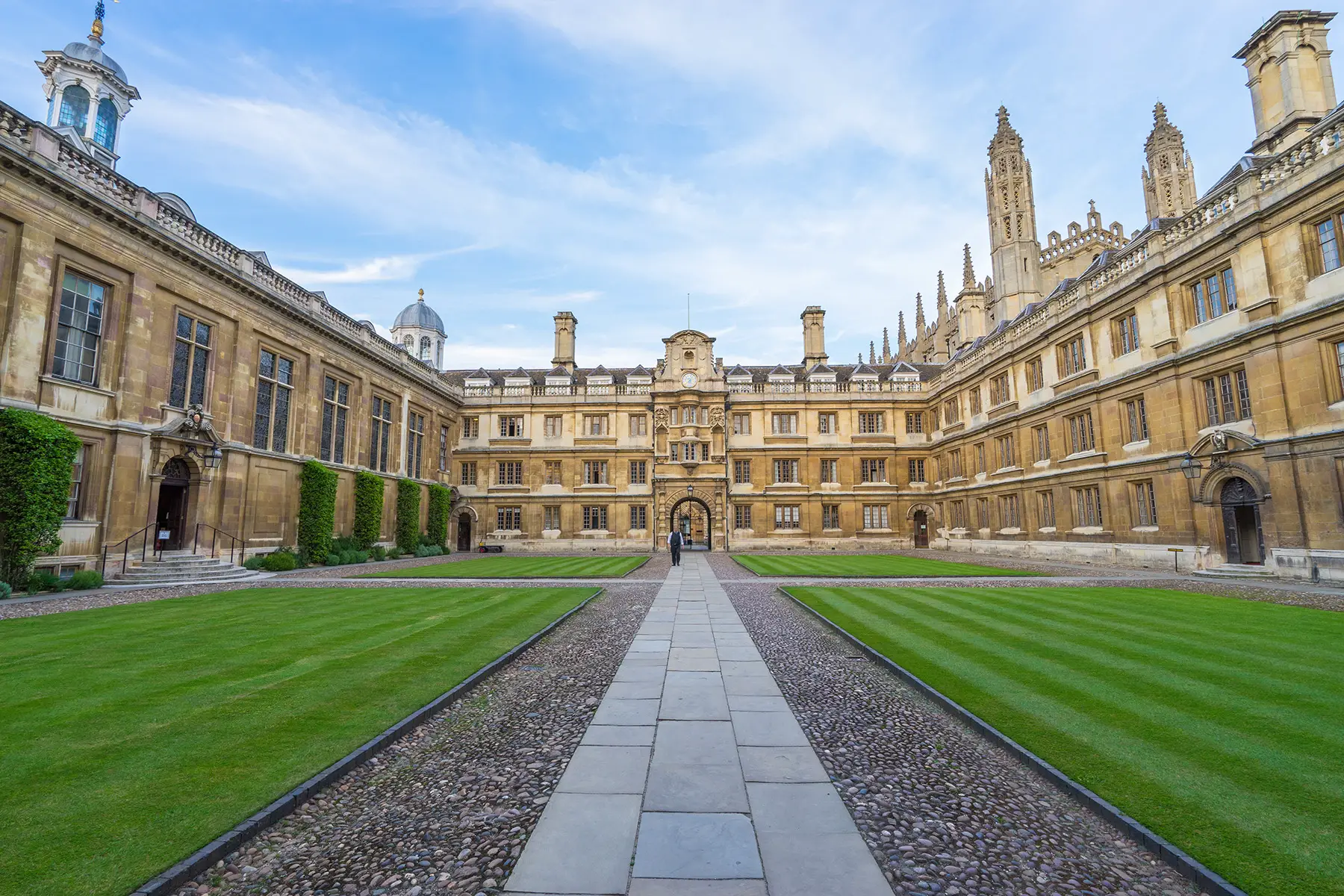
1. London Business School MBA
London Business School is the benchmark choice if you want the deepest global network, the most flexible top-tier format, and direct access to London recruiters.
Tuition, format, and who it suits
The latest published tuition for the LBS MBA is £123,950, and the programme runs for 15 to 21 months. Its average student brings around 5.4 years of work experience, so this is usually a fit for applicants with a clear career story rather than early-career candidates.
Exit points let you balance time on campus against cost, but flexibility does not make LBS cheap.
- Best if you want global consulting, finance or leadership mobility.
- Best if you value a London base and a very large alumni network.
- Less suited if you need a lower-tuition option or prefer a fixed one-year format.
Pros, trade-offs, and expat considerations
LBS can make sense if you are aiming high on brand, network and recruiter access. The school’s latest published employment data says 86% of the class accepted job offers within three months, which helps explain why it stays near the top of many shortlists.
2. University of Oxford Saïd MBA
Oxford is a strong one-year UK MBA option if you want a globally recognised university brand, a broad general management curriculum, and a more self-contained city experience than London.
Tuition, format, and who it suits
The tuition fee for the Oxford MBA starting in September 2026 is £88,800, and the programme runs full-time over one year. The latest published class profile shows six years of average work experience, so the programme tends to suit applicants who want to accelerate, switch sector or add broader leadership range.
The one-year pace suits candidates who want to return to the market quickly and can handle an intense schedule.
- Best for internationally mobile applicants who want a powerful university brand.
- Best for candidates who value a one-year format and broad career optionality.
- Less suited if you want the widest choice of MBA duration or the lowest tuition.
Pros, trade-offs, and expat considerations
Oxford offers scale, recognition and an unusually international class. The school reports an average base salary of £81,466 for the 2024–25 employment cycle, but the bigger point is career mobility, not a guaranteed pay jump.

3. Cambridge Judge MBA
Cambridge Judge suits applicants who want Oxbridge prestige, a one-year format, and a programme built around hands-on projects rather than brand alone.
Tuition, format, and who it suits
The tuition fee for the Cambridge MBA starting in September 2026 is £80,000, and the programme lasts one year. Cambridge highlights more than 400 hours of practical experience, which matters if you learn best by working through real client problems rather than only classroom discussion.
Cambridge leans more visibly into project work, entrepreneurship and the innovation ecosystem around the university.
- Best for career changers who want project-heavy learning.
- Best for applicants interested in entrepreneurship, tech or innovation alongside general management.
- Less suited if you want a large-city lifestyle or London recruiter density every week.
Pros, trade-offs, and expat considerations
Cambridge can be a smart choice if you want a smaller city, strong university halo and a practical curriculum. The school says its recent MBA cohort recorded an average base salary of £71,216 and 82% received a job offer within four months, which gives useful context even if your own outcome will depend on sector and geography.

4. Imperial College Business School MBA
Imperial is one of the clearest specialist picks in this list if you want an MBA in London with a technology, innovation and entrepreneurship angle.
Tuition, format, and who it suits
The tuition fee for Imperial’s Full-Time MBA starting in September 2026 is £78,000. The programme runs for one year, with an optional extended term if you want more work or exchange time.
Imperial is most compelling when your target roles sit close to technology, digital strategy or innovation.
- Best for applicants targeting tech, digital transformation or entrepreneurship.
- Best for those who want London access without LBS pricing.
- Less suited if your main priority is a classic finance-first MBA identity.
Pros, trade-offs, and expat considerations
Imperial combines London’s employer access with a more defined sector lens. Its latest employment summary reports an average salary of $124,363 on a purchasing power parity basis.
5. Alliance Manchester Business School MBA
Alliance Manchester Business School is the strongest shortlist option here if you want a non-London MBA with clear applied-learning value and a more manageable cost base.
Tuition, format, and who it suits
The published tuition for the Manchester Full-time MBA is £51,500, and you can complete it in 15 or 18 months. That longer structure matters because the school builds the programme around consultancy projects and internship options, not just classroom time.
Alliance Manchester describes its approach as applied learning, and the design backs that up. You work on multiple live projects, which can help if you need evidence of transferable skills during a sector change.
- Best for candidates who want strong value outside London.
- Best for applicants who learn by doing and want live consultancy work.
- Less suited if you want Oxbridge or LBS brand signalling above all else.
Pros, trade-offs, and expat considerations
Manchester is the easiest programme on this list to defend on cost versus opportunity. Its 2025 employment report says 94% were employed at three months, and it shows graduates moving into sectors including financial services and banking, technology and consulting.
6. Warwick Business School MBA
Warwick works well for applicants who want a respected UK business school, a one-year format, and a clearer value case than many London-based programmes.
Tuition, format, and who it suits
The latest published Warwick full-time MBA tuition is £59,500, and the programme runs for one year. Warwick also has a broader MBA portfolio, which matters if you are comparing the full-time route with executive MBA UK alternatives later on.
Warwick is often a good middle-ground shortlist choice.
- Best for candidates balancing reputation, cost and flexibility.
- Best for applicants open to Midlands living with access to national employers.
- Less suited if your decision depends heavily on central London daily access.
Pros, trade-offs, and expat considerations
Warwick can be especially compelling if you care about long-term return rather than headline prestige alone. The school’s full-time MBA page emphasises coaching, international exposure and practical project work, which helps explain why it remains a repeat shortlist name.
If you will pay a deposit from abroad or receive support from home, compare a Wise account before you move. It can help you hold GBP and another currency, receive money with local account details where available, and spend in the UK by card, but universities may still have their own payment rules.
Conclusion
Choosing a UK MBA is less about finding one universally best programme and more about matching format, cost and career fit to your plans. LBS, Oxford, Cambridge, Imperial, Manchester and Warwick each make different trade-offs on duration, location, network and tuition. Compare total living and relocation costs alongside fees, then check current admissions, employment and visa information before applying.
FAQ
Frequently asked questions
Is an MBA in the UK worth it for international students? 
Whether an MBA in the UK is worth it depends on what you need the degree to do. A one-year format can reduce time out of the market, but the total return still depends on school choice, target sector, scholarship support and how much you spend living in the UK.
Brand alone does not decide the outcome. Your pre-MBA experience, internship or project results, visa options and post-study job plan usually matter just as much as the school name.
How much does an MBA cost in the UK?
The cost of an MBA in the UK starts with tuition fees, but the full budget also includes housing, transport, visa costs, deposits, flights and your first few weeks of setup. A one-year MBA is shorter, but it is not automatically cheap.
For most international students, the real comparison is London versus regional living costs.
- Tuition fees
- Accommodation and utilities
- Deposits, travel, visa and daily spending
Can you study an MBA in the UK without work experience?
Many leading MBA requirements in the UK still expect at least two or three years of work experience, and some programmes draw cohorts with much more than that. If you apply too early, the risk is not just admission; it is joining a classroom built for more experienced discussions and recruiters.
If you have little or no work experience, a master’s in management or a specialist business master’s may fit better. Always check each school’s admissions page because exceptions exist, but they are not the norm.
Which UK MBA is best for return on investment?
The highest-ranked MBA is not automatically the best for ROI. One-year formats, lower living costs and realistic post-MBA salary paths can make Manchester, Warwick or Imperial look stronger for some applicants than a more expensive brand-led option.
To judge MBA salary potential sensibly, compare the latest published employment outcomes with your likely target role and city. Then test the full budget, including lost income and relocation costs, before you decide.
How can international students pay MBA fees and living costs in the UK?
Before you pay any deposit, check the school’s accepted payment methods, deadlines and refund rules. Then compare exchange rates, transfer fees, timing and card limits, as the total FX cost can differ from the upfront fee alone.
If you expect support from home, compare a Wise account with major local banks such as Barclays, HSBC and Lloyds. A Wise account can help you hold GBP and another currency, receive money from home with local account details where available, and spend in the UK by card, while How to open a bank account in the UK in 2026 and Best bank accounts for non-residents in the UK explain when a local bank may still be the better long-term fit.
- Confirm the university’s payment route and reference format.
- Send important transfers early, especially deposits and visa-related payments.
- Check the total FX cost, not only the upfront transfer fee.
Sources
- Financial Times MBA 2026 rankings: shortlist methodology and current market context around UK MBA visibility, checked on 10 September 2026.
- QS Global MBA Rankings 2026: shortlist methodology and comparison framing, checked on 10 September 2026.
- MBA | London Business School: LBS programme format, average work experience and employment success summary, checked on 10 September 2026.
- Fees, financing and scholarships | MBA | London Business School: £123,950 tuition for the 2026 MBA intake and 15–21 month programme duration, checked on 10 September 2026.
- The Oxford MBA 2026–27 brochure | Saïd Business School: September 2026 start, 12-month duration, £88,800 tuition and published class profile, including six years of average work experience, checked on 10 September 2026.
- Connect with Oxford Saïd for your business needs | Saïd Business School: Oxford MBA 2024–25 employment outcomes, including £81,466 average base salary and career mobility data, checked on 10 September 2026.
- The Cambridge MBA | Cambridge Judge Business School: one-year programme structure, project-led learning and more than 400 hours of practical experience, checked on 10 September 2026.
- FAQs | The Cambridge MBA | Cambridge Judge Business School: £80,000 tuition for entry in September 2026 and fee information for overseas students, checked on 10 September 2026.
- MBA employment report 2026 | Cambridge Judge Business School: £71,216 average base salary, 82% receiving full-time offers within four months and other career outcomes for the 2024–25 MBA class, checked on 10 September 2026.
- Full-Time MBA in London, UK | Imperial Business School: Imperial programme format, technology and innovation positioning and career context, checked on 10 September 2026.
- Imperial Business School tuition fees 2026–27 | Imperial College London: £78,000 Full-Time MBA tuition for the 2026 cohort for both home and overseas students, checked on 10 September 2026.
- Full-Time MBA career impact | Imperial Business School: Class of 2025 employment outcomes, including the $124,363 PPP average salary, checked on 10 September 2026.
- Full-Time MBA in Manchester | Alliance Manchester Business School: September 2026 start, £51,500 tuition, 15- or 18-month format and practical-learning structure, checked on 10 September 2026.
- Full-time MBA fees, scholarships and funding | Alliance MBS: £51,500 tuition confirmation and current scholarship and funding context, checked on 10 September 2026.
- Full-Time MBA Careers Support & Alumni | Alliance MBS: careers support, graduate sectors and alumni context, checked on 10 September 2026.
- AMBS 2025 Full-time MBA Employment Report: 94% employed at three months and post-MBA sector and location data for the Class of 2024, checked on 10 September 2026.
- Full-time MBA Programme | Warwick Business School: September 2026 start, one-year programme structure, £59,500 fee and programme positioning, checked on 10 September 2026.
- Fees and Funding | Full-time MBA Programme | Warwick Business School: £59,500 tuition for the September 2026 intake and current scholarship range, checked on 10 September 2026.
- Student visa | GOV.UK: current Student visa eligibility, application timing, fees and processing guidance, checked on 10 September 2026.
- Graduate visa | GOV.UK: current post-study eligibility and duration rules, including the change from two years to 18 months for applications made from 1 January 2027, checked on 10 September 2026.



Did you find this guide helpful?