
'%20id='ico-down'%20stroke='%23000000'%20stroke-width='1.5'%3e%3cg%20transform='translate(1092.250000,%20254.750000)'%3e%3cpolyline%20id='Path-2-Copy-4'%20transform='translate(5.500000,%202.750000)%20scale(1,%20-1)%20rotate(-180.000000)%20translate(-5.500000,%20-2.750000)%20'%20points='0%200%205.5%205.5%2011%200'%3e%3c/polyline%3e%3c/g%3e%3c/g%3e%3c/g%3e%3c/svg%3e)


Finance
Insurance
Insurance in Singapore
Having insurance in Singapore is essential. Learn about the available plans, from home and professional policies to healthcare coverage.


Insurance is a growing landscape in Singapore. Life insurance has become more common with each generation and nearly half the population now opts for private top-up medical coverage in addition to public healthcare.
Expats working in Singapore can usually expect comprehensive packages from their employers, while international students get health insurance from Singaporean universities. As in many countries, Singapore has rules about which forms of insurance are required and which are voluntary, so it’s important to know the difference.
This article focuses on the following topics:
Overview of insurance in Singapore
Social benefits in Singapore can seem like a three-tiered system based on immigration status. The government offers generous subsidies and special programs to Singaporean citizens, while permanent residents receive fewer benefits. Finally, expats who are not permanent residents usually receive no benefits.

This discrepancy extends to the world of health insurance with government-run schemes like MediSave and MediShield. These are limited to citizens and permanent residents, so expats must take out private insurance or face hefty bills.
The Monetary Authority of Singapore (MAS) oversees the insurance industry, so brokers must have an MAS license. In addition, the General Insurance Association (GIA) and Life Insurance Association (LIA) are important professional bodies with codes of conduct, guidelines, and regulations that their members must follow. Insurance is a tightly controlled industry, which can come as a relief to wary expats.
Which insurance legally required in Singapore?
Health insurance
In terms of your well-being, medical coverage is one of the most important forms of insurance. That said, it’s only mandatory for citizens and permanent residents. The government obliges them to pay for public insurance programs like MediSave and MediShield, which form part of the Central Provident Fund.
Health insurance is also obligatory if you’re an international student at a Singaporean university. You’ll need to pay your premiums along with your tuition fees, in installments twice a year.

Technically, there’s no law requiring expats to take out health insurance. Though you won’t be turned away from hospitals or denied treatment if you don’t have a plan, you will have to pay the associated costs.
Car insurance
All vehicles in Singapore must have car insurance. You’ll need an insurance plan before you can renew your road tax; what’s more, it must be valid for the entire renewal period.
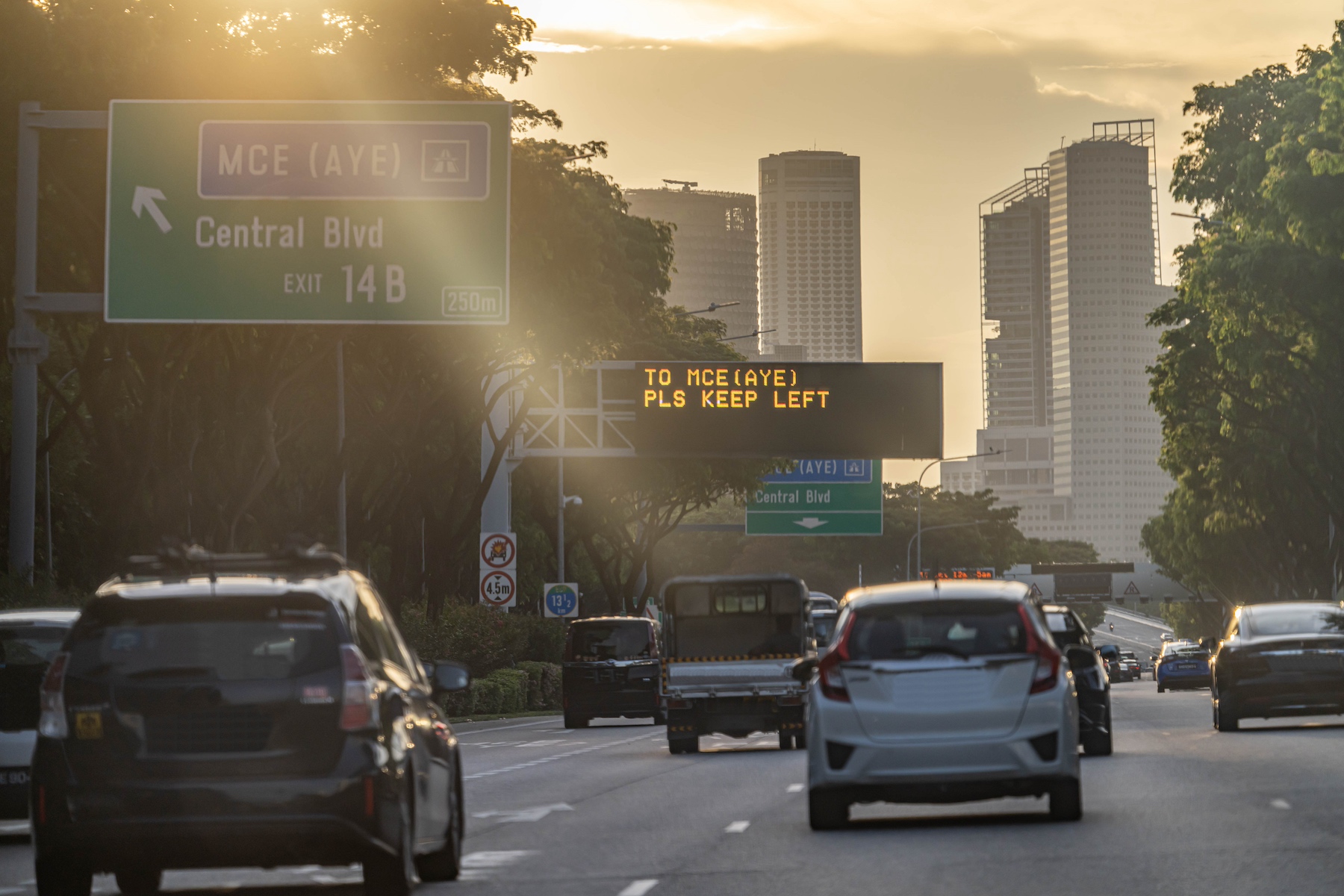
Driving an uninsured vehicle in Singapore can land you in serious legal trouble. You may be sentenced to three months in prison, have to pay a fine of up to S$1,000, or both. You’ll also have your driver’s license removed for a mandatory period of at least 12 months.
Fire insurance
Many homeowners in Singapore apply for a loan from the Housing and Development Board (HDB). This kind of governmental mortgage program helps Singaporeans get a foot on the housing ladder. If you have an outstanding HDB loan, then fire insurance is mandatory. These loans are only available if at least one applicant is a Singaporean citizen.
If you buy a condominium in Singapore, you’ll often find that it also comes with mandatory fire insurance. While home insurance is not obligatory, your standard fire coverage only offers the most basic form of protection.
Optional forms of Singaporean insurance
Home insurance
Singapore’s mandatory fire insurance only protects the basic structure of your building. Optional home insurance can offer additional protection for any renovations and contents. Many insurers have different deals, depending on whether or not you live in an HDB building.
Although 91% of Singaporeans are homeowners, only 34% have home insurance. One common misconception is that fire insurance offers broader protection than it does.
Travel insurance
Singaporeans are certainly not taking any chances when they go on vacation with 72% usually buying travel insurance. Older Singaporeans are even more cautious than the younger generation, with 74% of those over 50 saying they only travel insured. This type of insurance usually covers anything from canceled or delayed flights and lost luggage to medical emergencies and evacuations.
Life insurance
The LIA is the leading professional body for life insurance in Singapore. While the life insurance field experienced strong growth during the COVID-19 pandemic, it has since slowed down. Nevertheless, predictions suggest that the market will continue to grow over the next decade.
Pet insurance
Like many countries worldwide, Singapore has seen a boom in pet ownership in recent years. As a result, pet insurance has blossomed, with 150% growth in new plans between 2021 and 2022.

Singaporean pet insurance generally covers cats and dogs for both routine and unforeseen medical expenses. Premiums often vary, and some insurers may refuse to insure particular dog breeds or cover certain congenital conditions.
Commercial insurance in Singapore
Public liability insurance
Public liability insurance, which protects against lawsuits, is likely a good idea if you want to set up a business in Singapore.

Although strongly recommended, public liability insurance is not mandatory. It serves to protect your business against financial loss involving lawsuits, on-site injuries, and property damage. In 2021, the Singapore Academy of Law introduced actuarial tables for calculating personal injury lawsuit payouts, which can help you determine your risk.
Professional liability insurance
The difference between public and professional liability insurance is simple: the former protects members of the public on your business premises, while the latter shields your workers from claims of negligence and errors. This type of insurance plan will help deal with legal fees and settlements and is vital if your business employs professionals such as lawyers, architects, engineers, or accountants.
Property insurance
Just like home insurance, commercial property coverage highly recommended but not mandatory in Singapore. You’ll need it to protect your business premises and assets in the case of fire, flooding, theft, and other incidents.
Workers’ compensation
This is the only type of business insurance that is compulsory in Singapore. The Work Injury Compensation Act (WICA) obliges businesses to insure all employees, regardless of their citizenship status, if they fall into either of these two categories:
- Employees doing manual work
- Employees doing non-manual work but earning less than S$2,600 per month

There are severe punishments for employers who fail to provide work injury compensation, including S$12,000 fines or 12 months’ imprisonment.
How to choose a Singaporean insurance company
- Price – While all insurance is nice to have, what you can afford depends on your monthly budget
- Inclusions or exclusions – For example, medical insurance policies may not cover certain conditions, and pet insurance often excludes certain dog breeds
- Claims processes – In general, business dealings in Singapore run smoothly, but it’s still worth checking how straightforward and user-friendly the company’s processes are
- Reviews and ratings – This may involve checking comparison websites or just asking friends and colleagues about their experiences
Tools for comparing insurance in Singapore
If you’re looking at Integrated Shield plans, one of Singapore’s most popular forms of health insurance, you can check out this comparison page on the Ministry of Health website. Compare First lets you look at various options for life insurance. For other forms of insurance, MoneySmart has comparison tools.
How to complain about a Singaporean insurance company
The GIA lays out specific guidelines for insurance complaints. The first step is to complain to your insurer by providing personal details and any documents supporting your complaint. The insurer should acknowledge this within seven business days. If they need more time, they’ll have to update you on the process within 15 working days of the last communication.

If your insurer fails to meet these time limits, or you’re still experiencing issues, you can choose to escalate matters. First, write to the company’s CEO, who has 15 business days to respond. If you are unsatisfied, you can contact the Financial Industry Disputes Resolution Centre (FIDReC) for mediation.
Useful resources
- General Insurance Association (GIA) of Singapore – regulatory body for general insurance in Singapore
- Life Insurance Association (LIA) of Singapore – nonprofit association that regulates Singapore’s life insurance brokers
- Monetary Authority of Singapore (MAS) – guide to insurance in Singapore
Related Articles



Editor's picks

Did you find this guide helpful?