'%20id='ico-down'%20stroke='%23000000'%20stroke-width='1.5'%3e%3cg%20transform='translate(1092.250000,%20254.750000)'%3e%3cpolyline%20id='Path-2-Copy-4'%20transform='translate(5.500000,%202.750000)%20scale(1,%20-1)%20rotate(-180.000000)%20translate(-5.500000,%20-2.750000)%20'%20points='0%200%205.5%205.5%2011%200'%3e%3c/polyline%3e%3c/g%3e%3c/g%3e%3c/g%3e%3c/svg%3e)



Singapore is a huge tourist draw, and has a cosmopolitan mix of residents including expats from all over the world. It’s a safe country with excellent infrastructure – but the costs of accessing healthcare if you’re ever unlucky enough to need it can be extremely high. Having high quality comprehensive travel insurance offers peace of mind and can protect you from unexpected costs associated with your trip.
In this guide we cover travel insurance for people visiting Singapore, as well as the types of travel and global health insurance that may suit newly arrived expat residents. Here’s a quick look at the topics we’ll cover in this comprehensive guide to travel insurance in Singapore:
Do you need travel insurance for Singapore?
It’s not a legal requirement to have travel insurance to enter Singapore from abroad. However, it is highly recommended due to the high costs of healthcare as a non-resident or foreigner.
Is Singapore safe?
Singapore is a very safe destination – however as with anywhere in the world, accidents still happen on the roads, and low crime isn’t the same as absolutely no crime at all.
In general, visitors and residents in Singapore enjoy very safe streets and public areas. There’s very little violent crime, and even petty crime is quite unusual thanks to strict enforcement and policing in the country. Unlike many major cities, it’s generally safe to walk in Singapore at night with the exception of wooded and unlit areas, as long as you take normal safety precautions. Common tourist areas are also very safe – but having situational awareness and keeping your belongings close at all times is an easy, common sense way to ensure you’re not a victim of crime.
Tropical risks: Dengue Fever and the “Haze”
Dengue fever is present in Singapore. This is spread by mosquitoes and can cause fevers and headaches. It’s usually a mild condition but in rare cases can be serious. While there’s a vaccine, it is not recommended for people who have not already contracted Dengue. Prevention, by covering up and using insect repellant, is the best option for most visitors.
The Southwest Monsoon – June to September – sees an increased risk of haze from hotspots and burning plantations in Indonesia. This can damage the air quality significantly in Singapore. Severity varies a lot based on the conditions in the region, but the air quality hits unhealthy ranges in some years. It’s worth ensuring your travel insurance policy covers “pre-existing respiratory conditions” if you have asthma or a similar condition and plan to visit during the Southwest Monsoon season. Get air quality information and forecasts directly from the Singapore Environment Agency.
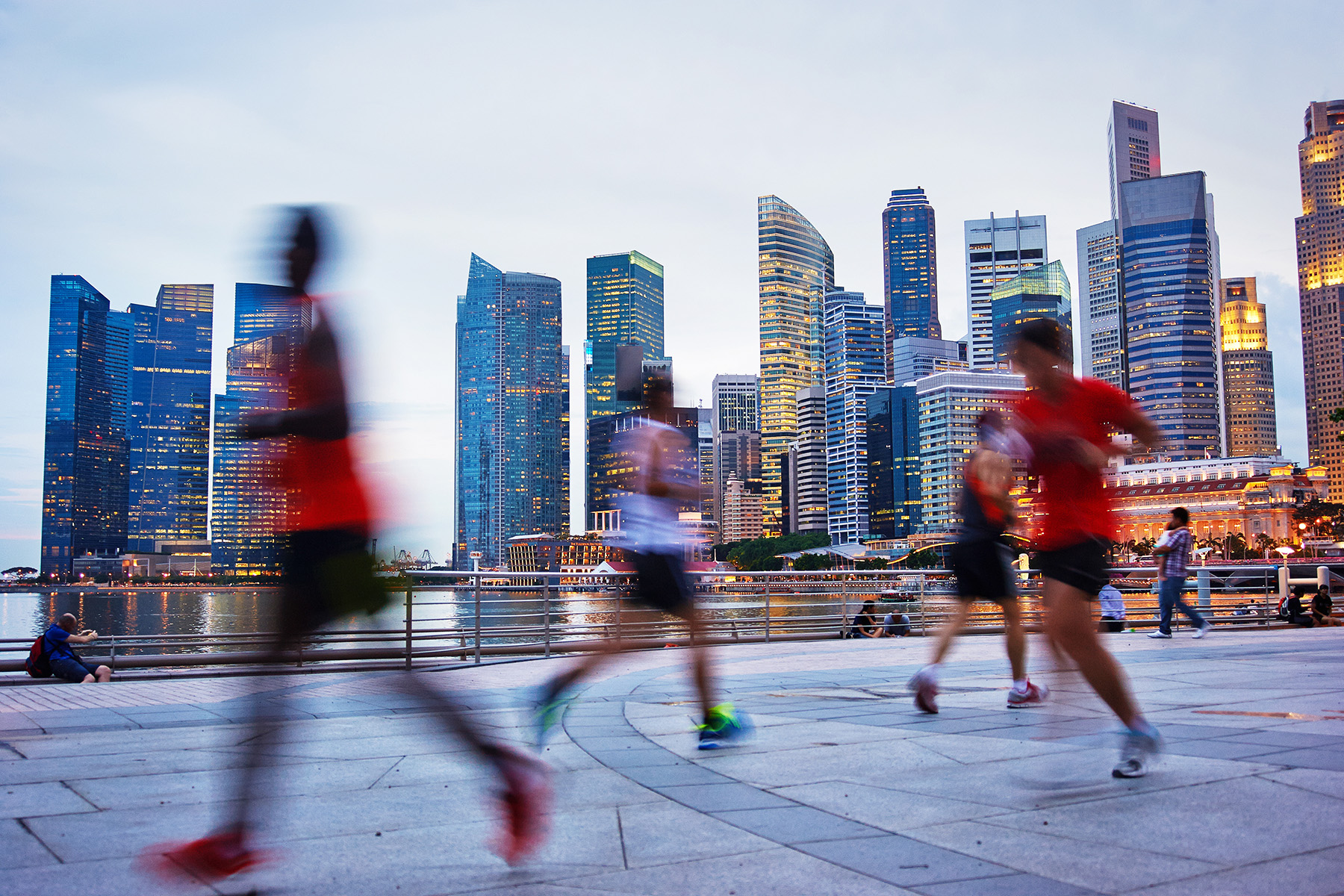
Cost of healthcare in Singapore for tourists and foreigners
Singapore has excellent healthcare – but the fees for services can be extremely high. As a visitor you may be able to attend some public hospitals, but the fees you’re charged can be several times higher than the costs for a Singapore citizen or Permanent resident. Private sector hospitals are more commonly used by expats, long term residents and tourists for speed and convenience.
Seeing a GP for a minor ailment in Singapore is a simple process, with appointment fees that vary depending on the doctor and the nature of the complaint.
Emergency care in Singapore can be very costly. MOH publishes private-sector fee benchmarks for surgeon and anaesthetist professional fees, hospital fee benchmarks for selected procedures/conditions, and doctors’ inpatient attendance; hospital fees still apply in addition to professional fees.
Estimating healthcare costs is tricky as every case is different – but here are some benchmarks to give a flavour:
| Medical Service | Estimated Cost (Uninsured) |
|---|---|
| GP Consultation | 60 SGD – 100 SGD+ |
| Emergency Room (ER) Visit | 170 SGD+ |
| Hospital Stay (Per Night) | 300 SGD – 600 SGD in a public hospital, higher costs in private facilities |
| Emergency Surgery | Very varied – a broken ankle may cost around 10,000 SGD in surgeon and anesthetist fees (with hospital fees on top), for example |
| Medical Repatriation | Road repatriation (for example, to Malaysia) may cost from 5,000 SGD. Air repatriation can cost 100,000 SGD or more |
When to buy your travel insurance: The “Pre-Departure” Window
Ideally, travel insurance policies should be bought at the same time as flights, and absolutely before departing your home country. It’s common for insurers to refuse cover to individuals who have already travelled, or at the very least, to impose a wait period before cover comes into effect. Get everything sorted well in advance for peace of mind.
Cancel for Any Reason” (CFAR) coverage
Another bonus of arranging your travel insurance early is that you can opt for CFAR coverage, which means that if your plans change you may be allowed to claim back money spent on deposits and other non refundable costs. Check if your provider offers this service, to decide if it’s right for your needs.
Types of travel insurance: Choosing the right plan
Travel insurance providers typically offer several different policies, which have their own features, coverage and costs. Some plans are aimed at short term trips while others may be better for frequent travellers or expats. Here are a few things to consider when choosing:
- Single-trip vs. Multi-trip: Single trip policies offer a low cost way to cover a one off trip, but if you travel often for business or pleasure, a multi-trip option may be more cost effective in the end.
- Group & Family plans: Many providers let you add on dependents or other family members to your plan, allowing you to easily tailor coverage for larger parties.
- Expat-specific insurance: New arrivals in Singapore may need to buy international health insurance which covers them in Singapore, their home country, and to some extent while they travel. We’ve got a couple of providers you may like coming up next.
Top 5 travel insurance providers for Singapore
We’ve picked out 5 top travel insurance providers for Singapore, looking at the coverage available, costs and suitability for different types of visitors to Singapore, as well as expat residents of Singapore. Here’s a side by side look at who each provider may suit, and what they may cover, so you can do your own research and choose the one that’s the right fit for your specific needs.
This article is for informational purposes only and does not constitute financial advice. Always check the specific Product Disclosure Statement (PDS) of your chosen provider.
| Provider | Might Fit… | Pricing Model | Medical Limit | Adventure Sports? |
|---|---|---|---|---|
| SafetyWing | Digital Nomads | Monthly or annual subscriptions ‘Full’ plan has a surcharge for residents of Singapore, or for people staying for more than 30 days | 250,000 USD for Essential, 1.5 million USD for Full plan | Some (Basic) – adventure sports offered as an add on |
| World Nomads | Adventure Travelers | Single trip and multi trip annual plans | Depends on policy – a one month trip for a UK resident to Singapore may offer 5 million USD – 10 million USD medical and repatriation limits | Yes (150+ activities) |
| Allianz Travel | Families & Business | Single trip and multi trip annual plans | Depends on policy. For Singapore residents: 200,000 SGD – 1 million SGD depending on plan | Selected sports benefits across plans (see policy wording) |
| Cigna Global | Long-term Expats | International health insurance plans for 4–12 months or longer | Depends on policy – overall limits and sublimits apply | No (Basic only) |
| HTH Travel | US Citizens Abroad | Short term plans (maximum 6 months) for people with, or without primary health insurance Group insurance | Variable – pick different policies which have varied limits, from around 50,000 USD+ | No (Basic only) |
How does travel insurance work in Singapore?
While different travel insurance providers and policies will have their own coverage areas, exclusions and fineprint, there’s some fairly common items across most policy options. Here’s a rundown of key cover areas a standard policy typically includes:
Medical & Emergency Evacuation
Travel insurance may have a fixed upper limit on costs associated with emergency medical care and medical repatriation if needed. Some policies have unlimited claim amounts, while others may have maximum caps, and smaller sublimits which depend on the nature of the claim.
This cover is intended for emergency care if you fall ill or have an accident overseas. Pre-existing conditions, or planned medical care, are not usually covered.
Trip Cancellation & Interruption
Travel insurance policies usually have travel inconvenience cover which may help you get your money back if your trip is cancelled by the provider, or if a covered event – such as the death of a loved one – stops you from being able to travel.
Policies may also offer support if your trip is interrupted – if you need to travel home for a family emergency, for example, but then choose to rejoin your trip later.
Baggage, Theft, and Personal Liability
Travel insurance may cover loss or theft of your baggage, money and personal documents like your passport. Plans usually have limits on the cost of items you can claim, and may ask you to declare specific high value items such as jewelry before you travel. You’re likely to need to submit a police report to make a claim if your items are stolen
Personal liability insurance covers you if you’re held liable for damage to someone else’s property, or an injury to another person. This may apply if you cause damage to your hotel, or if you cause an accident when on a trip for example.
Repatriation
Medical repatriation may be needed if you’re somewhere that doesn’t have the medical facilities to treat your condition or emergency, or if you’re unwell for a longer period and need to return to your home country to continue treatment. Repatriation may be overland or by air, and can be extremely costly depending on the situation.
Travel Insurance vs. Credit Card Insurance: Is your card enough?
You may have a credit card which offers some complimentary travel insurance, but in many cases this isn’t enough to cover all eventualities. Credit card travel insurance usually has specific conditions – for example for it to apply you may need to bill the full costs of your travel to your card, or make a minimum spend amount in the premium month or quarter for example.
Once active, credit card travel insurance may have relatively high deductibles and low limits for cover, but might not be enough to allow you to get all your money back in the event of a problem. Compare your options carefully, looking at the cover your card can provide versus a specialist policy to make sure there are no surprises when you travel.

Specialized coverage to consider
Depending on your travel plans you might need to add in some extra cover. Generally add ons can be used to get extra support if your trip includes different risks to a standard journey. Things to consider include:
- Adventure, contact or competitive sports: Policies often exclude things like skiing or diving, but sports like football or activities like bungee jumping – available in Singapore’s Sentosa – may also be excluded.
- Cruises: The risks of being on a ship are different to being on land – so if you’re in Singapore to join a cruise, make sure you’re covered for your full trip.
- Sports gear, tech and cameras: High value and specialist items may need specific cover to make sure you can claim if they’re lost, stolen or broken.
- COVID-19/Pandemic Coverage: Policies may offer add on cover for issues caused by either covid or other pandemic events.
How to choose the best provider (A Buyer’s Checklist)
- Get quotes from several providers so you can compare – this is often a fully digital process which only takes a few minutes
- Compare the costs of single trip and multi-trip policies if you travel a lot
- Look carefully at the cover available, particularly for any specific activities your trip entails – activities like hiking or climbing may not be covered for example
- Check the deductible amounts which have to be paid whenever you claim – a high deductible can mean you’re not able to claim back much of our money in the end
- Ensure you can get 24/7 emergency assistance, and look at how easy it is to get in touch if you need immediate help
- Use services like Trustpilot to get customer reviews and feedback to ensure the provider is legit and well rated by others
How to make a claim in Singapore
Let’s walk through the step-by-step on what to do in an emergency if you need to make a travel insurance claim in Singapore.
Step 1: Contact your provider’s 24/7 emergency assistance
If you need immediate assistance, or if you’re going to need a higher cost medical procedure, call the emergency number on your policy to get advice.
For medical care in particular, your insurer may be able to provide you with a “Letter of Guarantee”, which can prevent you from having to pay for your treatment out of pocket. The letter allows the hospital to offer service to you and then manage the claim directly with the insurer rather than you needing to pay and reclaim later.
Step 2: Gather “on-the-ground” evidence
In the heat of the moment you may not be thinking of your insurance claim, but having supporting documents and paperwork showing what’s happened is essential.
If you’ve been the victim of theft you’ll usually have to obtain a police report within 24 hours, and if you’re making a medical claim it’s important to ask for a written diagnosis from the attending physician, not just the bill.
Step 3: Submit your digital claim and choose your payout method
Most insurers ask you to make your claim and upload your documents via the provider’s portal. This is efficient – and you’ll also normally find you can call the service team if you have specific questions about what’s needed or how to complete your claim.
Wise for travel spending and transfers
Manage money across borders in one app: send money internationally and hold/convert currencies. Where available, you can also spend with a Wise card.
Fees and exchange rates are shown before you confirm each transfer. Availability, features, limits, and eligibility vary by country; terms apply.
If you need medical assistance while traveling, contact your insurer’s 24/7 helpline. Using Wise is optional and not required for any insurance claim or payout.

Required documentation
The documents needed to support your travel insurance claim vary a lot depending on the nature of the claim. Your provider will often have a checklist to guide you through submitting your claim so you can see what they expect.
Common documents that are needed to submit a claim can include:
- Official Police Reports
- Itemized Medical Receipts
- Proof of Travel
- Medical Repatriation Authorization
- Proof of Ownership
FAQs
Can I buy travel insurance if I’m already in Singapore?
Some travel insurance companies do not allow you to buy cover once you have departed your home country. However, some specialists like Safety Wing, may be able to help. Shop around and look carefully at the options based on your normal residency and trip type.
Does travel insurance cover bike accidents in Singapore?
Check your insurance policy document to see what’s included in terms of pushbike, scooter and motorbike cover. Riding a pushbike is pretty common in Singapore, and is allowed on cycle lanes and many pavements. While it’s generally safe, accidents and collisions with pedestrians and other cyclists can happen – riding on roads is also legal with proper safety gear, but here risks of collisions rise.
Final thoughts: Staying safe in Singapore
Singapore is a very safe place to visit or to live. However, being prepared for emergencies is still a smart plan, both to offer peace of mind and to avoid high medical bills if you have an accident or fall ill during your time there.
This guide gives plenty to think about when choosing a travel insurance provider for Singapore, including some which are suited to short term tourists, some for digital nomads and frequent travelers, and others for new expat residents.
Useful resources (checked 31st March 2026)
- Singapore health – Dengue – explainer on dengue fever, including prevention
- Singapore Environment Agency – resource for air quality information
- SafetyWing – travel insurance which can suit digital nomads in particular
- World Nomads – travel insurance which can suit adventure travelers
- Allianz Travel – travel insurance for families and business use
- Cigna Global – global health insurance for expats moving to Singapore
- HTH Travel – travel insurance which can suit US citizens in particular