
'%20id='ico-down'%20stroke='%23000000'%20stroke-width='1.5'%3e%3cg%20transform='translate(1092.250000,%20254.750000)'%3e%3cpolyline%20id='Path-2-Copy-4'%20transform='translate(5.500000,%202.750000)%20scale(1,%20-1)%20rotate(-180.000000)%20translate(-5.500000,%20-2.750000)%20'%20points='0%200%205.5%205.5%2011%200'%3e%3c/polyline%3e%3c/g%3e%3c/g%3e%3c/g%3e%3c/svg%3e)


Finance
Banking
Joint bank accounts in the Netherlands for expats
Managing household finances as a couple in the Netherlands becomes much easier once you have a shared setup for rent, local bills, and daily groceries. A conventional joint account (betaalrekening) gives both partners equal legal access to a single Dutch bank balance and iDEAL payment capabilities.


This guide walks through how joint Dutch accounts work, what documentation traditional banks require, and when a multi-currency alternative like Wise makes more sense for cross-border spending.
Key takeaways
- A Dutch joint account is usually the right base for rent, utilities, salaries, and direct debits.
- ING, ABN AMRO, and Rabobank are often the easiest fit for Dutch banking.
- N26 should be treated as a real digital joint account, with a dedicated IBAN and equal access for both holders.
- Most providers ask for ID, a Dutch address, and a BSN at some stage, but timing differs.
- Wise does not offer a joint account. Instead, a Wise account works better as a supplement for shared international spending, travel, and foreign-currency purchases.
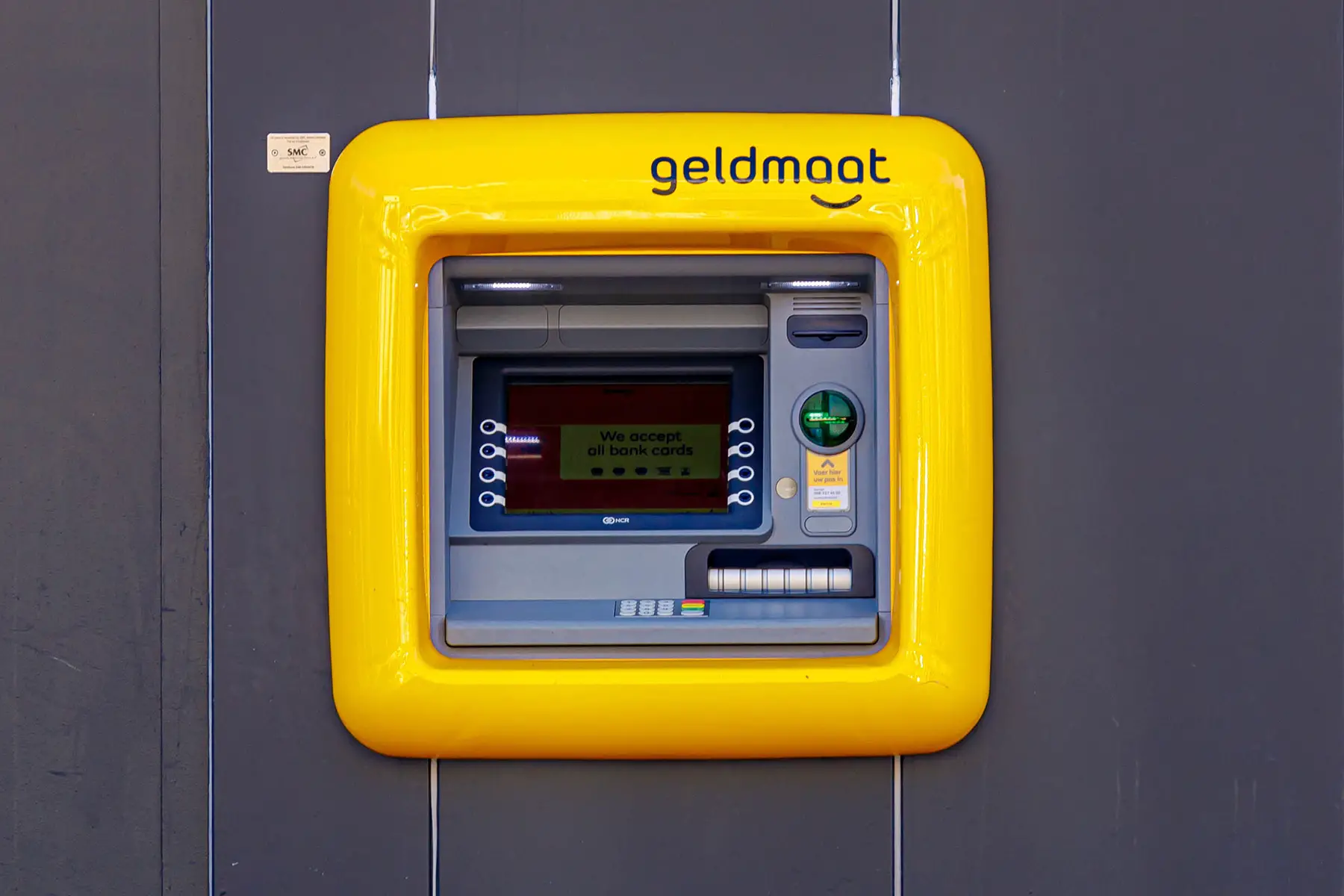
What a joint bank account gives you in the Netherlands
A conventional joint account is designed for shared domestic money. That often means one shared IBAN or account number, two debit cards, equal account rights, and support for salaries, direct debits, and household bills.
Not every shared balance counts as a joint account. Some apps let two people spend together without giving both holders equal ownership and responsibility, which is important when you are paying rent or setting up recurring bills.
| Feature | Joint account in the Netherlands | Why it matters |
|---|---|---|
| Shared ownership | Two holders normally have equal legal access | Both people can manage shared money without asking the other |
| Shared IBAN or account number | Usually yes | Useful for rent, utilities, salary payments, and SEPA direct debits |
| Cards and app access | Usually two debit cards and shared visibility | Easier grocery, transport, and household spending |
| Domestic payment fit | Usually strong | Better match for iDEAL and local bills |
| Liability | Rights are equal, and overdrafts or debts can be shared | Important to discuss before opening the account |
Who can open one and what do you need?
Most providers expect both applicants to be 18 or over, complete identity checks, and show a Dutch address or registration proof. They may also ask for a BSN and residence documents if one or both applicants are not Dutch nationals.

If one person has just moved, has non-EU papers, or does not already bank with the provider, approval can change. Some providers also want both applicants to live in the same country or to hold personal accounts first.
While exact requirements vary by provider, applying for a joint account typically requires both applicants to prepare these essentials:
- Valid ID for both applicants
- Dutch address or registration proof where required
- BSN now, or by the provider’s deadline
- Residence permit or visa evidence where relevant
- Existing personal account, if the provider requires one
- Latest expat eligibility rules

Editor in the Netherlands
Tarah Ren
Insider Tip
Some major local banks let expats start without a BSN, but usually ask for it within 90 to 120 days of municipal registration.
Which joint account options are available in the Netherlands?
The easiest way to shortlist a joint account in the Netherlands is to compare product types. Some are built for Dutch household admin, some are full digital joint accounts, and some work better as shared-spending tools.
| Option type | Examples | Best for | Dutch everyday banking | Main watch-outs |
|---|---|---|---|---|
| Major local banks | ING, ABN AMRO, Rabobank | Rent, utilities, salaries, and direct debits | Usually the strongest fit | Monthly fees, local checks, and occasional branch or video steps |
| Digital joint account | N26 | Two people who want a real shared account with app-first setup | Good, if both meet eligibility rules | Both people need personal N26 accounts with the same country’s T&Cs and IBAN |
| Shared-spending alternative | Wise | Travel, foreign-currency shopping, and casual shared costs | Limited for Dutch household admin | One legal owner, restricted member rights, and no group IBAN for EU users |
Major local banks for domestic shared banking
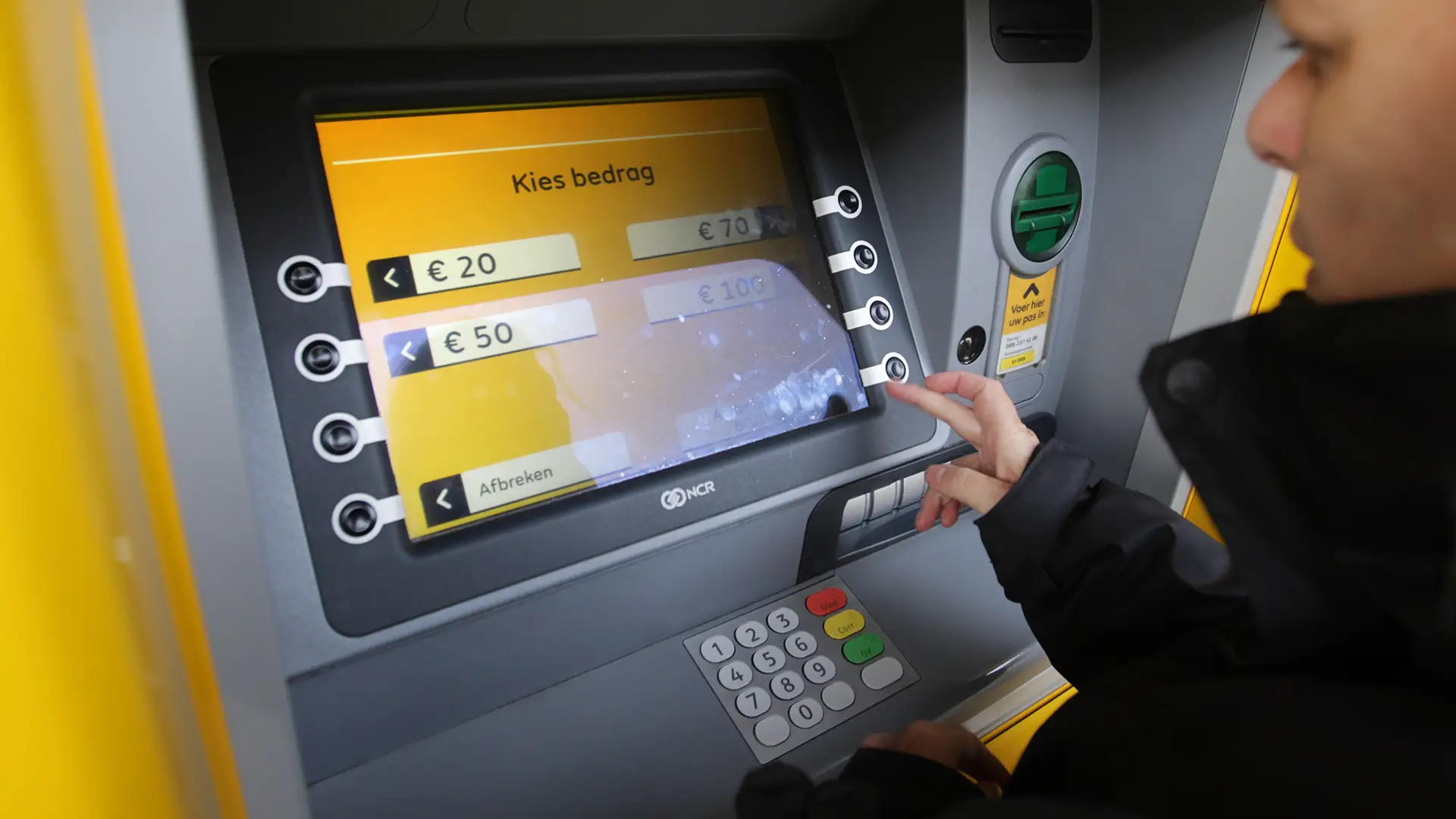
Most expats who need shared money for rent and bills still end up with Dutch banks. ING, ABN AMRO, and Rabobank are generally the most natural fit for salary payments, direct debits, and iDEAL-based daily life.
However, local requirements and account maintenance costs remain key factors. Current plans start at about €4.80 to €5.80, and you should still research app language, identification steps, and whether both holders need local registration.
Digital joint accounts such as N26
If you prefer a completely digital experience, N26 delivers a genuine joint account rather than a simple shared sub-account. It functions as a standalone bank account with its own IBAN, giving both partners equal legal rights and visibility over shared funds.
The catch lies in the onboarding process: both you and your partner need active, personal N26 accounts under the exact same country region. Because moving timeline mismatches can stall approval, it pays to check your eligibility before relying on an app-first setup.

How Wise works for shared international spending
Wise works best as a flexible sidekick rather than a substitute for a Dutch bank account. While Wise does not offer a typical joint account, its Spend with Others feature allows one person to set up a shared pool, invite a partner, and issue a separate digital card to spend from the same balance.
It isn’t a substitute for a main Dutch bank account, which you will still need for salary deposits, rent, and local direct debits, but it shines when managing international life. With support for over 40 currencies at mid-market exchange rates, it is an ideal tool for joint travel, foreign online shopping, or receiving funds from abroad without paying steep conversion fees.
| Permission | Owner | Member |
|---|---|---|
| Spend with a separate digital card | Yes | Yes |
| See all group transactions | Yes | Yes |
| Add money | Yes | Yes |
| Send money out | Yes | No |
| Withdraw money | Yes | No |
| Convert money | Yes | No |
| Manage the group and members | Yes | No |
Important limitations of Wise Group
- Wise Group has one legal owner. Members have restricted rights.
- The owner legally controls the money, even if another member adds funds.
- Members can spend and view transactions, but they cannot send, withdraw, convert, or manage the group.
- EU users should not expect separate account details or a group IBAN.
- Members cannot withdraw cash from the shared balance.
- Only use the feature with people you know and trust.
- Wise EU-registered personal accounts can only have two people in a group at the time of writing, so recheck this before opening.
- Check Wise’s latest Help Centre before relying on current fees, currencies, or eligibility.

How the Group feature works
- The owner creates a group and invites someone they know and trust.
- The invited person accepts, and both people can see the transaction feed and add money.
- Each participant can get a separate digital card and use Apple Pay or Google Pay where the Wise virtual card is available.
- Both people can spend from the shared balance, but only the owner can send money out, withdraw money, convert funds, or manage members.
- If a member leaves, their digital card is cancelled and they lose access, while any money left in the group still belongs to the owner.
Where Wise fits best
Wise fits best when the spending is shared, but the legal ownership does not need to be. It can suit cross-border households, travelling couples, or flatmates splitting flexible costs rather than formal household bills.
Its strongest fit is shared spending with an international angle, not core Dutch banking. If you regularly move money between countries, compare receiving money from abroad, multi-currency accounts, and broader money transfer options.
Wise could be a good fit for:
- International couples splitting euro spending while one person still earns in another currency
- Long-distance partners who want one travel pot
- Flatmates sharing groceries, subscriptions, or occasional household costs
- Friends travelling together and paying from the same balance
Wise vs a Dutch joint account: which setup suits you?
If you’re unsure, compare the product against the job the money needs to do. The main confusion here is treating shared access and shared ownership as the same thing.
True joint account vs Wise Group
| Setup | Best for | Shared ownership | Dutch everyday banking | Travel and FX use, key limits |
|---|---|---|---|---|
| Dutch joint account at a major local bank | Rent, salary payments, utilities, and recurring household bills | Yes | Usually the strongest fit | Travel use depends on card and FX fees; monthly fees apply |
| Digital joint account, such as N26 | Two people who want a real shared account with app-first access | Yes | Good, if both meet eligibility rules | Better for app-led use, but both holders need matching personal accounts |
| Wise Group | Trips, shared groceries, foreign-currency spending, and topping up from abroad | No, one legal owner | Not the right tool for salaries, rent, or direct debits | Strong for international spending, but members cannot send, withdraw, convert, or manage the group |
A practical setup for many expats
Many expat households end up using two tools. A Dutch joint account is usually the better base for rent, direct debits, salary payments, and other domestic commitments, while Wise can sit alongside it for international transfers, multi-currency spending, travel, and shared foreign-currency purchases.
Editor in the Netherlands
Tarah Ren
Insider Tip
Many expat households use two layers because local life and international money needs are different. If cross-border flexibility matters, compare Wise’s multi-currency account, international transfers, and card against the Dutch-bank and N26 options above, then pick the setup that matches how you share money.
FAQ
Frequently asked questions about joint bank accounts in the Netherlands
Can foreigners open a joint bank account in the Netherlands? 
Yes, foreigners can open a joint bank account in the Netherlands, but approval depends on residency, address, ID, and BSN timing. Major local banks and digital providers do not treat every passport or residence status the same, so check the latest eligibility page before applying.
Do both account holders need a BSN?
Often yes, but not always on day one. Some providers let you open first and provide the BSN later, while others ask for it before activation, so check the official page instead of relying on a blanket rule.
Is Wise a joint account in the Netherlands?
No. Wise Group is not a true joint account in the Netherlands, because it has one legal owner and members only get restricted rights. It is better suited to shared international spending than rent, salary payments, or Dutch direct debits.
Can flatmates open a joint account in the Netherlands?
Sometimes, yes. Some genuine joint accounts can work for flatmates, but equal withdrawal rights and possible shared liability mean you should agree to clear rules first. Wise Group can be a lighter option for groceries, travel, or other discretionary shared spending between trusted people.
Which banks offer joint accounts in the Netherlands?
Major local banks such as ING, ABN AMRO, and Rabobank offer joint accounts, and digital options such as N26 do as well. Use the main options table above for the differences on fees, eligibility, and whether the product is a true joint account or only a shared-spending tool.
Useful resources
- De Nederlandsche Bank (DNB): Deposit-protection rules.
- AFM registers: Check provider status.
- ING joint account page: Fees and BSN timing.
- ABN AMRO joint account page: App opening and BRP checks.
- Rabobank joint account page: And/or account details.
- N26 joint account pages: Dedicated IBAN and eligibility.
- Wise Spend with Others: Shared-spending use cases.
- Wise Help Centre for Spend with others: Owner rights and EU limits.
- Revolut Netherlands joint account page: Digital benchmark.
Related Articles


Editor's picks
 Where to live in the Netherlands: the best cities for expatsAlthough Amsterdam is typically the number one hub for expats, there are plenty of other cities in the Netherlands worth your while.
 Higher education in the Netherlands: a guide to Dutch universitiesThe Netherlands is home to some of the world's top universities. Learn all about the different subjects available at Dutch institutions.
 Human and civil rights in the NetherlandsFrom the right to protest to protection from discrimination, here's what you need to know about human rights in the Netherlands.
Did you find this guide helpful?