
'%20id='ico-down'%20stroke='%23000000'%20stroke-width='1.5'%3e%3cg%20transform='translate(1092.250000,%20254.750000)'%3e%3cpolyline%20id='Path-2-Copy-4'%20transform='translate(5.500000,%202.750000)%20scale(1,%20-1)%20rotate(-180.000000)%20translate(-5.500000,%20-2.750000)%20'%20points='0%200%205.5%205.5%2011%200'%3e%3c/polyline%3e%3c/g%3e%3c/g%3e%3c/g%3e%3c/svg%3e)


Health
Primary Care
Accessing mental health services in Japan
Trying to look after your mental health in Japan? Learn how to access support, including sessions with psychiatrists and therapists.


Japan’s healthcare system is modern and widely accessible, but mental health care remains a complex area. Cultural stigma, limited public discussion, and a strong emphasis on privacy have historically kept many people from seeking help, even when services are available. While the country offers psychiatric care through public insurance, access to counseling and psychotherapy can be limited, particularly in English and outside major cities.
To help you understand how to access mental health services in Japan, this guide covers the following:
Cigna Global
Enjoy peace of mind while living in Japan with Cigna Global’s long-term international health insurance plans (12+ months). Get tailored coverage, direct billing with many providers, complex case management, and global care on demand, with access to a network of 1.5+ million doctors, specialists, and therapists.

How does mental healthcare work in Japan?
Mental healthcare services in Japan consist of two general fields: psychology and psychiatry.
Psychology is a non-medical profession that offers face-to-face counseling and cognitive therapy. This takes place outside of the universal healthcare system. By contrast, psychiatry is part of the country’s medical profession and covered by Japanese National Health Insurance (NHI – 国民健康保険).
Psychiatric treatment includes prescribing psychotropic medications to manage serious insomnia, depression, eating disorders, and other severe mental or mood disorders. However, doctors with a background in traditional medicine will treat patients holistically before medicating.
To recap, Japan’s health insurance only covers psychiatry, but health professionals may recommend or refer patients for psychological counseling at a fee.
Japanese attitudes to mental health
Mental health remains a delicate subject in Japan, and while awareness has been growing in recent years, stigma and misunderstanding still pose significant barriers to care. Culturally, there has often been a strong emphasis on endurance and self-reliance, which can make it difficult for individuals to seek help or speak openly about emotional struggles.
More severe mental health conditions, such as schizophrenia or bipolar disorder, are still widely misunderstood, and public education around mental illness is limited in some areas.
These challenges are slowly shifting, however. Efforts from healthcare professionals, educators, and advocacy groups are helping to promote more open conversations about mental wellbeing and reduce the shame that can prevent people from accessing support.
How to access Japanese mental health services
Short-term residents must take out private insurance to qualify for mental health treatment until they are part of the employment system. With a health insurance card (健康保険証), you only pay a small percentage (30%) of the medical costs.
Japan has no network of general practitioners or family doctors, so the first port of call is always an internal medicine doctor. Doctors may first perform medical tests to rule out any physical cause for the mental health issue. However, if they diagnose a mental disorder, they will refer patients immediately for psychiatric treatment at a specialist ward or clinic.
Of course, the language, cultural, or expense barrier can make it more challenging to seek help as an international. Luckily, organizations like the Tokyo English Life Line (TELL) support expats with fee-for-service counseling.
Insurance for mental healthcare in Japan
Mental healthcare is not fully covered under Japan’s universal healthcare insurance system.
Therefore, patients must go private for cognitive therapy and counseling covered by their private health insurance. You would most likely need to take out an additional package to cover psychological services. Reputable insurance providers in Japan include:

Given the language barrier, many expats choose online services and therapy apps with international reach. More importantly, a psychologist cannot prescribe medicine in Japan, so internationals with existing prescriptions can only access medication through a psychiatric consultation.
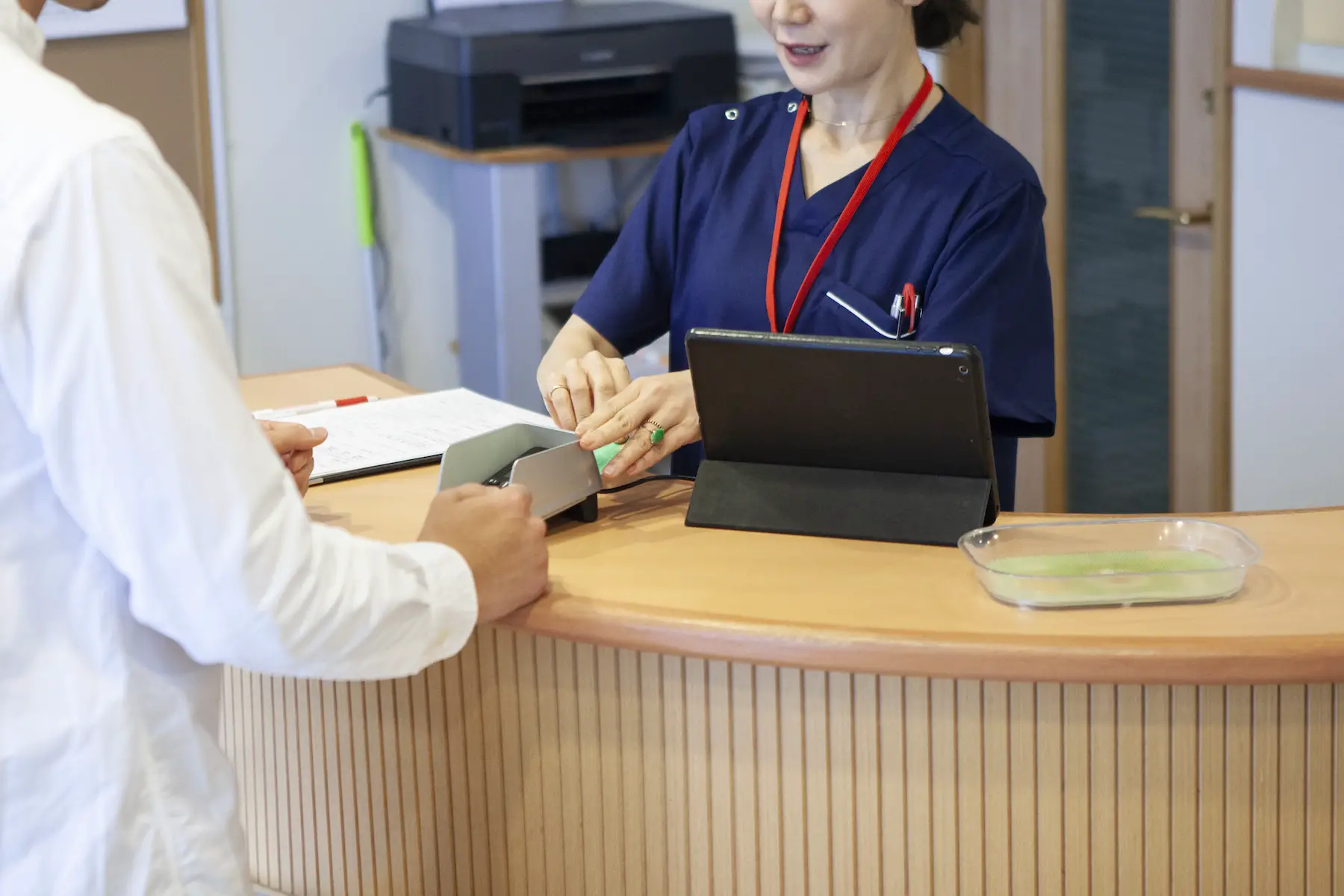
In contrast, psychiatric treatment is generally covered under Japan’s NHI. You can access these services at a local clinic or practice. Here, internal medicine doctors can also prescribe medication or fill prescriptions. Some public therapy services are also available on a sliding scale depending on the clinic. As such, the patient pays only a proportion based on their income.
Psychologists, psychiatrists, and therapists
The Japanese Society of Psychiatry and Neurology (日本精神神経学会) is the professional body for psychiatrists and part of the general healthcare system. They specialize in treating many mental health problems as trained health professionals. However, a psychiatric consultation tends to be brief, and waiting lists are long as the system is overstretched.
Patients need a referral from an internal medicine doctor at a local healthcare clinic or hospital before booking an appointment with a psychiatrist. It is recommended to translate all your existing prescriptions into Japanese before you see the doctor. Patients also undergo a pre-screening interview (in Japanese) before this appointment.

Because the universal healthcare system does not cover psychology and therapy, you don’t need a referral to book an appointment. While this makes it easier to seek treatment, it is more expensive. The quality of service can also differ as Japan has no central licensing system. Therefore, look for practitioners with recognized accreditation and training from international bodies.
The International Mental Healthcare Professionals Japan (IMHPJ) provides an English-language directory of healthcare professionals and therapists. Tokyo Mental Health also offers English-language therapy, counseling, and treatment in Tokyo and Okinawa specifically.
Support for those dealing with addiction in Japan
Japan’s unique business drinking culture, known as nomikai (飲み会), where companies expect employees to participate in parties, may have normalized alcohol abuse and dependency.
Recognizing addiction issues as an expat is the first step to seeking help.
National psychiatric bodies favor abstinence alongside therapy and counseling. While treatment can be costly, Japan also has several self-help groups like the All Nippon Abstinence Association (全日本断酒連盟). Services are in Japanese. However, there are English-language support groups, such as Alcoholics Anonymous Tokyo.
You can also privately access rehabilitation centers and intensive treatment in Japan but these services may be lacking compared to many other countries worldwide.
Services to help with eating disorders
Like many other mental health problems, eating disorders are also under-represented in statistics, but the recorded data shows an increase in prevalence. Unfortunately, support services are limited, and many cannot access the help they need. For example, Japan has no dedicated facilities for treating eating disorders.

If you are living with an eating disorder, it is crucial to speak to a medical or mental health professional and seek treatment. Help is available via psychiatric referrals or private therapy, also for expats. For example, Tokyo International Psychotherapy (東京インターナショナルサイコセラピー), among other practices, even offers bilingual (i.e., English and Japanese) therapy options.
Self-help groups like the Nippon Anorexia and Bulimia Association (NABA – 日本アノレキシア・ブリミア協会) continually advocate for better public awareness and support nationwide.
Help for severe symptoms and long-term conditions
Severe mental health problems refer to debilitating psychological issues affecting a person’s ability to lead an independent and productive life. In Japan, these include schizophrenia and bipolar disorder.
The general advice is to seek psychiatric treatment to manage serious psychological disorders with appropriate medication and therapy. If you or a family member have been diagnosed with a serious mental health problem or disorder, and you have booked a psychiatric consultation, have all your medical records and existing prescriptions translated into Japanese to aid a more effective treatment plan.
Mental healthcare for children and young people in Japan
Children’s healthcare in Japan is highly rated, yet it lacks sufficient child and adolescent mental health services (CAMHS). Historically, schools are slow to identify indications of anxiety, stress, or depression in children. In response, the Health and Global Policy Institute (HGPI – 日本医療政策機構) proposed policy changes – based on research – to implement effective mental health programs across all schools.


Pediatricians will also refer children for psychiatric help, and where the public health system is less effective, private therapy and clinics in Japan can fill the gap.
Organizations like TELL and Tokyo Mental Health also have programs dedicated for young clients with anxiety, depression, or behavioral issues.
Mental healthcare services for special groups in Japan
Support and services are available for various groups in Japan, particularly expats and non-Japanese-speakers. These cover self-help communities and fee-for-service counseling. Here are just some of these groups:
- Marcé Society: the Japanese branch of the Marcé Society for Perinatal Mental Health
- Yotsuya Yui Clinic (四谷ゆいクリニック): a facility in Shinjuku that provides mental health advice and counseling in English, Spanish, Korean, Portuguese, and Chinese dialects
- Yorisoi Helpline for Foreigners (よりそいホットライン): a multilingual, free telephone, chat, and Facebook counseling service for internationals living in Japan
Japanese mental health prevention and education programs
Japan is working towards improving mental health awareness in its society. And, as discussing mental health becomes less taboo, the number of programs for prevention and education also grows.
Current programs include:
- The Nippon Foundation Suicidec Prevention Project (日本財団子どもの生きていく力サポートプロジェクト): works with local municipalities to generate community-minded campaigns. For example, it helped to formulate new community-based counseling initiatives in both Nagano and Tokyo’s Edogawa wards.
- Gradual approach, Resilience, In a school setting, and Prepare scaffoldings (GRIP) (学校における自殺予防教育プログラム): the national in-school suicide prevention program. With booklets, videos, and games, it promotes peer mentoring in schools to improve children and adolescents’ emotional expression and self-esteem.
- TELL in the Community (TELLカウンセリング): organizes many public outreach programs. These include workshops and outings across Japan, from mindfulness workshops for children to fun pub quizzes for adults
- Gatekeeper for Life (命の門番): part of the government’s General Principles of Suicide Prevention Policy and one of Japan’s most active suicide prevention programs. It trains non-mental health professionals to improve the detection and referral of at-risk persons in the community.
Emergency support and crisis lines
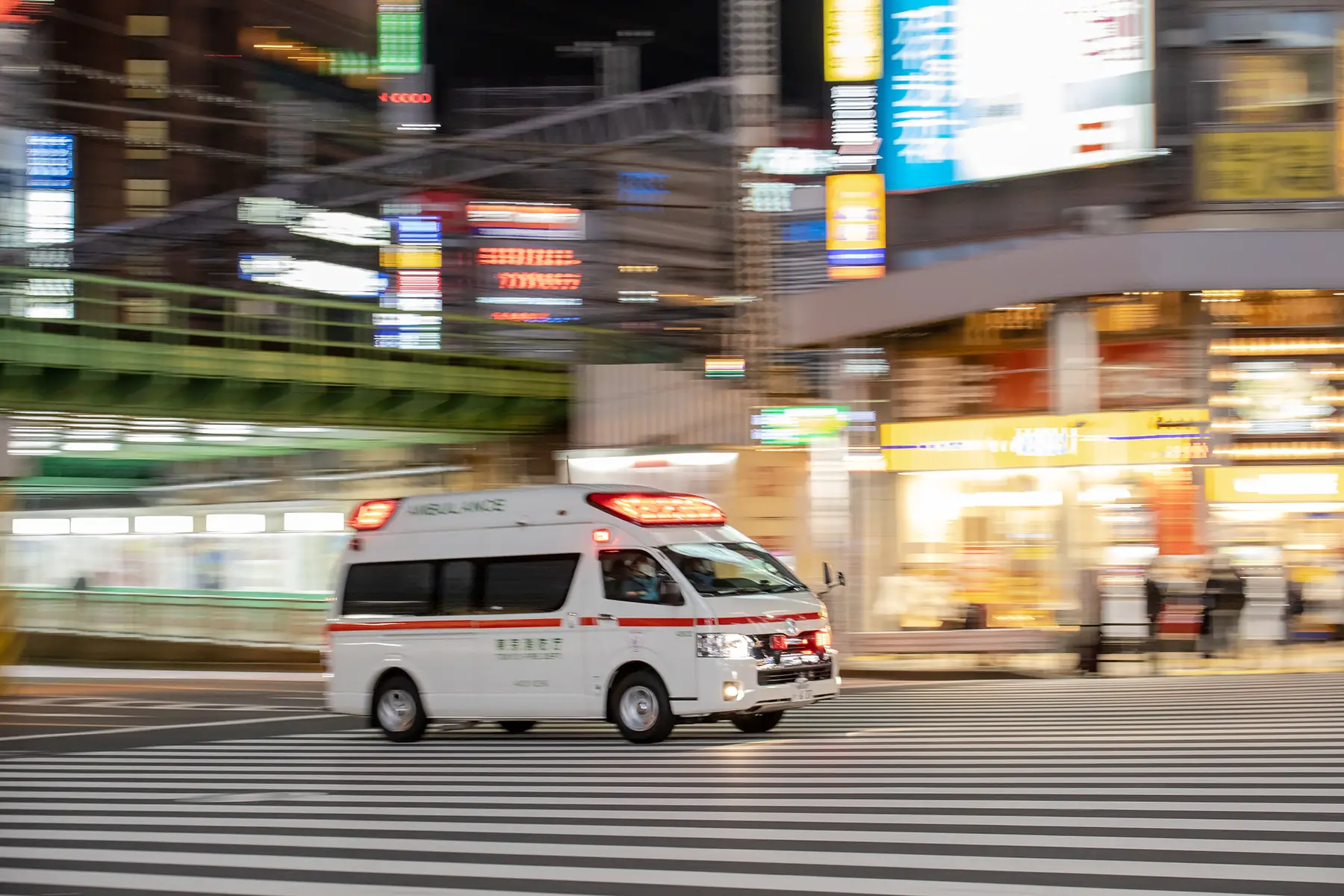
If you or a loved one has suicidal thoughts, know that help is available. In an emergency, you can call 119 for an ambulance or the fire service and 110 for the police.
Other crisis lines include:
| Helpline | Number |
| TELL’s Lifeline | 03-5774-0992 |
| Samaritans | Chat online internationally |
| Befrienders Worldwide | 06-6260-4343 |
| Telephone of Life (いのちの電話) | 0120-783-556 |
| Yorisoi Hotline | 0120-279-338 0120-279-226 (Iwate, Miyagi, Fukushima) |
Useful resources
- TELL (Tokyo English Lifeline) – English-language mental health resource with a crisis hotline, online chat service, and bookable counseling services
- Tokyo Mental Health – a mental health care service founded by international therapists in Japan with counseling, therapy, and psychiatric services readily available in English and other languages
- The University of Tokyo Hospital (東京大学病院) – English-language service for comprehensive medical and mental healthcare, including psychosomatic medicine

Did you find this guide helpful?