For foreign residents, eligibility, app language, recurring-payment support, and overseas acceptance can matter as much as the card itself. This guide compares Wise, Revolut, PayPay Balance Card, V-preca, and VANDLE Card by use case, eligibility, and common limitations.
Key takeaways
- Domestic online spending: PayPay Balance Card and VANDLE Card can be practical if you already use Japan-based apps and top-up methods.
- Cross-border use: Wise and Revolut are more relevant if you need overseas websites, travel spending, or international transfers.
- Product type matters: V-preca, VANDLE Card, and PayPay Balance Card are prepaid or balance-based products rather than postpaid credit cards.
- Verification can be the main hurdle: Matching phone, address, and identity details can be important when you set up a card as a newer resident.
Wise for cross-border spending from Japan
- Manage multiple currencies: Hold and convert supported currencies for online purchases and travel.
- Use digital card details: Eligible Japan-registered customers can access a Wise digital card.
- Move money internationally: Use the same account when you need to send money abroad.

Which virtual cards suit foreign residents in Japan?
The best option depends on whether you mainly need domestic online shopping, overseas spending, recurring payments, or a broader multi-currency setup. The following comparison focuses on 5 products that can suit different spending patterns for foreign residents in Japan.
| Option | Product type | Best use case | Foreigner setup notes | Key watch-out |
|---|---|---|---|---|
| Wise | Multi-currency debit-style card | Overseas spending, online payments, and sending money abroad | Japan-registered users can access Wise cards and digital cards | Not a local postpaid credit card |
| Revolut | Virtual and single-use card | Travel, online spending, and app-based card control | App-based setup with virtual-card creation | Single-use cards don’t support subscriptions or deposits |
| V-preca | Rechargeable prepaid Visa | Controlled online spending and one-off purchases | No conventional credit screening; app or browser setup | In-store use requires a physical card, and fees can vary |
| PayPay Balance Card | Balance-based virtual card | Japanese online shopping | Electronic Know Your Customer (eKYC) verification is required before issue | Many overseas websites won’t accept it |
| VANDLE Card | App-based prepaid card | Fast setup and everyday online use in Japan | Phone-number registration can be straightforward for residents | Merchant acceptance and recurring-payment support can vary |
Details were checked during research on 15 October 2026. Eligibility, fees, limits, and product availability can change.
Wise: best for multi-currency spending and transfers
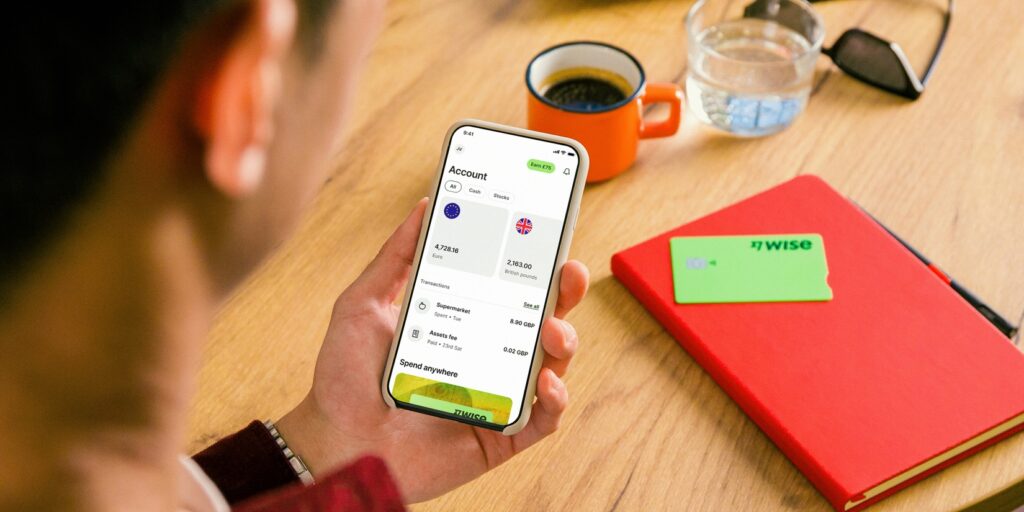
Wise is most relevant if you need to spend across currencies and move money between Japan and another country. It supports multi-currency balances, account details for supported currencies, and both physical and digital card options for eligible customers.
That can make it useful for online payments, travel spending, and sending money out of Japan. You can also read Expatica’s Wise Review and guide on How to use the Wise card in Japan for more product-specific information.
- Best for: Overseas spending, foreign-currency transfers, and everyday cross-border use

Revolut Japan: best for app-based card control

Source : Revolut Japan
Revolut can suit people who want flexible card controls inside an app. Once you’re signed up, you can create a virtual card, and the service also offers single-use cards for one-off payments.
The main limitation is recurring billing. Revolut states that single-use cards don’t work for subscriptions, so check the multi-use option and merchant compatibility before relying on it for monthly charges.
- Best for: Online shopping, travel spending, and app-based virtual-card controls
PayPay Balance Card: best for domestic online shopping

Source : PayPay
PayPay Balance Card can be practical if you already use PayPay and mainly buy from Japanese websites. PayPay’s product information says the card is issued after identity verification and doesn’t require a conventional credit-card screening process.
It’s much less useful for overseas websites, so it shouldn’t be treated as a universal payment card.
- Best for: Japanese online shopping and people already using the PayPay ecosystem
V-preca: best for prepaid online spending

Source : V-preca
V-preca is a rechargeable prepaid option for online purchases. You load funds before spending, which can make it easier to control the amount available on the card.
It can work well for one-off purchases and budgeting, but you should check its current rules before using it for subscriptions, overseas merchants, or other recurring payments.
- Best for: Prepaid budgeting and one-off online purchases
VANDLE Card: best for quick local setup

Source : Vandle Card
VANDLE Card is an app-based prepaid option for residents who want fast virtual-card issuance and basic online use. Registration centers on a phone number, which can make the initial setup relatively simple.
Fast issuance doesn’t guarantee acceptance everywhere. Overseas sites and recurring payments can still be more restrictive, so it’s best treated as a convenient local online-payment tool rather than a full cross-border setup.
- Best for: Quick prepaid setup and Japanese online purchases
What is a virtual card in Japan?
A virtual card is usually a card number, expiration date, and security code stored in an app or online account rather than printed on plastic. You can use it for online purchases and, with some products, through a compatible mobile wallet.
The important distinction is that a virtual card describes the format, not the way the product is funded. Many virtual cards in Japan are prepaid, debit-style, or balance-based products, which means you spend money you’ve already loaded or hold in an account instead of borrowing first and repaying later.
Key advantages of virtual cards in Japan
Virtual cards can give foreign residents a faster route to online payments than a full local credit-card application. They can also help you separate Japanese online purchases from overseas spending, subscriptions, or travel bookings.
The Japan Consumer Credit Association says credit-card fraud losses reached ¥55.5 billion in 2024, with most losses linked to card-number theft in online transactions. Virtual or single-use card details can therefore be useful as an additional way to manage online card exposure, depending on the provider.
For newer residents, another practical advantage is that some prepaid and balance-based products don’t depend on the same kind of credit history as a postpaid credit card. That can be useful while you’re comparing the best banks in Japan for expats and deciding how you want to organize your everyday payments.
Virtual card vs prepaid card vs physical credit card
These terms can sound interchangeable, but they describe different parts of a payment product. The table below shows the main practical differences.
| Type | How it works | Best use case | Main downside |
|---|---|---|---|
| Virtual card | Card details exist in an app or online account | Online shopping and subscriptions | Not accepted by every merchant |
| Prepaid card | You load money before spending | Budget control and one-off purchases | Recurring payments can fail |
| Physical credit card | You spend first and repay later | Larger purchases and building credit history | Approval can be harder for newcomers |
In practice, many products described casually as virtual credit cards in Japan are actually prepaid or debit-style products. That isn’t necessarily a disadvantage, but it means you should check the funding model, recurring-payment rules, and overseas acceptance before applying.
Requirements for foreigners applying for a virtual card in Japan
Requirements vary by provider and residency status. Small details such as address formatting or whether you have a Japanese phone number can affect the verification process.
Depending on the product, you may be asked for:
- A Japanese address
- A Japanese mobile number
- Electronic identity verification
- Residence-card details
- A linked bank account or funding source
- Matching name and address information
- My Number or My Number card details for some checks
If you’re still organizing your local documentation, Expatica’s guide to Japan ID and My Number explains the identification system. If a card requires local banking details, you can also read How to open a bank account in Japan.
How to choose the right virtual card
The right product depends more on your spending pattern than on how quickly you can get the card. Start with the type of payments you actually expect to make.
- Domestic online shopping: PayPay Balance Card
- Cross-border spending: Wise
- App-based virtual-card control: Revolut
- Budgeting with loaded funds: V-preca
- Fast local setup: VANDLE Card
If you decide you need a postpaid card rather than a prepaid or debit-style product, Expatica’s guide to credit cards in Japan for foreigners is a better next step.

Common limitations to check before you apply
Before signing up, check the restrictions that affect how you’ll actually use the card. Some products work well for single purchases but are less reliable for subscriptions, while others are mainly designed for Japanese merchants.
Check the following before you apply:
- Overseas merchant acceptance
- Recurring billing support
- 3D Secure support
- Top-up methods
- Mobile-wallet compatibility
- Current fees and limits
- Customer-support languages
FAQ
Frequently asked questions about virtual credit cards in Japan
Which bank gives a virtual credit card? 
Many visible virtual-card options in Japan come from fintech platforms, prepaid issuers, or app-based services rather than major banks. Banks are more likely to focus on conventional accounts and physical card products.
Can I transfer money from a virtual card to a bank account?
Usually not from the card itself. Transfers generally happen through the account or wallet behind the card rather than through the virtual card number.
Can foreigners get a virtual card in Japan without Japanese credit history?
Yes, some prepaid and balance-based products don’t rely on the same credit-history checks as a postpaid credit card. You may still need a Japanese address, local phone number, and identity verification.
Do virtual cards work for subscriptions in Japan?
Some do, but not all. Single-use, prepaid, and domestic-focused cards can have restrictions on recurring billing, so check the provider’s rules before using one for monthly payments.
Do I need a Japanese bank account or residence card to get a virtual card in Japan?
It depends on the provider. Some products mainly use app verification and a Japanese phone number, while others can ask for a residence card, linked bank account, or additional identity checks.
Sources
Expatica’s experts are all about providing the most up to date and accurate information. All guides are fact checked, and whenever we use external sources (like government websites or research papers) we’ll make a note of them here so you can check them out too.
- Wise Account availability and product information for customers in Japan, Wise account for Japan
- Countries where the Wise card is currently available, Wise Help Centre – Can I get the Wise card in my country?
- How eligible customers access and use a Wise digital card, Wise Help Centre – Getting started with your Wise digital card
- Revolut product information for customers in Japan, Revolut Japan
- Instructions for creating a Revolut virtual card, Revolut Japan Help – Creating a virtual card
- Virtual-card usage and functionality, Revolut Japan Help – What is a virtual card
- Launch details, identity verification, and merchant-use information for PayPay Balance Card, PayPay – PayPay Balance Card announcement
- Credit-card fraud trends and prevention information in Japan, Japan Consumer Credit Association – Credit-card fraud prevention guidance
- Japan cashless-payment ratio data, Ministry of Economy, Trade and Industry – Cashless payment ratio release
- Product information for the V-preca rechargeable prepaid card, V-preca official site
- Product and setup information for VANDLE Card, VANDLE Card official site