


Every time you shop in Japan without a point card, you leave a little money behind. Konbini (convenience store) snacks, supermarket runs, and online orders – it all adds up, and point programs like Rakuten Point, d Point, Ponta, and V Point let you claw some of it back.
This guide explains how point cards work in Japan, which ones suit expats, and how to use them without adding friction to your daily life.
Last checked on 22 October 2026. Check the official pages for the latest details before you sign up.
Key takeaways
- Check your nearest konbini: If you often shop at convenience stores, pick a card your local konbini accepts.
- Build on the brands you already use: If you already use Rakuten, docomo, or au, start with Rakuten Point, d Point, or Ponta.
- Match your shopping habits: Choose a broad card like d Point if you shop in many places, or WAON if you mostly shop at AEON.
- Think about how you pay: If you already pay by phone, try PayPay Points.
- Look for extra value: Convert Ponta points into JAL miles, or earn twice by showing your Rakuten Point card and paying with Rakuten Pay.
Wise Account for managing money in Japan
- Manage money across currencies
- Send money between Japan and abroad
- See transfer fees before sending

What are point cards in Japan?
Point cards in Japan are loyalty programs that reward you for shopping.
They come in several forms: a card for a single store, a program shared by many stores, or an app that combines points with mobile payments.
Most of them follow the same principle. You earn points when you pay, then spend them like cash on a future purchase. In most programs, 1 point is worth about ¥1.
Point cards matter most for everyday spending. You’ll be offered one at konbini, supermarkets, drugstores, chain cafés, and casual restaurants. For expats who have just arrived, these small savings can make a real difference while you adjust to the cost of living in Japan.

How to choose the right point card for your daily life in Japan
The best point card for you is the one that matches how you already spend. If you spread your purchases across too many programs, you collect points more slowly and lose track of expiration dates.
Before you sign up, ask yourself these questions:
- Where do you shop most, and how often?
- Do you prefer an app or a physical card?
- Do you already use a brand such as Rakuten or docomo?
- Does it work with the payment method you already use?
- Can you spend your points easily at checkout?
- Can you sign up without a Japanese phone number or local address?
If you mainly shop at one chain, a store-linked card can work well. If your spending is more mixed, a broad program is usually the better choice.

Best point cards in Japan for foreign residents
Japan has dozens of point cards, but only a handful are widely used by locals.
Last checked on 22 October 2026 against official program pages. Partner lists and rules can change.
The following table compares 7 major point systems by earning rate, redemption value, expiration rules, and participating partners.
| System | Run by | Earning rate | Redemption rate | Expiration | Main partners |
|---|---|---|---|---|---|
| Rakuten Point | Rakuten Group | 1 point per ¥100 | 1 point = ¥1 | 1 year after your last earning or use | FamilyMart, ENEOS, Yoshinoya, Gusto, KFC |
| d Point | NTT docomo | Variable based on retailer – from 1 point per ¥100 | 1 point = ¥1 | 12 months after your last earning or use | Lawson, FamilyMart, Life, ENEOS, apollostation |
| Ponta | Loyalty Marketing | 1 point per ¥100 | 1 point = ¥1 | 1 year after your last earning or use | Lawson, Lawson Store 100, Life, KFC, apollostation |
| V Point (formerly T-Point) | SMBC | 1 point per ¥100 | 1 point = ¥1 | 1 year after your last earning, use, or exchange | FamilyMart App, Welcia, TSUTAYA, ENEOS, Gusto, Yoshinoya |
| nanaco | Seven & i group | 1 point per ¥200 | 1 point = ¥1 | 2 years from earning | 7-Eleven, Ito-Yokado, and other Seven & i stores |
| WAON | AEON group | 1 point per ¥200; 2 points at AEON group stores | 1 point = ¥1 | Up to 2 years; using points does not extend it | AEON, MaxValu, Ministop, Welcia |
| PayPay Points | PayPay (SoftBank group) | 0.5% on PayPay balance, 1% on PayPay Credit, up to 1.5% | 1 point = ¥1 | No expiration | Merchants accepting PayPay across Japan |
Which point card works at which konbini
You can show only one point card per purchase, so your local konbini can decide which card is worth having.
The table below compares example accepted loyalty cards at 4 major convenience store chains.
| Konbini | Example accepted cards |
|---|---|
| 7-Eleven | nanaco |
| Lawson | Ponta or d Point |
| FamilyMart | d Point, Rakuten Point, or V Point |
| Ministop | WAON |
Rakuten Point Card

Source : Rakuten point official website
Rakuten Point Card is one of the easiest broad systems to use: scan the card or app at checkout, then spend the points across the Rakuten ecosystem and its partners. It works best for people who already use Rakuten services or shop at FamilyMart, ENEOS, or Yoshinoya.
Key advantages:
- Points can also be spent at 7-Eleven and Lawson through the Rakuten Pay app
- Showing the card and paying with Rakuten Pay earns points twice
- Points convert to ANA miles (2 points = 1 mile)
d Point

Source : d CARD official website (NTT Docomo)
d Point is a docomo service, but no docomo contract is needed to use it. It suits Lawson shoppers and people who already use docomo services.
Key advantages:
- Points can be swapped for selected Lawson products with trial coupons, often at about twice the usual value
- 1% back in d Points on Amazon orders of ¥5,000 or more, once the accounts are linked
- Points can be shared with family or friends who also use d Point
Ponta

Source: Ponta official website (Recruit)
Ponta is a broad rewards system linked to au. It is a strong choice if a weekly routine already includes Lawson, Lawson Store 100, Life, KFC, or apollostation.
Key advantages:
- Cardholders get a variety of special advantages in Lawson stores
- Works with Lawson’s trial coupons for better-value redemptions
- Points convert to JAL miles (2 points = 1 mile)
V Point (formerly T-Point)

Source : V Point official website
V Point replaced T-Point in April 2024, when it merged with SMBC’s V Point. It suits people who regularly shop at FamilyMart, Welcia, TSUTAYA, ENEOS, Gusto, or Yoshinoya.
Key advantages:
- With the V Point Pay app, points can be spent anywhere that accepts Visa contactless, in Japan and abroad
- Points last 1 year after the last earning, use, or exchange
nanaco

Source : nanaco official website (Seven & i Holdings)
nanaco is the Seven & i group’s point and e-money system, built mainly around 7-Eleven. The physical card costs ¥300, while the app is free.
Key advantages:
- The only point card accepted at 7-Eleven
- Free and quick to set up in the app
WAON

Source : WAON official website (AEON)
WAON is AEON’s point and payment system. It suits people who shop often at AEON, MaxValu, Ministop, or Welcia, and the app is free to start with.
Key advantages:
- Registered WAON members earn double points at AEON group stores
- On the 20th of each month, Welcia lets shoppers spend 200 or more WAON POINT at 1.5 times their value
PayPay Points

Source : PayPay official website
PayPay Points work inside PayPay, Japan’s most widely used QR payment app: points are earned by paying with the app, with no card to show. They suit people who already pay by phone.
Key advantages:
- Accepted by merchants across Japan
- Standard points never expire

How to get a point card in Japan
Most point card programs give you two ways to join: you can get a physical card in store, or you can register online and use an app.
If you’re still settling in, opening a bank account in Japan is usually the first step before you start thinking about points, rewards, or other daily payment tools.
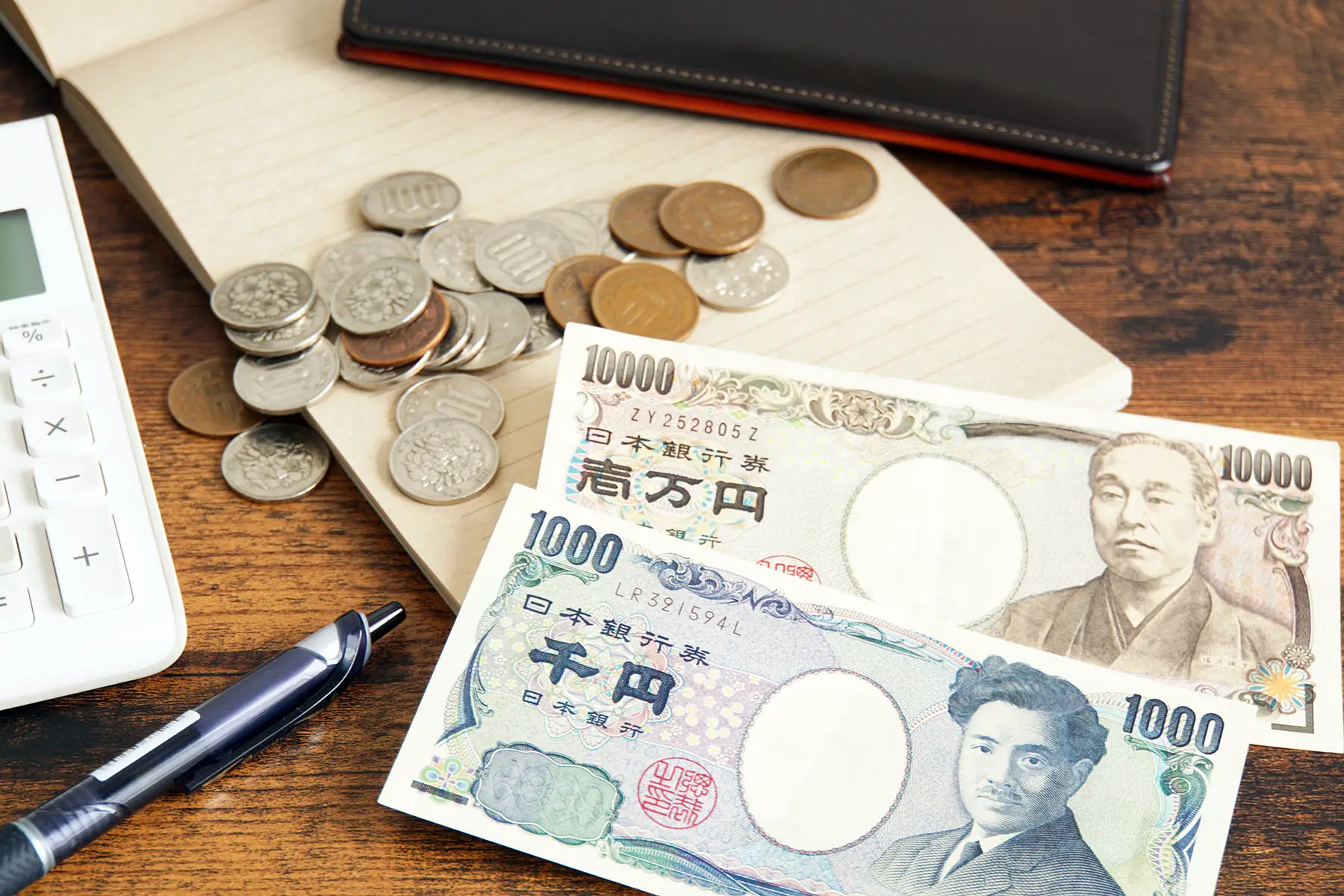
Getting a physical point card in store
Some programs still let you get a card directly at the shop or service counter. This is often the easiest route if you prefer to keep things simple.
The process usually looks like this:
Ask for a point card at the checkout or service counter
Fill in the registration form if needed
Hand in the form, or follow the staff’s instructions to register
Receive the card, either on the spot or by post
Check that it is active
Start using it on your next purchase
This option is usually best if you shop often at the same chain and want a card you can carry in your wallet. It can be less convenient if the card costs money or if you prefer to manage everything on your phone.
Getting a point card online or in an app
The app route is often easier for newcomers because you can usually register from home and show a barcode on your phone at checkout.
In many cases, this is the fastest way to start collecting points.
The process usually looks like this:
Download the official app or go to the official sign-up page.
Create an account.
Enter the requested details.
Confirm your registration.
Check that the barcode or digital card appears in the app.
This option is usually best if you want to avoid carrying another plastic card, or if you want to check your points and expiration dates in one place. It also works well for programs that offer digital-only sign-up.
How to earn more points in Japan: poi-katsu tips

In Japan, collecting points on purpose is called poi-katsu (ポイ活), short for “point activity”. You don’t need a complex strategy. The best results usually come from a few simple habits that fit into your normal routine.
Stack rewards when the rules allow it
One of the easiest ways to earn more is to use the point card first and then pay with a linked payment method. In some cases, that lets you collect rewards twice on the same purchase.
For example, you might show a Rakuten Point Card and then pay with Rakuten Pay, depending on the store and the current rules.
Use time-based offers when they match your routine
Some systems give you better value at specific times or in specific stores. At Lawson, for example, special offers can mean that Ponta and d Point offer double points from 4:00 pm to midnight on selected purchases. That’s useful if you already shop there in the evening.
Link accounts and watch local campaigns
Some systems work better when you connect them to other services. For example, linking d Point with Amazon can give you 1% back in d Points on eligible orders of ¥5,000 or more.
PayPay also runs local campaigns from time to time, and some cities offer extra points at participating shops.
Spend campaign points first
Campaign points often expire faster than standard points. If your app shows point history, use those temporary points first. That small habit can save value you might otherwise lose.
To get the very best from your card, always scan your card before you pay. If you forget, the points usually cannot be added later.
How point cards fit into your wider money setup in Japan
Point cards are a simple way to save on everyday spending in Japan, but they’re only one part of managing money here. For most newcomers, the priority is to sort out the basics first: a bank account, a payment method, and a budget for rent, groceries, and bills.
Point cards help you save on what you spend in Japan. But many expats also need to move money between countries: sending money home or paying for something overseas. That’s where Wise can help. Wise supports 40+ currencies and shows its fees upfront, so you can see what an international transfer costs before you send it.
FAQ
Frequently asked questions about point cards in Japan
Can foreigners sign up for point cards in Japan? 
Yes, many foreigners can sign up for point cards in Japan, especially if they live here. Some programs may ask for a Japanese phone number, a local address, or app registration details.
Do point cards in Japan expire?
Yes, most point cards in Japan have expiration rules, but the timing depends on the program and the type of point. Some standard points last longer than promotional points, so check the official rules before you rely on them. It’s worth reviewing your app history regularly so you don’t lose points without noticing.
What happened to the T-Point card in Japan?
T Point became V Point in 2024. Older cards can still work, but check the current V Point page for the latest partner details and rules. If you still see “T-Point” in older articles or signs, treat it as legacy branding and confirm the live version before you sign up.
Can tourists use point cards in Japan?
Some can, but short-term visitors often face more friction with app sign-up or phone-number checks. This guide is mainly for expats living in Japan. For a short stay, a system with a very simple sign-up flow is usually the easiest option.
Sources
Expatica’s experts are all about providing the most up to date and accurate information. All guides are fact checked, and whenever we use external sources (like government websites or research papers) we’ll make a note of them here so you can check them out too.
- Current partner stores and app setup, Rakuten Point Card official site
- Registration routes, member stores, and point rules, d Point official site and store locator
- Current V Point guidance and partner updates, V Point official site
- Digital card use and partner checks, Ponta official app and partner page
- Point mechanics, card fees, and validity cycle, WAON official point page
- Current referral offer terms and eligibility, Wise Help Centre
- Overview of point cards in Japan, MailMate
- Japanese points systems and payment methods, KOMOJU
- Japanese point cards explained, Savvy Tokyo
- Point cards in Japan, Japan Dev
- Making the most of convenience store point cards, Time Out Tokyo
- d Point expiration change – 12-month rolling expiration, NTT docomo
- Old d Points expiring on 2 December 2026, NTT docomo
- Amazon partnership – 1% back on eligible orders, NTT docomo
- Sharing points with family or friends, d Point Club
- Ponta expiration rules, au
- Ponta at Lawson – double points after 4:00 pm, au
- Trial coupons for Ponta and d Point, Lawson
- Ponta to JAL miles exchange, JAL
- Rakuten points to ANA miles exchange, ANA
- Rakuten Pay app and point payments, Apple App Store
- Using points and campaign point expiration, Rakuten Card
- Rakuten Point at Yoshinoya, Yoshinoya
- Rakuten Point, d Point, and V Point at ENEOS, ENEOS app
- V Point merger, V Point Pay, and expiration rules, SMBC
- V Point partner stores and app, Apple App Store
- Point cards accepted at FamilyMart, FamilyMart
- Welcia customer appreciation day and WAON POINT, Welcia
- WAON POINT expiration rules, smart WAON
- Ponta at apollostation, Loyalty Marketing
- PayPay Step earning rates and identity checks, PayPay
- Earning PayPay Points, expiration, and local campaigns, PayPay
- PayPay card vouchers and other credit cards, PayPay
- Rakuten Point and Ponta at KFC, Gourmet Watch / Impress
- Rakuten Point, V Point, and d Point at Gusto, Impress Watch
- PayPay users in Japan, Impress Watch
- Ponta and d Point at Life, ASCII
- d Point at apollostation, Paymentnavi
- Seven Card Plus application closure, DX Magazine


