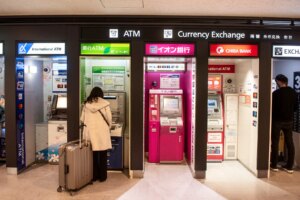
In 2025, cashless payments reached 58% in Japan, showing how much card and mobile payments have grown. If you’re deciding between cash or card in Japan, this guide explains where each works best, how Integrated Circuit (IC) cards fit in, and what to watch for with ATMs, card fees, and currency conversion.
If you are wondering about paying by cash or card in Japan, the safest approach is still to carry a mix of payment methods. That gives you flexibility in cities, a backup in cash-only places, and a smoother way to handle trains, small shops, temples and rural travel.
Key takeaways
- Japan is progressing towards being a cashless society, but cash is still an important payment method
- Sometimes IC cards (Integrated Circuit cards) are accepted where debit cards are not – these can be bought in Japan on arrival
- Not all Japanese ATMs can be used with an international debit card, so check suitability before you make a withdrawal
- You can bring cash with you to Japan, make withdrawals on arrival or use a mix of cash and card when you travel
- If you use a foreign card in Japan watch out for your card provider’s foreign transaction fees and always pay in JPY if the merchant offers the option to pay in your home currency
Wise for managing money in Japan
- Hold and convert supported currencies for spending in Japan.
- Use Wise with cash and an IC card for everyday payments.
- See rates and fees before converting or sending money.

Is Japan still a cash society in 2026?
Japan is no longer the cash-first society many travelers still imagine, but it isn’t fully cashless either. Card acceptance has expanded, IC cards are deeply embedded in daily transport, and Quick Response (QR) payments are now common in many urban settings. An IC card is similar to a transit card, but it can often be used in Japanese stores as well as on transport.
Cash remains important for several reasons. Large cities such as Tokyo, Osaka, and Kyoto are much easier for card users than smaller towns and rural areas. A lot of everyday spending in Japan also happens at low-value, high-frequency points such as vending machines, station kiosks, local eateries, shrine donations, ticket machines, and small independent businesses.
Is it better to use cash or card in Japan?
The answer depends on who you are and how you travel. For most people, the practical solution is not to choose cash or card exclusively, but to combine both.
The following table summarizes a practical payment mix for different types of visitors and residents.
| Profile | Best payment mix | Verdict |
|---|---|---|
| Tourist in a major city | Card + some cash + IC card | Card-led, cash as backup |
| Tourist with mixed city and rural travel | Card + more cash + IC card | Balanced approach |
| Tourist in rural Japan | More cash + card backup | Cash remains important |
| Expat in Japan | Card + mobile payments + emergency cash | Flexible everyday setup |
For tourists
If you’re visiting Japan for a short trip, cards are usually the easiest way to handle hotels, larger purchases, and mainstream retail. Cash still matters for smaller purchases, rural stops, and places where card acceptance is limited.
Tourists tend to do best with a simple setup:
- One reliable bank card
- Some cash on hand
- An IC card for transport and small purchases
That combination covers most daily situations without overcomplicating things. It also means you’re less likely to get stuck at a cash-only counter or on public transportation without an easy payment option.
For expats
Expats in Japan often need a slightly different strategy. You may be paying rent, shopping regularly, commuting often, and sending money abroad at the same time. That makes reliability and cost control more important than convenience alone.
Cards, mobile payments, and bank transfers are useful for day-to-day life, but expats should still keep cash for:
- Local businesses that don’t accept cards
- Emergencies
- Transport disruptions
- Household or neighborhood spending
- Occasional cash-only administrative or deposit situations
If you also move money internationally, a multi-currency setup such as Wise can be helpful because it gives you a way to spend and send money using the mid-market exchange rate, with applicable fees shown before you confirm.

Best way to pay for things in Japan
There is no single payment method that works best for every situation in Japan. You’ll need to choose the right method for the place and purchase.
Cash
Cash remains one of the most widely usable payment options in Japan.
Cash is also a useful backup if your card is declined or your phone battery runs low. The downside is that it’s less convenient than tapping a card, and it’s easy to underestimate how much you’ll need in a day.
Credit and debit cards
Credit and debit cards are widely accepted in Japan, particularly in hotels, department stores, chain restaurants, and convenience stores. They are useful for larger purchases and for travelers who want to carry less cash.
If you use a foreign card, there are 2 things to watch closely. First, check whether your bank charges foreign transaction or cash withdrawal fees. Second, pay attention to dynamic currency conversion (DCC). This is when a terminal offers to charge you in your home currency instead of yen.
If you’re offered DCC, choosing Japanese yen (JPY) means your card issuer handles the currency conversion instead of the merchant’s DCC rate. Check your card provider’s exchange rate and fees before you decide.
A Wise card can also be useful here. It may help you pay in yen while keeping the conversion process more transparent, which can be useful for both travelers and expats.
IC cards: Suica, PASMO, ICOCA
IC cards such as Suica, PASMO, and ICOCA are practical payment tools in Japan. They are especially useful for trains, buses, convenience stores, vending machines, and small everyday purchases.
Think of them as a bridge between cash and a bank card. They are fast and convenient, but they are not a full replacement for either one.
Their biggest advantage is speed. You can tap in and out of stations, buy drinks or snacks, and avoid handling coins during busy commuter hours. Their main limitation is that they can’t be used in every payment situation, especially outside major cities.
Paying for trains with your bank card

In some places, you can pay for train tickets or rail travel with your bank card. However, this isn’t as universal or frictionless as using an IC card.
A bank card works best when:
- The route or operator explicitly supports card payment
- You’re booking online
- You’re making a larger or one-off purchase
An IC card is usually better when:
- You’re commuting
- You’re changing lines often
- You want one tap-based system that works across transport and small purchases
If you are staying in Japan for more than a few days, an IC card is often the more practical transport tool. For more detail on how transit fits into everyday life, see Expatica’s guide to public transportation in Japan.
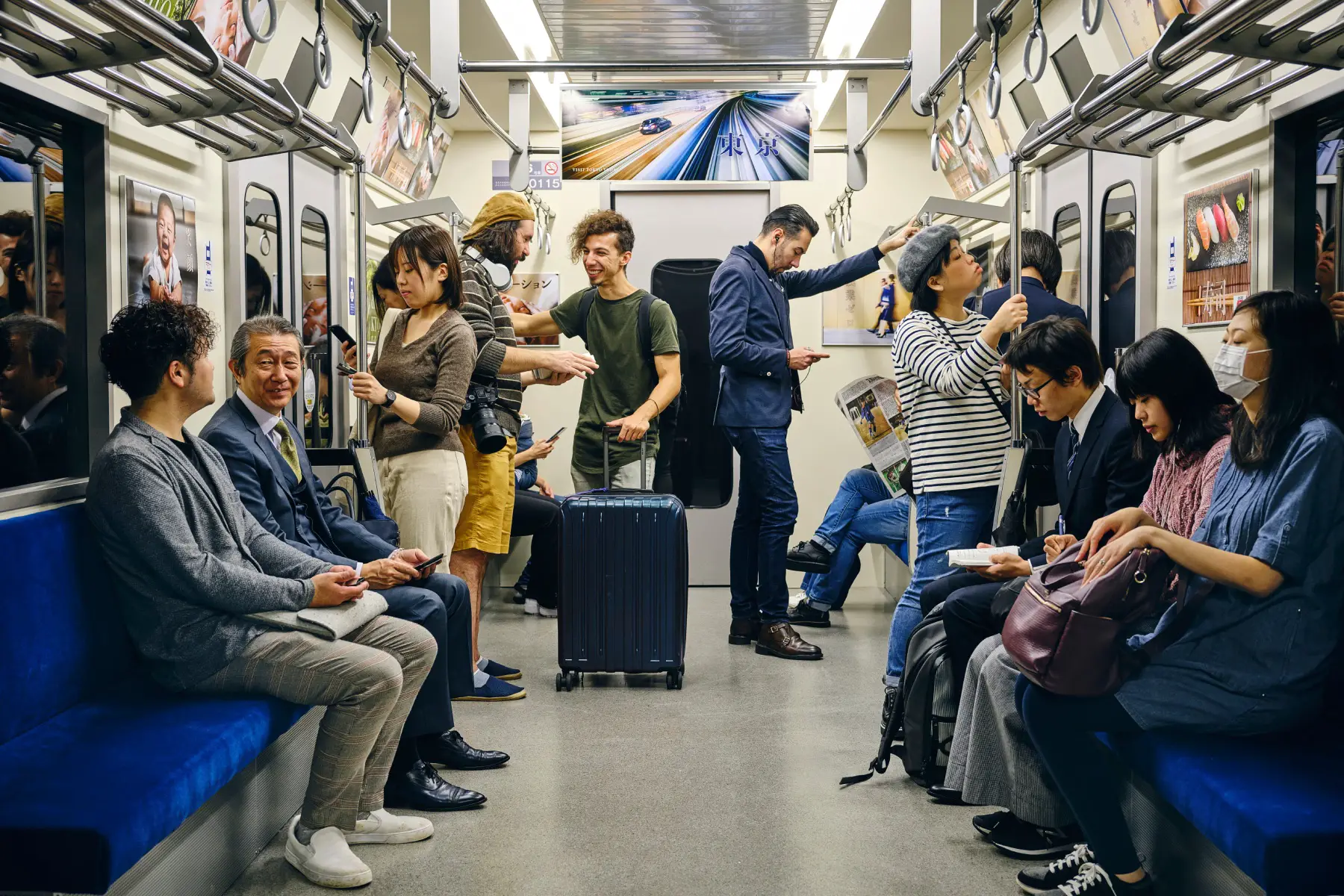
Mobile wallets and QR codes
Mobile wallets are now part of everyday life in many Japanese cities. Apple Pay and Google Pay may work depending on your device and card setup, while Japanese QR systems are also widely used.
One major local app is PayPay. PayPay is not always the easiest payment app for newcomers. Depending on your setup, it may require a Japanese phone number, local registration steps, or some extra familiarization.
For long-term expats, learning how local QR payment apps work can be useful. For short-stay visitors, a bank card, cash, and an IC card are usually enough for everyday spending.
Where you still need cash in Japan
Even in 2026, there are still situations where cash is the safer option. The following table summarizes common examples.
| Place | Cash | Card | Notes |
|---|---|---|---|
| Restaurants | Often yes | Sometimes | Small or family-run places may still prefer cash |
| Temples and shrines | Usually yes | Rarely | Bring small notes and coins |
| Ticket machines | Often yes | Sometimes | Older machines can be cash-only |
| Taxis | Often yes | Sometimes | Urban card acceptance is improving, but it isn’t universal |
| Rural areas | Yes | Less reliable | Cash is a useful backup |
The more local, traditional, or low-tech the setting, the more likely cash is to matter. Urban card acceptance doesn’t automatically extend to every part of the country, which can surprise travelers coming from places where card payment is common even in remote areas.
How much cash should you bring to Japan?
A practical estimate depends on whether you’re mostly staying in cities, mixing city and rural travel, or spending time outside the main urban centers.
For Tourists
The following estimates provide a starting point for how much cash to keep available.
| Travel style | Suggested cash to carry | Why |
|---|---|---|
| City trip | ¥5,000 to ¥10,000 per person | Cards and IC cards will cover more spending |
| Mixed trip | ¥10,000 to ¥20,000 per person | You may encounter cash-only cafés, temples, or small shops |
| Rural trip | ¥20,000+ per person | Cash becomes more important |
These amounts are general estimates and will vary by itinerary and spending habits.
A sensible rule is to carry enough cash for 1 or 2 days of ordinary spending, then top up as needed. That gives you flexibility without forcing you to carry too much cash all the time.
For expats
If you live in Japan, it can be worth keeping a cash reserve at home. A useful emergency buffer may be around ¥20,000 to ¥50,000 depending on your household needs and how often you use cards or mobile payments.
That reserve can help with:
- Temporary card issues
- Short-notice transport
- Cash-only errands
- Delivery or neighborhood spending
- Unexpected administrative or deposit situations
The point is not to live cash-heavy, but to be ready for situations when cash is still the easiest answer.
For broader household budgeting, Expatica’s guide to the cost of living in Japan covers everyday expenses beyond payment methods.
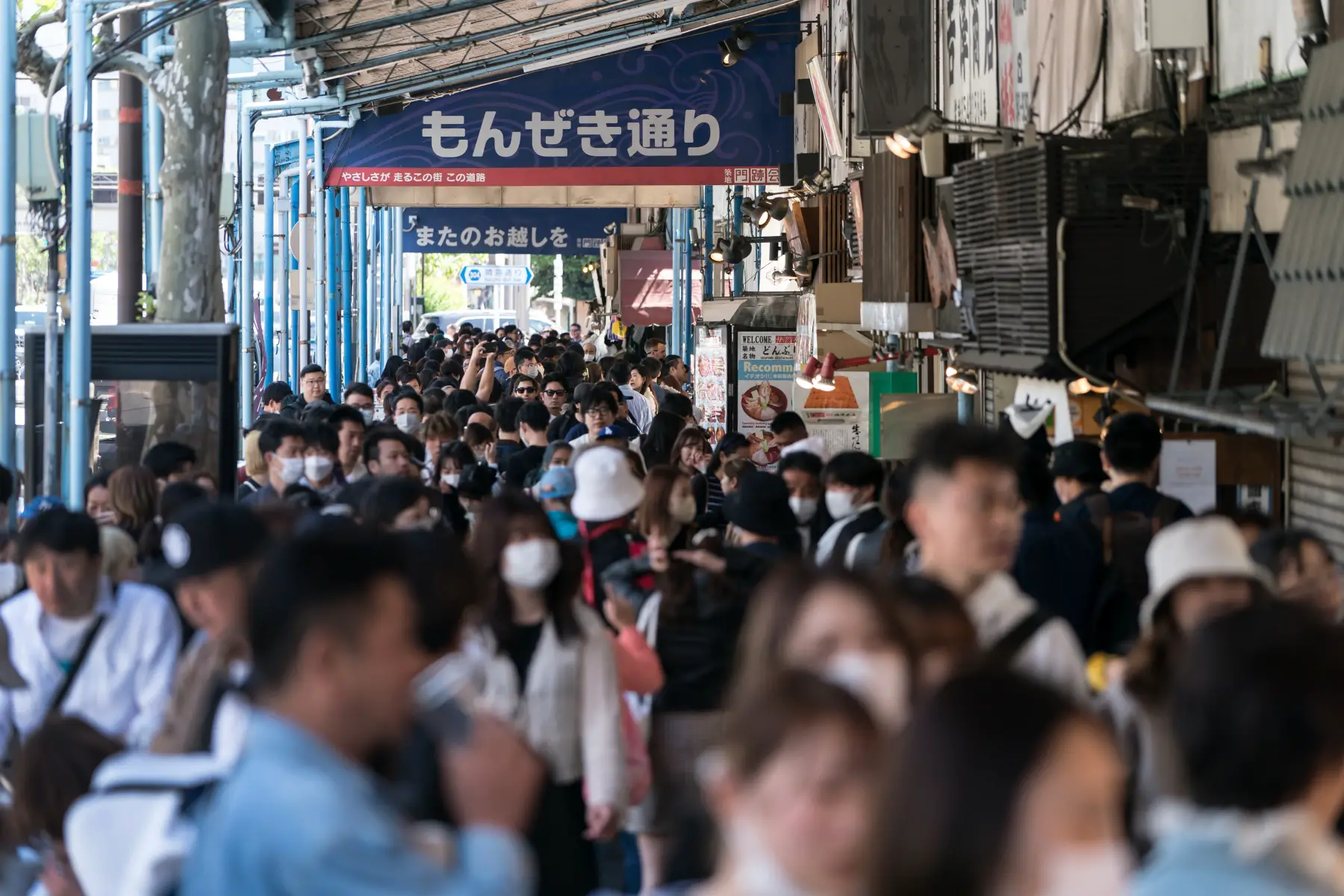
Getting cash in Japan
If you need more yen while you’re in Japan, you have several options. The easiest one is often to withdraw cash locally, but it helps to know where foreign cards are most likely to work.

Should you bring cash or withdraw from an ATM?
For most travelers, the practical answer is to do both.
Bring some cash if:
- You want a buffer when you land
- You don’t want to rely on an ATM straight away
- You’re arriving late at night
- You want immediate backup for transport or food
Withdraw from an ATM if:
- You want to avoid carrying too much cash
- Your bank offers reasonable overseas withdrawal terms
- You prefer to top up as needed
A hybrid approach is usually the easiest: bring enough for the first part of your trip, then use an ATM if you need more.
Which ATMs accept foreign cards?
Not every ATM in Japan is equally foreign-card-friendly. Two useful options for many overseas visitors are:
These are widely used by international cardholders and are often practical places to start if you need English-language menus and international card support.
Before using an ATM, check:
- Whether your card brand is accepted
- What withdrawal limits apply
- What fees your own bank may charge
- Whether the ATM is available when you need it
Currency exchange: airports, banks, and exchange shops
You can exchange money in Japan, but each option has trade-offs.
- Airports: convenient on arrival and easy to find, but rates may be less competitive
- Banks: a formal option, although service availability and convenience can vary
- Exchange shops: useful in larger cities and worth comparing if you plan to exchange a larger amount
For many travelers, ATMs remain one of the easiest options. If you prefer to arrive with yen already in your wallet, airport exchange can still be useful as a backup plan.
A practical way to spend and send money with Wise
If you want one setup that can help with both spending and transfers, Wise is worth considering as part of a broader payment strategy.
For travelers, Wise can help you hold supported currencies and spend in yen where the card is accepted. For expats, it can also provide another way to send money abroad for bills, family support, or savings.
Wise is not a replacement for cash in Japan, but it can be a useful part of a broader money strategy. If you are heading to Japan soon, it can be worth setting up a Wise Account before you travel so you are ready to spend and send without unnecessary friction.
FAQ
Frequently asked questions about cash or card in Japan
Can foreigners use PayPay? 
Foreigners can sometimes use PayPay, but setup may not be straightforward. It can depend on your phone number, verification steps, and account configuration, so short-stay visitors may prefer other payment methods.
Can foreign cards and contactless payments work?
Yes, many foreign cards and contactless payments work in Japan, especially in hotels, department stores, and major chains. Acceptance still varies by merchant, terminal, and region, so carrying backup cash is useful.
Can I use my foreign debit or credit card in Japan?
Yes, many foreign debit and credit cards work in Japan, particularly major international brands. Acceptance is not universal, so keep another payment method and some cash available.
Do taxis and vending machines in Japan take cards?
Some urban taxis accept cards, but not all do. Vending machine payment options also vary, with cash and IC cards remaining useful backups.
Is Suica or PASMO better than using a bank card?
Suica and PASMO are often more practical for transport and small everyday purchases, while bank cards can be more convenient for larger payments. Many travelers use both.
Is it better to use cash or card in Japan?
A combination of both is usually the most practical approach. Cards work well in many urban settings, while cash remains useful for smaller venues, rural trips, and some traditional or low-tech payment points.
What is the best way to pay in Japan as a tourist?
For most tourists, a bank card, some cash, and an IC card provide a flexible setup for hotels, transport, everyday purchases, and cash-only situations.
Do you need cash in Tokyo?
Yes, carrying some cash in Tokyo is still useful. Many places accept cards, but smaller restaurants, vending machines, and some local services may use cash or other payment methods.
Sources
Expatica’s experts are all about providing the most up to date and accurate information. All guides are fact checked, and whenever we use external sources (like government websites or research papers) we’ll make a note of them here so you can check them out too.
- 2025 cashless payment ratio and calculation methodology, 2025 Ratio of Cashless Payment Among the Total Amount Paid by Consumers Calculated – METI
- Where cashless payments may and may not be accepted in Japan, Cashless payments in Japan – Japan National Tourism Organization
- General visitor information and payment-related travel guidance, FAQ – Japan National Tourism Organization
- ATM access for cards issued overseas, ATMs for cards issued overseas – Seven Bank
- ATM services for overseas-issued cards, International ATM service – Japan Post Bank
- Welcome Suica information for transport and supported purchases, Welcome Suica – JR East
- PASMO information for visitors to Japan, Tourist PASMO – PASMO
- Background on Japan's cashless payment initiatives, Japan Cashless Promotion Council – Tokyo FinTech
- Reporting on payment trends and cash use in Japan, Cashless payment reporting – Asahi
- Reporting on Japan's 2025 cashless payment ratio, Cashless payment reporting – Yahoo! Japan Expert
- Guidance on using transit cards with Apple devices in Japan, Using Suica, PASMO, or ICOCA in Apple Wallet – Apple Support
- Background on Japanese money culture and payment customs, Money culture in Japan – JCB Special Offers
- Practical information about money and payments while traveling in Japan, Money in Japan – Japan Travel
- Traveler guidance on cash, cards, and money in Japan, Money in Japan – Boutique Japan
- Practical comparison of cash and card use for travelers in Japan, Cash or card in Japan – Trip2Local