
'%20id='ico-down'%20stroke='%23000000'%20stroke-width='1.5'%3e%3cg%20transform='translate(1092.250000,%20254.750000)'%3e%3cpolyline%20id='Path-2-Copy-4'%20transform='translate(5.500000,%202.750000)%20scale(1,%20-1)%20rotate(-180.000000)%20translate(-5.500000,%20-2.750000)%20'%20points='0%200%205.5%205.5%2011%200'%3e%3c/polyline%3e%3c/g%3e%3c/g%3e%3c/g%3e%3c/svg%3e)


Healthcare
Healthcare Basics
Emergency numbers in Germany
Urgencies can be scary in any language, but don’t get caught out! Here’s what you need to know about finding the right emergency number in Germany.

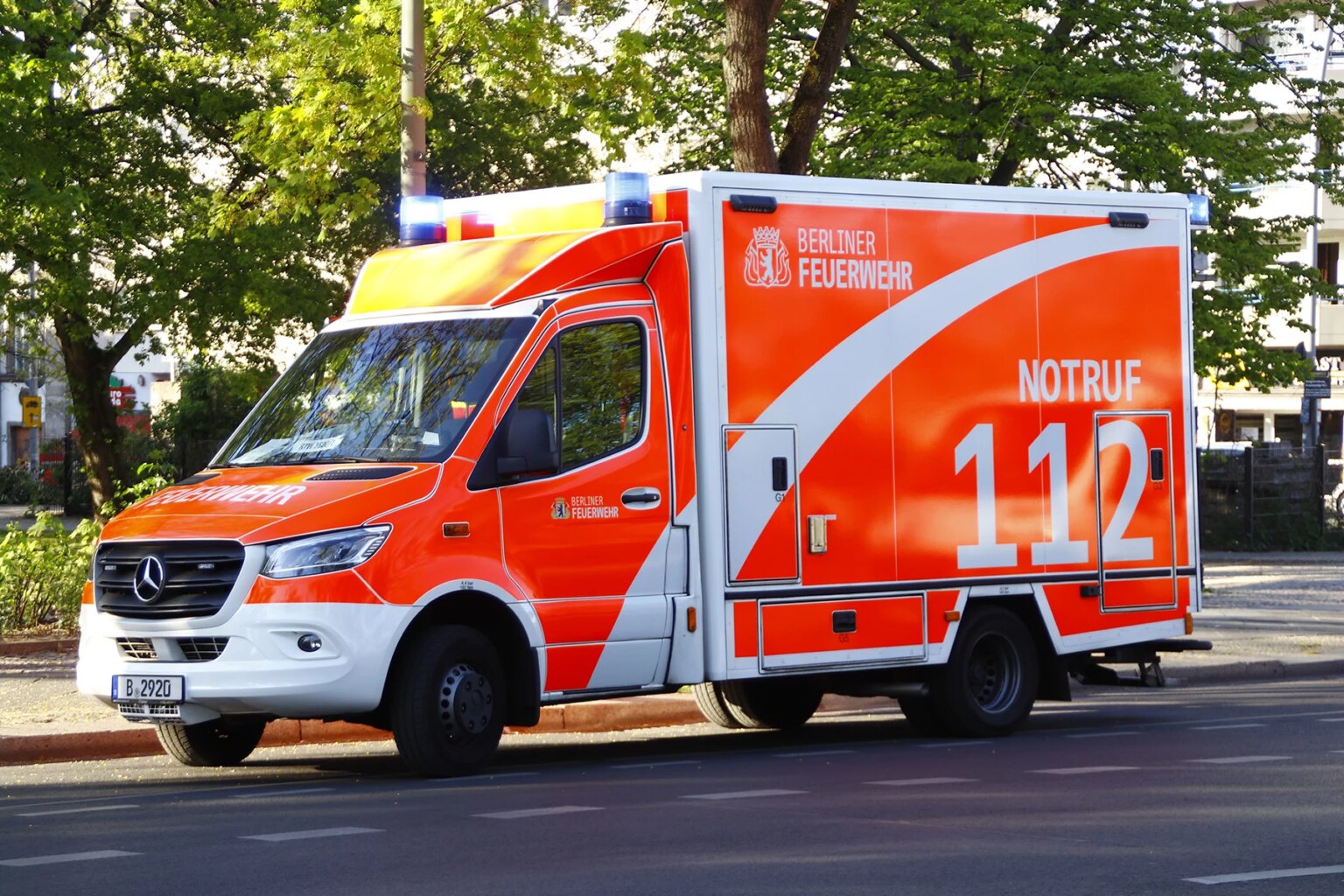
Germany is one of the safest countries in the European Union, but it’s important to make sure you and your family are prepared for any potential emergency, accident, or crime. If you have a life-threatening crisis, you can call the Europe-wide emergency phone number 112.
For other non-serious situations, you can call the following:
Allianz Care
Allianz Care is a world leader in providing international health insurance. Their various premiums provide professionally designed solutions for a variety of expat lifestyles. So, wherever your life takes you, make sure you have the right health protection for you and your family with Allianz Care.

Emergency numbers in Germany
There are three main emergency services in Germany, the emergency medical service (Rettungsdienst), the police (Polizei), and the fire service (Feuerwehr). Since emergency services are operated at the state level, each of the 16 German states is responsible for arranging their own local emergency care.
In an emergency in Germany, call one of the following numbers from any telephone:
- Police: 110
- Fire service: 112
- Medical service: 112
You should call these emergency numbers when in any life-threatening situation in Germany, including major medical issues, fire-related incidents, or serious crimes.
Numbers for people living with a disability
Unfortunately, there are no nationwide emergency numbers for people with hearing impairments. In some cities, there are regional emergency numbers that you can also contact via WhatsApp or SMS.
Other options for voice-free emergency calls include private providers such as Handhelp, Tess, MeinNotruf, and InstantHelp.
Fire services in Germany
There are three kinds of firefighters in Germany. Firstly, most of Germany’s firefighters are members of voluntary fire brigades (Freiwillige Feuerwehr). There’s also a smaller number working in professional fire brigades and the remainder are members of the compulsory fire service (Pflichtfeuerwehr).
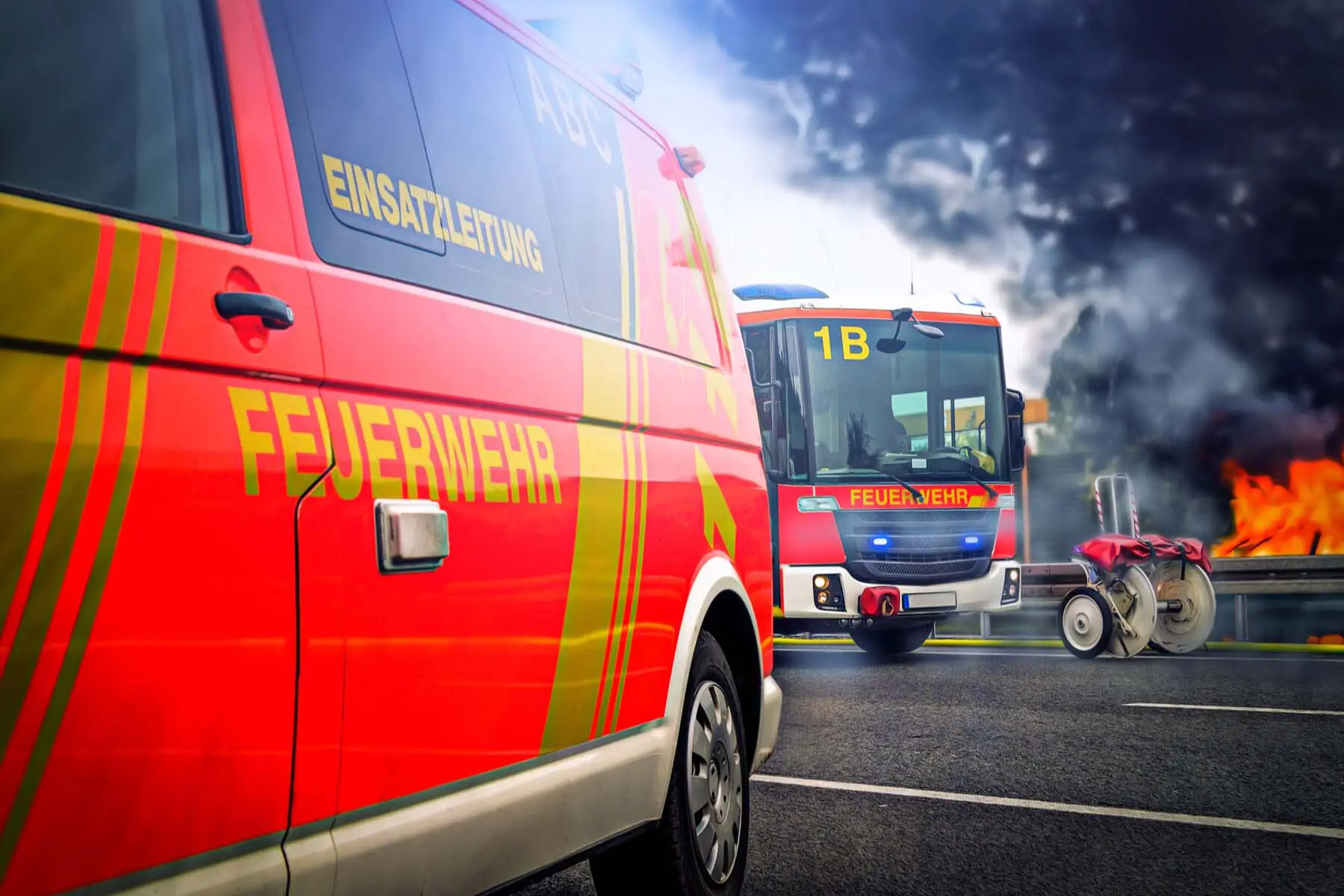
In addition to fighting fires, the German fire brigade deals with other tasks in the community, including fire prevention, protection against hazardous materials, emergency rescue, and water rescue.
You can call 112, the main emergency number in Germany, from any phone to speak to the fire brigade. The German fire brigade advises you call regardless of the severity of the fire, even if you think you could put it out yourself.
Police in Germany
The state police (Landespolizei) deals with responses to emergencies in Germany. It is sometimes aided by the federal police (Bundespolizei or BPOL) when dealing with major disturbances or other emergencies. The German federal police has several divisions, such as law enforcement, border police, railway police, aviation police, and riot police.
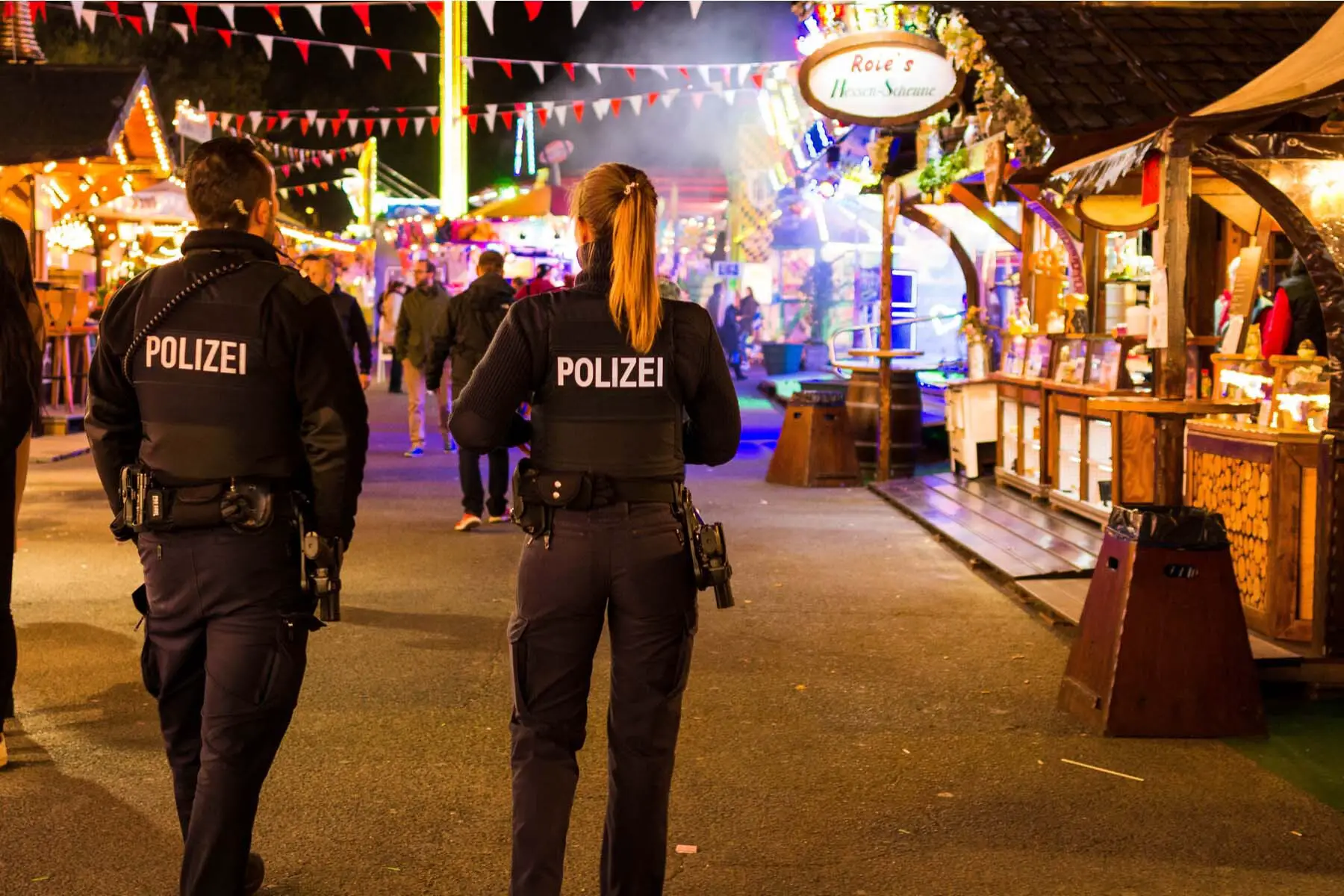
You can contact the police in an emergency by calling 110 from any phone. This emergency number routes you to the nearest police station in Germany. If you want to contact the police outside of an emergency (for example, to report a minor crime), call 0800 6 888 000.
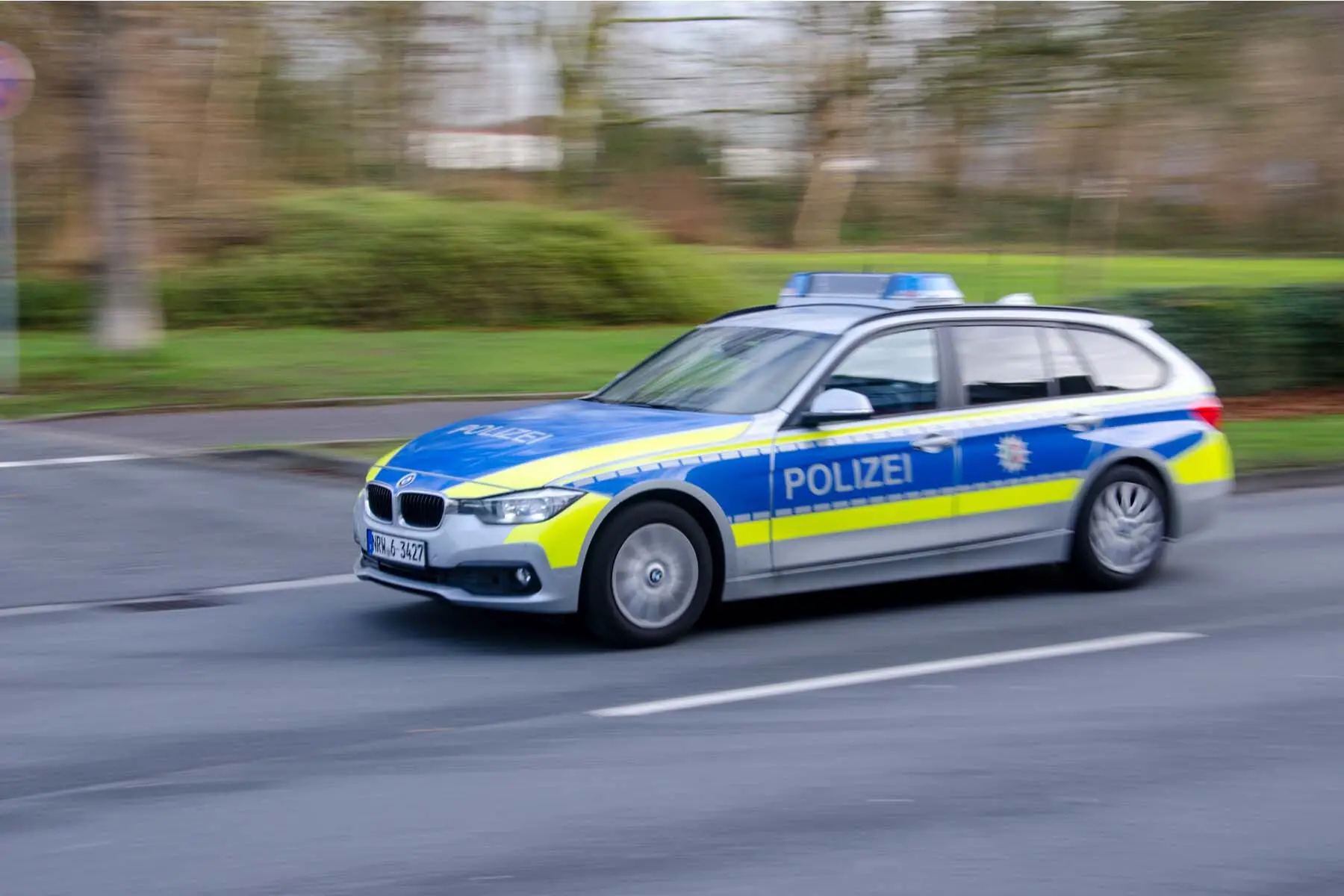
German police can be identified by their beige uniforms as well as their green and white vehicles. Most German police officers speak English and they should also be easily identifiable in places like train stations and airports.
Healthcare and accidents in Germany
If you need medical help in an emergency, call the main emergency number in Germany (112) from any phone. It is possible to visit your local hospital’s emergency room or accident and emergency department (Notaufnahme) yourself, but if the situation is life-threatening, you should always call 112.
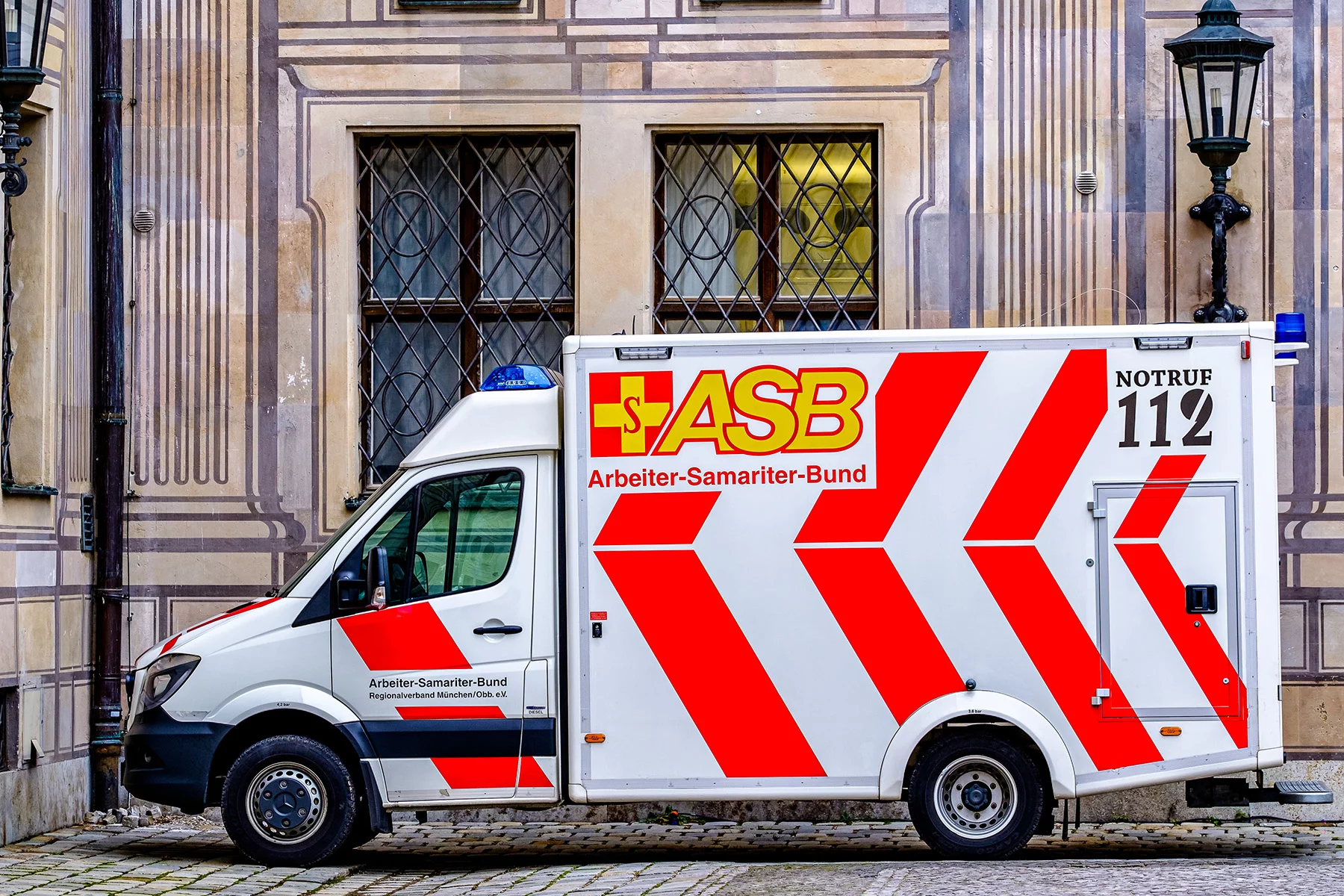
For less serious medical issues, you can call 116 117 to speak to an on-call doctor or you can also contact the nursing advice line on 00800 4759 2330. To speak to an on-call pharmacist, call 0800 002 28 33 from a landline or you can also dial 22 8 33 from a mobile phone.
You can generally find emergency doctors in local newspapers, listed under the headings Ärztlicher Notdienst or Ärztlicher Bereitschaftsdienst. If in doubt, you can also contact your local surgery, which should have contact details for the on-call doctor on its answerphone message.
In non-emergency situations, you can make an appointment to see your general practitioner (Hausarzt). Your doctor can then assess your symptoms and advise you of the next steps, which could include writing you a prescription or making you an appointment at the hospital to get specialist help. If you don’t yet have a GP in Germany, you can also find details on the Ministry of Health website.
Wise
Are you an expat or thinking of moving to Germany? Wise offers expats an easy way to manage money across borders. You can open a Euro account with a local account details to receive funds, pay bills, and send money without hidden fees.The Wise multi-currency account lets you hold and convert over 40 currencies, send money to more than 140 countries, and spend in 150 countries with the Wise debit card.
Mental health services in Germany
Germany boasts a good mental healthcare system. You can make an appointment to speak to a psychologist (Psychologe) or psychiatrist (Psychiater) by visiting your doctor or also by contacting a specialist privately.
Most German hospitals in major cities generally have specialist centers for people who require mental health support, with access to psychiatrists, psychologists, nurses, and social workers. However, in smaller municipalities, you may need to go to your doctor in the first instance.
You can also get advice from the following organizations:
- German Network for Mental Health: directory of mental health professionals available online.
- TelefonSeelsorge: counseling and advice available online and also by telephone on 0800 111 0111, 0800 111 022, or 116 123.
- Therapy Route: directory of psychologists in Germany.
For more information, read our guide to mental healthcare in Germany.
Drug and alcohol services in Germany
- Guttempler: support for alcohol, medication, and drug problems, available online and also by telephone on 0180 365 2407. Most consultants only speak German, however.
- Alcoholics Anonymous (Anonyme Alkoholiker): support as well as group meetings for people with alcohol problems. Available online and also by calling 8731 32573 12.
- Bundesamt für Verbraucherschutz und Lebensmittelsicherheit (BVL): list of poison or toxic substance information centers available online.
Children, family, and youth services in Germany
- Caritas: advice for parents and young people, available online.
- Caritas Jugendhilfe: support for young people in Germany online and also by calling 09502/9246-0.
- NumberGegen Kummer: anonymous help and support for children and young people, available online, as well as by calling 0800/111 05 50.
Crime-related services in Germany
Sexual violence
- Hilfe-Portal Sexueller Missbrauch: online portal offering directory of local help services for victims of sexual abuse. The Hilfetelefon helpline is available by calling 08000 116 016 and also online.
- gov.uk: online advice on how British expats should report rape or sexual assault in Germany.
Terrorism
- United Nations: Advice on German government assistance as well as legal resources for terrorism victims, available online.
- Bundesamt für Verfassungsschutz (BfV): hotline available to report suspicious behavior and terrorist acts. Call 0221 792 3366 or also online.
Fraud
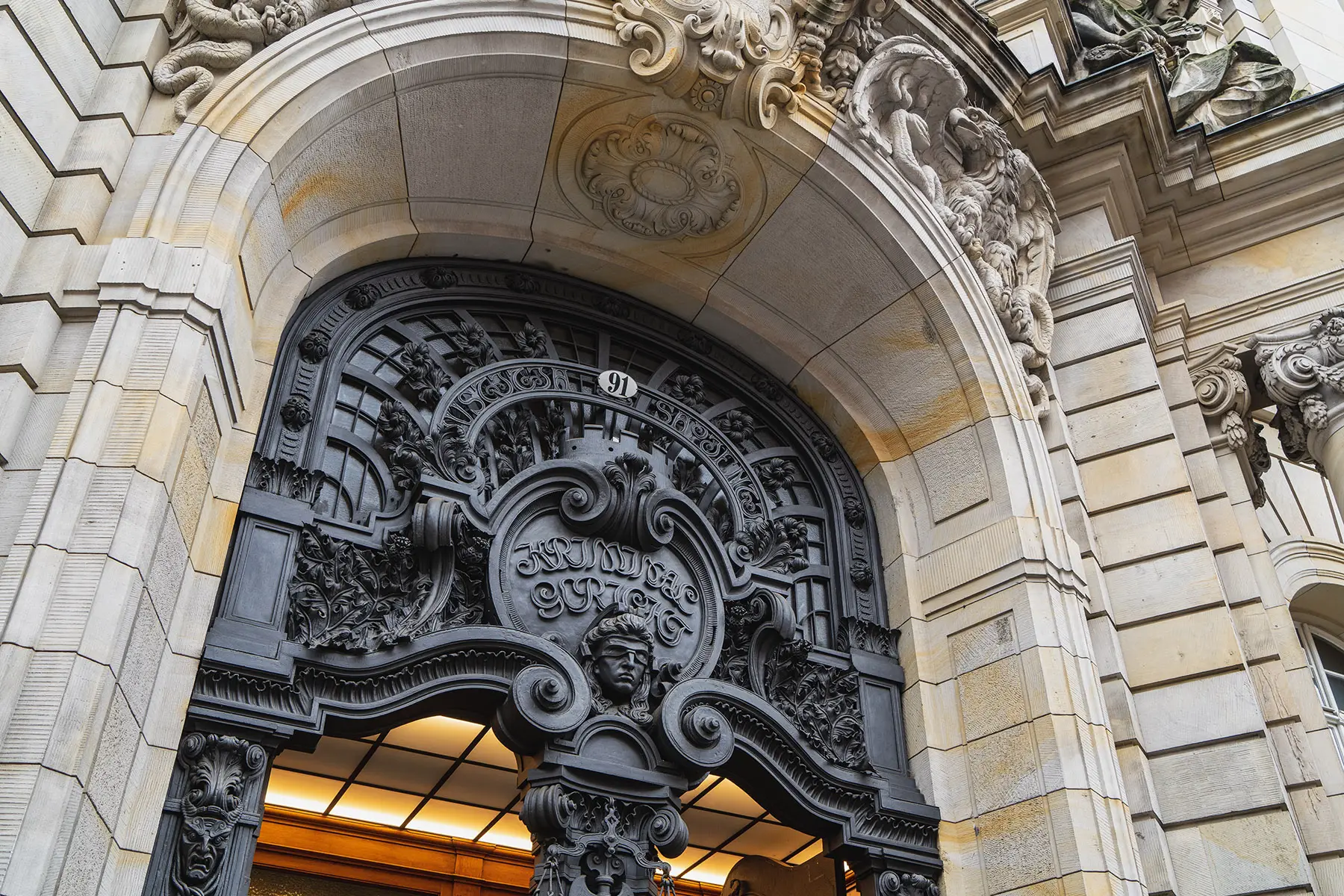
- Local police: you should report fraudulent activity to the police. Visit a local police office branch or also look up the details of your local police force online.
- European Anti-Fraud Office (OLAF): serious frauds can be reported to OLAF, either on the OLAF website or by mail.
Utility and telecommunications services in Germany
In the event of an emergency such as a suspected gas leak, call the fire brigade on 112. To report outages, you should call your supplier directly. Contact details for the main utility suppliers in Berlin and Munich are also available below.
Berlin
- Electricity: Vattenfall – 01801 267 267
- Gas: Gasag – 01801 427 242
- Telephone: Deutsche Telekom – 0228 1810
Munich
- Electricity: Stadtwerke München GmbH (SWM): M-Strom – 089 381 01 01
- Water: Stadtwerke München GmbH (SWM): M-Wasser – 089 182 052
- Gas: Stadtwerke München GmbH (SWM): M-Erdgas – 089 153 016
Road and traffic emergencies in Germany
If you experience an emergency or accident on a major road, such as the Autobahn, you should turn on your hazard lights (use the triangle button on your dashboard) and park to the side of the road. You must also set up your warning triangle behind your car.
Generally, you should only stop on the Autobahn in a genuine emergency; in fact, doing so without good cause is illegal.
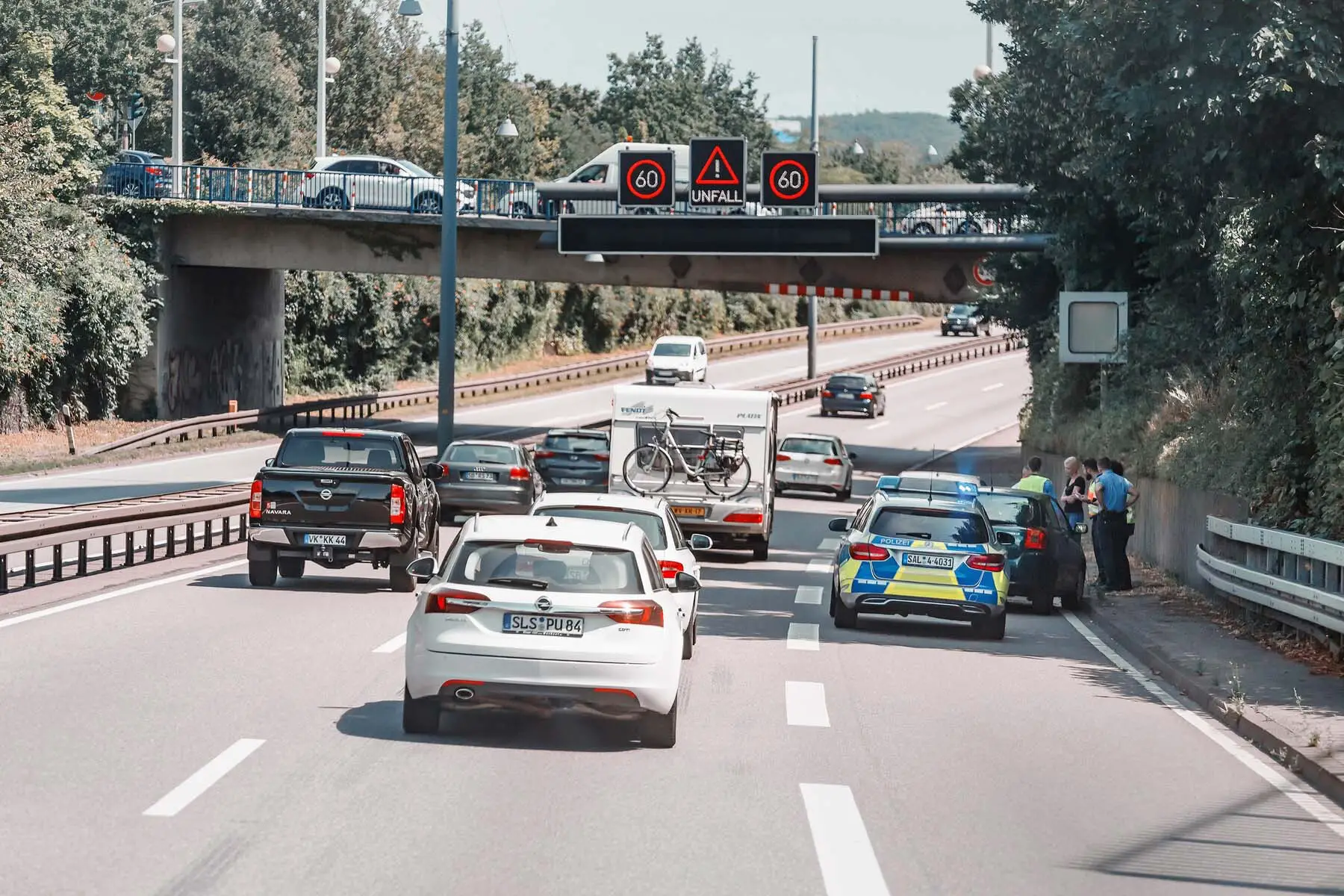
When you’re in an emergency situation, call the police or fire brigade at an emergency number in Germany (110 or 112). If you don’t have a phone with you, however, there are orange emergency phones on the side of the main roads. If you can’t find the emergency phone, look for posts at the roadside with arrows pointing towards the nearest one.
Should you encounter an emergency while traveling on a train, the same protocol of calling 110 or 112 applies. If you see something that you don’t consider to be an emergency (e.g., vandalism, petty crime), you can call the railway police (Bahnpolizei) hotline at 0800 6 888 000.
LGBTQ+ services in Germany
- Lesbian and Gay Association in Germany (Lesben- und Schwulenverband or LSVD): membership organization supporting the interests of LGBTQ+ people in Germany. Find out more online or also by calling 0221 925 96 10 for general enquiries or 0221 9259 6126 for the counselling hotline.
Homelessness services in Germany
- Rise Foundation: non-profit organization offering support for homeless people.
- Berliner Kaltehilfe: charity offering support for homeless people in Berlin.
- Bethel: homeless mission offering support in North Rhine-Westphalia as well as Lower Saxony.
Animal services in Germany
- Deutscher Tierschutzbund: German Animal Welfare Federation, with 16 regional associations in addition to 550 animal shelters across Germany.
- WTG E.V: international animal welfare charity with a branch in Berlin.
- Tierschutzverein für Berlin: long-standing animal protection charity in Berlin.
- Four Paws International: global animal welfare organization.
Embassies and services for foreign nationals in Germany
Germany is a large country with tourists and residents from all over the world, so chances are that your country has an embassy here, too. EmbassyPages has a complete directory of embassies and consulates located in Germany along with their respective emergency number.
Here are the details of some of the most relevant embassies for foreign residents and tourists:
- Netherlands: The Embassy of the Netherlands in Berlin is located at Klosterstraße 50. Their phone number is +49 30 20 95 60. The Netherlands also maintains Consulates in Aachen, Bremen, Cologne, Düsseldorf, Emden, Frankfurt am Main, Hamburg, Hanover, Kleve, Munich, Münster, and Nürnberg.
- Poland: The Embassy of Poland in Berlin is located at Richard-Strauss-Straße 11. Their phone numbers are +49 30 22 31 32 01 and +49 30 70 01 48 01 (emergencies only). Poland also has Consulates in Braunschweig, Cologne, Düsseldorf, Hamburg, Leipzig, Munich, and Schwerin.
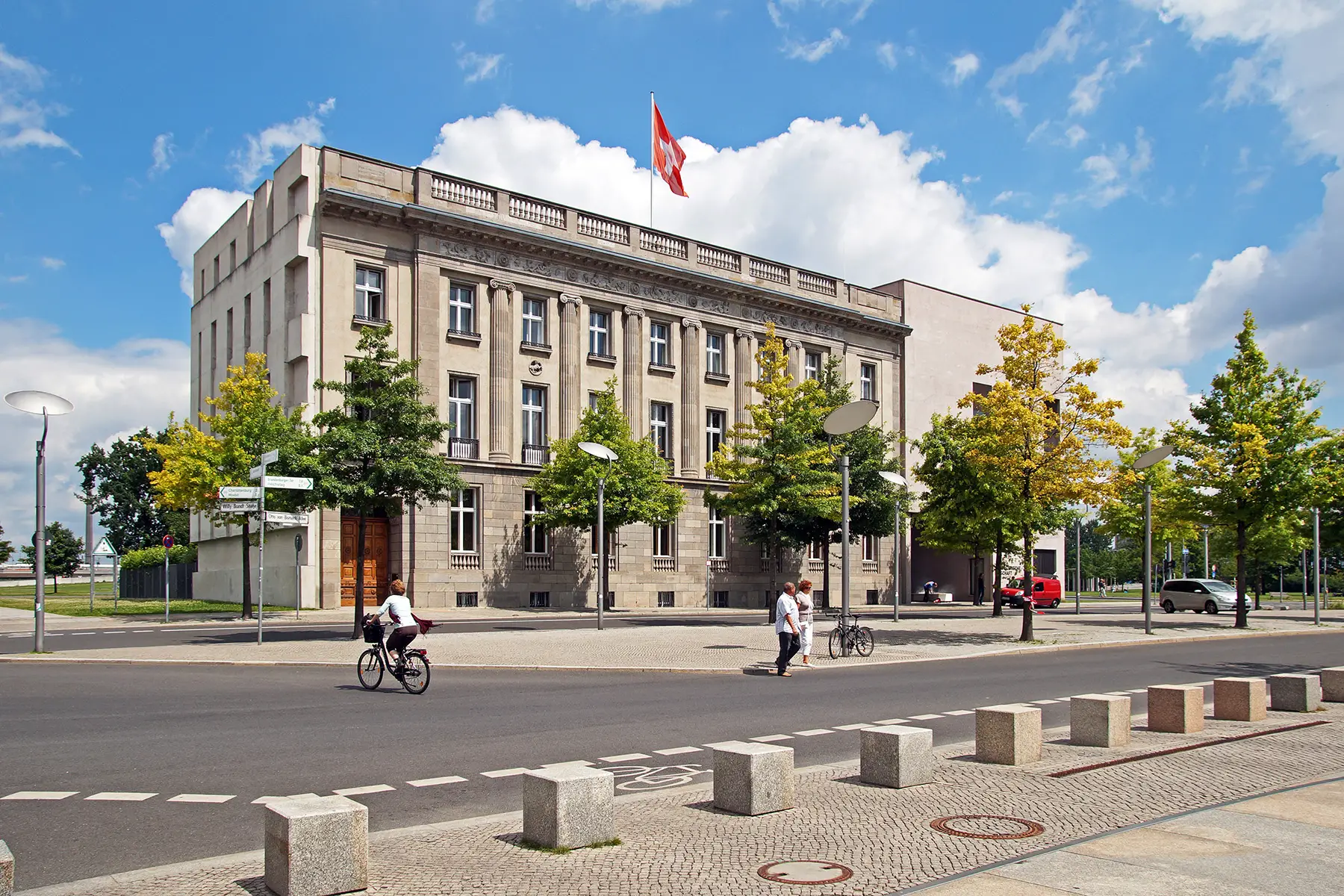
- Switzerland: The Embassy of Switzerland in Berlin is located at Otto-von-Bismarck-Allee 4A. Their phone number is +49 30 390 40 00. Switzerland also maintains Consulates in Bremen, Dresden, Düsseldorf, Erfurt, Frankfurt am Main, Freiburg im Breisgau, Hamburg, Munich, Nürnberg, and Stuttgart.
- Syria: The Embassy of Syria in Berlin is located at Rauchstraße 25. Their phone number is +49 30 50 17 70. Syria also has a Consulate in Bremen.
- Türkiye: The Embassy of Türkiye in Berlin is located at Tiergartenstraße 19–21. Their phone numbers are +49 30 27 58 50 and +49 17 75 77 34 29 (emergencies only). Türkiye also has Consulates in Cologne, Düsseldorf, Essen, Frankfurt am Main, Hamburg, Hanover, Karlsruhe, Mainz, Munich, Münster, Nürnberg, Regensburg, and Stuttgart.
Lost or stolen property in Germany
- Reporting lost property: Visit Fundbüro online or also by phone (69 95).
- Lost property on the railways: (01805) 99 05 99.
Bank cards
- American Express: (069) 97 97 10 00
- Diner’s Club: (05921) 86 12 34
- EC and Bank Cards: (069) 74 09 87
- MasterCard: (069) 79 33 19 10
- VISA: (0800) 81 49 100
European-wide emergency numbers in Germany
If you have an emergency anywhere in Europe, you can generally call 112 to access emergency services; this is the same as the main emergency number in Germany. Calls to 112 are, in fact, free and can be made from a landline, payphone, or mobile phone, even without a SIM card.
What to do in an emergency in Germany
When you call German emergency services, you should follow these tips:
- State your name, telephone number, the location where help is necessary, the situation and if it’s still happening, how many people require help, and whether there are weapons or dangerous substances involved.
- Don’t forget the code to your parking lot or apartment building.
- Never hang up until you are invited to do so.

- If you have existing medical problems or regularly take prescription drugs, make sure you at least know how to say their names in German to the operator.
- If you have children, cite their ages and how much they weigh (in kilograms) in case you need to call an anti-poison center or to administer medication.
- In a situation where you’re dealing with intoxications, make sure to inform them of what was taken and also, if possible, give them the rest of what was consumed.
Other useful phone numbers in Germany
The Federal Office of Civil Protection and Disaster Assistance (Bundesamtes für Bevölkerungsschutz und Katastrophenhilfe, BBK) also provides a handy and easily accessible list of services in Germany.
Emergency terms and phrases in Germany
While most German emergency services staff speak English, there are others – especially in more rural areas – who don’t. You can learn the below phrases to be better prepared for any eventuality.
| English | German |
| Help! | Hilfe! |
| Help me | Hilfe mich |
| I can’t breathe | Ich kann nicht atmen |
| (Severely) allergic | (Stark) Allergisch |
| EpiPen | Adrenalin |
| Accident | Unfall |
| Fire | Feuer |
| Murder | Mort |
| Emergency | Notfall |
| Ambulance | Ambulanz |
| Doctor | Arzt |
| Hospital | Krankenhaus |
| Police | Polizei |
| Extremely ill | Schrecklich krank |
| Call 911/999 | Rufe eins eins zwei |
| I need a doctor | Ich brauche einen Arzt (oder Arztin) |
| I need an ambulance | Ich brauche einer Ambulanz |
| I need the police | Ich brauche der Polizei |
| I want a lawyer | Ich will einen Anwalt |
| I’m innocent | Ich bin unschuldig |
| I didn’t do it | Ich habe das nicht getan |


Did you find this guide helpful?