'%20id='ico-down'%20stroke='%23000000'%20stroke-width='1.5'%3e%3cg%20transform='translate(1092.250000,%20254.750000)'%3e%3cpolyline%20id='Path-2-Copy-4'%20transform='translate(5.500000,%202.750000)%20scale(1,%20-1)%20rotate(-180.000000)%20translate(-5.500000,%20-2.750000)%20'%20points='0%200%205.5%205.5%2011%200'%3e%3c/polyline%3e%3c/g%3e%3c/g%3e%3c/g%3e%3c/svg%3e)


House + Home
Utilities + Telecom
Mobile phones and SIM cards in Thailand
Stay connected with a mobile phone and SIM card in Thailand. Learn more about the providers, contracts, repairs, recycling, and laws.

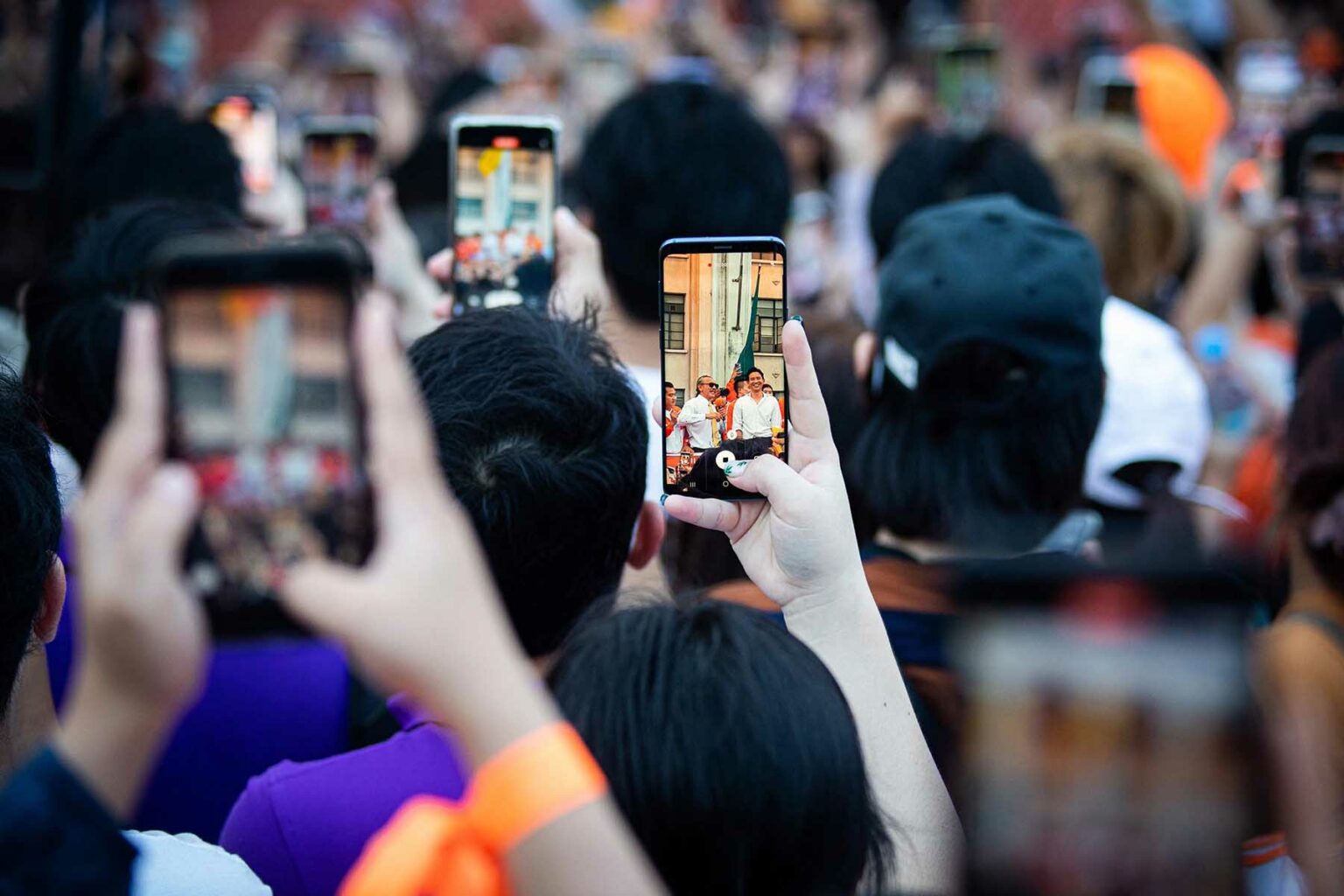
When you’re new to Thailand (ประเทศไทย), there are many things to consider, from sorting out health insurance to getting connected with a new mobile phone (โทรศัพท์มือถือ) and Thai SIM card (ซิมการ์ด).
Find out how to access the mobile network in Thailand by exploring the following topics:
The mobile network in Thailand
Thailand has a well-developed mobile network with decent 3G, 4G, or 5G coverage in around 95% of the country.
Similar to Europe, the GSM, UMTS, and LTE bands are used with the following frequencies:
- GSM – 900/1800
- UMTS – 850/900/2100
- LTE – 900/1800/2100
How do you access a Wi-Fi connection?
Like most countries in Southeast Asia, you can easily access Wi-Fi (อินเตอร์เน็ตไร้สาย) in Thailand; for example, in
- Restaurants
- Bars
- Cafes
- Hotels
- Shopping malls
- Airports
While hotspots in airports and malls are generally free to use, those in restaurants, cafes, and bars usually require you to buy some food or drink to get the password.
However, in more rural areas and villages, Wi-Fi hotspots are somewhat harder to come by, though you should still find them in upmarket eateries.

Local expert
Jane Evans
Insider tip
Note that the weather can impact Wi-Fi accessibility. While this is barely an issue in the major cities, the internet may go down for a few hours after a heavy rain storm, particularly on the Thai islands. So if you rely on Wi-Fi for work, it’s a good idea to have a mobile hotspot as a backup.
On the plus side, Wi-Fi speeds across the country, particularly in the major cities, are excellent, averaging over 200 Mbps download and 175 Mbps upload. As such, Thailand ranks seventh (2023) worldwide for the fastest fixed broadband connections.
Additionally, if you decide to set up your own home phone, TV, and internet connection, providers like 3BB, AIS, and True offer speeds up to 2 Gbps.
Can you use your own mobile phone in Thailand?
Most mobile phones – from Europe and the rest of Asia – will work in Thailand, though you should check that they are compatible with the frequencies used.
However, if you want to use your existing mobile plan in the country, you must enable roaming on your account. It’s also important to check with your mobile operator about roaming charges, as these can be considerably more expensive than your standard rates. For example, AT&T can charge up to $3 per minute for calls, and Vodafone can charge up to €19.25 per MB if you don’t have a roaming plan.

The most economical way to use your mobile phone is to get a Thai SIM card, although you will need an unlocked phone (โทรศัพท์มือถือที่ถูกปลดล็อค).

Local writer and expert
Naomi Nunn
Insider tip
Your provider can arrange your SIM card while you are abroad if you meet their service criteria. Alternatively, a phone stall in a mall may be able to unlock your phone. However, proceed cautiously, as using an unauthorized service may invalidate your device’s warranty.
If you cannot get your phone unlocked, you can find a wide range of cheap phones for sale at any major mall – both new and used. However, make sure you buy an unlocked one.
Who are the mobile phone operators in Thailand?
Thailand has four mobile phone operators: AIS, True, DTAC, and TOT Mobile. The first three have the majority of the market share:
- AIS: The largest mobile provider in Thailand with the most extensive 5G coverage. As of 2021, they had almost 50% market share. Additionally, they offer both post and pre-paid SIMs (under One-2-Call).
- True: The second largest operator with approximately a 33% market share and broad countrywide 5G coverage. They recently merged with the third largest provider DTAC, although the two brands will remain separate until at least 2026.
- DTAC: The third largest operator with around an 18% market share. They offer 5G, but coverage is generally restricted to more urban areas.
- TOT Mobile: Owned by the National Telecom company; however, with its low market share and smaller 5G network, it’s probably better to choose one of the first three companies.
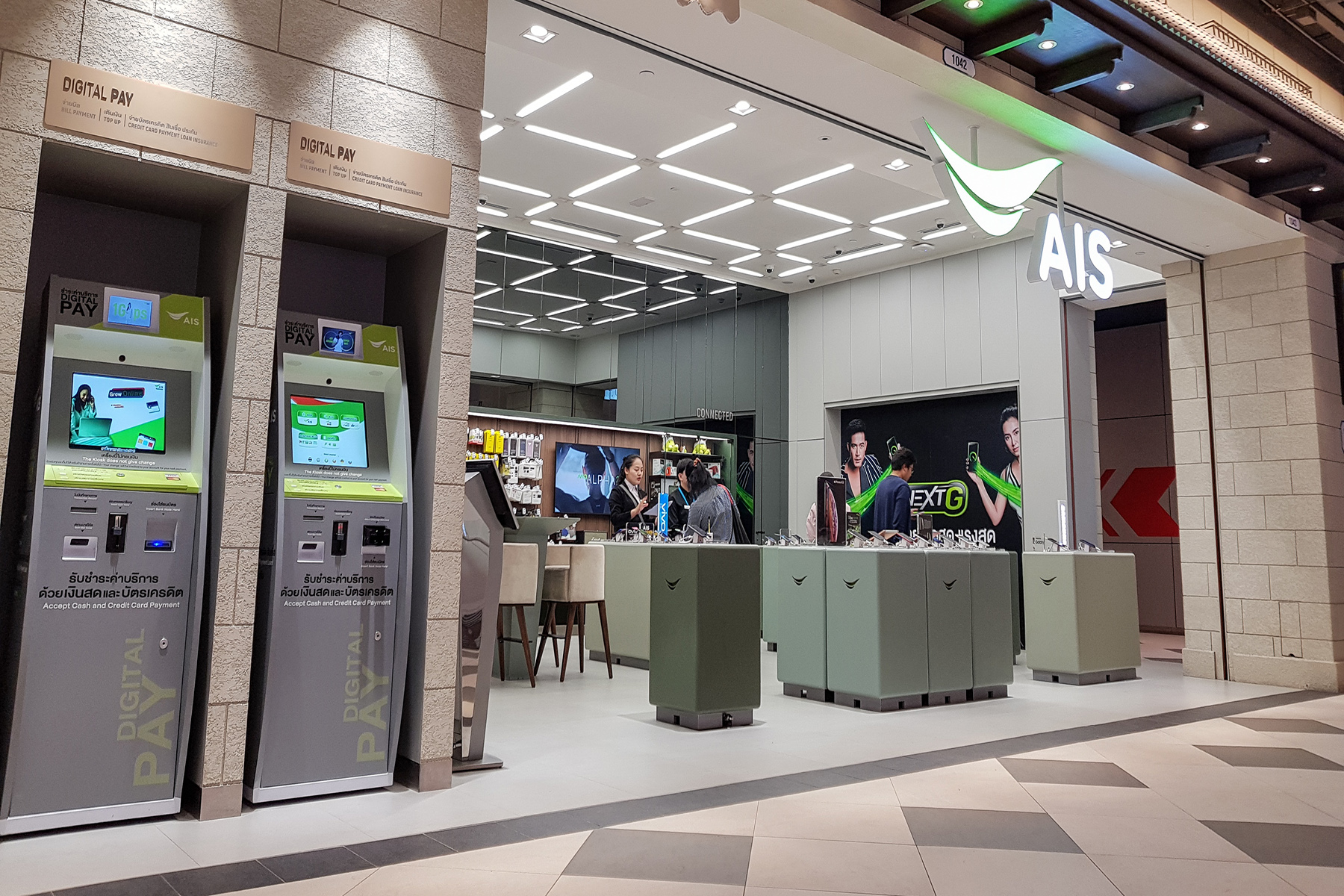
Most expats in Thailand choose either AIS or True, both of which provide decent customer service in English and a wide range of packages and deals. As mobile deals and packages change frequently, visiting a physical store to ask about their current promotions is best. Most malls have at least a True and AIS shop.
However, as mobile data and calling costs in Thailand are generally affordable, you are unlikely to save a lot by shopping around, but you may get better coverage.
Should you go prepaid or sign up for a mobile contract?
Like many other countries, most people in Thailand have prepaid (จ่ายล่วงหน้า) mobile services, with only 20% of the population signing up for a postpaid contract. As a result, a huge selection of deals and bundles are available for prepaid SIM cards.
While you can get some excellent deals with postpaid contracts, including discounts on the latest phones, most people prefer the flexibility that comes with pay-as-you-go.
Getting a prepaid SIM card is the best option upon arrival for an expat in Thailand. After you have settled in, you can decide whether a contract deal is right for you.
Mobile phone plans and contracts in Thailand
There are many postpaid mobile plans (แผนมือถือ) to choose from, depending on your needs.
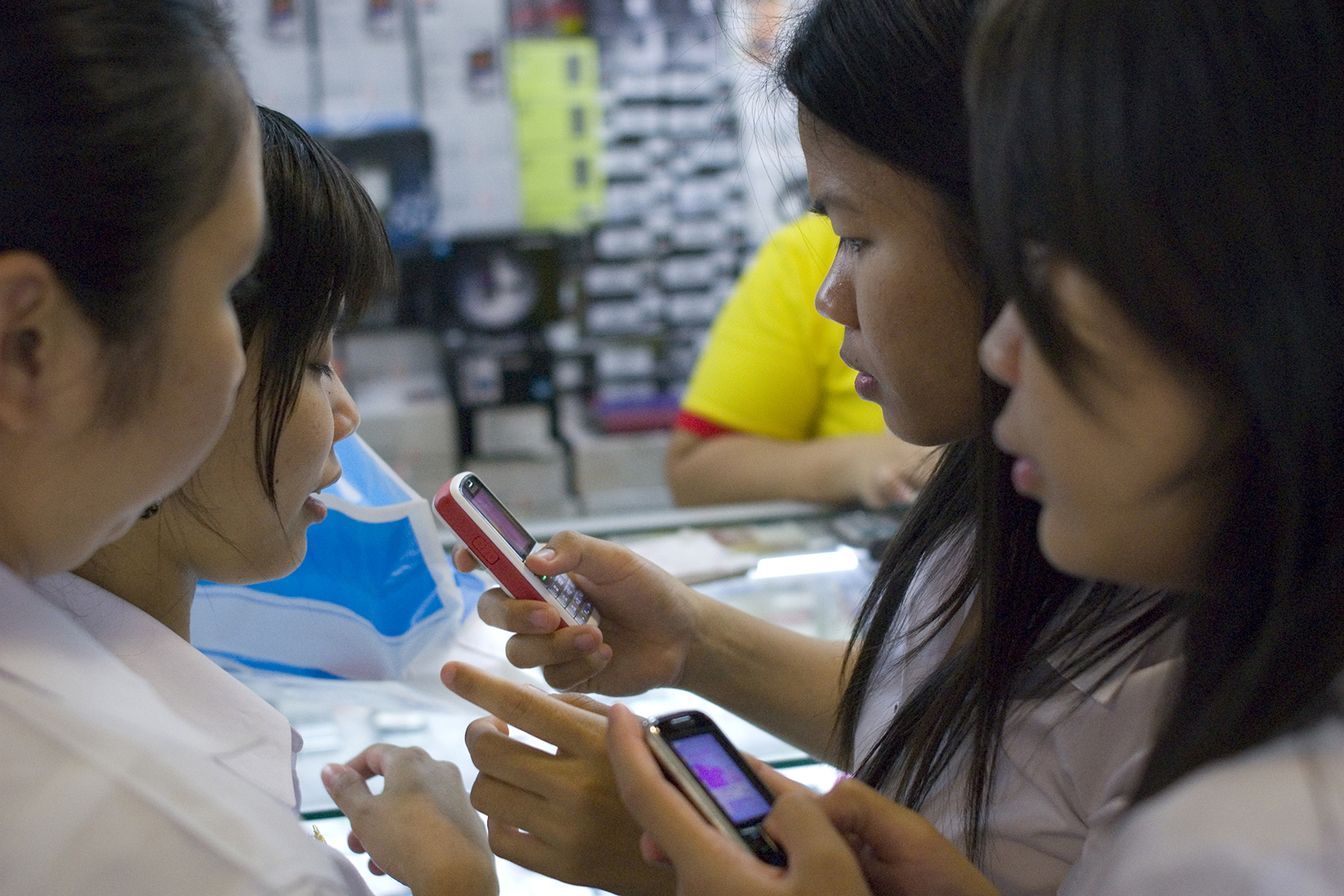
These can include:
- Discounts on a new mobile phone
- Streaming services such as Netflix, HBO GO, and Disney+ Hotstar
- Unlimited data (ข้อมูล) with a speed cap
- Unlimited data with no cap
- Limited data at the fastest speeds
- Unlimited calls (โทร) and SMS (ข้อความ)
- Discounts with certain shops
- Shared plans and allowances
So when looking for a plan, prioritize which package best suits your needs and pocket.
Postpaid Thai SIM card plans
Here are some example contract plans from the two largest operators, AIS and True:
| Provider and plan | Monthly cost | Data | Minutes | Other benefits |
| AIS 5G Easy Pack | ฿399 | 20 GB 5G | 100 | |
| AIS Smart Share | ฿1,499 | 60 GB 5G | 850 | It can be shared by two people/numbers, unlimited AIS Super Wi-Fi |
| AIS 5G Max Unlimited | ฿1,499 | Unlimited at 1 Gbps speed | 650 | Premium TV package |
| True 5G Together | ฿399 | 20 GB at 1 Mbps speed | 100 | Access to movies and music via an app, unlimited Wi-Fi |
| True 5G Together | ฿1,199 | Unlimited 5G | 250 | Access to movies and music via an app, unlimited Wi-Fi |
You can buy minutes for specified countries if you plan to make international calls. For example, True offers a bundle of 50 minutes of calls, valid for seven days, to Europe, North America, and Oceania at ฿800.
Unlike many other countries, these contracts are generally flexible (i.e., you can cancel them whenever you wish). However, their discounted rates or promotions may be only valid for a limited time (e.g., access to TV services for 12 months).

Therefore, it’s possible to move to another network easily, as long as your phone is unlocked. However, if you buy a discounted phone as part of your package, this may be locked to the network for a set period.
How do you get a mobile phone contract?
Generally speaking, you will need a work permit (ใบอนุญาตทำงาน) to get a mobile phone contract and SIM card in Thailand. However, getting one with other long-stay travel documents, such as retirement or education visas, is possible if you have a local guarantor.
To sign up, you should go to the mobile operator’s shop with your:
- Passport (หนังสือเดินทาง)
- Work permit
- Other documentation, such as proof of address (e.g., a rental contract (สัญญาเช่า) or a residence certificate (ใบรับรองถิ่นที่อยู่)

However, the actual documents required may vary from branch to branch. Once the staff approves your paperwork, the process will be quick and easy, and you should get your new Thailand SIM card immediately.
You will have a monthly credit limit, which you cannot exceed, and the provider will send you a bill at the end of the month that you must settle within two weeks.
You can pay your mobile bill at any 7-Eleven, or via your mobile banking app. You can also set up automatic payments from your bank account or credit card.
Prepaid SIM cards in Thailand
Prepaid Thailand SIM cards are available readily at many locations, including 7-Eleven and Family Mart stores, international airports, and mobile network shops in malls.

To get a new SIM card, simply do the following:
- Bring your passport to a shop
- Choose a SIM card
- Pay for the SIM card (starts from as little as ฿10)
- Activate your new SIM card; the shop should be able to help with this
- Top up your SIM card
You can easily manage your prepaid account via your mobile operator’s app. After downloading it, you can subscribe to data or call bundles, check your credit, and change your main plan.
Prepaid Thai SIM card plans
Here are some example prepaid SIM add-on bundles from AIS One-2-Call and True:
| Provider | Cost | Duration | Add-on details |
| AIS One-2-Call data | ฿699 | 30 days | 20 GB 5G data |
| AIS One-2-Call calls | ฿119 | 30 days | 900 minutes of calls to all networks limited to 30 minutes per day |
| True data | ฿300 | 30 days | 30 GB 5G data capped at 5 Mbps speed |
| True calls | ฿299 | 30 days | 480 minutes of calls to all networks |
Various bundles are available, but navigating them all can take a little time. Additionally, most bundles are available as one-off purchases or auto-renew (which generally give you a better deal).
You can buy add-on packages for specific countries if you want to make international calls. For example, you can get 40 minutes of calls, valid for 30 days, to France, Germany, Japan, and the United Kingdom (UK) for ฿159 with AIS.
You can easily top up your prepaid Thai SIM card at 7-Eleven and Family Mart stores, ATMs, and via the orange Boonterm machines (ตู้บุญเติม) you see outside many shops. If you have opened a bank account in Thailand, you can also use your mobile banking app to add credit.
Mobile phones in Thailand
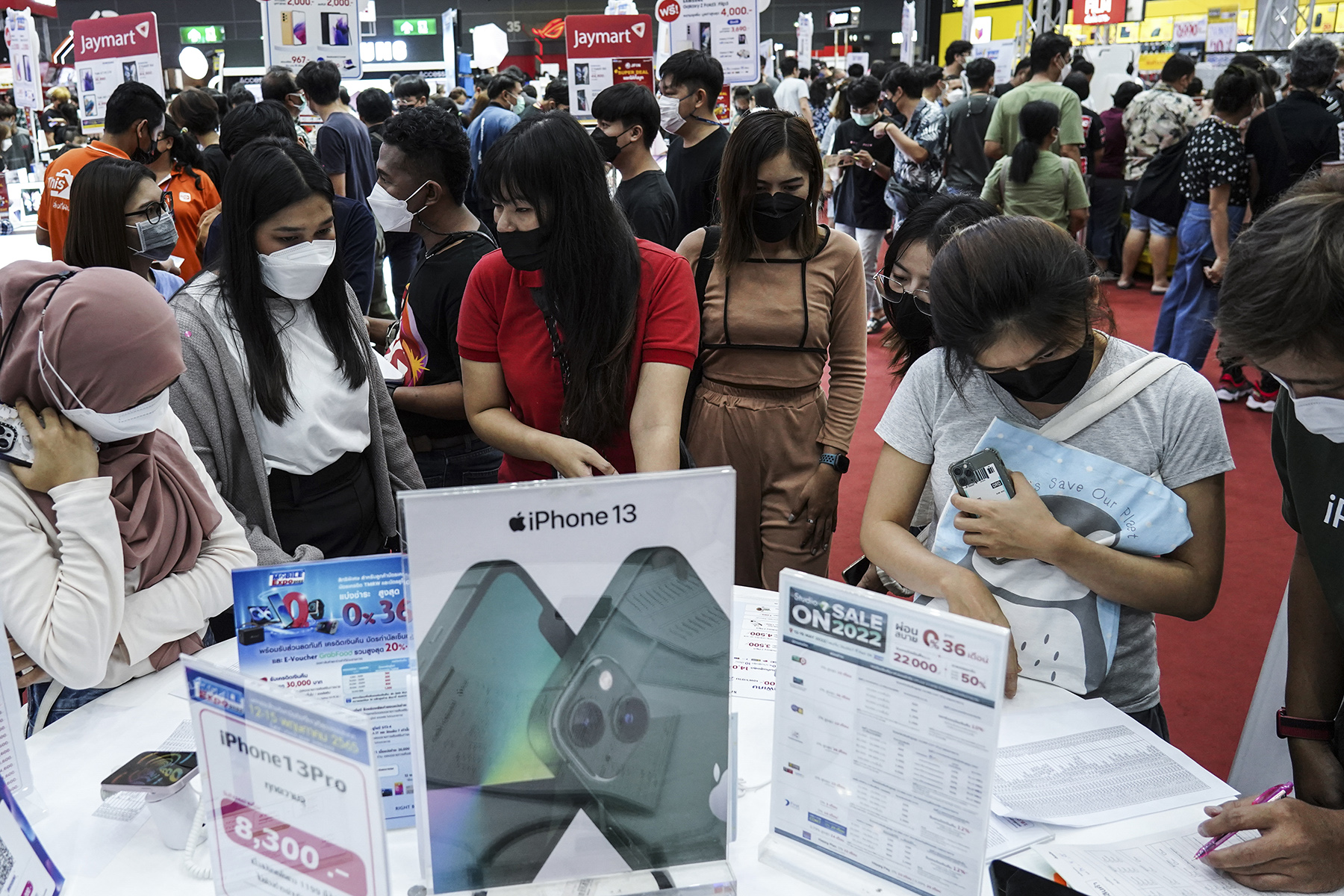
Mobile phone penetration in Thailand is extremely high, with over 92 million active phone numbers. Therefore, with a population of around 69 million, it’s more than one phone per person. Additionally, about 82% of these phones are smartphones (สมาร์ทโฟน), with many budget models from companies like Samsung, Xiaomi, and Oppo available.
Smartphones
Like many countries, Apple is the number one brand in Thailand, accounting for around 35% of all smartphones. Some other popular models include:
- Redmi Note 10
- Samsung Galaxy A52s
- Vivo Y76
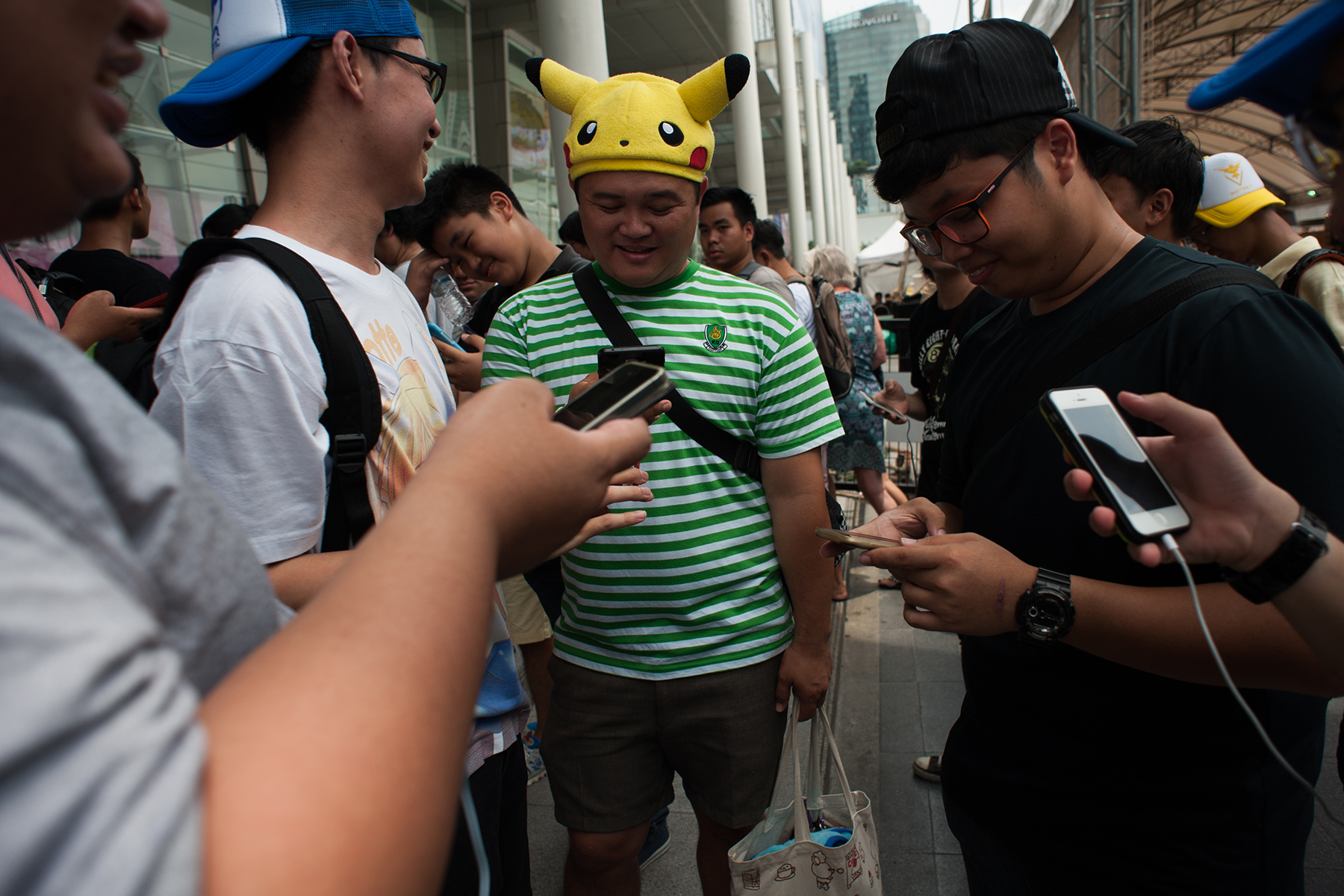
You can buy smartphones at electronics malls (ห้างสรรพสินค้าอิเล็กทรอนิกส์) (most major cities) and mobile phone stores (ร้านโทรศัพท์มือถือ). Generally, prices are comparable with those in Europe and the United States (US), although Apple products tend to be more expensive than in the US. Additionally, stores also have a large selection of second-hand models, which are more affordable and sustainable.
Other mobile phones
With the increasing popularity of smartphones, you will find it more difficult to find dumbphones (e.g., flip phones with limited features). However, you can still purchase them at electronics malls and online marketplaces like Lazada and Shopee, costing as little as ฿250.
While Thailand doesn’t have a huge market for eco-friendly mobile phones, recently, the country released the more environmentally friendly Nokia X30 5G.
What are the Thai mobile numbers?
All Thai phone numbers (เบอร์โทรศัพท์) have 10 digits: a mobile phone code with three numbers followed by a seven-digit subscriber number.
Generally, mobile numbers begin with either 06, 08, or 09, indicating their service provider. However, this is no longer as defined due to mobile number portability (MNP), meaning it is possible to keep your number when you change providers.
If you want to call a mobile phone in Thailand from abroad, remember to add the country code +66 and omit the first zero (e.g., +66 (0) 64 116 6357).
Of course, if you use your mobile phone to call a Thai landline, you must dial the area code before the number.
Where do you take your mobile phone for repairs in Thailand?
Getting your phone repaired in Thailand at official support centers or local mobile shops is quick and easy.
If you live in major cities like Bangkok (กรุงเทพมหานคร), Phuket (ภูเก็ต), or Chiang Mai (เชียงใหม่), you will find support centers for all the major brands, where you can take your phone to be fixed.
However, the cost is likely to be higher. For example, replacing a cracked Apple phone screen at a brand repair center could cost up to around ฿10,000, while you could get it fixed for as little as ฿1,000 to 2,000 at a local repair shop.
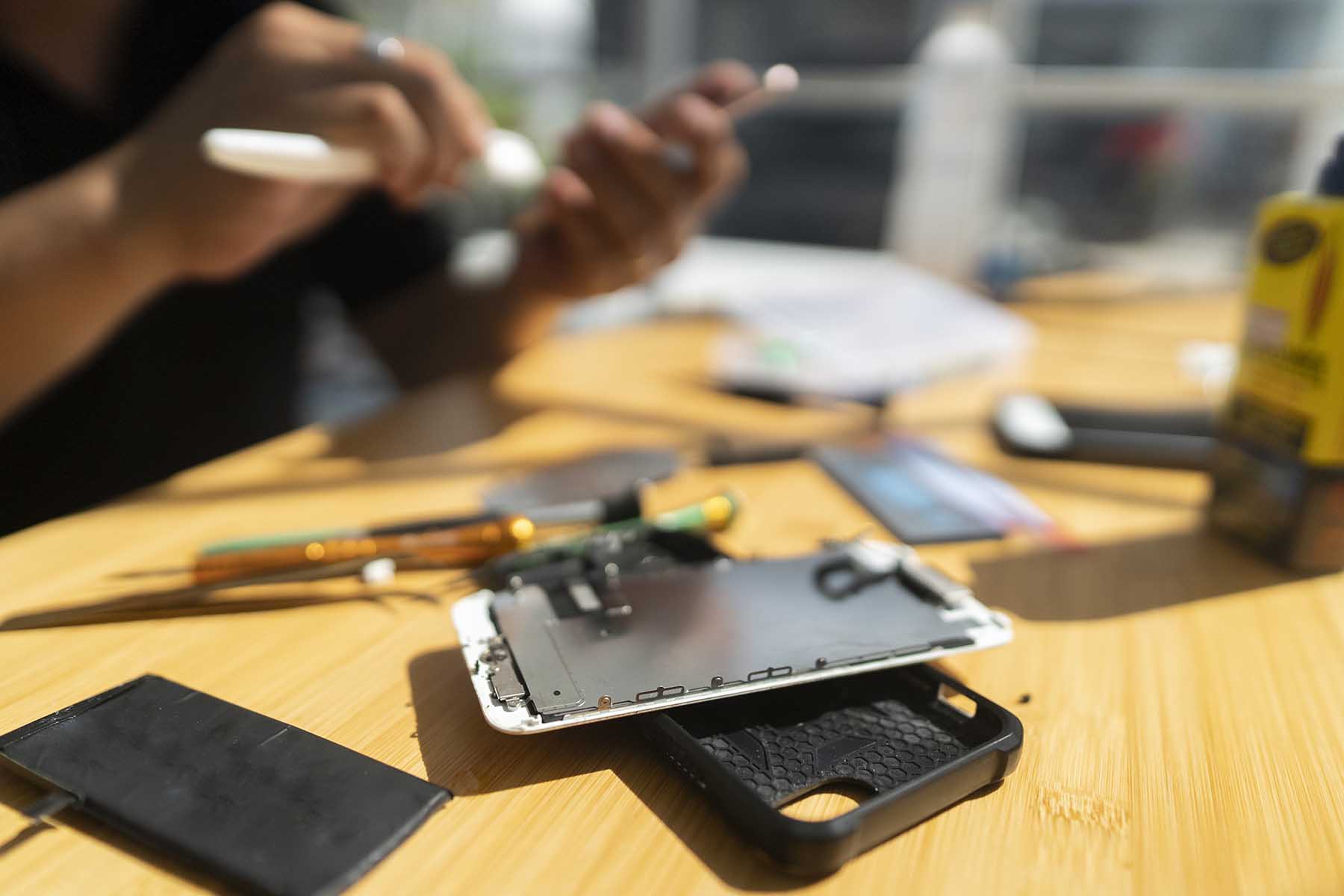
If your phone is older, you might take it to a repair shop in your local electronics mall. The prices will be considerably lower here, although they may be generic parts. In this case, asking the local expat community for recommendations for a reliable repair shop is a good idea.
You will also find many mobile accessories in electronic malls, phone shops, or online marketplaces like Shopee and Lazada.
Recycling your mobile phone
If it’s time to say goodbye to your old mobile phone, you have several options, including reselling and recycling (การรีไซเคิล).
Firstly, you can often sell it to a second-hand mobile phone shop in a mall if it’s in good condition. Secondly, you can recycle it. While recycling in Thailand is inconsistent, AIS has an electronics waste disposal initiative with nationwide drop-off points.
Mobile phone laws in Thailand
Since October 2022, driving while using a mobile phone is illegal in Thailand unless you use a hands-free kit. Still, fines for using your phone are fairly low, ranging from ฿400 to 1,000. This law will be reviewed in five years.
Complaints about a mobile phone provider in Thailand
If you have a problem with your mobile phone provider, your first port of call should be through their own complaints department. You can find more details on each of the main companies’ procedures on their websites:
- AIS Complaint Center (in Thai)
- True Complaints (in Thai)
- DTAC Complaint Center
If your problem is not resolved, you can then call the Office of the National Broadcasting and Telecommunications Commission (NBTC) at 1200. This government body regulates all mobile phone companies. However, due to a fair amount of bureaucracy, do not expect an immediate resolution of your complaint.
What do you do without a mobile phone and a Thai SIM card?
If you don’t have a mobile phone, you can always get a landline fitted in your house, although many people don’t bother with it. Also, if you are signing up for home internet and TV, you may be able to get a landline and Thai SIM card as part of that package.
When you’re out and about, don’t expect to see many public phone boxes (ตู้โทรศัพท์สาธารณะ); those you do find may not be in good working order. So getting at least a cheap prepaid SIM card and mobile phone is recommended if you need to be contactable.
Useful resources
- Office of the National Broadcasting and Telecommunications Commission (NBTC) – the communications regulatory body
- National Telecom Public Company Limited (NT) – the national telecommunications company (in Thai)



Did you find this guide helpful?