
'%20id='ico-down'%20stroke='%23000000'%20stroke-width='1.5'%3e%3cg%20transform='translate(1092.250000,%20254.750000)'%3e%3cpolyline%20id='Path-2-Copy-4'%20transform='translate(5.500000,%202.750000)%20scale(1,%20-1)%20rotate(-180.000000)%20translate(-5.500000,%20-2.750000)%20'%20points='0%200%205.5%205.5%2011%200'%3e%3c/polyline%3e%3c/g%3e%3c/g%3e%3c/g%3e%3c/svg%3e)


Living
Transportation
Buying (and registering) a car in Qatar
If you want to explore what the country has to offer, some wheels might come in handy. Here’s what you need to know about buying a car in Qatar.


For many expats, having a car in Qatar provides a valuable sense of freedom. It allows them to travel throughout their new home as they please, and even explore surrounding Gulf countries like the United Arab Emirates (UAE). Better still, it is relatively easy to get your hands on your own car (provided you are an adult with a driver’s license and a resident permit).
As an expat, buying a car in Qatar often involves some financial planning, especially if you need to transfer money internationally to fund your purchase. Many expats find they need to convert their savings from their home currency to Qatari Riyals (QAR) to complete the transaction.
From costs and mandatory insurance to vehicle registration and selling the car when you’re done, learn all there is to know about buying a car in Qatar, including the following sections:
Buying a car in Qatar
Qatar is arguably a car country. Although public transport and taxis are available, it’s not very widespread and most residents rely on cars to get around.

According to CEIC Data, the country had over 1.7 million registered vehicles by the end of 2020. Comparatively, Qatar’s population was 2.69 million people. The most popular car in the country remained the Toyota Land Cruiser (2022). Other sought-after brands are Nissan, Kia, and Suzuki.
Whether new or used, buying a car in Qatar is fairly straightforward. In fact, most of the work will be making up your mind and sorting your finances. Once that is settled, you’ll just need to manage the paperwork and vehicle registration.

Driving regulations and car registrations are the responsibility of the Qatari Ministry of Interior (MOI).
Who can buy a car?
Qatar’s legal driving age is 18 years old. Both locals and expats can own a car, provided they are over 18 and have a residence permit.
Depending on your dealer, you might be able to buy a car with an international driver’s permit (IDP). However, this might cause some trouble with registration and insurance.
Rather, the easiest way is to get a Qatari driving license or exchange your current driver’s permit for a Qatari one. Required documents vary per seller, but expect to provide your passport, residence permit, and a valid driver’s license.
Should you buy new or used?
Purchasing a new vehicle offers quite a few advantages. For example, you’ll be able to get the latest model with the most up-to-date features. Other benefits include:
- New cars have no repair history, while used cars run the risk of breaking down after purchase
- New cars likely have a manufacturer or dealer warranty
- Registering a new car is much simpler, and is usually handled by the dealership
However, purchasing new also has its drawbacks. For one thing, many expats do not know how long they’ll be in Qatar, and buying a new car might not be an investment they’re prepared to make.

Other disadvantages of new cars include:
- Much higher costs compared to used vehicles
- Cars depreciate especially quickly in Qatar’s hot, challenging climate. Used cars often offer a better financial bargain.
Requirements for buying a new car
You will need to provide:
- A valid driver’s license
- A residence permit
- Proof of car insurance
- Proof of finances (e.g., any loans you’ve been approved for)
- A down payment
Qatar is very much a negotiating culture, so it’s polite to try and haggle down the price.
Make sure to sort out your finances before going to a dealership, as they can handle the entire process from purchase to registration. Some dealers also allow you to pay in installments, so it’s best to ask if this is an option.
Where to buy a new car?
Car dealerships in Qatar
Qatar has many car dealerships where you can buy new or pre-owned models. They might only carry one brand (e.g., a Toyota dealership) or more (i.e., a mix of brands). You can find almost every vehicle name in the country, from Nissan to Maserati. Some of the main dealerships include:
- Al Tariq Auto – an authorized dealer of Toyota and Lexus models
- Saleh Al Hamad Al Mana Co – authorized carrier of Nissan, Renault, and Infiniti models
- Manai Motors – authorized supplier of various GMC model vehicles
- Domasco – dealer of Honda and Volvo models
- United Cars Almana – supplier of Jeep, Chrysler, and Dodge models
Buying a car online
Although it is possible to buy a car online, it’s still quite rare for the entire process to take place in the digital sphere. Most people want to schedule a test drive or visually inspect their new vehicle before they complete the sale.

Benefits of a mostly online process include being able to browse at your leisure and from the comfort of your own home. Some drawbacks involve not being able to ask all of your questions face-to-face.
To buy a car online, you can use one of the following aggregators:
If you’re looking for a new car, be sure to filter on cars with zero miles, and sold by a company (not an individual).
Electric cars and hybrids in Qatar
Electric cars are almost non-existent in Qatar. A large section of the peninsula’s economy still revolves around petroleum and natural gas, which is why electric vehicles are not widely popular, or even widely available. The infrastructure of charging docks isn’t there yet either.
This, combined with the national love of off-roading – and the massive cars that allow this hobby – means that petrol-alternative vehicles are still a thing of the future.
Requirements for buying a used car
The process of purchasing a used car is similar to that of buying a new vehicle. You will need to provide:
- A valid driver’s license
- A residence permit
- Proof of car insurance
- Proof of finances
- Payment
The only added step is getting the registration transferred from the old owner to you.
Tips for buying a used car
Pre-owned cars can be tricky as the sellers are less regulated than car dealerships.
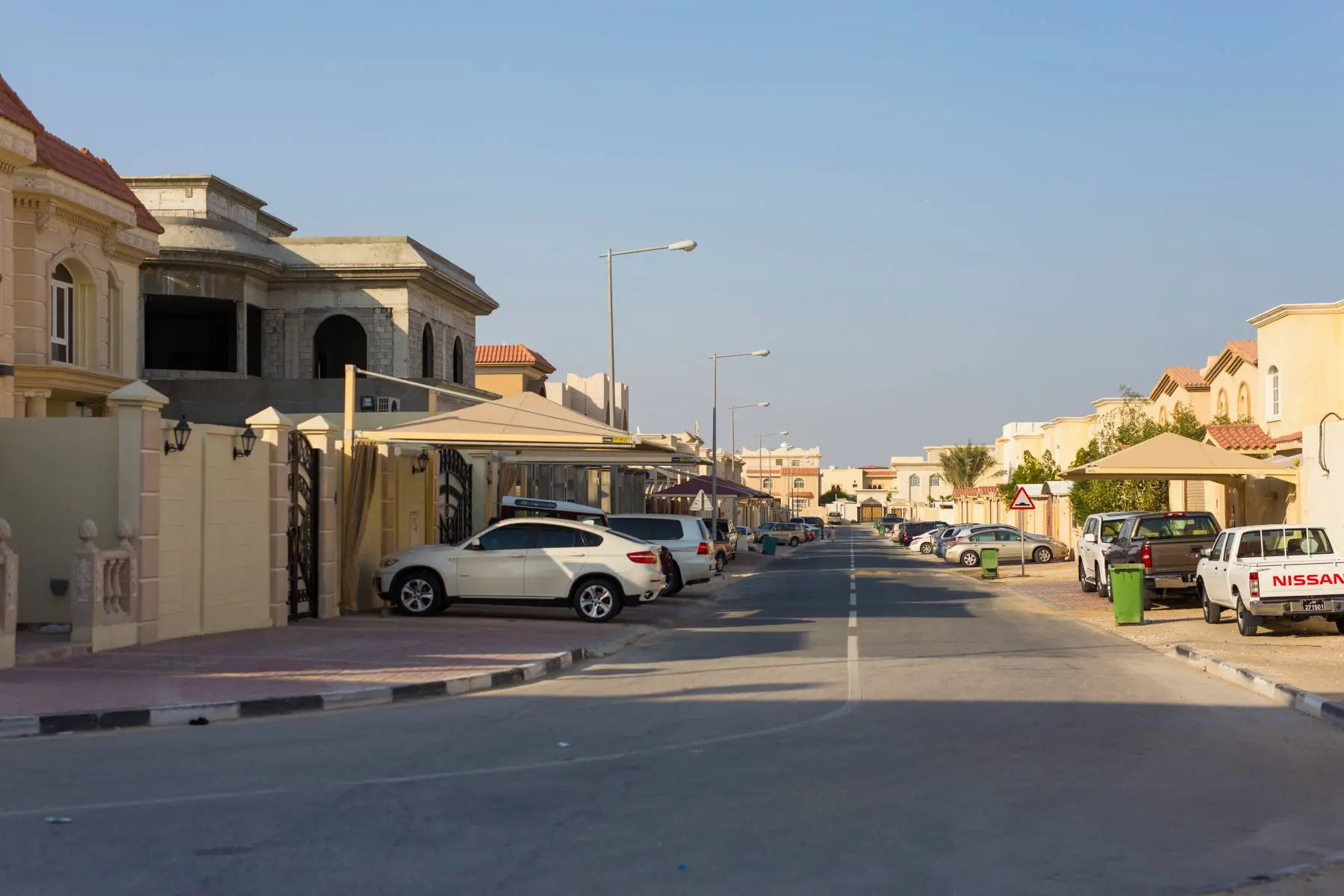
Things to keep in mind when buying a used car in Qatar:
- Find out the car’s resale value. As you set your price point, do your research on how much this car usually resells for. This will help you decide how much you’re willing to spend.
- Get the car inspected. Whether you bring the mechanic along to the test drive or take it to the mechanic with the owner, make sure someone qualified looks under the hood.
- Do a test drive to make sure you like how the car drives
- Make sure the service history is as complete as possible. Speak with the current owner and the vehicle’s mechanic if possible. Once you have the license plate, you can search the MOI database for any traffic violations on file.
- Try to purchase the car in the months of May to August or during a holiday. Many expats leave the country around the summertime, so there are more cars in circulation for sale. Most people are looking to buy a car in September, so that month, car prices go up. Many dealers also offer great discounts around Eid and other public holidays.
Where to buy a used car?
Car dealerships in Qatar
Many dealerships sell both new and pre-owned cars, so be sure to check with your local dealers. They are a convenient way to buy a car because they usually have all the services you need in-house. For example, they can help you with vehicle registration.
It is recommended to shop around different dealerships and deals before settling on a car. Some good options include:
Buying a car from a private owner
When purchasing a vehicle from a private owner, it’s always advisable to buy from someone you know and trust. That way, you can be certain about the truthfulness of the car repair history and any potential future issues.
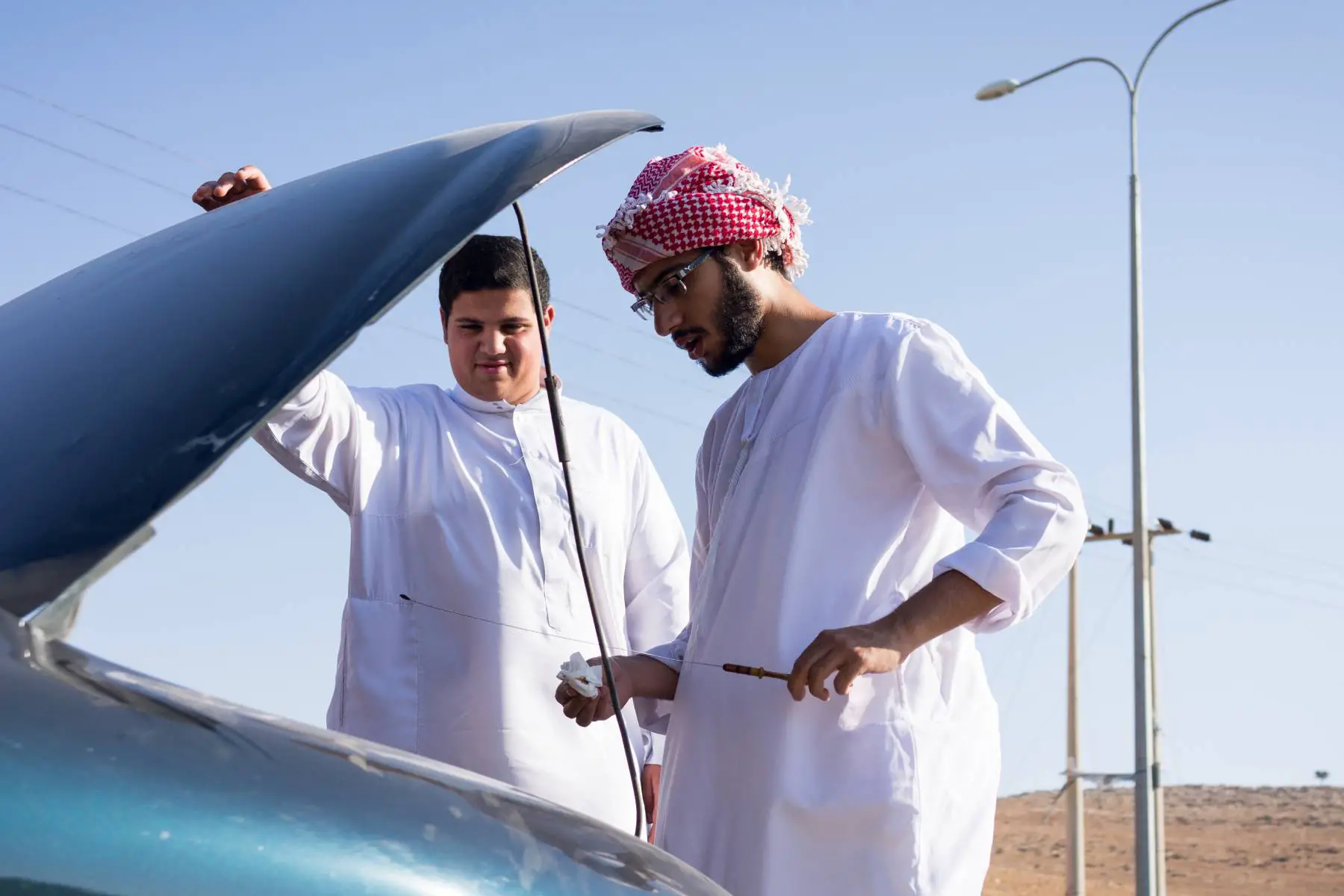
If there isn’t anyone in your expat circle that wants to offload their car, here are a few sites with used cars from private owners:
Buying a used car online
There are plenty of popular aggregator sites that show both car dealerships and private individuals that are selling a car. Keep in mind that once you find the dealer or the private individual, you will need to contact them directly. A few good places to try are:
Car registration and other paperwork
It is mandatory to register your new or used car in Qatar. New cars can be registered in person at your local MOI Traffic Department. You’ll need to provide the following:
- A completed form (in Arabic)
- Valid ID
- Your driver’s license
- Proof of ownership
- Proof of insurance (at least one-year policy)
- If you have a personal sponsorship: a signed letter from your sponsor or company
- If you have a company sponsorship: a copy of the establishment ID
In case of used cars, you can transfer the registration online on the MOI website or the MOI app, Metrash2, or in person at the local MOI Traffic Department. You’ll need to provide the following:
- A completed form (in Arabic)
- Original vehicle registration
- Copies of ID from both seller and buyer
- Proof of insurance under your name
- Your car with its registration card (istamara)
Both vehicle registration and registration transfer costs QAR100.
You might face additional costs to customize the plate number.
Car costs in Qatar
Owning a car brings freedom and convenience, but it’s important to budget for the various expenses involved. As an expat, you may find yourself managing car costs in QAR while your income or savings remain in another currency, so it’s worth considering how you’ll handle currency conversion for these ongoing expenses.
Although cars do bring a lot of freedom, they also come with a lot of cumulative costs. Some of the biggest expenses include:
- Car insurance – Depending on the level of coverage you desire – third-party liability or comprehensive – as well as your driving profile and accident history, your annual premium will vary. Generally, though, you can expect to pay between 4% to 7% of your car’s value in annual premiums. Of course, this doesn’t include any deductibles your policy may have.
- Maintenance – All cars over three years old in Qatar must pass annual inspections, which cost QAR150 for a private vehicle. And, of course, cars benefit from routine check-ups; depending on whether you go to the dealer or your local shop, a check-up can cost upwards of QAR3,500.
- Fuel – The Qatari government sets and announces fuel prices on a regular basis. In 2022, they remain steady and fairly low.
If you’re converting money from another currency to pay for these expenses, using services like Wise can help you get the mid-market exchange rate with transparent fees, potentially saving you money compared to banks.
Importing a car
Some people also prefer the familiarity of driving their own car. Especially expats who move from other nearby Gulf countries import their car into Qatar.
You can import your vehicle once you have your residence permit. And, if your car is coming from outside of the Gulf, it cannot be more than five years old.
When importing a car, you’ll need to arrange payment for international shipping and customs fees. If you’re transferring money from abroad to cover these costs, consider how you’ll send funds to Qatar efficiently. Services like Wise allow you to send money internationally using the mid-market exchange rate, which can help reduce costs.
Expect to pay a customs tax of 5% of the value of the car. The fee is sometimes waived if your car is purely for private use and is over three years old. Imported vehicles need to pass a FAHES inspection within 14 days of their arrival before they can be registered.
To import a car into Qatar, you need to provide:
- Proof of ownership
- Original certified purchase receipt, showing value of the car
- Import manifest
- Proof of insurance
- Proof of registration (in your home country)
Advantages and disadvantages
If you are certain your current car will fare well in the hot climate of Qatar, it can be cost-effective to import it. It will save you the hassle of figuring out the car-buying landscape.

However, many cars – especially cars from outside of the Gulf – are not built to withstand the desert. This can lead to frequent repairs that quickly override any initial savings. It can also be a bit tricky to navigate the importing steps. You’ll have to find the right removal company, wait for the car’s arrival, manage the FAHES inspection, and then, manage the registration.
Be sure to carefully consider the pros and cons before making a decision.
Selling a car in Qatar
If you are upgrading your ride or simply moving away, you can easily sell your car to another expat or local. You can also sell your car to a car dealer. You might get a lesser value for your car, but you don’t need to do the legwork of finding a buyer and fielding calls.
The process of selling your car looks a lot like buying one. You’ll need proof of registration and insurance, as well as your residence permit and driver’s license. You might also need to provide a Certificate of Final Payment from your bank to prove that the car has been paid off.
Keep in mind that, as the seller, you are responsible for making sure any traffic fines or other violations are cleared before passing it on to the buyer.
Frequently Asked Questions
What is the average cost of buying a car in Qatar?
The cost varies significantly depending on whether you buy new or used, and which make and model you choose. New cars can range from around QAR40,000 for basic models to well over QAR200,000 for luxury vehicles. Used cars are generally more affordable, with prices depending on the vehicle’s age, condition, and mileage. Popular models like the Toyota Land Cruiser tend to hold their value well in Qatar’s market.
Do I need a Qatari driver’s license to buy a car in Qatar?
You need a valid driver’s license to purchase a car in Qatar, but it doesn’t necessarily need to be Qatari. Some dealers may accept an international driver’s permit (IDP). However, you’ll need a Qatari driver’s license for registration and insurance purposes. Many expats find it easiest to exchange their foreign license for a Qatari one before purchasing a vehicle.
How long does it take to register a car in Qatar?
Registering a car in Qatar is relatively quick and straightforward. If you purchase from a dealership, they often handle the registration process for you, which can take just a few days. If you’re registering independently at the MOI Traffic Department, the process can be completed in one visit, provided you have all the required documents. Used car registration transfers can be done online through the MOI website or Metrash2 app, typically within 24 hours.
What are the ongoing costs of owning a car in Qatar?
Beyond the initial purchase price, you’ll need to budget for several recurring expenses. These include annual car insurance (typically 4-7% of your car’s value), regular maintenance and annual inspections (QAR150 for vehicles over three years old), fuel costs, and vehicle registration renewal (QAR100 annually). You should also set aside funds for unexpected repairs and routine services, which can vary depending on your vehicle’s make and model.
How can I transfer money to Qatar to pay for a car purchase?
If you’re buying a car in Qatar but your savings are held abroad, you’ll need to transfer funds internationally. Banks typically offer international transfers, but sometimes charge high fees and use exchange rates that include a markup.
Alternatively, you can use services like Wise, which uses the mid-market exchange rate (the rate you see on Google) and transparent fees, potentially saving you money on the transfer. Many expats use international money transfer services to fund their down payment or full purchase price, ensuring they get more QAR for their money.
What’s the best way to manage car expenses in multiple currencies as an expat?
Many expats in Qatar manage finances across multiple currencies – perhaps earning in one currency while holding savings in another. For ongoing car expenses like insurance, maintenance, and fuel, you’ll need to pay in QAR. To manage this efficiently, consider using a multi-currency account like Wise, which allows you to hold QAR alongside other currencies and convert between them at the mid-market exchange rate when needed. This gives you more control over when and how you exchange your money for car-related costs.
Useful resources
- FAHES – Qatar vehicle inspection website
- Ministry of Interior – official government website with all information regarding cars and more
- MOI Traffic Database – official government website where you can find violations, reports, and certificates of a car



Did you find this guide helpful?